Are Fuel-Powered Vehicles Making a Comeback? How Have They, Once Overshadowed by New Energy Vehicles, Regained Viability?
 01/08 2026
 707
707
Over the years, the Chinese automotive market has undergone a sweeping transformation. Among these changes, the most conspicuous is undoubtedly the dominant position of new energy vehicles over traditional fuel-powered ones, leading many to predict that the former will fully replace the latter. However, surprisingly, fuel-powered vehicles have recently begun to show signs of resurgence. How have they, once eclipsed by new energy vehicles, managed to regain their footing?
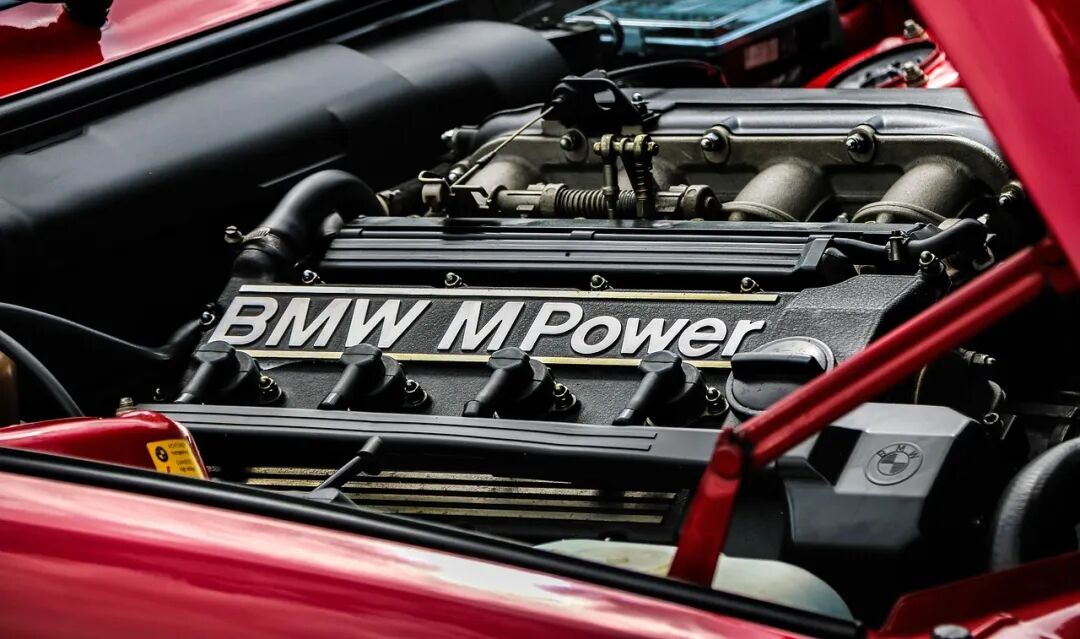
I. Are Fuel-Powered Vehicles on the Verge of a Comeback?
According to a report by Tencent's Lens, intelligence has traditionally been associated with electric vehicles due to their reliance on electrical power. However, in 2025, both domestic and joint-venture automakers are competing to label their fuel-powered vehicles as 'intelligent'.
The automotive industry is undergoing a transformation, with the 'first half focused on electrification and the second half on intelligence'. In the fierce competition of the automotive industry's latter stage, fuel-powered vehicles have also started to employ the weapon of 'intelligence'.
This year, amidst the wave of intelligence, 'unified intelligence for fuel and electric vehicles' seems to have become an industry consensus. Automobile brands such as Volkswagen, Nissan, Geely, and Chery are all ramping up their intelligent upgrades for fuel-powered vehicles and have successively proposed the 'unified intelligence for fuel and electric vehicles' strategy. Just a year ago, the intelligent transformation of fuel-powered vehicles was not considered promising.
In 2024, Lu Fang, Chairman of VOYAH Automobile, stated that 'traditional fuel-powered vehicles cannot become intelligent vehicles'. He believed that intelligence is built upon the rapid development of electronic technology, accelerated upgrades in chip and communication technologies, and continuous iteration of algorithms. However, fuel-powered vehicles have inherent shortcomings in intelligence, such as long system response times and insufficient redundancy, making them less than ideal carriers for intelligence.
In 2025, the 'decentralization' of electronic and electrical architectures became a turning point for fuel-powered vehicles. Previously, high-level autonomous driving seemed to be an exclusive feature of new energy vehicle models, and the popularization of intelligence remained disconnected from fuel-powered vehicles.
Achieving intelligence in fuel-powered vehicles is not as straightforward as installing chips and radars. An industry insider explained that, unlike the domain centralized architecture and high-voltage power supply systems commonly used in new energy vehicles, traditional fuel-powered vehicles mostly rely on distributed ECU architectures and 12V lead-acid battery power supplies, which are difficult to support the stable operation of autonomous driving assistance systems.
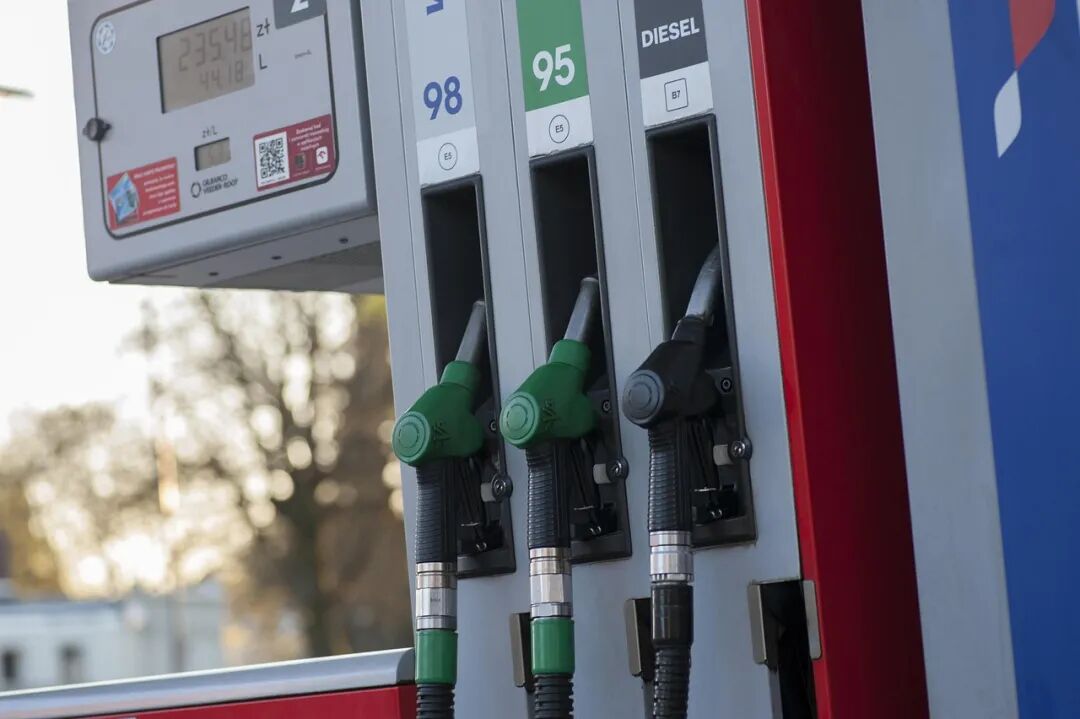
II. How Have Fuel-Powered Vehicles, Once Overshadowed by New Energy, Regained Viability?
Recently, a new trend has emerged: fuel-powered vehicles have not exited the historical stage as quickly as expected. Instead, they have found a new fulcrum for survival in the wave of intelligence. How should we interpret this situation?
Firstly, the previous decline of fuel-powered vehicles was more the result of multiple blows. The market shocks experienced by fuel-powered vehicles in recent years were essentially a dual-dimensional blow from new energy vehicles in terms of energy form and industrial ecology, rather than merely a gap in product competitiveness. New energy vehicles, with their electric drives replacing traditional fuel drives, not only offer advantages in usage costs and environmental friendliness but also, more crucially, have constructed a new industrial ecological logic. The traditional fuel-powered vehicle industry has long relied on core mechanical technologies such as engines and gearboxes to build competitive barriers. In contrast, new energy vehicles have shifted the competitive focus to electrification technologies such as electric drives, electronic controls, and batteries. More importantly, they provide a natural carrier for the implementation of intelligent functions.
Leveraging distributed electronic architectures and sufficient power supplies, new energy vehicles have pioneered the large-scale application of intelligent cockpits, autonomous driving assistance, and other functions, fundamentally altering consumers' perceptions of the value of automobiles. Automobiles have evolved from mere transportation tools into mobile intelligent terminals. This generational difference in industrial ecology has placed fuel-powered vehicles at a disadvantage not only in terms of energy form but also in a comprehensive lag in intelligent experiences, ultimately leading to their abandonment by market consumers.
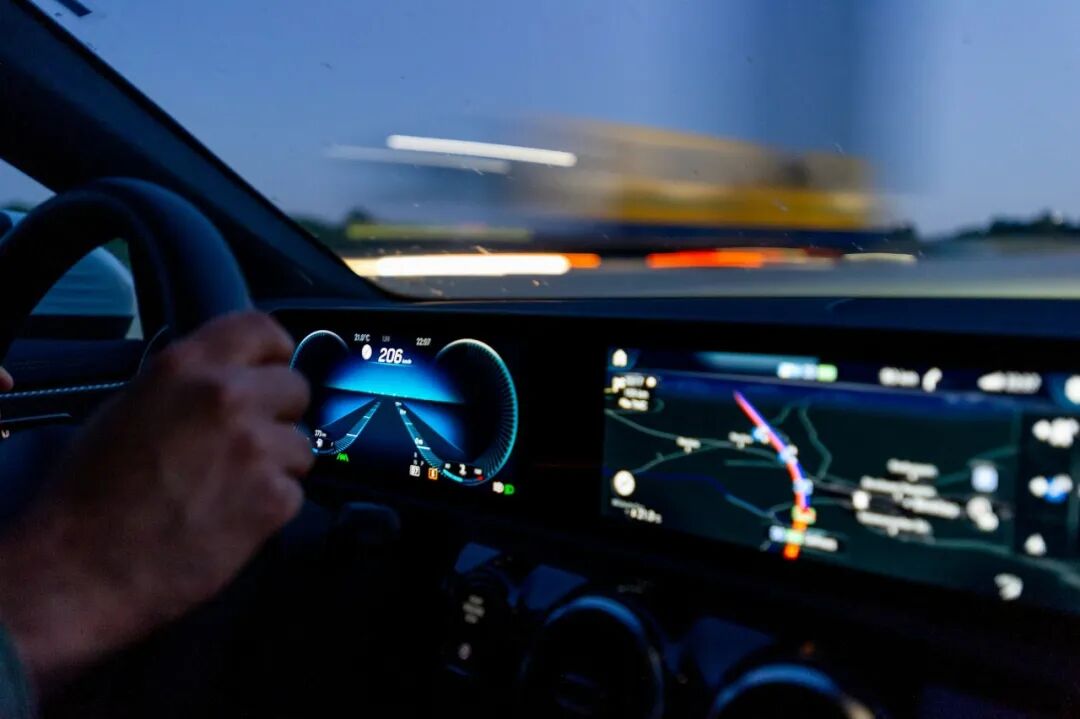
Secondly, the pressure for reform and upgrading has brought more possibilities for fuel-powered vehicles. After facing significant shocks, fuel-powered vehicles have not remained passive. Instead, they have gradually realized that while they cannot compete with new energy vehicles in terms of energy use, they have vast potential for development in the field of intelligence. Consequently, the 'unified intelligence for fuel and electric vehicles' strategy has become a common choice for many fuel-powered vehicles.
The core idea of the 'unified intelligence for fuel and electric vehicles' strategy is for fuel-powered vehicles to achieve the same level of intelligence as new energy vehicles or even surpass them. This means that fuel-powered vehicles need to undergo comprehensive upgrades and improvements in intelligent driving, intelligent cockpits, and vehicle connectivity. By introducing advanced sensors, chips, and software algorithms, fuel-powered vehicles can achieve higher levels of autonomous driving assistance functions, enhancing driving safety and convenience. In terms of intelligent cockpits, fuel-powered vehicles can draw on the design philosophies of new energy vehicles to create more comfortable, intelligent, and personalized cockpit environments, elevating the user's driving experience.
The proposal of this strategy is based on a profound consideration of market changes and the self-development of fuel-powered vehicle enterprises. As consumers' demands for automotive intelligence continue to rise, intelligence has become a crucial factor influencing their purchasing decisions. If fuel-powered vehicles continue to lag behind new energy vehicles in terms of intelligence, they will face the risk of being eliminated by the market. Therefore, the 'unified intelligence for fuel and electric vehicles' strategy is an inevitable choice for fuel-powered vehicle enterprises to adapt to market changes and enhance their competitiveness.

Thirdly, consumers' demands for intelligent functions are rapidly increasing. According to a report by Autohome, 71.9% of users consider the intelligent cockpit as their primary consideration when purchasing a vehicle, and 69.3% focus on the vehicle-machine interaction experience. Intelligence has become a key decision-making factor. This data fully indicates that consumers' demands for automotive intelligence have reached unprecedented heights. In such a market environment, coupled with the strategic transformation of 'unified intelligence for fuel and electric vehicles' by fuel-powered vehicle enterprises, more possibilities are emerging, and the trend of fuel-powered vehicles comprehensively deploying intelligence is also taking shape.
To better respond to consumer demands and meet their growing needs for intelligence, fuel-powered vehicle enterprises have embarked on more transformations and upgrades. On the one hand, they have strengthened their cooperation with technology companies, introducing advanced technologies and talents to enhance their intelligent research and development capabilities. Adhering to the principle of 'if you can't beat them, join them,' fuel-powered vehicles have also begun significant self-innovation. For example, some fuel-powered vehicle enterprises have collaborated with internet technology companies such as Huawei and Alibaba to jointly develop intelligent vehicle-machine systems, enabling interconnection between vehicles, smartphones, and smart home devices, and providing users with a more convenient life experience. On the other hand, fuel-powered vehicle enterprises are continuously optimizing their product designs and production processes to better integrate intelligent technologies into automotive products. From upgrading intelligent driving assistance systems to customizing intelligent cockpits, fuel-powered vehicle enterprises are comprehensively enhancing the intelligence levels of their products.
Fourthly, the strong foundation of the 'imported' supply chain has also made the transformation of fuel-powered vehicles possible. To achieve intelligent transformation, fuel-powered vehicle enterprises have adopted a more open and cooperative attitude, actively seeking strong alliances with technology companies. Moreover, with the rise of third-party intelligent service providers, the market's intelligent infrastructure has become increasingly perfect, and market specialization has intensified. For most intelligent service providers, the difference between serving fuel-powered vehicle enterprises or new energy vehicle enterprises is not significant. Instead, it helps these companies better expand their user base and customer groups. For example, companies like Huawei and Momenta, which have deep technical accumulations in intelligent connectivity and autonomous driving, have become highly sought after by many fuel-powered vehicle enterprises. By introducing advanced technology solutions from these technology companies, fuel-powered vehicle enterprises can quickly fill their gaps in intelligence and accelerate product iteration and upgrades. This 'imported' strategy undoubtedly provides strong technical support and a driving force for the intelligent transformation of fuel-powered vehicles.
However, at the same time, we should also recognize that fuel-powered vehicles face numerous challenges in their intelligent transformation process due to their inherent power structures and mechanical characteristics. The reason why new energy vehicle enterprises had such a significant advantage previously is also because they redesigned the entire vehicle architecture from the ground up, enabling new energy vehicles to support a sufficient amount of intelligent transformation. However, this is not the case for fuel-powered vehicles. The long-established architecture of fuel-powered vehicles requires more adjustments in electrification and intelligence than new energy vehicles, such as improving functional integration and optimizing cooling systems. These are urgent issues that need to be addressed. How to effectively overcome these technical obstacles while maintaining the original advantages of fuel-powered vehicles will be the key to determining whether fuel-powered vehicles can successfully make a comeback.
It can be said that the 'comeback' of fuel-powered vehicles is not based on denying the trend of electrification but rather on redefining their value by focusing on intelligence, a battleground that can be contested, while acknowledging the irreversibility of energy transformation. In the coming years, the competition in the automotive market will no longer be a binary opposition between 'fuel and electricity' but a new division between 'intelligent and non-intelligent'. In this new competition, fuel-powered vehicles may not be able to regain their peak position, but as long as they seize the lifeline of intelligence, they will still have a place at the table to compete with new entrants.
END
-
![]()
Model Giant Jieyue Xingchen Steps into Smartphone Arena: A Strategic Alliance with Huaqin Technology
-
![]()
Big Model Firm Dives into Phone Market: StepFun and Wingtech Forge a ‘Dynamic Duo’
-
![]()
Zhongrun Optics Makes a Bold Move with 1 Billion Yuan Investment: Is a Turning Point on the Horizon for the Precision Optics Industry?
-
![]()
Deploy CLBO Crystals and YIG Single Crystals! Erythritol Leader Invests 30 Million in Youwei Optoelectronics
-
CXMT’s July 16 Subscription: Leading Domestic Memory Manufacturer—What’s the Earning Potential per Lot?
-
![]()
Rhythm Discrepancy and Premium Value Erosion: Foreign Luxury Brands Must Re-evaluate Their China Strategy
-
![]()
Half-Year, 1 Billion Yuan Financing, 7 Billion Yuan Valuation: A New Dark Horse Emerges in the Embodied AI Sector
-
![]()
Strong Rebound for Tech Stocks in Hong Kong Stock Market: Is It Time to Bottom-Fish?