The next generation of robots may not necessarily resemble humans
 07/13 2026
 442
442
Two recent hard-tech news stories are more interesting when viewed together than separately.
One is Tesla's Optimus robot, which is about to enter scaling (mass) production. Reports indicate that Elon Musk has set a mass production deadline for the supply chain team: achieve a weekly production capacity of 1,000 units by September this year, increasing to 2,500 units per week by the end of the year.
The other is the Long March 10B. It completed China's first controlled recovery test for a carrier rocket, marking a historic breakthrough in Chinese aerospace. SpaceX has proven that rocket launches don't have to be expensive, infrequent, or disposable; now, Chinese aerospace is making this a reality in its own way.
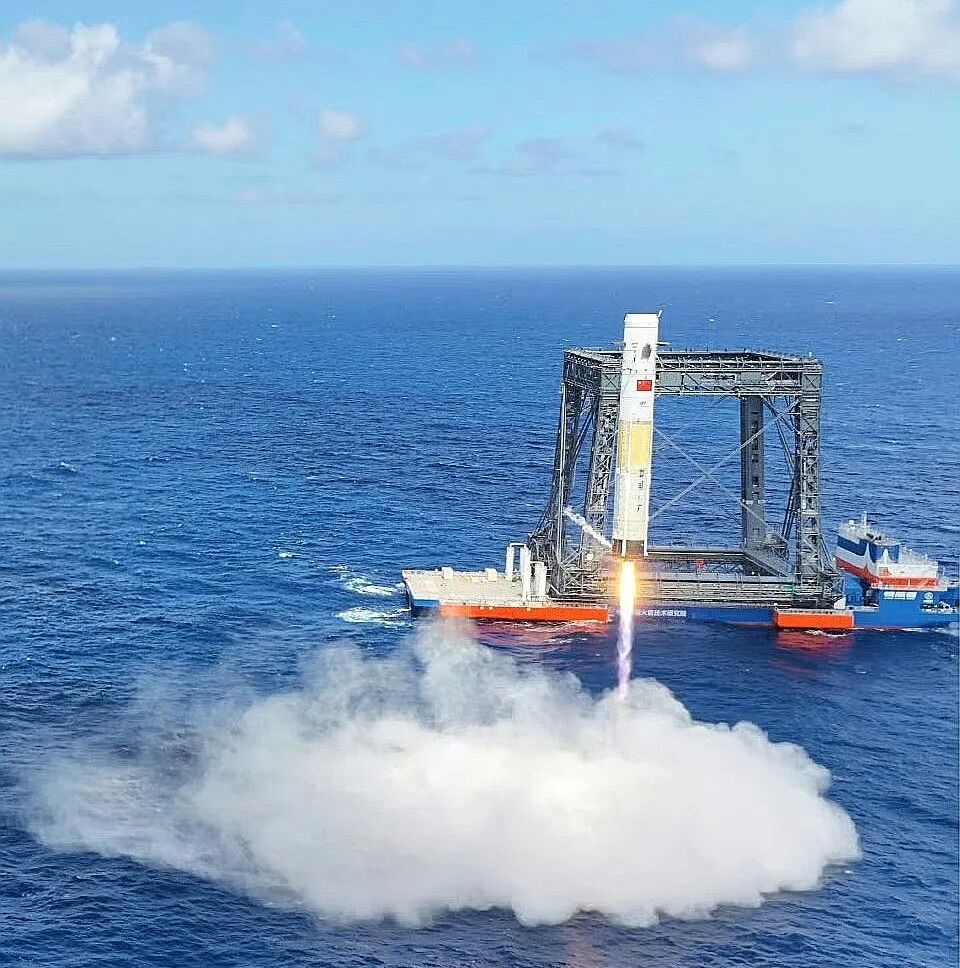
The significance of these two events lies not just in "robots being mass-produced" or "rockets being recoverable." More importantly, once complex technologies are integrated into a reusable engineering system, costs, efficiency, and commercial boundaries are rewritten.
Viewing the robotics industry through this lens, form is merely a superficial issue. What truly matters is whether robots can enter real-world scenarios, operate continuously, and become systems that customers are willing to purchase over the long term.
Thus, the next generation of robots won't necessarily have to resemble humans. They will adapt to different scenarios, taking on the most suitable forms to create new value that didn't exist before.
Humanoid robots are hot, but factories are doing the math first
Over the past two years, the hottest term in the robotics industry has been "humanoid."
They've appeared on the Spring Festival Gala, served as receptionists, participated in product launches, and even spawned a massive rental market. For the general public, humanoid robots represent the ultimate vision of "robots entering human life."
Capital is also flooding in. According to IT Juzi, a leading data agency, in the first half of 2026, domestic financing in the embodied intelligence sector reached 93.5 billion yuan across 322 deals. Among these, humanoid robot companies remained the hottest direction, with 9 out of the top 20 being humanoid robot manufacturers, collectively raising approximately 31.5 billion yuan.
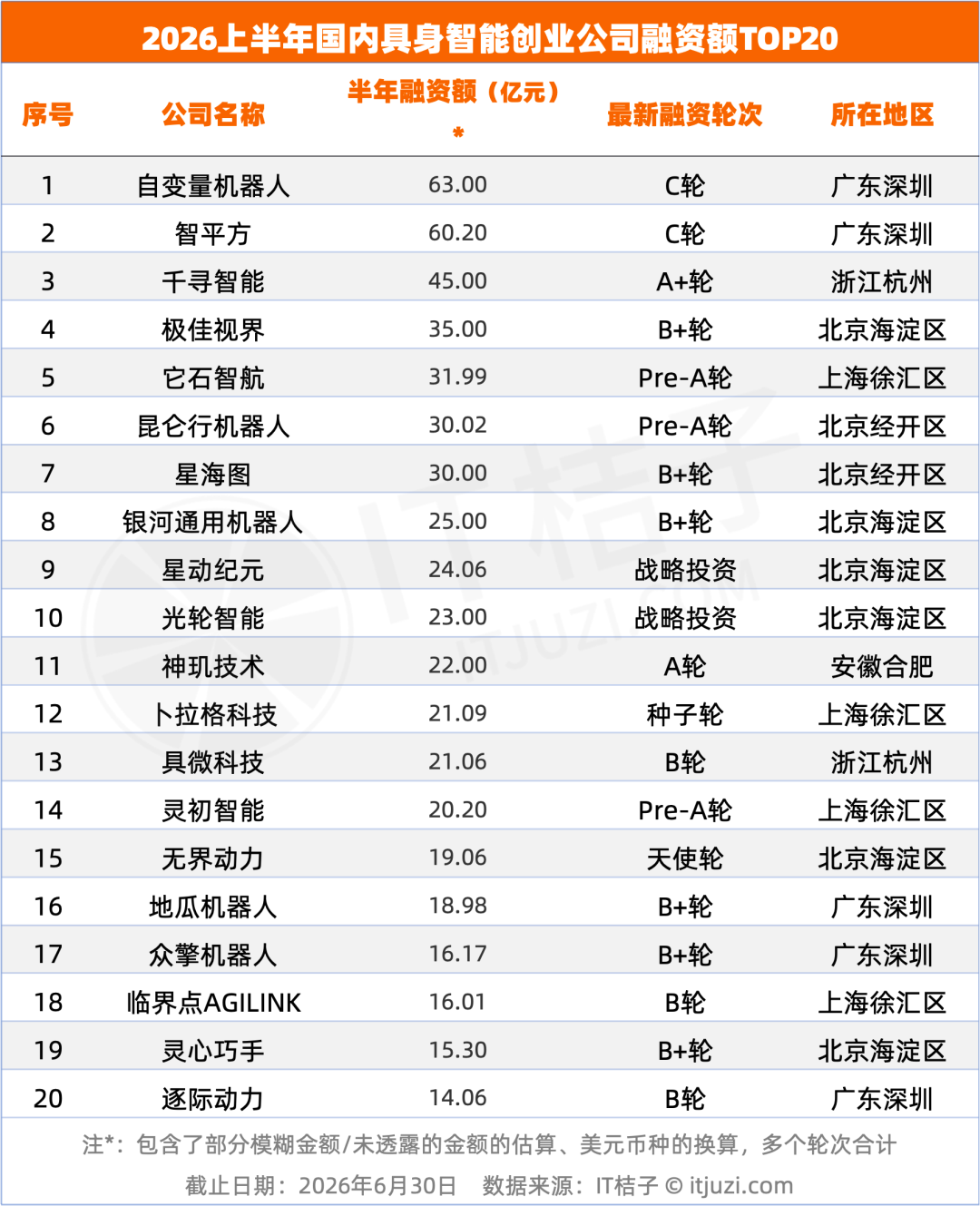
The trend is clear: capital is betting on robots entering the real world. However, as they move closer to reality, robots are not entering households first but going to factories to work.
Tesla's Optimus has identified its own automotive factories as its first target scenarios. Factories offer stable spaces, clear processes, and controllable boundaries. For humanoid robots to transition from demonstrations to deliveries, factories provide a more realistic testing ground.
The Financial Times reported last year on UBTECH, noting that its humanoid robots currently operate at about 30%-50% of human efficiency, with the company aiming to reach 80% by 2027. This figure is not embarrassing but rather indicates that the industry is still in its real-world validation phase.
Humanoid robots are undoubtedly important, representing a broader vision of generalization. However, the first wave of commercialization for embodied intelligence may not occur in the most human-like settings but rather in tasks that are rigid enough, where customers are willing to pay, and where robot forms are better suited to the scene.
Robots are not just about replacing humans
When ordinary people discuss the development of robots, they often first ask: Will they take my job?
In many scenarios, robots are taking over tasks that are unsuitable for humans to perform long-term and are increasingly difficult to staff.
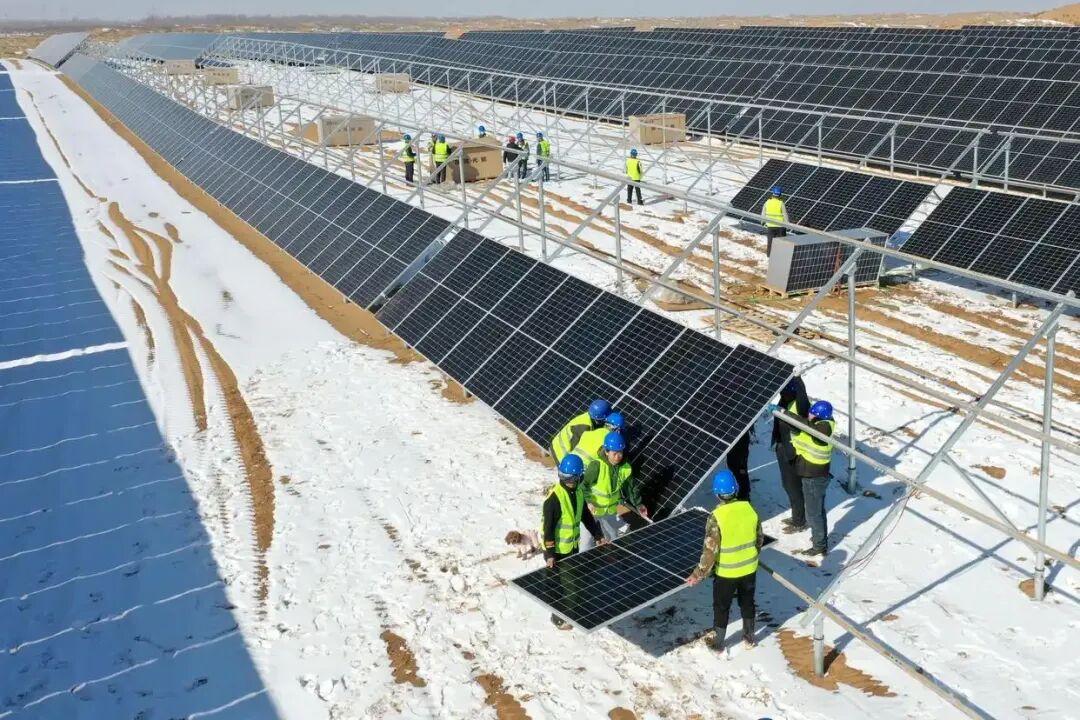
Examples include high-voltage substation inspections, mining transportation, chemical plant security, desert solar panel construction, offshore wind farm maintenance, and port underwater inspections. These tasks share common characteristics: harsh environments, high risks, remote locations, repetitive tasks, yet they must be done.
Domestic company Litian Intelligence focuses on the less visible but critical segment (aspect) of solar power plant installation. In August 2025, Litian secured a GW-scale project order in the Middle East, deploying 60 crawler-type autonomous navigation module-laying robots in Saudi Arabia, Abu Dhabi, and other regions. Operating in 45°C heat and sandstorms, these robots laid solar modules at a rate of one every 30 seconds.
Without robots, workers would have to handle, position, and install modules under intense sunlight, heat, and dust. Robots are not replacing an abstract job but a segment of high-intensity, low-tolerance field labor.
When customers buy robots, they don't focus on appearance but on the bottom line. Fewer accidents, less downtime, fewer people entering hazardous areas, and shorter waiting times all translate to real cost savings.
The gap and urgent demand in the ocean
Shifting our perspective beyond factories, the ocean is an even more noteworthy sector. It has long existed but has not been fully roboticized.
China's marine economy has surpassed 11 trillion yuan in total value. Approximately 90% of global trade relies on maritime shipping. Ports, ships, offshore wind farms, submarine cables, marine ranches, and deep-sea exploration all involve long-term, repetitive, and rigid operational and maintenance demands.
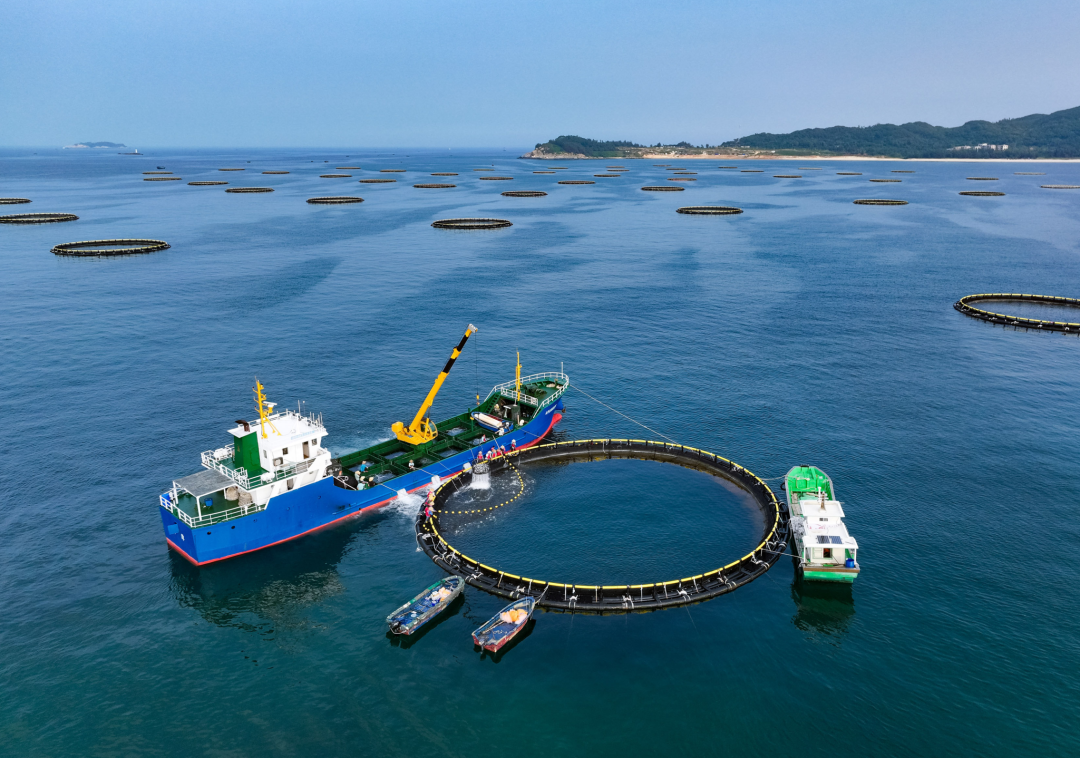
The real change is that marine assets are increasing in quantity, scale, and depth.
Wind power is moving farther offshore, solar power is expanding onto the sea surface, the computing era demands more submarine cables, and marine ranches and deep-sea resource development are advancing. The density of offshore infrastructure is rising, yet operations still rely heavily on divers, workboats, temporary teams, and heavy equipment.
This creates a mismatch: while assets are rapidly infrastructuralizing, operations remain stuck in high-cost, low-frequency, labor-intensive modes.
Human underwater operations have natural limits. Divers typically work at depths of only a few dozen meters and for limited durations. Today's offshore wind farms, marine solar projects, drilling platforms, and deep-sea facilities increasingly operate at depths of 100 meters or more.
More troubling is the lack of stable communication and lighting underwater, where waves, currents, surges, high salinity, high pressure, and corrosion all occur simultaneously.
Robots entering the ocean essentially address the fact that traditional operational methods can no longer keep pace with asset expansion. They face not a flat production line but a pitch-black, low-visibility, high-pressure, highly corrosive underwater environment. Humans cannot stay there long, and machines struggle to operate stably.
Thus, marine robots are not just about putting equipment in a waterproof casing. They must solve the cost problem of long-term marine infrastructure maintenance and transform marine operations from "project-based repairs" into "normalized services."
The tough battle underwater
The commercialization of marine robots ultimately depends on their ability to operate continuously in real-world applications. In this dimension, Seahang Intelligence has begun delivering answers.
Recently, Seahang completed an A-round financing exceeding 1 billion yuan. In the first half of this year, its order volume surpassed 1 billion yuan. These are not conceptual orders but confirmed delivery orders, with equipment already deployed in ports, marine engineering, marine ranches, and other real-world scenarios.
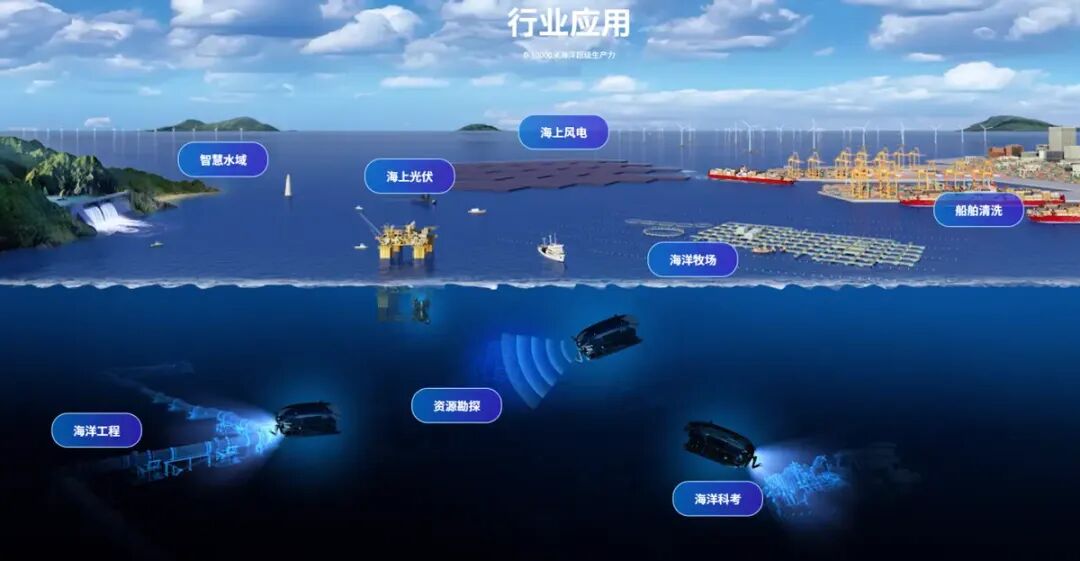
In the marine robotics sector, real-world delivery is itself a Filter (screening) test.
A marine robot must simultaneously address high pressure, corrosion, undercurrents, low visibility, weak communication, difficult positioning, and recovery challenges. Many companies fail not due to a lack of imagination but because they cannot overcome technical hurdles.
Seahang's approach is to first develop a complete system of technologies required for marine robots.
Currently, Seahang has formed six core systems: propulsion, control, navigation, sensing, sealing, and deployment/recovery, with full-water-depth operational capabilities from 0 to 10,000 meters. This capability allows robots to extend from ports and coastal areas to deep-water facilities on a single technical foundation.
In April, Seahang released its marine embodied large model, "Cangqiong CEORION." Data shows that Cangqiong achieves over 90% success rates in simulated tasks, over 70% zero-shot adaptation in new scenarios, and its physical reasoning module reduces collision accidents by 80%.
This model's capabilities rely on real operational data.
From its inception, Seahang's team focused on building marine scenario data. With scaling (mass) deployment, data volume has grown rapidly, now exceeding one million hours of real first-person underwater operational data covering tens of thousands of global vessels.
For marine robots, models are not just for following AI trends. Underwater, there is no stable lighting, no clear maps, and unstable communication. Murky water, floating debris, and complex structures make it difficult for robots to determine "what's ahead" or "whether a collision will occur."
The true challenge for underwater large models is scene understanding and action judgment in unfamiliar waters. The more authentic the data, the closer the model aligns with real-world conditions; the closer the model aligns with real-world conditions, the more opportunities robots have to expand from single tasks to multiple operational scenarios.
However, for models and data to truly add value, the robot itself must operate stably underwater for extended periods.
A typical example is propulsion. Traditional underwater propellers often use shaft seal structures, which are prone to wear and water ingress over time, with lifespans typically limited to hundreds of hours. Seahang's self-developed magnetically coupled propellers replace traditional shaft seals with magnetic coupling, extending trouble-free operational lifespan to tens of thousands of hours.
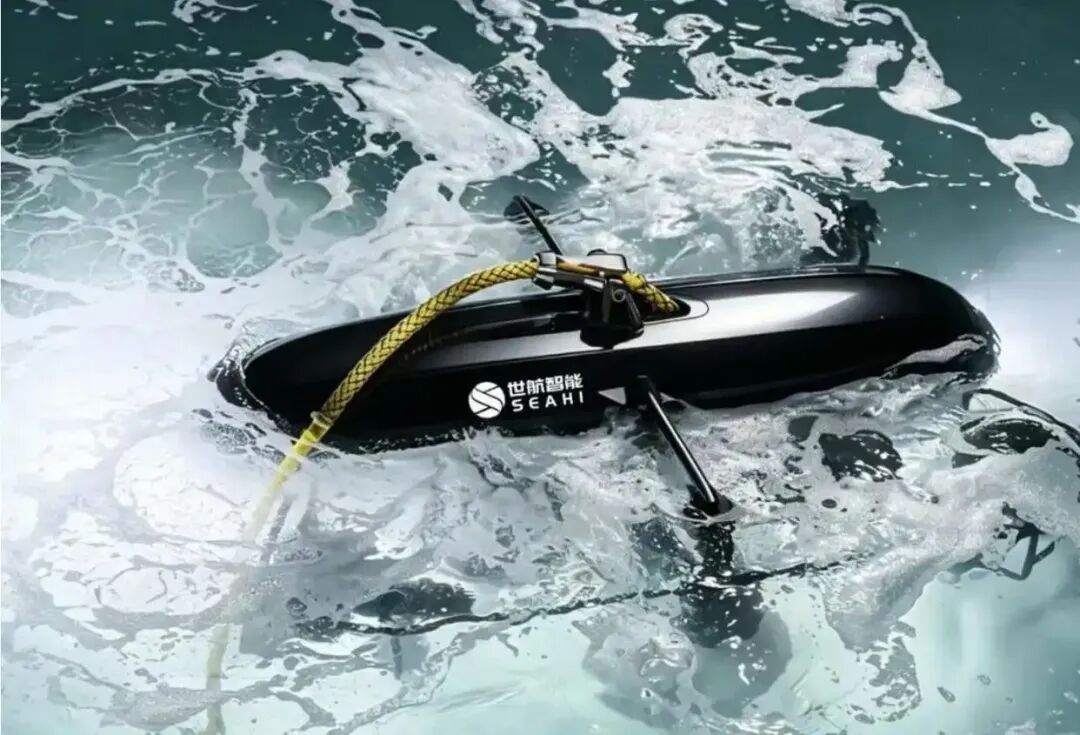
For customers, this is not just an indicator of component lifespan but a difference in downtime, repair, and operational costs. If underwater equipment requires frequent retrieval for maintenance, the labor cost savings from robots are quickly offset by on-site engineering costs.
Another example is anti-current capability. When ocean currents flow, cables create resistance, causing robots to drift, lose stability, and deform precise operations. Seahang enhances stable operation in strong currents through integrated single-cable design, fluid simulation-optimized bodies, and an 8-propeller six-degree-of-freedom vector allocation algorithm.
Ports and wind farms are not calm swimming pools. Robots must operate close to structures amid currents, cables, vessels, and obstacles. Without stability, cleaning, inspections, and maintenance are impossible.
These technologies may not sound as attention-grabbing as humanoid robots or autonomous driving, but they determine whether a marine robot can truly enter customer sites.
Because these foundational capabilities are reusable, Seahang's product iteration speed is particularly noteworthy.
Building on the team's years of deep experience in the marine sector, Seahang expanded from ship cleaning to marine solar in just over two months with its new Orca Pro model. Entering offshore wind took only one month, and the Orca Mini iteration took 21 days while reducing BOM costs by 60%.
Every new marine scenario Seahang enters relies on the transfer of robot bodies, propellers, control systems, sensing systems, operational algorithms, and data capabilities.
Viewed holistically, Seahang's research value lies in its ability to integrate robot bodies, propulsion, control, navigation, sensing, data, and models into a reusable technical system for extreme, unstructured marine environments. Orders and customer budgets are natural outcomes of this system's real-world validation.
Ultimately, it's about the customer site
Jack Xu ( Zhu Xiaohu ) once compared Seahang to "SpaceX of the ocean."
This phrase holds little meaning as mere hyperbole. What truly matters is the technical pathway and cost structure behind it.
SpaceX revolutionized commercial aerospace not just by launching rockets but by creating a recoverable, reusable, and cost-sustainable engineering system for rocket launches.
Seahang faces an even more unstandardized aquatic world. Without stable communication, GPS, or clear lighting, equipment must withstand pressure, corrosion, and currents while operating long-term. Success here depends not on a single technology but on a comprehensive system capability.
China has the world's most densely packed manufacturing sites, along with expanding real-world scenarios in new energy, ports, mining, marine engineering, and urban infrastructure. Many tasks already exist—they're not waiting for robots to "resemble humans" but have long required a machine system capable of stable, long-term operation.
Seahang Intelligence merits attention within this framework because it has developed a technical system, real orders, data loops, and cross-scenario reuse along a less-discussed pathway.
Thus, competition among next-generation robot companies will not be limited to humanoid forms.
Whoever first transforms tasks that humans cannot perform, cannot afford to perform, or cannot perform frequently into stable, deliverable technical systems and businesses is more likely to define the next phase of the robotics industry.
-
![]()
Even Li Auto Is Facing Challenges. Can Xiaomi Make a Mark in the Extended-Range Hybrid Vehicle Market?
-
![]()
Surplus Capacity Leasing vs. Aggressive Expansion: Is Meta's 'Dual Strategy' a Deliberate Move?
-
![]()
German Business Leaders Contemplate 'Embracing the 996 Culture,' While Chinese Auto Workers Simply Aspire to Clock Out On Time
-
Graduating with a Violin Serenade in a Luobo Kuaipao, Enjoying Yunba Rides, and Watching Football with Milu: Shenzhen's Seamless Integration of Driverless Cars into Daily Life
-
![]()
Shenzhen Unveils 331 Nighttime Autonomous Vehicle Routes in Three Months: Even Logistics Embrace Off-Peak Operations in the Vibrant City
-
![]()
Why Did the Lingguang App Lose Its Competitive Edge? A Strong Hand Played Poorly
-
![]()
Monthly Double Building Purchases for 3.8 Billion: Is Duan Yongping Still in Sync with Pinduoduo?
-
![]()
Tesla FSD’s China Debut: How Orbbec’s ‘AI Eyes’ Are Revolutionizing Intelligent Driving and Robotics