The Most Comprehensive Sneak Peek of New Global AI/AR Glasses in 2026! All-Star Lineup, Full-Scale War Begins
 02/13 2026
 791
791
If 2025 was the 'first year of AI glasses,' then 2026 has completely opened the floodgates—with numerous players emerging and a flourishing market, major tech giants are revealing their trump cards, officially igniting a 'full-scale war' in the AI/AR glasses space.
In just over a month since the start of the year, a wave of new products has already been unleashed at full throttle:
XGIMI has boldly introduced its new AI hardware sub-brand, MemoMind, officially entering the smart glasses arena;
Thunderbird Innovation has unveiled the world's first binocular full-color AR glasses with eSIM standalone connectivity—the 'Thunderbird X3 Pro Project eSIM'—allowing true use without a smartphone;
MLVision has launched the industry's rare hardware-upgradable AR glasses, the M6, focusing on the concept of 'buy once, never outdated,' directly addressing the pain point of products becoming obsolete shortly after purchase;
ASUS ROG has teamed up with XREAL to create the R1, an AR gaming glasses tailored for hardcore gamers, redefining immersive entertainment;
Rokid has seized the opportunity to launch the Rokid AI Glasses Style for overseas markets, featuring an ultra-lightweight 38.5-gram design that emphasizes 'wearable without feeling it';
Traditional eyewear retail giant LOHO has also crossed over to introduce the Loho AI Glasses, deeply integrating smart functionality with stylish frames and accelerating channel expansion.
From Meta, Google, Apple, and Samsung to Huawei, Alibaba, ByteDance, and then to Xiaomi, Li Auto, and XGIMI—these Chinese new forces... nearly all tech giants are getting serious, revealing their trump cards and rushing to claim a stake in the blue ocean of smart glasses.
And this is just the first wave of 'appetizers' at the start of the year. The real main event is yet to come. What other blockbuster products are on the horizon for 2026? In response, VRAR Planet has exclusively compiled a list of core new product predictions for AR+AI glasses in 2026, giving you an early sneak peek at this tech extravaganza.

Apple: Finally Launching 'Apple Glasses'?
After all these years of waiting, Apple seems to finally be getting serious.
According to Bloomberg's top reporter Mark Gurman, Apple plans to officially release Apple Glasses (internally possibly still called Apple Vision) by the end of 2026, though mass shipments are likely to wait until 2027.
Based on existing clues, the first-generation product may not include AR display functionality. In pursuit of ultimate lightweight design and all-day wearability, Apple has chosen to 'simplify'—positioning it as an 'iPhone smart accessory' similar to the Apple Watch, with core selling points centered around Siri + AI smart experiences rather than visual overlay technology.
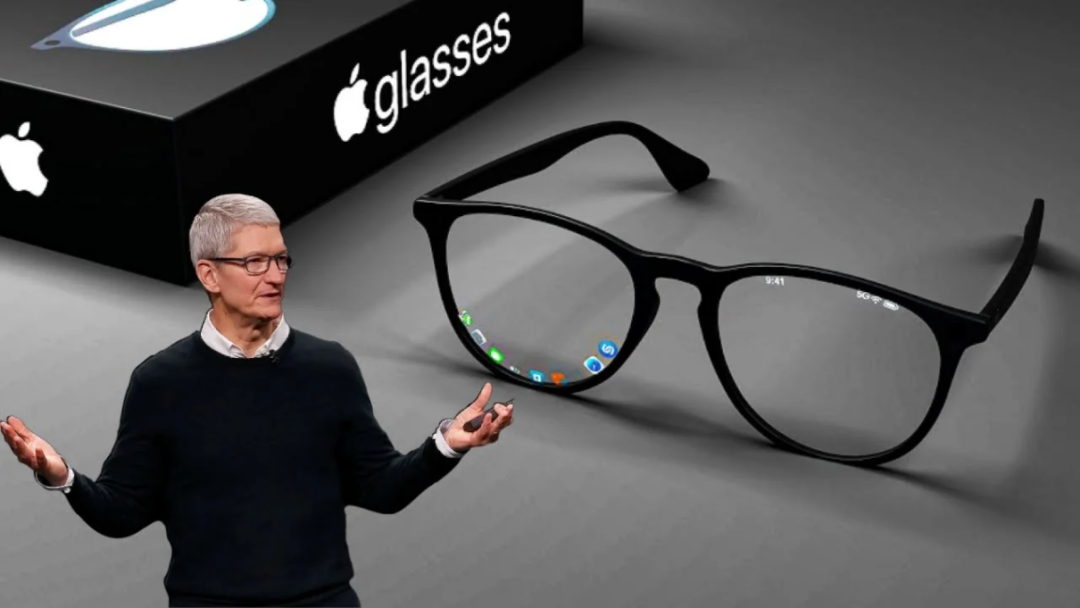
In simple terms, it's a pair of 'invisible AI assistants' that can understand and help you. After all, user acceptance matters more than technical flashiness. Instead of launching a bulky AR device that users would take off after three days, it's better to first establish usage habits with an 'invisible AI assistant.'
There are also reports that the product could make its official debut at the 2026 WWDC conference. Will Cook personally wear it on stage? We'll have to wait and see.
Google: Gemini AI Glasses, a Three-Step Return to the Battlefield
After years of silence, Google is finally set to officially re-enter the smart glasses arena in 2026.
According to Google's revealed Android XR smart glasses roadmap, they plan to build their smart glasses empire in three steps over the next two years:
Early 2026: Release the first 'audio smart glasses'—no screen, but equipped with a camera and microphone, focusing on voice, translation, and environmental understanding;
Late 2026: Launch 'monocular smart glasses' with a built-in micro-display on one lens for basic information prompts;
2027: The true 'binocular XR glasses' will debut, unlocking the full AR experience.
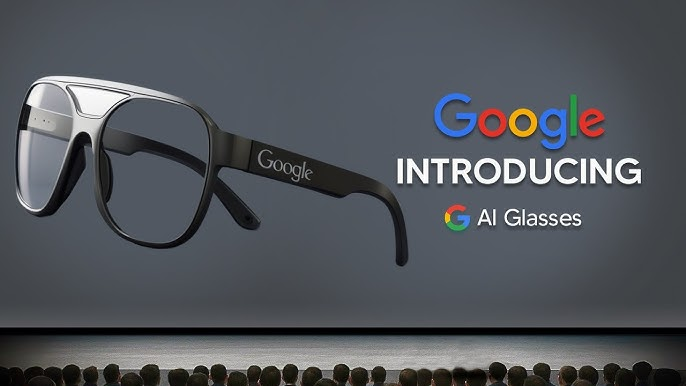
Additionally, Google's Project Aura, developed in collaboration with leading domestic AR brand XREAL, will also hit the market in 2026, based on the Android XR platform—a clear display of their ambitious plans. This time, Google means business.
Meta: Dominating as the 'Superpower,' Ramping Up Production to 20 Million Units
When it comes to AI glasses, no one can bypass Meta. After all, Meta captured 84% of the global AI glasses market share in 2025 with Ray-Ban Meta (SAG data), effectively becoming the industry's 'rule setter.'
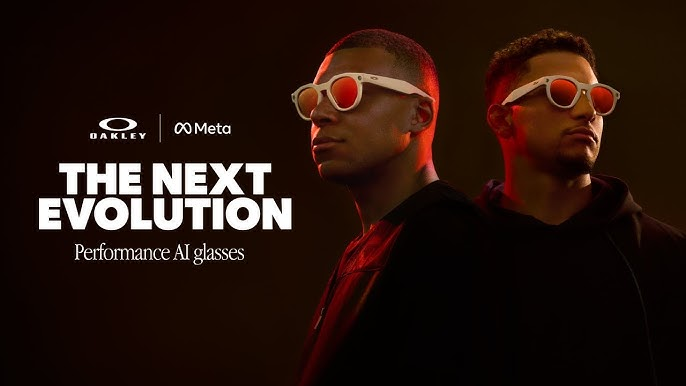
And in 2026, Meta isn't just defending its position—it's expected to continue expanding:
The next-gen Ray-Ban Meta may see comprehensive upgrades in optical comfort, battery life, and AI interaction logic;
There might even be another wave of collaboration models, like last year's successful partnership with Oakley;
Meanwhile, according to Bloomberg, Meta is planning to increase its smart glasses production capacity to over 20 million units annually by 2026.
Samsung: Focusing on Multimodal AI Experiences
On January 29, Seong Cho, Vice President of Samsung Mobile Experience, confirmed during an earnings call that Samsung will launch its next-gen AR glasses in 2026. He emphasized that the product's core selling point is delivering a 'rich and immersive multimodal AI experience.'
It's reported that these AR glasses won't just process visual information but will also combine voice interaction, environmental sensing, and other input methods to provide more powerful smart assistance services.
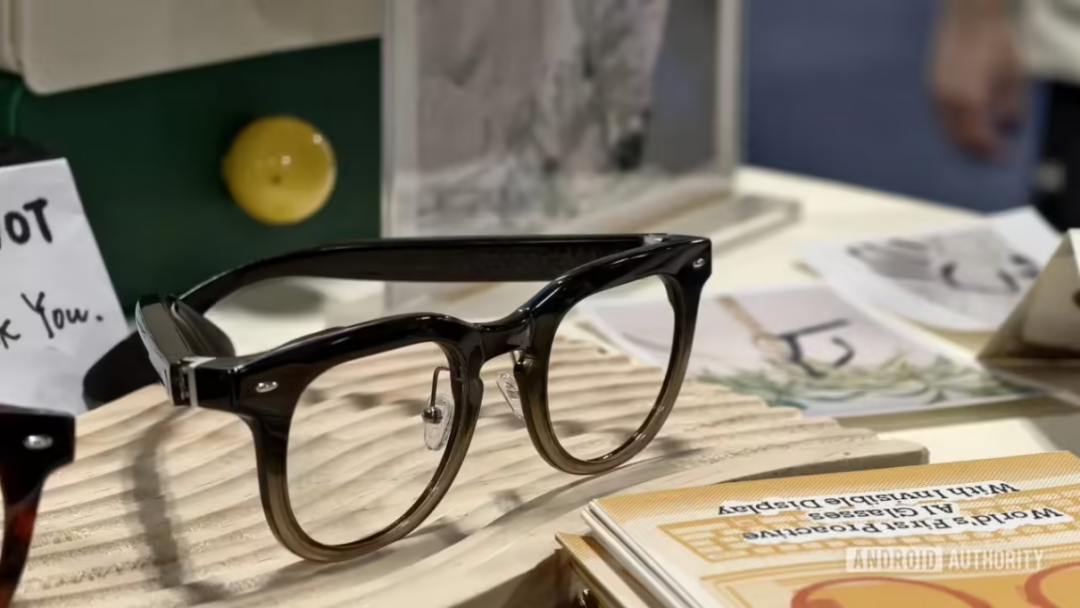
In terms of models, Samsung is internally developing two AR glasses: the SM-O200P and SM-O200J, though the specific differences between the two remain unclear.
In terms of specs, reports suggest the new AR glasses will be powered by a Qualcomm AR1 chipset, feature a 12MP autofocus camera, and may have a battery capacity of just 155mAh, making them feel closer to regular glasses in terms of wearability.
Samsung's entry is heating up competition in the high-end market.
Huawei: Empowered by HarmonyOS, Coming in the First Half of the Year
According to tech blogger 'Digital Chat Station,' Huawei AI glasses are set to launch in the first half of 2026.
It's revealed that the new glasses will come in three colors: Flowing Silver, Titanium Silver Gray, and Modern Black, supporting common functions like photography, video recording, audio playback, and simultaneous translation. Most crucially, thanks to HarmonyOS, the new product supports seamless cross-device collaboration and offers some 'new tricks.'
It also features three built-in lithium batteries and is designed with lightweighting in mind. For reference, Huawei previously launched the Huawei Smart Glasses 2 in 2023, and given the starting price of 1,899 yuan for the previous generation, this one will likely follow an affordable route as well.

Once Huawei makes its move, the domestic market landscape will change again.
Snap: Establishes Subsidiary Specs, Goes All-In on AR Glasses
Snap isn't staying quiet either. On January 29, the company officially announced the establishment of a wholly-owned subsidiary, Specs, dedicated to AR smart glasses business, with the relevant team operating independently.
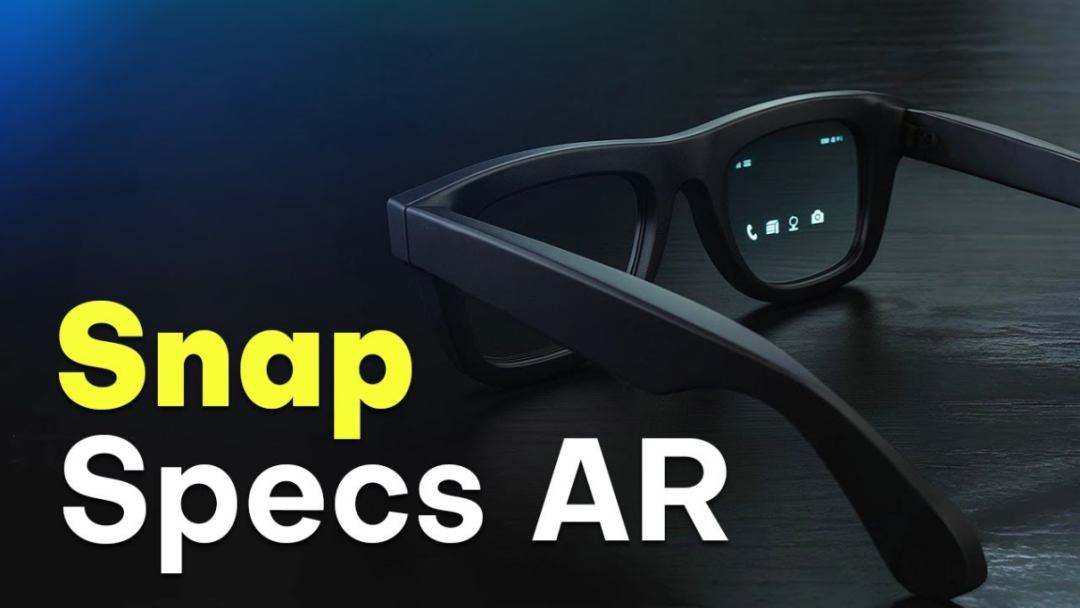
The next-gen Specs smart glasses will officially launch in 2026. While the exact release date and price haven't been announced yet, there are plenty of highlights:
Powered by a brand-new smart system that doesn't just execute commands but assists with various tasks by understanding the user and their environment;
Emphasizes privacy protection, attempting to overlay digital content into the real world in 3D through transparent lenses without relying on non-transparent screens;
Supports gesture + voice interaction;
Developers are already building apps based on the Specs platform, covering learning, gaming, and work scenarios, all grounded in real-world environments.
This is Snap's first true mass-consumer-oriented release in the Specs series, and it's definitely worth watching.
Thunderbird Innovation: New Products on the Horizon
At its October 23, 2025, event, Thunderbird Innovation left a teaser: four new products are expected to launch in 2026, likely all AR glasses.
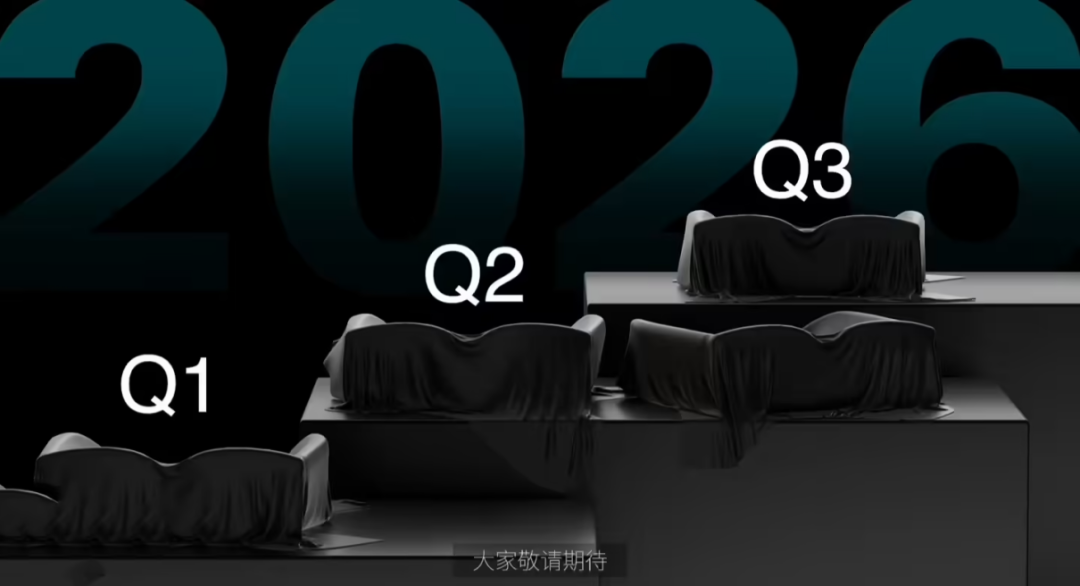
While details haven't been revealed yet, judging by their past product cadence—technologically aggressive and bold—especially their lead in eSIM standalone connectivity, the upcoming releases will likely push further in display effects, AI capabilities, or ecosystem integration.
ByteDance: Stealthy Layout
ByteDance's glasses project has remained mysterious, but according to 'Intelligence Surge,' its glasses team is reportedly the largest in China, even with a dedicated R&D team in North America (rumored to have poached key talent from Meta).
In 2026, ByteDance will launch two products:
AI glasses without display: Expected to release in Q1 2026 (likely after the Spring Festival);
AI glasses with display: Planned for Q4, offering a more futuristic feel.

It's reported that someone who has seen ByteDance's glasses said they will focus on all-day photography. Recently, media also revealed that ByteDance's first-gen glasses will primarily target senior users of Doubao.
Conclusion
Meanwhile, established players like INMO, Rokid, and XREAL won't sit idle. Following their annual tradition of new releases, the AI and AR battlefield in 2026 is destined to be incredibly lively.
This isn't a sprint—it's a marathon. But undoubtedly, 2026 is the moment when we stand at the crest of the wave, witnessing history unfold.
What other AI/AR glasses do you know are launching in 2026? Welcome to leave a comment and join the discussion.
By Vivi
-
![]()
Registered Capital Slashed to 372 Million Yuan! Yutong Optical Finalizes Industrial and Commercial Change Registration
-
![]()
Zhuque-3 Successfully Lands, and 'Time Traveler' Secures Another ¥100 Million in Funding: China's Commercial Space Industry Experiences a 'Dynamic August'
-
![]()
Autohome Faces a Shrinking Window of Opportunity
-
![]()
Even a Titan Like Musk Has Faced Setbacks in Fulfilling Promises
-
![]()
AI Office: The End of the Racing Era, Context Becomes the Key to Success
-
![]()
Domestic Vehicle Chassis Revolution ②: The Steering Wheel Remains, But Mechanical Connections in the Steering System Are Decreasing
-
![]()
Exploring MiniMax Design: Can Video Editing Be as Simple as Speaking?
-
![]()
Why Can SenseTime Achieve Profitability While CloudWalk Still Faces Challenges, Despite Both Adopting Large Models?