Zhuque-3 Successfully Lands, and 'Time Traveler' Secures Another ¥100 Million in Funding: China's Commercial Space Industry Experiences a 'Dynamic August'
 08/24 2026
 552
552
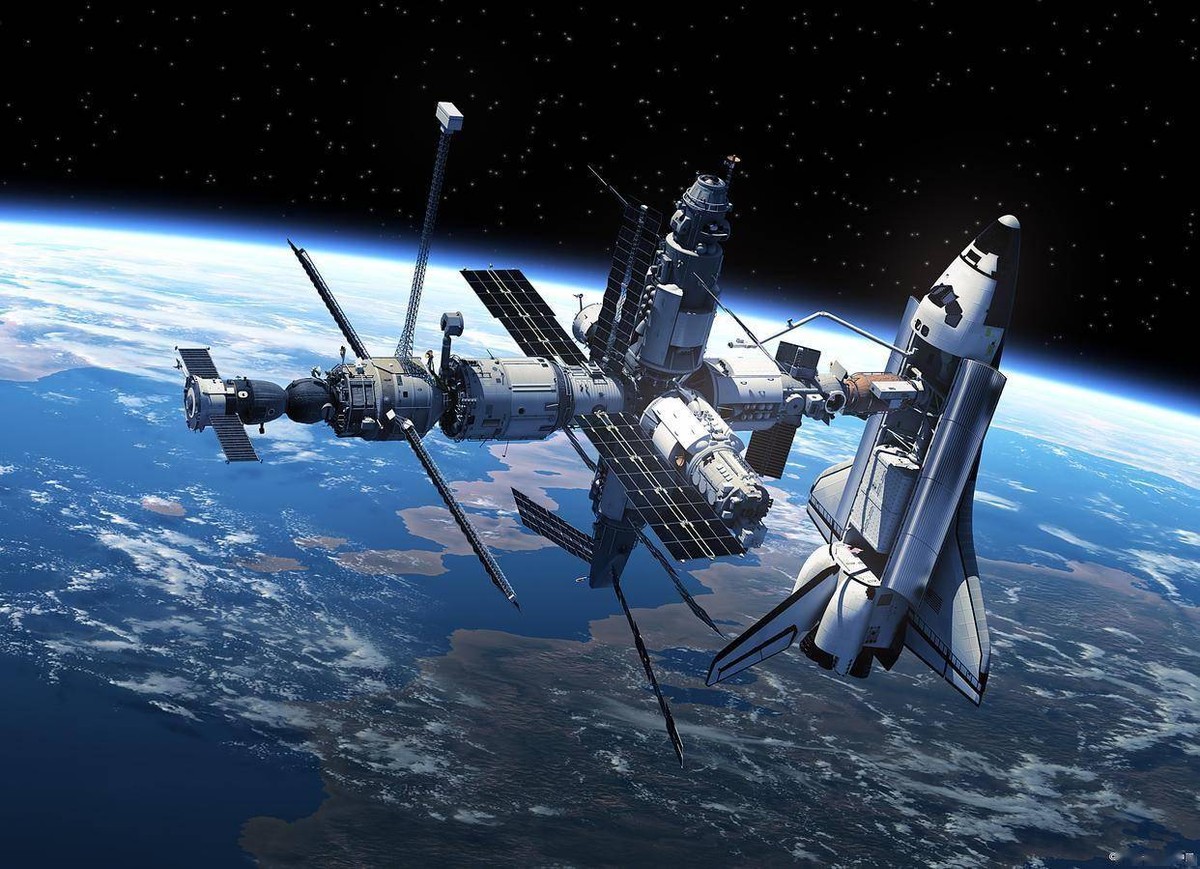
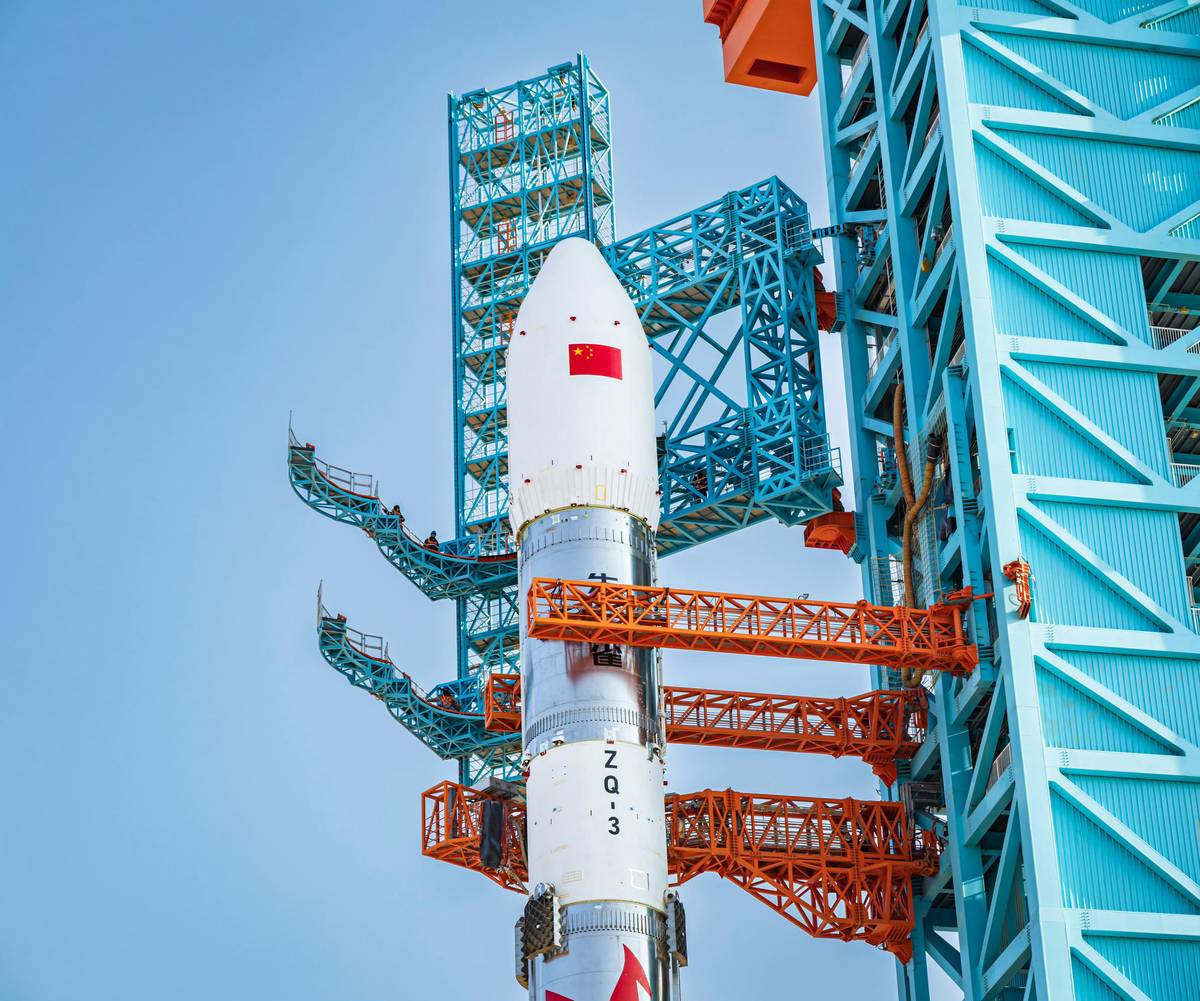
On August 19, 2026, at 7:35 AM, at the Zhuque-3 landing site in Minqin County, Gansu Province, a rocket first stage with a diameter of 4.5 meters rapidly descended from a high altitude, decelerated precisely, and ultimately landed steadily, supported by its landing legs.
Landspace's independently developed Zhuque-3 Yao-2 launch vehicle achieved China's first-ever terrestrial recovery of a launch vehicle's first stage using landing legs.
Approximately 137 seconds after liftoff, the rocket's first and second stages separated, with the second stage accurately placing the Honghu 03 satellite into its predetermined orbit. From adjusting the return attitude at high altitude to decelerating through re-entry ignition, and from aerodynamic gliding control to deploying and cushioning the landing legs, the entire process was executed flawlessly.
Eight months earlier, the inaugural flight of the same rocket model successfully reached orbit, but the recovery test encountered difficulties during the "final braking" phase.
This time, the "Zhuque" truly made its way back home.
According to Landspace, the first stage of a rocket accounts for roughly 70% of the total rocket cost. Reusing it five times can reduce the cost per launch by nearly 45%; reusing it 20 times could slash launch costs by 80% to 90%.
Just five days after Zhuque-3's successful landing, Beijing Time Traveler Manned Space Technology Co., Ltd. announced the completion of a ¥100 million Pre-A+ round of funding.
This round was co-invested by Sichuan Guojing, Jinda Capital, Zhongtian Huifu, and Qifu Capital. Zhongtian Huifu, an existing shareholder, participated in three consecutive rounds of investment, while Qifu Capital completed two rounds of follow-on investments.
What makes a company specializing in manned spacecraft and space tourism so appealing to investors?
Who is investing, how much, and where is the money being allocated?
'Time Traveler' can be regarded as a favorite among investors.
In September 2023, Nanyue Aode invested several million yuan in the seed round.
In November 2024, Qifu Capital solely invested ¥30 million in the angel round.
In June 2025, Zhongtian Huifu and Binfu Capital invested tens of millions of yuan in the angel+ round.
In August 2025, TusStar Ventures made an additional investment.
In May 2026, Time Traveler completed a ¥100 million Pre-A round of funding, led by a prominent internet strategic investor, with listed company Toread Group participating as a follow-on investor. Existing shareholders Zhongtian Huifu and Binfu Capital continued to increase their stakes. This round was hailed as the "largest single funding round in China's commercial space C-end sector in 2026."
Just three months later, another ¥100 million Pre-A+ round of funding was secured.
Sichuan Guojing and Jinda Capital made their debut investments, while Zhongtian Huifu, an existing shareholder, participated in three consecutive rounds, and Qifu Capital completed two rounds of follow-on investments.
From the seed round to the Pre-A+ round, Time Traveler completed six rounds of funding in less than three years, with investors ranging from single institutions to a diverse mix of industrial capital, internet strategic investors, and local state-owned enterprises.
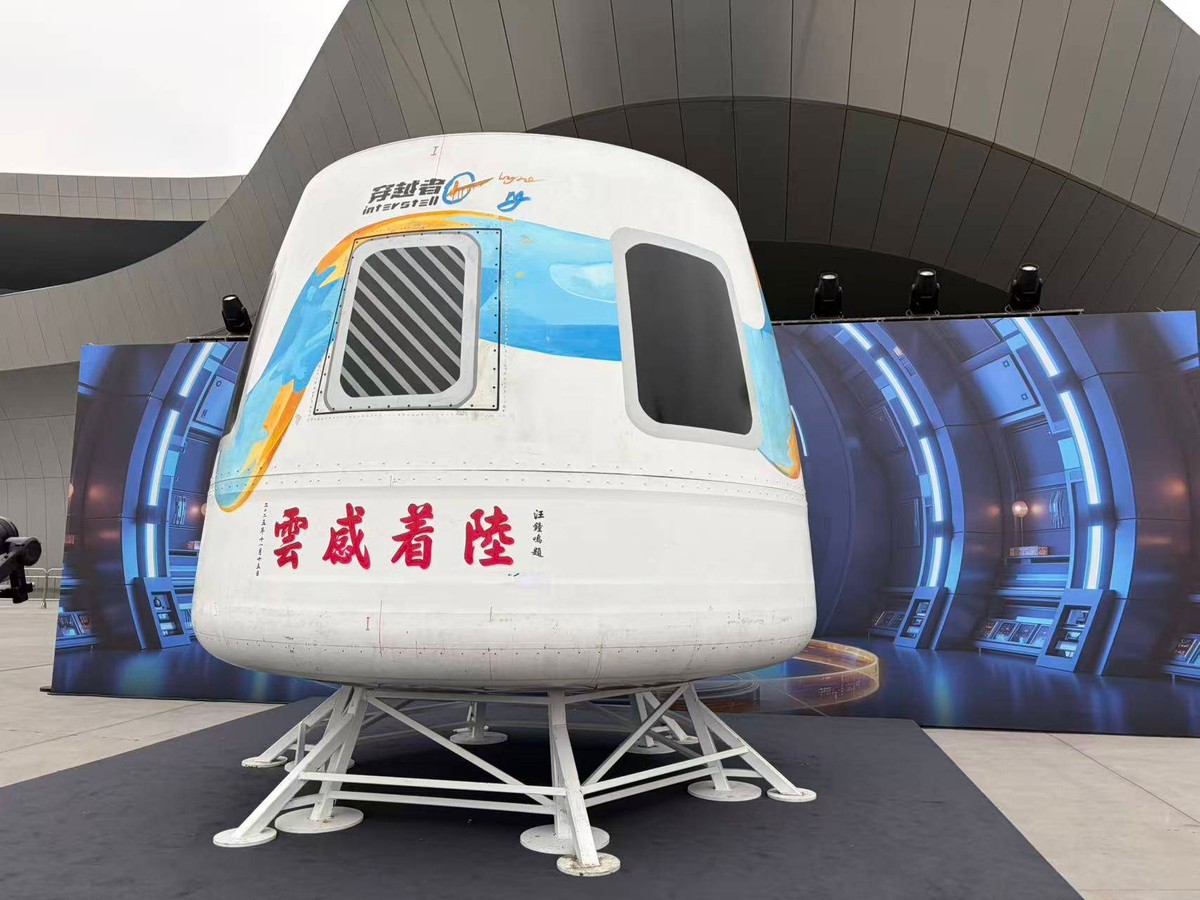
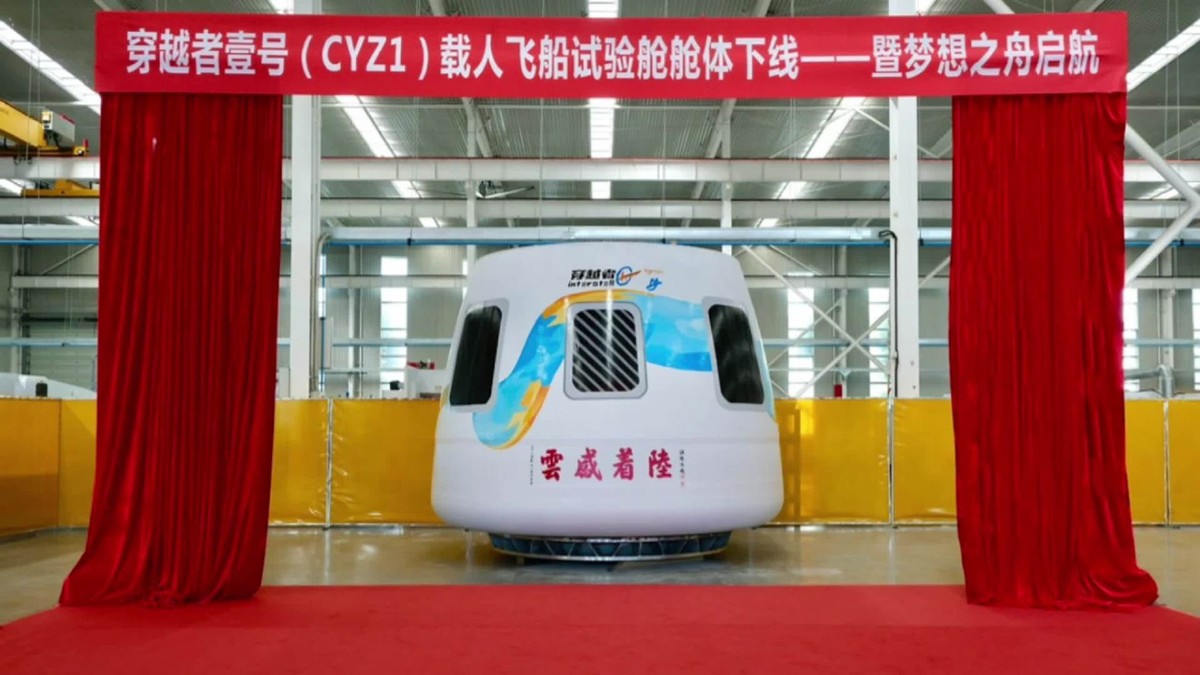
It is reported that the funds raised in this round will primarily be used for the key technology development and flight test verification of the 'Time Traveler No.1 (CYZ1)' suborbital manned spacecraft, while simultaneously advancing the preliminary technical research of the 'Time Traveler Vessel (CYZ2)' orbital-class, two-stage reusable spacecraft.
Recent funds are aimed at enabling spacecraft to fly, while long-term funds are focused on enabling them to fly repeatedly.
Time Traveler: An Unconventional Space Company
Founded on January 11, 2023, and headquartered in Haidian District, Beijing, Time Traveler is a Chinese commercial manned space technology enterprise that integrates the development of reusable manned spacecraft with space tourism operations.
Founder Lei Shiqing, born in 1994, graduated from Jinan University with a degree in broadcasting and hosting and once served as the host of 'Across China' on CCTV's Chinese International Channel.
The transition from a CCTV host to a commercial space founder was so remarkable that many initially dismissed it as mere storytelling.

However, Lei later pursued a master's degree in Human Factors Engineering within the field of Applied Psychology at Renmin University of China, under the mentorship of Academician Chen Shanguang, director of the National Key Laboratory of Human Factors Engineering and deputy chief designer of China's Manned Space Program. Her in-depth research in human factors engineering during her master's studies established a core R&D philosophy for Time Traveler's spacecraft: human-centric design.
On January 18, 2026, Time Traveler addressed all doubts with a technical verification.
The full-scale test capsule of 'Time Traveler No.1 (CYZ1)' successfully completed a comprehensive verification of its landing cushioning system, controlling the touchdown overload to within 5g. The impact force during a manned spacecraft's return to Earth directly determines crew safety. An overload control of within 5g means that ordinary people can withstand it.
With this verification, Time Traveler became the third commercial space company globally, following the United States' SpaceX (Dragon spacecraft) and Blue Origin (New Shepard), to master the key technology of manned spacecraft landing cushioning.
Beyond technical verification, commercialization efforts have also made significant progress.
On January 22, 2026, Time Traveler held its 'Global Space Tourism Launch Event,' announcing the names of the first batch of over 20 paying space tourists. These included Li Licheng, an academician of the Chinese Academy of Engineering; Wang Jing, founder of the Toread brand; and Fu Zhekuan, chairman of Qifu Capital.
Among the initial tourists was also a 'silicon-based life form': the PM01 robot from Zhongqing Robotics. Spacecraft tickets were priced at ¥3 million each, with a 10% deposit (¥300,000) required to secure a spot.
As of the Pre-A+ round of funding, tickets for over three spacecraft had been pre-sold.
The company plans to achieve its first suborbital manned flight around 2028.
Why 'Time Traveler'?
Data from the CCID Think Tank's 'Outlook on China's Commercial Space Industry Development in 2026' indicates that China's commercial space market size reached ¥2.83 trillion in 2025, a year-on-year increase of 21.7%. It is expected to reach ¥3.5 trillion in 2026, with a year-on-year growth rate of 25%. Total industry financing reached ¥18.6 billion in 2025, a year-on-year increase of 32%.
With a market size of ¥3.5 trillion, the vast majority of players are concentrated in the same sector: rocket launches and satellite manufacturing.
This is a B2B business logic: whoever has lower costs and greater capacity secures more orders.
The successful recovery of Zhuque-3 addresses the most critical cost issue in this sector.
Time Traveler has chosen a different path: commercial manned space, the only To C sector in commercial space that directly targets mass consumers.
The investment logic of a leading internet strategic investor in the Pre-A round was that Time Traveler is one of the few domestic teams with both national-level manned space technology expertise and To C product operation capabilities.
Currently, the global space tourism market is expected to reach $300 billion by 2030, with China's share likely exceeding 30%. China's space tourism market achieved its first breakthrough in 2025 and is expected to surpass $7.8 billion by 2030.
Time Traveler's competitive strategy can be summarized as a two-pronged approach.
One is technical 'hard power.'
Being the third company globally to master the key technology of landing cushioning signifies that Time Traveler has achieved a breakthrough from 0 to 1 in the core aspect of reusable spacecraft. The simultaneous advancement of pre-research for the CYZ2 orbital-class, two-stage reusable spacecraft in the Pre-A+ round indicates that the company is not content with staying in the 'shallow waters' of suborbital tourism but is aiming for the 'deep waters' of orbital transportation.
The other is commercial 'soft power.'
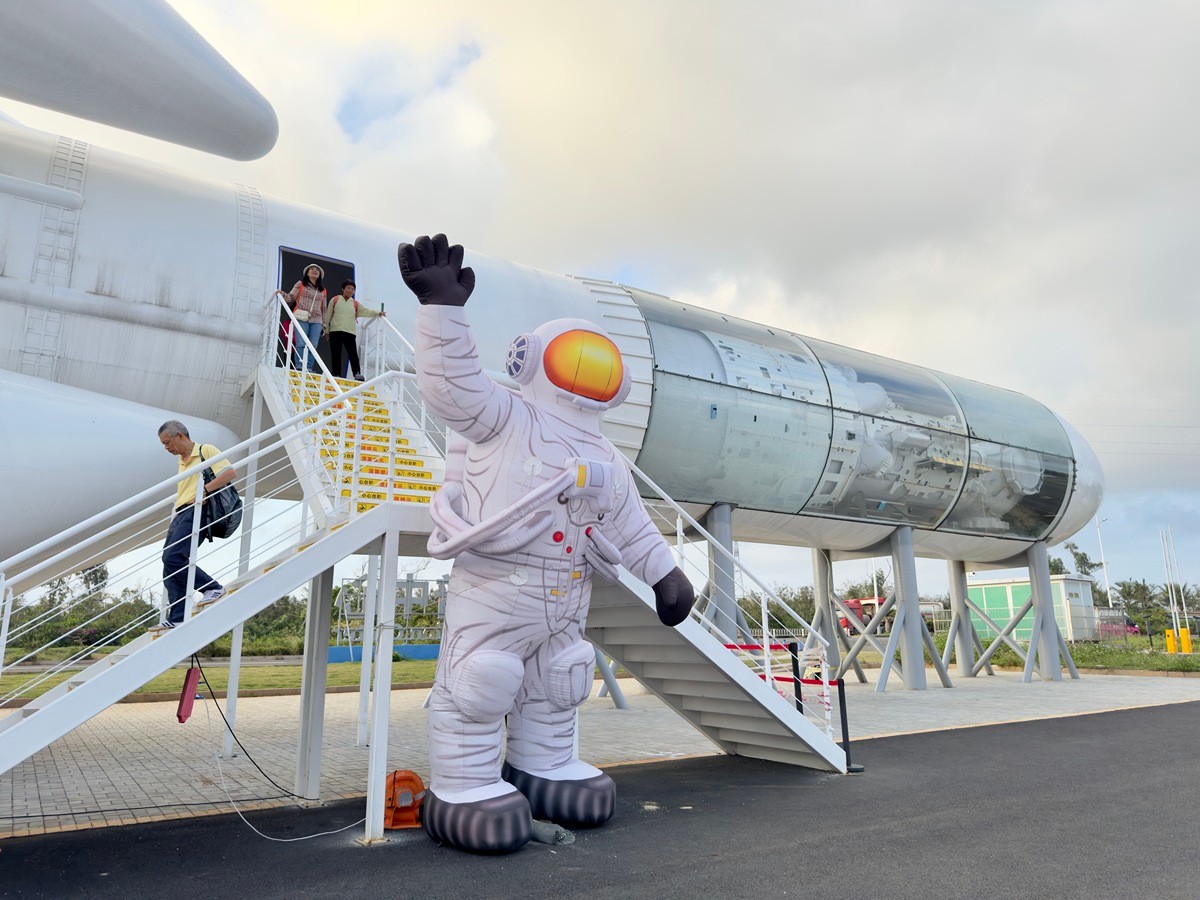
Introducing internet product thinking into space engineering and using a To C approach for space tourism, including ticket pre-sales, the unveiling of the first batch of 'ticket holders,' cross-industry collaborations, and IP operations. Toread Group is not only an investor but also develops spacesuits for Time Traveler. This 'capital + industry' binding provides a more concrete scenario for technology implementation.
'Using space technology to create large-scale C-end products' is a unique positioning in the current commercial space landscape.
Of course, a ¥3 million ticket is still within the consumption range of high-net-worth individuals.
Founder Lei Shiqing has stated that through reusable technology, the future goal is to reduce prices to the tens of thousands of yuan range. However, this goal requires the successful inaugural flight of CYZ1 for verification and even more so the reusable technology of CYZ2 for support.
From suborbital to orbital-class, from single-use to reusable, Time Traveler still faces numerous technical hurdles.
In August 2026, Zhuque-3 landed, and Time Traveler secured funding.
One is rocket recovery, and the other is manned spacecraft.
These two seemingly parallel technological paths are jointly outlining a complete picture of China's commercial space industry evolving from 'reaching space' to 'carrying humans.'
Capital votes with real money not just for a company's story but for the certainty of an era.
Source: Chaoyang Capital Theory
-
![]()
Registered Capital Slashed to 372 Million Yuan! Yutong Optical Finalizes Industrial and Commercial Change Registration
-
![]()
Zhuque-3 Successfully Lands, and 'Time Traveler' Secures Another ¥100 Million in Funding: China's Commercial Space Industry Experiences a 'Dynamic August'
-
![]()
Autohome Faces a Shrinking Window of Opportunity
-
![]()
Even a Titan Like Musk Has Faced Setbacks in Fulfilling Promises
-
![]()
AI Office: The End of the Racing Era, Context Becomes the Key to Success
-
![]()
Domestic Vehicle Chassis Revolution ②: The Steering Wheel Remains, But Mechanical Connections in the Steering System Are Decreasing
-
![]()
Exploring MiniMax Design: Can Video Editing Be as Simple as Speaking?
-
![]()
Why Can SenseTime Achieve Profitability While CloudWalk Still Faces Challenges, Despite Both Adopting Large Models?