OPPO K15 Pro+ Review Unveiled: Gaming Vibes Abound, But Battery Life Steals the Show
 04/01 2026
 729
729
Hey folks, there's a new addition to the K series lineup!
Oh, hold on, it's not the Redmi K series you're thinking of. Today, we're spotlighting the K in the OPPO K15 Pro series.
Before we dive into the nitty-gritty, let's kick things off with a swift overview and a specs table for your quick reference.
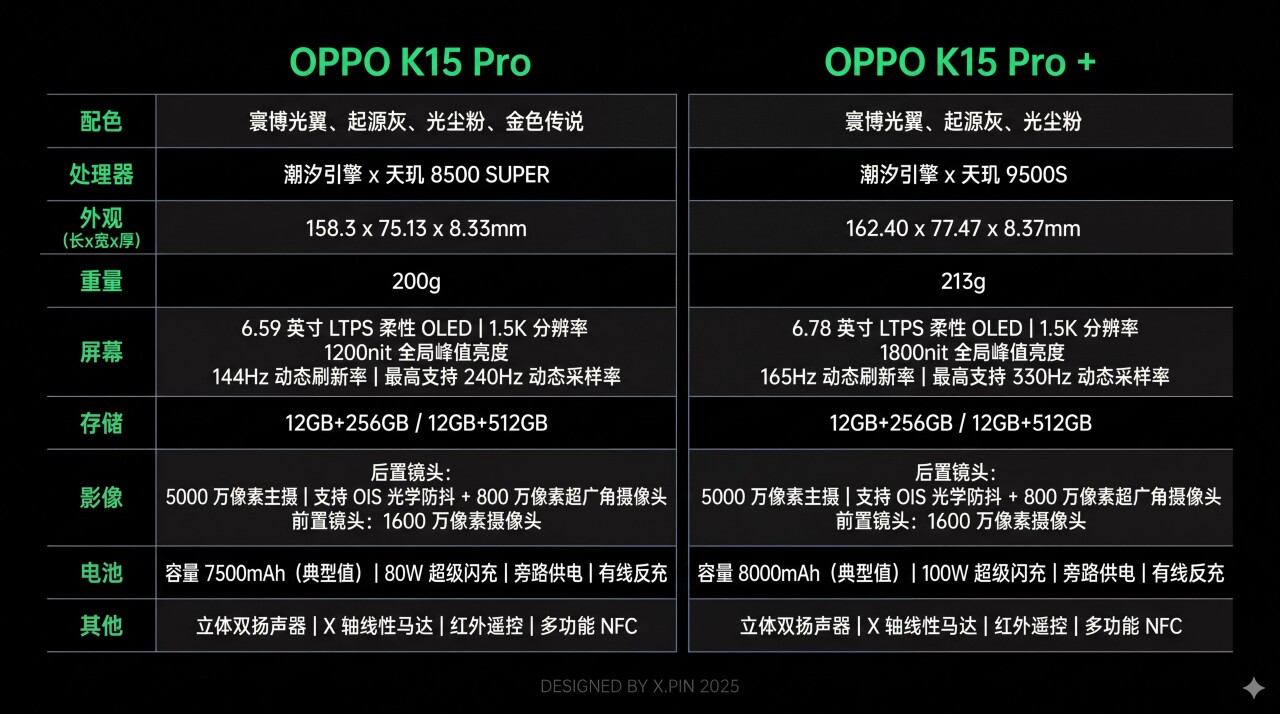
(Image Source: Leikeji, crafted by Nano Banana)
This time around, OPPO has unveiled two models: the K15 Pro and the K15 Pro+. The Pro rocks the Dimensity 8500, while the Pro+ steps it up with the Dimensity 9500s. Beyond the processor, the configurations also vary, offering both large and small screen options.
Honestly, I didn't anticipate active cooling fans becoming such a hot trend this year. Yet, here we are, with this waterproof mid-range phone sparking discussions on Kuaishou, as users eagerly wonder about its real-world performance.
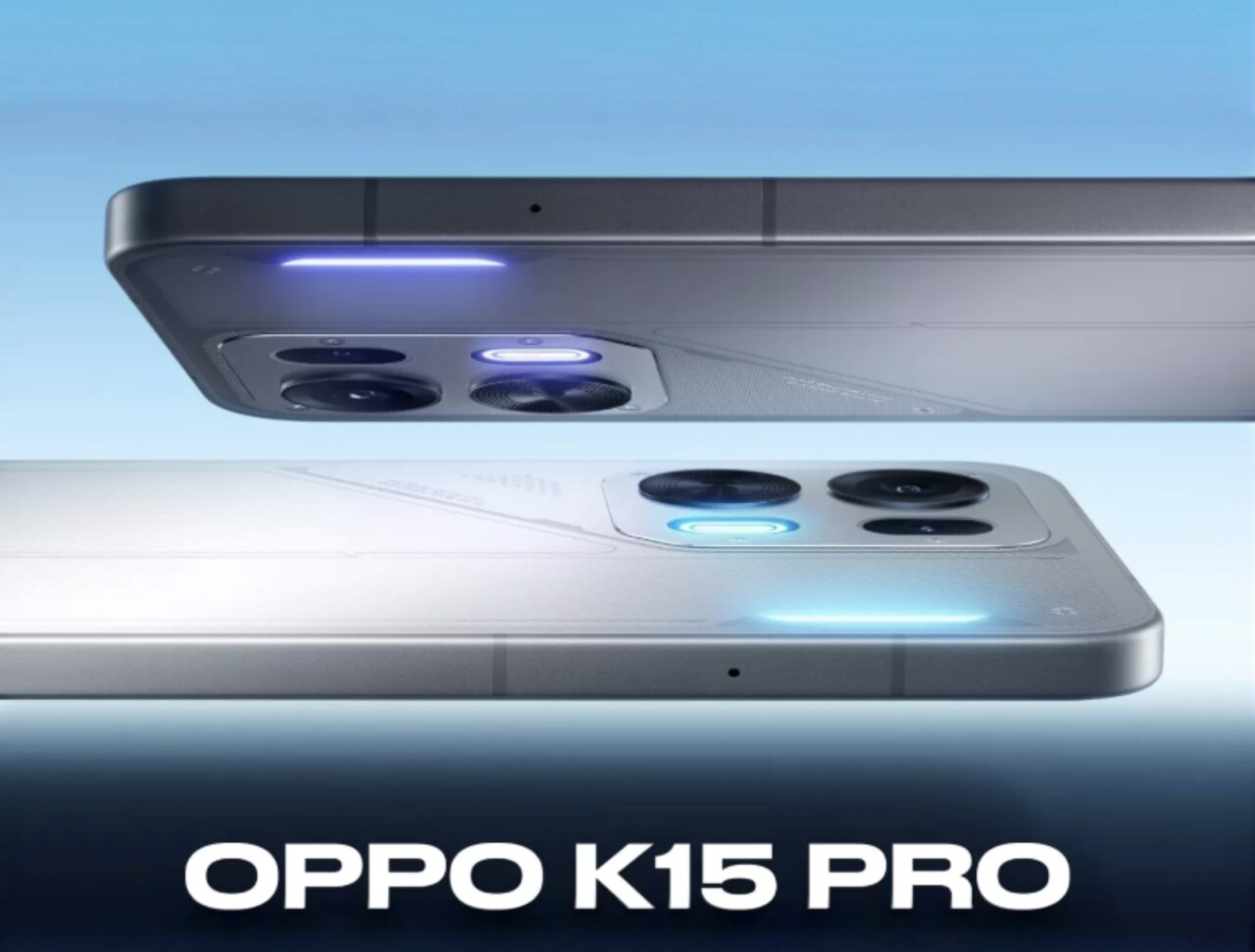
(Image Source: OPPO)
Leikeji got its hands on the K15 Pro+, a device that's all about high specs. After a brief hands-on, I can confidently say it might not be the professional gaming beast everyone's envisioning.
Lines, RGB Lights: A Gamer's Dream Aesthetic
Let's start with the most striking aspects: looks and feel.
In today's mid-range phone market, manufacturers often skimp on aesthetics to cut costs, with appearance and texture taking a hit.
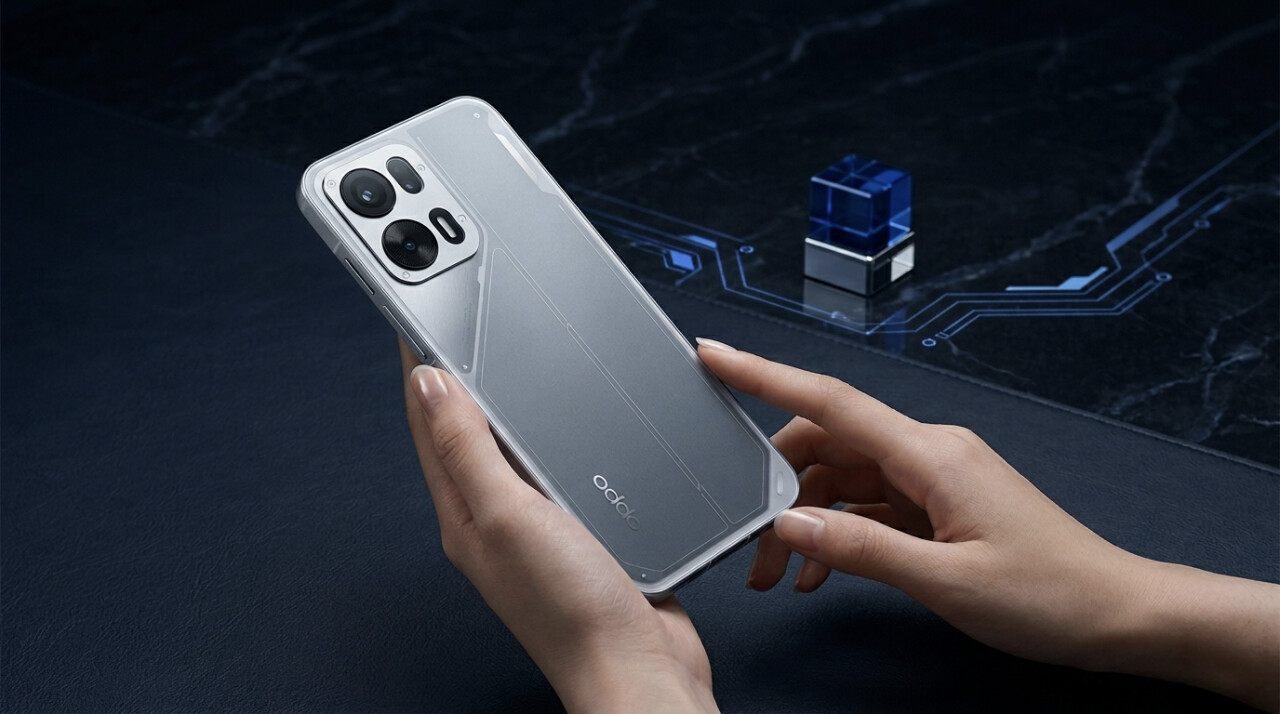
But as soon as I picked up the K15 Pro+, I was pleasantly surprised by the improved texture. The frame felt sturdy, ditching the cheap plastic toy vibe of yore. My model, in Origin Gray, sports mecha-inspired patterns and lines on the back, along with RGB light strips on the module and corners.
It looks sleek in hand and holds its own on a table.
(Image Source: Leikeji)
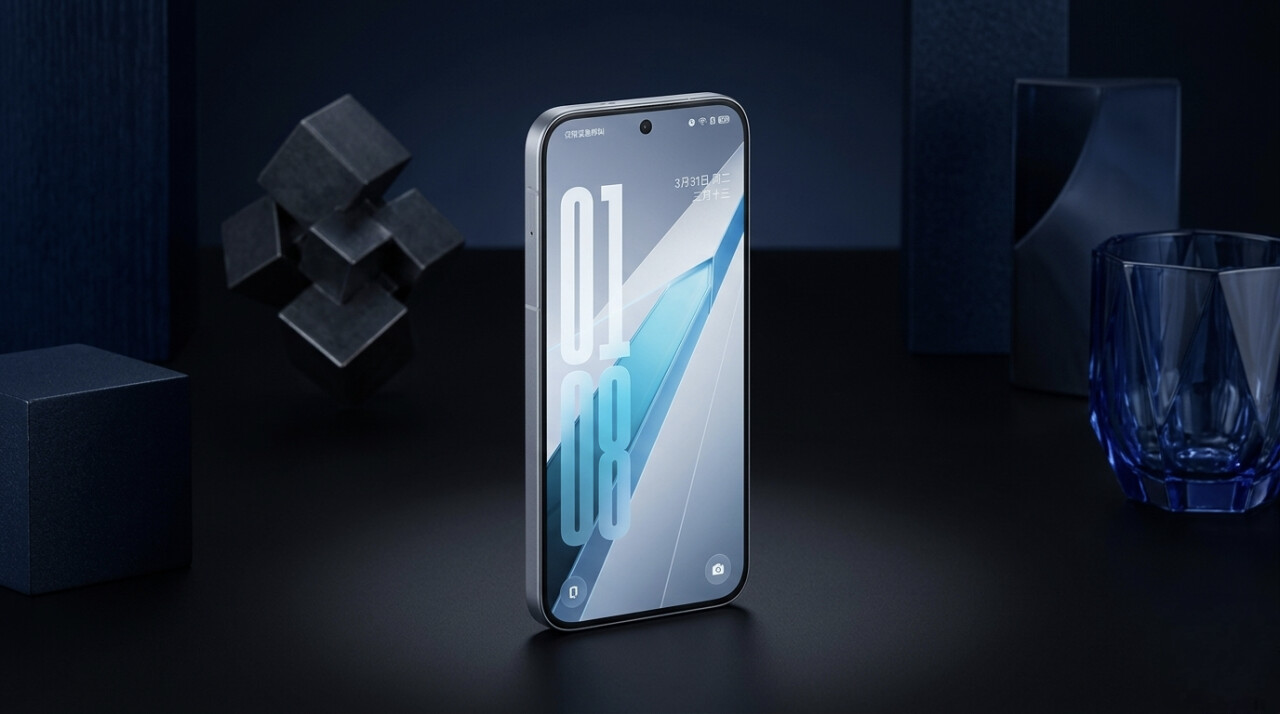
The front boasts a massive 6.78-inch flat screen with 1.5K resolution and a blazing 165Hz refresh rate.
A quick glance around reveals well-managed screen bezels and trendy large R-corners. Under bright sunlight, the peak brightness shines, making outdoor map viewing or video watching a breeze without the need to shield the screen.
(Image Source: Leikeji)
The much-maligned short-focus fingerprint sensor has been replaced with an ultrasonic one this time.
Fingerprint registration is a breeze, no more repetitive lifting and placing. And when it comes to recognition, the phone unlocks almost instantly upon touch. It's a feature you'll appreciate once you've used it.
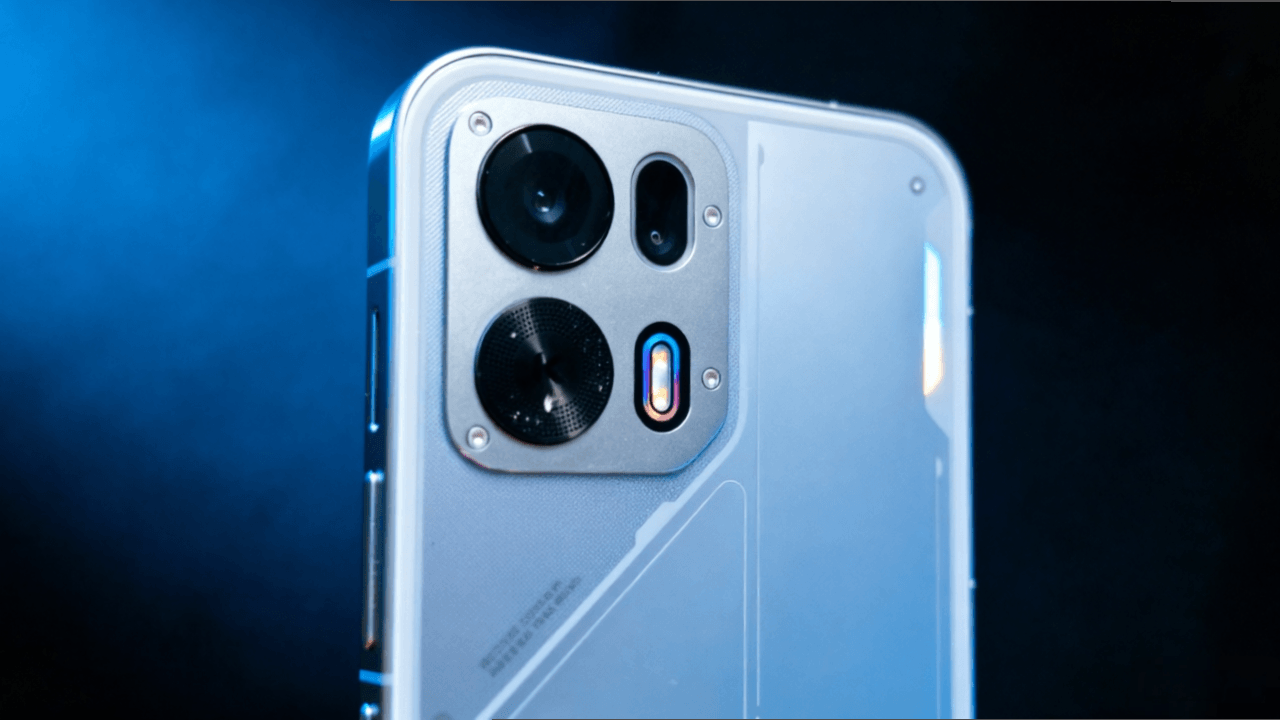
The standout design element? The three high-tech RGB breathing lights.
Unlike other manufacturers that just slap on a tiny bulb, these lights offer superior color transitions. Left on, they make quite the impression when the phone is face down on a table, cooler than many gaming phones, with a subtle yet stylish flair.
I, Xiao Lei, actually prefer this understated elegance over the flashy reds and purples favored by some.
(Image Source: Leikeji)
Some might question the practicality of RGB light strips when our eyes are glued to the screen. But hey, what's the practical use of RGB lighting on computers?
In my view, breathing lights break the monotony of smartphone design, injecting dynamism into an otherwise cold industrial product. Even if they lack substantive value, that splash of color provides immediate emotional gratification when they light up.
This "uselessness" is precisely what transforms a phone from a mere daily tool into a trendy accessory, bringing much-needed freshness and fun to the stagnant digital market.
Don't believe me? Just look at Nothing.
Air and Liquid Cooling, But Heat Dissipation Could Use a Boost
With such a vibrant appearance, the performance must be top-notch, right?
The OPPO K15 Pro+ is powered by MediaTek's Dimensity 9500s, a slightly tweaked version of the previous generation Dimensity 9400, and could even be seen as a slightly nerfed variant in terms of transistor counts.
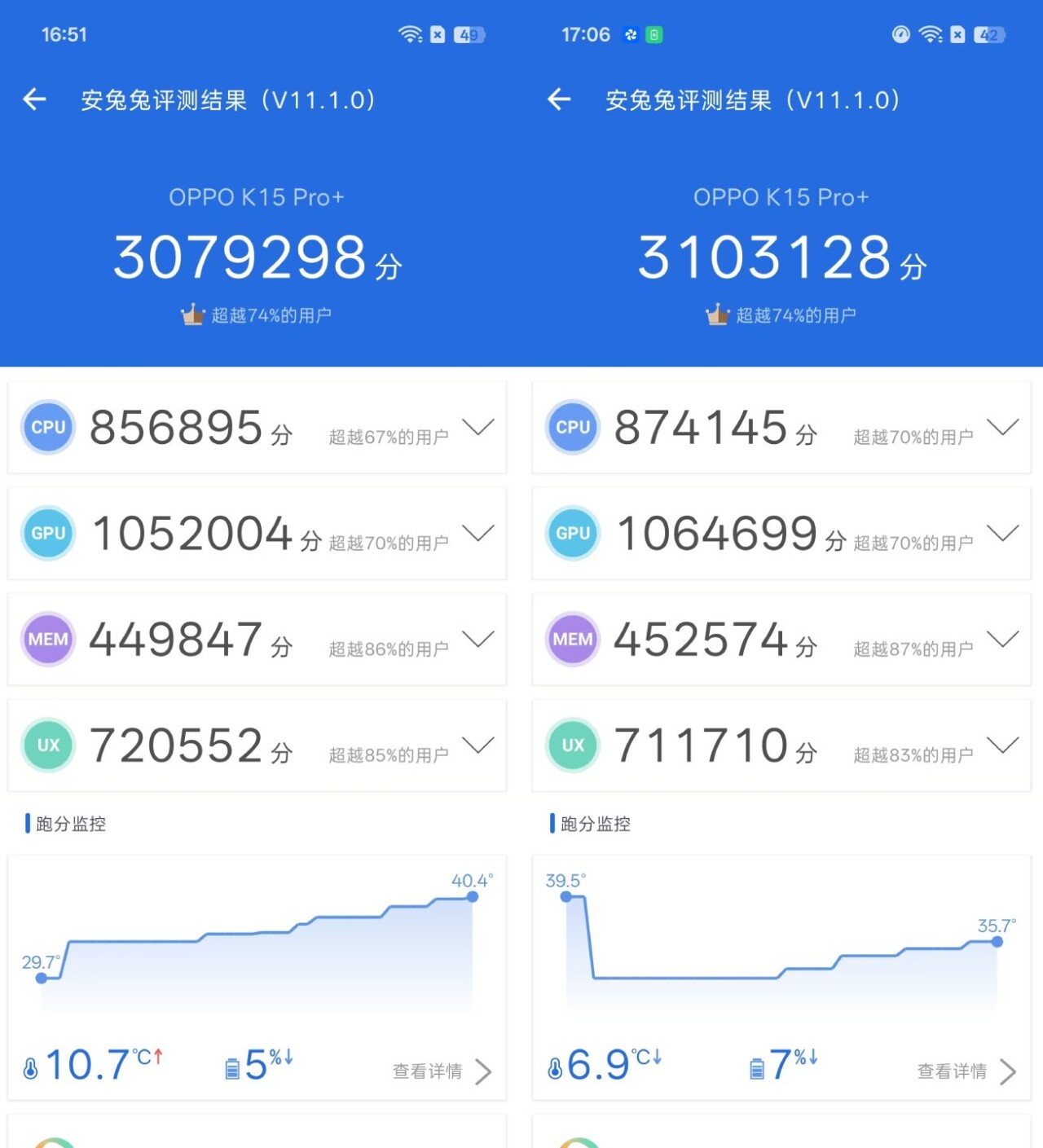
In real-world testing, its AnTuTu score hovers around 3.07 million.
Active cooling does provide a slight performance boost, but it's not groundbreaking.
(Image Source: Leikeji)
I wouldn't call this top-tier performance that conquers all, but it's definitely a solid mid-range to high-end score. Let's keep our expectations realistic.
With that baseline, let's delve into its gaming prowess.
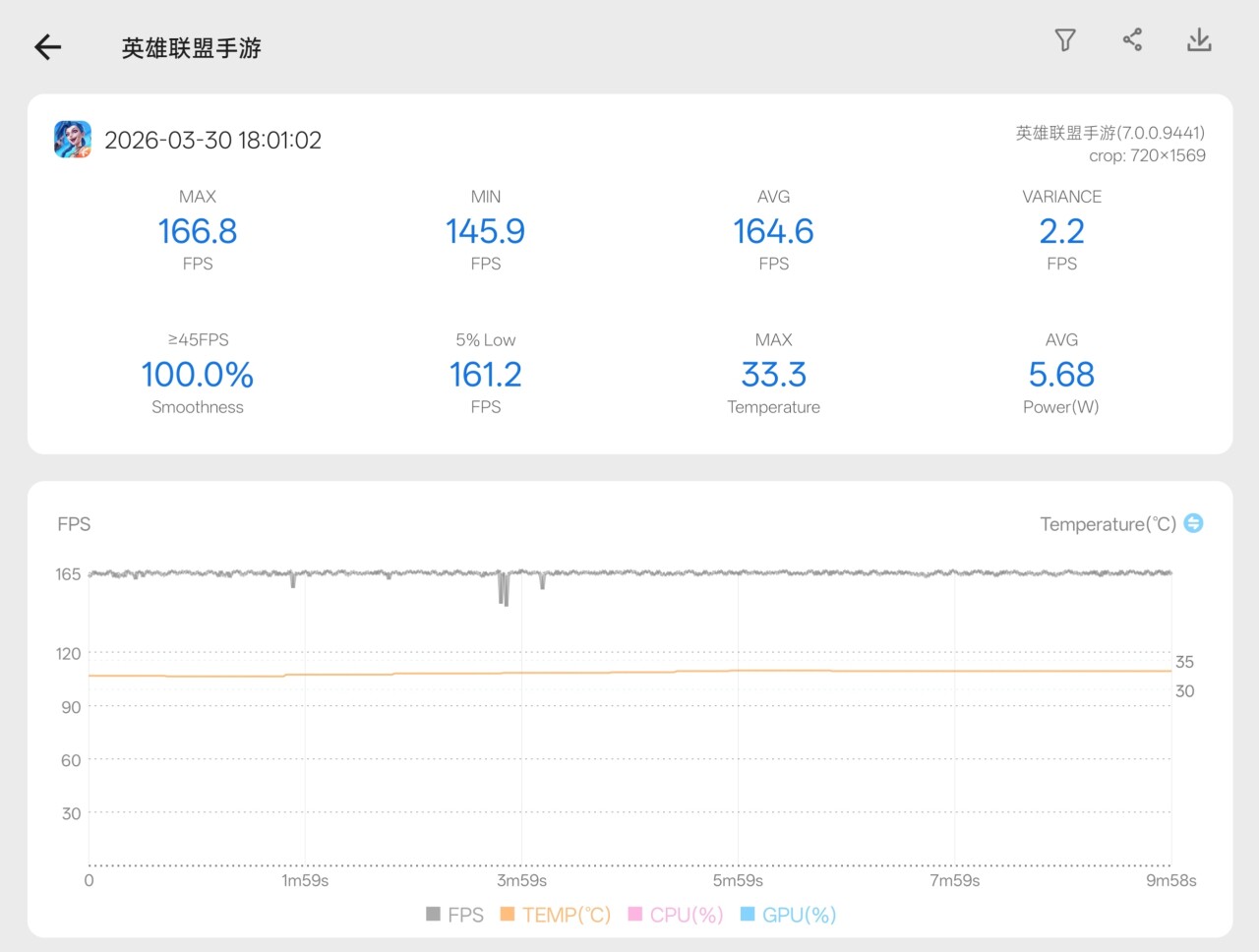
I put it to the test with League of Legends: Wild Rift. With the fan on full blast, the frame rate remained rock-solid. According to Scene 9's records, the average frame rate over a whole ARAM match was 164.64 FPS, fully leveraging the 165Hz screen's benefits.
(Image Source: Leikeji)
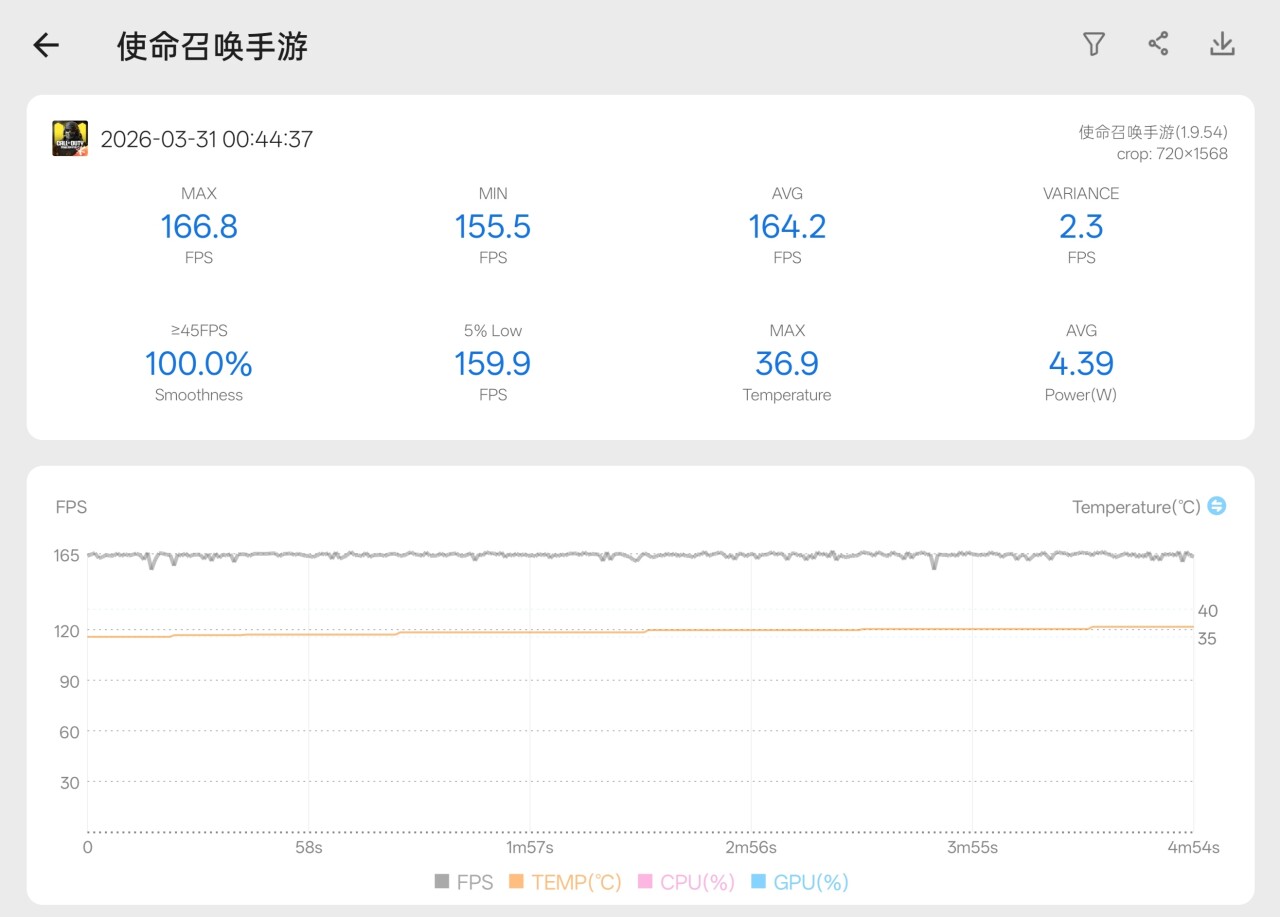
Next up, a shooting game: Call of Duty: Mobile. With the fan on full blast, the average frame rate hit 164.19 FPS. For mainstream mobile games with medium to low loads, the OPPO K15 Pro+ handles them smoothly, fully utilizing the refresh rate.
(Image Source: Leikeji)
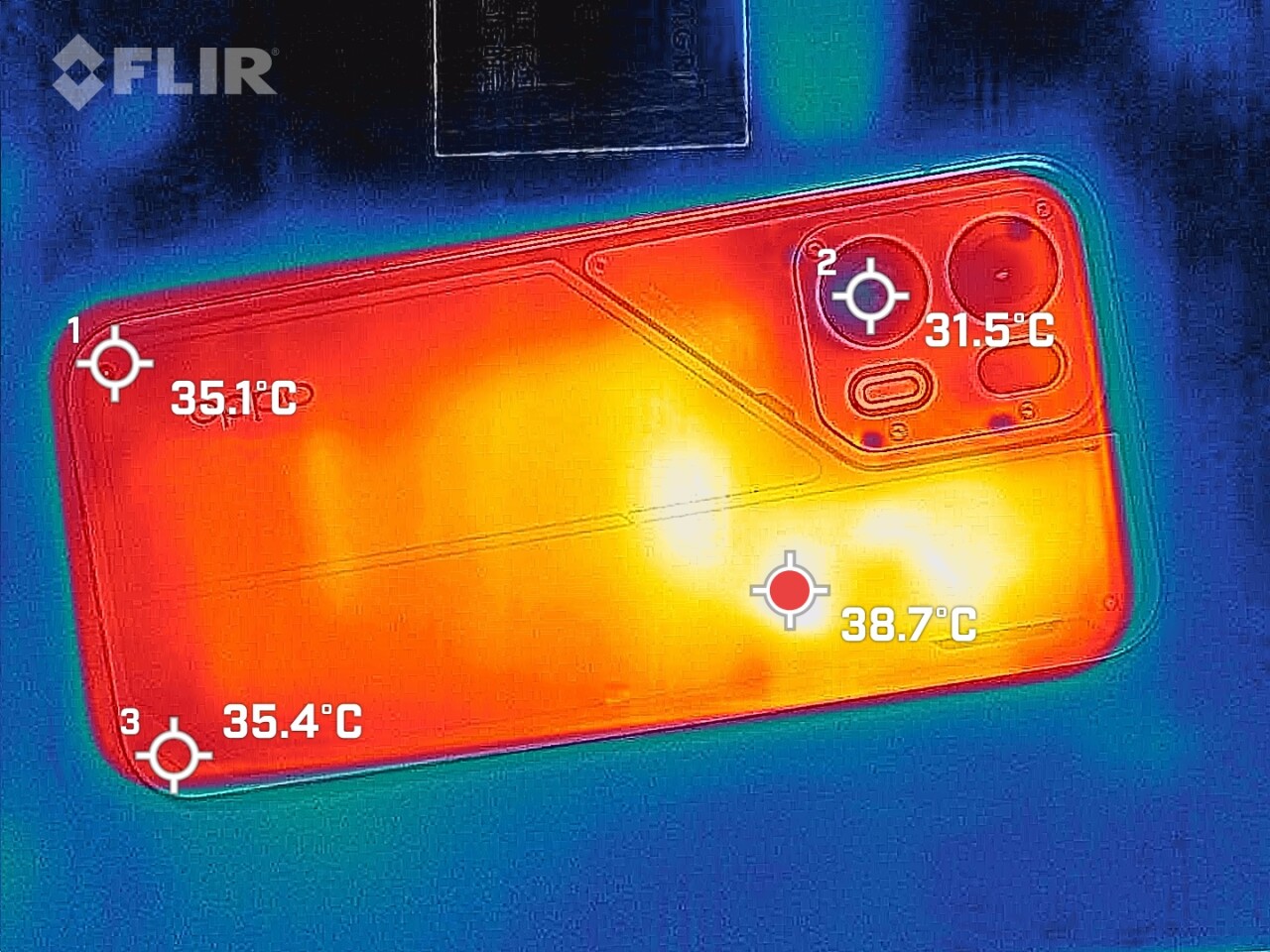
However, the temperature wasn't as low as one might hope. After half an hour of LOLM, the highest temperature was near the Deco area, reaching 38.7°C, not much different from devices with the same chip but no fan...
(Image Source: Leikeji)
That's puzzling. Are these games not demanding enough to showcase active cooling's true potential?
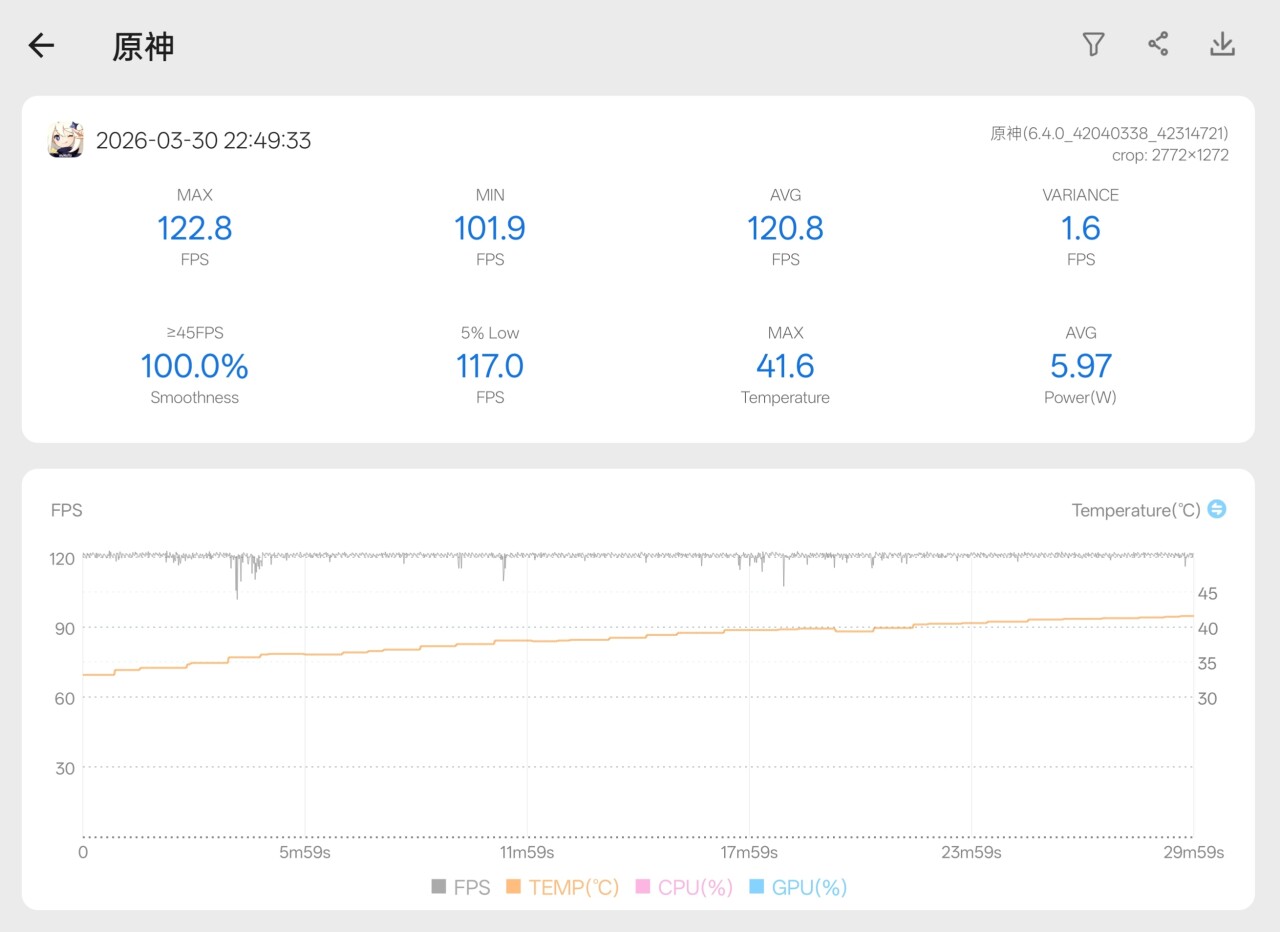
We switched to Genshin Impact, turning on 120Hz frame interpolation + HDR graphics, with the fan going all out.
Guess what? The frame rate was quite stable this time. After half an hour, the average frame rate reached 120.81 FPS, with the 5% low frame rate at 117 FPS. However, the overall device temperature was higher, approaching 39.5°C, even slightly higher than devices in the same category without fans.
(Image Source: Leikeji)
After a simple comparison, I believe this heat level has a lot to do with GPU frame interpolation. Devices in the same category equipped with independent frame interpolation chips run noticeably cooler.
Finally, I tested it with the currently very demanding Wuthering Waves.
Hey, don't look now, but the frame rate started fluctuating! And it was visibly noticeable.
While exploring and fighting monsters on the large map, the average frame rate stayed stable at around 60 FPS, with the device temperature in the forties. But as soon as I entered the Astral Torch Academy and started riding my motorcycle, power consumption spiked, and after a while, it locked at around 50 FPS, ending with an average frame rate of 51.7 FPS.
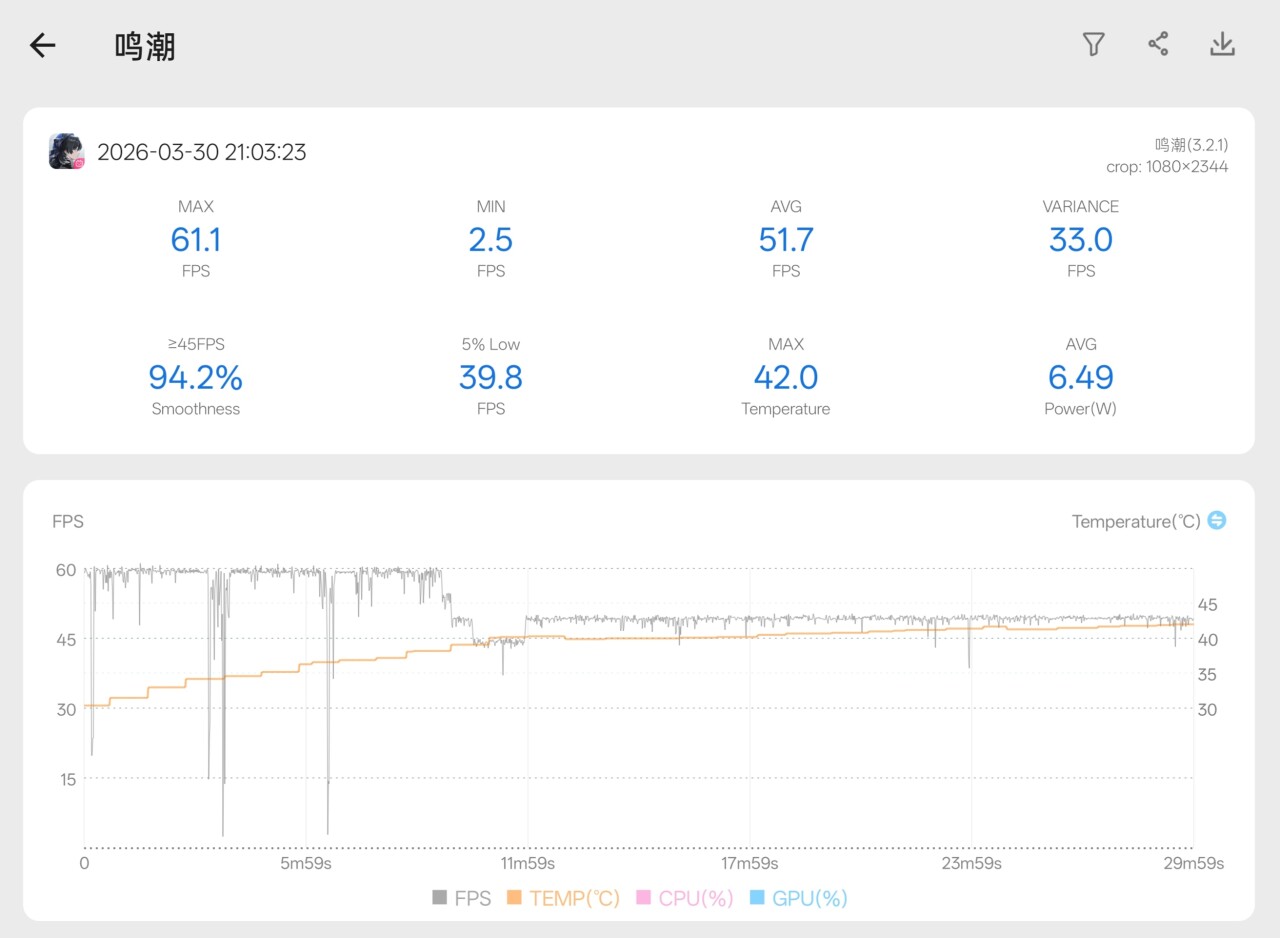
(Image Source: Leikeji)
At the end, I measured the temperature at the fan intake on the back, which was 38.2°C, with the hottest spot nearing 43°C.
This indicates that when facing truly high-load masterpieces, the heat generated by this chip exceeds the cooling capacity of the small fan.
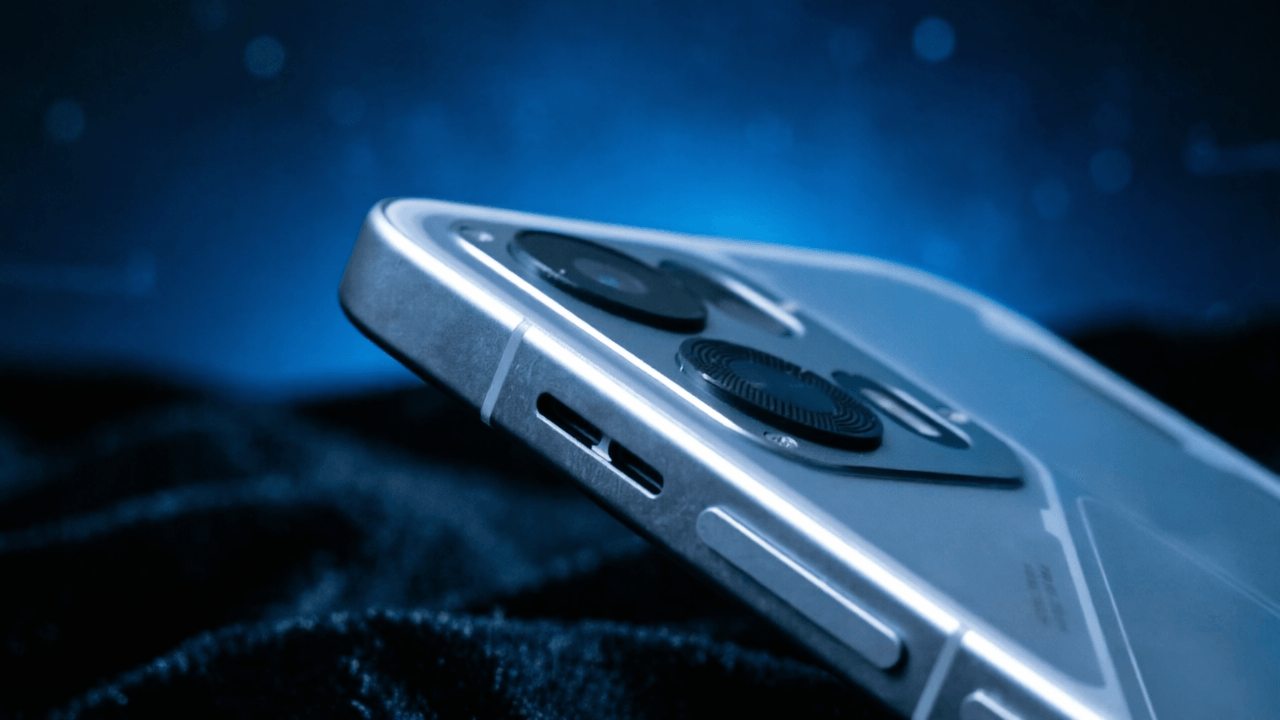
(Image Source: Leikeji)
Moreover, during testing, the fan noise was quite sharp, at least sharper than the fan in the RedMagic phone next door, to the point where colleagues could hear it at maximum speed. I took it to the shooting room to measure the decibels, and with the fan on full blast, it reached 47-48 dB, similar to my ultrabook.
At this point, some hardcore gamers might ask, since the phone can't keep the temperature down on its own, how about external cooling?
OPPO has a trick up its sleeve: a unique liquid cooling magnetic attachment cooling kit.
This isn't just some gimmick claiming to be liquid cooling by filling it with some cooling liquid. The protective case actually contains a small water pump. When connected to the magnetic cooler, the liquid circulates inside the phone case to dissipate heat.
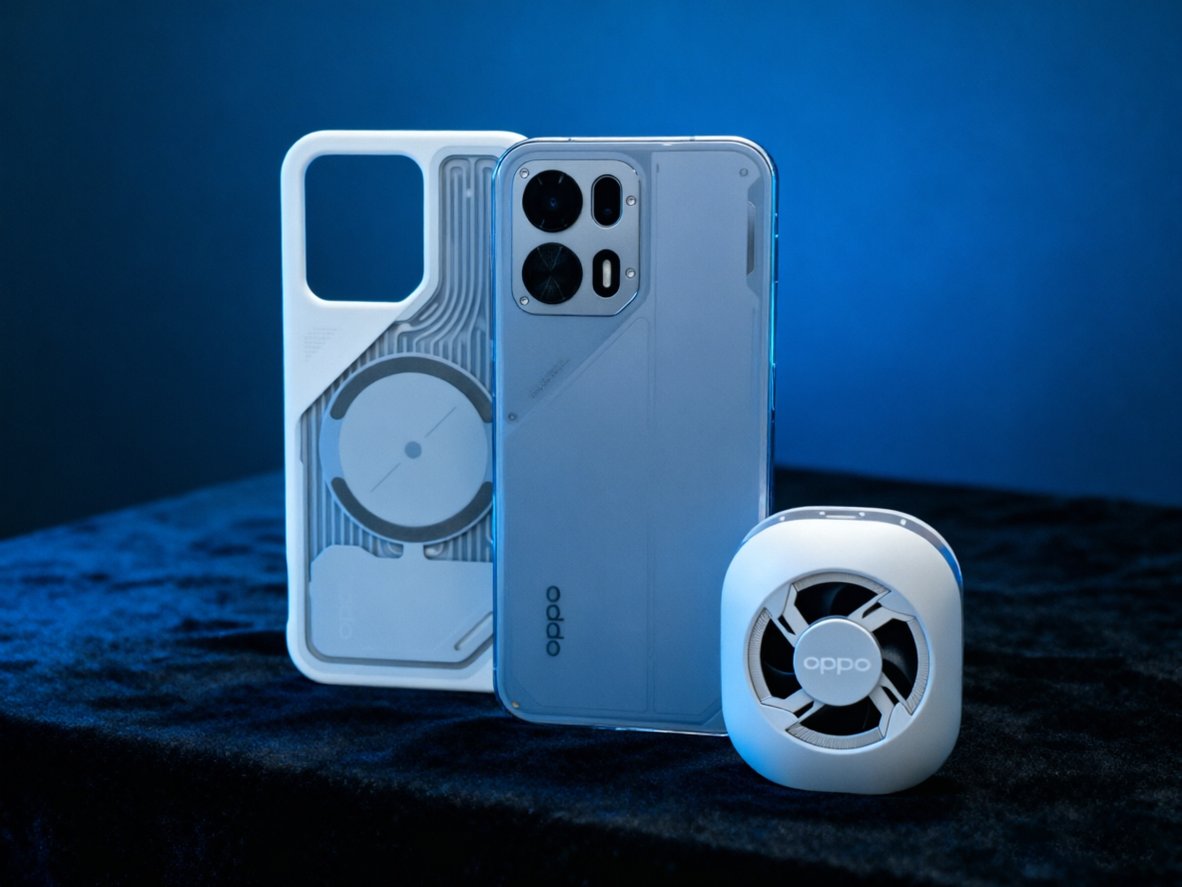
(Image Source: Leikeji)
Even so, the OPPO K15 Pro+ still struggled to conquer Wuthering Waves, with stable frame drops when riding the motorcycle in the Astral Torch Academy. However, now the device temperature returned to normal quickly after leaving the academy, with an average frame rate of 58.2 FPS, allowing for smooth gameplay.
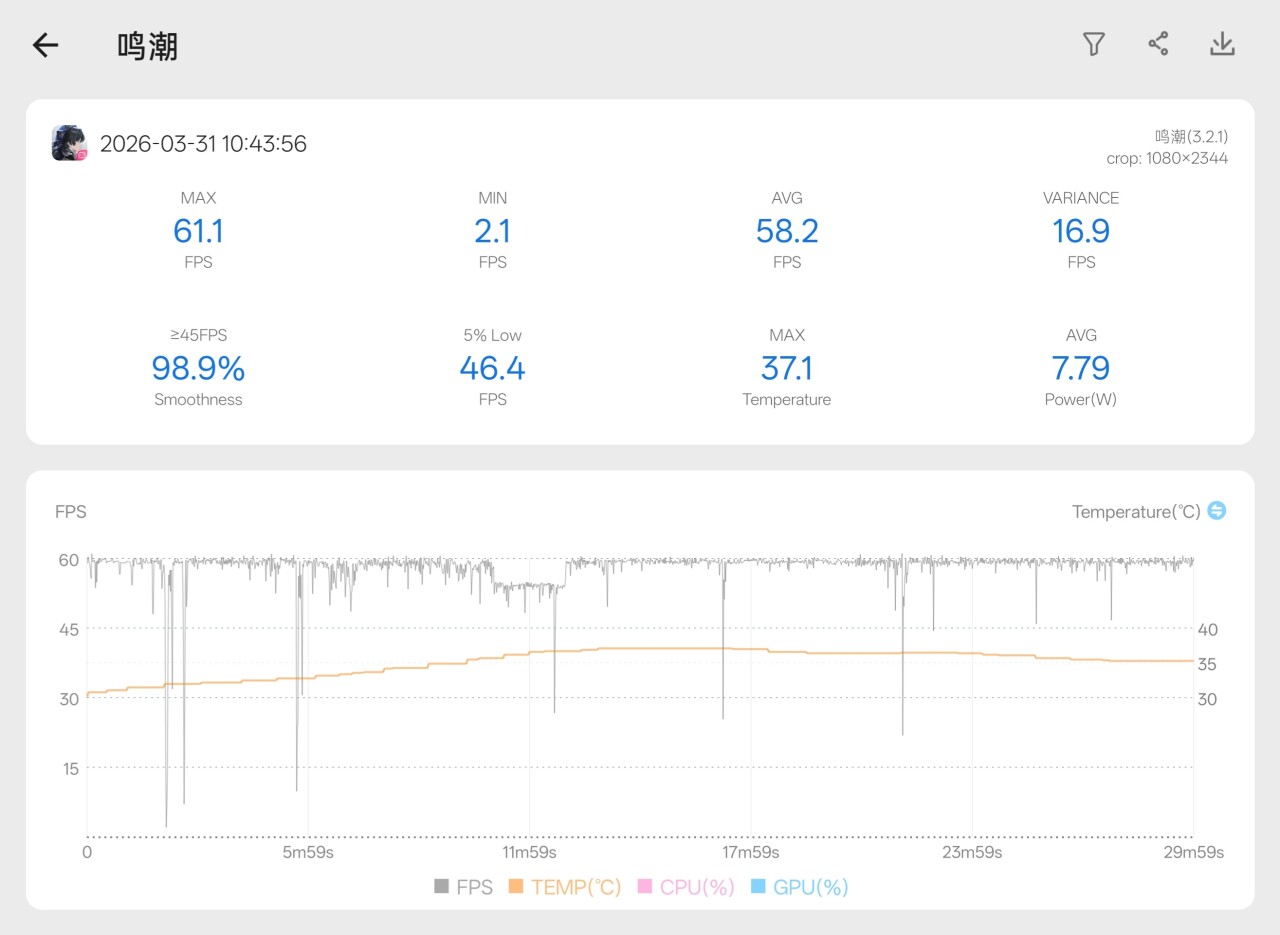
(Image Source: Leikeji)
Attaching this liquid cooling case had an immediate effect, turning the previously hot back cover as cold as ice within minutes.
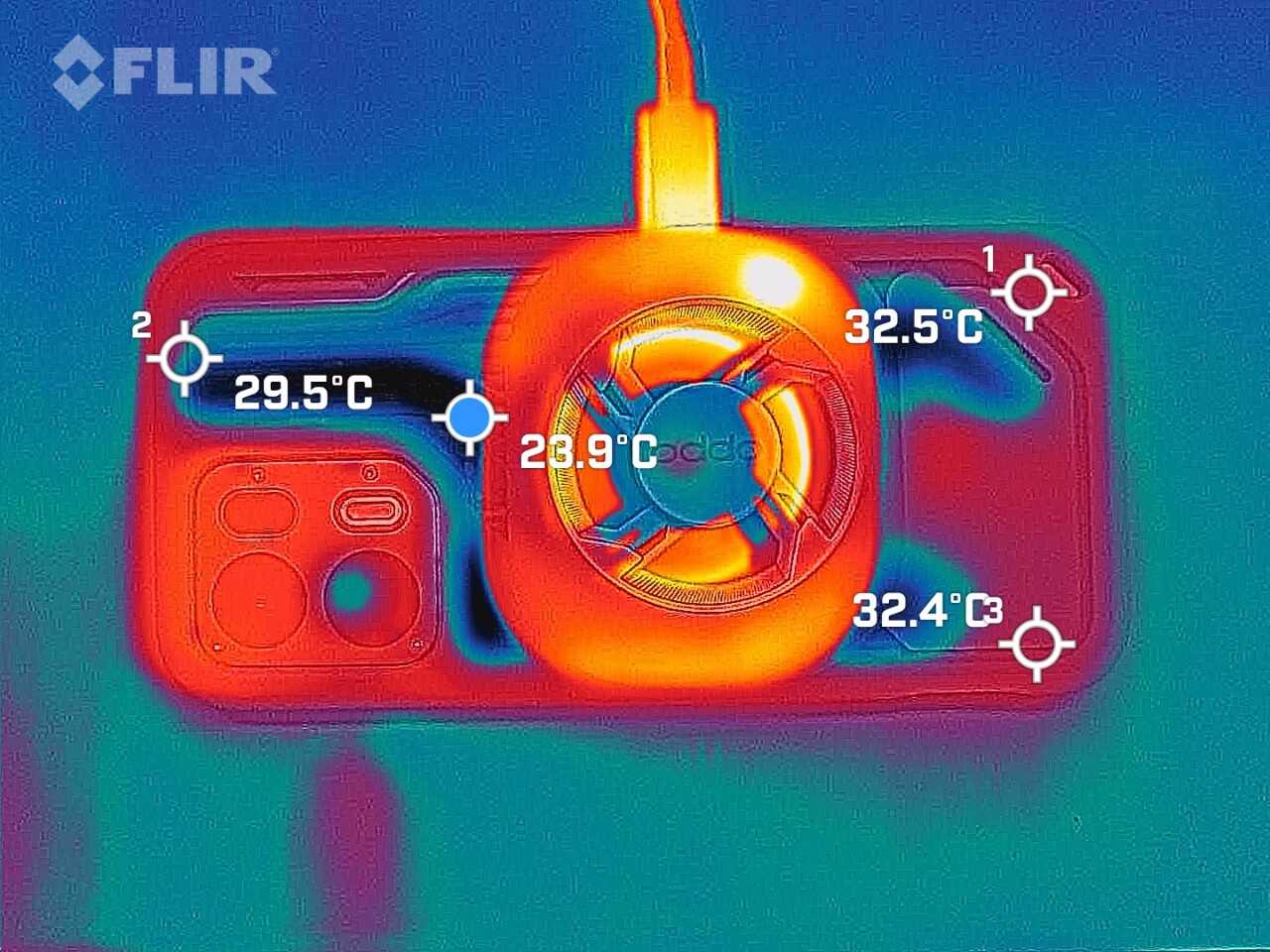
(Image Source: Leikeji)
However, this setup comes at a cost. Firstly, it's extremely bulky, turning the phone into a self-defense brick that makes your wrist ache after holding it for ten minutes. Secondly, it's very noisy, with the magnetic cooler's fan humming loudly, making it impossible to hear game sounds without headphones.
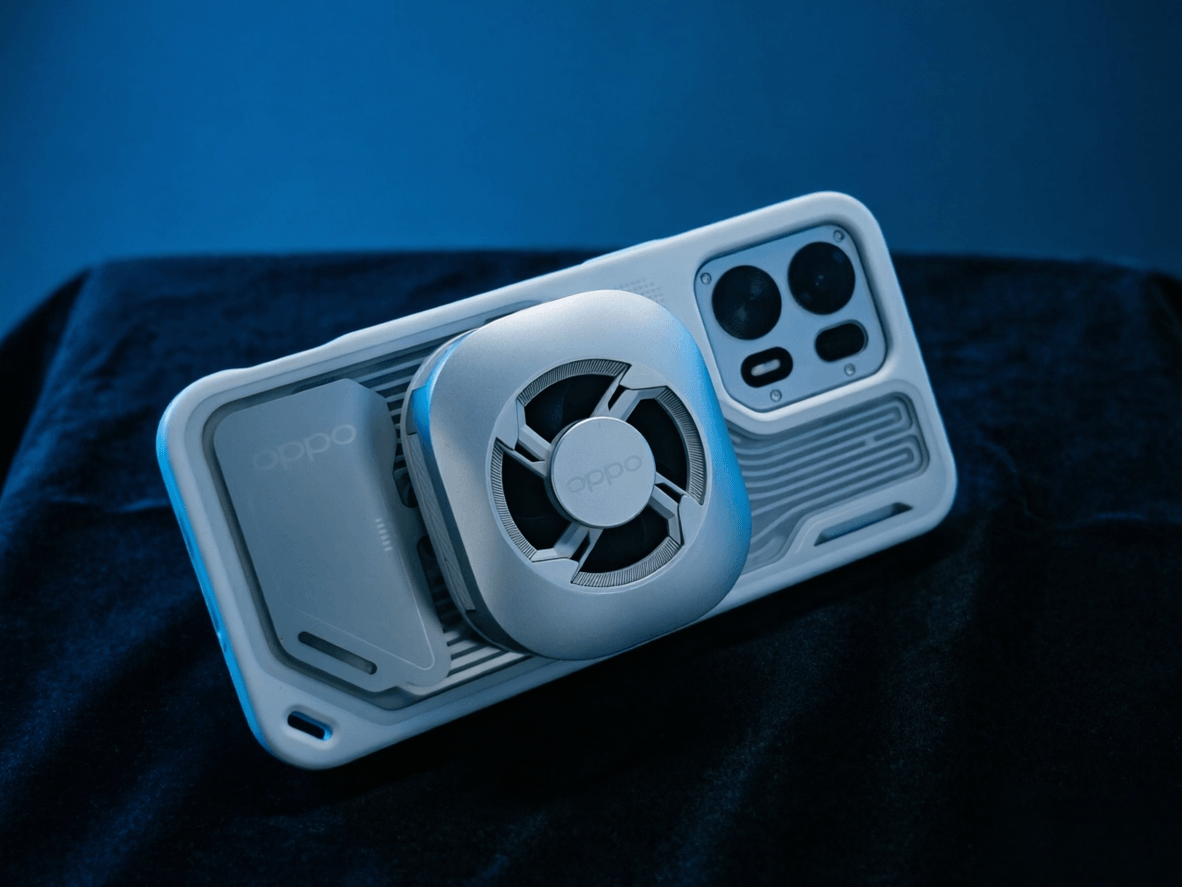
(Image Source: Leikeji)
Oh, and even with this setup playing Arknights: Endfield, the game still experienced stable but minor frame drops. It seems that the Dimensity chip's underlying optimization really can't handle this game.
It seems that the active cooling fan on the OPPO K15 Pro+ is still held back by the performance of the Dimensity 9500s. Its current greater significance lies in cooling the phone to make it less hot to hold during gaming.
As for those geek players who like to tinker with PC emulators on their phones, I advise you to give up.
Dimensity chips are inherently unsuitable for running PC emulators. Without dedicated drivers, you'll be greeted with a screen full of errors and crashes, which will definitely make you question your life choices.
Battery Life Shines, Imaging Falls Short
I didn't originally plan to say much about the imaging, as it's definitely not this device's strong suit.
Not to mention that the cooling fan occupies a camera spot, making it hard not to think of this as a single-camera phone at first glance.
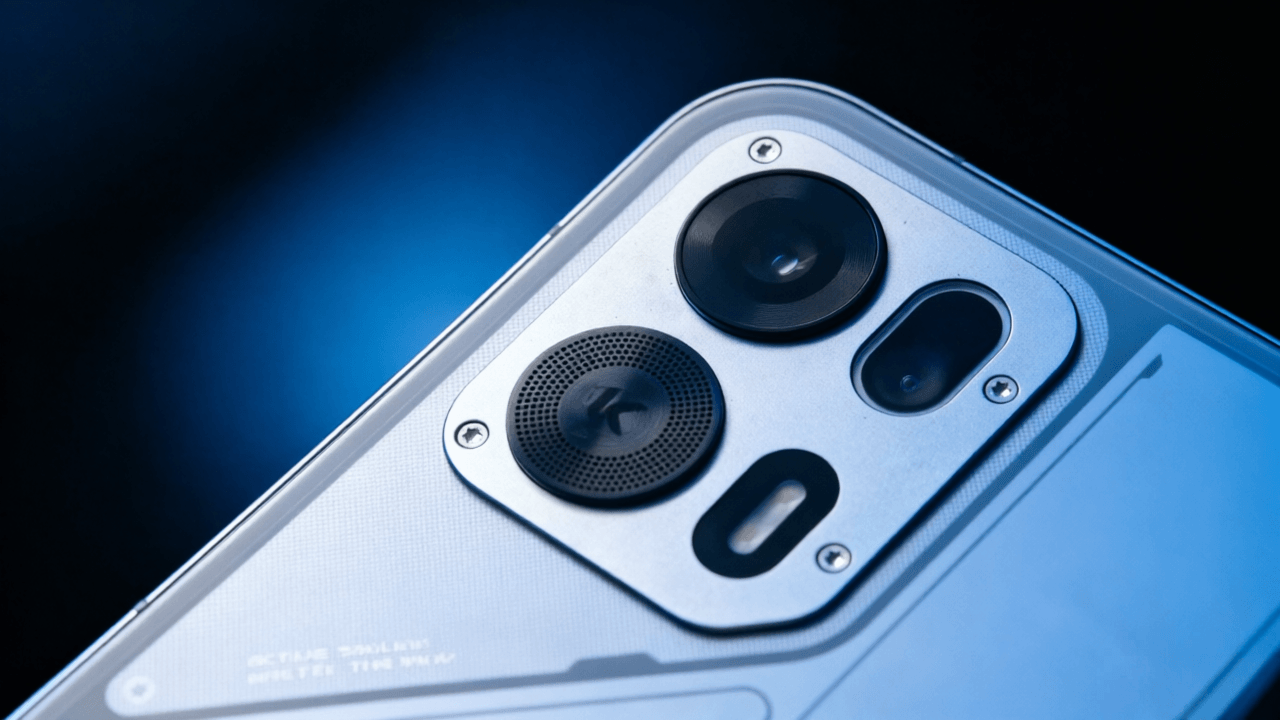
(Image Source: Leikeji)
After taking a few casual shots, my evaluation can be summed up in four words: average imaging.
The OV50D main camera is fine for scanning shared bicycles or taking documents in good daylight. But at night or when trying to capture distant close-ups, the lack of a telephoto lens becomes apparent, with noisy images that are blurry when zoomed in.
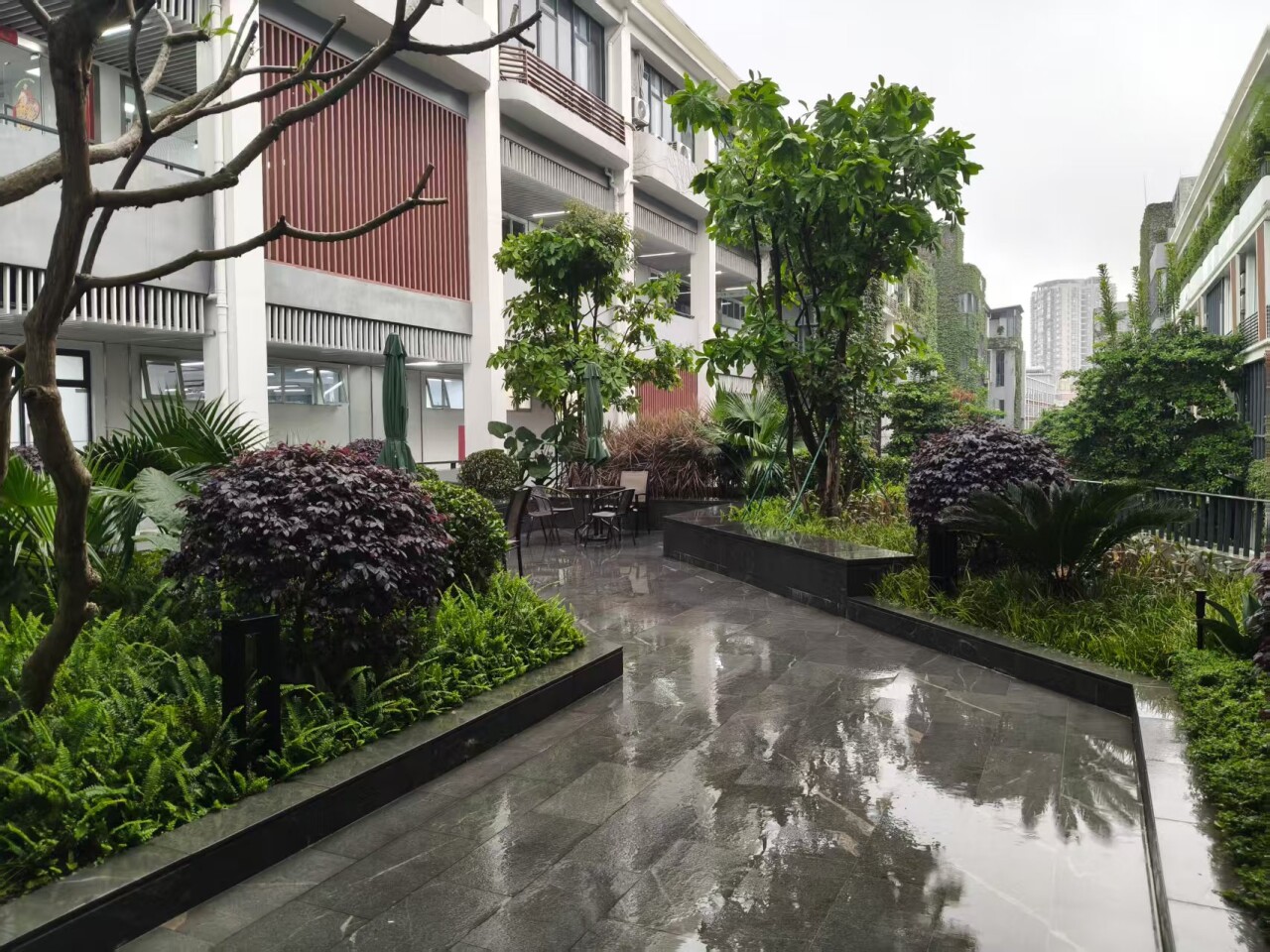

(Image Source: Leikeji)
After careful observation, I noticed there's actually a small lens to the right of the main camera.
This is an 8MP ultra-wide lens with average overall quality, poor edge sharpness, and washed-out colors in high-contrast scenes. Anyway, here are a few casual shots for you to see the effects.
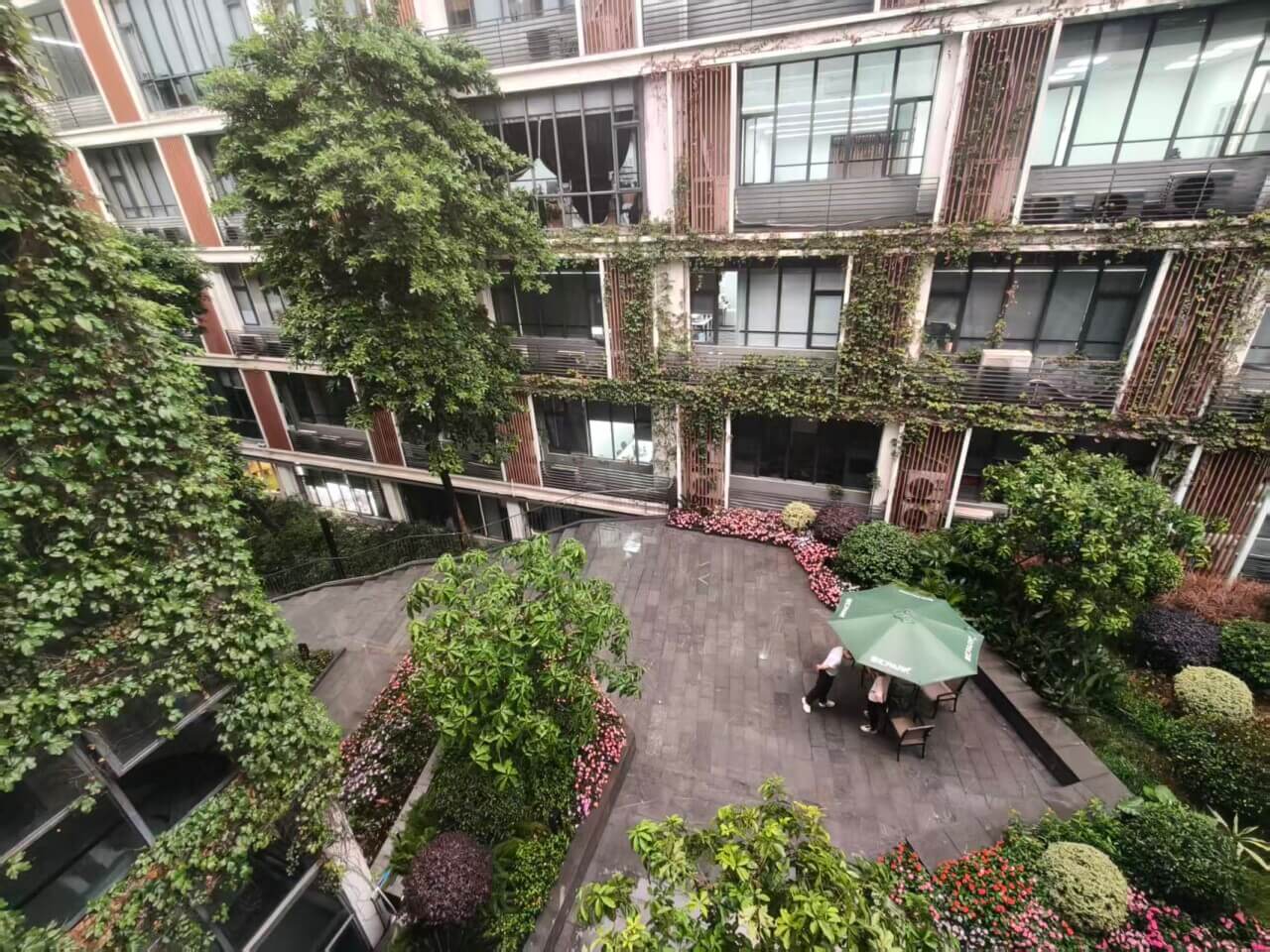
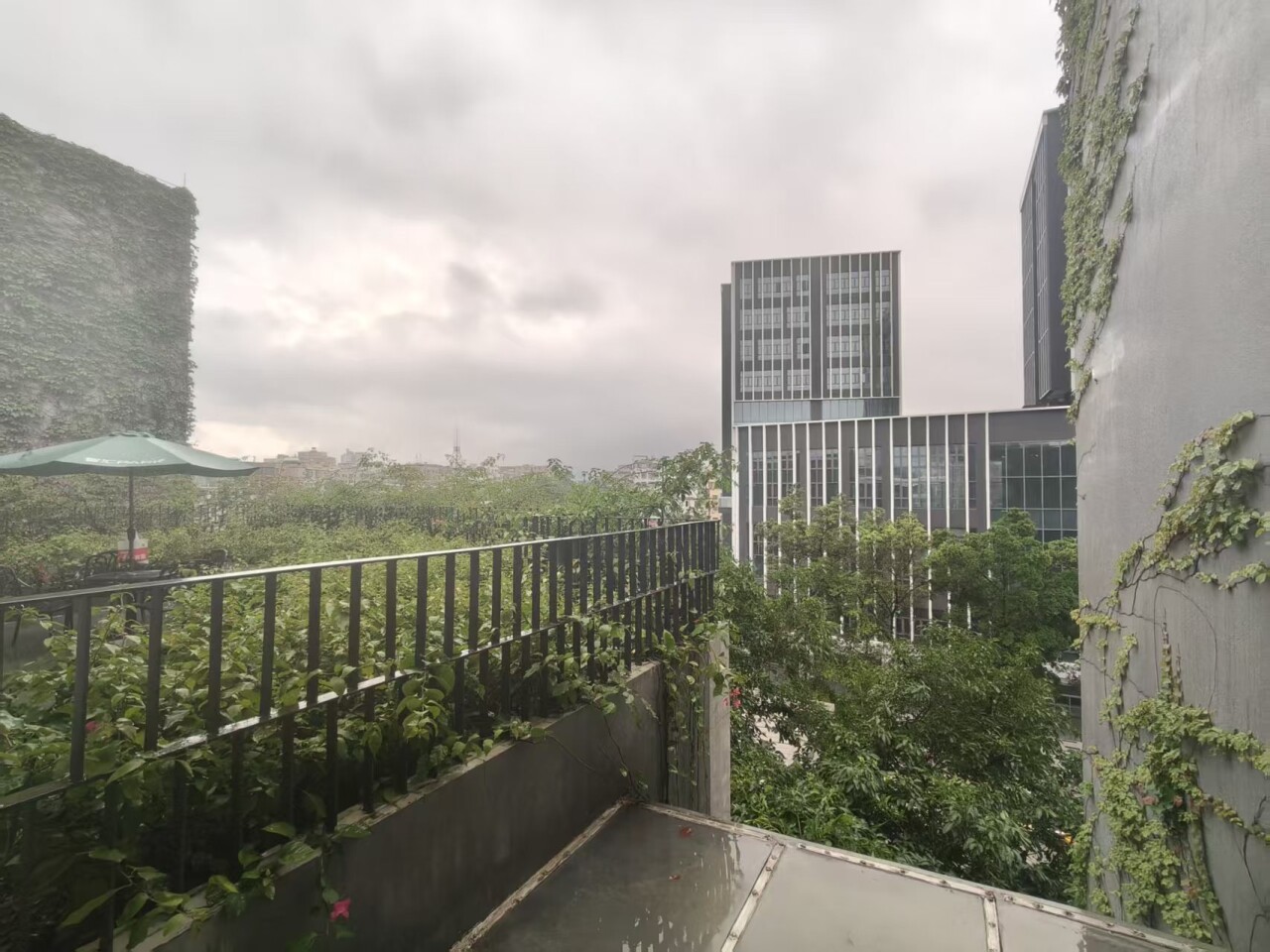
(Image source: Leitech)
In terms of battery, the OPPO K15 Pro+ sets the standard for mid-range phones this year, featuring a massive 8000mAh battery, 10
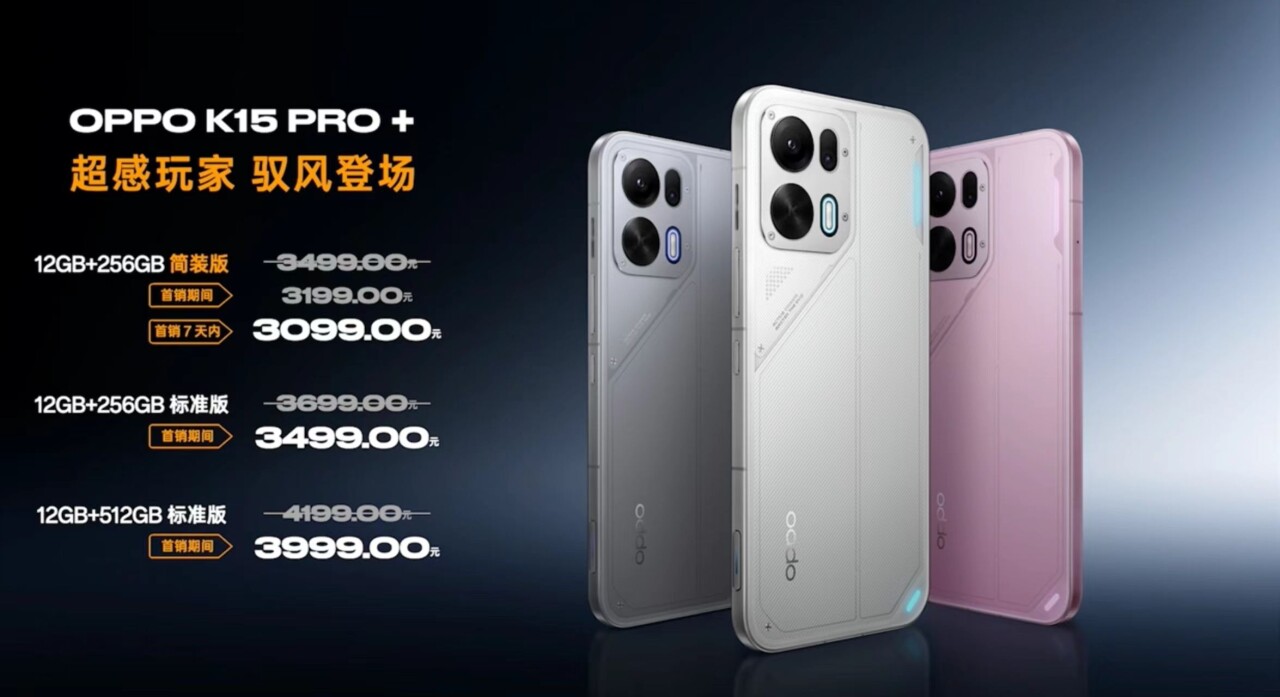
Regarding pricing, the OPPO K15 Pro+ is available in three configurations. The 12GB+256GB (Basic Version) starts at 3199 yuan, the 12GB+256GB (Standard Version) is priced at 3499 yuan, and the 12GB+512GB variant begins at 3999 yuan.
(Image credit: OPPO)
The phone officially hits the shelves today. Please note that the Basic Version does not come with a charger, data cable, or protective case.
OPPO officials seem to acknowledge that the pricing is on the higher side, hence the introduction of the Basic Version. Additionally, various initial sales promotions and government subsidies are being offered. However, considering that the top-tier model costs nearly 4000 yuan and lacks a 16GB memory option, it might be wise to wait for a better deal.
Now that we've delved into the review, the true nature of the K15 Pro+ has become evident. It's a practical device that boasts innovative design and distinct features.
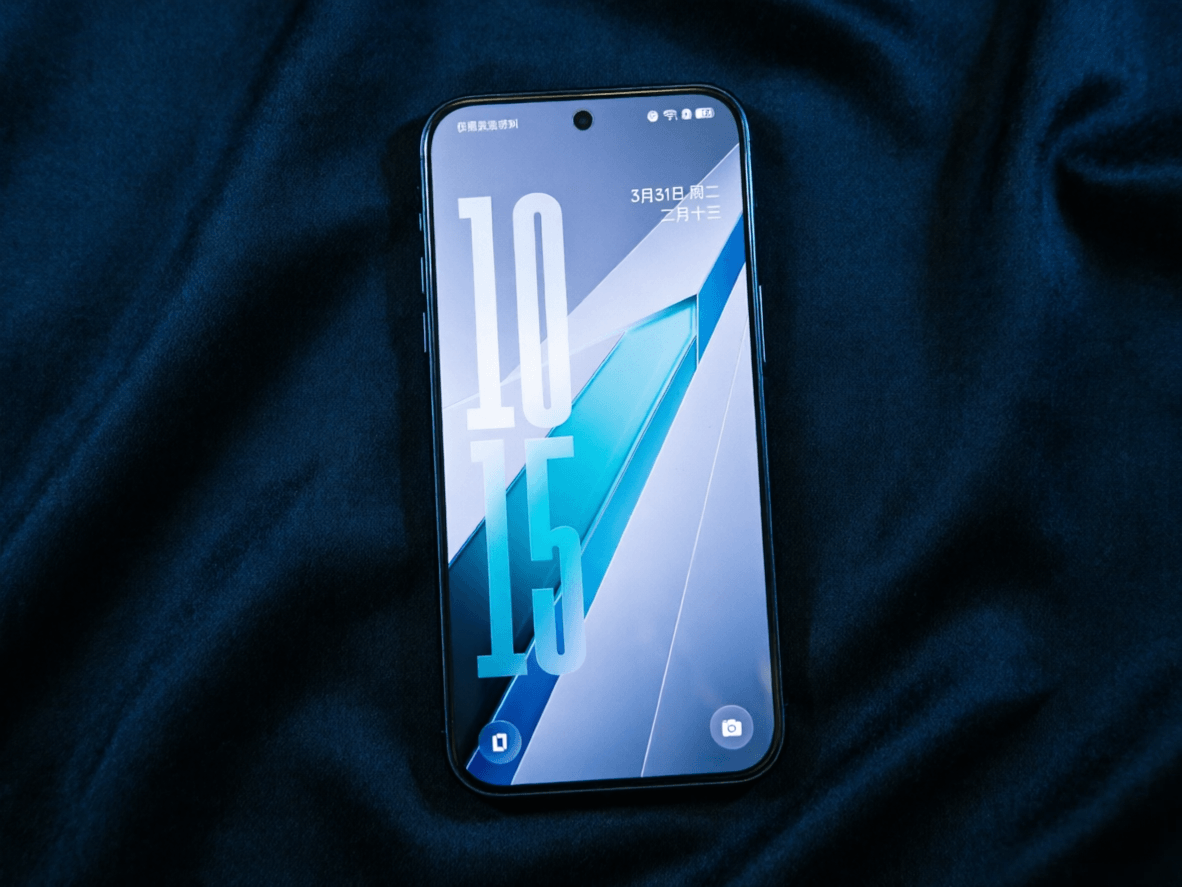
The metallic finish represents a significant improvement, and the RGB lights on the back add a touch of appeal. The 8000mAh battery life is undoubtedly top-notch in the industry, easily supporting games like League of Legends: Wild Rift and Genshin Impact.
(Image credit: Leitech)
However, its drawbacks are equally apparent. The Dimensity 9500s processor still tends to overheat and experience frame drops when running high-end games like Wuthering Waves, and it struggles with poorly optimized games like Endfield. Its active cooling capabilities are limited, and the camera quality can only be described as basic, akin to a scanner.
If you're a user who doesn't have high demands for photography, detests charging your phone twice a day, and primarily plays mainstream small to medium-sized games, then this phone is a great fit for you.
However, if you're a perfectionist who wants the best of everything or a hardcore gamer obsessed with pushing graphics to the limit, Xiaolei suggests holding off for a bit longer.
When purchasing a phone, understanding your own needs is always more crucial than relying solely on the manufacturer's promotional materials.
-
![]()
Registered Capital Slashed to 372 Million Yuan! Yutong Optical Finalizes Industrial and Commercial Change Registration
-
![]()
Zhuque-3 Successfully Lands, and 'Time Traveler' Secures Another ¥100 Million in Funding: China's Commercial Space Industry Experiences a 'Dynamic August'
-
![]()
Autohome Faces a Shrinking Window of Opportunity
-
![]()
Even a Titan Like Musk Has Faced Setbacks in Fulfilling Promises
-
![]()
AI Office: The End of the Racing Era, Context Becomes the Key to Success
-
![]()
Domestic Vehicle Chassis Revolution ②: The Steering Wheel Remains, But Mechanical Connections in the Steering System Are Decreasing
-
![]()
Exploring MiniMax Design: Can Video Editing Be as Simple as Speaking?
-
![]()
Why Can SenseTime Achieve Profitability While CloudWalk Still Faces Challenges, Despite Both Adopting Large Models?