April’s All-Out Smartphone Battle: OPPO and Huawei Face Off, Air Cooling and External Lenses Join the Fray
 04/07 2026
 510
510
The age of competing on real user experience has dawned.
Time flies by, and April is now upon us, yet the smartphone industry’s “arms race” never ceases. Just as everyone believed the current smartphone market was already fiercely competitive with little room left for innovation, major manufacturers are gearing up to reveal their true game-changers.
Judging by the models leaked so far, leading brands have clearly stamped “no incremental upgrades” across their product lineups. To provide a clear picture of the upcoming smartphone market, let’s examine these highly anticipated new models and see which ones will stand out amid the wave of upcoming releases.
Imaging and All-Round Flagships: A Telephoto Showdown—A Game-Changing Move?
On the ultra-premium stage, where brands flex their technological prowess and elevate their brand image, OPPO and Huawei are pulling out all the stops, aiming to establish new competitive advantages in imaging and system experience.
According to leaks from Digital Chat Station, OPPO is set to release the Find X9s Pro and its true imaging flagship, the Find X9 Ultra.
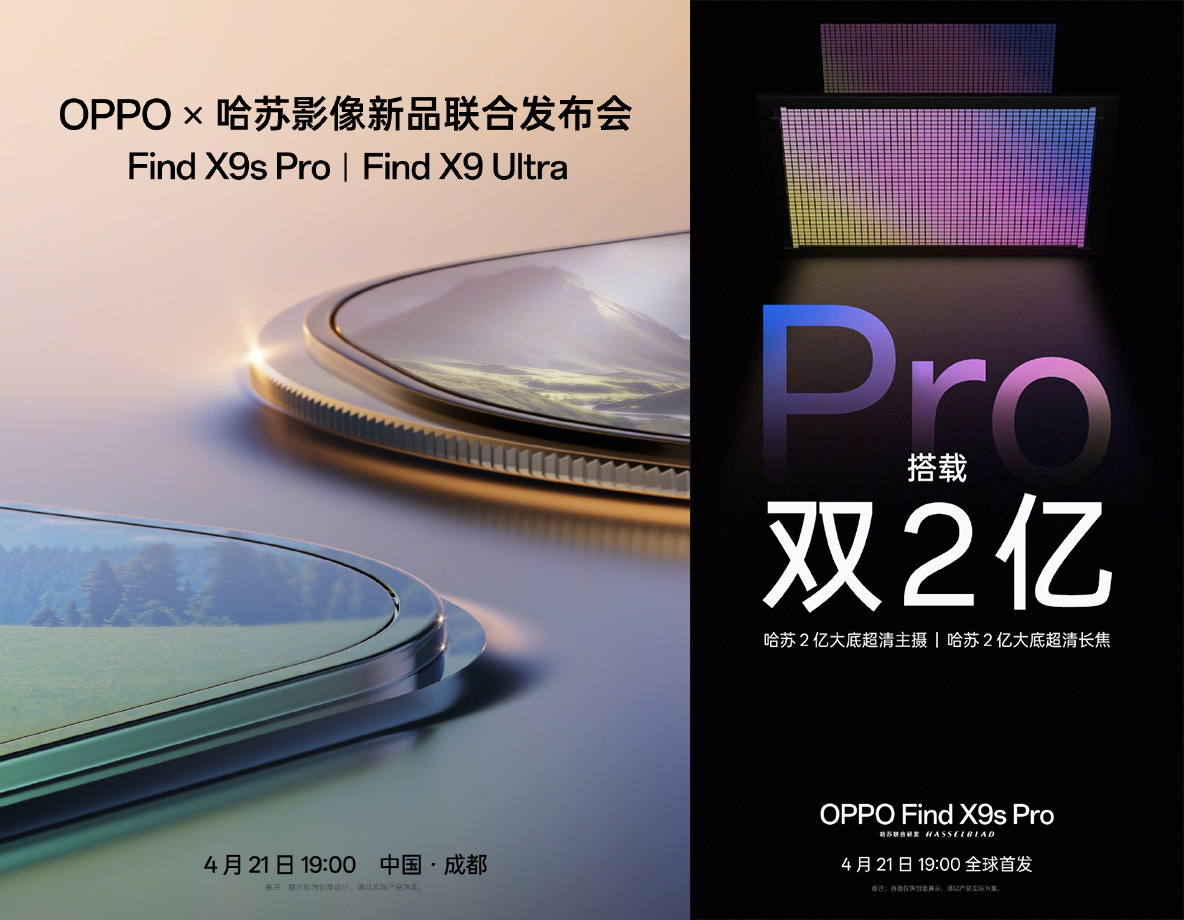
(Image Source: OPPO Official)
The most highly anticipated model is undoubtedly the Find X9 Ultra, which boasts the industry’s only native 10x optical zoom solution. Achieving this is far more challenging than it sounds—given a smartphone’s limited thickness, the physical length of optical lenses poses a near-insurmountable constraint. To see farther, a longer focal length is required, which in turn demands a longer lens barrel, inherently conflicting with a smartphone’s slim design philosophy.
In recent years, manufacturers have relied on “periscope structures,” bending light horizontally within the device to effectively “lay down” the lens barrel. However, mainstream flagships typically achieve only 3-5x optical zoom, with higher focal lengths relying on digital zoom, resulting in noticeably degraded image quality.
The OPPO Find X9 Ultra introduces a groundbreaking 5-reflection periscope architecture. Imagine light playing a complex game of “zigzag” inside the phone, bouncing back and forth five times within an extremely compact space, ultimately achieving an astonishing equivalent focal length of 460mm.
From a technical standpoint, this is significantly more complex and costly to manufacture than traditional 3-5x periscope telephoto lenses, but it also opens the door to potentially transformative improvements in image quality.
However, from a practical standpoint, 10x optical zoom presents a significant drawback: stabilization. Telephoto shooting demands extremely high stabilization performance, as even slight shakes are amplified. If OPPO fails to address this issue, the Find X9 Ultra could become a laughingstock among imaging flagships.
In terms of core imaging specs, the OPPO Find X9 Ultra adopts a flagship quad-camera setup, likely the only quad-camera imaging flagship on the market. It includes a 200MP ultra-large sensor primary camera (Sony LYT-901 sensor), a 200MP periscope mid-telephoto lens, a 50MP periscope ultra-telephoto lens (supporting 10x optical zoom), and a 50MP ultra-wide-angle lens, covering a full range of shooting scenarios.
Coupled with OPPO's new external teleconverter, it seems OPPO aims to completely shatter the limits of smartphone photography. As for the final results, we’ll have to wait for Leitech's follow-up review.
Shifting our focus to another industry giant, Huawei’s influence in the premium market is undeniable. First up is the successor to last year’s critically acclaimed Pura X, the Pura X2. It largely retains the body proportions of the Huawei Pura X but features a noticeably larger external screen and a horizontally designed rear camera module with four cameras. The flash is placed independently outside the lens module, maintaining a clean overall design. In terms of core specs, the Huawei Pura X2 will be powered by Huawei's in-house Kirin processor, featuring a 16:10 internal screen that unfolds to over 7 inches. The rear camera can capture photos up to 200MP, and the hinge incorporates some of the same technology as the Huawei Mate X7.

(Image Source: Weibo user @FactoryDirectorIsGuanClassmate)
Huawei’s decision to launch a second-generation Pura foldable suggests they believe there are still underserved usage scenarios beyond mainstream foldable forms.
Thus, the core value of the Huawei Pura X2 lies in continuous refinement and evolution along an established path. It represents not a radical experiment but a product line being steadily polished and clarified.
While the Pura90 series’ April release remains unconfirmed, leaks have revealed much. First, Huawei has streamlined its product lineup, ditching the previous Ultra model to focus its core innovations on the Pura 90, Pura 90 Pro, and the top-tier Pura 90 Pro Max.
To fully reassert its “imaging king” status, the Pura 90 Pro Max has taken a bold internal redesign approach: incorporating a massive 1-inch ultra-large sensor primary camera (supporting multi-stage physical variable aperture) alongside a staggering 200MP periscope telephoto lens. Due to this overly aggressive imaging module occupying too much internal space, leaks suggest it has even “retro” adopted side-mounted fingerprint recognition. Huawei’s willingness to sacrifice for the ultimate optical hardware is quite bold.
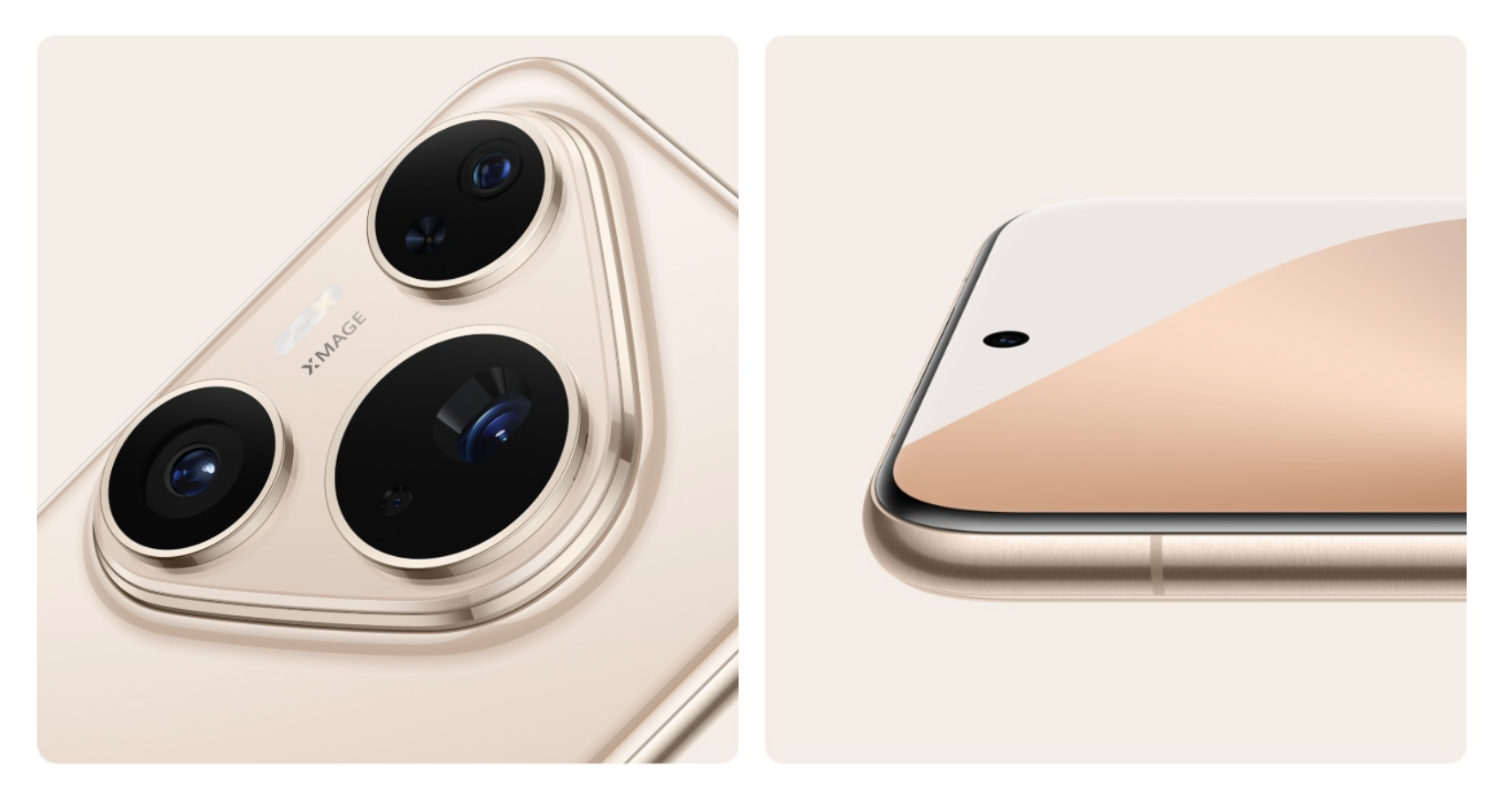
(Image Source: Huawei Official)
In terms of peripheral specs and design, the Pura 90 series has also become “extremely receptive to feedback.” All models feature high-quality 1.5K resolution eye-care straight screens with 2160Hz high-frequency PWM dimming and ultra-narrow uniform bezels, finally ending the pain point of imaging flagships being exclusively curved screens. Design-wise, the classic gradient finish that dazzled on the P20 series returns as a signature color option, offering high distinguishability in a sea of solid-color devices.
Among these three new models, I’m particularly excited about the Pura X2 and OPPO Find X9 Ultra—one representing the sole choice in large foldables and the other pushing smartphone telephoto performance to new heights. They may well be the two most interesting phones of 2026.
Performance and Battery Powerhouses: A Dream for Straight-Screen Enthusiasts?
For heavy users who don’t prioritize extreme zoom imaging but suffer from severe battery anxiety, the new Honor X80 GT represents a game-changing move. According to Digital Chat Station, its biggest game-changer isn’t a conventional chip upgrade but rather a massive 13,080mAh battery crammed inside the device.
You read that right—this isn’t just building a smartphone; it’s welding a high-capacity power bank onto the motherboard, redefining user expectations for mainstream smartphone battery capacity.
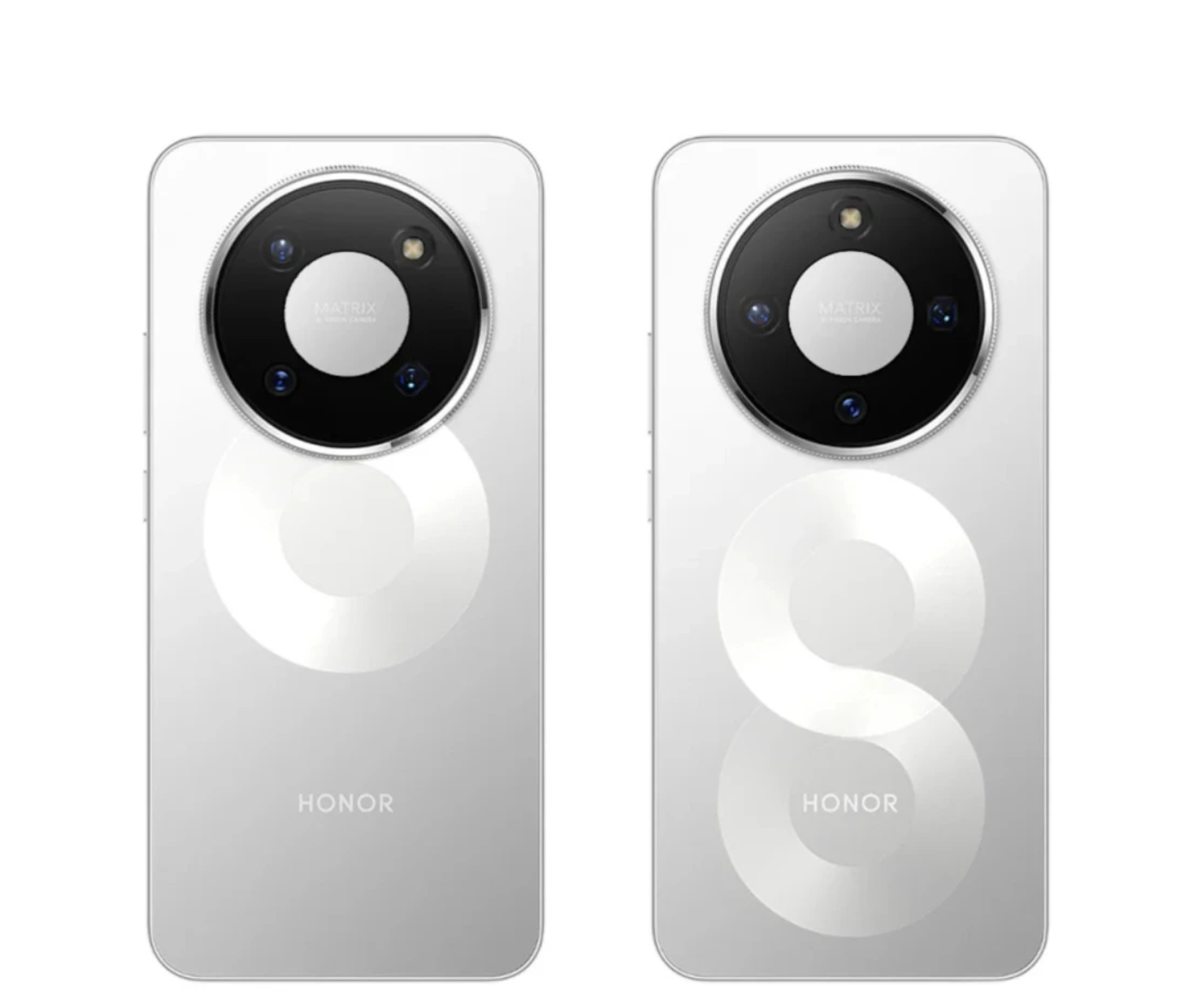
(Image Source: Honor Official)
With such an absurd “health pool,” the X80 GT’s positioning has fundamentally shifted. In terms of peripheral specs, it retains Honor’s GT family’s pure performance DNA: a full-spec Snapdragon 8 Gen 3 processor paired with a zero-risk eye-care straight screen featuring ultra-high-frequency PWM dimming and full edge anti-mistouch, along with an oversized VC liquid cooling module.
But the 13,080mAh behemoth battery is the soul of this device. Imagine pairing Honor’s underlying GPU Turbo X power tuning with the power-efficient Snapdragon 8 Gen 3 processor—its goal isn’t merely “sustained high-load performance without throttling” but enabling hardcore gamers, food delivery riders, or outdoor workers to leave their chargers at home entirely. This nearly insane, niche-targeted spec material stacking unapologetically tears open a gap in the market, making it an irreplaceable “super energy pack” in the upcoming wave of new releases.
Ultimate Affordability: Ruthless Gatekeeping, Professional Table-Flipping
Finally, when it comes to ultimate affordability, the annual Redmi K series Ultra has long been recognized in the smartphone circle as the “price butcher” and “industry quality inspector.” This time, the Redmi K90 Ultra seems ready to flip the table once again.
Not only will it feature MediaTek’s top-tier Dimensity 9500 flagship chip, but REDMI has also embedded an active cooling fan within the compact body—making it Xiaomi’s first-ever smartphone equipped with active air cooling. For this physical “cheat code,” Xiaomi’s R&D team crafted dedicated air intake and exhaust channels, using brute-force physical air convection to draw heat away from the core motherboard entirely. With this aggressive air cooling system and an in-house dedicated display chip, the Dimensity 9500’s performance can be fully squeezed dry, potentially eliminating thermal throttling and frame drops for heavy gamers.
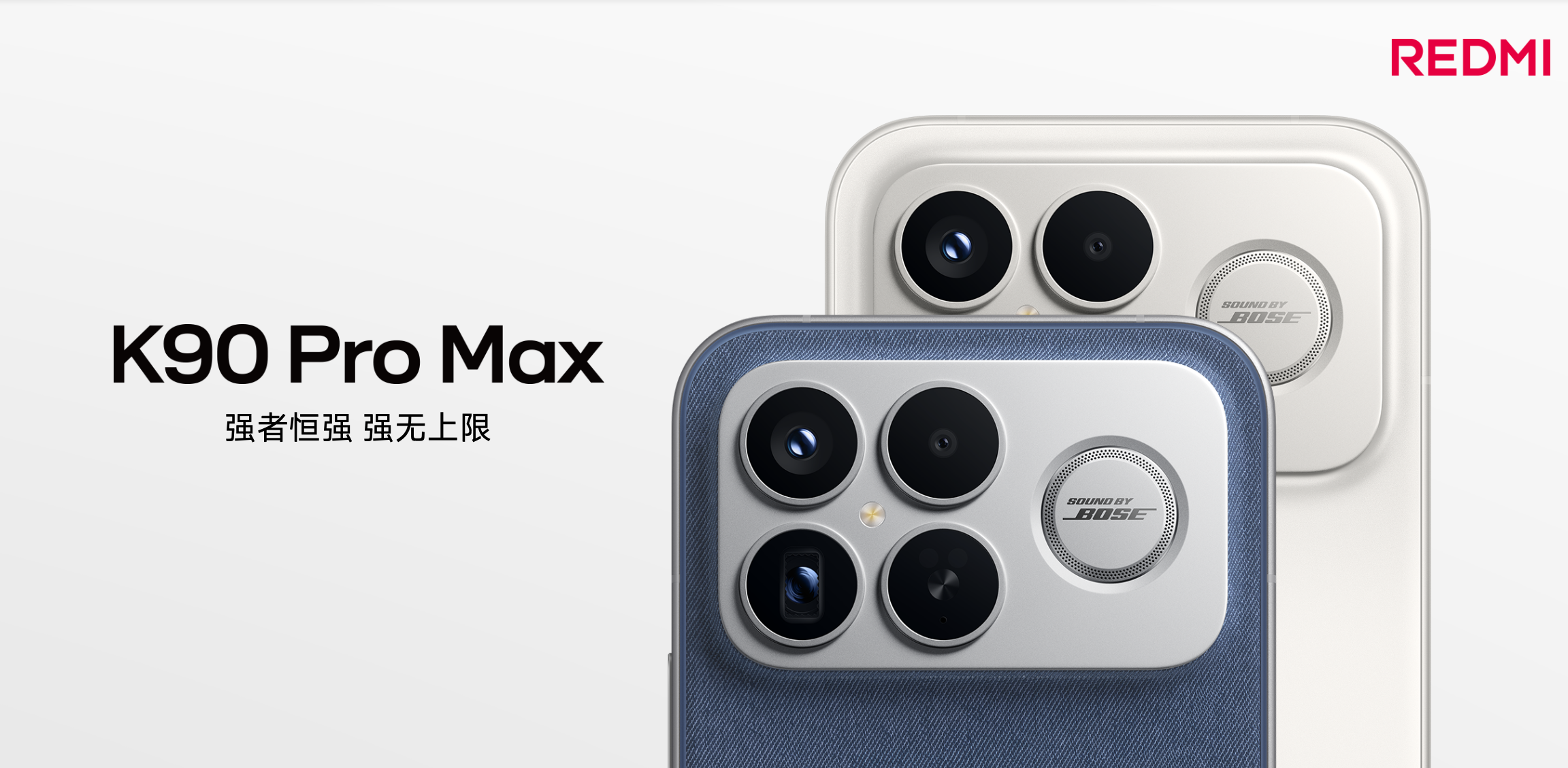
(Image Source: REDMI Official)
Other peripheral specs are equally top-tier: a 1.5K resolution, 165Hz LTPS high-refresh straight screen; an 8,500mAh massive battery paired with 100W wired flash charging; and standard features like IP68 dust/water resistance and superior ultrasonic screen fingerprint recognition. While recent storage chip price hikes may force a slight price adjustment, the “active air cooling + oversized battery + flagship peripherals” combination ensures the Redmi K90 Ultra still offers exceptionally solid hardware fundamentals at its price point, raising the experience bar for mid-to-high-end performance phones.
Farewell to “Incremental Upgrades”: The Era of Competing on Real Experience Has Arrived
Overall, the currently leaked new models are each showcasing their unique strengths—none are pushovers. A clear signal emerges: the smartphone market has definitively moved beyond conventional “incremental” tweaks, instead pursuing deeper hardware breakthroughs and more differentiated experiences.
Previous smartphone generations often merely swapped chips, slightly increased screen brightness, or tweaked lens modules—users could predict changes blindfolded. But this year’s approach has fundamentally shifted, offering highly targeted, even “unorthodox” hardware solutions for hardcore imaging enthusiasts, extreme gamers, and users with severe battery anxiety.
For consumers, this year promises to be full of surprises. Let’s hold onto our wallets and await the debut of these true “game-changers” to see who will dominate the market.
OPPO, Redmi, Huawei, Honor
Source: Leitech
Images in this article come from: 123RF Royalty-Free Image Library
-
![]()
Registered Capital Slashed to 372 Million Yuan! Yutong Optical Finalizes Industrial and Commercial Change Registration
-
![]()
Zhuque-3 Successfully Lands, and 'Time Traveler' Secures Another ¥100 Million in Funding: China's Commercial Space Industry Experiences a 'Dynamic August'
-
![]()
Autohome Faces a Shrinking Window of Opportunity
-
![]()
Even a Titan Like Musk Has Faced Setbacks in Fulfilling Promises
-
![]()
AI Office: The End of the Racing Era, Context Becomes the Key to Success
-
![]()
Domestic Vehicle Chassis Revolution ②: The Steering Wheel Remains, But Mechanical Connections in the Steering System Are Decreasing
-
![]()
Exploring MiniMax Design: Can Video Editing Be as Simple as Speaking?
-
![]()
Why Can SenseTime Achieve Profitability While CloudWalk Still Faces Challenges, Despite Both Adopting Large Models?