Comprehensive Analysis of Apple's N50 AI Glasses Supply Chain: Visual Perception, Computing Power, Acoustics, Frame Design, and Assembly
 04/17 2026
 739
739
A few days ago, we published a series of articles discussing Apple's new AI smart glasses, codenamed 'N50,' which are anticipated to be launched by the end of 2026 or early 2027. This launch signifies a pivotal preparatory phase for Apple's new strategic布局 (layout) in the realm of micro-wearable devices.
Apple's upcoming new product is not a pair of 'AR glasses with displays.' Instead, it is an AI smart glasses model that completely forgoes the display, concentrating its core functionalities on 'auditory feedback and visual capture.'
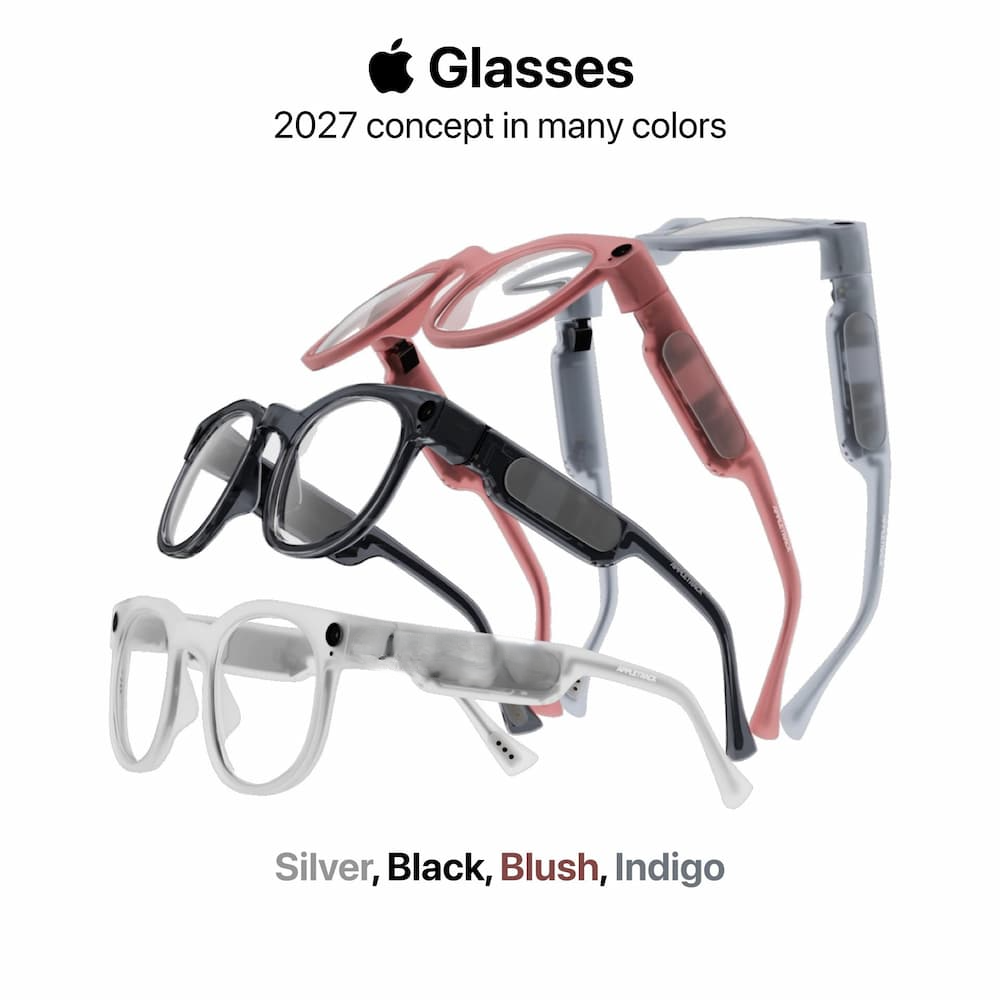
Conceptual Rendering
However, it's noteworthy that the core design of this device is exceptionally pragmatic. The entire device weighs strictly under 50 grams and utilizes high-end acetate fiber material. This implies that the N50 represents a rigorous test for Apple in overcoming the physical manufacturing constraints of micro-wearable devices, rendering all generic public solutions on the market ineffective. Based on available information and product characteristics, we have deduced the supply chain map for Apple's new product as follows:
01 Visual Perception: Sony, Largan Precision, Genius Electronic Optical, Cowell
Apple's glasses deviate from the conventional circular lens design, opting instead for an oval-shaped camera system arranged vertically. According to industry chain deductions, this design choice is not only to sidestep existing patent issues or create visual differentiation but also to enable native vertical high-definition video recording within the extremely narrow Y-axis (frame height) physical space and to reserve room for potential depth sensors.
Whether the oval opening is just one of several design options remains uncertain at this juncture. However, for AI smart glasses, which integrate dense components along the frame edges, every structural and design decision involves considerations of internal hardware layout, heat dissipation, and mass production processes. Even minor modifications entail high R&D and mold costs, necessitating extremely cautious design iterations.
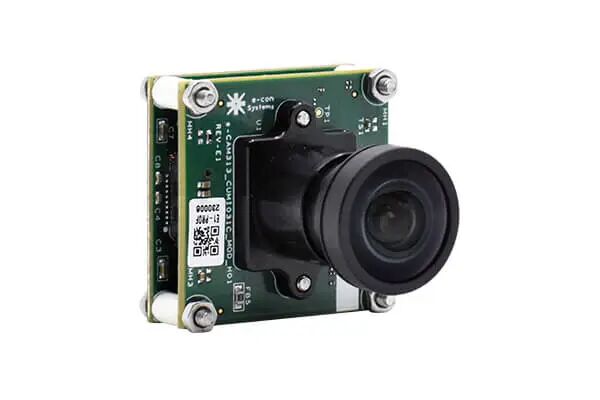
To accommodate a sensor supporting 4K recording within a few-millimeter-wide opening while maintaining power consumption at the hundred-milliwatt level to prevent overheating and skin burns, Sony's customized high dynamic range (HDR) micro CMOS sensor is currently almost the only optimal solution. Through a special stacking process natively adapted to the 9:16 aspect ratio, the cropping computational power consumption of the backend ISP (Image Signal Processor) can be significantly reduced.
Largan Precision
Furthermore, the oval opening implies that the light refraction path at the lens edge is extremely complex, and the difficulty of distortion control increases exponentially. In this domain, only Largan Precision and Genius Electronic Optical, the two optical giants in Apple's supply chain, currently possess the process reserves to provide high-end ultra-micro plastic lenses.

Genius Electronic Optical
The contract manufacturing task of perfectly encapsulating the sensor, lens, flexible cable, and the 'privacy indicator light' surrounding the lens edge into the oval module is speculated to be undertaken by Cowell, which has previously participated in the Vision Pro visual module.

Cowell
02 Computing Power and Underlying Scheduling: TSMC, Samsung, or SK Hynix
More intriguingly, according to deductions from multiple sources in the industry chain, unlike domestic solutions that generally rely on Qualcomm's AR1 or AR2 platforms, the underlying computing power solution for the N50 smart glasses comes from Apple's in-house self-developed chips.
Based on Apple's hardware ecosystem logic, the N50 is highly likely to be equipped with an extremely low-power custom AI chip based on modifications of the Apple Watch S series or AirPods H series chips.
TSMC
Of course, Apple's new AI glasses do not support any form of optical waveguide or 3D graphics rendering but are purely for voice and visual data capture and processing. The main control SoC is highly likely to adopt TSMC's 3nm or N4P advanced process, which can efficiently allocate computing power to ensure instant voice wake-up, audio noise reduction, and visual data capture while achieving ultra-low-latency Bluetooth/UWB (Ultra-Wideband) communication with the iPhone, reducing power consumption and improving battery life.
Samsung & Hynix
In this computing power architecture, the industry is more concerned with the imaging and processing details of end-side data scheduling. To support preliminary data screening by Apple Intelligence on the end side, the device requires extremely high-frequency data read and write caching. Customized low-power LPDDR memory will be highly integrated next to the SoC to complete data throughput with a minimal package area.
In this regard, Samsung or SK Hynix are highly likely to be the core suppliers. This may not be challenging for traditional devices, but for a 50-gram AI glasses with limited space, it is necessary to find an extreme balance point between computing power and heat dissipation.
03 Acoustics: Goertek, AAC Technologies
Since Apple's N50 smart glasses have eliminated the screen, interaction relies entirely on seamless auditory and voice commands. High-quality open audio and extremely sensitive pick-up microphones are the basic conditions for these glasses to meet expectations. Apple needs to fit miniature custom directional speakers into the slender temple arms, allowing sound to be precisely projected into the user's ear canal.
AAC Technologies
In this regard, Goertek and AAC Technologies are highly likely to be selected, as solving the acoustic challenge of balancing low-frequency presence and preventing sound leakage in extremely small resonant cavities is of utmost importance. At the same time, to ensure that users can accurately wake up Siri on noisy streets, at least 3-4 MEMS microphones will be placed around the frame, which will also highly depend on the processes of these two acoustic giants.
04 Frame and Hinges: Mazzucchelli, LY Technology or Jabil, Zhaowi Mechanical and Electrical or Changying Precision
In terms of frame material, the N50 uses high-end acetate fiber (Acetate) material in its body structure. Compared to cold, hard metals or injection-molded PC, high-end acetate fiber has a deep luster and a unique 'warm feel' when in contact with the human body. Currently, the world's top acetate fiber sheets are basically monopolized by giants such as Italy's Mazzucchelli, and Apple is highly likely to directly purchase the highest-specification specially tuned sheets.
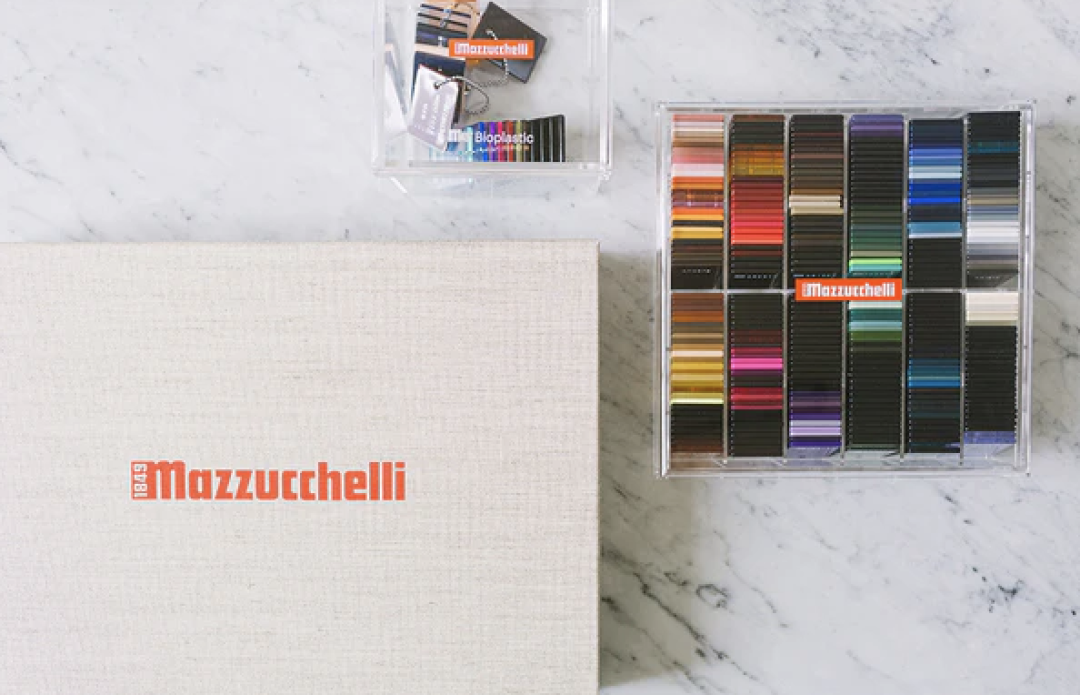
Mazzucchelli
Acetate fiber has a characteristic: it cannot be simply injection-molded and requires extremely precise milling by five-axis CNC machines and hand-grade roller polishing. It is speculated that veteran structural component giants such as LY Technology or Jabil will be responsible for this carving.
To support the damping feel of the temple arm opening and closing while strictly controlling weight, the miniature hinge is highly likely to use lightweight, high-strength titanium alloy material. Zhaowi Mechanical and Electrical or Changying Precision, which have provided miniature transmission systems for Vision Pro, should be the core choices for building this physical hub.
LY Technology
05 Assembly: Luxshare, Goertek
Once it enters the entire device assembly (EMS) stage, the challenges are undoubtedly stringent. Based on existing competitive product solutions, the N50 is highly likely to use highly customized micro-special-shaped pouch batteries (such as those from ATL or Desay Battery), hidden at the end of the temple arms as physical counterweights.
Getting chips, batteries, microphones, and flexible cables of varying thicknesses through the narrow frame and hinges without damage is extremely difficult in terms of yield control. Luxshare Precision, which has secured the Vision Pro assembly order, and Goertek, which has extensive AI glasses contract manufacturing experience, are almost Apple's top choices for entire device contract manufacturing.

Luxshare Precision
The above are all deductions we have made based on the product. If you have any objections, please feel free to discuss them in the comment section.
As we enter 2026, the AI glasses industry is gradually maturing and reaching a scaling turning point. As a global technology giant, Apple's entry into the AI glasses market is widely regarded as one of the most likely heavyweight players to change the industry's trajectory in the near future, accelerating the further development of the industry's underlying hardware logic.
In Apple's own product portfolio, the N50 glasses, equipped with custom chips and focusing on physical limits and materials, are not only an extension of the iPhone's computing capabilities at the front end but also a concentrated implementation of Apple Intelligence's multi-terminal collaboration and AI intention capture capabilities.
Unlike cost-squeezing solutions that share public designs, Apple, with its vast financial resources and control, is building a completely closed-loop customized 'fortress' from the underlying silicon chips to the outer acetate fiber. If the N50 glasses can be released as scheduled by the end of 2026 or early 2027, it will mark a clearer answer to the industry's question of the 'true ticket to the next-generation computing terminal.' At the same time, it also heralds the official countdown to a major supply chain reshuffle centered around the customization rights of micro-components.
Text by R Star
(All images not noted in the text are sourced from the internet)
-
![]()
Registered Capital Slashed to 372 Million Yuan! Yutong Optical Finalizes Industrial and Commercial Change Registration
-
![]()
Zhuque-3 Successfully Lands, and 'Time Traveler' Secures Another ¥100 Million in Funding: China's Commercial Space Industry Experiences a 'Dynamic August'
-
![]()
Autohome Faces a Shrinking Window of Opportunity
-
![]()
Even a Titan Like Musk Has Faced Setbacks in Fulfilling Promises
-
![]()
AI Office: The End of the Racing Era, Context Becomes the Key to Success
-
![]()
Domestic Vehicle Chassis Revolution ②: The Steering Wheel Remains, But Mechanical Connections in the Steering System Are Decreasing
-
![]()
Exploring MiniMax Design: Can Video Editing Be as Simple as Speaking?
-
![]()
Why Can SenseTime Achieve Profitability While CloudWalk Still Faces Challenges, Despite Both Adopting Large Models?