AirPods Max 2 Review: H2 Chip Fills the Last Gap in Apple's Audio Lineup
 04/19 2026
 532
532
The pros and cons are both evident.
Several years have passed since the release of the original AirPods Max. In today's era of rapid iteration in true wireless earbuds, it seems that everyone has almost forgotten about Apple's over-ear headphones. However, on March 16th, Apple suddenly launched the long-awaited AirPods Max 2, still priced at 3999 yuan.
This headset retains the design of the previous generation, with Apple focusing on refining sound quality and noise cancellation this time. Thanks to the inclusion of the H2 chip and large dynamic drivers, the AirPods Max 2 delivers an even better user experience.
Recently, Leitech (ID: leitech) got its hands on these headphones and used them for a while. It's time to share detailed impressions.
(Image source: Leitech)
Top-tier noise cancellation, surprising sound quality
According to Apple's official data, the noise cancellation performance of the AirPods Max 2 has improved by 1.5 times. In actual use, we indeed felt the strength of its noise cancellation capabilities.
In an office setting, turning on noise cancellation mode instantly reduces surrounding sounds significantly. Without music playing, you can still hear occasional keyboard tapping, but it's very faint. If music is playing, you can hardly perceive any external noise, entering a completely immersive and undisturbed world.
The same applies in other scenarios. Wearing these headphones can block out most construction noise, significantly reducing the volume of drilling sounds from neighboring areas and making construction noise less harsh.
(Image source: Leitech)
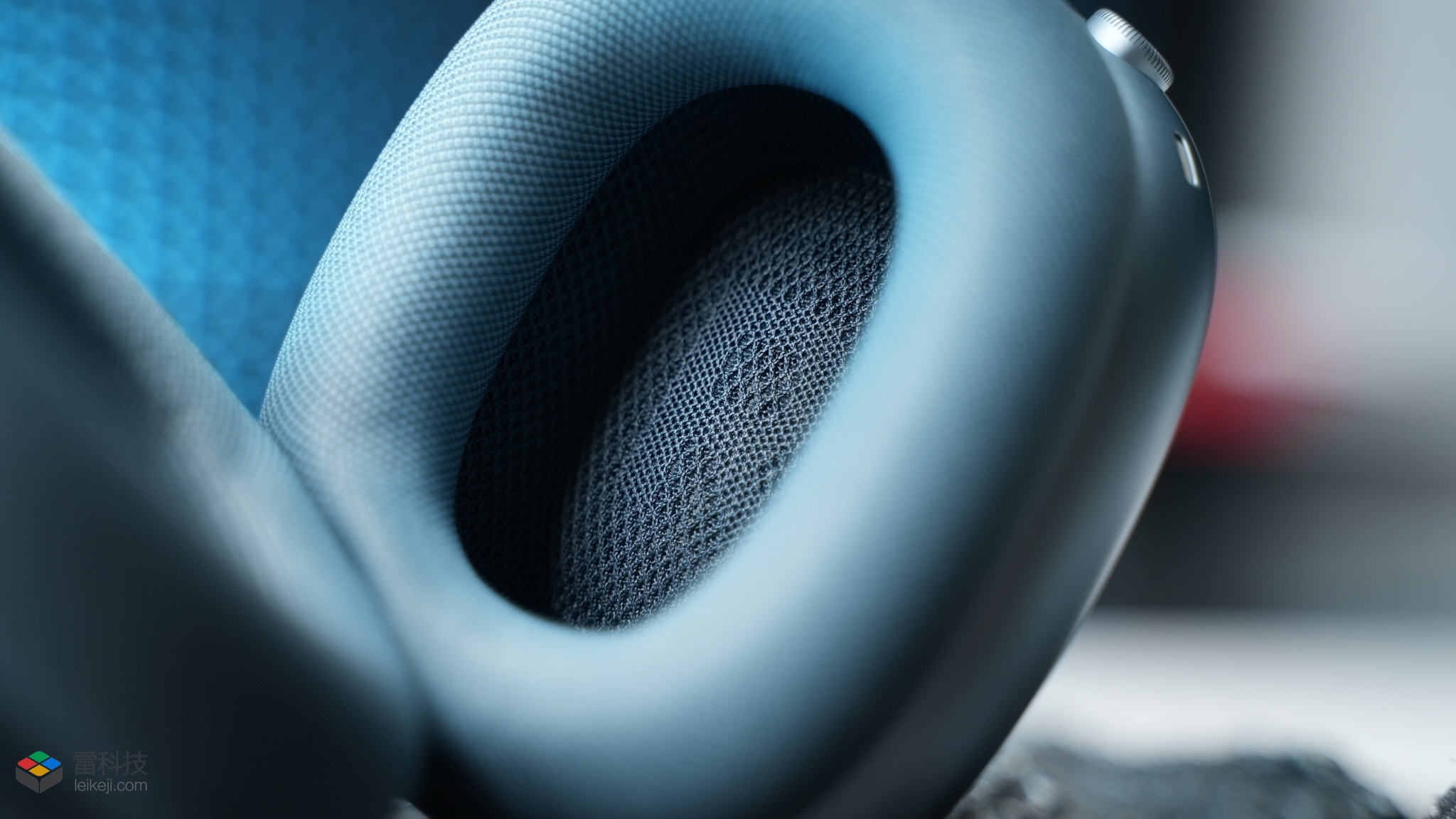
The improved noise cancellation performance of the AirPods Max 2 largely stems from its chip upgrade from H1 to H2, which has already been used in the AirPods Pro 2/3 and AirPods 4. The addition of the H2 chip and high dynamic range amplifier lays a solid foundation for the enhanced sound quality of the AirPods Max 2.
(Image source: Leitech)
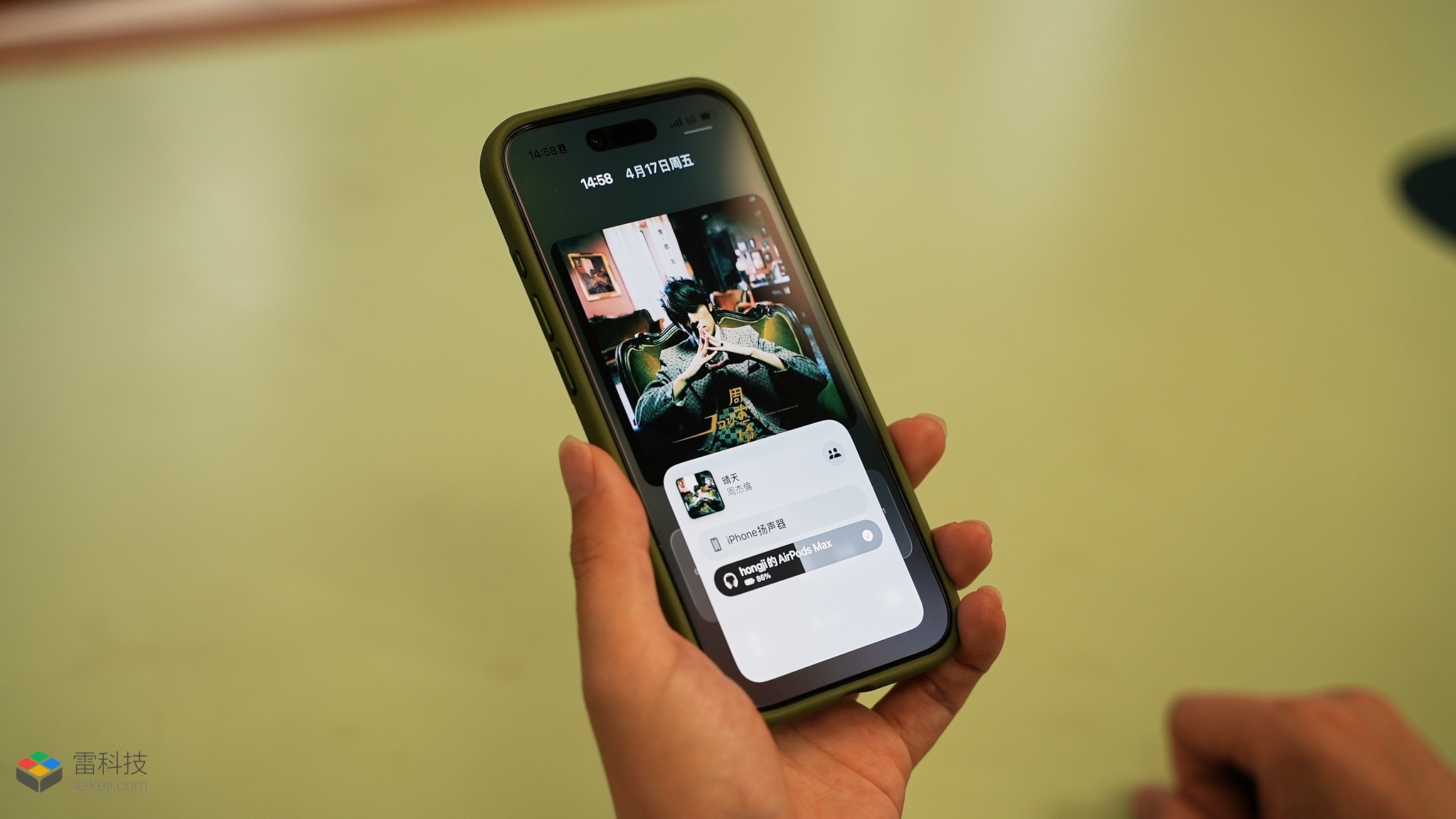
When listening to music with these headphones, you can feel that different frequency bands perform well, with balanced lows, mids, and highs. You can discern more details in instrumental sounds, and the positioning of instruments in the soundstage feels more accurate. Listening to the same song, the overall experience is more three-dimensional and immersive, giving a more live-like feeling.
(Image source: Leitech)
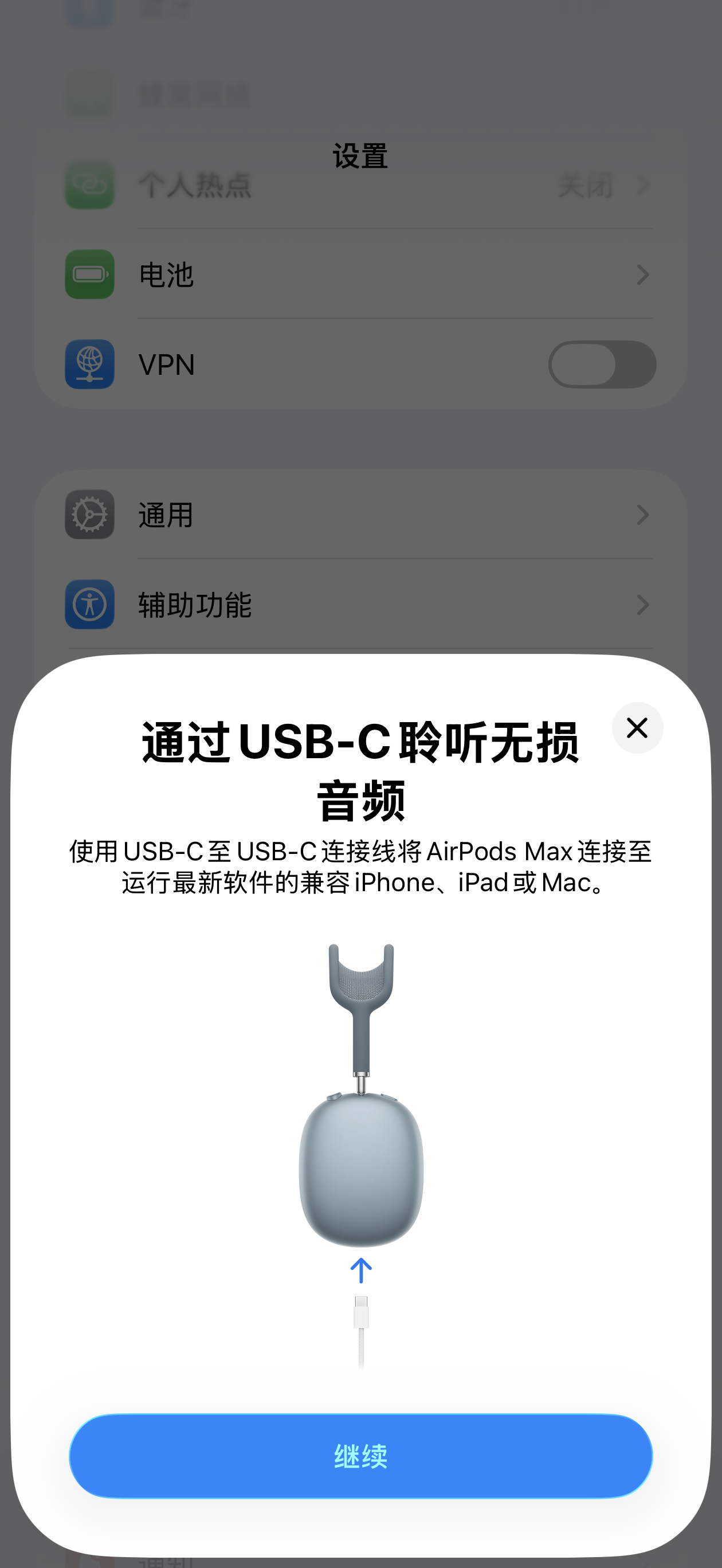
Unfortunately, the wireless Bluetooth mode of the AirPods Max 2 still does not support lossless audio. Like the original AirPods Max USB-C version, it requires a Type-C cable connection to achieve lossless playback.
To operate, simply connect the headphones to an iPhone, iPad, or Mac using a dual-C cable to enable wired lossless music playback. Since Apple has significantly optimized the Apple Music library, offering a vast amount of lossless music resources with master tape quality, this can be considered a major advantage brought by the Apple ecosystem.
(Image source: Leitech)
Listening to lossless music with the AirPods Max 2 in wired mode, you can still feel the improvement in sound quality, but the restriction of the cable makes this usage experience somewhat limited. After all, we have become accustomed to the true wireless earbud era initiated by AirPods, and suddenly reverting to a wired headphone mode inevitably feels inconvenient and cumbersome. The lack of support for lossless wireless audio is indeed a shortcoming for the current Apple music ecosystem.
Design and Experience: Strengths and Weaknesses
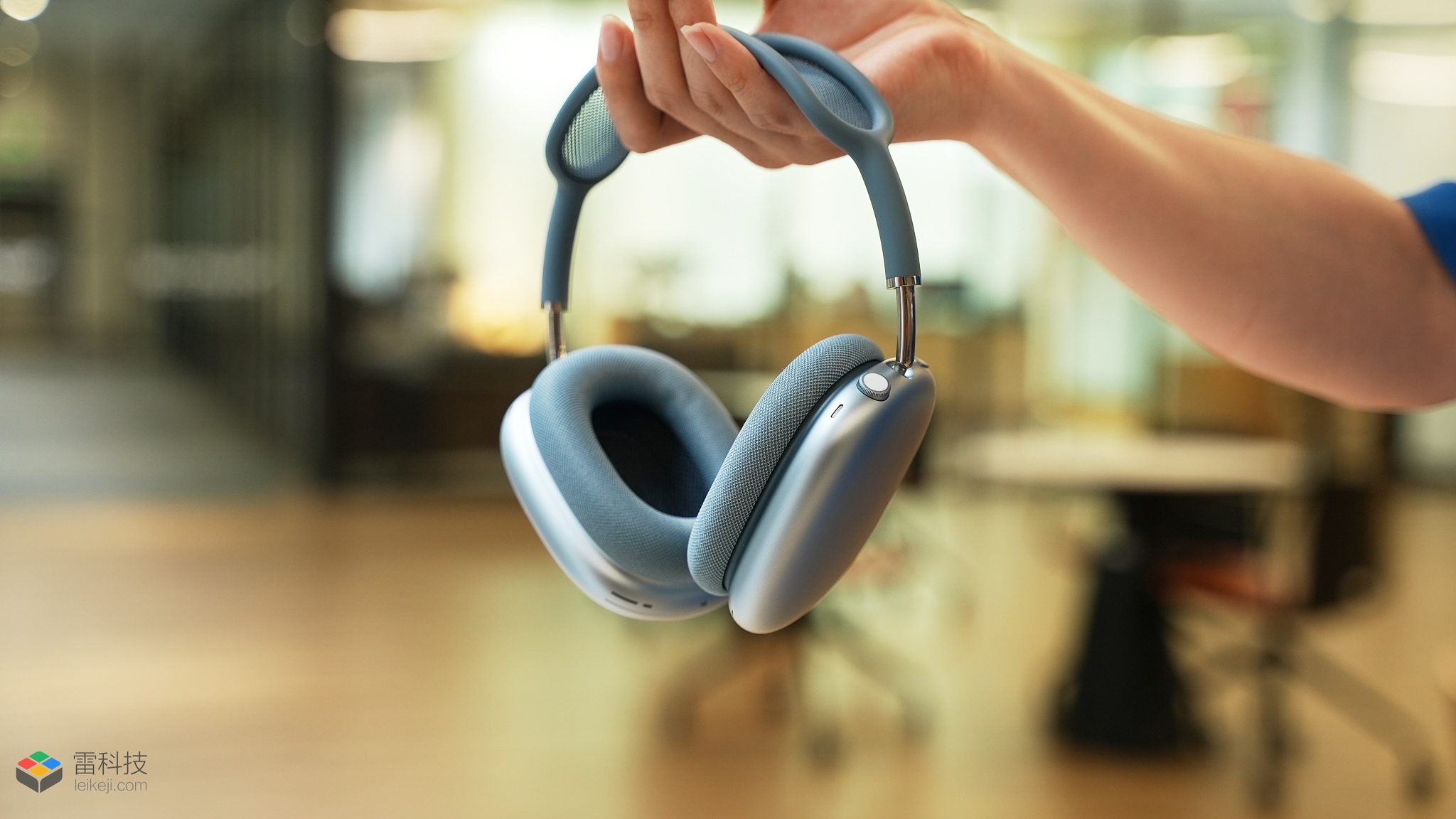
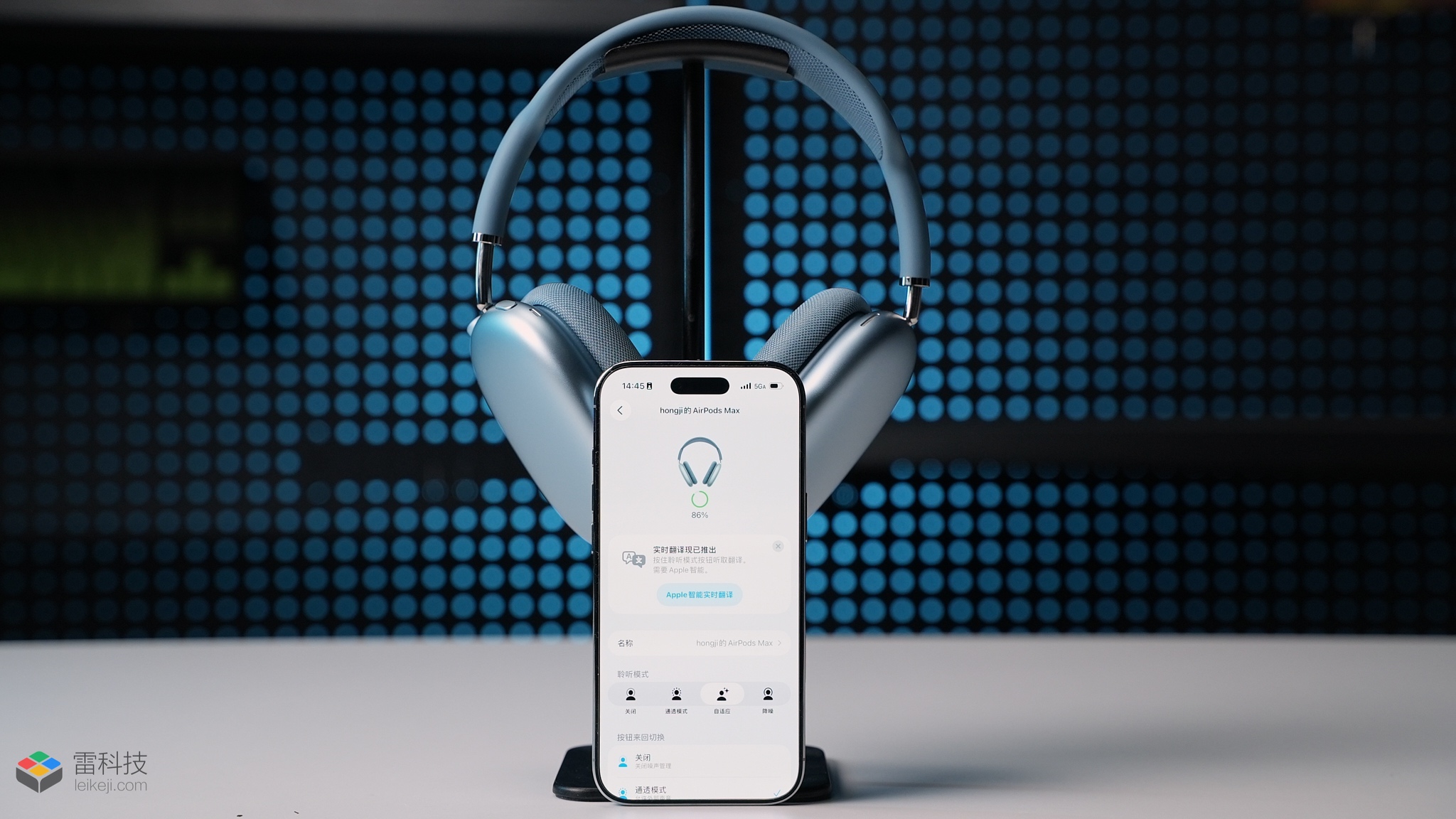
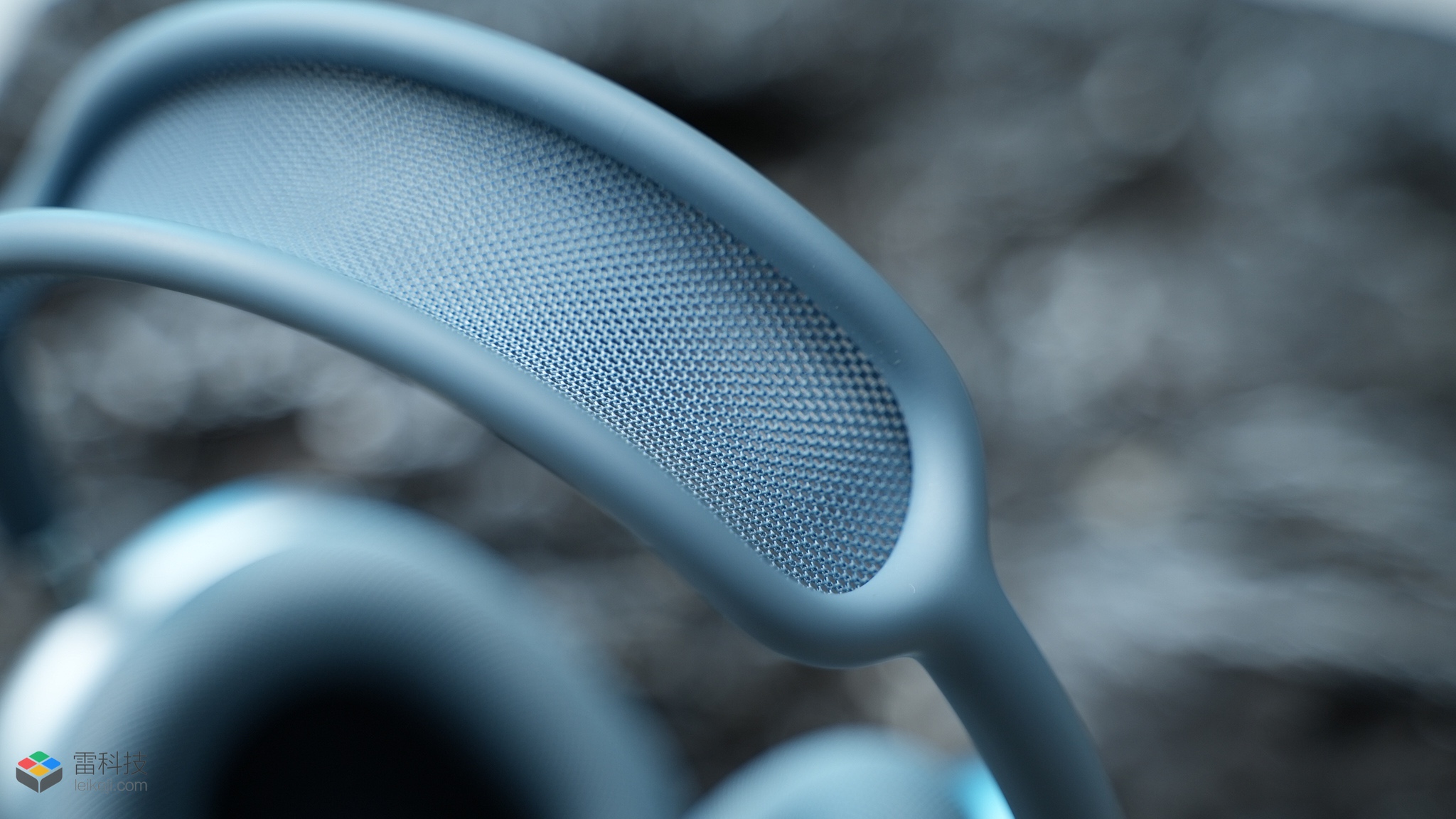
The AirPods Max 2 basically retains the mold of the original generation, inheriting its strengths and weaknesses. The headphones boast excellent aesthetics and materials, with a metallic exterior and stainless steel headband frame that exude quality and high recognizability. When worn, the ear cups provide a strong sense of enclosure, and even without noise cancellation turned on, you can feel the design's effectiveness in isolating noise.
(Image source: Leitech)
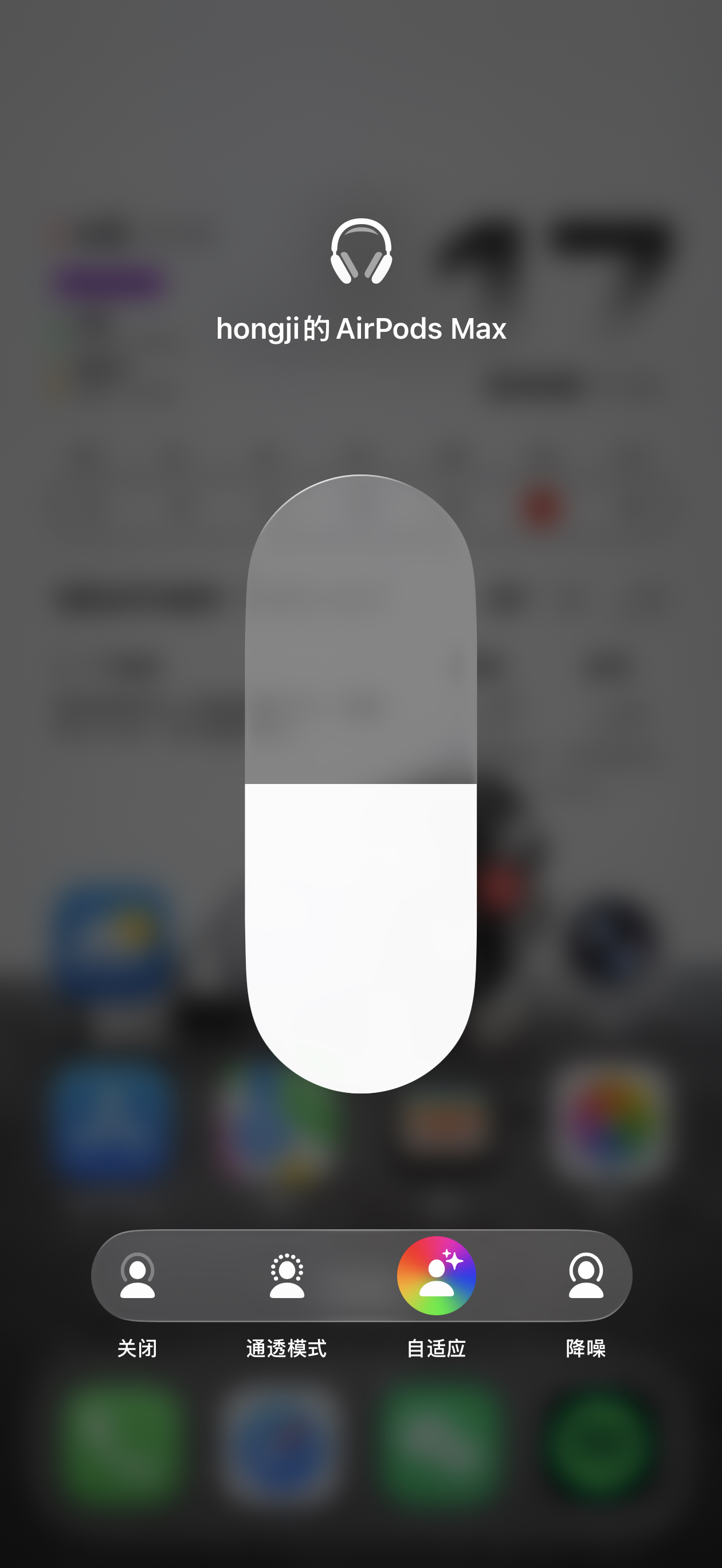
Thanks to the inclusion of the H2 chip, many functions of these headphones have been enhanced. For example, its conversation awareness feature is highly sensitive and intelligent. When wearing the headphones with noise cancellation on and a colleague speaks to you, the headphones immediately reduce the volume and switch to transparency mode without manual operation, which is very convenient.
(Image source: Leitech)
Additionally, its sound pickup performance in noisy environments has improved. In scenarios with loud ambient noise, such as in a vehicle or on a busy street, wearing the headphones for phone calls or remote video chats allows both parties to communicate without shouting, significantly enhancing the experience. This improvement is mainly attributed to the H2 chip, which brings stronger noise cancellation algorithms.
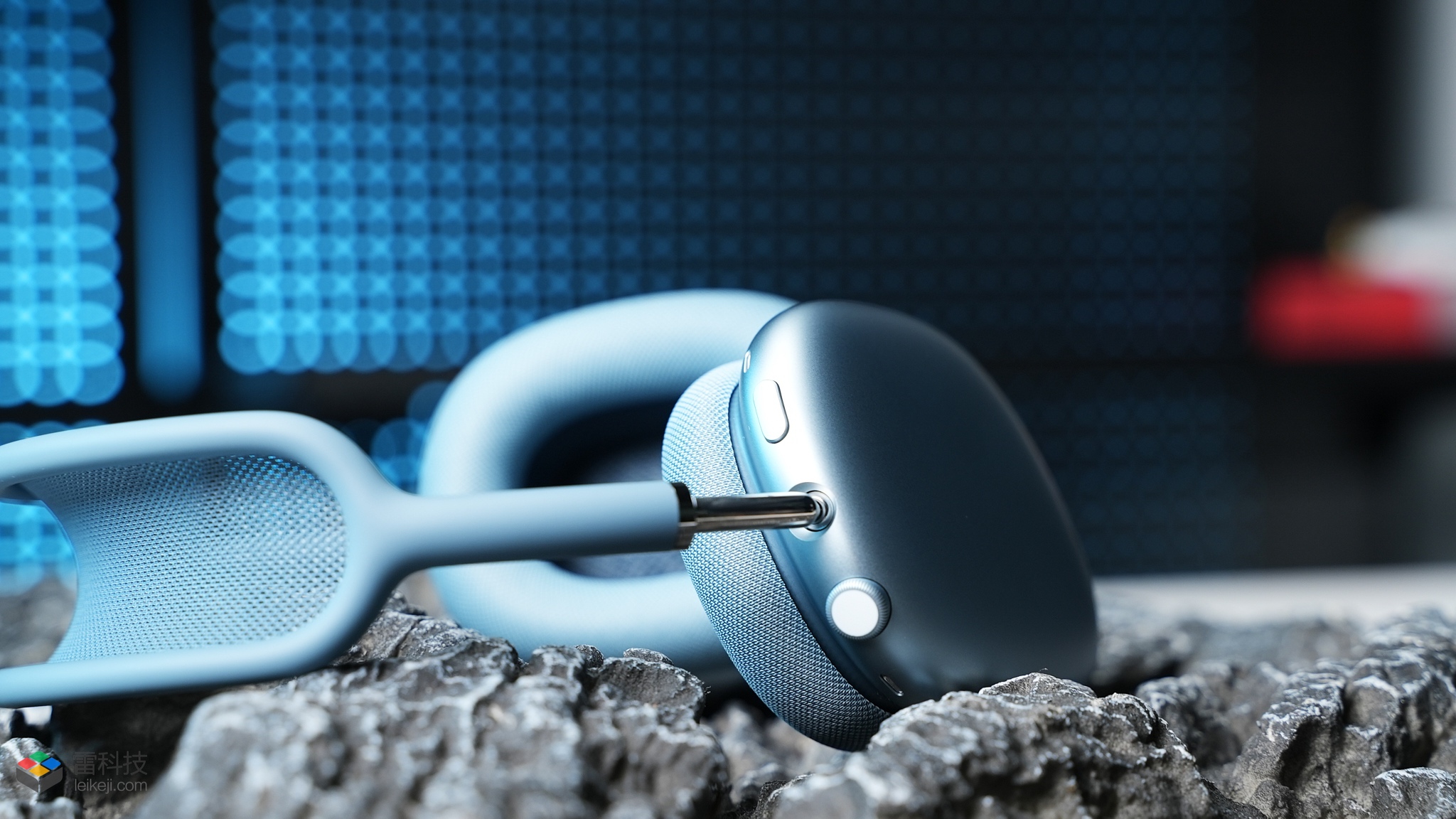
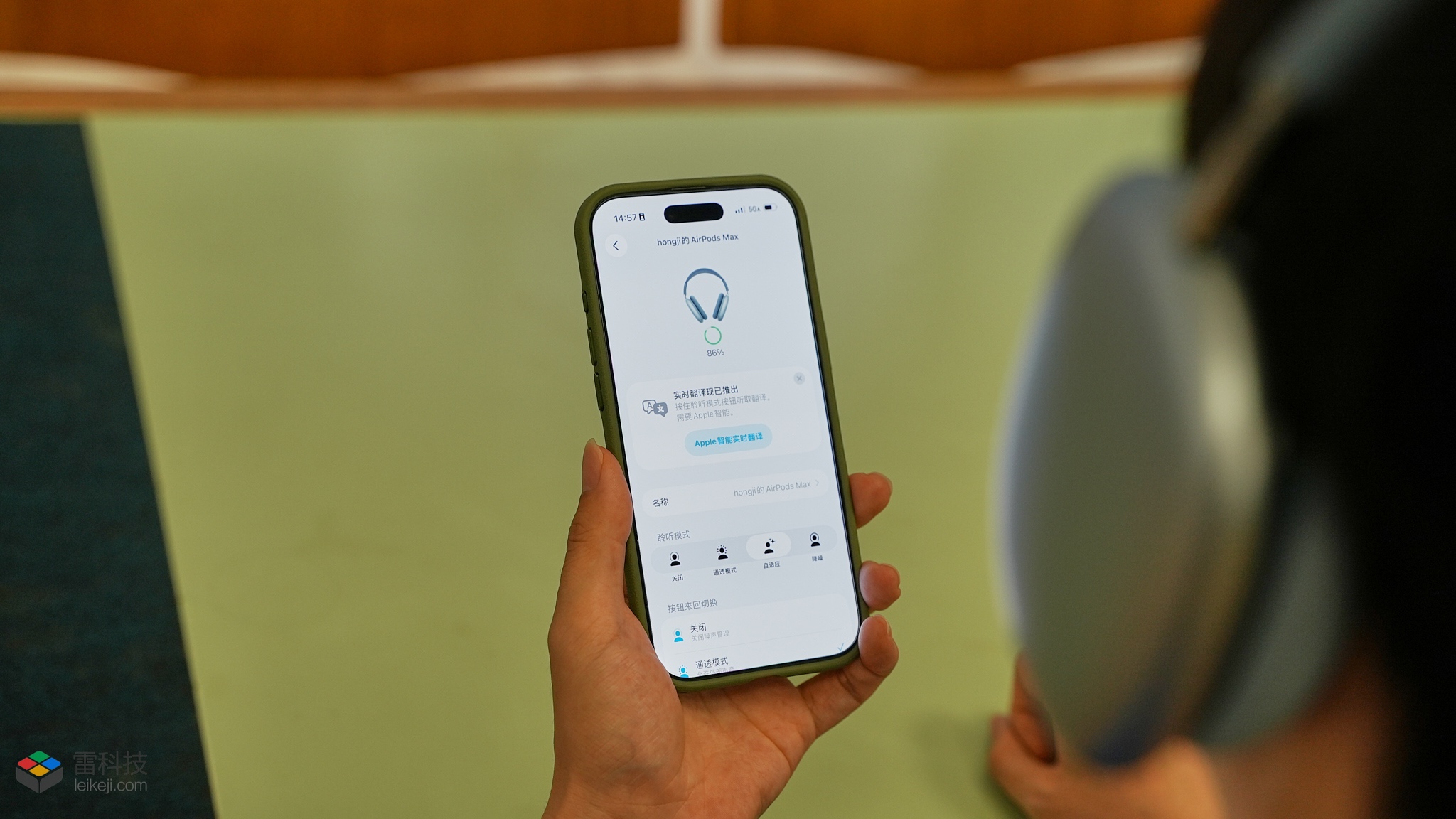
Most of the operation logic of the AirPods Max 2 is consistent with TWS-type AirPods. However, due to its larger size, it is equipped with a dial and buttons with longer key travel. Turning the dial to adjust volume, double-clicking the dial to skip tracks, and pressing physical buttons to switch noise cancellation modes—all these operations align with user intuition, have a lower learning curve, and provide a much better user experience than "pinching" the earbud stems.
(Image source: Leitech)
The Siri function on the AirPods Max 2 has also become more user-friendly. Not only can it be directly voice-activated, but it can also recognize your nodding or shaking head gestures to execute simple voice commands.
Now, let's talk about the drawbacks.
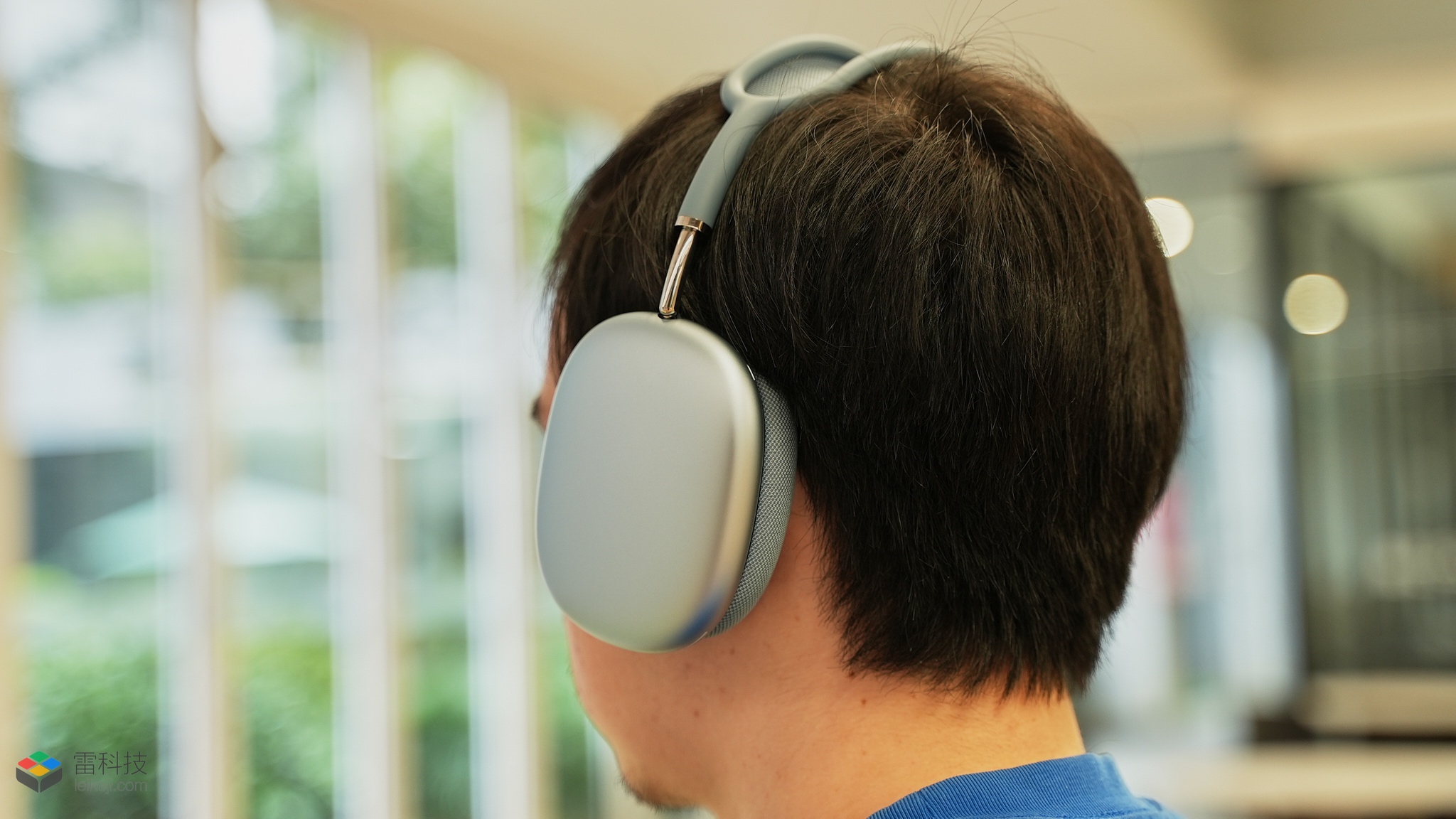
Firstly, weighing 386 grams, it is considered heavy for over-ear headphones. Personally, I have a relatively small head circumference, so the clamping sensation is not very strong. In a static posture, the burden is not heavy, and after using it for an hour, the overall feeling is still comfortable.
However, once there is movement in the neck and head, such as twisting, you can feel discomfort, with an illusion that the headphones are about to tilt and slide off. Therefore, it is indeed not suitable for scenarios with large movements, such as running or fitness. Moreover, after letting a colleague with a larger head circumference try it on, he indicated that the wearing experience was not very comfortable.
(Image source: Leitech)
Secondly, the AirPods Max 2 does not meet professional dust and water resistance ratings, which is inferior to other products in the AirPods series. Whether encountering light rain outdoors or sweating indoors, users still have corresponding water resistance needs.
In terms of battery life, the official claimed endurance (endurance) is 20 hours in noise cancellation mode. In actual use, when connected to a MacBook Air with noise cancellation on for two consecutive hours, the battery consumption is approximately 12%, which is not significantly different from the official data. Its battery life performance is average among over-ear headphones but is certainly sufficient for daily use.
To Buy or Not to Buy: It Depends on Your Needs
After the overall experience, my impression is that the AirPods Max 2 is a conventional upgrade product that addresses shortcomings and enhances core features based on the previous generation. Its appearance remains unchanged, and the physical shortcomings of being slightly heavy at 386 grams and occasionally clamping the head still exist.
However, at the same time, many internal changes have occurred in the AirPods Max 2. The inclusion of the H2 chip has upgraded many detailed experiences: conversation awareness, more precise head tracking, and smarter adaptive transparency mode. These changes make a series of small functions stronger and more user-friendly. More crucially, it has delivered a satisfying performance in the two core indicators of noise cancellation and sound quality.
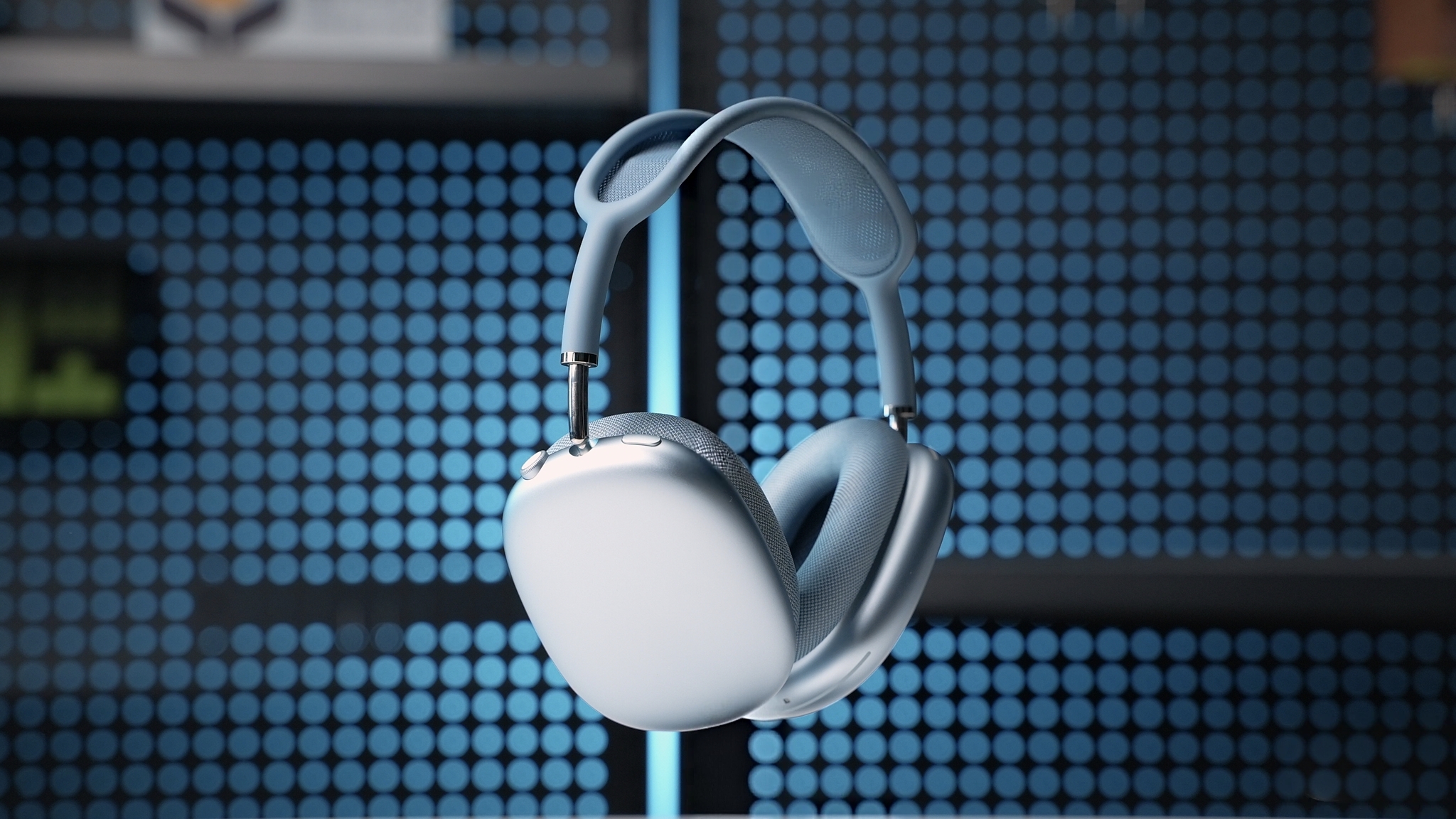
If you are deeply integrated into the Apple ecosystem and urgently need an over-ear headset that can reach top-tier levels in sound quality, noise cancellation, and seamless multi-device switching, then it is almost the only solution without a viable alternative at present.
(Image source: Leitech)
It can maximize the potential of Apple Music's high-resolution audio and spatial audio, providing a seamless switching experience among devices such as iPhones, Macs, and iPads. However, if you value a lightweight feel for prolonged wear or often need to use headphones during outdoor activities, there are certainly other brands on the market that offer a more imperceptible wearing experience and higher cost-effectiveness.
(Image source: Leitech)
Another unavoidable factor to consider is the price. Priced at 3999 yuan, it exudes a strong Apple flavor and is undoubtedly expensive in the consumer-grade over-ear headphone market. If your budget is limited or you only want an excellent commuting noise cancellation tool, then the AirPods Pro 2, AirPods 4, or noise-cancelling headphones from other brands might be more rational and cost-effective choices.
That being said, in the highly competitive hardware landscape of 2026, the AirPods Max 2 is indeed Apple's strongest technological answer in the audio field at present, offering essentially all the technologies, functions, and ecological experiences it can provide.",
-
![]()
Registered Capital Slashed to 372 Million Yuan! Yutong Optical Finalizes Industrial and Commercial Change Registration
-
![]()
Zhuque-3 Successfully Lands, and 'Time Traveler' Secures Another ¥100 Million in Funding: China's Commercial Space Industry Experiences a 'Dynamic August'
-
![]()
Autohome Faces a Shrinking Window of Opportunity
-
![]()
Even a Titan Like Musk Has Faced Setbacks in Fulfilling Promises
-
![]()
AI Office: The End of the Racing Era, Context Becomes the Key to Success
-
![]()
Domestic Vehicle Chassis Revolution ②: The Steering Wheel Remains, But Mechanical Connections in the Steering System Are Decreasing
-
![]()
Exploring MiniMax Design: Can Video Editing Be as Simple as Speaking?
-
![]()
Why Can SenseTime Achieve Profitability While CloudWalk Still Faces Challenges, Despite Both Adopting Large Models?