Xiaomi Appoints Ge Weiyan as New Head of Its Camera Division
 07/06 2026
 634
634
Consumer Daily - Today's Headlines, July 6 - According to Blue Whale Technology, our correspondent has learned from reliable sources that "Xiaomi Group's Mobile Phone Division has recently made a significant personnel appointment: Ge Weiyan, previously the General Manager of Xiaomi's Shenzhen Region, has officially assumed the role of General Manager of the Mobile Phone Camera Division."
The aforementioned source revealed that this appointment has been internally communicated and represents a routine rotational adjustment. Ge Weiyan will now report to Xu Chunli, Vice President of the Mobile Phone Division and General Manager of the Hardware Engineering Division. It was noted that Ge Weiyan is the fourth leader of the department since Xiaomi's Camera Division became an independent entity in 2018. An internal source commented, "Transitioning from a regional leadership role to the helm of the camera division is akin to returning to the front lines of product R&D. Such a swift and wide-ranging personnel reshuffle is uncommon within Xiaomi."
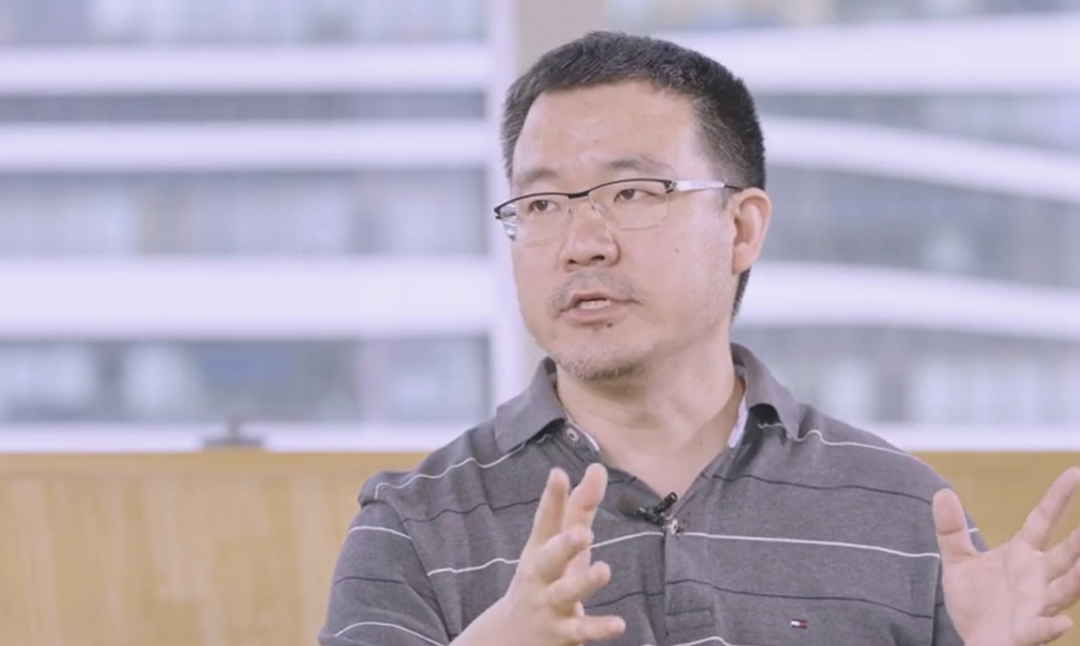
Ge Weiyan (File Photo)
Public records indicate that Ge Weiyan holds a Ph.D. in Electronic Engineering and joined Xiaomi in 2014. He initially worked in the Mobile Phone Testing Division, where he served as Testing Manager and Expert Engineer, leading the establishment of Xiaomi's communication and international testing business teams. Since 2021, he has been the General Manager of Xiaomi's Mobile Phone Testing Division, overseeing mobile phone software testing and global network adaptation efforts.
During his tenure, his team conducted on-site network compatibility testing for Xiaomi mobile phones in numerous countries worldwide, ensuring a seamless user experience across different carrier networks and providing technical support for Xiaomi's overseas market expansion. In 2023, Ge Weiyan was appointed General Manager of Xiaomi's Shenzhen Mobile Phone Research Institute. Since 2024, he has served as General Manager of Xiaomi's Shenzhen Region, spearheading the establishment of Xiaomi's international headquarters in Nanshan, Shenzhen, and coordinating R&D, marketing, and supply chain activities in the region. 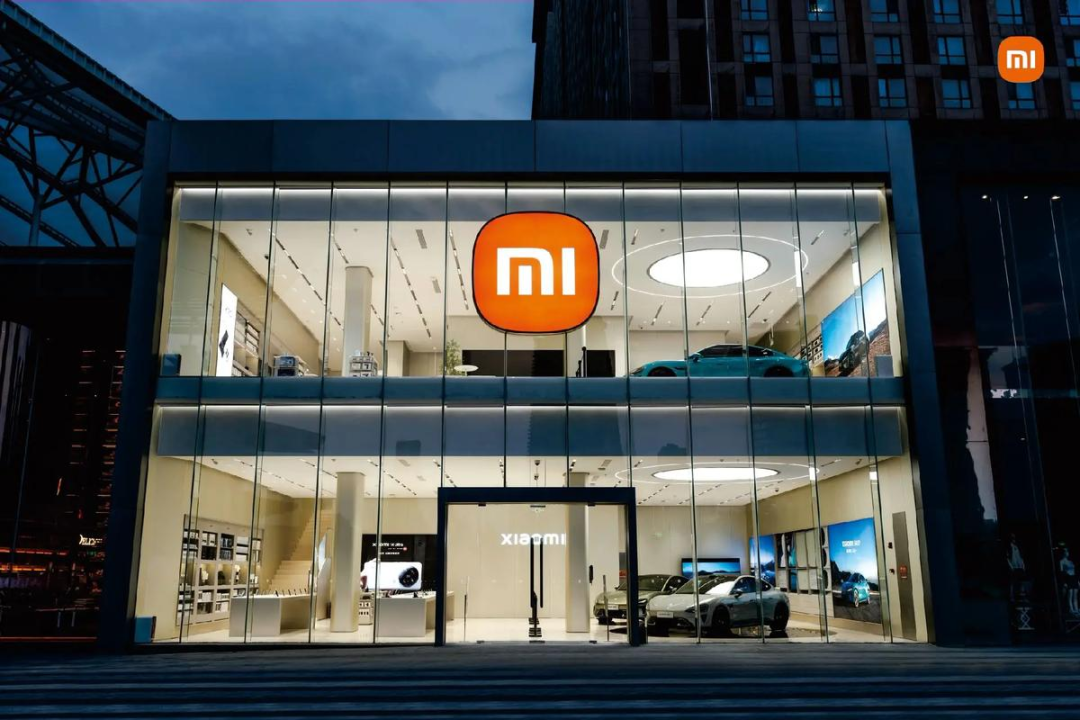
Xiaomi Store (File Photo)
In recent years, Xiaomi has significantly increased its investment in the mobile phone camera business, advancing both hardware and software capabilities. On the hardware front, the Xiaomi 12S Ultra, released in 2022, featured a one-inch IMX989 primary camera and collaborated with Leica to develop an imaging tuning system, setting the stage for high-end imaging. The Xiaomi 14 Ultra, launched in 2024, introduced full-focal-length 8K shooting, an AISP computational photography architecture, and a stepless variable aperture, enhancing adaptability for various shooting scenarios. The Xiaomi 17 Pro series, released in 2025, debuted with the Light Hunter 950L sensor, applied LOFIC high dynamic range technology, achieved a 16.5EV dynamic range, and advanced the iteration of its self-developed ISP, forming a three-stage processing architecture from Surge C1 to Xuanjie O1, improving the operational efficiency of imaging algorithms.
On the software front, Xiaomi has continuously invested in AI imaging algorithms, launching tone and portrait large models to optimize color reproduction and subject recognition capabilities, covering the entire process from shooting to post-production. On the product side, the standard version of the Xiaomi 17 series is equipped with Leica professional triple cameras, while the Pro series debuts with high dynamic range sensors, improving imaging stability and detail performance in complex lighting and telephoto shooting scenarios compared to previous generations. Industry experts note that the mobile phone camera industry is currently undergoing structural adjustments, with the previous trend of hardware stacking, which focused on sensor size and pixel count, gradually waning.
Simultaneously, the industry's competitive focus is shifting towards algorithms and on-device AI. Mobile phone imaging is no longer confined to mere picture recording; on-device large models are deeply integrated into the entire shooting and processing workflow, with AI-powered intelligent retouching and native creative post-production tools becoming standard features in flagship models. Xiaomi's replacement of the head of its Camera Division is a strategic internal adjustment in response to the evolving imaging competition landscape in the industry.
Source: Consumer Daily
Disclaimer: The copyright of this article belongs to the original author. If there are any inaccuracies in the source or infringements of your legitimate rights and interests, please contact us, and we will address them promptly.
-
Alibaba’s Earnings Soar with Triple Catalysts: Full-Stack AI Hits Maturity, Capital Efficiency Drives Sustainable Growth
-
![]()
Raking in Big Profits Overseas! Chery’s Overseas Revenue Makes Up 70% in H1, with Gross Margin Climbing to 16.1%
-
![]()
Alibaba’s New Fiscal Quarter: 45% Revenue Surge in Alibaba Cloud, Enhanced Profitability in AI Cloud, but Widening Losses in the Application Layer
-
![]()
The AI Version of 'PayPal Mafia' Has Arrived: 20 AI Startups Raise Over $4.6 Billion in Funding
-
![]()
Wang Jian's Vision: Paving a Pathway for Alibaba Through AI
-
![]()
Hyundai Motor Workers Strike Today, Fearing Job Losses to Robots
-
![]()
Embracing 'Light': O-film Unveils Its 'Illuminating the Future' Strategy
-
![]()
SenseTime’s SenseNova U1.5 Lite Goes Open Source: Ushering in a New Era of Predictable AI Image Generation