The Great Escape of Joint Venture Automakers in 2026: Who's Leaving, Who's Holding On?
 04/08 2026
 675
675
Editor|Chen Bailing
The Chinese auto market in 2026 is witnessing an unprecedented reshaping.
Chinese automakers claim the global top spot for the first time. In 2025, Chinese brands sold approximately 27 million vehicles globally, surpassing Japanese automakers' approximately 25 million—marking Japan's first fall from the top spot in global auto sales since 2000. Data from the China Passenger Car Association shows that China's global market share reached 35.6% in 2025, up 1.4 percentage points from 2024.
What's making joint venture automakers even more restless is their declining market share in China.
The market share of Japan's Big Three in China has dropped from a peak of around 23% to single digits. In 2025, Toyota's sales in China reached approximately 1.78 million vehicles, showing a slight year-on-year increase and becoming the only brand among the three to achieve positive growth. Honda's sales in China were 645,300 vehicles, down 24.28% year-on-year, marking the fifth consecutive year of decline. Nissan's sales in China were 653,000 vehicles, experiencing a seventh consecutive year of decline, with a nearly 60% drop from the peak of 1.56 million vehicles in 2018.
This is not an isolated case of a single company but a structural adjustment across the entire joint venture sector.

Toyota: The Global Sales Champion's Hidden Worries
As the global sales champion, Toyota still boasts the strongest resilience among Japanese automakers. In FY2025 (April 2025 to March 2026), the Toyota Group sold 11.3 million vehicles globally, securing the top spot for the sixth consecutive year. However, growth momentum is waning: net profit reached approximately ¥4.77 trillion (approximately RMB 237.7 billion), up 3.6% year-on-year.
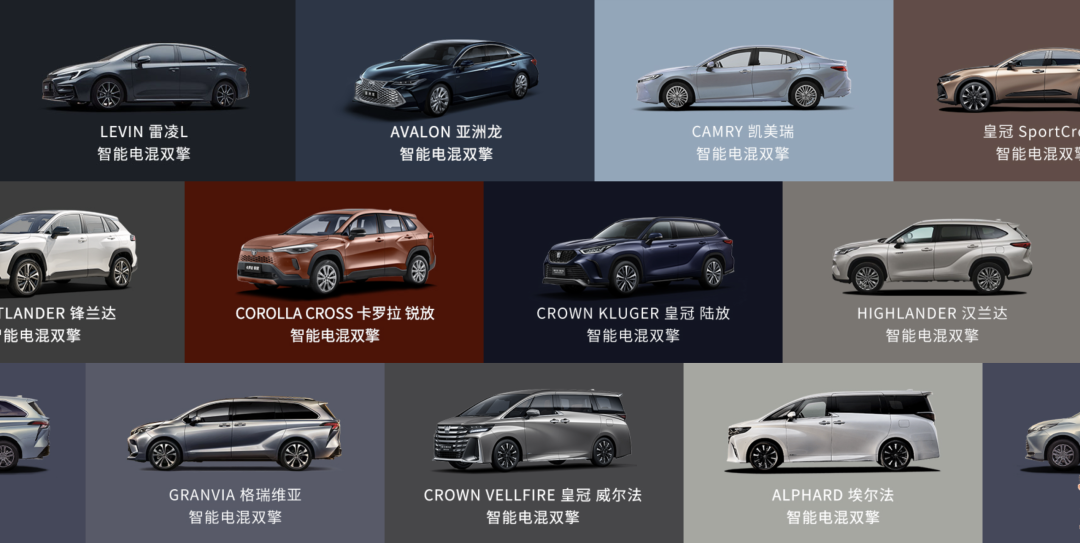
In the Chinese market, Toyota's strategy has shifted from "full-scale offensive" to "focused defense." Classic models like the Corolla and RAV4 still hold a certain market share, but its new energy vehicle layout (layout) lags significantly. In February 2026, Toyota's sales in China were 82,500 vehicles, down 13.9% year-on-year.
Notably, Toyota made an unusual personnel decision in February 2026: Chief Financial Officer Kenta Konka succeeded as president on April 1. This marks the first time in Toyota's 89-year history that a financial executive has taken the top position. The move is widely interpreted as Toyota tightening its purse strings in preparation for tougher times.
Industry Insight: Toyota's global system remains its greatest moat, but it has lost its first-mover advantage in the smart electric vehicle race. If you're a dealer, the most critical metrics to watch now are inventory turnover rate and the proportion of new energy vehicle models—these two indicators will determine your survival quality over the next three years.

Honda: First Annual Net Loss in 69 Years of Listing
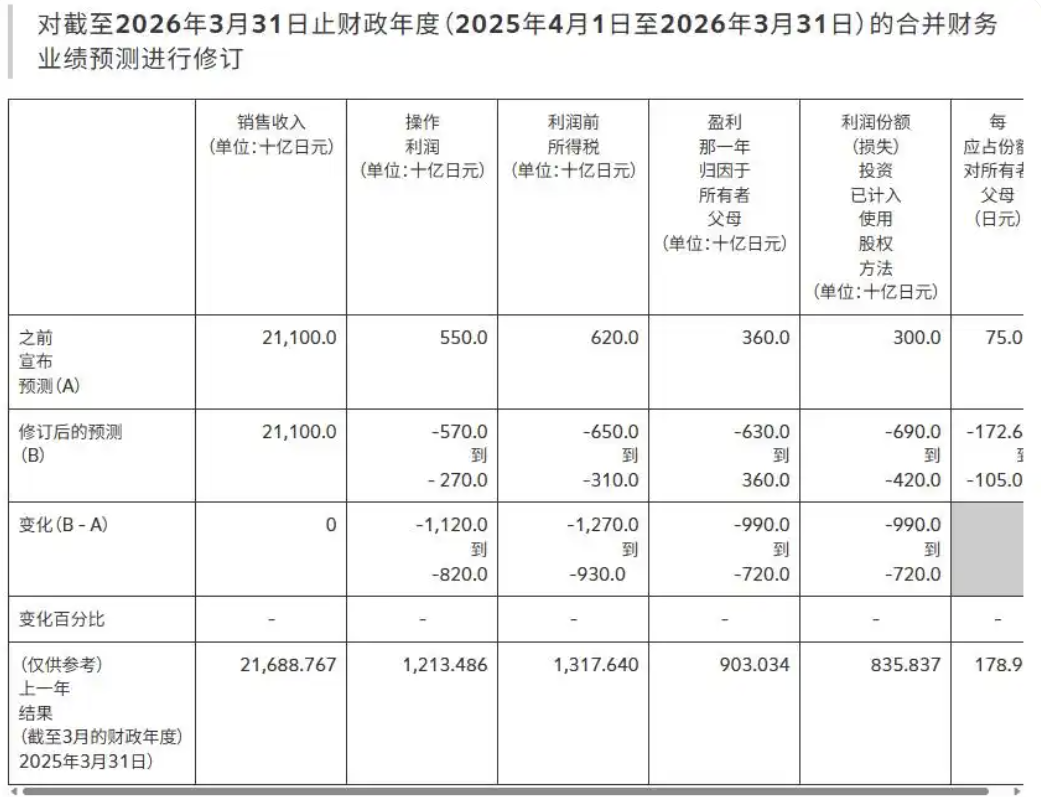
Honda faces the most severe situation. On March 12, 2026, Honda released its FY2025 earnings forecast, projecting a net loss of ¥420 billion to ¥690 billion (approximately RMB 20 billion to RMB 34 billion)—its first annual net loss since listing in 1957.
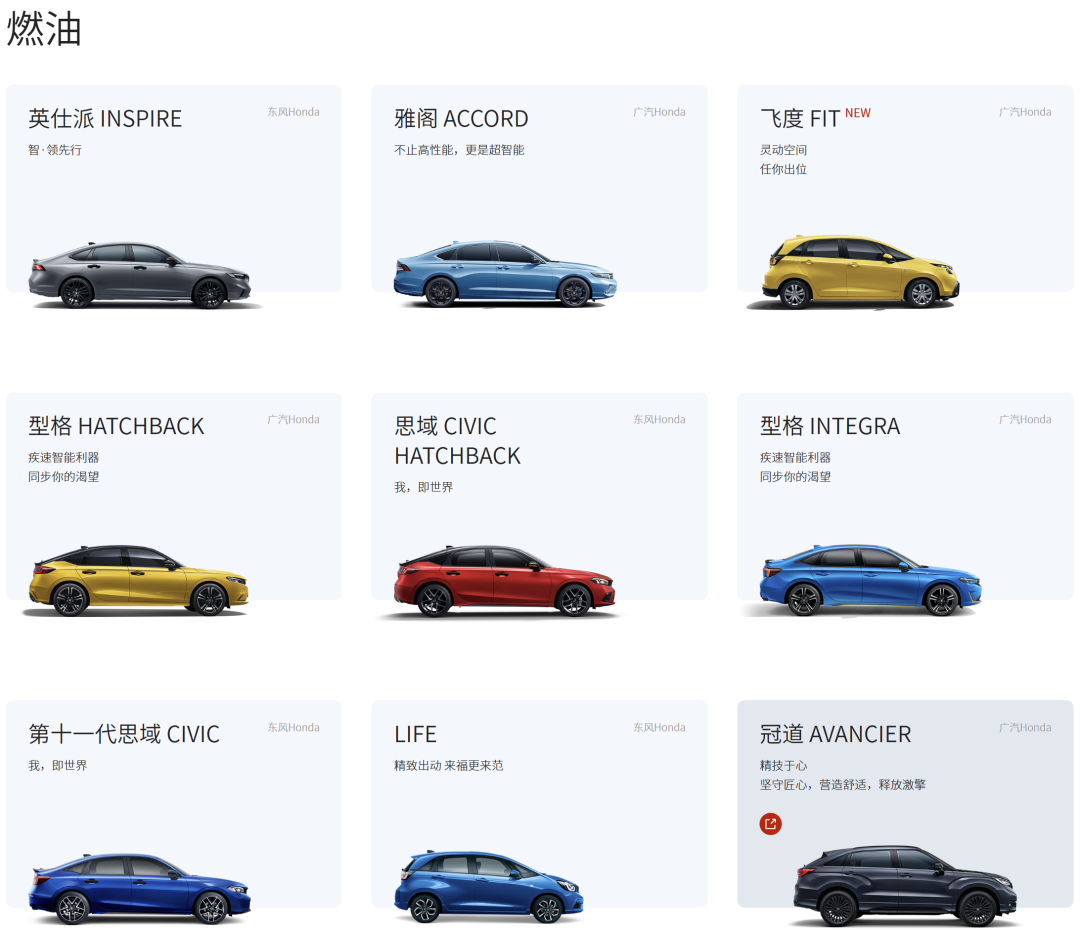
In the Chinese market, Honda's decline is even more pronounced. Sales in 2025 reached 645,300 vehicles, down 24.28% year-on-year, with volume shrinking by nearly 1 million vehicles over five years. In electrification, Honda attempted to catch up with the Honda 0 Series but fell short of expectations. Financial reports reveal that Honda has canceled three planned electric vehicle models for the North American market and is reassessing its EV strategy.
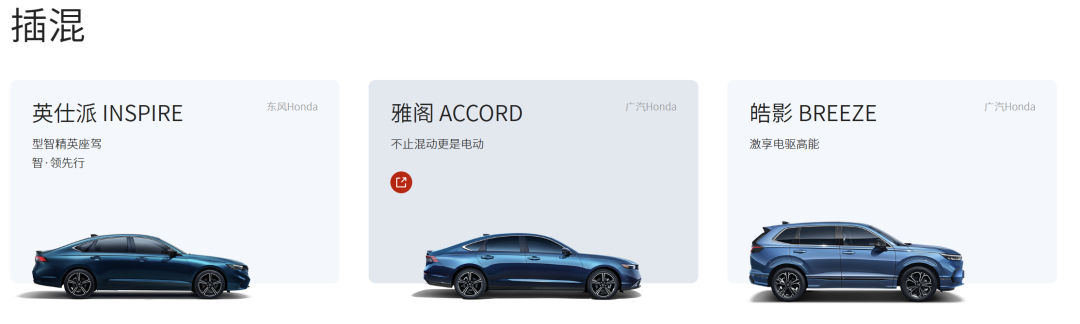
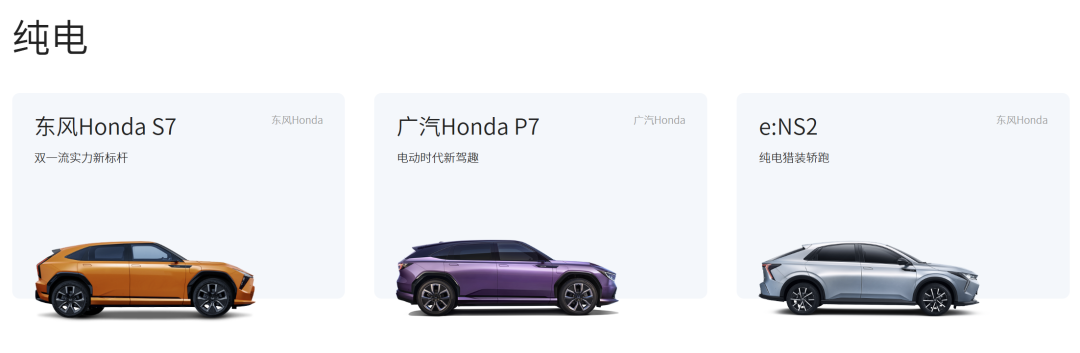
In February 2026, Honda's sales in China were 28,780 vehicles, down 15% year-on-year. The Dongfeng Honda CR-V performed decently, but GAC Honda saw a 40% plunge.
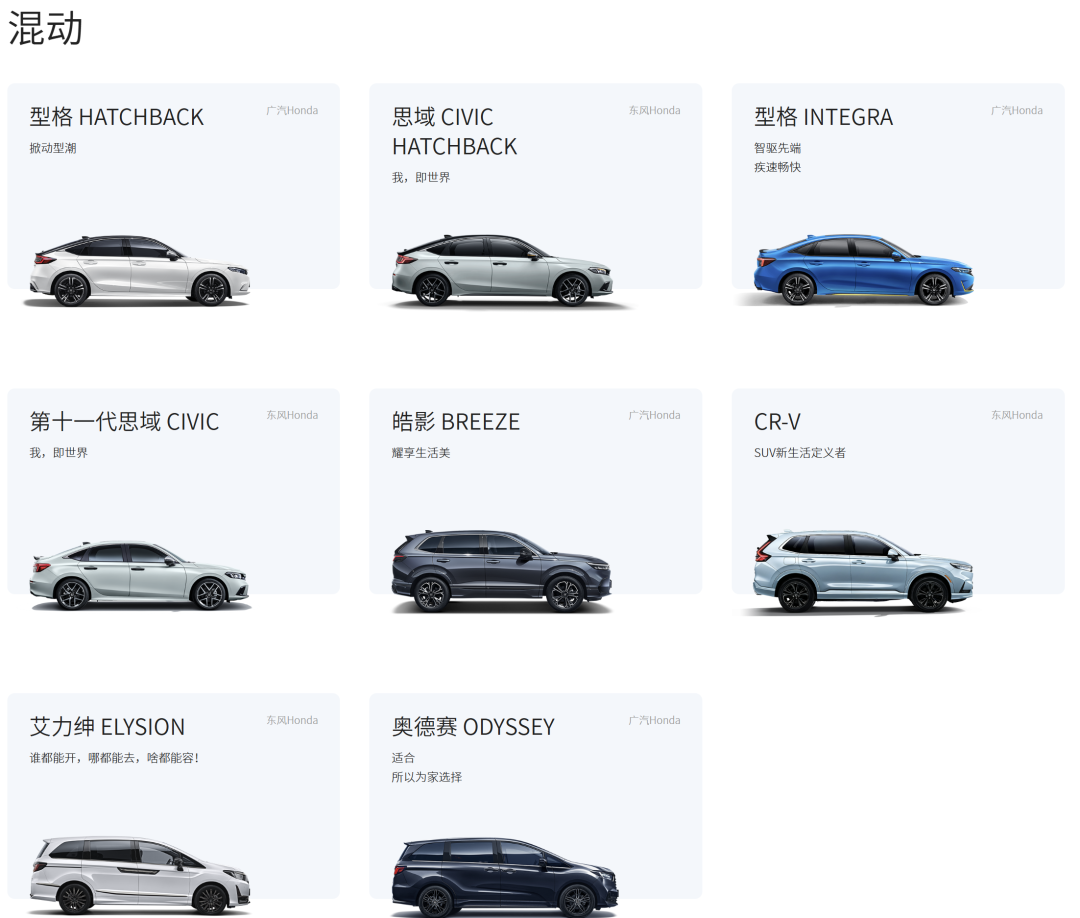
Buyer Advice: If you're considering a Honda model, the hybrid version remains its most cost-effective choice—fuel-efficient, retains value, and has low maintenance costs. However, for pure electric models, it's advisable to wait until its new electrification platform matures.

Nissan: Two Consecutive Years of Heavy Losses
Nissan is experiencing a crisis even deeper than Honda's. FY2025 is expected to see a net loss of around ¥650 billion, marking the second consecutive year of losses exceeding ¥600 billion.
To ease operational pressure, Nissan sold its headquarters building in Yokohama for approximately ¥97 billion in November 2025 and entered a sale-and-leaseback agreement. Globally, Nissan has announced layoffs of 20%, closure of seven factories, and two design centers.
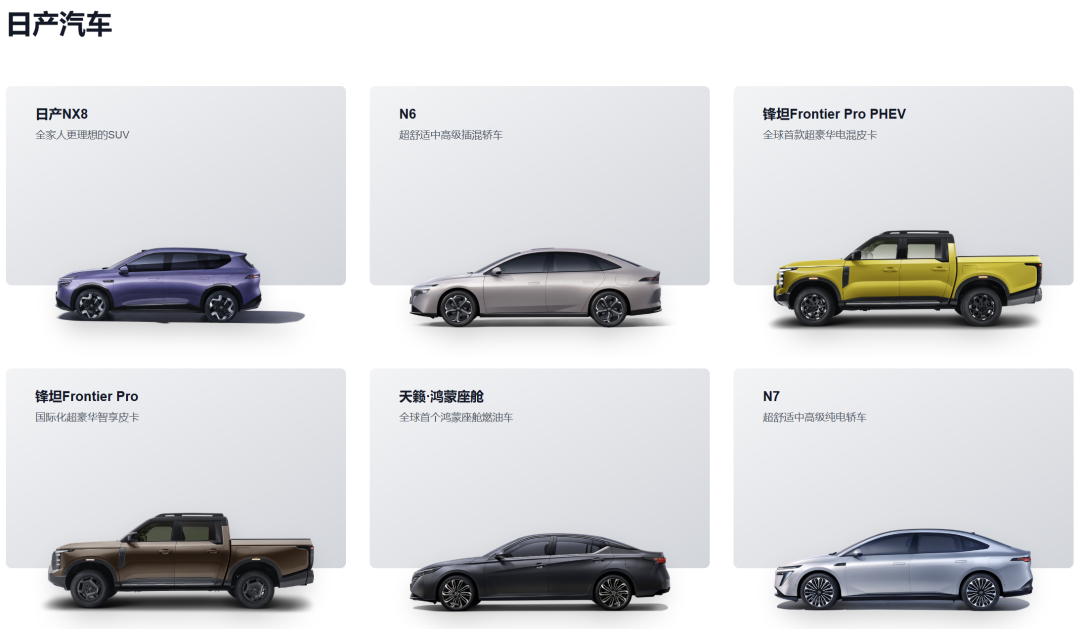
In the Chinese market, Nissan has seen seven consecutive years of decline. Sales in 2025 reached 653,000 vehicles, down 6.26% year-on-year, falling nearly 60% from the 2018 peak of 1.56 million vehicles. In February 2026, sales were 25,400 vehicles, down 19.4% year-on-year—the largest decline among Japan's Big Three.
Industry Insight: Nissan's plight stems from its excessively slow product refresh rate, with intelligentization (intelligent) configurations lagging competitors by at least two generations. If you're a dealer in China, it's advisable to proactively develop after-sales maintenance services—even as new vehicle sales decline, servicing existing customers can still provide stable cash flow.

Who Are Their Competitors?
The market share loss of joint venture automakers primarily stems from the strong rise of Chinese brands.
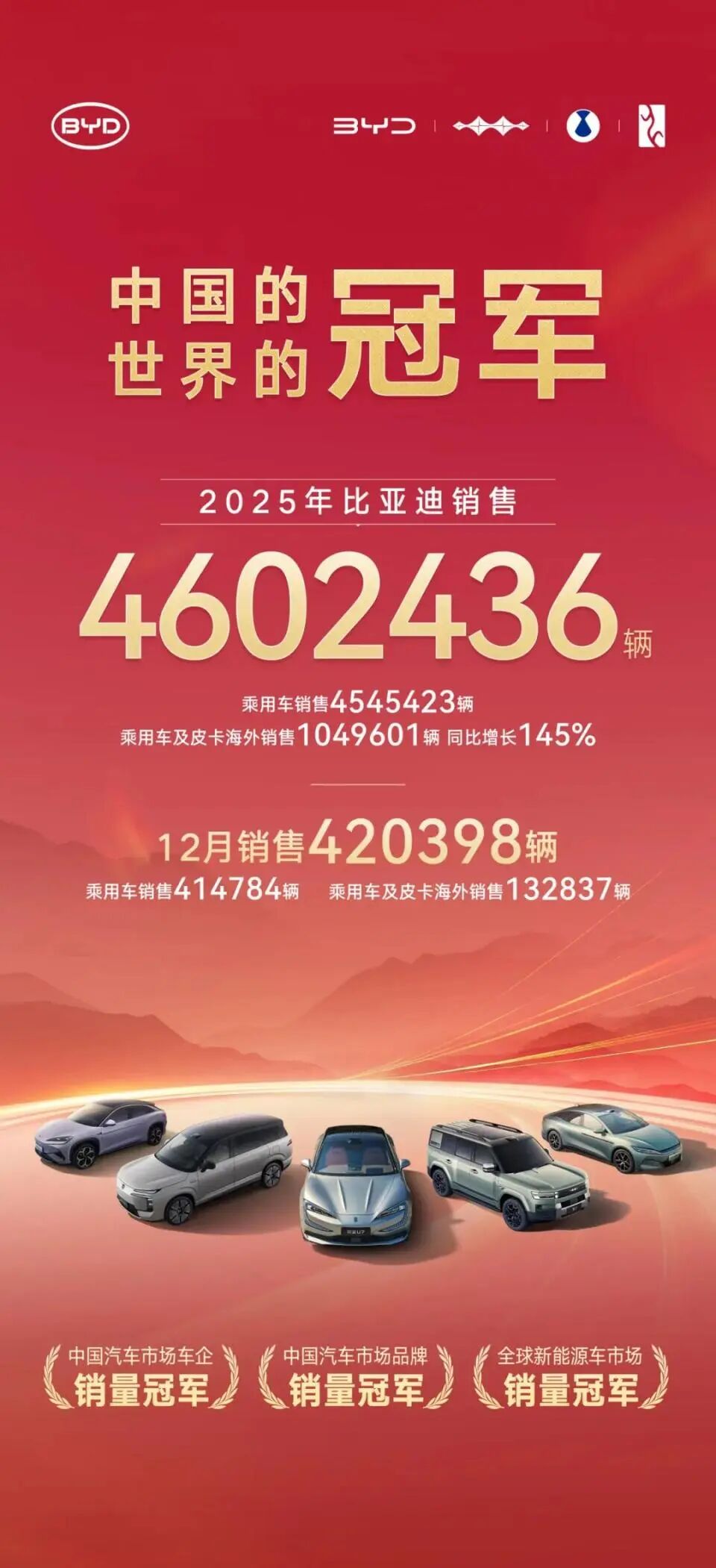
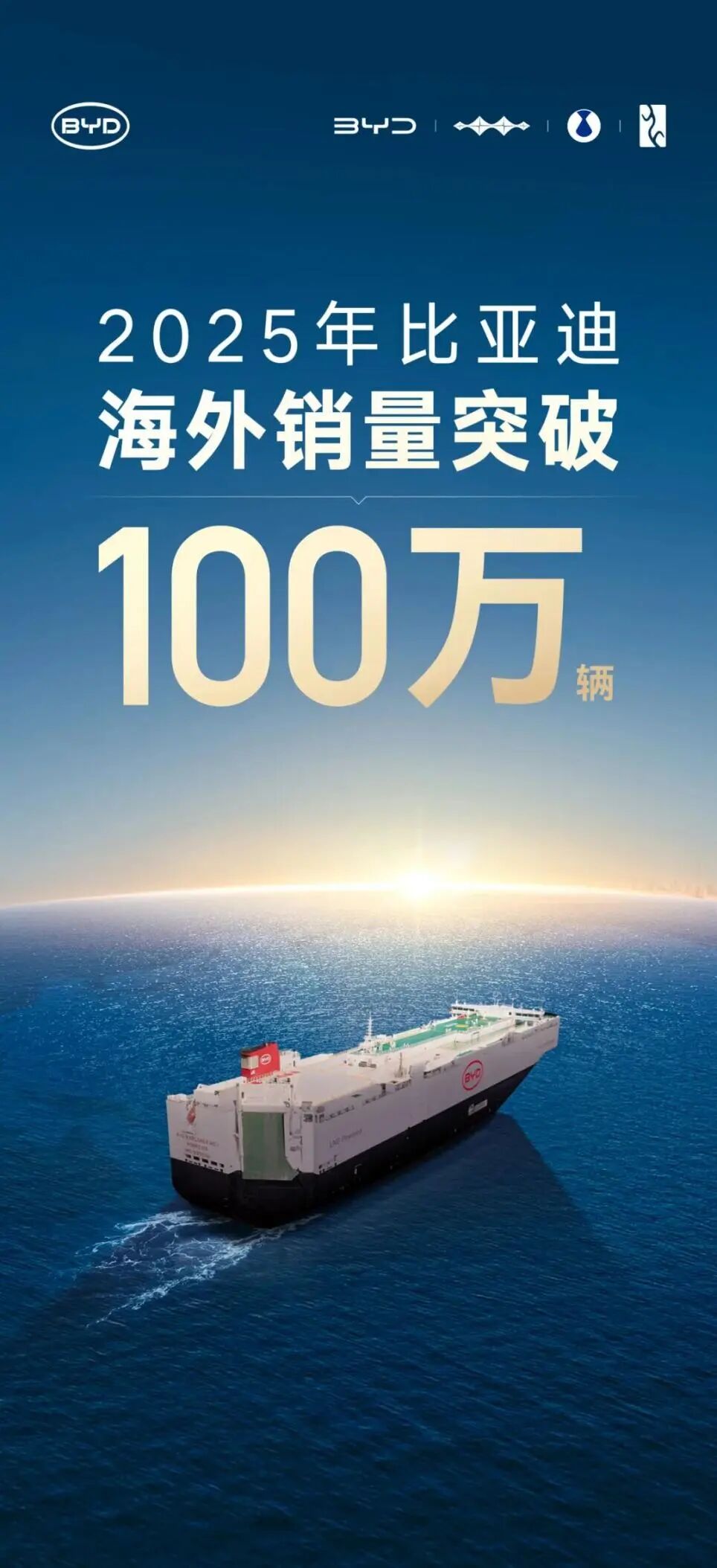
BYD sold 4.6 million vehicles in 2025, surpassing Ford and Nissan to rank sixth globally for the first time. Geely Auto sold 4.11 million vehicles, up 26% year-on-year, overtaking Honda to rank eighth globally. Chery, Changan, SAIC, and Great Wall all entered the top 20 in global sales.
Areas where Chinese brands hold advantages:
· New Energy Penetration: In 2025, China sold 16.49 million new energy vehicles, leading global production and sales for the 11th consecutive year.
· Intelligent Level: Smart cockpits and advanced intelligent driving have become standard in Chinese-made vehicles priced around ¥150,000.
· Price Competitiveness: Chinese brands typically price models 30% lower than joint ventures for similar configurations.

Where Are the Opportunities for Joint Venture Automakers to Counterattack?
Facing these changes, joint venture automakers still have cards to play.
· Brand Heritage: Toyota, Honda, and Nissan have nearly a century of automotive experience and brand recognition, maintaining advantages in quality and reliability.
· Technological Depth: Japanese automakers still lead most Chinese brands in mechanical quality (qualities) like engines, chassis tuning, and overall vehicle handling.
· Global Systems: Toyota has production bases and sales networks across five continents, while Honda and Nissan also boast deep global layout (layouts).
· Localized Transformation: After 2025, Japanese joint ventures began gaining more localized decision-making power.
Industry Trend Forecast (Exclusive Viewpoint): Over the next 3-5 years, joint venture automakers in China will form a "3+2" pattern (landscape)—Toyota, Honda, and Nissan will maintain certain market shares, while Volkswagen and General Motors will use intelligence to buy time. Other second-tier joint venture brands will accelerate marginalization. A bolder prediction is that by 2028, the combined annual sales of Japan's Big Three in China may fall below 1.5 million vehicles, halving again from 2024 levels. Some brands may exit the Chinese market or significantly retract between 2026-2027.
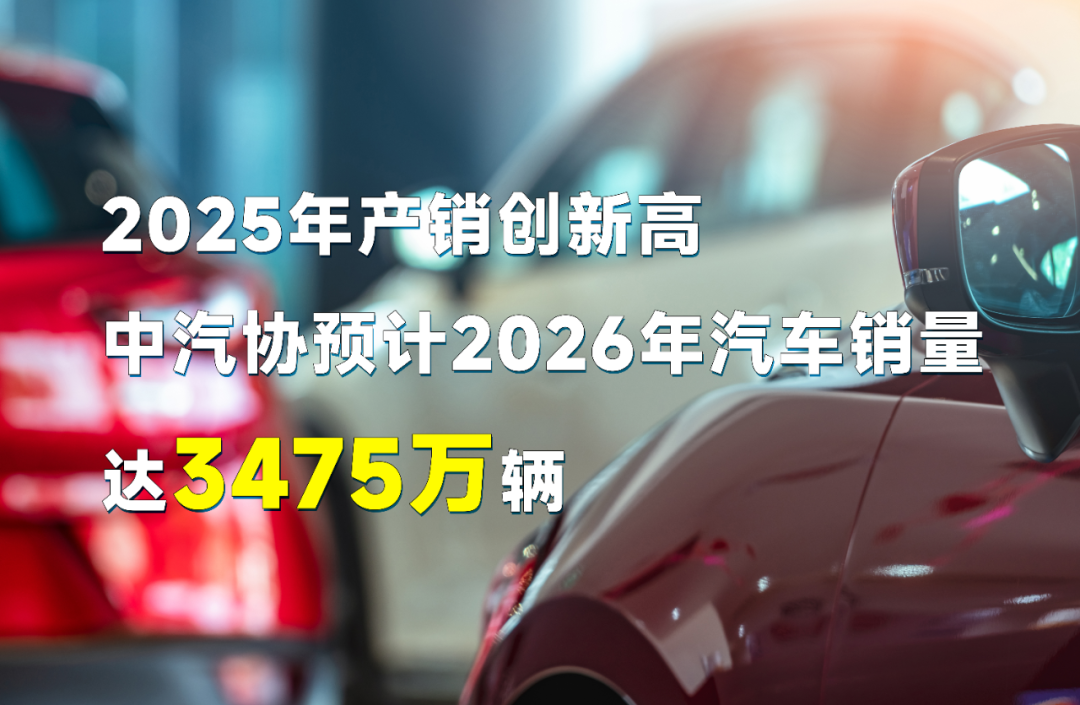
2026 Sales Forecast (For Reference Only): Toyota's annual sales in China are expected to reach 1.6-1.7 million vehicles, Honda 500,000-600,000, and Nissan 400,000-500,000. Together, they'll total approximately 2.5-2.8 million vehicles, continuing to decline by 15%-20% from 2025.
If you're a consumer, focus on two points when buying a joint venture vehicle in 2026—whether the after-sales service network is robust (affecting maintenance convenience three years later) and the localization level of new energy models. If you're an industry professional, the most rational approach currently is "cash is king, minimize inventory"—don't bet on a brand rebound.
The market won't wait. In 2026, the living space for joint venture automakers in China will further shrink. However, "a thin camel is still bigger than a horse"—their nearly century-long accumulations won't vanish easily. This battle from "pressure" to "response" has only just begun.
Data Sources:
· Chinese brands' global sales of approximately 27 million vehicles: Nihon Keizai Shimbun, China Passenger Car Association, December 2025-March 2026
· BYD's 2025 sales of 4.6 million vehicles: China Passenger Car Association, BYD official, February 2026
· Toyota's FY2025 net profit of approximately ¥4.77 trillion: Toyota financial reports, August 2025
· Honda's projected net loss of ¥420 billion-¥690 billion: Honda earnings forecast, March 12, 2026
· Nissan's sale of Yokohama headquarters for approximately ¥97 billion: Nissan announcement, November 2025
Welcome to share, like, and leave comments.
The copyright of this work belongs to Xin Zuojia or related copyright holders. No third party may reprint it without authorization; otherwise, it constitutes infringement.
"Respect originality, respect attitude."
-
![]()
The Allure of 'Acquisition Spree': Li Shufu's Left Turn, Xu Jiayin's Right
-
![]()
Strategic Transformation Yields Results: Phoenix Optics Reports 10.9% YoY Rise in Core Net Profit for H1 2026
-
![]()
Three Key Growth Trajectories Synergize! Crystal-Optech Reports 3.478 Billion Yuan in Revenue for H1 2026
-
![]()
Semi-Annual Report Sparks XPENG Motors Buzz
-
![]()
1.6 Billion Big Order Secured! SeeYA Technology's Revenue Soars by 287.87% in the First Half of the Year
-
![]()
Baidu's Profits Plunge by 68%: Unraveling the Mystery Behind the Numbers
-
![]()
Baidu’s Profits Tumble by 68%! Where Has All the Money Gone?
-
![]()
Hynix’s Taobao Store Shuts Down Abruptly: What Should Customers Do About Warranty Services for Memory Modules?