Trump Hits the Brakes: America's Pure Electric Vehicle Race Crashes into a Wall
 06/24 2026
 489
489
Under the triple pressures of subsidy reductions, charging infrastructure shortcomings, and cooling demand, the US auto industry has completely abandoned 'full electrification.'
In June 2026, US electric vehicle manufacturer Lucid Motors officially announced the launch of a new round of large-scale layoffs, with a proportion as high as 18%, affecting approximately 1,500 employees. Just four months after the previous round of 12% staff reductions, this new energy upstart, which once dazzled the industry with its ultra-long-range technology, once again found itself at the center of public controversy.
At the same time, Lucid confirmed the cancellation of the second production shift at its Casa Grande factory in Arizona, directly bringing the contradiction between production capacity and market demand to the forefront.
Newly appointed CEO Silvio Napoli defined these adjustments in an official statement as core measures to 'streamline the company's structure, enhance execution, and gradually equip Lucid with stronger market competitiveness.' Behind these actions lies a wave of rational regression across the entire US electric vehicle industry.
From Frenzied Expectations to a Chilly Reality
Over the past five years, the US auto industry has invested massive capital in the electrification race, with the entire sector once holding extremely high expectations for the speed of electric vehicle adoption. This was particularly fueled by strong policy support, enthusiasm from capital markets, and a rapid rise in consumer environmental awareness, collectively creating a seemingly infinitely growing market vision.
However, as 2026 arrived and the frenzy's bubble quickly dissipated, true market demand gradually surfaced.
From the latest market data, the overall performance of the US light-duty vehicle market remained stable in the first quarter of 2026, but trends varied significantly across different powertrain types.
In March, nationwide new vehicle sales reached 1.404 million units, with strong hybrids (HEVs) selling 199,000 units for the month, becoming consumers' top safe haven choice; pure electric vehicles (BEVs) sold 89,000 units, with the overall baseline still below 2025's year-ago levels; plug-in hybrids (PHEVs) performed the weakest, selling only 16,000 units.
This set of data clearly shows that US consumers' vehicle purchasing choices are undergoing a fundamental transformation. The previously industry-wide optimistic pure electric penetration curve has not climbed upward as expected.
Behind the market cooling lies the combined effect of multiple factors.
First is dramatic policy shifts. This September, the US federal government's long-standing electric vehicle purchase subsidy of up to $7,500 will officially terminate, directly removing an important policy lever supporting market demand.
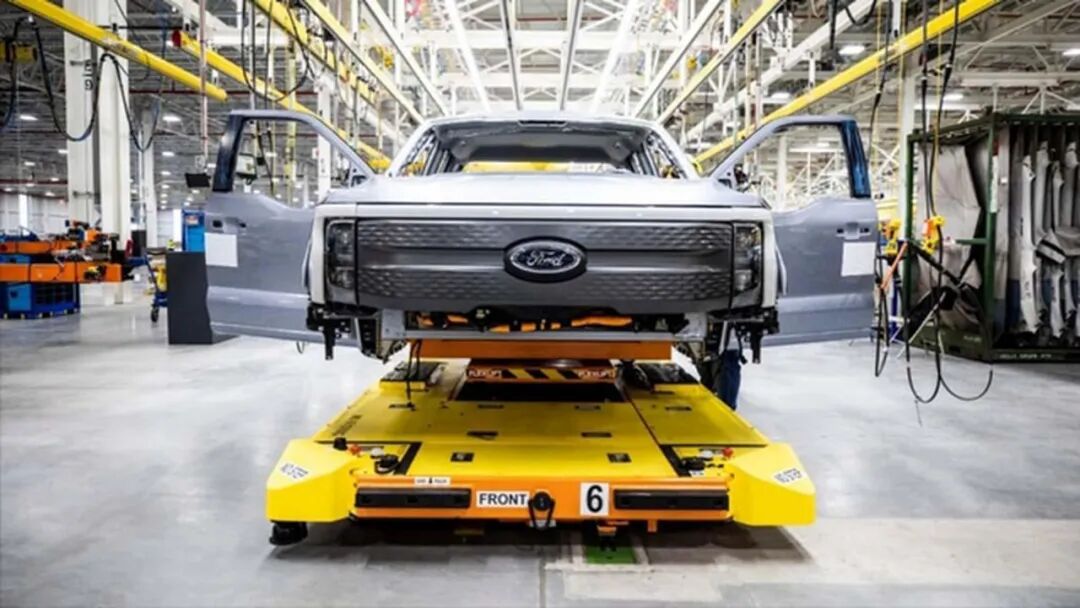
General Motors Chairman and CEO Mary Barra publicly admitted that automakers' continued investment in electrification was largely to comply with regulatory policy frameworks, but now that related policies have completely reversed by 180 degrees, the policy volatility has left all automakers facing tremendous uncertainty.
Second is the persistent shortfall in infrastructure development.
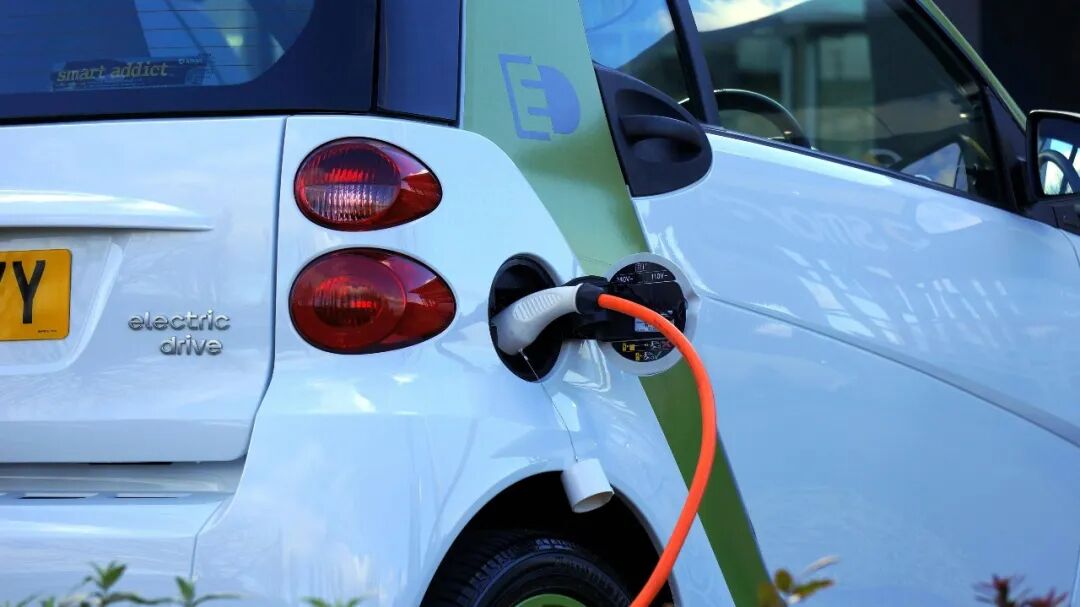
Although the number of public charging stations in the US had approached 1 million by 2025, covering major cities and highway networks nationwide, and home charging station installation rates have been rising annually, vast swaths of the Midwest and rural areas still suffer from significant gaps in charging network coverage. The power grid's strain capacity during extreme weather has further exposed infrastructure vulnerabilities. Previously, California even issued power usage warnings during extreme heatwaves, urging residents not to charge electric vehicles during peak hours—scenarios that directly shake the confidence of many potential buyers.
An even more core contradiction lies in the industry's severe overestimation of electric vehicle demand compared to consumers' actual acceptance.
Data shows that influenced by the impending termination of federal purchase subsidies, US electric vehicle sales peaked in September 2025, with penetration reaching 10.3% of the new vehicle market at one point, but by the fourth quarter, preliminary estimates of electric vehicle penetration had plummeted to 5.2%.
A large number of ordinary American households still view electric vehicles as a 'second car' option rather than a daily transportation alternative capable of fully replacing gasoline vehicles. This consumer mindset directly causes growth in the pure electric market to hit a bottleneck.
Collective Strategic Retrenchment: From Upstarts to Traditional Giants
Looking back, Lucid's two rounds of layoffs and production capacity adjustments are by no means isolated corporate events but rather a microcosm of strategic shifts across the entire US electric vehicle industry.
Against the backdrop of market retreat, nearly all participants—from leading upstarts to Detroit's traditional Big Three automakers—are reevaluating their electrification plans and adjusting previously overly aggressive expansion routes.
As a representative of US new energy vehicle upstarts, Lucid's predicament (Note: ' predicament ' means 'dilemma' or 'predicament' in Chinese, retained as is for contextual accuracy) is highly typical. Founded by former Tesla core executives, the company, with its Lucid Air model setting ultra-long-range records, was once seen as the only domestic brand capable of competing with Tesla in the luxury electric vehicle segment.

However, Lucid has long failed to address the core issue of insufficient demand. The company produced 5,500 vehicles, a 149% increase from the first quarter of 2025, but only delivered 3,093 units, with its original annual production target of 25,000 units stalling.
New CEO Silvio Napoli, hailing from traditional manufacturing, took over a Lucid that had replaced over a dozen executives in the previous two years. Upon assuming office, he swiftly initiated a series of streamlining measures, slamming the brakes on this money-burning upstart.
This round of layoffs is expected to save Lucid approximately $158 million in annualized costs, with the company pinning all hopes for a turnaround on the upcoming Cosmos SUV later this year. Priced below $50,000, this model is seen as Lucid's critical gamble for achieving true volume sales and reaching break-even.
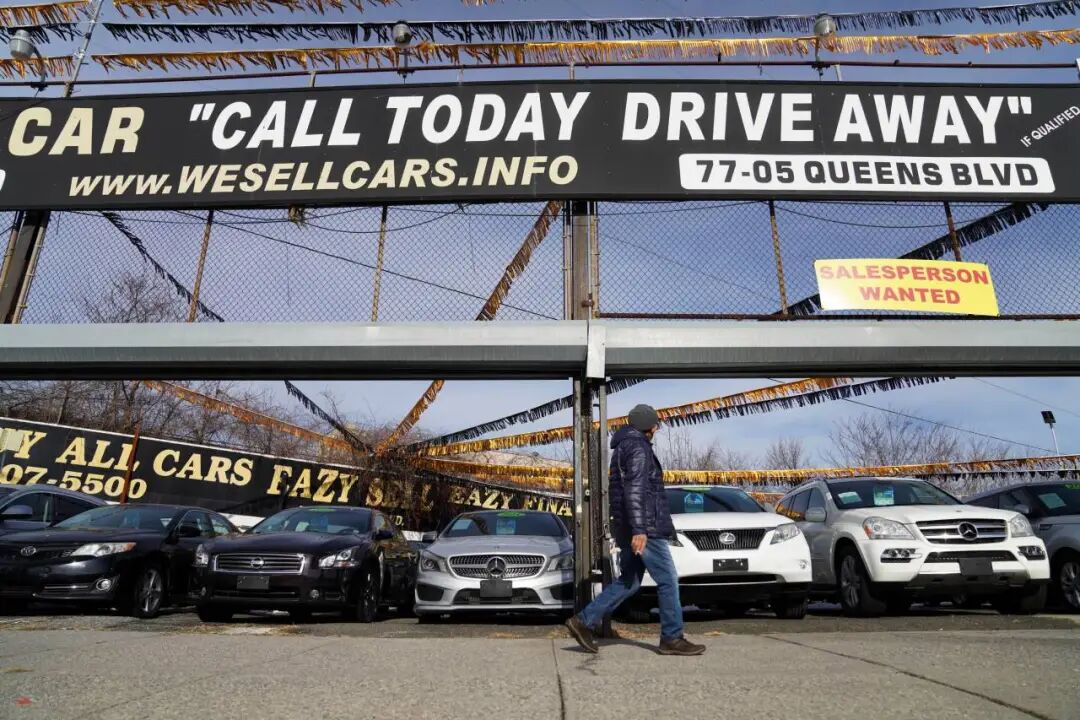
Detroit's traditional giants are similarly undergoing large-scale strategic recalibrations.
After disclosing a $1.6 billion financial impact from contracting electric vehicle investments, General Motors continues to reassess its electrification plans, expecting to recognize more asset impairment losses in the future.
GM explicitly states it will continue selling existing electric models but will largely halt expansion of its electric vehicle lineup. Production capacity originally planned for electric vehicles will partially shift to increasing output of large pickups and SUVs, while the company plans to introduce plug-in hybrid models in the future, aligning its product mix more pragmatically with market demand.
Ford's adjustments are even more dramatic. Last week, the company officially announced recognizing approximately $1.95 billion in special item expenses due to contracting investments in electric vehicles.

Ford CEO Jim Farley publicly stated that the company will shift investment priorities toward hybrid models rather than pure electric vehicles, directly canceling R&D plans for the next-generation large pure electric pickup while developing smaller, more affordable economy-focused electric models. At the same time, Ford will rebalance investments in core gasoline models like pickups and SUVs.
Even Tesla, which has long dominated the US electric vehicle market, is not without worries.
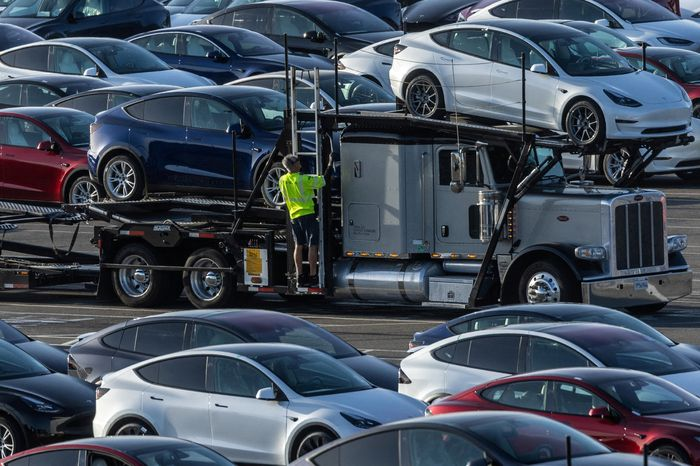
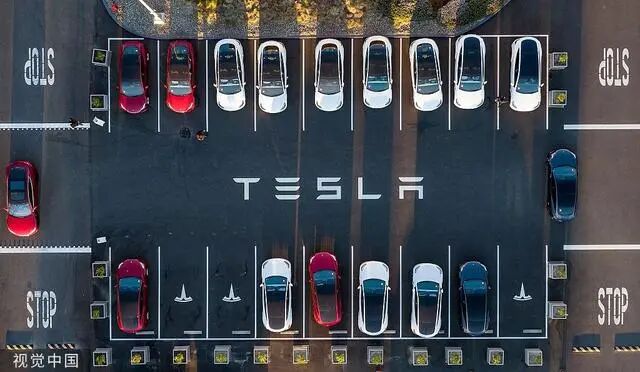
In the first quarter of 2026, Tesla accounted for approximately 54% of the US market share, with the Model Y remaining the country's best-selling new energy vehicle. However, Tesla's overall sales declined 15.4% year-on-year, and its market share is no longer the overwhelming monopoly seen earlier. Facing growth pressures, Tesla has also resorted to continuous price cuts to consolidate (Note: ' consolidate ' means 'consolidate' in Chinese, retained for accuracy) its mainstream market advantages against increasing competition from traditional automakers and upstarts.
Reconstructing Survival Logic
Overall, the US auto industry is forming an unprecedented consensus: the narrative of 'full electrification' has been completely abandoned, replaced by a new strategy of 'diversified powertrain matrices.' Pure electric models, hybrid models, and traditional gasoline models will coexist, with differentiated choices provided based on regional and user needs.
Notably, this aligns across oceans with the pragmatic development approach currently pursued by China's domestic new energy vehicle industry: 'pure electric as core, hybrids as supplement, multi-route Collaborative Promotion (Note: ' Collaborative Promotion ' means 'collaborative advancement' in Chinese, retained for accuracy).'
However, for niche upstarts like Lucid with high-end positioning, survival has become the top priority. Even with continued financial support from the Saudi Public Investment Fund providing Lucid with error tolerance unmatched by many upstarts, the core challenge it must address is finding its own differentiated survival space in the market.
Whether the upcoming Cosmos SUV can effectively compete with the Model Y in the sub-$50,000 price segment will directly determine the future fate of this technology-focused upstart.
Notably, Lucid has not completely abandoned technological exploration. It is currently advancing the San Francisco Robotaxi project in collaboration with Uber and Nuro, adding 'hands-free driving' functionality to the Gravity SUV, attempting to carve out a new niche distinct from mainstream consumer markets through differentiated advantages in autonomous driving.
Traditional automakers like General Motors and Ford are forging a pragmatic path of 'using hybrids as a transition while advancing pure electrics based on demand.' These giants maintain strong positions in traditional advantage products like pickups and SUVs, rapidly capturing current pragmatic consumer demand by expanding hybrid model lineups.
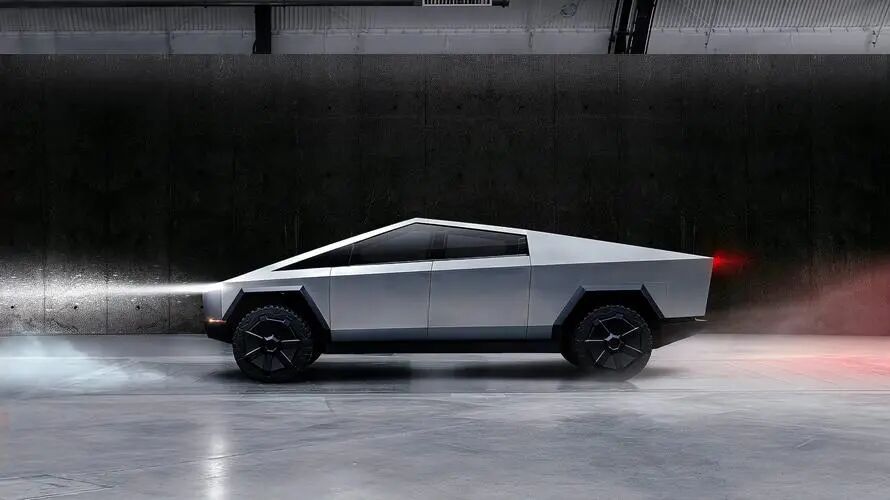
These automakers' strategy is crystal clear: sustain themselves with high-margin gasoline and hybrid models while reallocating saved resources into next-generation electric vehicle technology R&D, waiting for true market maturity before going all-in. This approach offers strong risk resistance, helping companies navigate the current market downturn.
Leading pure electric companies like Tesla are shifting from 'pursuing growth' to 'pursuing profitability and ecological barriers.'
With the NACS interface becoming the US industry standard, Tesla's Supercharger network is opening to the entire industry, not only creating new revenue growth points for Tesla but also establishing its charging ecosystem as infrastructure-level existence across the US electric vehicle industry. By continuously iterating technology to reduce costs and using entry-level models to expand market reach, Tesla is striving to broaden the base of pure electric users and accumulate strength for the next round of market growth.
Although the US electric vehicle market is currently in a short-term adjustment phase, nearly all industry experts agree that the long-term electrification direction remains unchanged—only the industry's development pace is undergoing recalibration.
PwC predicts the electric vehicle industry will recover by the end of this decade, with electric vehicles potentially reaching 19% penetration in the US new vehicle market by 2030. KPMG analysis also points out that while the industry previously viewed electrification as a black-and-white ultimate proposition, the current layout of diversified powertrain routes will instead enable the entire industry to progress more steadily and sustainably.
Over the next few years, the US electric vehicle market will enter a new phase of 'moderate growth.'
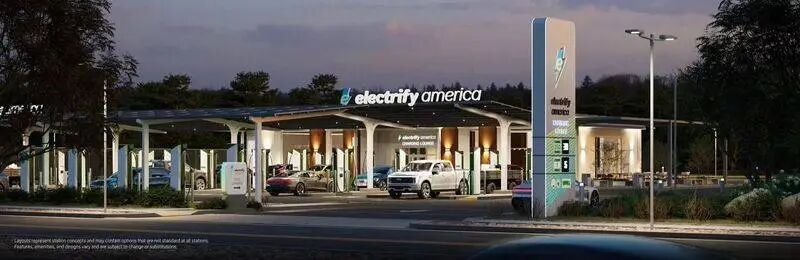
With continuous advancements in battery technology, next-generation technologies like solid-state batteries are expected to gradually commercialize, further reducing electric vehicle production costs while improving range and safety. Charging infrastructure construction will also enter a concentrated implementation phase, with the federal NEVI program continuously releasing funds to drive highway and interstate charging network construction. Combined with accelerated entry into the charging sector by retailers like Walmart and energy companies like Shell, the integration of 'charging + consumption' scenarios will significantly enhance electric vehicle usability.
For all US automakers, these strategic adjustments essentially represent an industry self-correction, enabling the entire sector to truly begin planning products and production capacity based on consumers' actual needs.
Note: Images sourced from the internet. If infringement occurs, please contact for removal.
-END-

-
![]()
Tough Times Are Here: The Auto Industry Is Mired in Immense Pain
-
![]()
Honda Finds Itself 'With No Alternative' but to Battle On for Another Ten Years
-
![]()
Is the 'Chili Fish Head' Car, Once a Hit Among Noble Ladies, on Its Way Out?
-
![]()
DJI Osmo 360 II Review: Impeccable Hardware, Yet Software Still Lags Behind
-
![]()
The 'Dichotomy' in Alibaba's AI Ledger
-
Reinventing the 'Old Guard' with AI: A $12 Billion Venture in Just a Year
-
![]()
Alibaba's Q2 Profit Plummets by 32.6 Billion Yuan, with 67.7 Billion Yuan Earmarked for Capital Expenditures
-
![]()
DJI Osmo 360 II In-Depth Review: How Does It Achieve Significant Image Quality Enhancements Without Sensor Changes or Excessive Spec Stacking?