New Cars Launched at Chengdu Motor Show: Domestic Brands Ascend, Joint Ventures Concede, and Intelligent Driving Goes Rural
 08/24 2026
 339
339
The 2026 Chengdu Motor Show opened as scheduled, showcasing a scale of 220,000 square meters with nearly 120 brands and approximately 1,600 vehicles on display in Chengdu. Driven by the debut of several new models and attractive pricing, the show drew massive crowds during its public days. This year's event saw domestic brands ascending, joint ventures pivoting, and new forces expanding their reach, with all three fronts firing simultaneously. A clear signal emerged: the correlation between price ranges and configurations has undergone a fundamental shift.

100,000-Yuan Segment: High-End Intelligent Driving Goes 'Mainstream'
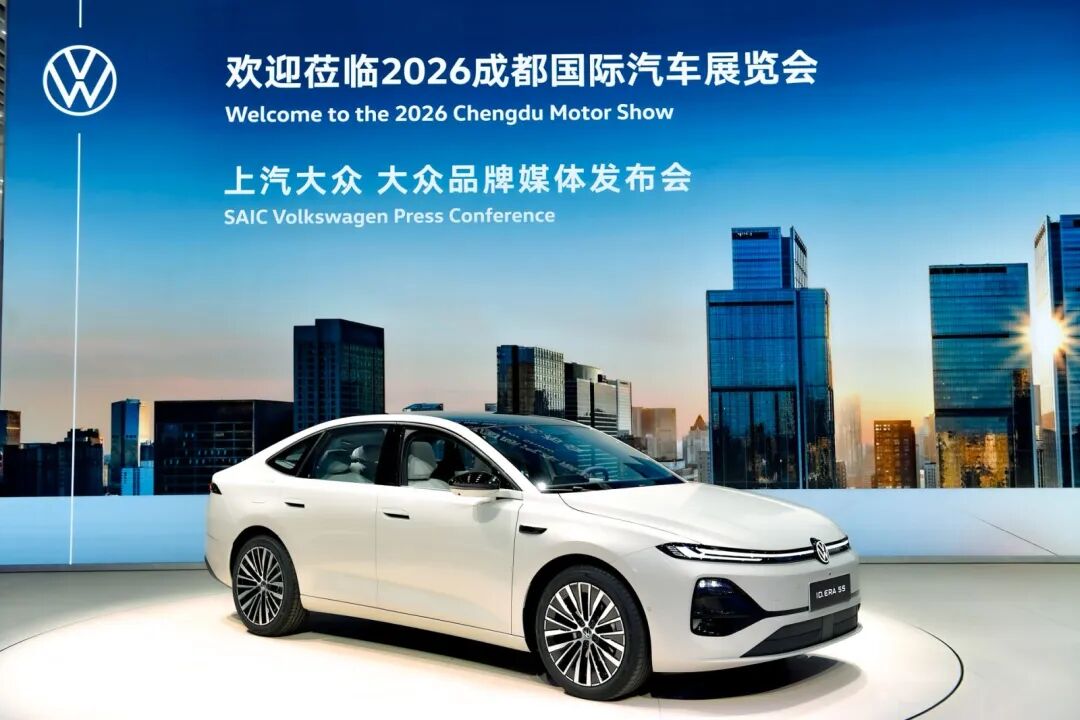
The SAIC Volkswagen ID. ERA 5S is undoubtedly one of the most talked-about models at this year's show. With an official guide price ranging from 119,900 to 149,900 yuan, and limited-time offers bringing it down to 89,900-119,900 yuan, the top-tier variant costs under 120,000 yuan at dealerships. The mid-range model features LiDAR and Urban NOA functionality, making it Volkswagen's first sedan globally to support Urban NOA. Powered by the 'Xingyun Zhixing' advanced intelligent driving system and 'Golden Hybrid' technology, it offers a combined range exceeding 2,000 km, adhering to German 'Golden Standards' with over 8,000 rigorous tests.
The SAIC MG MG 07 officially launched, offering seven variants with pure electric and hybrid powertrains, priced at 105,900-156,900 yuan after limited-time subsidies. Initially praised as a bargain at its pre-sale price of 125,900-165,900 yuan, the official starting price dropped by 20,000 yuan. All variants come standard with mCDC intelligent electromagnetic suspension, while the 115,900-yuan hybrid LiDAR variant features advanced intelligent driving. Pre-orders surpassed 59,000 units within 24 days.
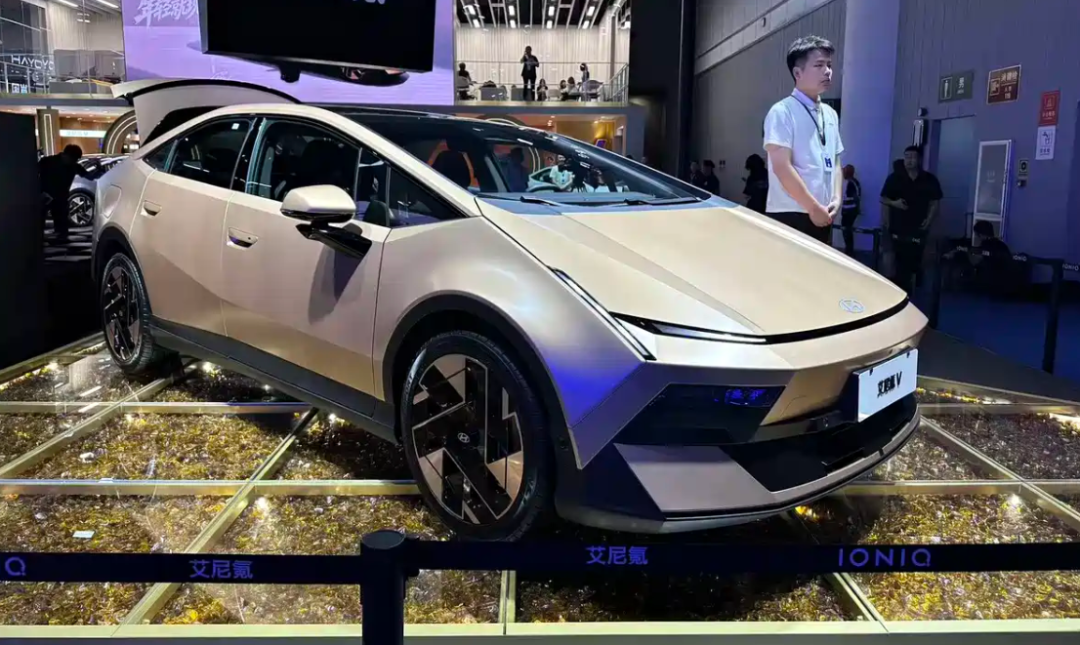
Beijing Hyundai Ioniq V opened pre-sales with three variants priced at 119,900-139,900 yuan. Positioned as a pure electric mid-size sedan, it offers a CLTC range of up to 650 km, a Qualcomm Snapdragon 8295 chip, and an advanced driver-assistance system provided by Momenta. At 119,900 yuan, this pricing strategy for a joint-venture pure electric mid-size sedan clearly aims to reclaim market share through 'Chinese-style pricing.'
150,000-300,000 Yuan Segment: Technological Configurations Become Standard Across All Variants
BYD's first D-segment luxury flagship sedan, the Da Han EV, opened pre-sales with three variants priced at 249,900-299,900 yuan. Measuring 5,256 mm in length with a 3,130 mm wheelbase, the pure electric version offers a CLTC range of up to 1,008 km, standard cloud-suspension with dual-chamber air springs and rear-wheel steering, and a minimum turning radius of just 4.95 meters. All variants come standard with the 'Divine Eye 5.0' intelligent driving system. BYD's strategy of offering D-segment dimensions and configurations at B-segment prices reaches new heights with this model.
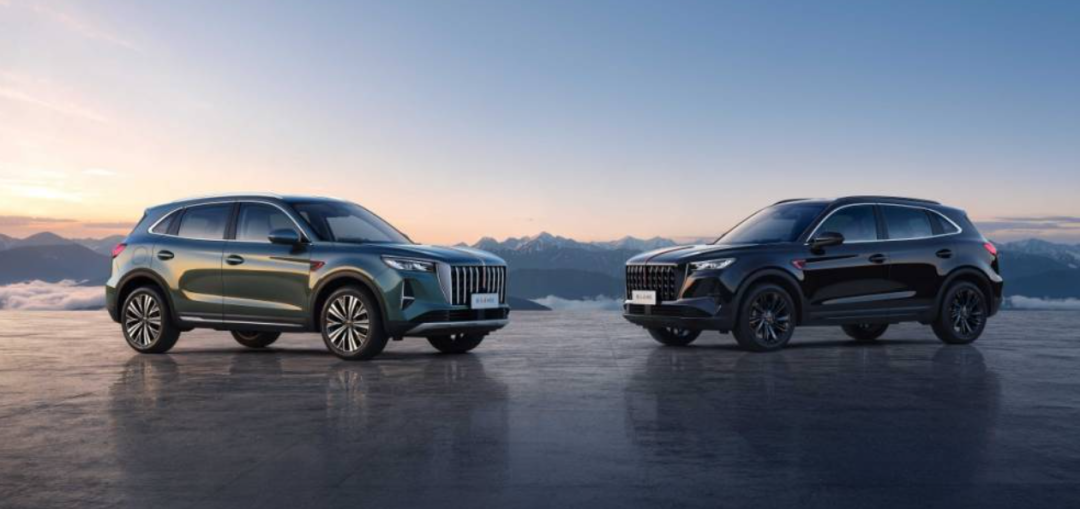
The new Hongqi HS5 offers five variants priced at 176,800-239,800 yuan, with launch incentives reducing prices to 134,800-200,800 yuan, and further discounts after factory trade-in subsidies bringing the starting price down to 119,800 yuan. Powered by a self-developed 2.0T high-output engine, it upgrades to a Qualcomm Snapdragon 8155P chip and a 15.6-inch vertical central touchscreen. The pricing defenses of traditional fuel vehicles are crumbling.
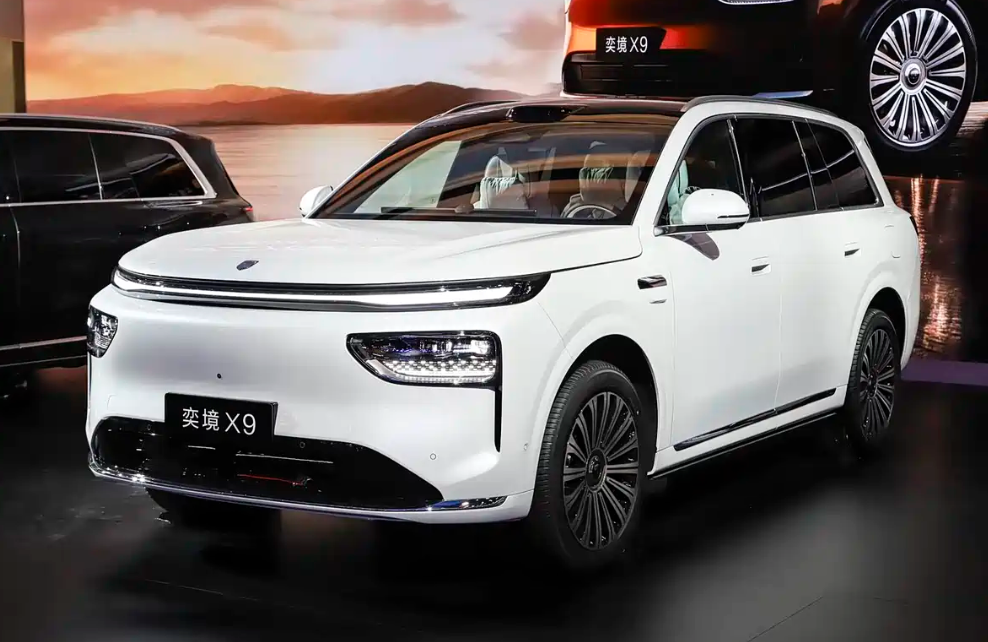
The Yijing X9, co-developed by Dongfeng Motor and Huawei Qiankun, is priced at 299,800-379,800 yuan. Measuring 5,301 mm in length with a 3,120 mm wheelbase, it positions itself as a full-size flagship six-seater SUV. All variants come standard with Huawei Qiankun ADS 5, an 896-line LiDAR, HarmonyOS Space 6 cabin, air suspension, and CDC. Dubbed the 'half-price M9' by industry insiders for its 'fully loaded entry-level' approach, pre-orders surpassed 20,000 units within 24 hours.
Above 300,000 Yuan: 'Price Anchors' in the Premium Segment Shift Downward
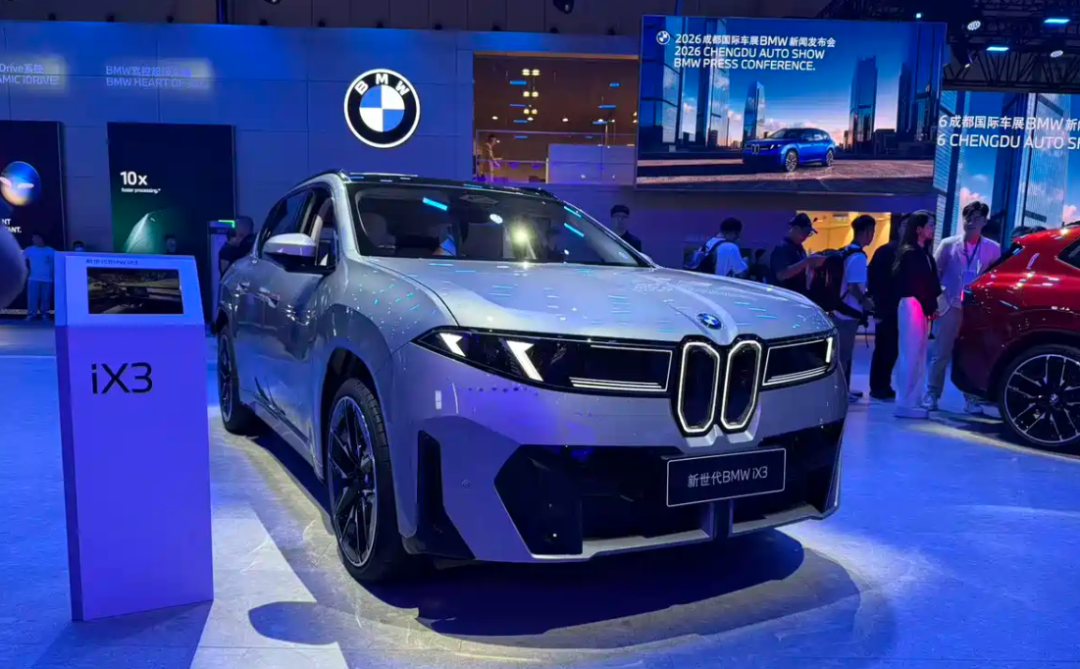
BMW's first domestically produced model of its new era, the iX3 long-wheelbase version, opened pre-orders with a unified pricing strategy matching pre-order and launch prices, starting at 269,900 yuan nationwide. The three configurations are priced at 269,900, 299,900, and 339,900 yuan, respectively—30,000 yuan lower than the entry-level Mercedes-Benz electric GLC. BMW's pricing logic: 'Abandoning traditional fuel vehicle premium models and empowering users with choices.'
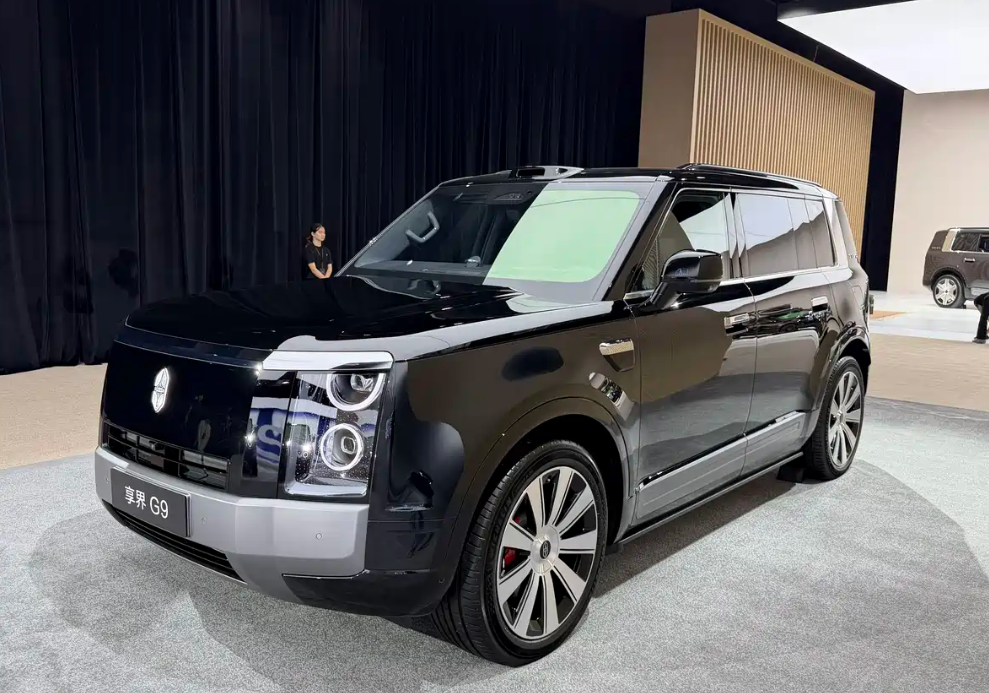
The Xiangjie G9 officially launched, priced at 429,800-549,800 yuan. Positioned as a rugged boxy SUV, it measures 5,206 mm in length with a 3,160 mm wheelbase, offering extended-range and pure electric powertrains, standard 800V platform, dual-chamber air suspension, and Huawei Qiankun ADS 5.0 intelligent driving. Paired with the Aito M9 as the 'Dual 9 Flagships,' one targets urban markets while the other focuses on off-road capabilities.
Chery Jaguar Land Rover's Shenhang 8 opened pre-sales at 349,900-429,900 yuan. Measuring 5,118 mm in length with a 3,040 mm wheelbase, all variants come standard with Huawei Qiankun ADS 5, an 896-line LiDAR, and a Qualcomm Snapdragon 8397 chip. Off-road features include triple differential locks, a closed dual-chamber air suspension, and ±10° rear-wheel steering. Pre-orders surpassed 10,000 units within 48 hours. The fusion of British off-road heritage and Chinese intelligent technology is pioneering a new premium rugged segment.
The Logic Behind 'Aggressive' Pricing Strategies
The intensity of price wars hasn't diminished—it's just transformed.
First, 'limited-time incentives' replace 'cash price drops.' The ID. ERA 5S's 'limited-time incentive pricing,' the Hongqi HS5's 'launch incentive + trade-in subsidies,' and the MG 07's 'limited-time subsidies' demonstrate that automakers are maintaining price anchors through bundled benefits rather than blunt discounts.
Second, 'fully loaded standard configurations' become the new weapon. The Yijing X9's standard Huawei ADS 5 and air suspension, and the Da Han EV's standard cloud-suspension and rear-wheel steering, are transforming 'fully loaded entry-level' from a unique selling point into an industry standard.
Third, intelligent driving configurations proliferate downward. The ID. ERA 5S brings Urban NOA to the 100,000-yuan segment, while the MG 07 introduces LiDAR-based intelligent driving at 110,000 yuan. Advanced intelligent driving is no longer exclusive to models above 300,000 yuan; the 100,000-yuan segment is becoming the primary battleground.
Fourth, joint-venture brands comprehensively shed premium pricing. Pricing strategies from SAIC Volkswagen, BMW, and Beijing Hyundai at this year's show indicate that joint ventures are abandoning 'premium inertia.' Competing with more aggressive pricing and localized intelligent configurations will exert new pressure on domestic brands.
Is a 'Storm' Brewing in Q4's Auto Market?
The Chengdu Motor Show has always served as a bellwether for the 'Golden September, Silver October' sales peak. However, with over 2 million fewer vehicles sold in the first three quarters this year, Q4's market is destined for turbulence. Signals from this year's show suggest several competition trends:
Overall downward shift in price anchors. The ID. ERA 5S brings high-end intelligent driving versions of plug-in hybrid sedans into the 100,000-yuan segment, the Da Han EV caps D-segment sedan pricing under 250,000 yuan, and the BMW iX3 sets the entry threshold for luxury pure electric SUVs below 270,000 yuan. These new price benchmarks will force competitors to follow suit.
Accelerated realization of 'technological democratization.' Configurations like LiDAR, Urban NOA, 800V platforms, and air suspension are proliferating downward at Amazing speed (remarkable speed). Analysts note that technologies once exclusive to flagship models are becoming standard in mainstream vehicles. Against the backdrop of rising new energy vehicle penetration, the pricing logic of fuel vehicles is being completely rewritten.
As industry insiders observe, the 2026 Chengdu Motor Show has become the 'decisive battle' for automakers to showcase their core strengths. These 'aggressively priced' new models at the show are leveraging technological decentralization and price restructuring to gain ground in Q4. While the overall market contracts, competition intensifies—this is the true essence of China's 2026 automotive landscape.
-
![]()
Registered Capital Slashed to 372 Million Yuan! Yutong Optical Finalizes Industrial and Commercial Change Registration
-
![]()
Zhuque-3 Successfully Lands, and 'Time Traveler' Secures Another ¥100 Million in Funding: China's Commercial Space Industry Experiences a 'Dynamic August'
-
![]()
Autohome Faces a Shrinking Window of Opportunity
-
![]()
Even a Titan Like Musk Has Faced Setbacks in Fulfilling Promises
-
![]()
AI Office: The End of the Racing Era, Context Becomes the Key to Success
-
![]()
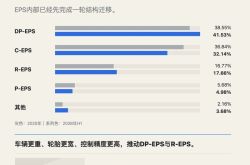
Domestic Vehicle Chassis Revolution ②: The Steering Wheel Remains, But Mechanical Connections in the Steering System Are Decreasing
-
![]()
Exploring MiniMax Design: Can Video Editing Be as Simple as Speaking?
-
![]()
Why Can SenseTime Achieve Profitability While CloudWalk Still Faces Challenges, Despite Both Adopting Large Models?