Europe Transforms into a Haven for Chinese Cars: BYD Seal U Surpasses 10,000 Monthly Sales
 08/25 2026
 514
514
Lead
Introduction
Achieving monthly sales exceeding 10,000 units for a single model represents a significant milestone for Chinese automobiles in the European market. Chinese brands are poised to secure a stable market share of over 10% in Europe.
According to Dataforce, European auto market sales witnessed a 4.1% year-on-year increase in July, while sales of Chinese auto brands surged by 107% compared to the same period.
From January to July, Chinese auto sales in Europe reached 813,000 units, surpassing the total sales for the entire year of 2025.
SAIC emerged as the top-selling Chinese brand in Europe during the first seven months, while BYD claimed the top spot in July. The Seal U (known as the Song Plus in China) even exceeded 10,000 units in July sales.
Against the backdrop of moderate growth in the overall European market, Chinese brands have demonstrated remarkable acceleration.
01 Chinese Auto Sales in Europe Double
Preliminary data released by Dataforce covers 98% of vehicle registrations in the EU, UK, Iceland, Norway, and Switzerland, with only Portugal and Croatia yet to report final results.
The European auto market sustained its growth momentum in July, albeit at a significantly slower pace, with a 4.1% year-on-year increase and a cumulative growth of 5.7% from January to July.
However, sales of Chinese brands soared by 107% year-on-year in July, capturing a record 11.2% market share in Europe, up from 10.9% in June and nearly double the 5.6% share from the same period last year.
From January to July this year, Chinese brands sold 813,096 vehicles in Europe, surpassing the 812,452 units sold throughout 2025, with their market share climbing from 5.1% in the same period of 2025 to 9.7%.
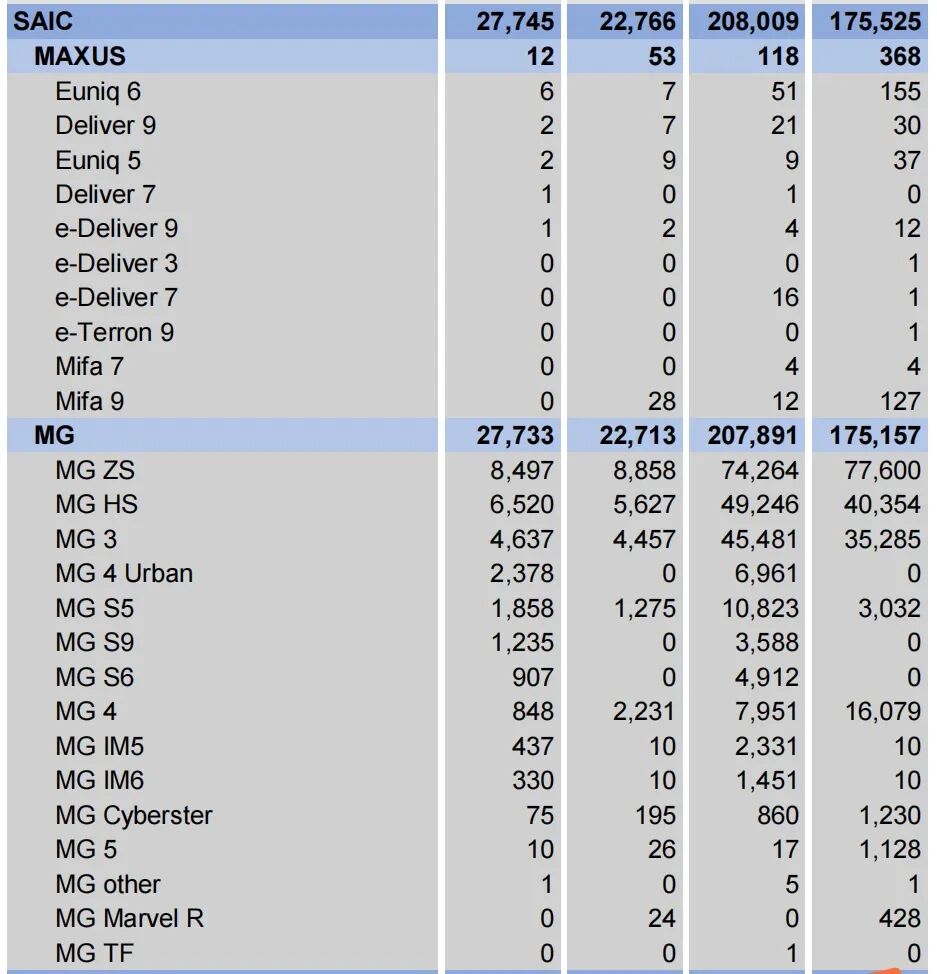
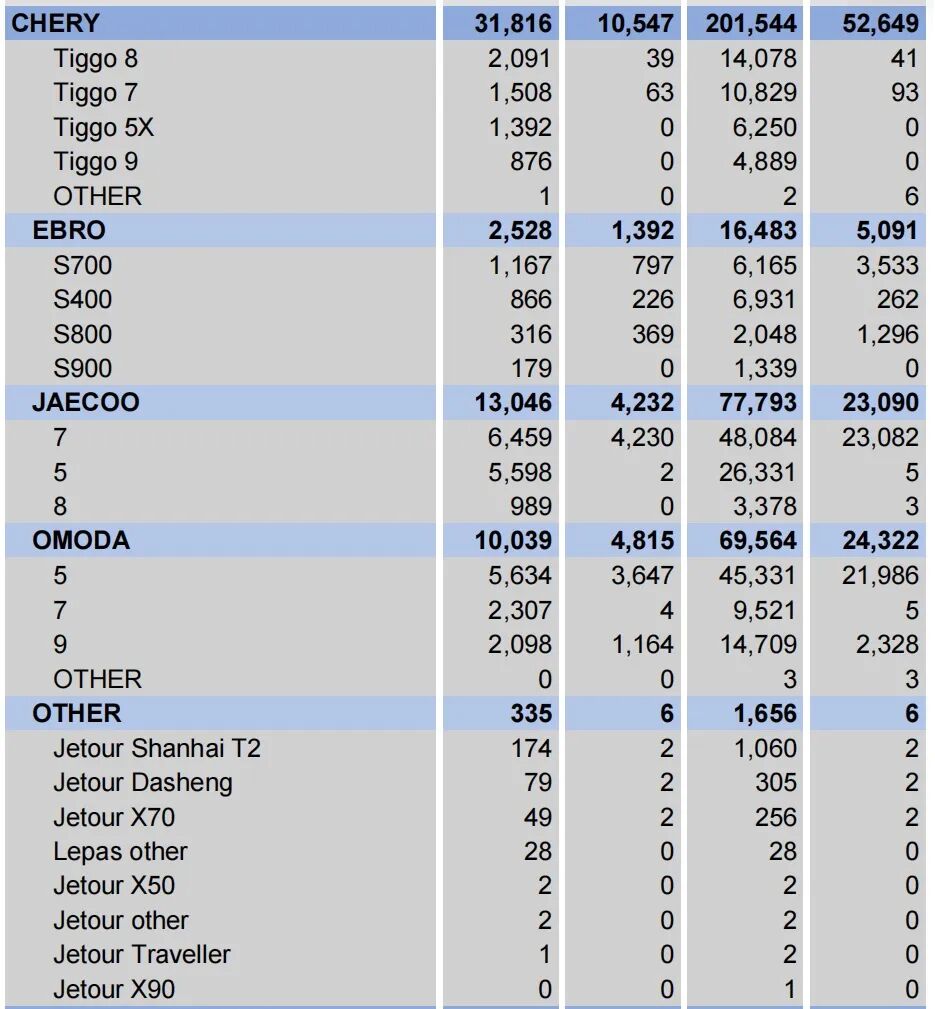
BYD regained the monthly sales crown in July with 32,470 units, marking a 150% month-on-month increase; Chery Group followed closely with 31,816 units, up 202%; SAIC Group ranked third with 27,745 units, a 22% increase.
Notably, this marks BYD's second monthly sales victory after surpassing long-time leader SAIC in May this year.
Leapmotor's sales grew by 293% in July to reach 9,306 units, although the rapid growth seen in the first half of the year slowed somewhat, primarily due to the expiration of Italy's purchase incentives for Leapmotor models at the end of June, leading to a post-peak sales decline.
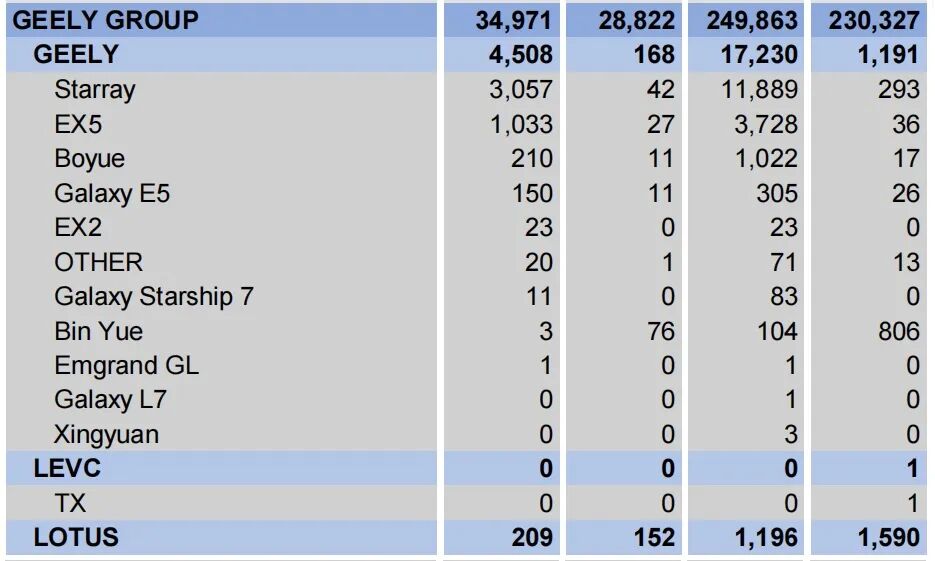
Geely Group (including the Geely brand) sold 9,987 units in July, a 44% increase, reclaiming fourth place among Chinese brands.
In terms of cumulative sales, SAIC Group (including the MG brand and Maxus commercial vehicles) continued to lead the Chinese contingent with 208,009 units in the first seven months, a 19% year-on-year increase.
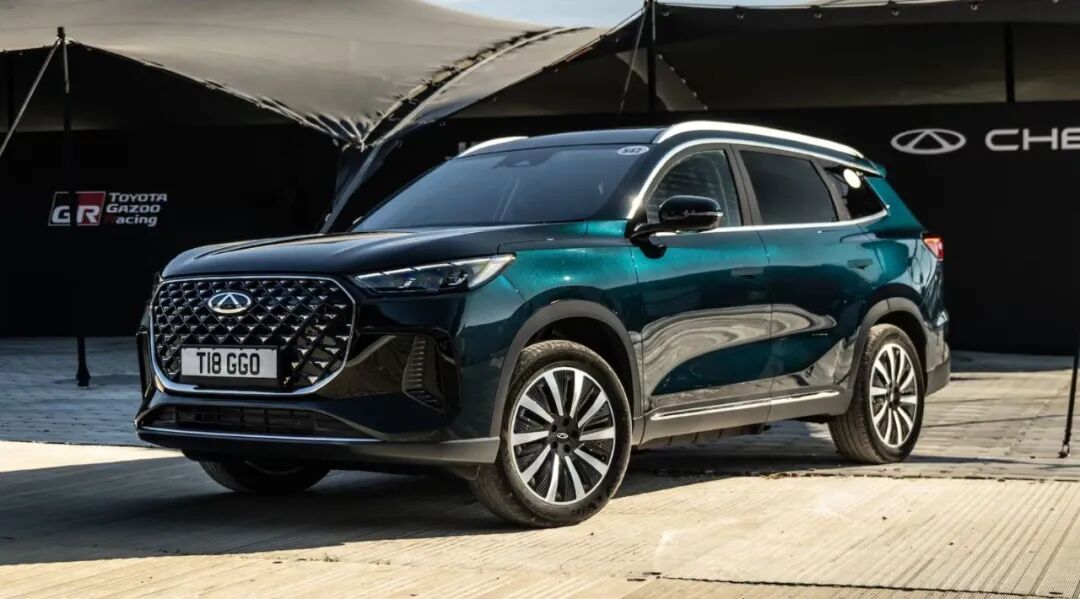
BYD followed closely with cumulative sales of 205,451 units, a 146% increase; Chery Group ranked third with 201,544 units, a staggering 283% year-on-year surge. The gap among the top three is minimal, leaving the annual championship race wide open.
02 Seal U Takes the Crown, Plug-in Hybrids Dominate
Specifically by model, BYD's Seal U mid-size SUV emerged as July's best-selling Chinese brand model with 10,007 units, also topping all plug-in hybrid models (with the plug-in hybrid version contributing 9,286 units).
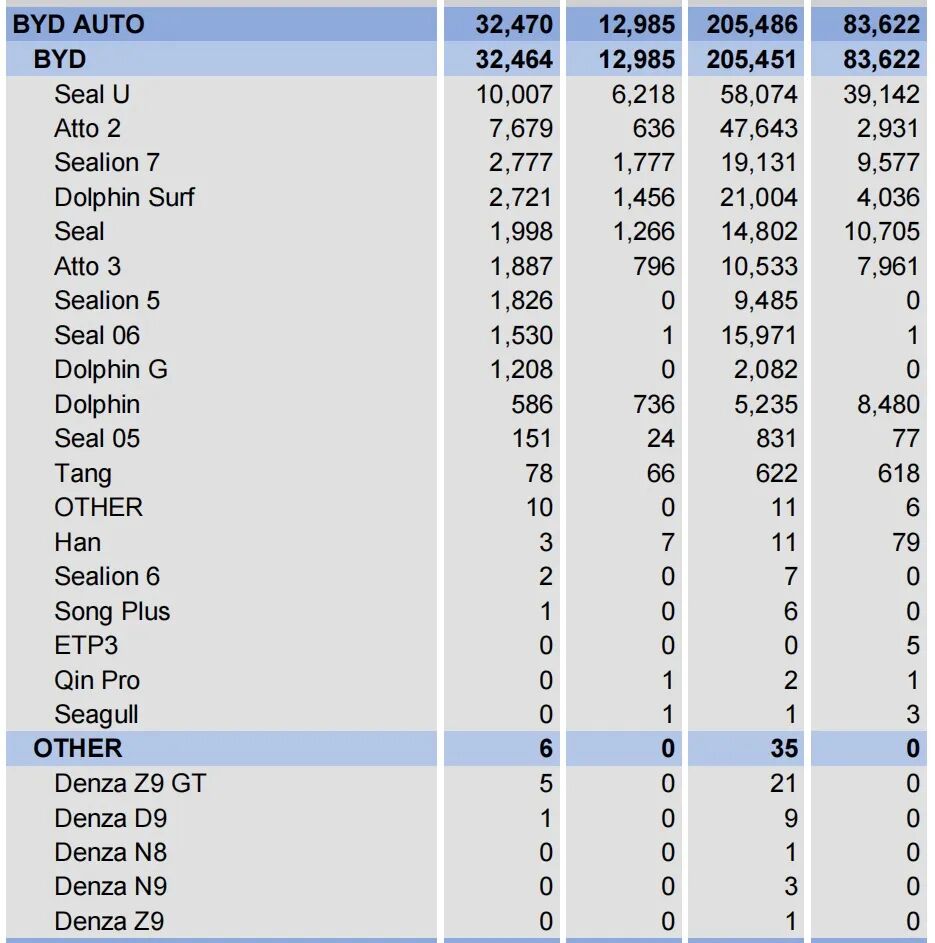
The BYD Dolphin 2 (Atto 2) compact SUV, which led in May and June, slipped to second place with 6,178 units.
A noteworthy detail is that due to plug-in hybrid models diverting significant sales volume, no Chinese brands appeared in Europe's top ten pure electric vehicle sales list in July—whereas in June, the Leapmotor T03 microcar ranked tenth in the pure electric category.
Analyzing by powertrain type, the rapid growth of Chinese brands in the European market owes much to a strategic shift in powertrain technology.
In July, plug-in hybrid electric vehicles (PHEVs) became the fastest-growing segment among Chinese brands, with sales soaring by 201% year-on-year to reach 42,220 units, accounting for 33.6% of total Chinese brand sales, up from just 23% in July 2025.
Even hybrid electric vehicles (HEVs), previously a strong suit for Japanese automakers like Toyota, emerged as a new growth area for Chinese automobiles, with sales surging by 137% to 24,129 units, increasing their share from 2% last year to 19%.
The popularity of plug-in hybrid and full hybrid models stems from clear policy considerations. Currently, the EU imposes additional tariffs of up to 35.3% (on top of the standard 10% tariff) on battery electric vehicles (BEVs) and extended-range electric vehicles imported from China, while plug-in hybrid and full hybrid models are temporarily exempt.
However, the EU is seriously considering extending punitive tariffs to plug-in hybrid models, a potential policy shift that could become a critical variable in the future competitive landscape.
In the pure electric vehicle segment, Chinese brands saw sales grow by 114% to 43,622 units in July, capturing a 35% market share, roughly in line with July last year. Meanwhile, traditional fuel vehicles suffered a precipitous decline, with sales dropping by 12% to 11,958 units, their share plummeting from 23% to 10%, relegating them to a minor role within the Chinese brand lineup.
03 Mercedes Outpaces the Market, Tesla Falls Victim to 'Early-Quarter Curse'
Among traditional automakers, Mercedes-Benz stood out with a 4.7% sales increase in July, becoming the only legacy automaker to outpace the market average. Toyota (+2.3%), Stellantis (+2.0%), and BMW Group (+1.7%) recorded growth but saw their market shares eroded.
Volkswagen Group's sales slipped by 3% in July, Ford plummeted by 16%, Hyundai-Kia declined by 8.5%, and Nissan fell by 5.8%, all experiencing varying degrees of decline. Tesla continued its pattern of weakness at the start of the quarter and a sprint at the end, with sales plummeting by 36% in July.
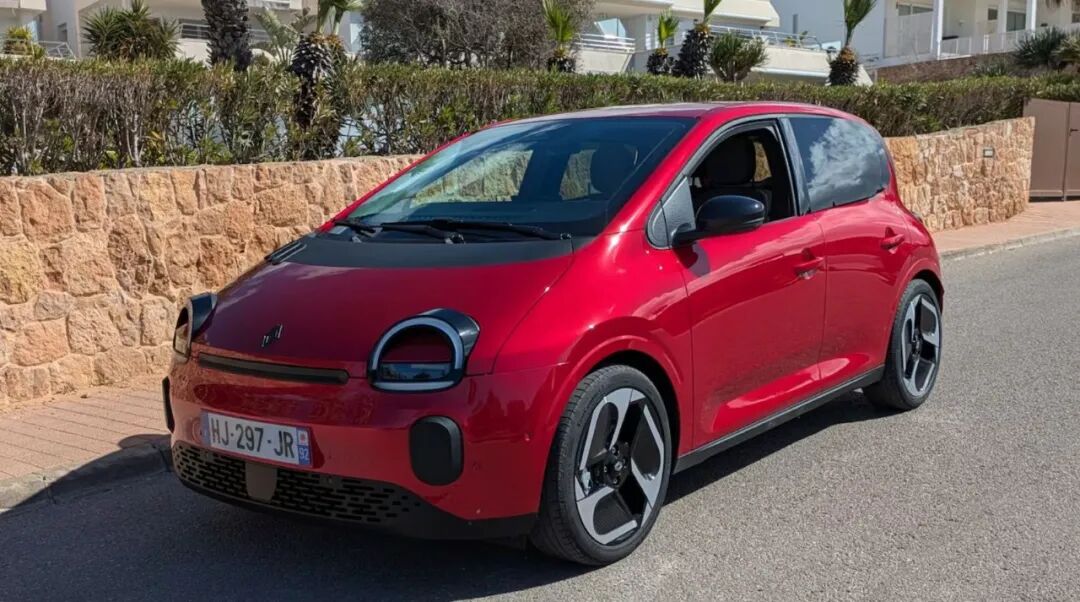
Some established European budget brands, however, bucked the trend: Fiat sales surged by 25%, and Citroën grew by 16%, both benefiting from new model launches based on parent company Stellantis's 'Smart Car' affordable vehicle platform; Renault increased sales by 11%, driven by its compact electric vehicle lineup—including the all-new Twingo, 4 E-Tech, and 5 E-Tech.
Across the European market, the Dacia Sandero continued to dominate overall vehicle sales, outpacing the Volkswagen Golf and Volkswagen T-Roc. Surprisingly, the Mercedes-Benz GLC surged into the top ten with a 45% sales increase, ranking seventh and becoming the month's biggest dark horse.
In the pure electric vehicle segment, the Renault Twingo ranked 12th with 4,831 units sold, just behind the Tesla Model Y; the Renault 5 E-Tech placed third in the pure electric category, growing by 49%.
04 Oil Prices as a Catalyst and Policy Uncertainties
Overall, the European pure electric vehicle market grew by 51% in July, capturing a 25% market share. Since the outbreak of the Middle East conflict in late February this year, persistently high fuel prices have acted as a 'catalyst' for electric vehicle sales, bringing the year-to-date growth for pure electric models to 37%.
However, electrification's expansion has come at the expense of other powertrain types: plug-in hybrids grew by 15% for the month but lagged behind their full-year growth rate of 24%; full hybrids increased by 9%, also falling short of their 14% annual growth.
Leveraging tariff exemptions for plug-in hybrid and full hybrid models, along with sustained momentum in pure electric products, Chinese brands are rewriting the European market landscape at an unprecedented pace.
Whether the EU extends its tariff stick to plug-in hybrid models could become the 'decisive factor' determining the next phase of competition.
At least based on current data, Chinese brands show no signs of slowing down; instead, they are accelerating—completing a year's worth of work in seven months. This expedition has only just begun.
Editor-in-Charge: Shi Jie Editor: Wang Yue
THE END
-
![]()
DPCA Technology Launched, Pioneering a New Era for Joint Ventures: Taking 'Chinese Heritage' Global
-
![]()
Spring in the Rack: UCloud Rides High, Yet Fundamentals Impose Limits
-
![]()
Why Has the 'Urban Bulk Commodity Boom' Intensified Over the Past Two Years?
-
Is Another Joint Venture Brand on Its Way Out?
-
![]()
Doing the Math for Kuaishou and Kling
-
![]()
From Elusive to Aggressively Priced: Lexus Sheds Its 'Standoffish' Image
-
![]()
China Initiates Satellite IoT Operations, with Geely Satellite Networks Poised for 6G
-
![]()
Is China's Auto Industry Heading into the 'Fiercest Final Showdown'? Li Bin Says It's Not a Simple Elimination, But the Grand Finale