Stay Alert! Major AI Corporations Are Monopolizing Career Pathways—Universities Must Resist the Trend
 09/18 2026
 389
389
Otherwise, the younger generation will become overly dependent on AI in the future.
Today, artificial intelligence (AI) is no longer a cutting-edge concept confined to labs; it has seamlessly integrated into campuses and workplaces, becoming an integral part of young people's studies and daily lives.
However, a hidden yet concerning trend has gone largely unnoticed: Leading AI giants, with OpenAI as a prime example, are no longer content with merely selling AI tools and collecting software service fees.
They are quietly devising strategies to monopolize the entire career pathway for young people, from education to employment.
If this trend continues unchecked, the learning, growth, and job-hunting processes of future students will be firmly controlled by these large AI corporations.
Universities, which are supposed to nurture talent and pave the way for their future, will gradually lose their core purpose. This would undoubtedly be a hidden disaster for countless young people.
I believe everyone can sense that nowadays, whether they are primary and secondary school students or university students, almost everyone relies on AI for homework, information searches, summaries, and thesis writing.
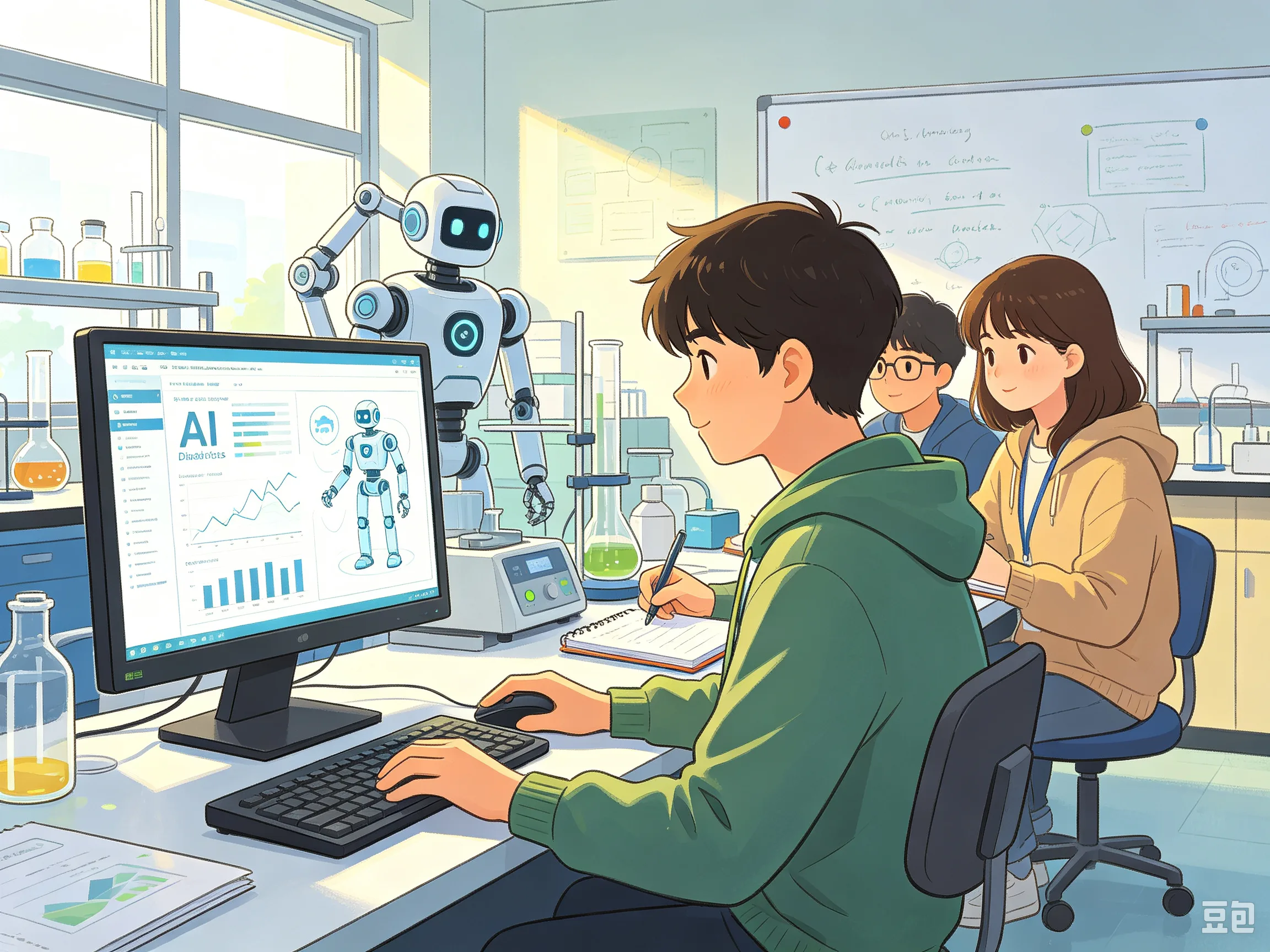
Image source: Generated by Doubao AI
During my daily teaching and interactions with students, I have observed a phenomenon that warrants significant vigilance: Today's young people have an almost blind trust in AI.
Whether facing academic challenges, course-related confusion, or even life's uncertainties and dilemmas in making life choices, their first instinct is not to think independently or seek advice from teachers or elders. Instead, they immediately turn to AI tools like ChatGPT for answers.
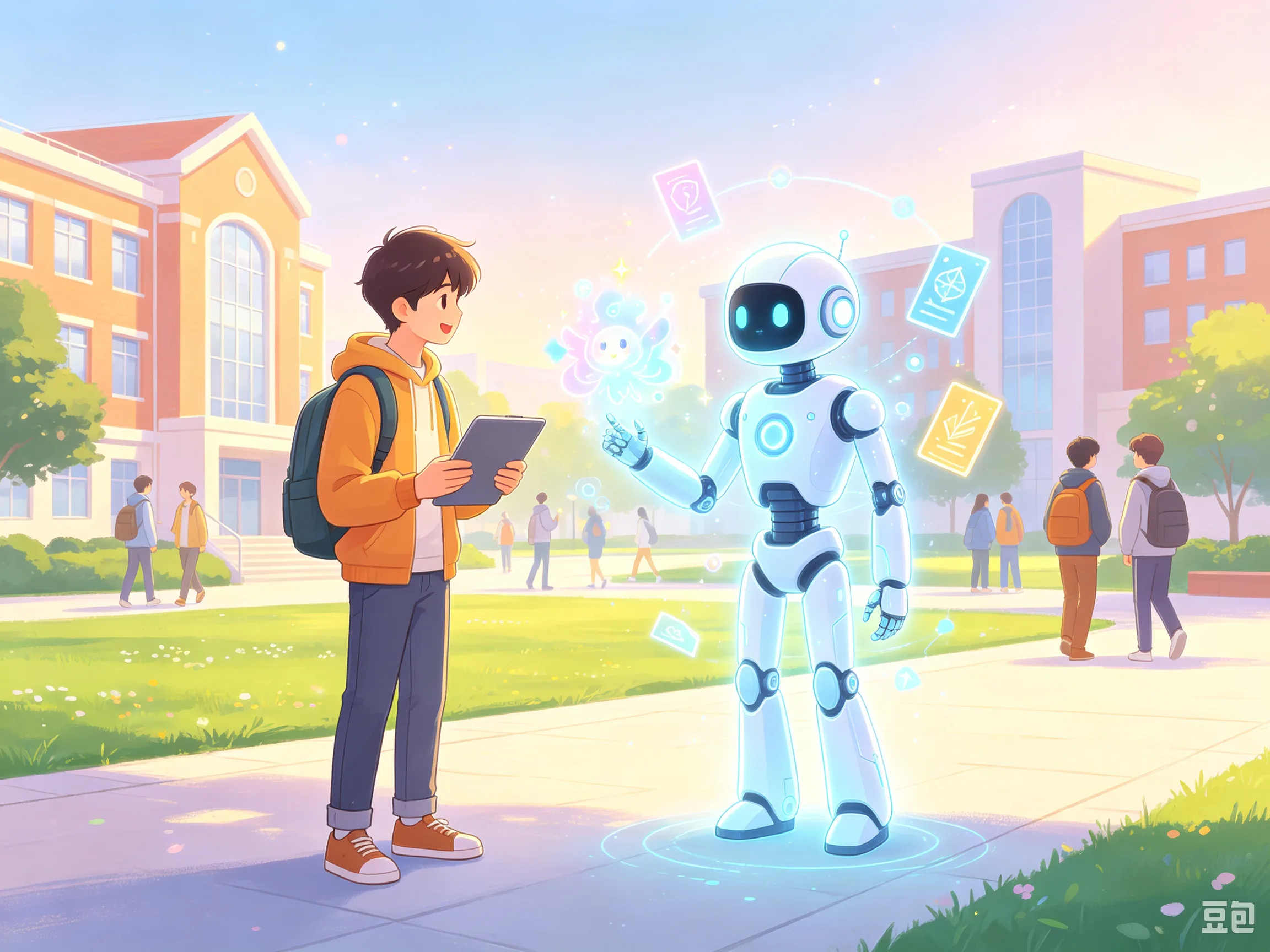
Image source: Generated by Doubao AI
In this context, AI giants have precisely identified the needs of students and the workplace, launching a comprehensive commercial strategy. Their ambitions extend far beyond simply "providing tools"; they aim to establish their own closed-loop talent cultivation system, controlling the three core aspects: learning, certification, and employment.
In essence, the employment platform created by OpenAI is directly competing with universities worldwide, disrupting traditional learning models and job-hunting logic.
To swiftly penetrate the campus market and capture the young student demographic, these AI corporations have developed a sophisticated promotional model: recruiting campus ambassadors at various universities, leveraging students' influential networks to quickly integrate into campuses and connect with students, thereby making more young people accustomed to and dependent on their AI products.
Simultaneously, they are investing billions of dollars to dispatch professional engineers to leading companies across various industries, vigorously promoting the AI transformation of the workplace, ensuring that corporate recruitment and workplace operations are fully aligned with AI skill sets.
Moreover, OpenAI has forged deep collaborations with numerous renowned companies such as Accenture and John Deere, introducing AI training certificates that are linked to real job opportunities.
Once students complete this AI course and obtain the corresponding certificate, they have the opportunity to directly access job opportunities with partner companies.
However, while AI corporations collect vast amounts of student learning data and ability profiles on one hand, they also grasp the recruitment standards and hiring needs of major companies on the other, completely breaking down the information barriers between campuses and the workplace, and achieving absolute control over both the supply and demand sides of talent.
The core value of universities has always been to build a bridge between campuses and the workplace, helping young people transition from students to professionals.

Image source: Generated by Doubao AI
However, with the overwhelming entry of large AI corporations, they have monopolized the complete chain of "education and learning—ability certification—employment and onboarding." If this continues, the traditional roles of universities in nurturing talent and recommending students for jobs will be continuously weakened.
What's even more disheartening is that many universities, in an effort to keep up with the AI craze and create educational highlights, have not only failed to be vigilant against these risks but have actively aligned themselves with AI giants, enthusiastically engaging in various commercial collaborations.
Numerous schools have directly incorporated AI courses and AI skill certificates developed by corporations into their internal teaching systems, encouraging students to follow the trend and obtain these certifications. While this may seem like keeping pace with the times and meeting market demands, it actually represents a gradual abandonment of educational autonomy, reducing universities to tools for the expansion of commercial AI platforms.
Of course, this does not mean we should completely resist AI.
AI itself is an excellent auxiliary tool that can be fully integrated into daily teaching, helping students enhance their learning efficiency and teachers optimize their teaching quality.
The true core distinction lies in whether universities dominate the integration of AI or whether commercial AI corporations dominate education.
Therefore, universities must promptly wake up and hold the line!
This article is compiled by Leikeji from The Guardian.
Original link: Large-scale AI practice projects in universities
Source: Leikeji
Images in this article are from the 123RF licensed image library. Source: Leikeji
-
![]()
Final Decision Unveiled: The Importance of FAW and GAC Signing the Letter of Intent
-
![]()
The Latest Statement from the Godfather of AI: Don't Trust Industry Self-Regulation, It Will Be Too Late When You React
-
![]()
Perfect Model, Zero Business Impact - The Last Mile of AI Commercialization | FDE Industry Research Report
-
![]()
Is Liang Wenfeng Set to Become China’s Wealthiest Individual by Appointing a Post-90s CFO?
-
![]()
Stay Alert! Major AI Corporations Are Monopolizing Career Pathways—Universities Must Resist the Trend
-
Surge of Up to 109%! Weichai, the Engine Manufacturer, Reaps AI Dividends
-
Revealed: The Current State of Evergrande Auto—Accumulated Losses Hit 105.3 Billion, Yet There’s a Glimmer of Hope for a Comeback
-
![]()
Total Investment of 2.05 Billion Yuan! Shihua Technology's Optical Film Material Project Aims for Production Commencement