Why Would NVIDIA Splash Out $12.9 Billion on a Website with $100 Million Annual Revenue? The Secret Lies with 18 Million Users
 09/23 2026
 533
533
This marks the 128th original article from the Thinking AI Society.
Approximately 1,360 words in total, with an estimated reading time of 4 minutes.
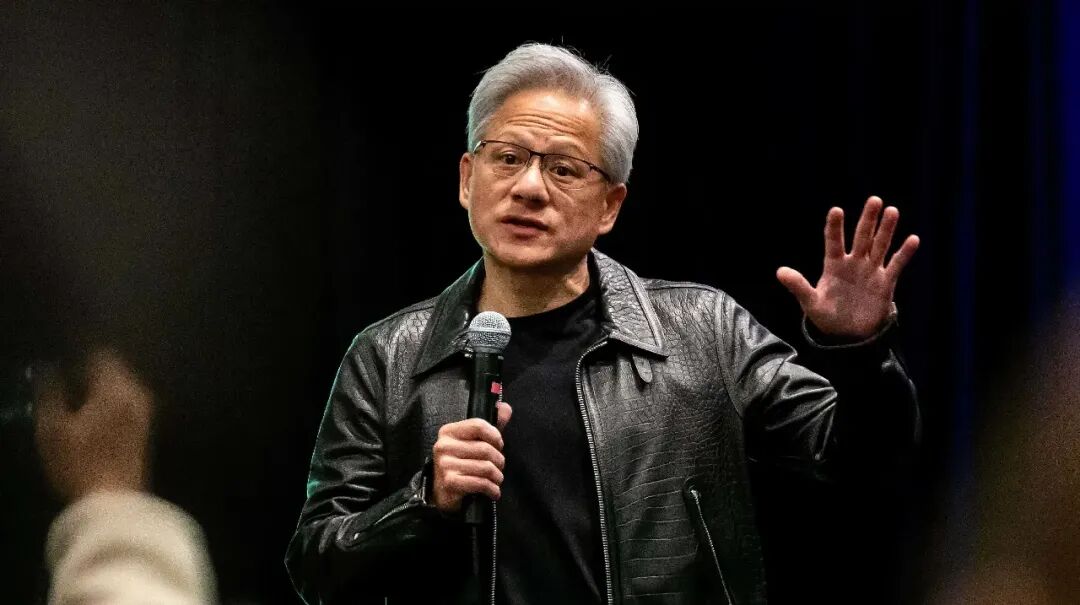
In early September, Jensen Huang himself announced on the official blog that NVIDIA would invest over $12.9 billion to acquire Hugging Face.
What initially caught me off guard was the price tag: the company generates just over $100 million in annual revenue, implying NVIDIA is paying over 80 times that figure.
What's even more intriguing is that late last year, NVIDIA proposed a $500 million stake in the company, valuing it at $7 billion, only to be politely turned down. Less than a year later, with the price nearly doubled, Hugging Face actively sought the acquisition.
It's not that they had a change of heart; rather, the most valuable asset of this era happens to be within their grasp.
Hugging Face: The Hub of the AI Universe
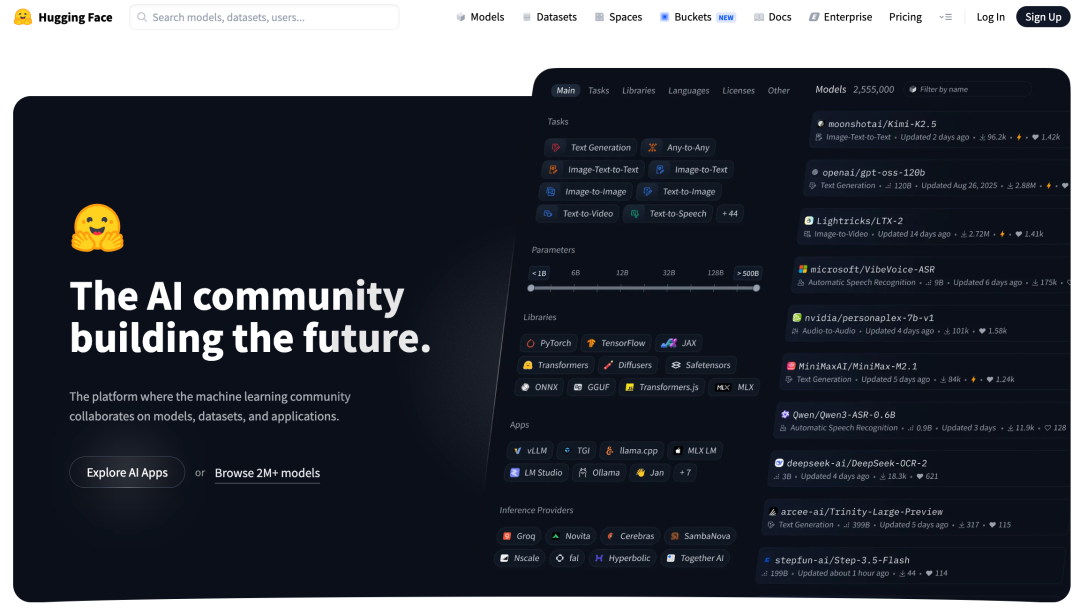
Many refer to it as the "GitHub of AI," but that comparison only tells half the story. GitHub is a repository for code; Hugging Face is a repository for models.
Today, it houses over 3 million models, 500,000 datasets, and 1 million applications. Here, 18 million developers search for models, compare their performance, fine-tune them, and deploy applications. Over 200,000 enterprises rely on it for model selection. From Meta's Llama to China's DeepSeek and Alibaba's Qwen, nearly all mainstream open-source models make their debut here.
The crux lies in its pivotal position. When developers embark on building AI applications today, their first port of call is often Hugging Face: determining which model to use, whose data to leverage, and ultimately which chips and cloud services to deploy on—the entire decision-making process flows through its platform.
So, NVIDIA isn't purchasing those 3 million models—most of which are free and open-source. It's acquiring the daily habits of 18 million users who frequent the platform. Models can be replicated, code can be migrated, but a community of 18 million active developers cannot be easily reconstructed, even with substantial financial investment.
NVIDIA's Concern: Its Biggest Clients Are Pursuing "De-NVIDIA-ization"
Why is a company that commands 80% of the global market for AI accelerators (metaphorically speaking, "shovels" in the gold rush) still anxious?
Because its largest clients are forging their own paths. Google has TPUs, Amazon has Trainium, Microsoft has Maia, Meta is developing its own chips, and even OpenAI's inference chips are rumored to outperform NVIDIA's latest systems in specific scenarios. These clients funnel billions to NVIDIA annually, yet none wish to have their lifelines permanently controlled by another entity.
NVIDIA's once-impenetrable moat was CUDA. Developers are accustomed to it, frameworks prioritize compatibility, creating a self-reinforcing cycle of dependency.
But this cycle hinges on one premise: clients decide where models are trained and deployed. If chips become a commodity, hardware alone won't suffice.
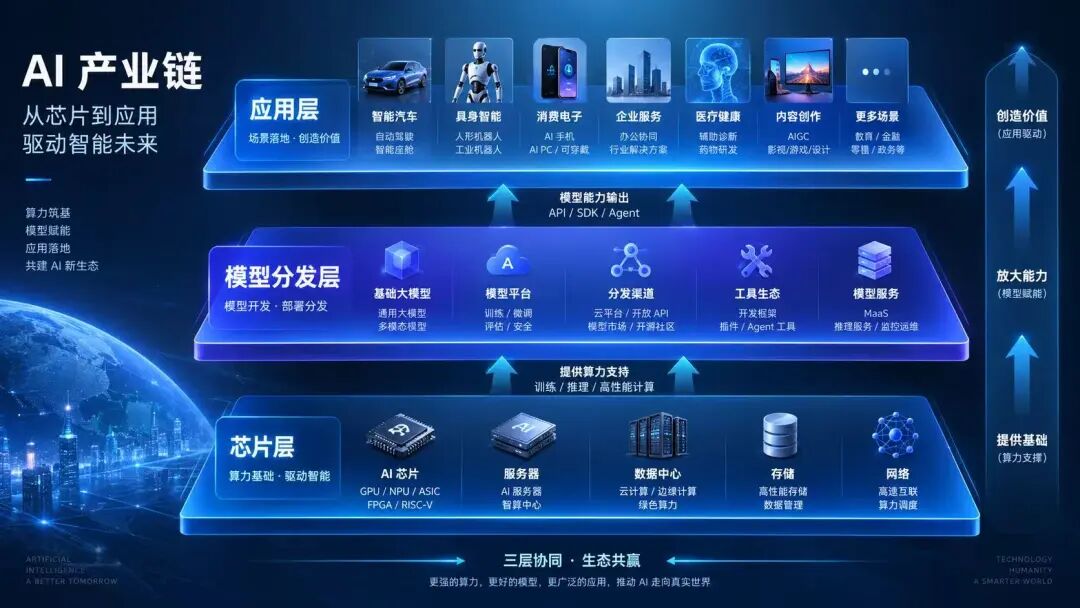
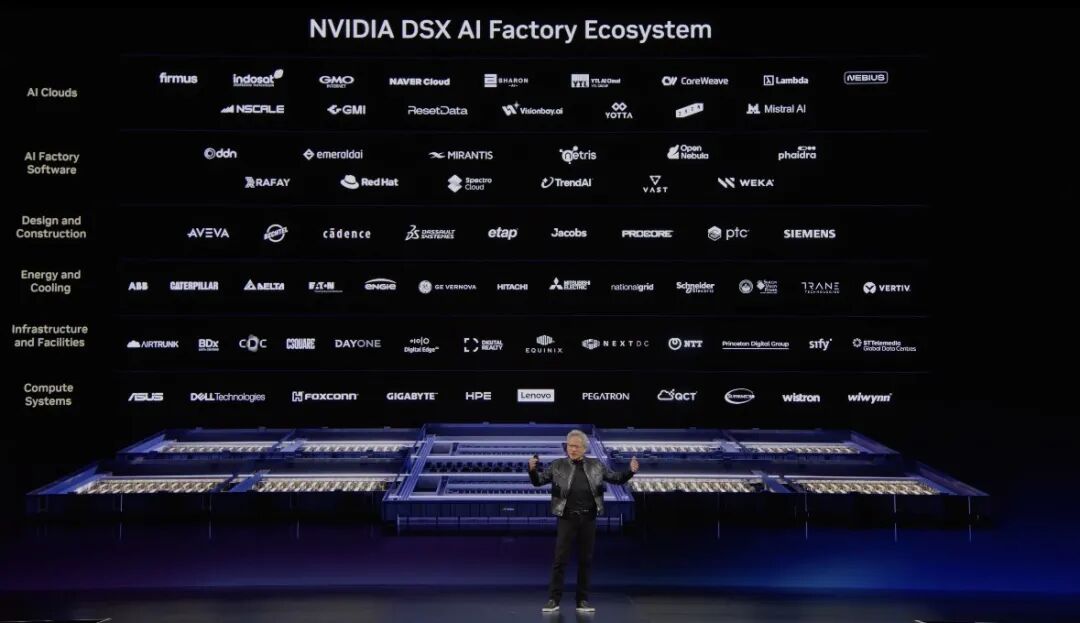
Hugging Face offers the springboard for NVIDIA to leap from the "supply side" to the "demand side." Developers download models here, optimize them using NVIDIA's toolchain, and conveniently deploy them on NVIDIA's compute resources—linking the entire chain together.
CICC Research encapsulates NVIDIA's strategy in three phrases: hedging against client "de-NVIDIA-ization," filling gaps in model distribution capabilities, and strategically positioning itself in the open-source ecosystem. Simply put, Jensen Huang is securing the crossroads of AI traffic before chip demand peaks.
The Biggest Challenge: A "Neutral Ground" Acquired by a Chip Giant
From the outset, this deal has been shrouded in uncertainty: Hugging Face's value stems precisely from its neutrality.
If search rankings secretly favor NVIDIA's own models, optimizations for non-NVIDIA chips are delayed, or download bandwidth is tiered, it would cease to be a shared space for all and become a corporate storefront. The community's concerns are well-founded.
NVIDIA responds by pledging to maintain openness, multi-cloud, and multi-accelerator support—"using Hugging Face doesn't require NVIDIA chips"—and even codified this commitment in filings with the U.S. Securities and Exchange Commission. Jensen Huang stated he preferred Hugging Face to remain independent, but with multiple bidders in the market, $12.9 billion was the necessary price.
Yet analysts point out the awkward truth: the pledge is written but lacks enforceable mechanisms. A British tech media headline put it bluntly—"Hugging Face Is Too Important to Fall Into NVIDIA's Hands." A "neutral open-source" platform owned by a compute monopolist now relies on the monopolist's self-restraint to maintain neutrality.
Regulatory hurdles are inevitable. The acquisition triggers mandatory antitrust filings, requiring approval from the U.S. Federal Trade Commission, the Department of Justice, and the EU—Hugging Face has deep roots in Europe, where regulators are most vigilant about tech mergers.
The deal isn't expected to close until the first half of 2027, with many variables remaining.
In my assessment, this $12.9 billion deal follows the same logic as Microsoft's $7.5 billion acquisition of GitHub—expensive in the short term but purchasing a long-term ticket to the developer ecosystem.
The difference is that GitHub's new owner, Microsoft, doesn't monopolize underlying hardware, whereas NVIDIA controls 80% of AI chips, making "neutrality" an especially weighty term.
Chips determine where computation occurs; communities determine where compute demand flows. The chip wars aren't over, but the battle for developer access has already begun.
Whether the $12.9 billion is worth it will only become clear in two or three years—but NVIDIA has at least secured the crossroads for now.

All content is sourced from publicly available information.
Represents personal views only.
Follow for more insights.
-
![]()
JAC Motors Hits Price Ceiling, Leverages Huawei to Step into the 'Post-Seres' Era
-
AI Sparks a New Era of Efficiency Revolution
-
![]()
'Token Loans' See Intensive Rollout, Banks' Credit Anchors Quietly Shift
-
![]()
Is Seres Parting Ways with Huawei? Seres Chairman Rarely Responds! Yet, Other Sectors Are Also Forging Their Own Paths
-
![]()
Misconceptions and Misjudgments Surrounding Huawei
-
![]()
Zuckerberg of ALL IN AI Can Finally Breathe a Sigh of Relief
-
![]()
China’s Automotive Aftermarket Embraces New Policies to Unlock Growth Potential
-
![]()
"Xiaomi in the Auto Circle" Declares War on Xiaomi Auto: Are Double-Decker Vehicles the Next Battleground?