Beware! ChatGPT and Gemini Fail: Major AI Models Are Frantically Pushing Fake Shopping Websites
 11/19 2026
 567
They send you straight to phishing websites.
A recent study has exposed a highly alarming issue: AI chatbots are actually recommending fake shopping websites to users proactively.
Brand protection service provider Podqi conducted a series of tests covering a total of 151 different brands.
The results showed that Perplexity's probability of providing risky URLs was as high as 15%, and ChatGPT and Gemini were not much better, with error rates not far behind.
Many people have already grown accustomed to consulting AI before making a purchase.
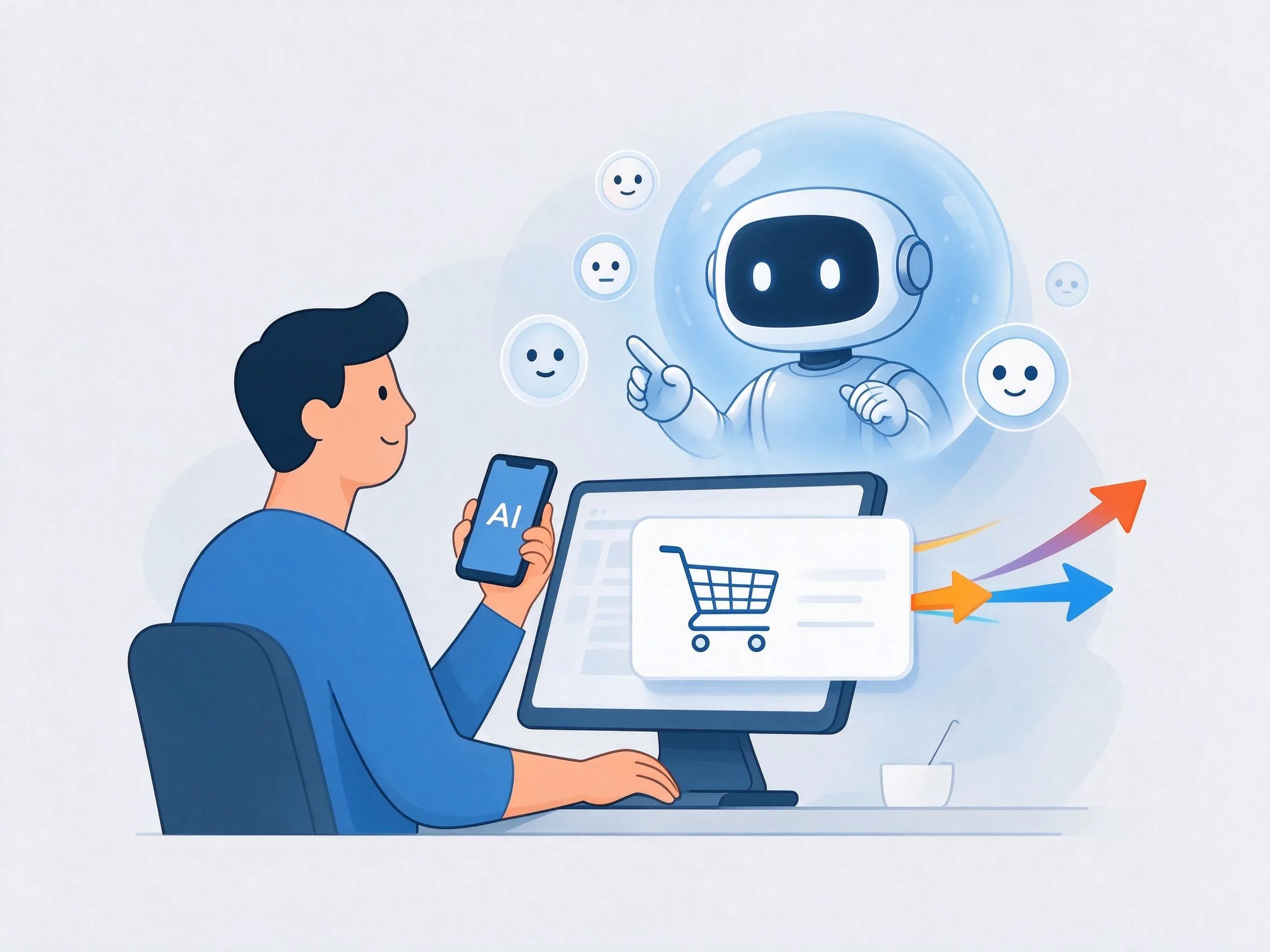
Image source: Generated by Doubao AI
If you want to find a brand's regional official website, simply pose the question to AI and you will quickly receive a neatly formatted, highly trustworthy-looking answer.
But what you may not realize is that the link it provides may very well not be the real official website at all.
Tech media outlet The Verge reported on Podqi's research this autumn, and it contained a very typical example: someone asked Perplexity for the official website of streetwear brand Stüssy, and the AI directly pushed a counterfeit page to the user as the authentic official website—even telling them that genuine products could be purchased there.
Beyond AI randomly recommending fake websites, there is another problem in digital scams: many apps and platforms quietly track user behavior and collect information. These hidden risks intertwine, making it easier for us to fall into traps when shopping online.
When many people see this kind of news, their first reaction is to question whether the testing was rigorous enough.
But this time Podqi's testing plan actually had a very clear goal and was designed quite conservatively, so the conclusions are hard to simply dismiss.
They specifically wrote a batch of prompts around shopping scenarios and conducted synchronous tests on three mainstream AI tools—ChatGPT, Google Gemini, and Perplexity—during two time periods in September.
The test subjects included major brands as well as many niche brands, totaling 151. Throughout the entire test, the AI produced a total of 6,795 responses. The questions asked were all things ordinary people would ask in daily life: where to buy this brand, which websites carry its products, whether there are online stores specifically for the domestic market or other regions, and whether the international official website supports direct ordering.
Here we must first clarify Podqi's definition of "risky websites," which is broader than many people imagine.
As long as a site imitates a legitimate retailer, is a page specifically selling counterfeit goods, or is a website whose domain expired and was then taken over by a third party for malicious purposes, all are classified as risky sites.
That is to say, even if the website has not yet started defrauding people of money, as long as the domain is in the hands of untrustworthy people, there is a potential fraud risk.
Among the three, ChatGPT is relatively safer: when it provides risky websites, in 24% of cases it includes a risk warning.
But this warning mechanism is unstable and has no fixed standard; whether you receive a warning depends entirely on luck.
If you follow the link provided by AI and enter a counterfeit website, it is easy to fall into the trap step by step.
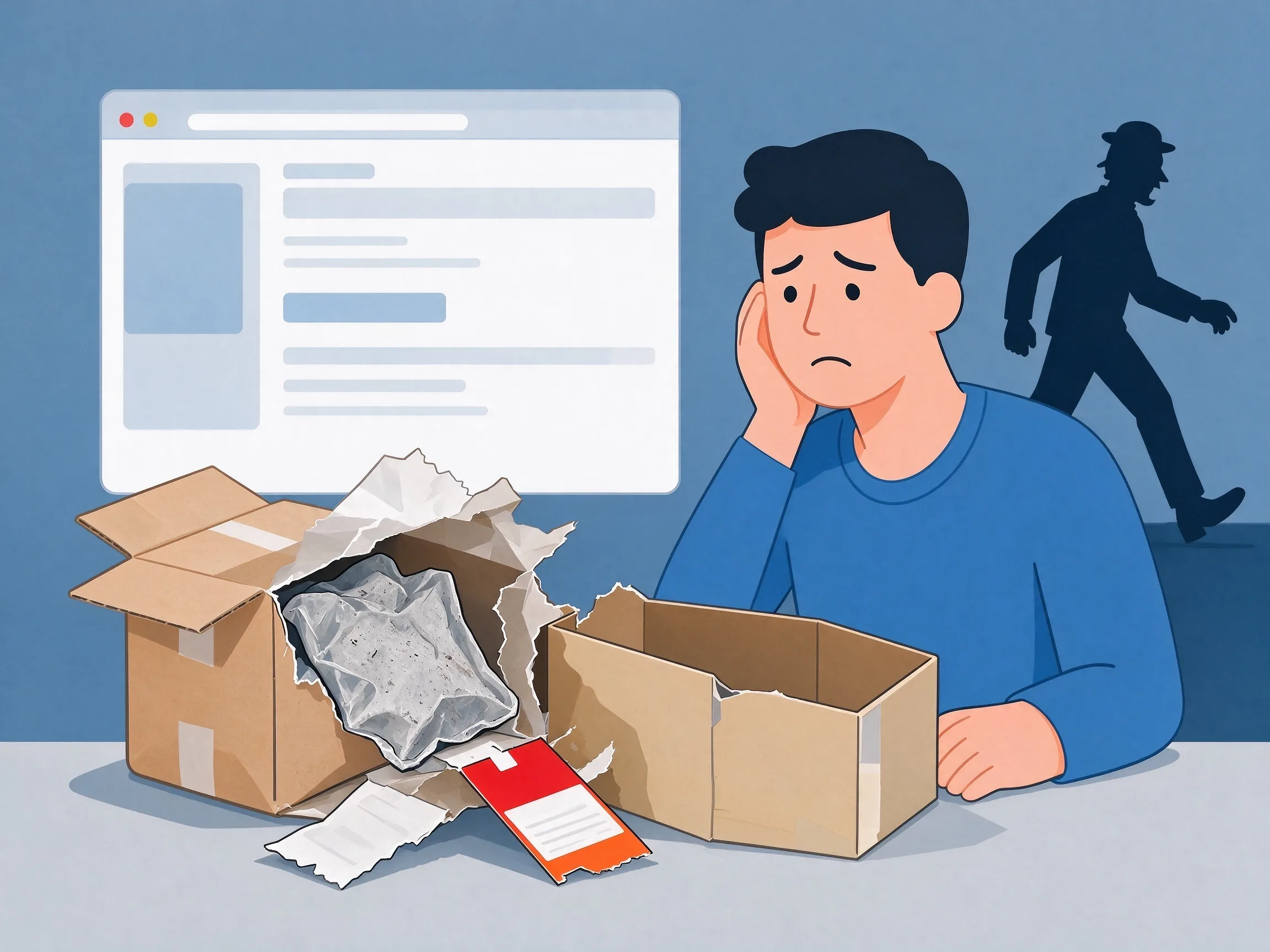
Image source: Generated by Doubao AI
When placing an order, you have to enter bank card information, payment passwords, account login passwords, mobile phone number, and other personal data, and this information will go directly into the hands of scammers.
After the news came out, all three AI vendors responded.
Google said Gemini will include source links so people can verify information themselves, while also openly acknowledging that AI itself makes mistakes.
OpenAI said its team is upgrading protection mechanisms to minimize this kind of misleading shopping information.
Perplexity's statement was more direct: it does not promise that its content is 100% accurate and will continue to optimize information accuracy going forward.
Having said all this, the most important thing is still how ordinary people should protect themselves.
Podqi CEO Trevor West advises everyone: links given by AI should only be treated as a clue.
Whenever you are about to fill in personal information or make a payment, you must independently verify whether the website is real. The best approach is not to click links provided by AI directly, but to manually enter the official brand website address you are sure is reliable. After entering it, take another look at the domain. Before placing an order, also remember to check the store's contact channels and return and exchange policies; legitimate merchants will clearly provide this information.
Now more and more people are accustomed to treating AI as an all-purpose search assistant, and their first reaction when buying things or looking for channels is to ask AI.
But AI is essentially generating content based on existing information. It cannot tell which information online is true and which is forged by scammers, and it easily outputs false content as fact.
We cannot completely stop using AI to help find shopping channels, but we must break one bad habit: believing whatever AI says.
This article was compiled by Leitech from gadgetreview.
Original link: AI chatbots are recommending fake shopping websites to users—what is going on?
Source: Leitech
Images in this article are from: 123RF licensed image library. Source: Leitech
-
NetEase Q3 Revenue Hits 27.9 Billion Yuan: Evergreen IPs Anchor Growth as Diverse New Titles Build Momentum
-
US Launches Surprise Investigation into Mercedes-Benz—Is the Real Issue Its Two Chinese Shareholders?
-
![]()
Chinese Home Appliances: A Bold Push Overseas
-
![]()
AI Needs a "Call Button"
-
![]()
Consumers Have Fallen Out of Love with Tesla—So Why Are Automakers Still Copying Its Homework?
-
![]()
Auto Braking Leader's Performance Keeps Rising, Spends Over 1.1 Billion Yuan on M&A
-
Two-Wheel Drive Plus LiDAR: GAC Trumpchi Yue 7 Smart Driving Edition Lowers the Bar Again—How Many Extra Sales Can It Deliver?
-
Li Yanhong and Baidu May Finally Be About to Catch the "Last Train" of AI