Doubao Second-Generation Phone Makes a Comeback! From Forced Entry to Polite Knocks, Will It Triumph This Time?
 09/17 2026
 487
487
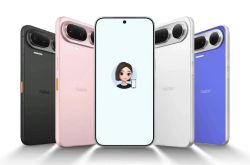
On September 16, 2026, the Nubia NaviX Ultra, widely recognized as the Doubao Second-Generation Phone, officially hit the market. It raked in over 100 million yuan in sales within just the first second, with pre-orders on JD.com surpassing 370,000 units.
Yet, what truly warrants attention extends beyond these impressive sales figures—it's the completely different strategy underpinning this phone.
Nine months prior, the first-generation Doubao Phone faced a collective blockade from WeChat, Alipay, and banks due to its forceful manipulation of apps.
Fast forward nine months, and the second generation has opted for a starkly contrasting approach—no more forced entry, but polite knocking instead.
01 First Generation: Cutting-Edge Tech, Misguided Approach
In December 2025, the first-generation Doubao Phone was introduced at a price of 3,499 yuan, with 30,000 units quickly snapped up. On secondary markets, prices skyrocketed to as high as 7,999 yuan.
Its standout feature was the GUI Agent, which empowered AI to interact with the screen just like a human—seeing buttons, tapping them, and automating cross-app operations.
Want to send a WeChat message? It would seamlessly open WeChat, locate the contact, type out the message, and hit send—all without WeChat's prior consent. 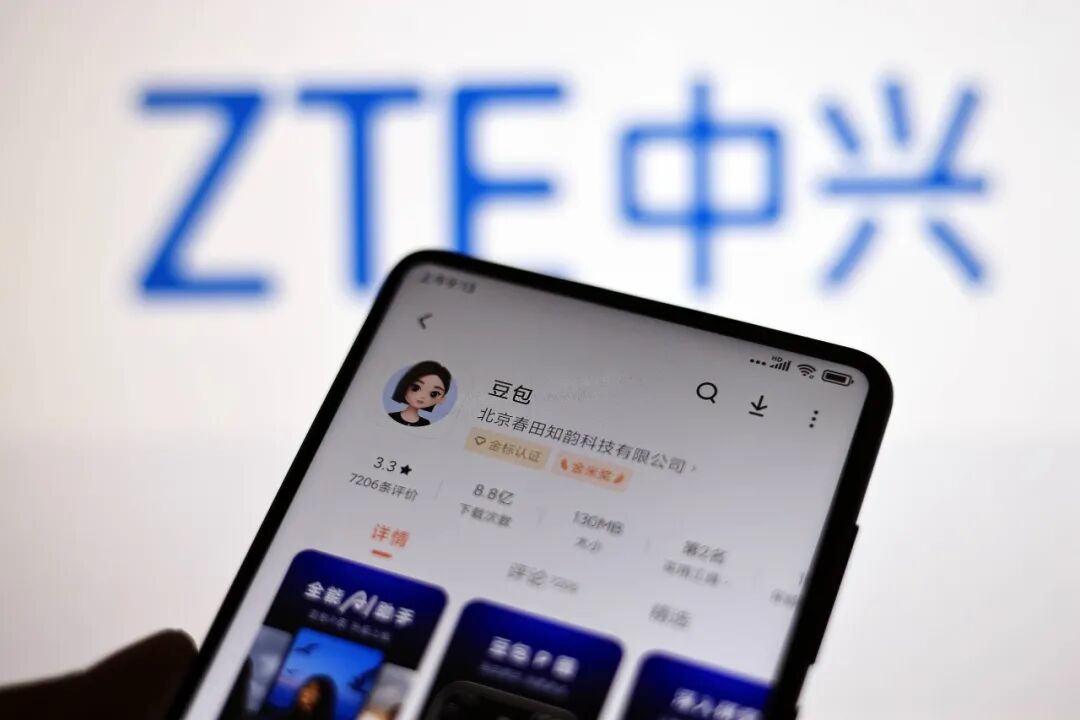
Image Source: Internet
But therein lay the issue.
The day after its launch, users attempting to operate WeChat via Doubao encountered abnormal login alerts and were forcibly logged out. Taobao prompted for verification codes, while mobile banking apps like ABC and CCB suspended logins and payments due to "risky environments."
Within days, major national-level apps had blacklisted the Doubao Phone Assistant. The rationale was simple: WeChat couldn't differentiate between a genuine user and an automated script, and Doubao offered no compelling reason for trust.
No agreements, no APIs, no prior communication—just simulated clicks.
The first generation's downfall could be succinctly described as attempting to force entry without a valid ticket.
02 Second Generation: Exchanging Protocols for Access
On September 14, the consumer version of the Doubao Phone Assistant was officially unveiled, introducing a mechanism known as SAEP (Screen Automation Operation Declaration Protocol) and initiating a 30-day public rule review.
The protocol's core principle is straightforward: third-party apps can autonomously declare their operational boundaries.
Apps have the option to permit or deny AI assistants from performing screen automation within their interfaces or to impose restrictions on specific actions like screenshots, simulated inputs, or content modifications.
In layman's terms, the first generation's mindset was "I can operate you," whereas the second generation's is "I'll use whatever you're willing to let me use."
This signifies a transition from breaking in through a window to knocking on the door.
The second generation no longer forcibly simulates clicks but prioritizes protocol-based calls.
Want to send a WeChat message? Doubao dispatches the instruction to WeChat, which then executes it. Need to hail a ride? Doubao informs Didi, which dispatches the driver.
03 Compliance Achieved, But Capabilities Diminished
However, knocking comes with a price—if no one answers, nothing gets accomplished.
On September 16, reporters from National Business Daily tested the actual device and discovered that the Doubao Phone Assistant still couldn't automate operations within WeChat, Xiaohongshu, Meituan, or Taobao. Only ByteDance's ecosystem was relatively well-integrated.
WeChat currently permits only partial capabilities, such as voice messaging and audio/video calls, but not payments or transfers. Automation within super apps like Taobao and Meituan remains restricted. 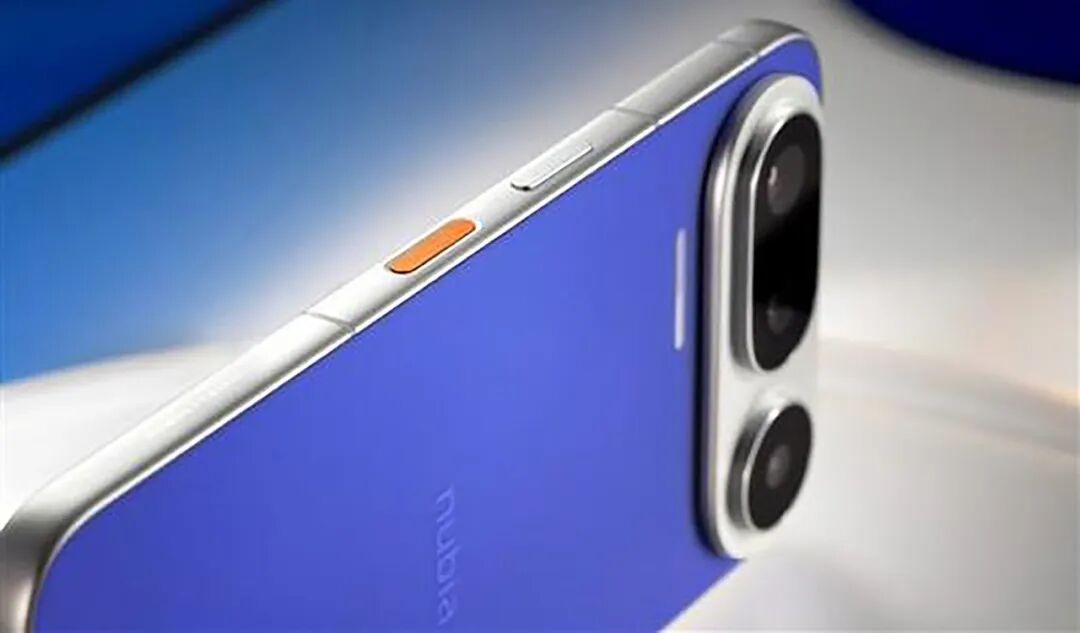
Image Source: Internet
In essence, the second generation's core selling point—cross-app automation—may boast even narrower coverage than its predecessor.
While the first generation was blocked, it could at least force tasks before being shut down. The second generation relies entirely on app developers' openness; without it, AI degrades into advanced Q&A.
04 The Real Adversary Isn't Technology—It's Business Models
Why are super apps hesitant to open up?
If Doubao can directly assist users in ordering food, shopping, or hailing rides, do users still need to open Meituan, Taobao, or Didi? 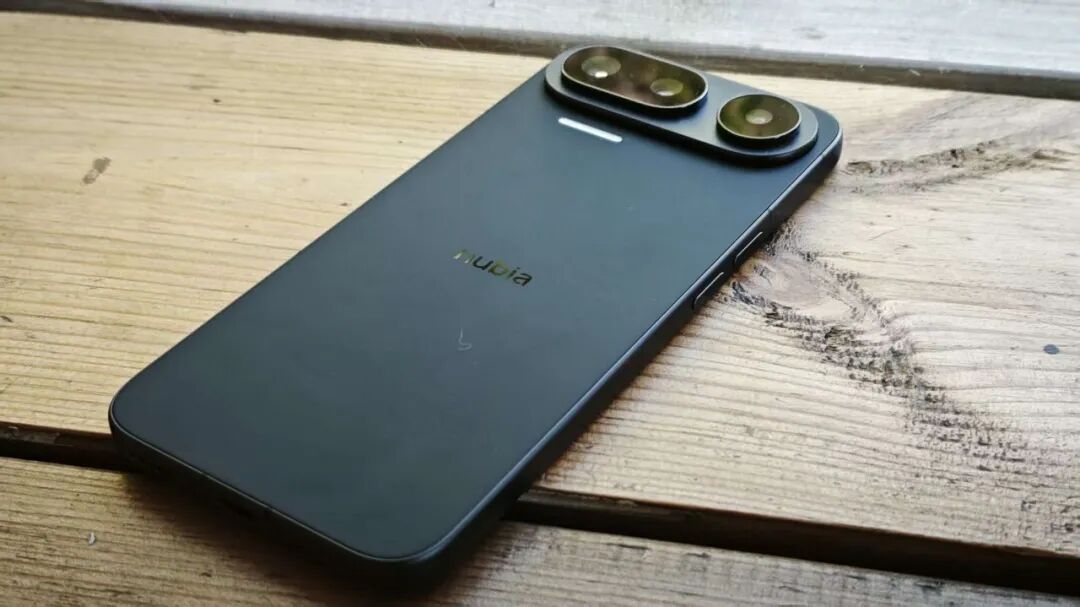
Image Source: Internet
No.
Users would simply tell Doubao their needs, and it would get the job done. What then becomes of these apps' daily active users? Who views their splash ads?
Super apps' business models hinge on users opening their apps. Only then can ads be displayed, recommendations served, and conversions made.
Doubao aims to eliminate this prerequisite. Surrendering control equates to surrendering the business model.
05 What Is Doubao Betting On?
ByteDance's gamble is founded on a psychological assumption: the allure of convenience may outweigh fears of privacy loss.
Following the first generation's launch, many users perceived AI not as high-tech but as a laborer—saving them hundreds of taps daily, with occasional bugs being tolerable.
If the second generation can perfect one-sentence task completion, users will become reliant. Once reliant, platforms will have to open up; otherwise, users will flock to those that do.
This represents a long-term battle between user habits and commercial interests.
Whether the Doubao Second-Generation Phone succeeds hinges not on model capabilities but on collective choices by phone manufacturers, developers, regulators, and the market.
The first generation demonstrated that technology can forcibly disrupt ecosystems, but commercial rules will inevitably push back.
The second generation poses a new question: when AI respects rules, how much control will rule-makers relinquish for the sake of user convenience?
The answer may hold greater significance than the success or failure of any single phone.
#DoubaoSecondGenPhone #DoubaoPhone
-
![]()
Can Doubao Mobile Phone II, Which Has Learned to 'Knock,' Exchange 380 Million Monthly Active Users for Ecosystem Openness and Scheduling Rights?
-
Congratulations! In iPhone Duo, China’s Supply Chain Secures a Leading 40% Value Share
-
![]()
GAC Acquires Stake in FAW Toyota: The Merger of North and South Toyota Unveils the Complex Landscape of China’s Auto Market
-
![]()
[Electrical Equipment] 45 BRT Pure Electric Mining Trucks Supplied to Chaonaoliang Coal Mine
-
![]()
FAW Acquires Stake in Leapmotor
-
![]()
From Booming Stocks to Trading Halt: Why is the Market So Optimistic About FAW's Investment in GAC?
-
![]()
US and Europe Act in Unison, Chinese Automakers Confront Dual Barriers in Global Expansion
-
![]()
Will the 'Size Arms Race' in the Auto Industry Reach Its End?