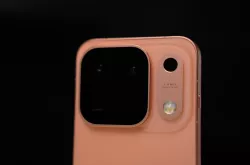
OPPO Find X10 Pro Max Imaging Review: Perfect for Beginners in Street Photography, The Only 'All 200MP' Claim That Stands Up
 09/23 2026
 342
342
Is 'All 200MP' the Next Big Thing?
OPPO's latest flagship phone has finally made its debut.
In recent years, smartphone manufacturers have been launching new models earlier each year. The OPPO Find X9 series was released on October 16 last year, while the Find X10 series hit the market on September 22 this year. Unlike its predecessors, the Find X10 series does not include a 'Pro' version but introduces a 'Pro Max' variant instead.
This marks the first time in OPPO Find X series history that a 'Pro Max' suffix has been used, placing it above the 'Pro' variant. But does its hardware truly justify the 'Pro Max' label? After reading this review, you'll have your answer.
Let's start with the pricing. The OPPO Find X10 Pro Max is priced as follows:
12GB + 256GB: 6,799 yuan;
12GB + 512GB: 7,499 yuan;
16GB + 512GB: 7,999 yuan;
16GB + 1TB: 8,999 yuan.
Industry's Only 'All 200MP', Setting the Hardware Standard
An elevated positioning naturally comes with enhanced specifications. The OPPO Find X10 Pro Max's battery has been upgraded from 7,500mAh to 8,000mAh, and its chip has been upgraded to the 2nm process Dimensity 9600 Pro. The screen supports a maximum refresh rate of 144Hz. However, the phone's most notable upgrade lies in its imaging capabilities.
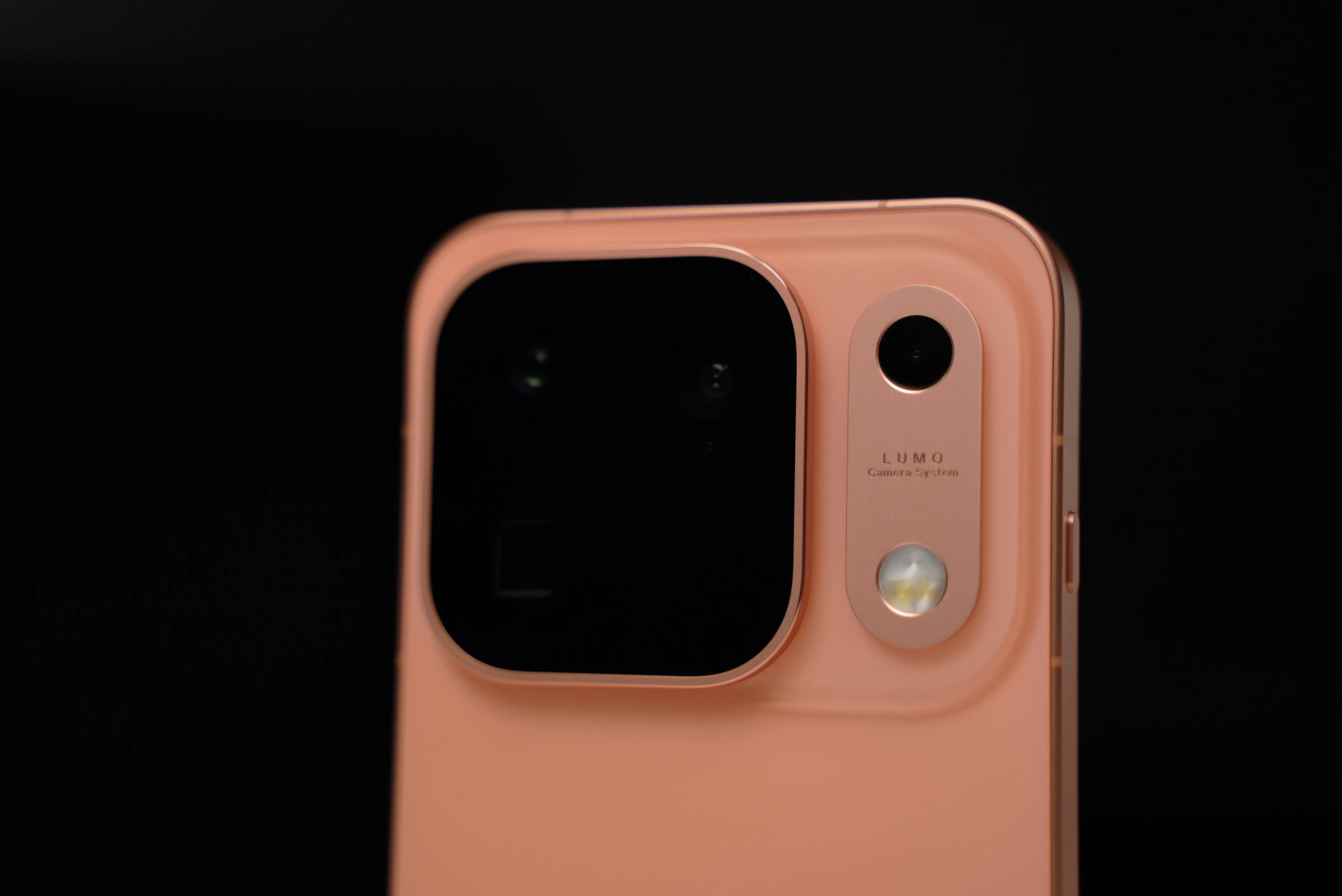
Today, top-tier flagships typically feature a 200MP primary camera, and some have upgraded their telephoto lenses to 200MP as well. However, ultra-wide cameras generally remain at 50MP. The OPPO Find X10 Pro Max is the industry's first and currently only phone to boast three cameras, all with 200MP resolution.
(Image Source: Leitech Photography)
Not only that, but all three cameras on the OPPO Find X10 Pro Max feature large sensors and wide apertures. The primary camera has a 1/1.3-inch CMOS sensor, 17EV ultra-high dynamic range, an f/1.5 aperture, and debuts DeepPix technology.
To provide a brief overview, DeepPix technology achieves a 60% increase in single-pixel full-well capacity compared to the previous generation by raising the photodiode potential, adopting dual vertical transfer gates, and a shared floating diffusion structure. Combined with 17EV high dynamic range, it produces brighter highlights and richer dark details in captured images.
The telephoto lens on the OPPO Find X10 Pro Max has a 70mm focal length, a 1/1.56-inch ultra-large sensor, an f/2.1 aperture, and supports CIPA 7.5 professional-grade image stabilization. The ultra-wide lens also features a 1/1.56-inch ultra-large sensor, an f/2.2 aperture, and a 124° field of view. Additionally, the phone is equipped with a second-generation Danxia color reproduction lens boasting 15EV ultra-high dynamic range.
With all three cameras featuring large sensors and 200MP resolution, the phone's camera module inevitably has a significant protrusion. Surprisingly, however, the phone's weight is evenly distributed, without a noticeable top-heavy feel. Like its predecessor with large rounded corners, the OPPO Find X10 Pro Max appears wide, and combined with its 6.78-inch large screen, it may be inconvenient for users with smaller hands to hold it with one hand.
Large Sensors Enhance Imaging Potential, Pixels Ensure Detail
The improvement in smartphone imaging capabilities in recent years is closely tied to hardware upgrades, ranging from 100MP sensors to 1-inch CMOS sensors. High pixel counts and large sensors endow smartphones with higher resolution potential, stronger bokeh effects, and better color gradation. Only by possessing a large sensor, high pixel count, and wide aperture can imaging quality be consistently guaranteed in various environments.
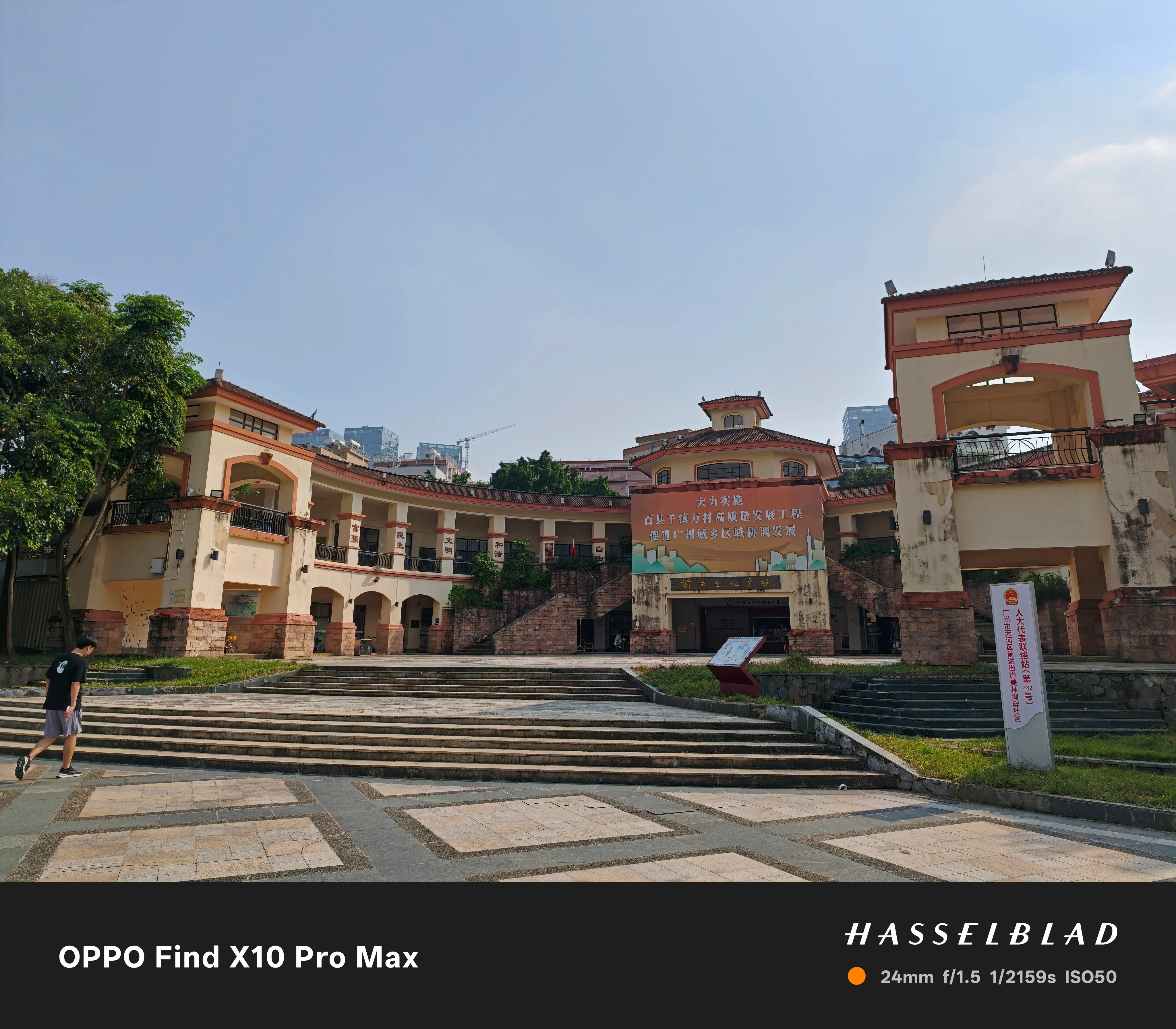
For instance, in this photo taken at a community cultural square, there is no typical issue of 'blurry dark details on the ground and severe overexposure in the sky.' The dark brick seams under the arcade and the highlights on the glass curtain wall in the distance are both visible. This is the actual effect of the Find X10 Pro Max's primary camera with 17EV single-frame dynamic range + ProXDR real-time HDR. It doesn't artificially brighten the dark areas to create a false sense of transparency; instead, it suppresses highlights while retaining dark details, resulting in a natural transition.
(Image Source: Leitech Photography)
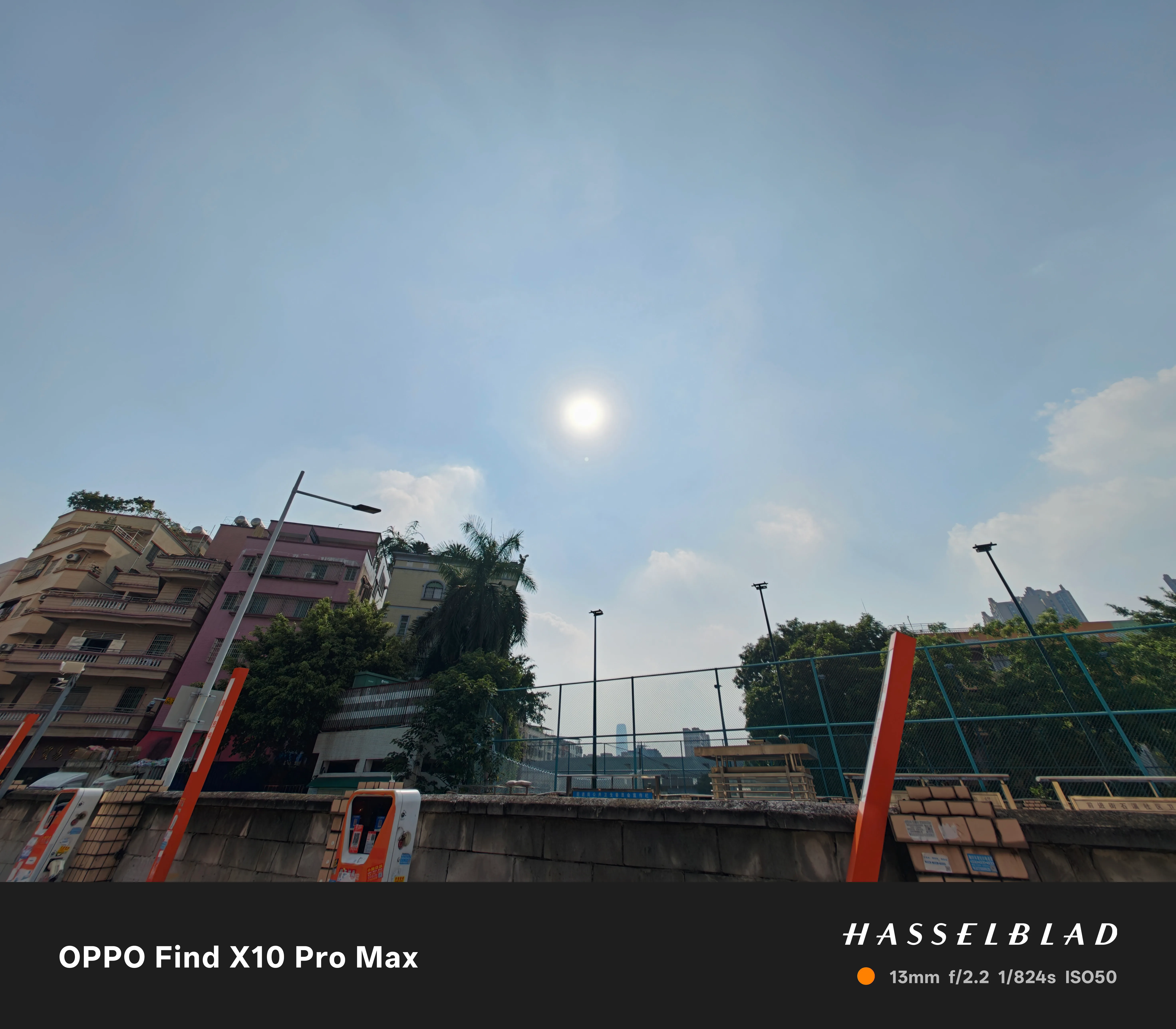
In this photo taken directly against the sun, the sun is rendered as a clean circular highlight without blooming, and the cloud layers are fully preserved.
(Image Source: Leitech Photography)
Backlighting + ultra-wide angle poses a significant challenge to a phone's ability to suppress highlights and maintain edge image quality. If a small-sensor ultra-wide lens were used, this scene would likely be overexposed.
Moreover, when strong light enters the lens module and reflects back and forth between the lenses, protective glass, and sensor, it can cast a virtual shadow of the light source on the CMOS, resulting in ghosting in the final image. However, in all photos taken with the OPPO Find X10 Pro Max, no significant ghosting is evident.
After 5:30 PM, when the light begins to weaken, the 'Hasselblad flavor' of the OPPO Find X10 Pro Max truly emerges. The sky transitions from grayish-white to pinkish-orange, with a beam of light leaking through the clouds. The distant city skyline is faintly visible through the mist. This type of scene is prone to appearing as a 'gray blur,' but this device preserves both the cloud layers and the river's reflections, with warm but not oversaturated colors, closely resembling what the human eye sees.
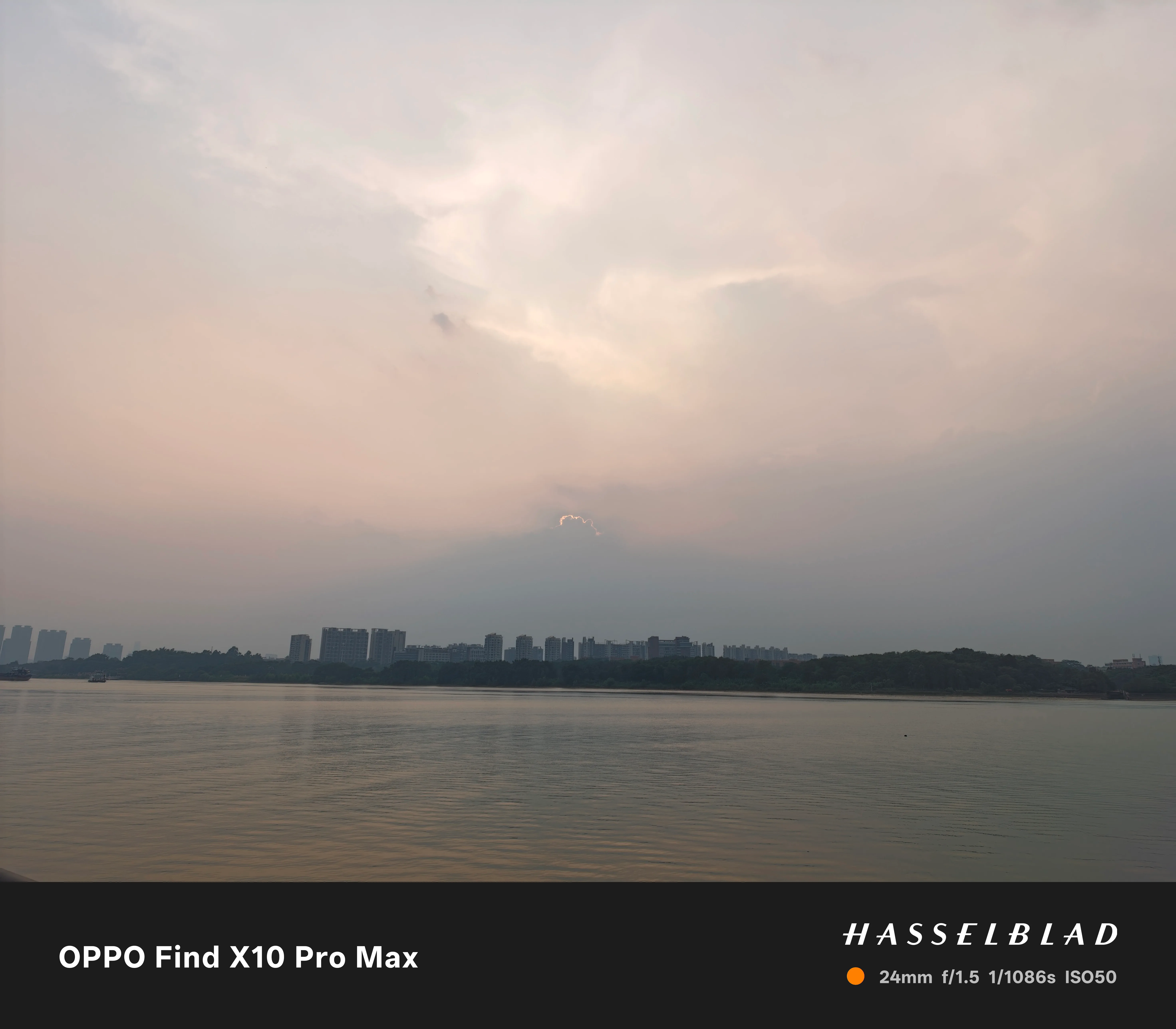
(Image Source: Leitech Photography)
Night scenes with complex light sources and uneven brightness distribution remain a pain point for smartphone photography. In the commercial street photo taken with the OPPO Find X10 Pro Max's telephoto lens, distant signage is clearly visible, and while the nearby dark areas are slightly dim, facial details can still be discerned.
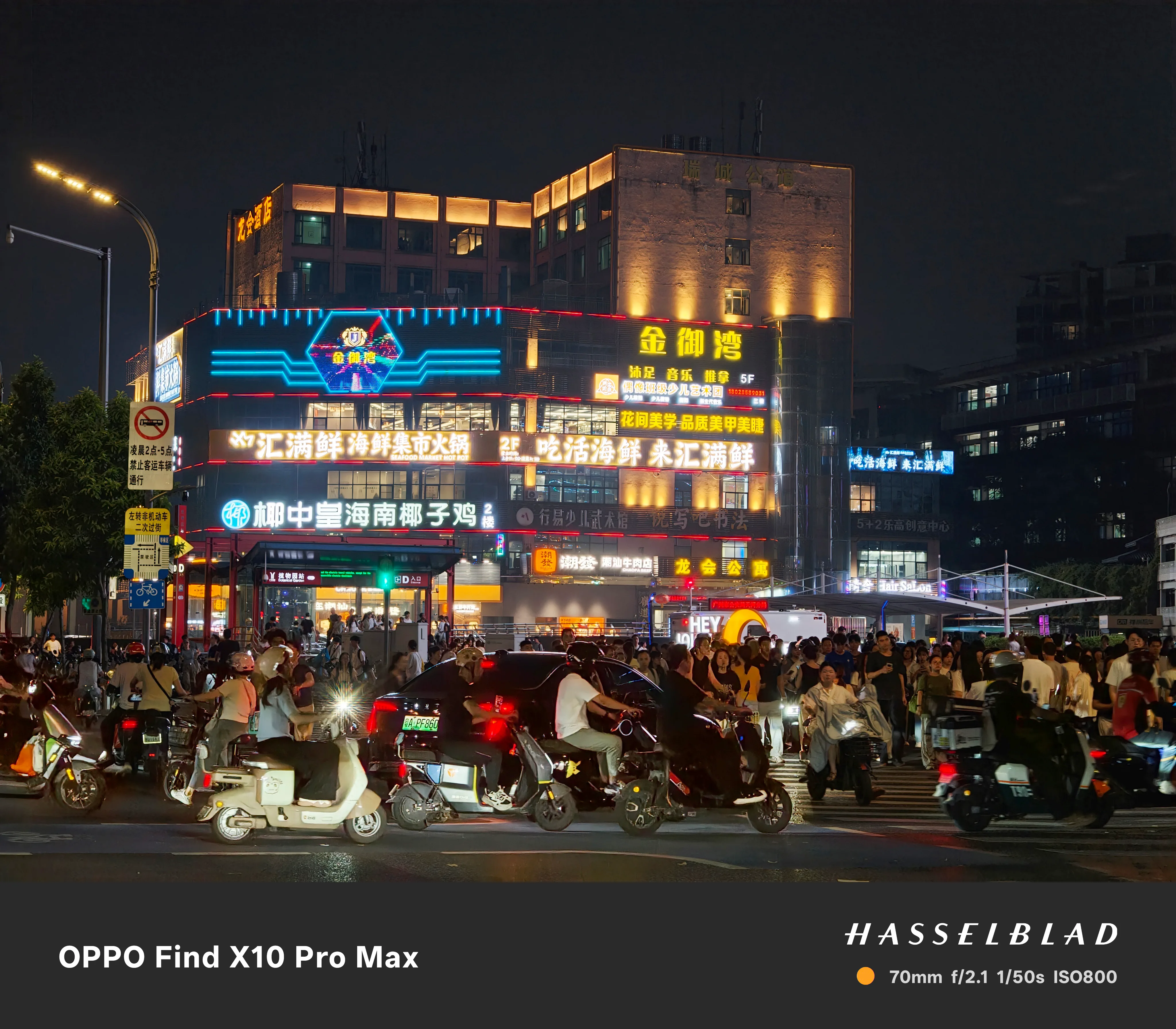
(Image Source: Leitech Photography)
Most importantly, the OPPO Find X10 Pro Max does not excessively brighten the photo. The shadows cast by distant lights on the wall are clearly visible, closely resembling what the naked eye sees.
Overall, the OPPO Find X10 Pro Max features saturated yet restrained colors. The green of plants is a deep, muted green, with suppressed saturation and no overflow.
Some may find it textured, while others may find it less appealing. This is related to the Danxia color scheme and the LUMO native light and shadow engine, which prioritize realistic reproduction over pleasing social media aesthetics.
From Seeing Far to Seeing Even Further
Today, when large-sensor primary cameras have become standard in flagship phones, Leitech believes that the telephoto lens is the soul of a phone's imaging capabilities. Its perspective compression can shorten the distance between objects. When taking portraits, faces are not stretched, and facial features are more proportionate. When capturing landscapes, distant buildings and mountains appear closer together, with a compact background hierarchy, resulting in a more layered and atmospheric image.
A narrow field of view in telephoto lenses also eliminates excess environment, resulting in cleaner compositions and highlighting the subject, equivalent to the lens directly assisting with composition. Many people find telephoto photos 'high-end' because the images are simpler.
The issue is that most telephoto lenses have small CMOS sensors, low pixel counts, and weak resolution, failing to adequately present details. When zoomed in, the details may even be inferior to those captured by cropping the primary camera. Fortunately, the OPPO Find X10 Pro Max's telephoto lens features both a 1/1.56-inch ultra-large sensor and 200MP resolution, with an f/2.1 aperture ensuring sufficient light intake.
For instance, in this photo of a creative park street, the parked cars, street trees, and distant buildings are rendered in gray tones with a hint of evening warmth, resembling a slightly filtered film look due to the clean image.
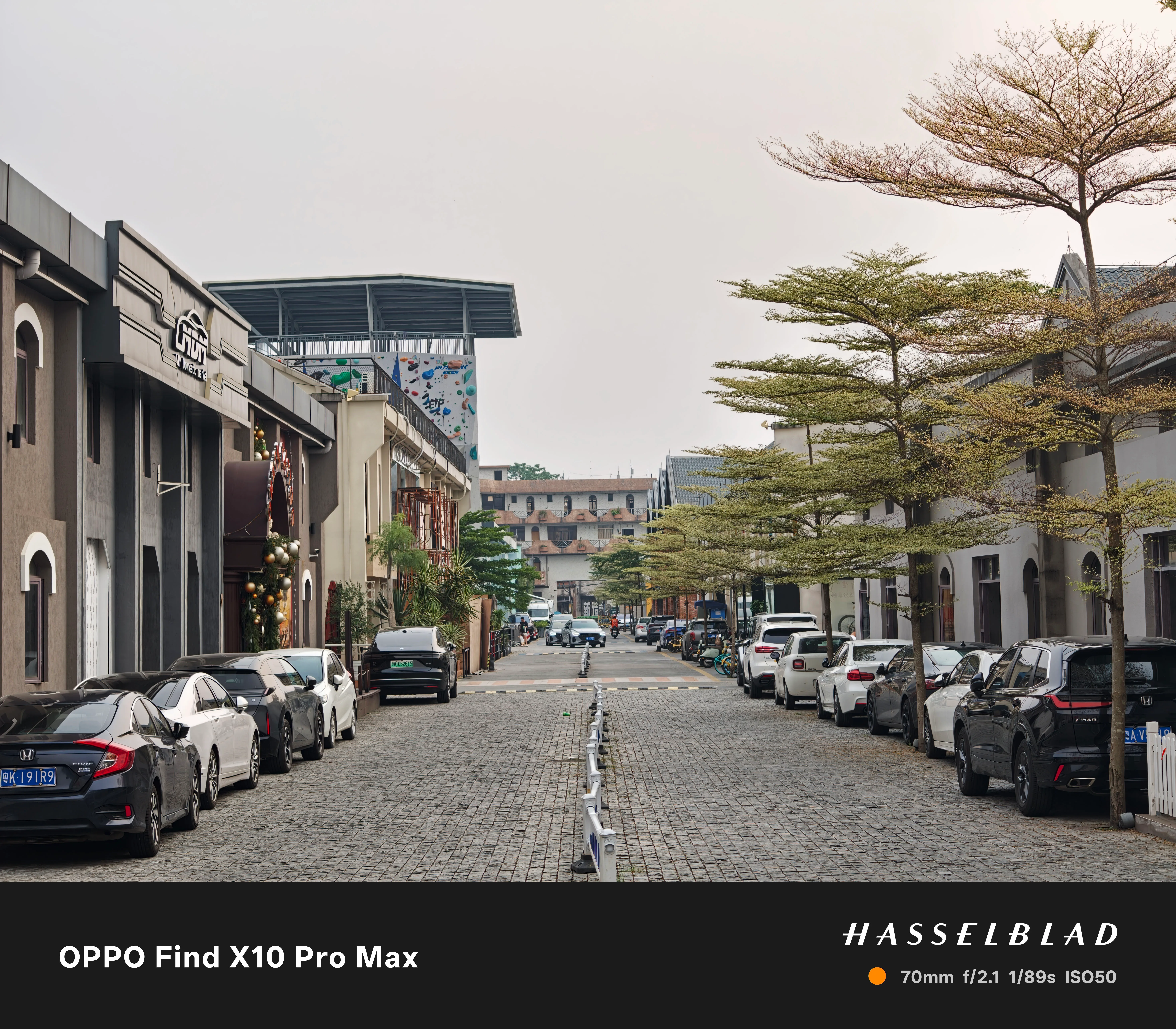
(Image Source: Leitech Photography)
Switching from outdoors to indoors, the OPPO Find X10 Pro Max's telephoto macro comes into play. The highlights on the cherry skin, the texture of the whipped cream, and the reflections on the glass wall are all preserved, with high pixels + a large sensor effectively showcasing the image details.

(Image Source: Leitech Photography)
In an era dominated by wide-angle macros, smartphones need to be extremely close to the subject to capture macro photos, which can easily block light and disturb insects. The OPPO Find X10 Pro Max's telephoto macro, however, allows you to shoot from a greater distance in a more comfortable posture.
Additionally, the OPPO Find X10 Pro Max supports LUMO-inspired composition. By aiming at the small circle on the screen and tapping lightly, composition is complete. For photography novices, the telephoto lens + inspired composition is sufficient for daily photography.
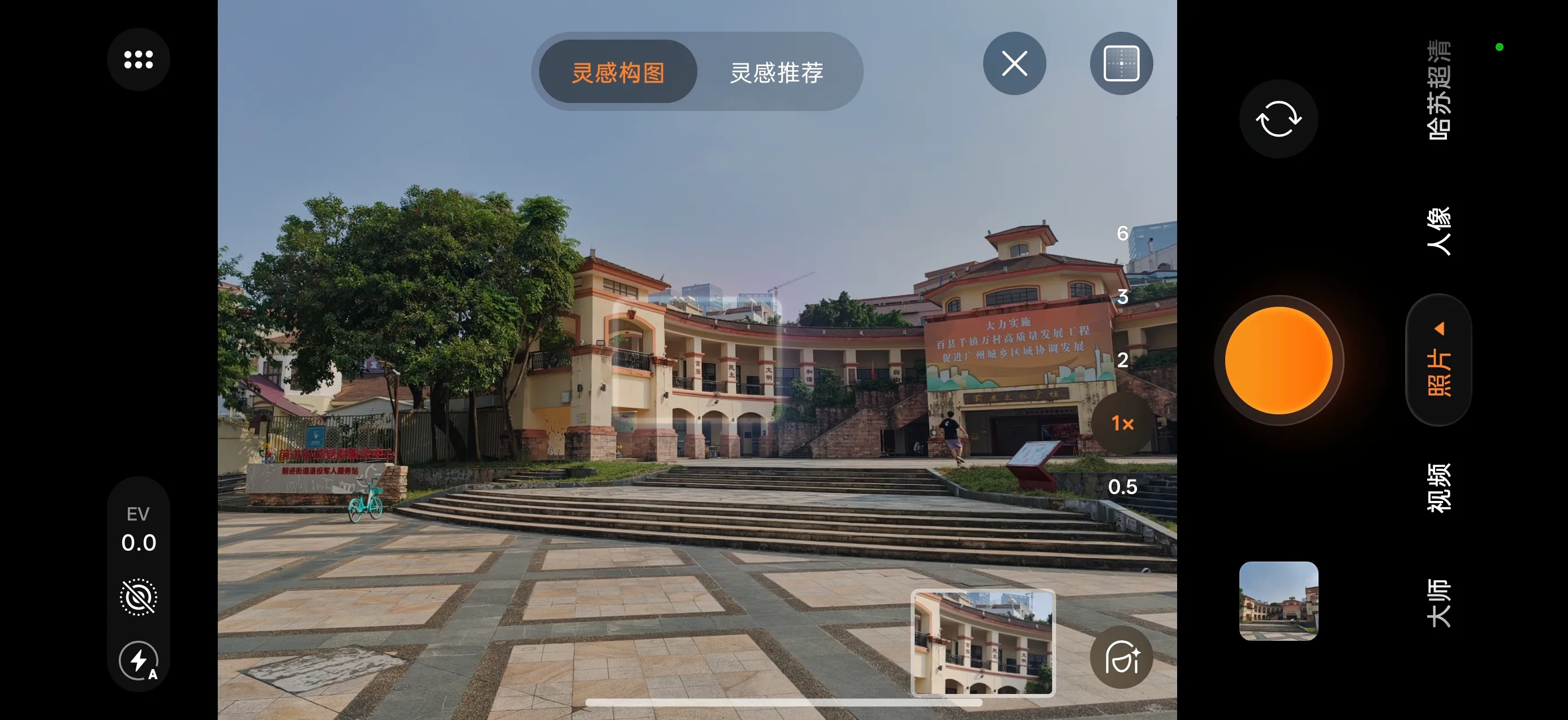
(Image Source: Mobile Screenshot)
If there's one regret about the OPPO Find X10 Pro Max, it's the lack of dual telephoto lenses. The 70mm focal length is adequate for daily photography but falls short for distant scenes like concerts. However, the OPPO Find X10 Pro Max offers another solution: a teleconverter.
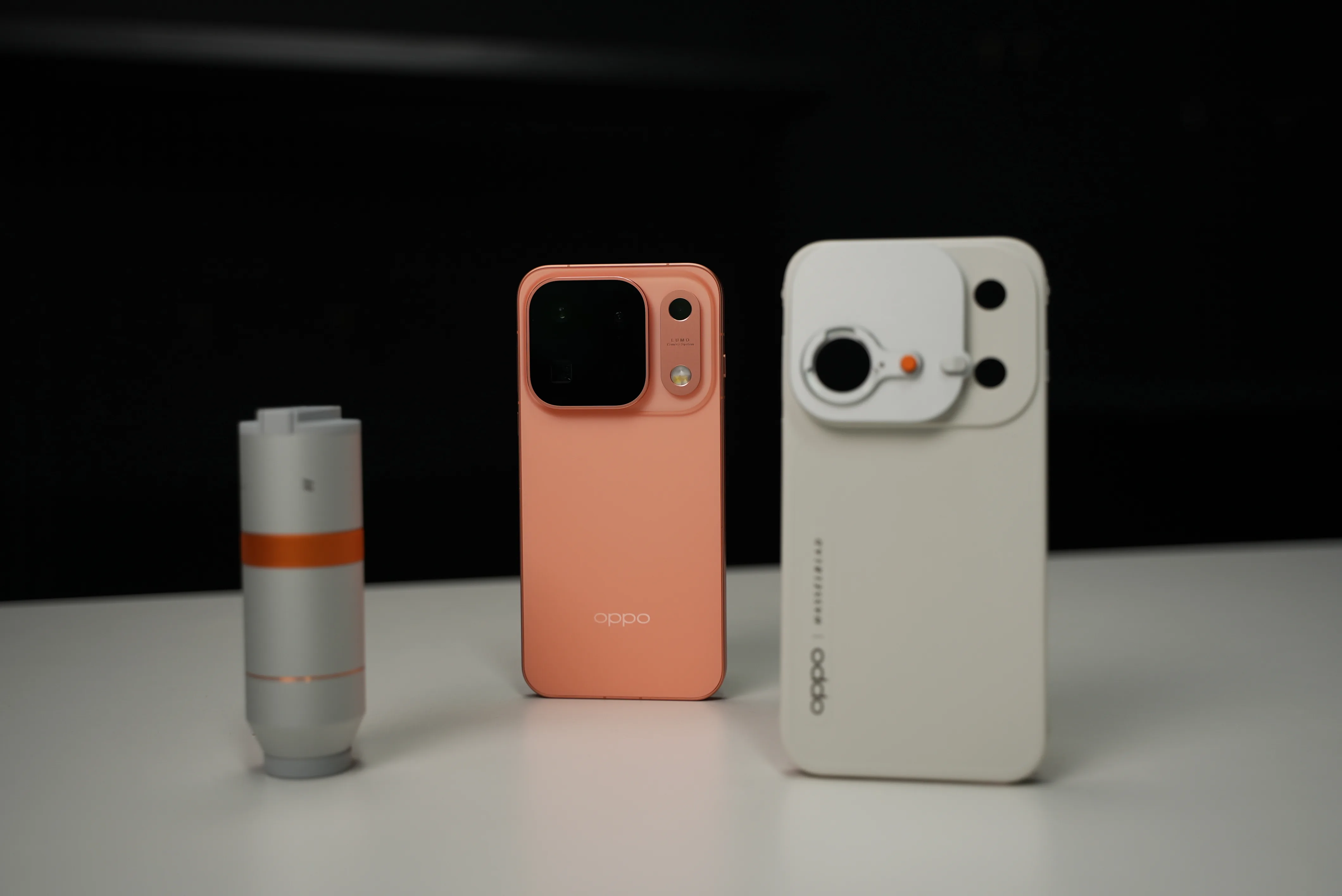
(Image Source: Leitech Photography)
With the teleconverter attached, the OPPO Find X10 Pro Max's focal length can exceed 230mm. This optical zoom achieved through a teleconverter far surpasses the combination of telephoto + cropping. For example, when photographing boats on the Pearl River at 70mm, the objects are not prominent, and the details are very blurry when zoomed in, with unclear text.
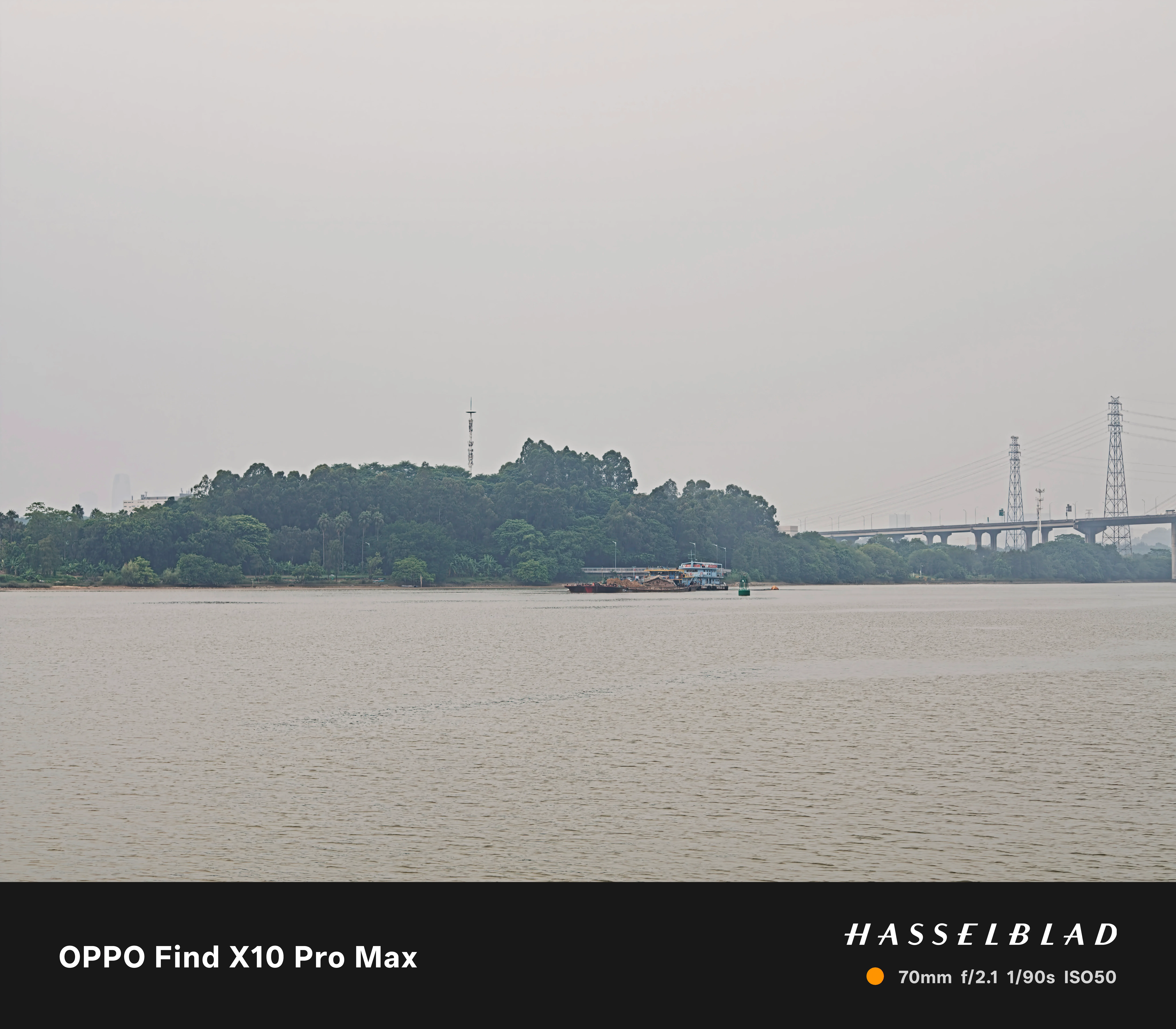
(Image Source: Leitech Photography)
After attaching the teleconverter and shooting at 230mm, not only is the boat's subject more prominent, but the text 'Sinopec' remains clear when zoomed in. Of course, focal lengths between 70mm and 230mm still require cropping on the OPPO Find X10 Pro Max.
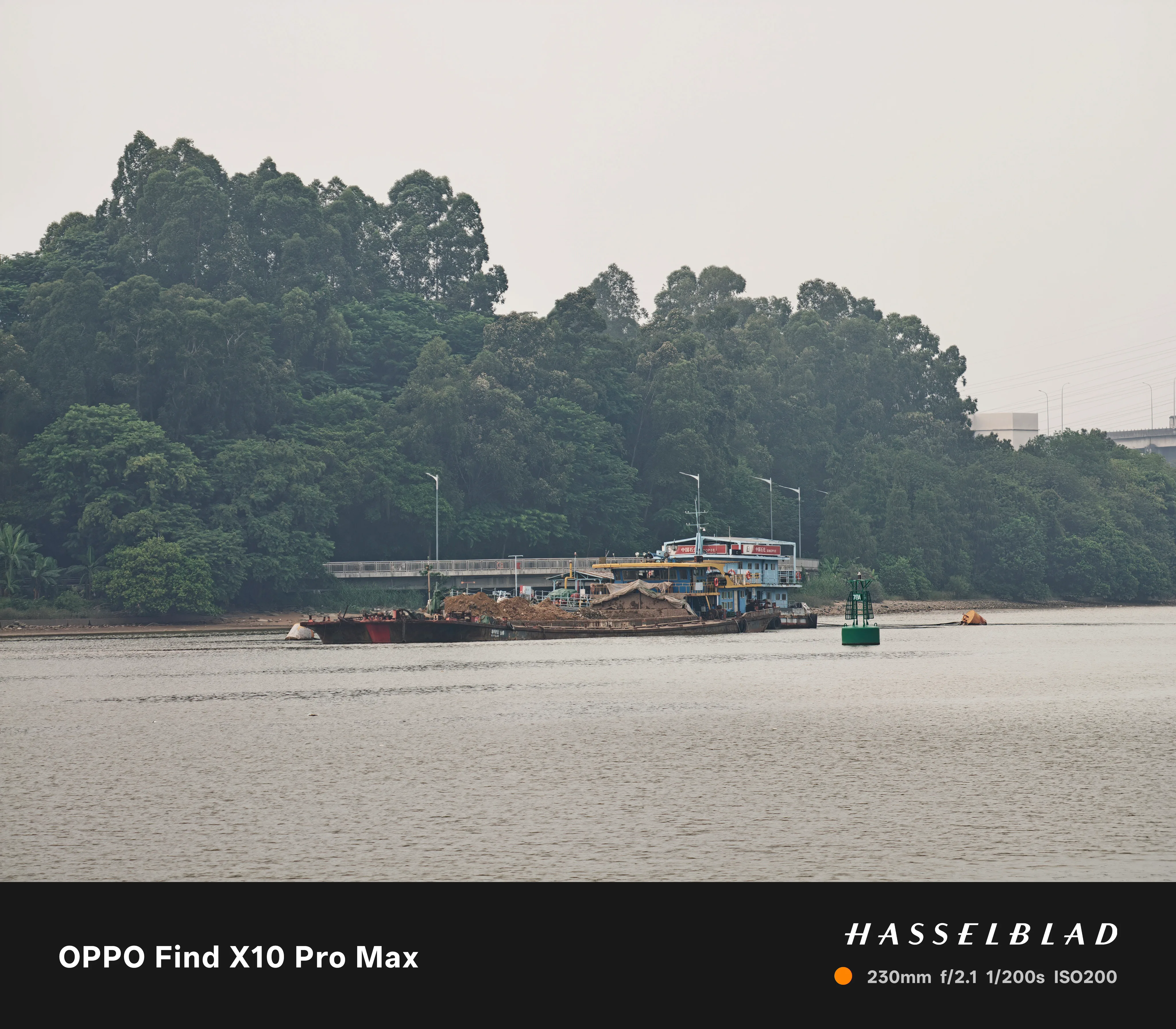
(Image Source: Leitech Photography)

(Zoomed-in partial frame; Image Source: Leitech Photography)
In the past, when taking photos with a smartphone, we had to judge for ourselves how far to stand, which zoom level to use, where to place the subject, and whether the background would be cluttered. The OPPO Find X10 Pro Max's narrow telephoto field of view helps us 'eliminate excess environment,' and LUMO-inspired composition further aligns the small circle with the subject. After these two steps, the image is already a clean, well-perspectived, and subject-highlighted photograph.
The OPPO Find X10 Pro Max's native 13mm, 24mm, and 70mm focal lengths, combined with the teleconverter, essentially cover all scenarios. For the vast majority of users who are not photography enthusiasts and simply want to capture attractive daily photos, this phone bridges a significant portion of the gap between 'knowing how to photograph' and 'not knowing how to photograph.'
Conclusion: A 'Near-Ultra' Imaging Flagship with No Shortcomings
Finally, following Leitech's review tradition, here's a brief summary of the OPPO Find X10 Pro Max's pros and cons:
Pros:
1. Exceptional resolution from all three 200MP lenses;
2. LUMO-inspired composition is ideal for photography novices;
3. Further improved battery life, suitable for all-day street photography;
4. A style that increasingly pursues color accuracy.
Cons:
1. Lacks dual telephoto lenses.
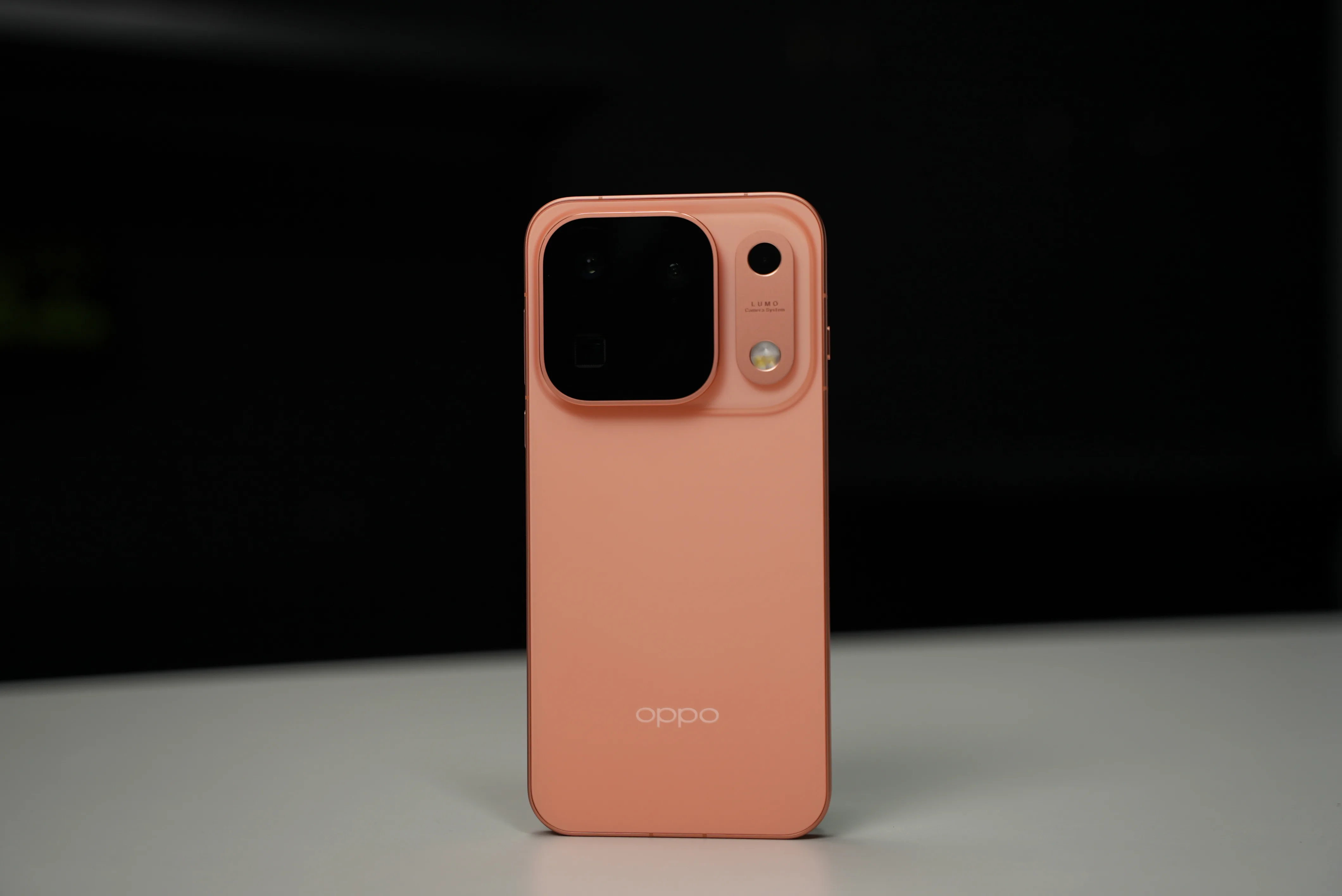
(Image Source: Leitech Photography)
Unlike many phones that overly rely on algorithms, the OPPO Find X10 Pro Max takes a more straightforward but solid approach. It brings all three lenses to the same level, allowing you to use the 13mm ultra-wide angle all the way to the 70mm telephoto without any compromise in image quality.
This design reminds Leitech of the grand occasion when the OPPO Find X6 series was released in the first quarter of 2023. At that time, some flagship phones still featured small-sensor 'filler' lenses, but the Find X6 Pro was equipped with three large-sensor 50-megapixel
-
![]()
Apple Relies More on Scalpers Than Ever Before
-
![]()
Starting at 235,800 Yuan! Honda Unveils Another New Model: Official Release Set for September 28
-
![]()
Starting from 122,600 Yuan? Subaru Unveils New Model: On Sale from September 22
-
![]()
In-Depth Performance Analysis of iPhone 18 Pro: Unmatched Superiority, Enhanced Cooling, and the Advantages of 2nm Chip Technology
-
![]()
OPPO Find X10 Pro Max Imaging Review: Perfect for Beginners in Street Photography, The Only 'All 200MP' Claim That Stands Up
-
![]()
QianWen Computers Have Arrived! When Thought Becomes a Tradable Good, Alibaba’s Ambitions Reach Farther Than You Think
-
![]()
AI Office Track: A Telecom Operator Makes Its Debut
-
![]()
The AI Landscape Evolves: How Can Kimi Bridge the 'Dark Side of the Moon' Gap?