FAW Achieves New Milestone in Solar Charging! Why Is It So Challenging for Cars to 'Harness the Sun'?
 08/31 2026
 820
820
Vehicle-mounted photovoltaic technology still primarily finds its application in luxury vehicles.
Recently, FAW in China has made another remarkable achievement! They have successfully prepared the world's first perovskite photovoltaic sunroof prototype, marking the first-ever integration of perovskite photovoltaic modules into double-curved automotive safety glass within the industry.
According to FAW, this sunroof prototype can generate nearly 300W of power under optimal sunlight conditions and produce an average of 400kWh of electricity annually. In the future, if the glass and body panels on the roof, hood, and other parts are replaced with perovskite photovoltaic power generation equipment, it could theoretically generate up to 10kWh of electricity per day.
However, lofty aspirations often clash with harsh realities. Setting aside the challenge of covering the entire vehicle body with perovskite photovoltaic modules, even if technological breakthroughs are achieved, power generation will still be subject to sunlight intensity, necessitating the vehicle to be parked in an open area. The power generation capacity of the modules will also significantly diminish on cloudy days.
Nevertheless, the paradoxical reality is that, despite ongoing commercial controversies, players from traditional manufacturers to startups have relentlessly pursued the dream of enabling cars to 'harness the sun' over the past few decades.
Humans have long been exploring the concept of solar-powered vehicles.
As early as 2016, the predecessor team of the Dutch startup Lightyear developed a solar-powered car, Stella, capable of photovoltaic power generation. After Lightyear's official establishment, it began developing the mass-production model Lightyear 0 in 2019, with plans to commence production in the fall of 2022 at a staggering price of $263,000 (approximately RMB 1.768 million at current exchange rates).
However, by early 2023, Lightyear had declared bankruptcy and terminated the delivery of Lightyear 0, while the research and development of the second model, Lightyear 2, were also shelved.
Currently, Lightyear has laid off over 80% of its staff compared to its peak, canceled all vehicle research and development and production projects, and transitioned into a provider of vehicle-integrated photovoltaic (VIPV) hardware, controller, and software solutions. The Ariya concept car exhibited by Nissan earlier this year is a product of joint research and development between Nissan and Lightyear.
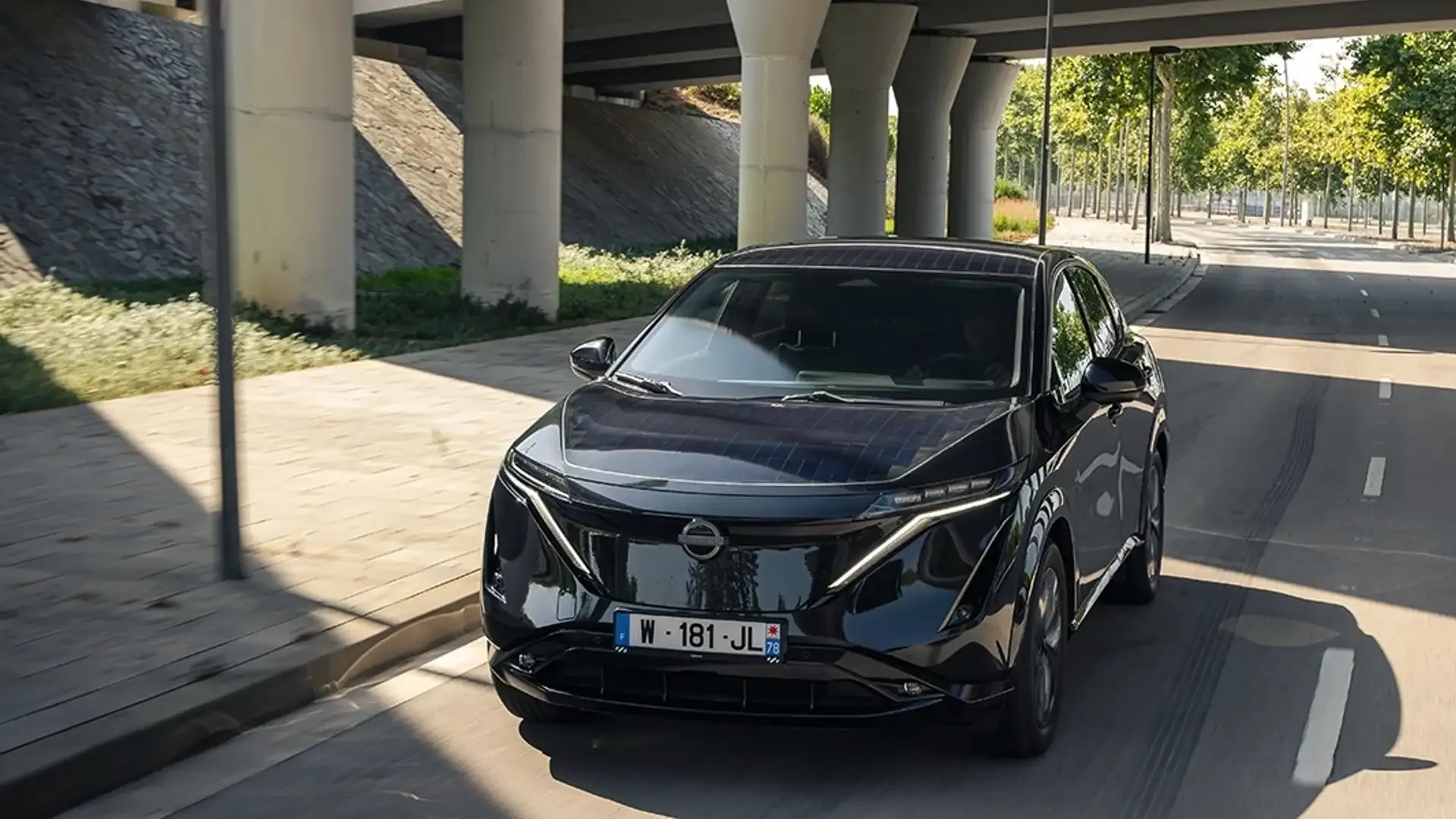
(Image Source: InsideEVs)
Toyota, a leading automotive industry player, attempted to incorporate solar panels into its popular hybrid model, the Prius, as early as 2010, but later scrapped the plan due to uncertainties. It wasn't until 2017 that Toyota offered an optional solar power generation panel kit for the Prius.
In 2022, Toyota provided an optional solar charging dome kit for its pure electric vehicle, the bZ4X, priced at a hefty 20,000 yuan. The company claimed that the solar charging dome could provide the vehicle with an annual driving range of 1,750 kilometers. According to previous calculations by Dianchetong based on an electricity cost of 1.5 yuan/kWh, under ideal conditions, it would take approximately 60 years for the vehicle owner to recoup the cost.
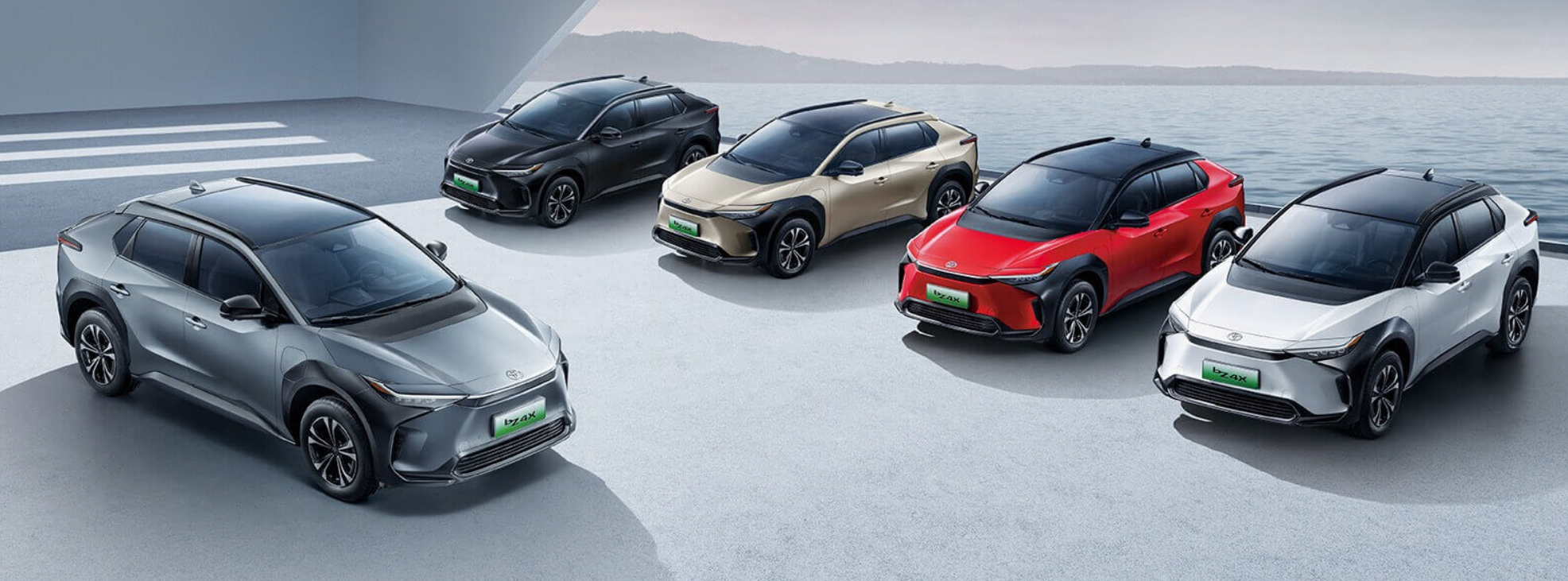
(Image Source: GAC Toyota)
Domestic companies also place great importance on vehicle-mounted photovoltaic technology. For instance, Hanergy Group unveiled four solar-powered car models in 2016, but none have been mass-produced to date.
Tesla, which has made significant strides in the field of residential photovoltaics, offers photovoltaic solutions centered around home energy storage scenarios rather than automotive products, demonstrating a clearer understanding compared to automakers like Toyota and Nissan.
The surface area of a car is limited. Even if the entire surface is covered with photovoltaic modules, the power generation capacity remains very limited and cannot meet daily travel needs. It can only reduce vehicle usage costs to a certain extent. Using photovoltaics as the primary energy source for driving vehicles may never be feasible.
Dianchetong (ID: dianchetong233) believes that automakers persist in 'harnessing the sun' for two reasons: first, influenced by environmental protection concepts, solar energy is the cleanest energy source, aligning with the global advocacy for energy conservation and emission reduction; second, the feeling of 'getting something for nothing' is simply too satisfying. After installing photovoltaic power generation equipment, there is no further cost to obtain solar energy, giving people a sense of great value.
Beyond economic considerations, vehicle-mounted photovoltaics still hold significant utility.
Consumers' rejection of solar-powered cars primarily stems from economic considerations. Opting for photovoltaic equipment costs tens of thousands of yuan, yet it can only generate a few hundred kilowatt-hours of electricity annually. Theoretically, it would take decades or even over a century to recoup the cost. Considering the lifecycle of a vehicle, it may never be possible to recoup the cost. If cost savings are the sole criterion for evaluation, vehicle-mounted photovoltaics indeed lack cost-effectiveness.
However, in today's era of increasingly rich intelligent configurations in new energy vehicles, Dianchetong sees more possibilities for photovoltaic devices in vehicle-mounted scenarios.
Take myself as an example. I rarely drive my car but worry about battery drain during long-term parking, so I always have to find time to charge it.
Additionally, new cars now commonly feature a sentinel function, where the cameras consume approximately 1-3kWh of electricity per night when in operation. Many users turn off the sentinel mode to save on electricity costs, only to find themselves without video evidence in case of vehicle scratches, leading to a dilemma.
Some vehicles also come equipped with a built-in refrigerator. Considering the risk of battery drain and energy consumption, the refrigerator is generally turned off when the vehicle is off, preventing users from enjoying cold drinks immediately upon entering the vehicle.
The integration of photovoltaic power generation modules changes this situation. When the vehicle is parked outdoors, the photovoltaic modules continuously generate electricity, fully covering the parking energy consumption such as 24-hour sentinel monitoring, parking ventilation, infotainment system standby, and low-voltage device power consumption.
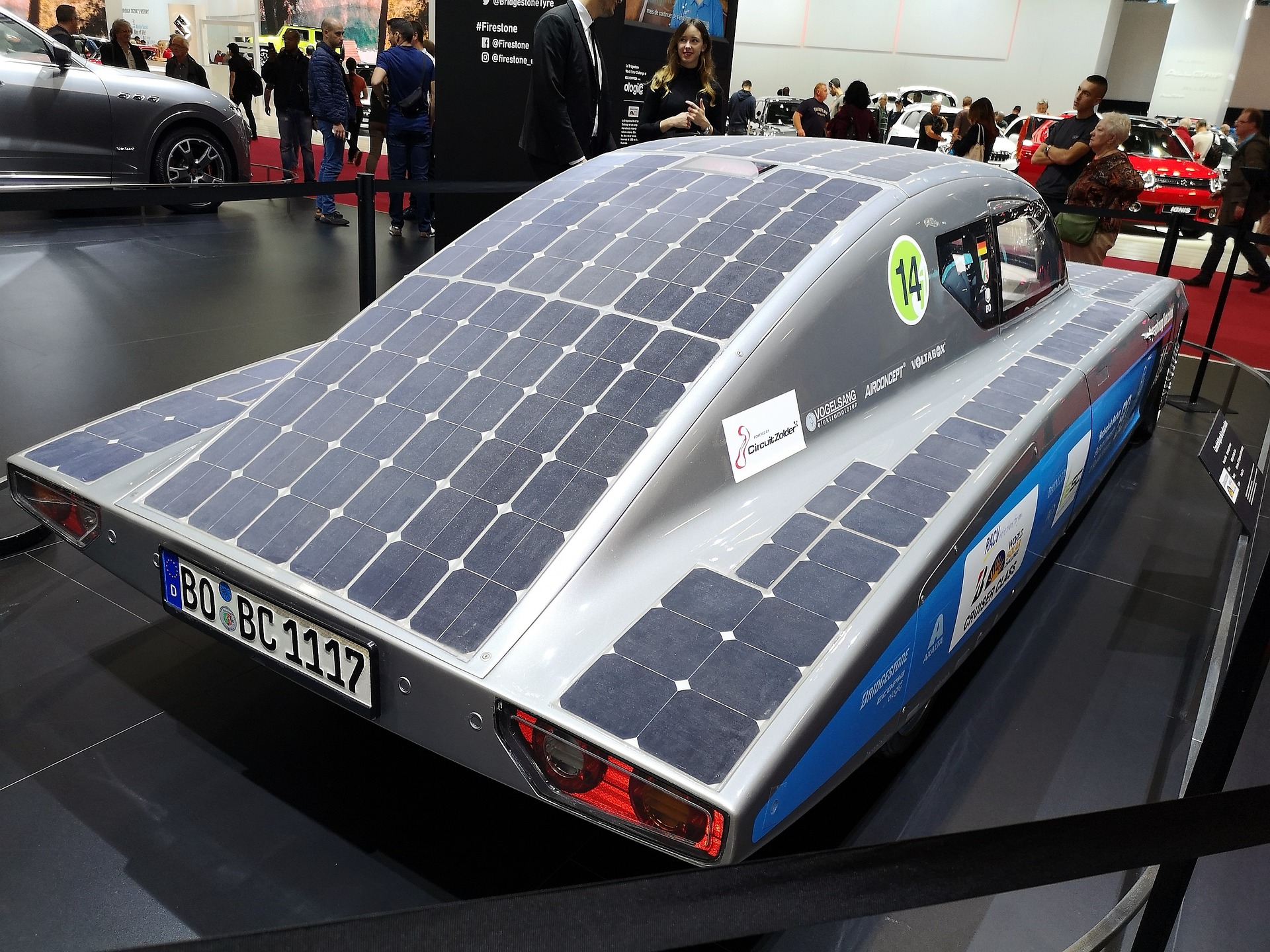
(Image Source: pixabay)
The losses that would otherwise be borne by the traction battery can be replaced by free solar energy, solving issues such as battery drain and lifespan degradation during long-term vehicle parking. For users who frequently travel on business and leave their vehicles idle for a week or even several months, photovoltaics serve as a 'smart trickle charge preservation system' for the vehicle, fundamentally avoiding issues of battery drain and damage.
The thin, flexible, curved, and semi-transparent characteristics of perovskite photovoltaics allow them to conform to curved surfaces, making them suitable for body photovoltaics, curved sunroofs, and BIPV photovoltaic curtain walls. Technologically, they also meet the requirements for the development of vehicle-mounted photovoltaics.
Beyond economic considerations, the prospects for vehicle-mounted photovoltaics are promising. The failures of companies like Lightyear and Toyota in the field of vehicle-mounted photovoltaics are precisely due to miscalculations in economic terms.
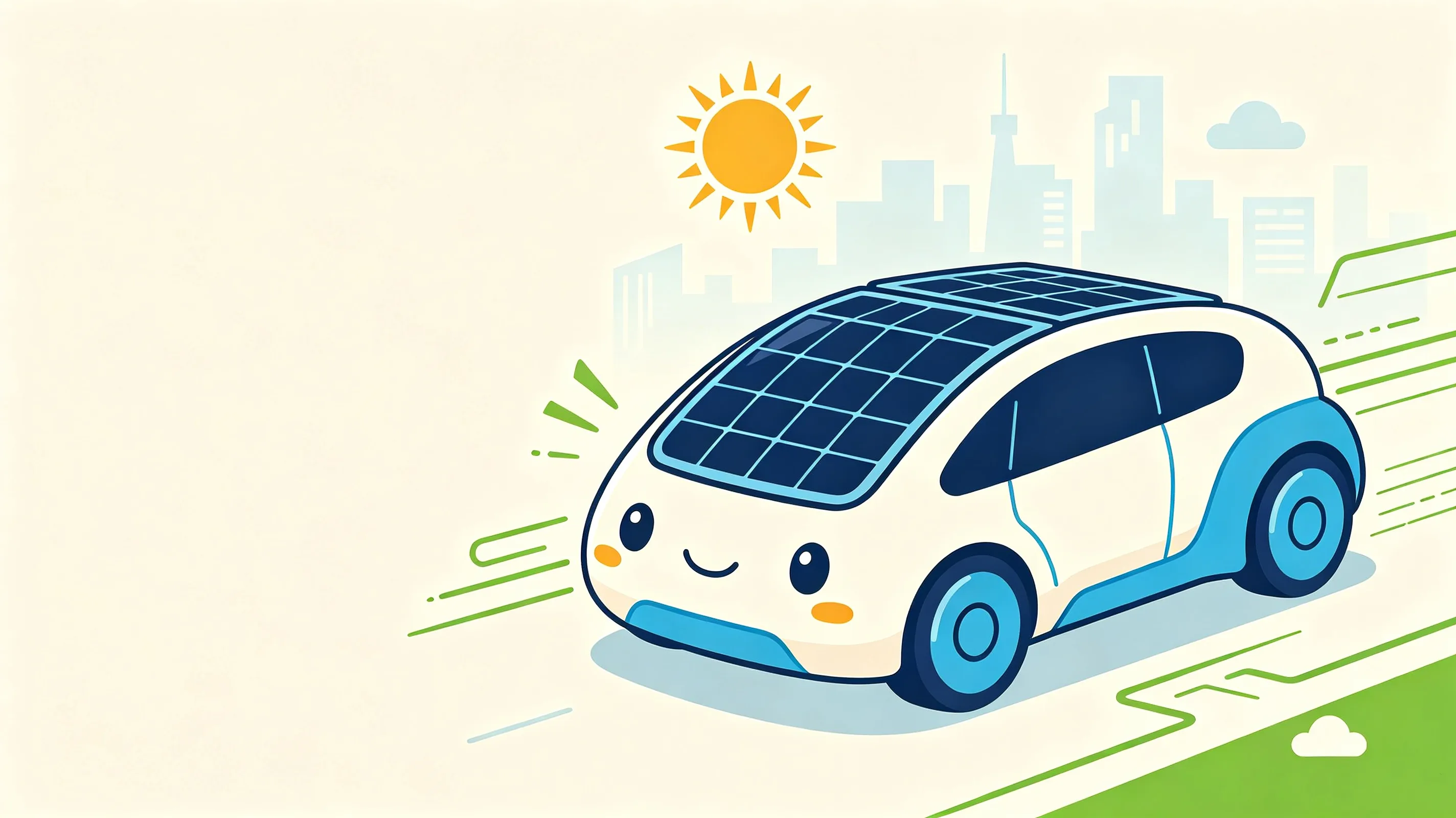
As a startup, Lightyear's product strength had not been market-tested, and rashly launching a model priced at nearly 1.8 million yuan had little chance of success.
(Image Source: Generated by Doubao AI)
Realizing the issue, Lightyear subsequently initiated the research and development of a lower-priced model, Lightyear 2, priced at only 40,000 euros (approximately RMB 313,000 at current exchange rates). However, their financial reserves were insufficient to support the entire vehicle's research and development.
Toyota's failure lies in the fact that the photovoltaic power generation equipment was adapted for the Prius and bZ4X models, which were not expensive enough. The price range of 200,000 to 300,000 yuan falls within the entry-level luxury car segment. Domestic brands such as Seres, Xiaomi, and Li Auto, which target the high-end market, all have products in this price range.
The issue is that consumers who purchase vehicles in this price range still consider cost-effectiveness. Photovoltaic modules costing tens of thousands of yuan have poor economic efficiency and do not meet the needs of the mainstream consumer group in this price range. Yes, you heard correctly. The correct target group for photovoltaic power generation modules should be consumers with strong financial capabilities, targeting luxury vehicles priced above 300,000 yuan.
Does photovoltaic charging still require luxury cars to lead the way?
The main reason automakers are flocking to the luxury car market is that luxury cars offer larger profit margins, and consumers are less sensitive to price. When photovoltaic modules are added to mid-range and entry-level luxury cars, consumers see a price increase of 10%-20%. However, when added to luxury cars, the price only increases by 5% to 10%, making the difference relatively less significant.
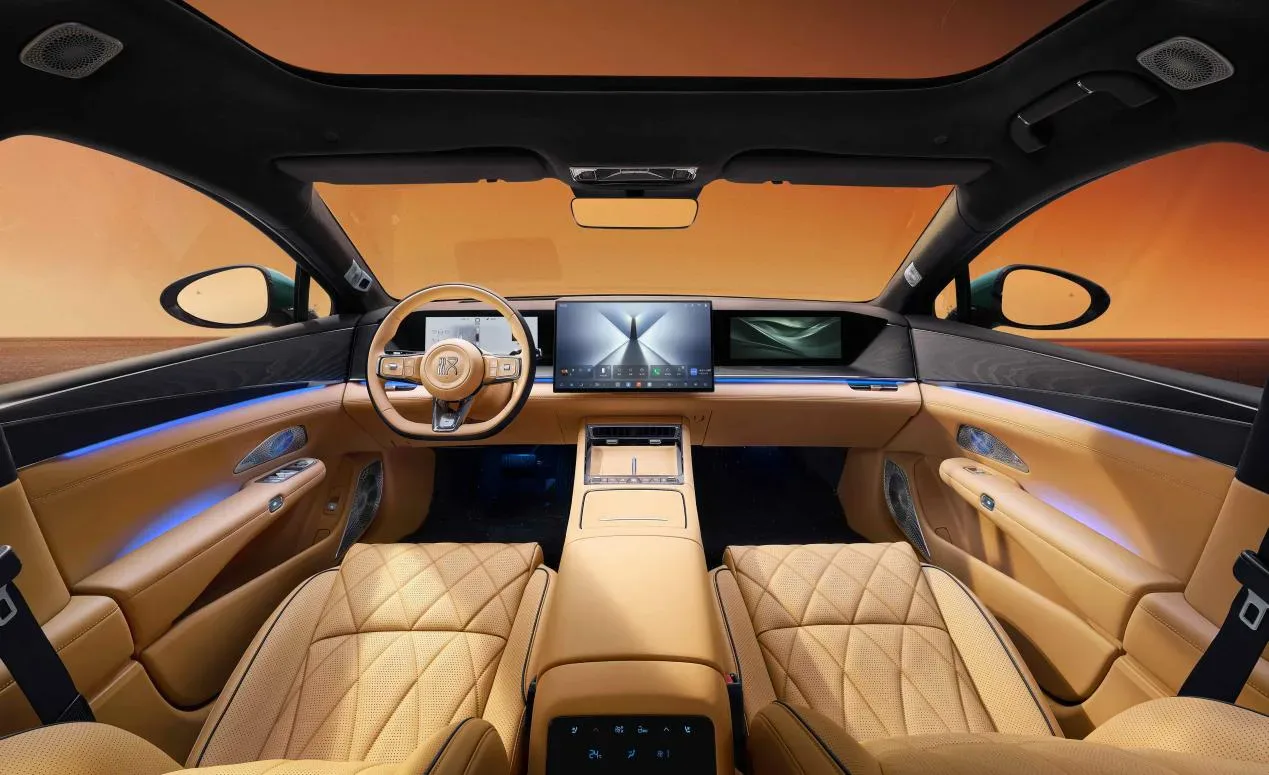
More crucially, photovoltaic functions are more suited to the usage scenarios of high-end models. Cars are evolving towards becoming 'spaces on wheels,' and automakers often emphasize outdoor camping scenarios in their product promotions. In outdoor settings, users' demand for parking air conditioning, refrigerators, and external power discharge increases, leading to higher overall vehicle power consumption.
(Image Source: BYD)
For pure electric vehicle users, increased power consumption can easily trigger range anxiety, while the power generation function of photovoltaic modules can alleviate this anxiety. The energy self-sufficiency, lossless power preservation, and green travel experience brought by photovoltaic modules, along with the product narrative of a 'mobile distributed power generation terminal,' can also meet the needs of high-end users and serve as a selling point for luxury models in differentiated competition.
Until the price of photovoltaic modules drops to a point where they can be installed for thousands or even hundreds of yuan, it may be premature to popularize them in mid-range and low-end models.
It is believed that when the cost-effectiveness of photovoltaic modules improves, truly reducing the travel costs of mid-range and low-end car users without significantly increasing the purchase cost, consumers will undoubtedly embrace vehicle-mounted photovoltaics.
From this perspective, automakers' persistence in 'harnessing the sun' may not be solely focused on the minor benefits of the present but rather a bet on future energy transformation. Vehicle-mounted photovoltaics represent one of the few technological directions with long-term iterative potential, the ability to create product differentiation, and alignment with the dual-carbon trend.
FAW, solar energy, Toyota, photovoltaics, Tesla
Source: Leikeji
Images in this article are from the 123RF royalty-free image library. Source: Leikeji
-
China’s Auto Market: How Fierce Is the Competition with Frequent New Car Launches? When Will It Subside?
-
Has Tesla Lost Its Lead and Missed the Chance to Enter China? Time is Running Out for Tesla's FSD in the Chinese Market
-
![]()
When Ambition Meets Boundaries, Building a Step-Change Future is Tougher Than Building a Phone
-
NIO’s Battery Swap Stations Now Accommodate an Additional Battery Model
-
![]()
Why Are Smartphones Selling Fewer Units but at Higher Prices?
-
iPhone Duo Sees Just 900 Yuan Price Hike, Scalpers in Frenzied Resale Race
-
![]()
Focus | Warburg Pincus Considers Selling Chinese Parking Operator Yangguang Haitian, Valuation May Reach US$300 Million
-
![]()
What? The Audi A8 is Set to Be Manufactured in China, in Partnership with Huawei