Xiaomi Pengcheng Explorer Edition Reviewed: Moisture, Mold, and Cleaning Challenges Identified as Key Issues
 09/15 2026
 490
490
In the automotive sector, there's an undeniable truth: While product launches often present idealized scenarios, the true test lies in real-world conditions, including harsh environments, extreme temperatures, and extended overnight stays.
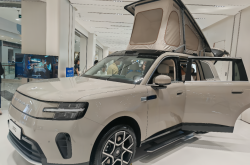
The Xiaomi Pengcheng N90 Max Explorer Edition has entered the market, boasting an original factory-installed electric elevating roof module that immediately attracts outdoor enthusiasts. With a single touch, a second-story standing space is created atop the vehicle, eliminating the need for aftermarket tent installations. The entire setup adheres to vehicle regulations, and its collapsible height ensures smooth city commuting and easy access to underground parking.
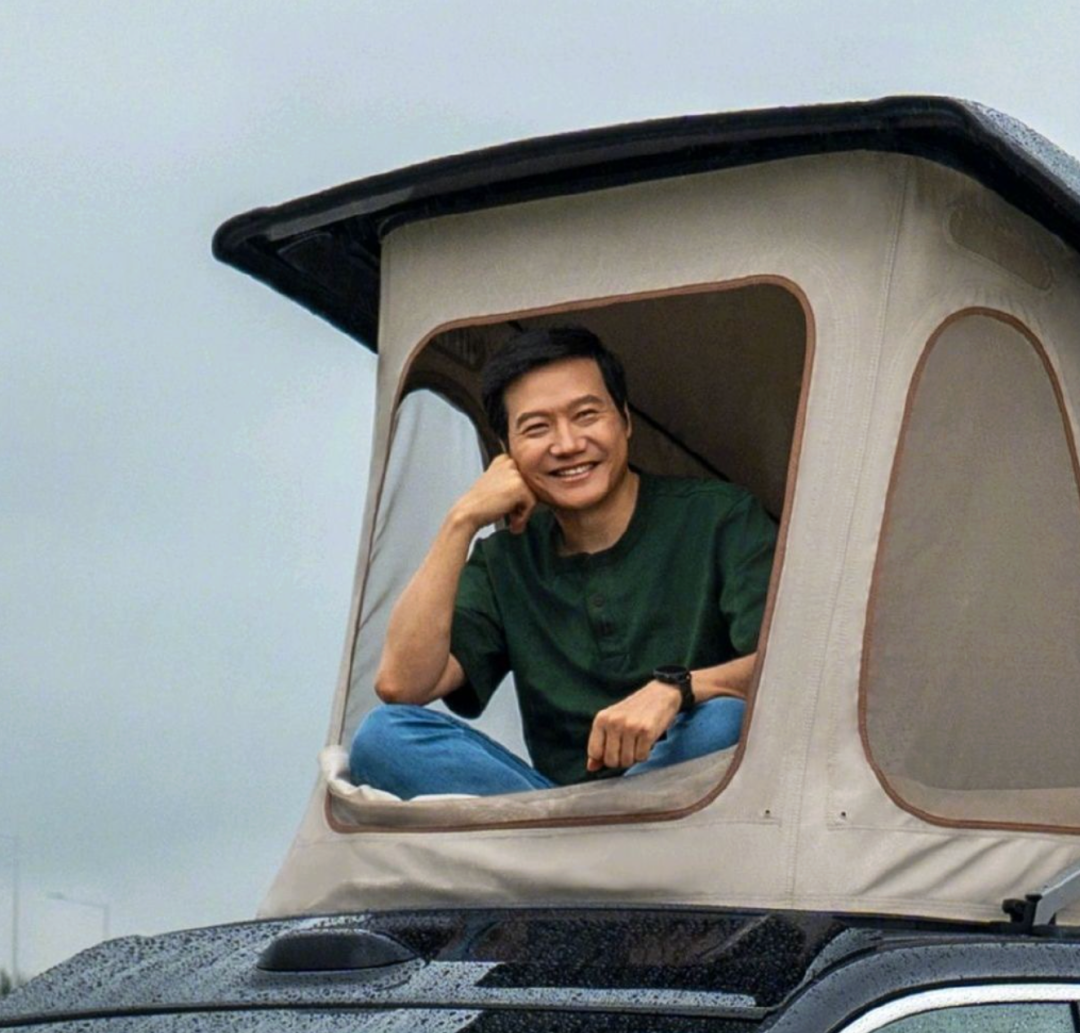
Image Source: Weibo
Official promotional videos showcase the vehicle as the perfect companion for weekend getaways—drive to the mountains, elevate the roof module, and gaze at the stars. The light outdoor lifestyle that urban dwellers desire seems just a button press away.

Image Source: Weibo
However, as long-term camping influencers took the vehicle into the mountains for extended testing, previously unaddressed usage issues gradually emerged, sparking nuanced discussions within automotive communities.
1. Integrated Design: Balancing Aesthetic Appeal with Cleaning Difficulties
The roof module's integrated design tightly fuses the tarp and frame, making individual disassembly impossible. This is an inherent trade-off of the integrated approach.
Wilderness environments lack the cleanliness of urban parks. Mountain camping exposes the vehicle to tree sap, bird droppings, insect remains, and mud splatters—all common occurrences.

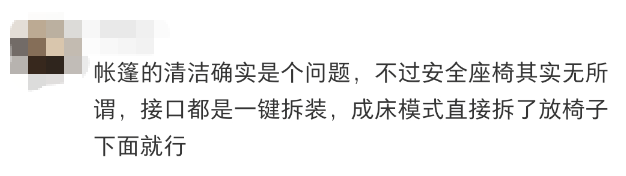
Image Source: Xiaohongshu
Most aftermarket roof tents allow users to detach and wash tarps at home, ensuring thorough cleaning and cost-effective replacement when worn.
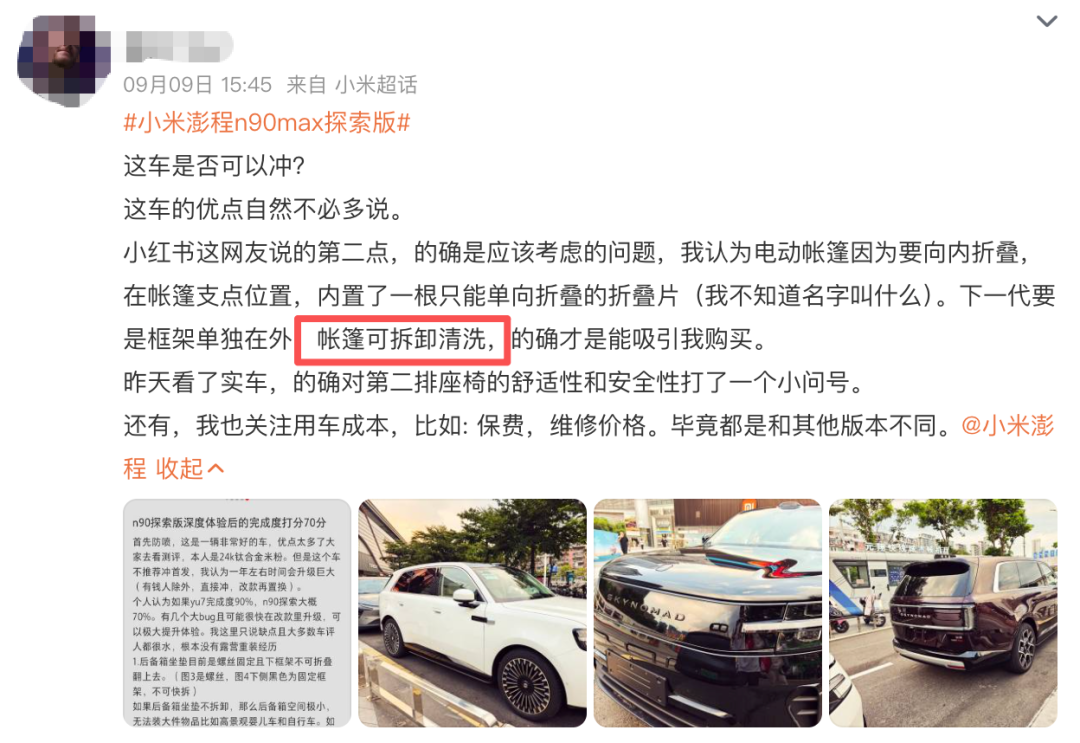
Image Source: Weibo
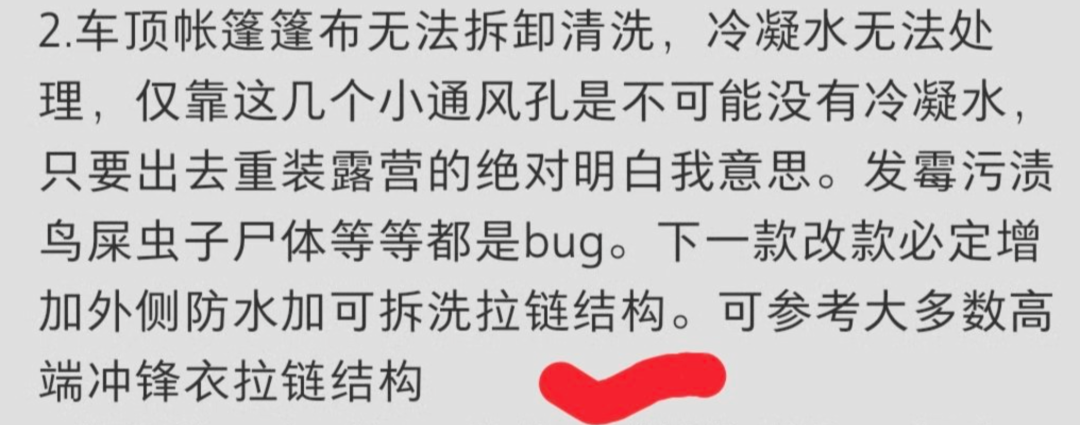
Image Source: Xiaohongshu
With Pengcheng’s factory-integrated structure, users are limited to localized on-site wiping. Surface dust is manageable, but stains penetrating fabric gaps or mold from prolonged moisture exposure pose significant cleaning challenges. Short weekend camping trips with minimal dirt accumulation may not reveal these issues, but multi-day wilderness stays turn tarp maintenance into an ongoing concern. Many users worry that tarp replacement costs will far exceed those of standard roof tents after years of use.
2. Condensation: An Unavoidable Outdoor Challenge, Not a Defect
Another frequently raised issue is condensation.
Objectively, condensation is a physical phenomenon inherent to soft-tarp elevating structures, not a flaw specific to this vehicle. During significant temperature fluctuations, the tarp’s exterior cools rapidly while human breath inside the cabin generates moisture, leading to water droplet formation on the inner walls.
Influencer testing revealed that Pengcheng’s limited ventilation holes struggle to create stable airflow. In mountainous autumn/winter nights, trapped moisture condenses on the tarp’s interior, dripping onto sleeping pads and keeping the fabric persistently damp. If the vehicle is collapsed without thorough drying, trapped moisture between layers accelerates mold growth.
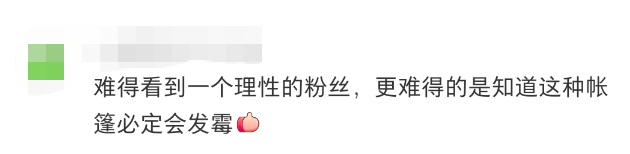
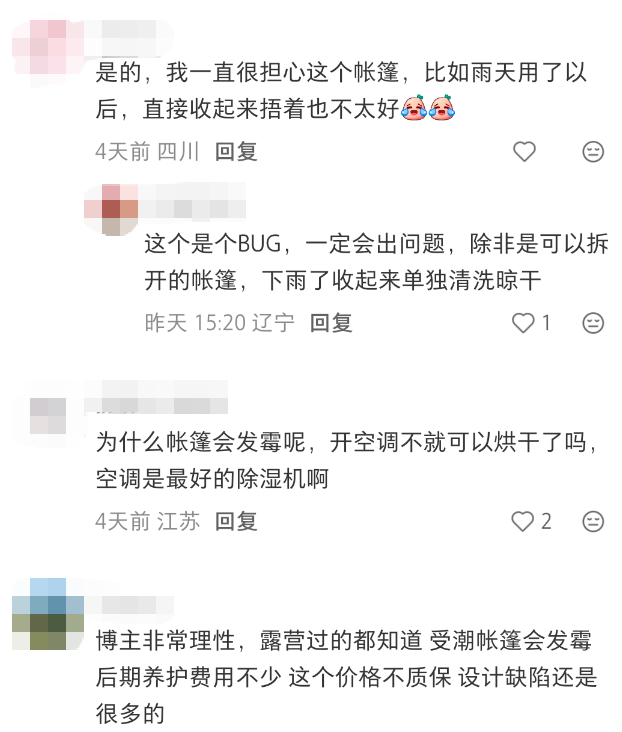
Image Source: Xiaohongshu
Many users propose solutions like using in-car air conditioning for ventilation or selecting well-ventilated parking spots to mitigate condensation. However, these methods require additional user effort rather than offering hassle-free out-of-box functionality.
3. Divergent Views Reflect Varying Camping Needs
The contrasting opinions reflect differing user scenarios rather than vehicle quality disputes.
Enthusiasts who favor this vehicle are typically light campers near urban areas. Their needs are straightforward: weekday commuting and short weekend trips to lakesides or foothills for brief relaxation and photography. Infrequent overnight stays minimize exposure to tarp dirt and condensation issues, making them negligible concerns.
They value the factory-integrated design’s convenience and regulatory compliance, eliminating modification hassles while maintaining urban usability.
Those expressing reservations are often veteran heavy-duty campers and long-term travelers. Accustomed to extended wilderness stays, they demand higher equipment maintainability and fault tolerance. The “Explorer Edition” moniker naturally raises expectations for complex outdoor adaptability. Discrepancies between expectations and real-world maintenance challenges during prolonged wilderness use create dissatisfaction.
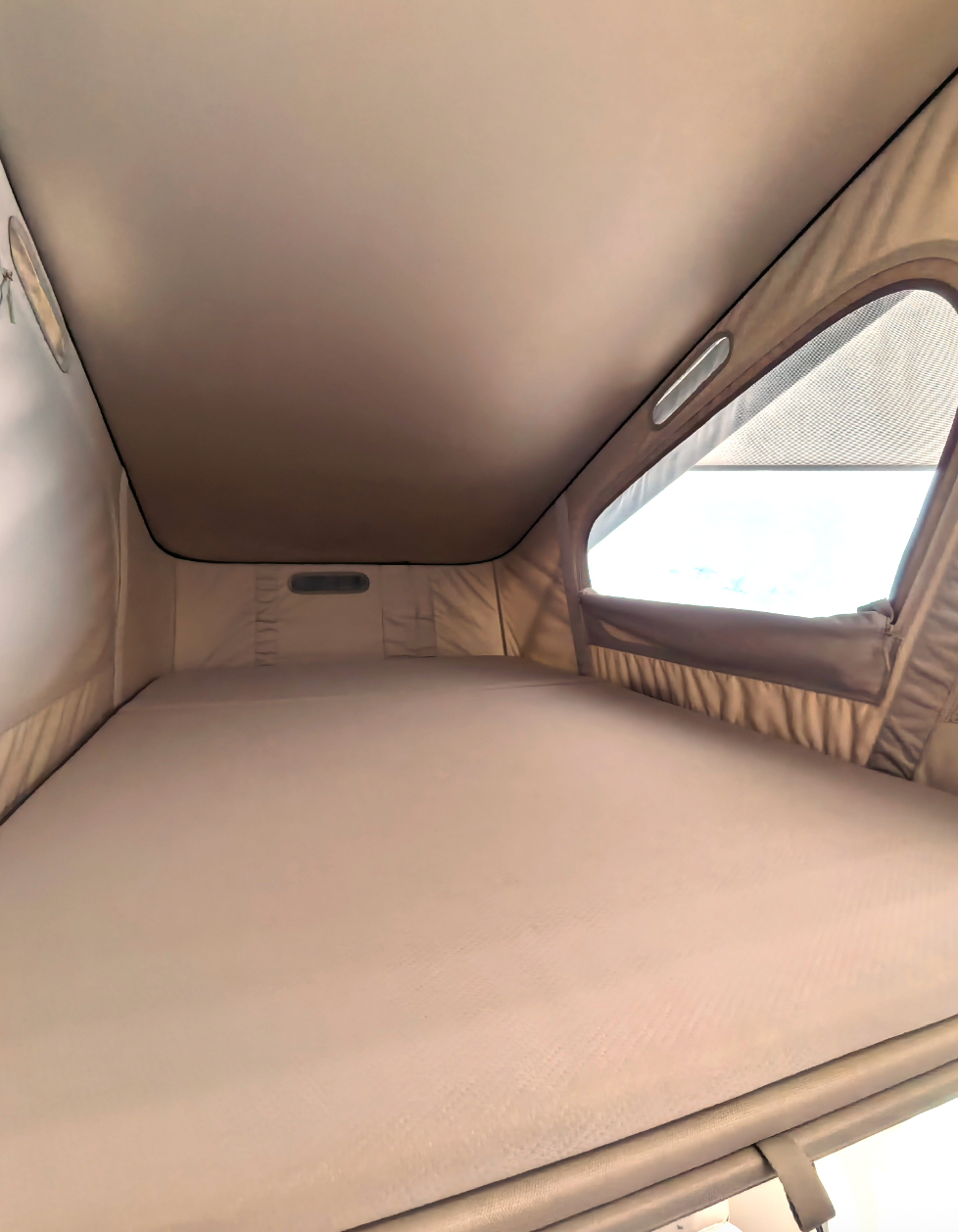
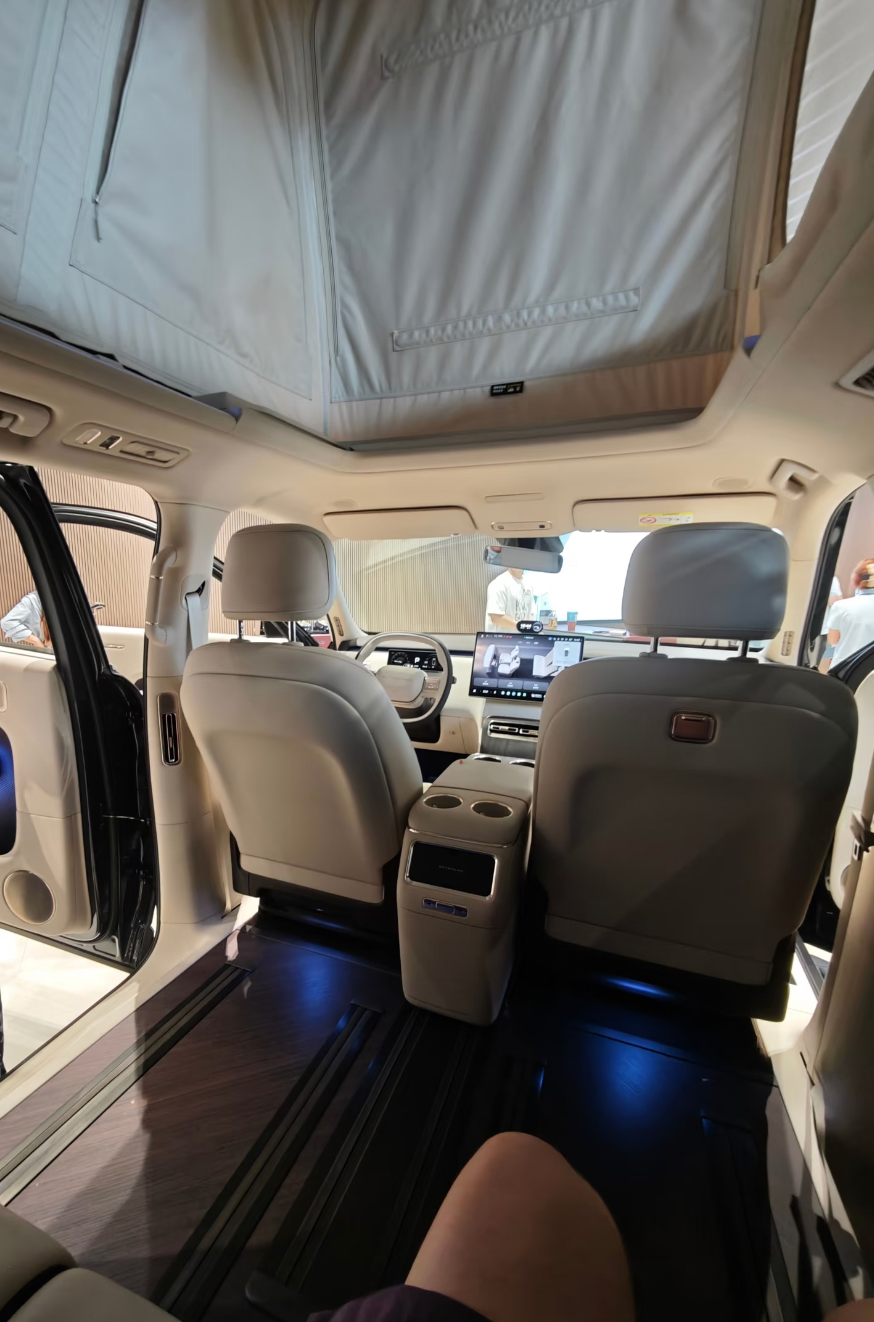
Image Source: Xiaohongshu
This highlights a common challenge for automakers developing scenario-specific products. New energy vehicle competition now extends beyond range and chassis to lifestyle experience creation. Camping, travel, and outdoor activities have become key selling points. Automakers excel at crafting idealized life scenarios in controlled environments.
However, wilderness demands are fragmented and unpredictable. Bird droppings, humidity, and temperature swings—these mundane realities are difficult to fully simulate in laboratories.
Design trade-offs are inevitable. The choice of a non-detachable integrated tarp for aesthetic coherence, regulatory compliance, and urban usability reflects the design team’s balanced decision-making.
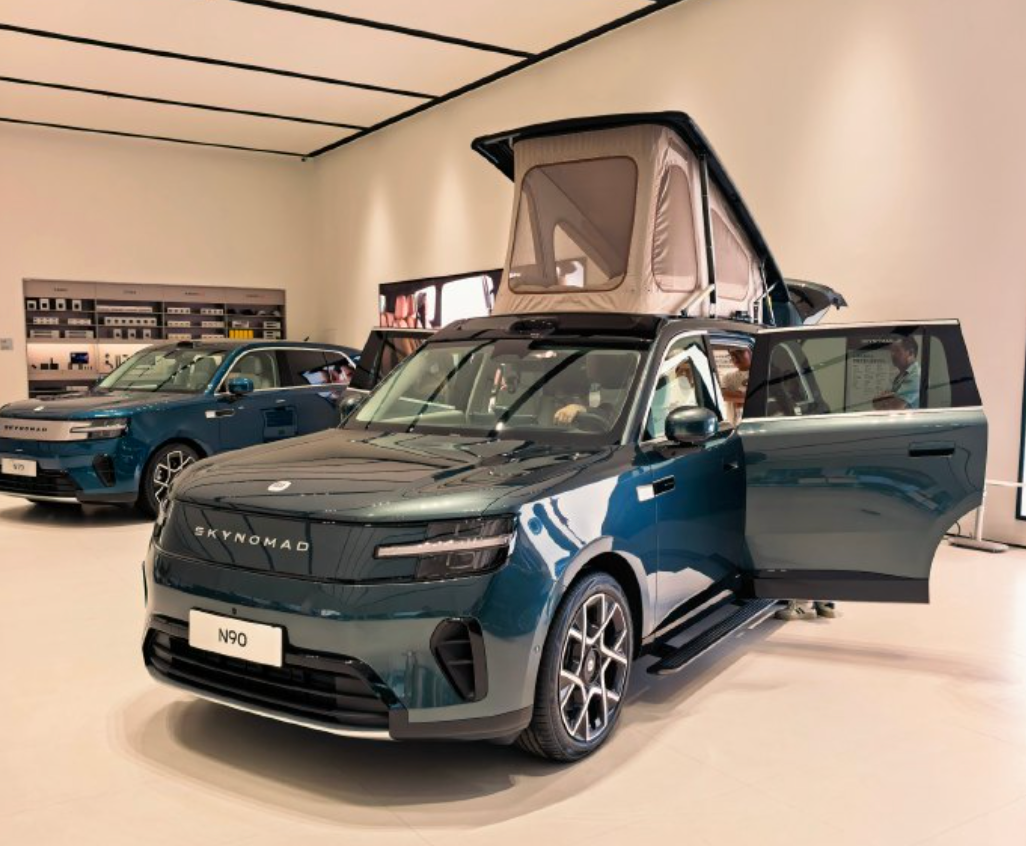
Image Source: Weibo
Yet when promoting outdoor capabilities, manufacturers should transparently communicate these usage trade-offs to help buyers understand which scenarios the elevating roof module best suits before purchase.
Industrial products rarely achieve perfection. A vehicle balancing urban commuting with elevating camping functionality must compromise on hardcore outdoor performance. It’s neither a professional RV nor pure wilderness camping gear, but a family car with camping expansion attributes.

Image Source: Weibo
Many users now expect official clarifications on tarp aging and replacement, ventilation optimization plans, or practical anti-moisture parking tips.
Some owners propose a simple solution: offer specialized deep-cleaning tarp maintenance services to address the non-detachable tarp’s cleaning challenges.
Disclaimer: This article represents Zhi Finance’s commentary and does not constitute investment advice. All corporate data and regulatory events mentioned derive from public information and are for reference only, subject to official announcements. Images sourced from the internet; copyright holders may contact us for removal.
-
The 'Three-tier Deconstruction' of the Restructuring Intentions Between FAW and GAC
-
![]()
"Living Room on Wheels": Pie or Trap?
-
![]()
Zhipu Secures Nearly US$5 Billion in Funding
-
![]()
FAW and GAC Integration: Will China's North and South Toyota Further Merge, and Will Dongfeng Continue Its Consolidation Efforts? | MINGJINGpro
-
![]()
Goldman Sachs Sets Its Sights on a City: Ulanqab!
-
![]()
The City in Goldman Sachs’s Spotlight: Ulanqab!
-
How Should Gas Stations Adapt Amid Declining Fuel-Powered Vehicle Sales?
-
![]()
Should GAC Shareholders Be Concerned: FAW Opts Not to Invest Cash but Lightens Its Joint Venture Load to Become Second-Largest Shareholder!