Chery Chairman: Huawei's Approach is Uncompromising. Netizens Question: Is Luxeed Being Undermined?
 09/15 2026
 421
421
"Huawei is uncompromising, leaving no stone unturned."
These remarks, made by Yin Tongyue, Chairman of Chery, encapsulate one of the most candid and poignant observations in the entire new energy vehicle sector.
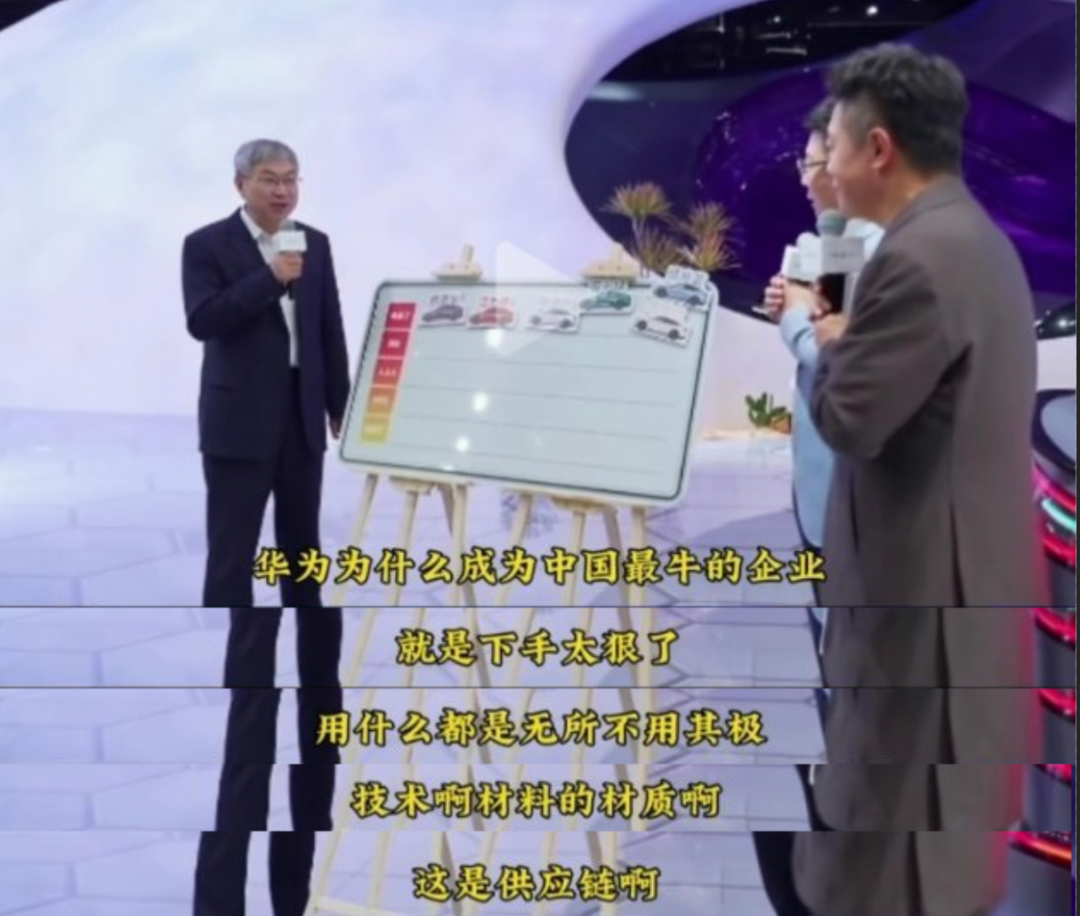
Image source: Weibo
Without any exaggeration or false pleasantries, this is Chery's top leader's precise summary of Huawei's approach to car manufacturing, stated candidly in front of the camera and Yu Chengdong.
However, this concise statement was heavily edited and maliciously taken out of context online. Many only saw half the sentence and concluded that Huawei is overly dominant, pushing its partner Chery too hard and directly undermining Luxeed.
Yet, anyone who watches the full context will understand: Yin Tongyue is not expressing hostility; he is both resigned and impressed.
Huawei's car-making standards are exceedingly stringent—materials are used generously without regard for cost, and quality control allows for no compromises. Because of this "uncompromising nature," Luxeed became the most meticulously crafted model in online teardowns. However, this same "uncompromising nature" also caused whole-vehicle costs to soar, pricing to become rigid, and Luxeed's sales to fluctuate wildly, sparking controversy.
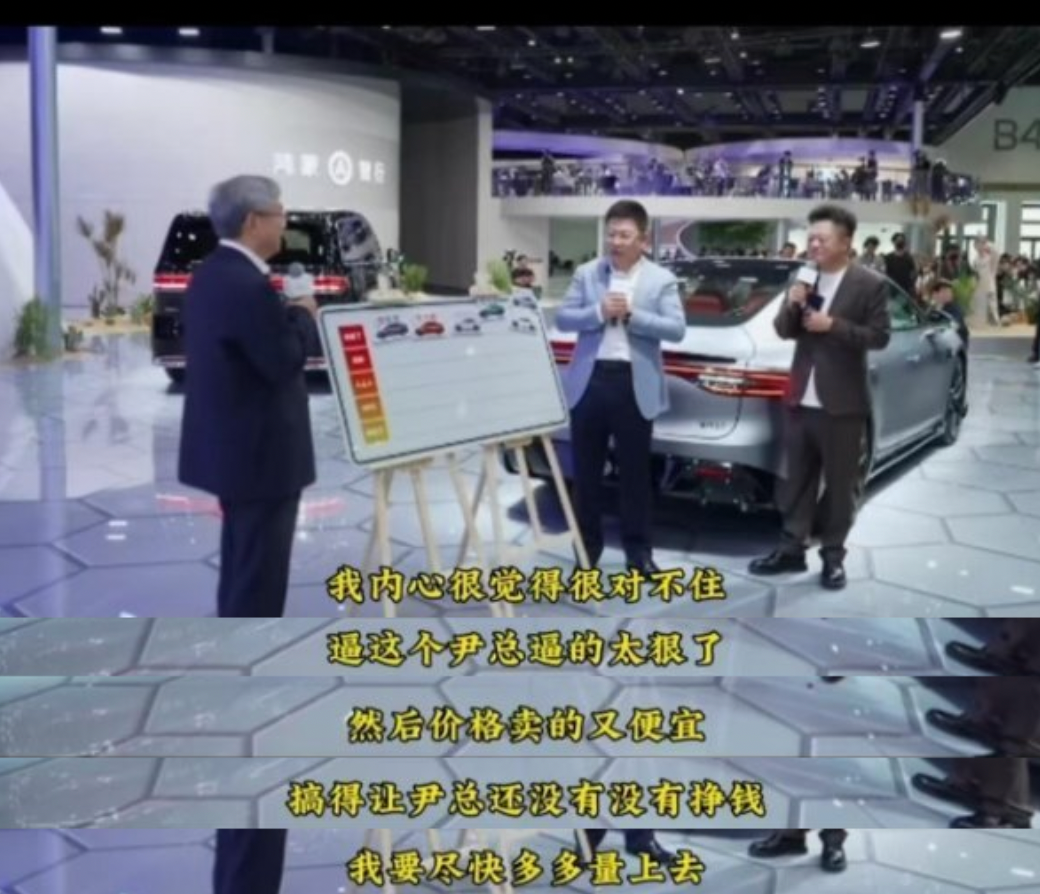
Image source: Weibo
While this may sound like diplomatic talk from a prominent figure, it conceals Luxeed's most pressing dilemma. Huawei, with its almost ruthless car-making standards, produced a vehicle that garnered praise from the teardown community. However, the high costs associated with these standards tied Luxeed's hands, leading to erratic sales and intense struggles.
1. Huawei's Uncompromising Approach: Refusing to Cut Corners Where Others Do
Traditional automakers often engage in trade-offs.
Visible elements like interiors, large screens, and exteriors receive significant investment—customers notice these immediately in the showroom. Hidden aspects such as chassis corrosion protection, underbody shields, sound insulation, and body steel are often neglected—an unspoken industry norm for years.
After Huawei took over the Luxeed project, this approach was abandoned.
Chery had relied on long-standing suppliers for decades, many with partnerships spanning a decade, adhering to Chery's original standards for craftsmanship and cost. Then Huawei stepped in for an audit and eliminated 30% of the old suppliers. The remaining manufacturers had to remake molds, switch raw materials, and upgrade production lines.
Luxeed R7; Image source: Autohome
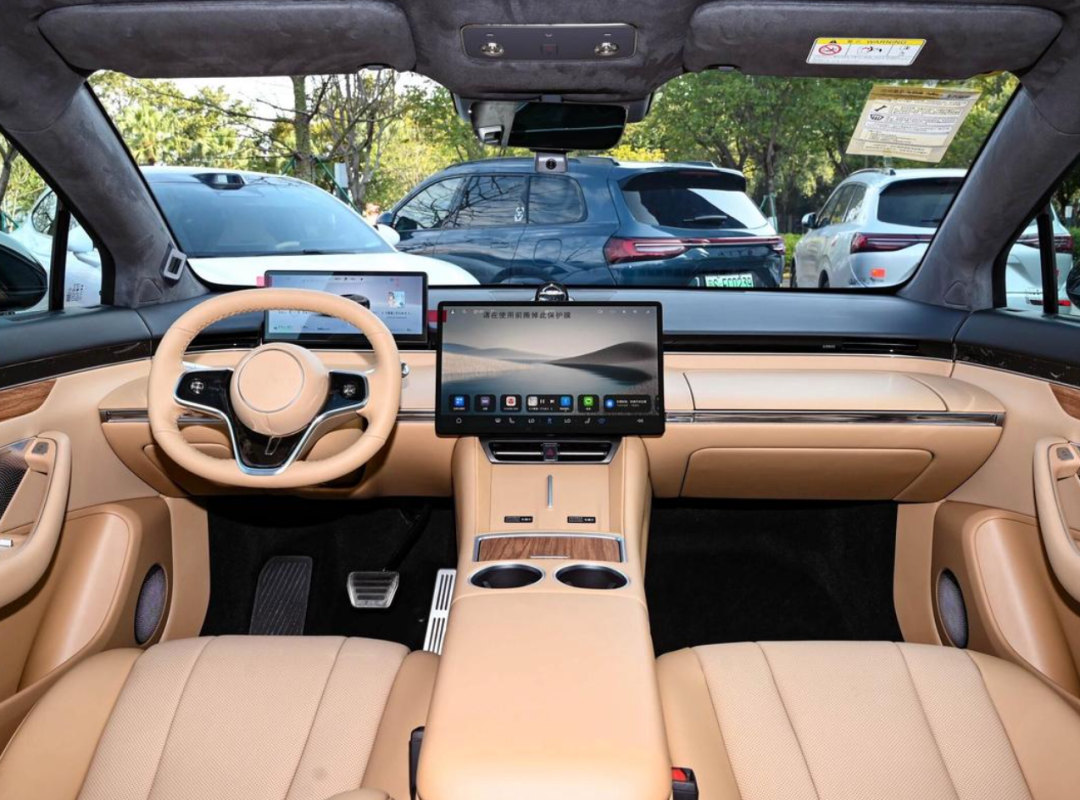
From wire harness wrapping and rubber part durability to body steel, chassis aluminum parts, and battery packaging—everything was redone to higher standards. It's not that suppliers were unwilling to comply; their original processes simply couldn't meet Huawei's thresholds.
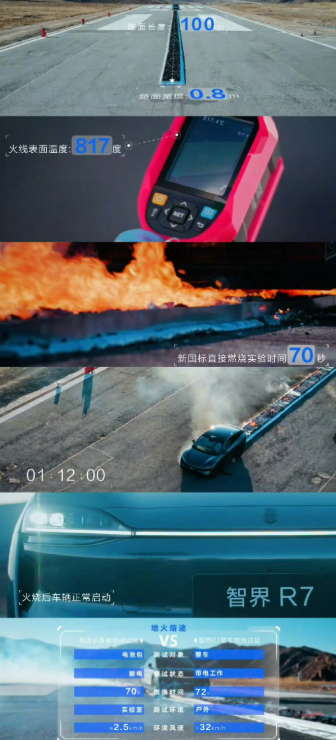
Image source: Weibo
Testing was even more exhaustive. Most automakers conduct sampling inspections for mass production, prioritizing shipment speed. Huawei directly applied full inspection practices from the smartphone industry: every Luxeed rolling off the line undergoes tens of thousands of inspections without exception. Every bolt's tightening torque, circuit data, and sealing conditions are cloud-stored, with one file per vehicle.
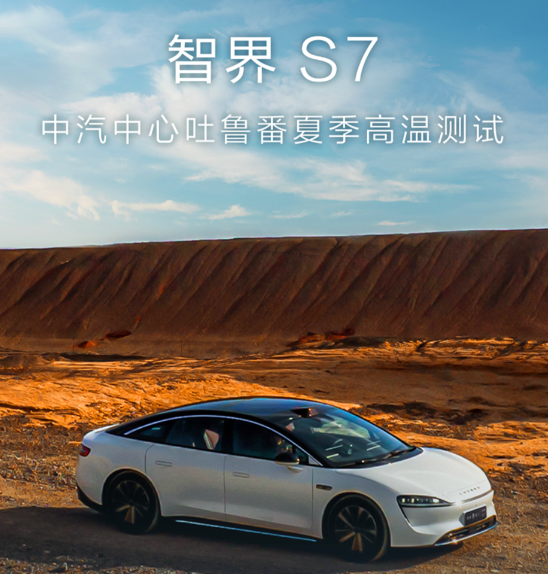
Image source: Weibo
To detect issues like rattles and leaks that only emerge later, a dedicated rattle lab was established. Rain tests lasted 12 hours straight, compared to the industry norm of 2 hours. Battery packs underwent crushing, needle penetration, immersion, and high/low-temperature torture, with all cells X-ray scanned for internal flaws.
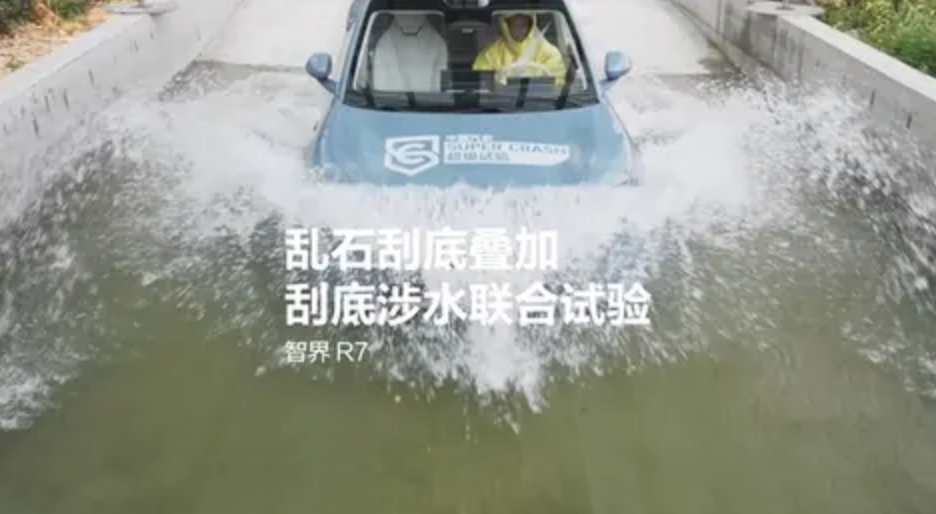
Image source: Weibo
These stringent requirements are evident in teardown videos: high-strength steel proportion, solid crash beams, full underbody shields, generous sound insulation, and extensive aluminum chassis parts. Compared to rivals at the same price point, the industry consensus is clear: Luxeed doesn't cut corners on hidden parts.
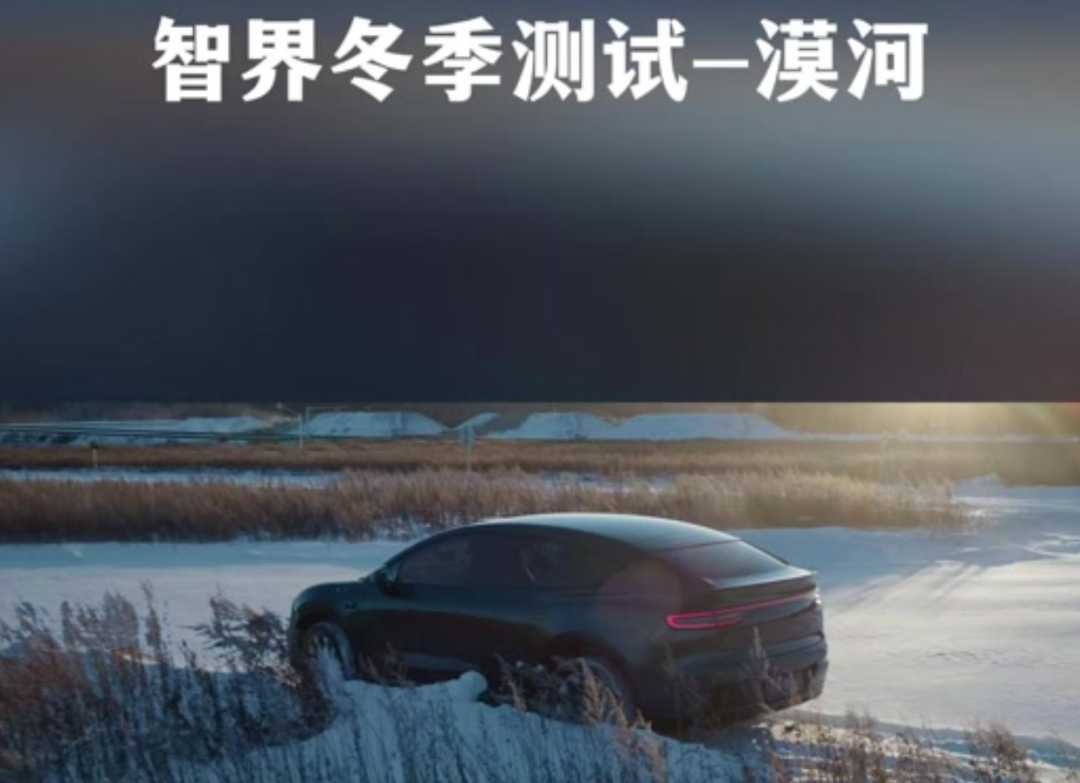
Image source: Weibo
But not cutting corners means higher costs. Premium materials, endless testing, and strict quality control all contribute to per-unit costs. Yu Chengdong previously stated publicly that early Luxeed models lost tens of thousands per car—not just empty words.
Huawei sets the product standards and enforces them, while Chery handles production. The financial burden naturally falls on Chery's manufacturing side. Yin Tongyue's remark about "uncompromising nature" stems from this: Huawei never compromises on cost, leaving Chery to bear the pressure.
2. Teardown Circles Rave About It, But Good Reputation ≠ Easy Sales
This relentless pursuit of quality has yielded a product reputation beyond reproach.
From C-IASI crash tests, real-world accidents, and long-term owner feedback, Luxeed's body rigidity, chassis quality, HarmonyOS cockpit, and Huawei ADS intelligent driving rank among the best in their class. Owner recommendation rates are high, and mass-scale quality scandals are rare.
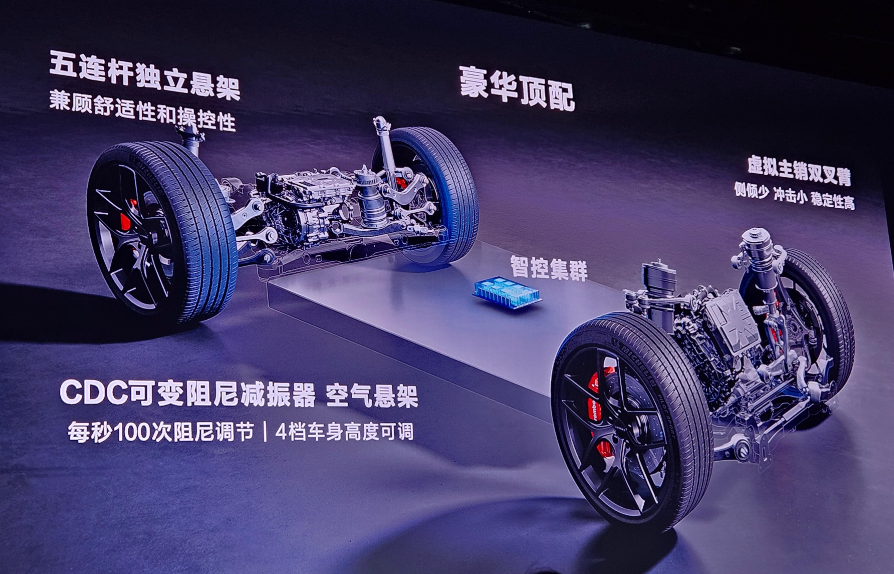
Image source: Autohome
In terms of materials and safety fundamentals, Luxeed is no worse than Seres (from the same ecosystem) and even has advantages in chassis hardware. Most reviewers and teardown influencers agree on this point.
But when buying a car, ordinary people don't dismantle new vehicles on a rack to inspect them.
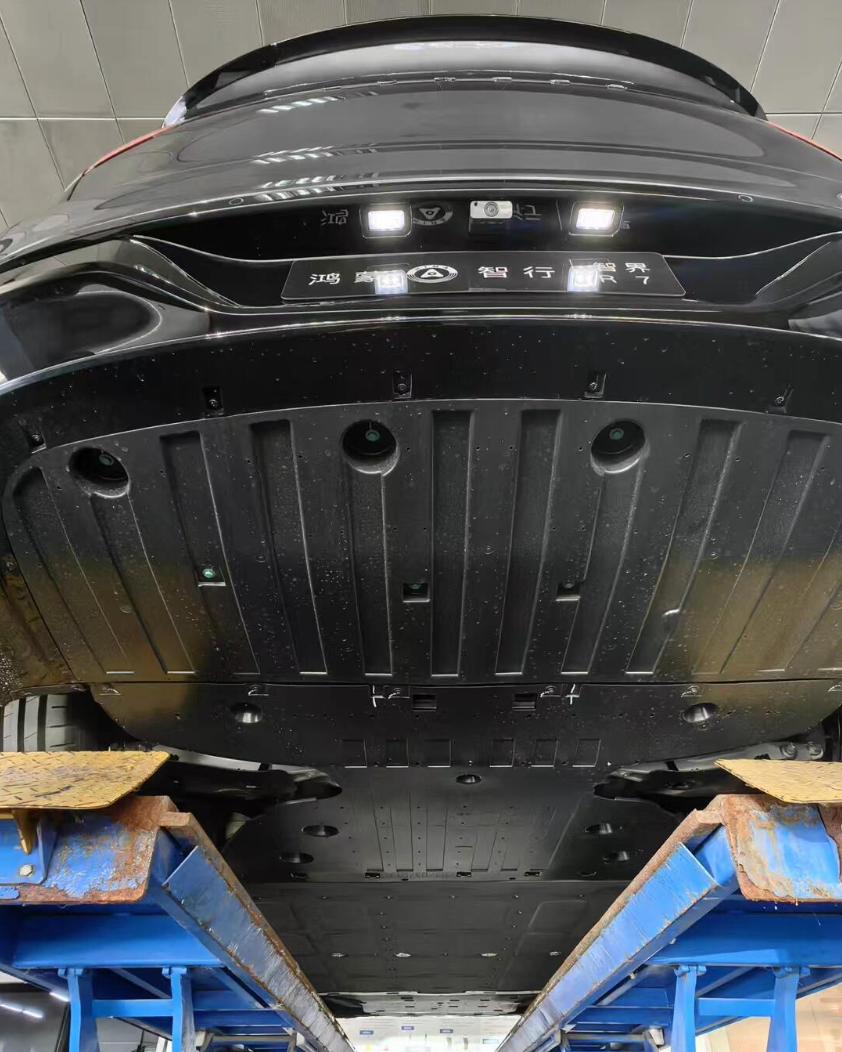
Image source: Weibo
How thick the chassis steel is or how robust the crash beams are can't be felt sitting in a 4S showroom. Sales pitches struggle to convey these points. When buying a car, people first compare price, space, exterior design, and how much neighboring competitors have discounted.
This is the root cause of Luxeed's erratic sales.
3. Luxeed's Sales Rollercoaster: R7's Explosion, Collapse, and V9's Rescue
Luxeed's sales fluctuations have been more dramatic than most new energy brands.
First Wave: R7's Viral Success
The brand launched with the mid-size SUV Luxeed R7, featuring a solid chassis and Huawei's intelligent driving. Coupled with viral teardown videos, it sold over 10,000 units monthly for three consecutive months in late 2025, peaking at over 12,000 in one month. For 2025, R7 delivered 80,688 units, S7 delivered 12,051 units, and the brand's annual total exceeded 90,000 units.
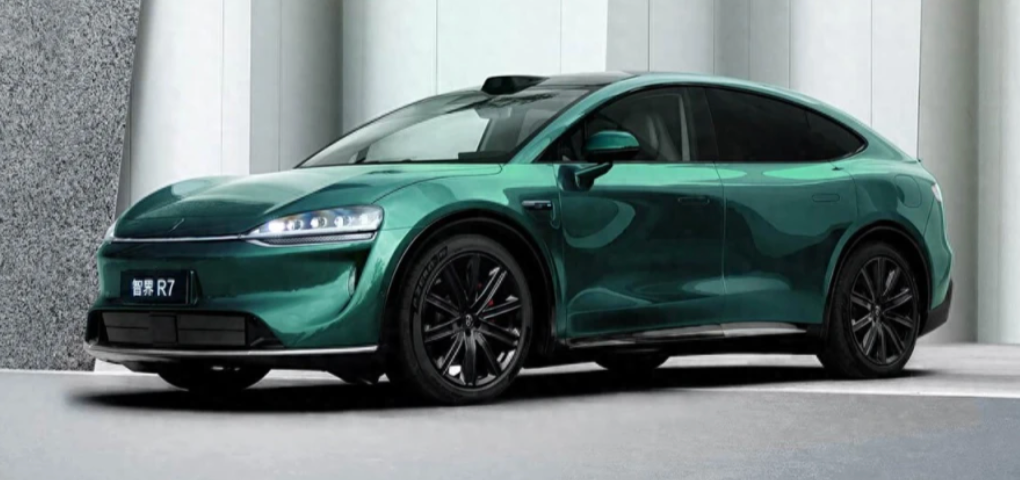
Image source: Weibo
Many industry insiders were optimistic, believing Luxeed could replicate Seres' success and become Harmony Intelligent Mobility's second growth engine.
Second Wave: Sales Cliff Dive
By 2026, the new energy price war intensified, with BYD, XPeng, and Zeekr slashing prices and adding features. Luxeed's weaknesses were exposed.
Due to its heavy material usage, costs couldn't be reduced, preventing it from engaging in price wars like competitors. Rivals quietly skimped on chassis materials and hardware costs, then slashed prices to steal customers—something Luxeed couldn't do.
The data hit hard. In February 2026, Luxeed sold only 945 units across all models, a 90.6% year-over-year drop. The once-10,000-unit-per-month R7 fell below 1,000 units; S7 fared even worse, struggling with hundreds of units monthly. In just half a year, sales plummeted from over 10,000 to below 1,000, with online chatter declaring "Luxeed is dead."
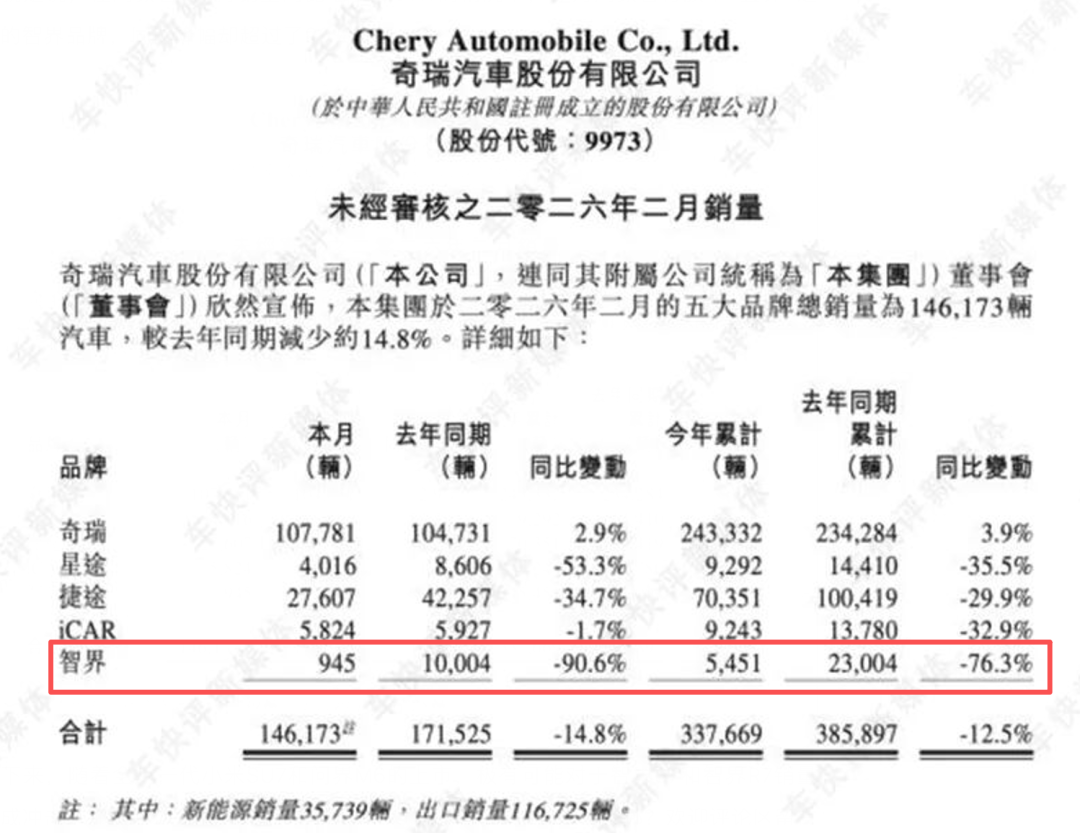
Image source: Chekuaiping
Third Wave: V9's Powerful Rescue
At the brand's lowest point, the high-end MPV Luxeed V9 launched. The MPV segment is nothing like the family SUV market. Competition is less fierce, and buyers—mostly business clients or high-end families—prioritize safety, luxury, and intelligence over price. Huawei's cost-no-object high standards perfectly matched these clients' needs.
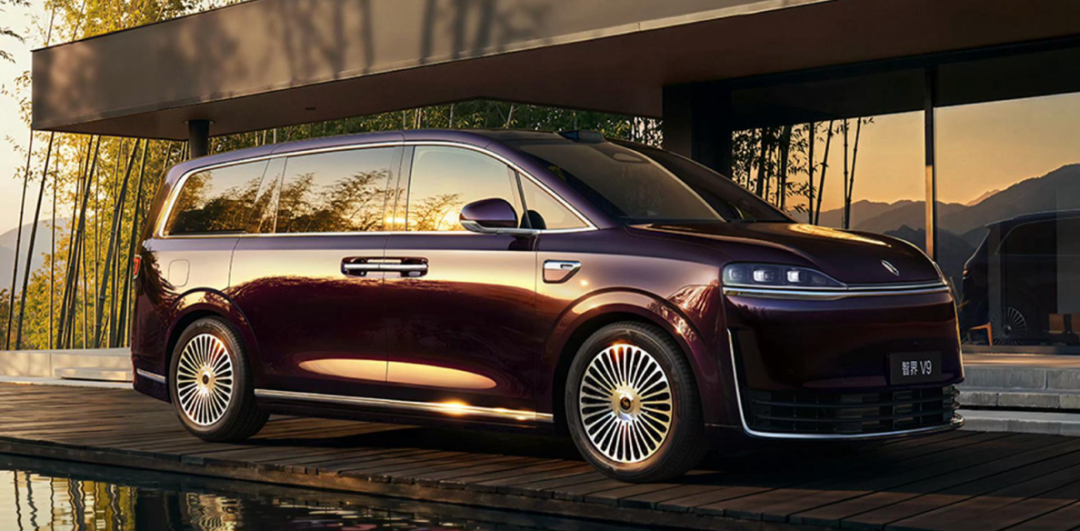
Image source: Weibo
In 21 days, it secured over 18,000 reservations, averaging nearly 500,000 yuan per unit. Sales continued climbing post-delivery: 8,312 units in June, 10,101 units in July, claiming the top spot in high-end MPV sales. This single model propelled the entire Luxeed brand back to 10,000-unit monthly sales.
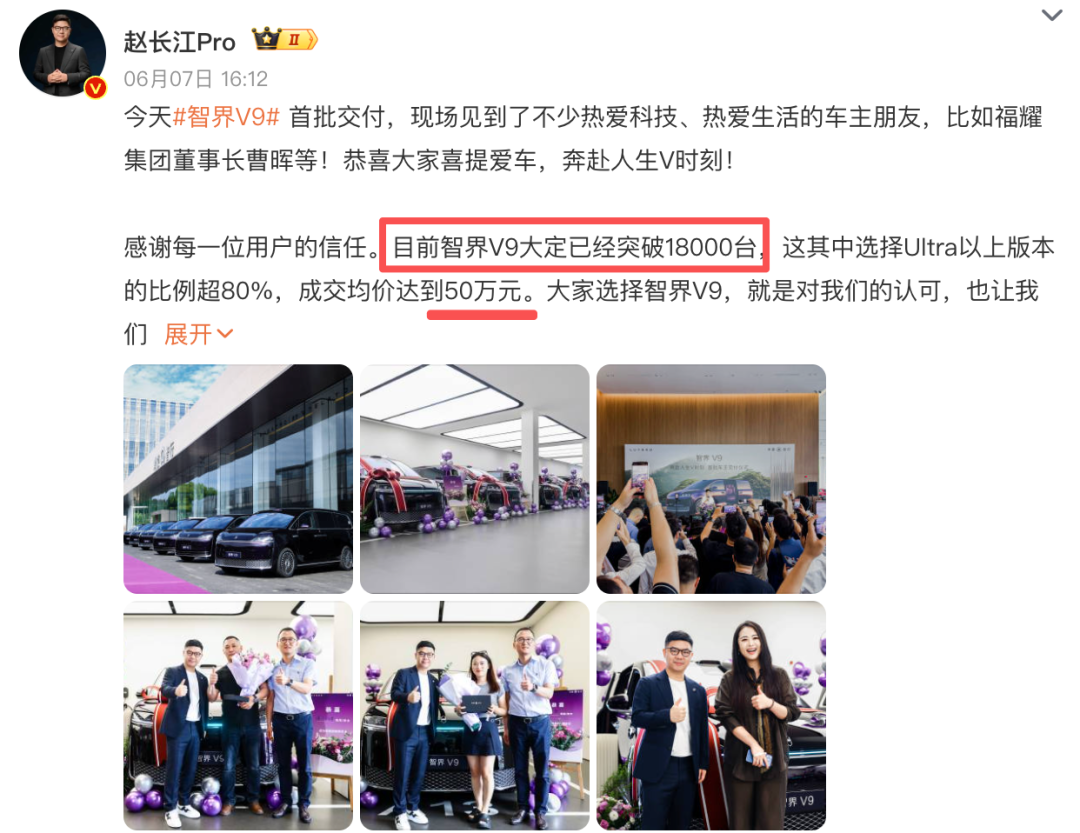
Image source: Weibo
Now, Luxeed's internal divergence is stark: S7 barely sells, R7 lingers at 1,000–2,000 units, while V9 alone sustains the brand. With the same manufacturing standards, the three models' fortunes diverge not because of quality but market segment choice.
Online comment sections reflect two camps:
"The teardown shows conscientious materials, but it's too expensive."
"What's the point of good materials when there are so many choices at the same price? No need to force it."
Revisiting Yin Tongyue's words: Huawei's uncompromising nature did produce cars that withstand teardowns and crashes—that's undeniable.
But the auto market cares about orders, not teardown reviews. V9 proves that with the right segment, these high standards can create hits; R7 and S7 prove that in red oceans, material stacking and good fundamentals alone can't withstand price wars.
Now, Luxeed operates as an independent company. The pressing challenge is real: Can it replicate V9's strategy, choose the right segments, rely on sufficient sales to offset high costs, and turn teardown videos' praise into stable sales figures?
Disclaimer: This article is solely a Zhicaijing commentary and does not constitute investment advice. All corporate data and regulatory events mentioned are from public information and are for reference only; official releases prevail. Image sources: Internet. Contact for copyright removal.
-
The 'Three-tier Deconstruction' of the Restructuring Intentions Between FAW and GAC
-
![]()
"Living Room on Wheels": Pie or Trap?
-
![]()
Zhipu Secures Nearly US$5 Billion in Funding
-
![]()
FAW and GAC Integration: Will China's North and South Toyota Further Merge, and Will Dongfeng Continue Its Consolidation Efforts? | MINGJINGpro
-
![]()
Goldman Sachs Sets Its Sights on a City: Ulanqab!
-
![]()
The City in Goldman Sachs’s Spotlight: Ulanqab!
-
How Should Gas Stations Adapt Amid Declining Fuel-Powered Vehicle Sales?
-
![]()
Should GAC Shareholders Be Concerned: FAW Opts Not to Invest Cash but Lightens Its Joint Venture Load to Become Second-Largest Shareholder!