Yu Chengdong: Huawei's Premier 'Auto Sales Champion' Adopts 'Asset-Light' Strategy Once Again!
 09/20 2026
 505
505
Huawei's automotive sector has undergone a comprehensive strategic overhaul.
On September 15, Cailian Press, citing informed sources, reported that the long-speculated restructuring of the partnership between Huawei and Seres has finally been confirmed. In essence, the era when Huawei was deeply involved in the operation of its smart vehicle selection program has drawn to a close. The two sides have transitioned to an asset-light empowerment model: Seres will now lead in core business areas such as product development, marketing, sales, and services, while Huawei will revert to providing technological support, ceasing in-depth involvement in complete vehicle operations, and instead focusing on delivering technology and ecosystem resources.
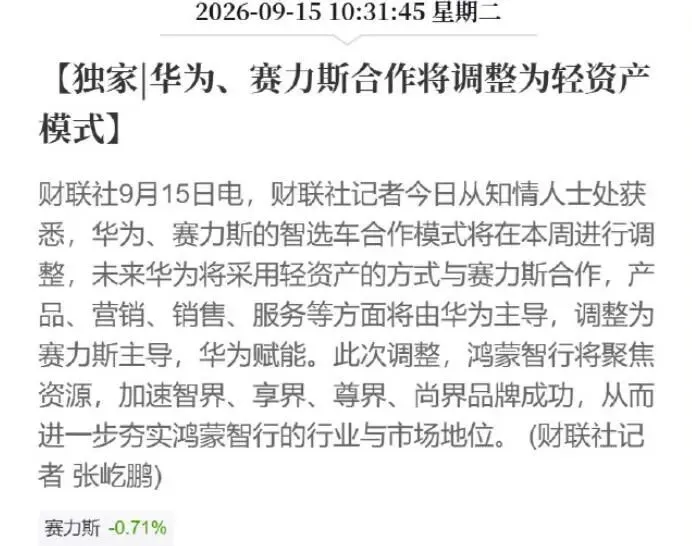
Image Source: Cailian Press
In summary, this adjustment can be described as: Huawei lightens its load, while Seres takes the helm.
The most captivating figure behind this model shift is Yu Chengdong. He is Huawei's most skilled at propelling tech products to stardom, having personally sparked the popularity of HarmonyOS Intelligent Driving. Now, the vehicle operation domain he established is gradually evolving into an 'asset-light' model. Many are left wondering: How did Yu Chengdong's dream of car manufacturing gradually unravel?
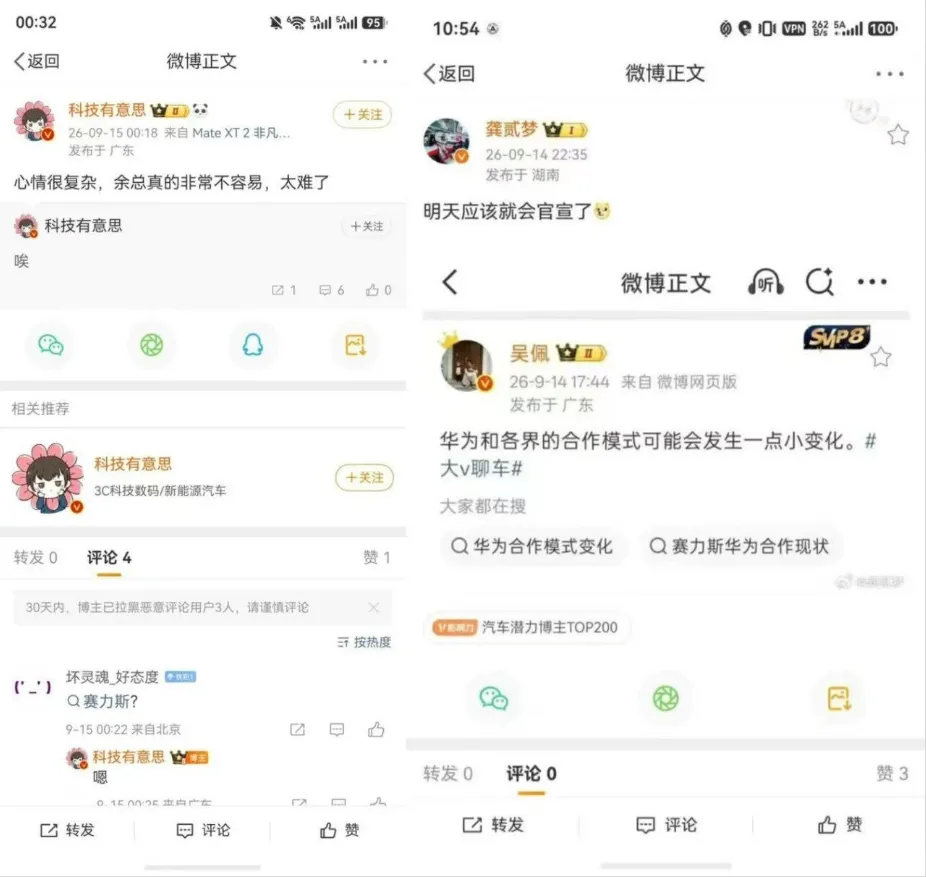 Image Source: Weibo
1. 2021 Peak: He Nearly Created an Authentic 'Huawei Car'
2021 marked the zenith of Yu Chengdong's foray into car manufacturing. At that time, Huawei's smartphone business was under intense external pressure and urgently needed to carve out a second growth path. Yu Chengdong directly applied the consumer electronics playbook to the automotive sector. The Seres Huawei Smart Selection SF5 took the lead in testing the waters, followed by the debut of the AITO M5.
During that period, Yu Chengdong was perceived by the outside world as the 'Father of Huawei Cars.' He made the final decisions on product definition, oversaw the implementation of the HarmonyOS cockpit, and pushed forward the bold strategy of selling cars in Huawei stores despite opposition. Under his leadership, a strong market perception was formed: AITO is synonymous with Huawei's car.
In fact, Yu Chengdong never considered building his own vehicle factory or heavily investing in manufacturing. However, he had a grander vision: to make Huawei the foremost brand that consumers think of when selecting a smart car, without having to manufacture cars himself. Capturing user mindshare and controlling industry discourse held far greater value than merely building and selling cars. In 2021, he was tantalizingly close to achieving this goal.
2. 2023 Spring Sudden Stop: The 'HUAWEI AITO' Brand Lasted Only 23 Days
The momentum came to an abrupt halt in the spring of 2023.
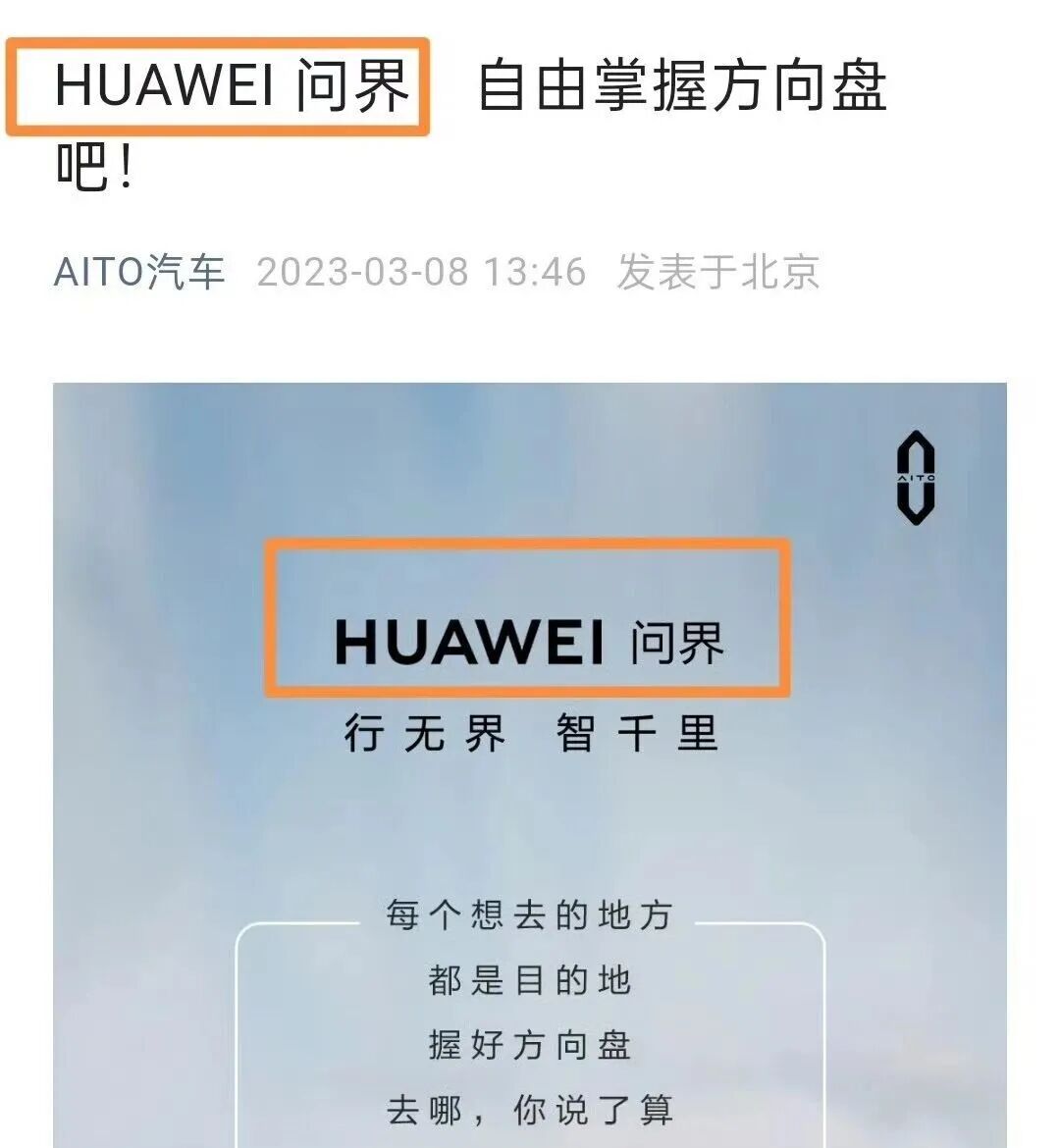
In March 2023, the official AITO Weibo account, posters in stores nationwide, and promotional videos uniformly adopted the new branding—'HUAWEI AITO.' Yu Chengdong's rationale was straightforward: with multiple brands like AITO, Luxeed, and Maextro set to launch under HarmonyOS Intelligent Driving, parallel brand operations could easily confuse users. Utilizing 'HUAWEI' as a unified endorsement would significantly reduce market education costs.
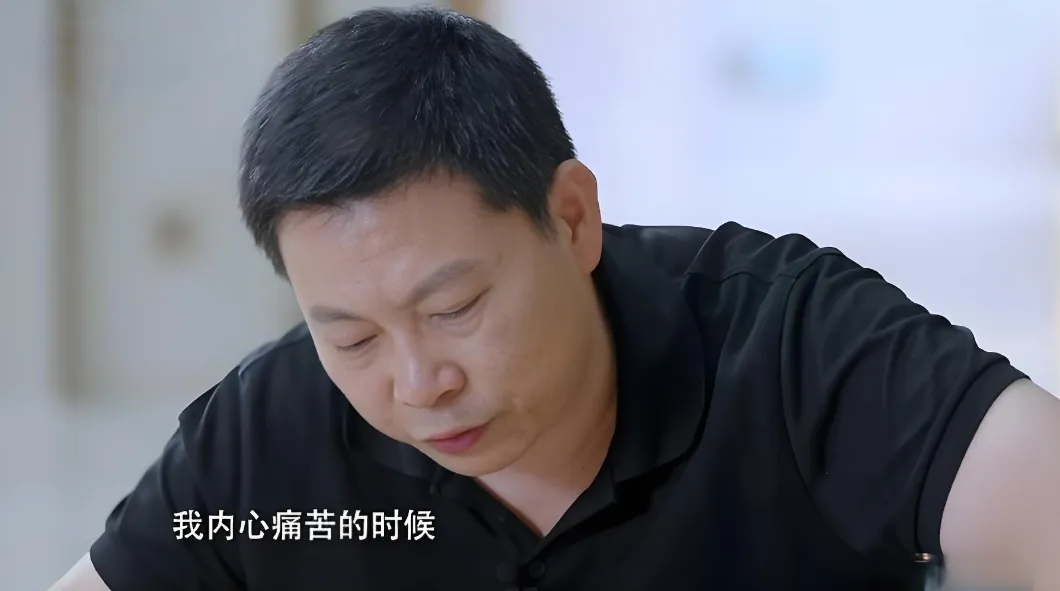
 'It's false to say I'm not saddened.' Image Source: Weibo
However, this move overstepped a boundary set by Huawei's top leadership. The company had already established a stringent rule that Huawei would not manufacture cars, valid for five years: the 'HUAWEI' logo could not precede vehicle brands, could not be printed on vehicle bodies, and phrases like 'Huawei AITO' were prohibited.
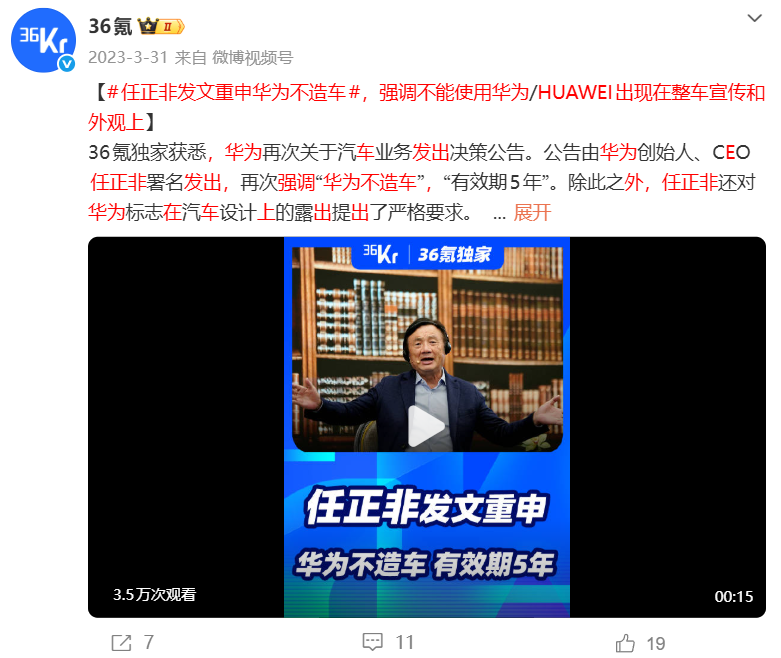 Image Source: Weibo
On March 31, relevant documents were officially issued. On the same day, Xu Zhijun reiterated at the annual report press conference that Huawei would adhere to its non-car-building stance for the next decade and would strictly investigate any misuse of the Huawei brand. That night, Yu Chengdong personally issued an order: starting April 1, all promotional materials featuring the Huawei name would be removed from AITO stores nationwide.
He left a widely circulated reflection on Huawei's internal forum: 'The era has changed; this will only make things more difficult for us! In a few years, everyone will understand! Let time be the judge!'
At that moment, the dynamics were clear: Yu Chengdong desired the consumer assets associated with 'Huawei Cars,' while Huawei's headquarters was only willing to grant him the identity of a 'Huawei technology supplier.' He aspired to be the helmsman of a complete vehicle brand, but the company only permitted him to be a technical spokesperson. This brand experiment with 'HUAWEI AITO' lasted a mere 23 days before ending.
3. 2023–2024 Organizational Reshuffle: Gradual Relinquishment of Operational Authority
Many mistakenly believe that Yu Chengdong's diminished role in the automotive core was due to poor AITO sales. The opposite is true: it was precisely after the business gained traction that headquarters initiated structural standardization and gradually reclaimed authority.
- September 2023: Yu Chengdong transitioned from CEO of the Automotive BU to Chairman, with Jin Yuzhi taking over as CEO and assuming day-to-day operational management of the Automotive BU.
- 2024: Yu Chengdong stepped down as CEO of the Terminal BG, retaining only the position of Chairman of the Terminal BG.
- January 2024: Shenzhen Yinwang Intelligence was established, with core assets and personnel from the Automotive BU gradually transferred to Yinwang.
- March 2025: The Yinwang board of directors was finalized, with Xu Zhijun appointed as Chairman and Yu Chengdong as Vice Chairman.
- April 2025: Huawei's official website updated its executive introductions, removing the title of 'Chairman of the Intelligent Automotive Solutions BU.' Yu Chengdong's titles were reduced to Executive Director and Chairman of the Terminal BG.
In essence: Yu Chengdong would still deliver public speeches and promote car sales, but decision-making power over the intelligent driving foundation, Yinwang's equity, profit pools, and core business operations would no longer be under his control. He remains Huawei's most eloquent executive in the automotive circle but is no longer the true helmsman of the automotive business.
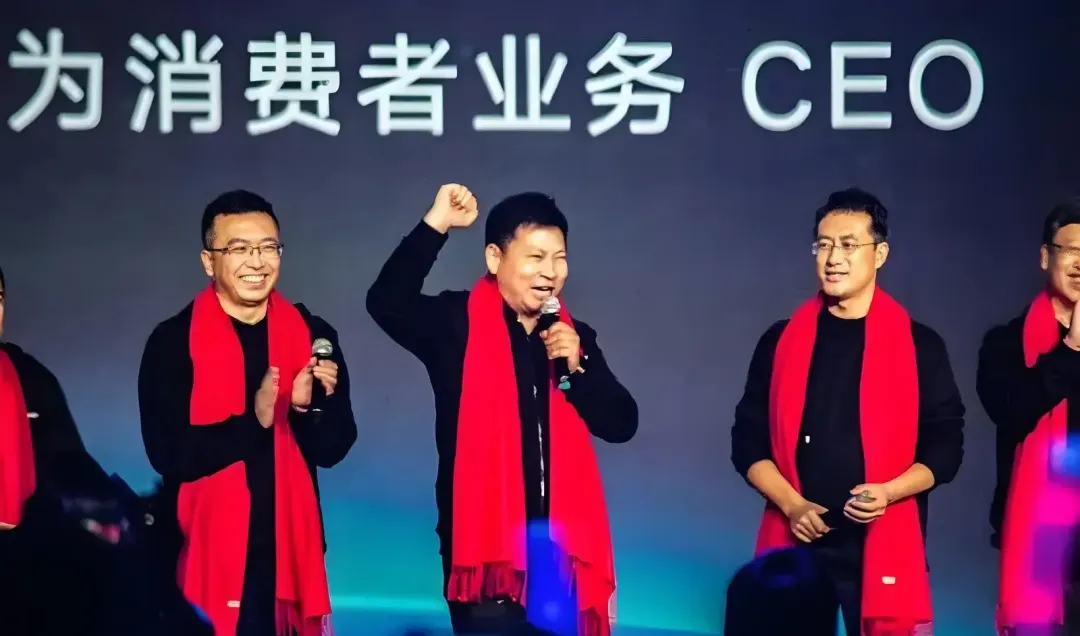 Image Source: Sina Finance
During Huawei's smartphone heyday, Yu Chengdong, Zhao Ming, and He Gang were known as the Terminal Triumvirate. The three worked side by side, transforming Honor from an entry-level brand into a flagship series challenging the high-end market and propelling Huawei's smartphone business to its peak. However, times changed, and Honor was eventually spun off as an independent entity. The brothers who once fought together became industry competitors.
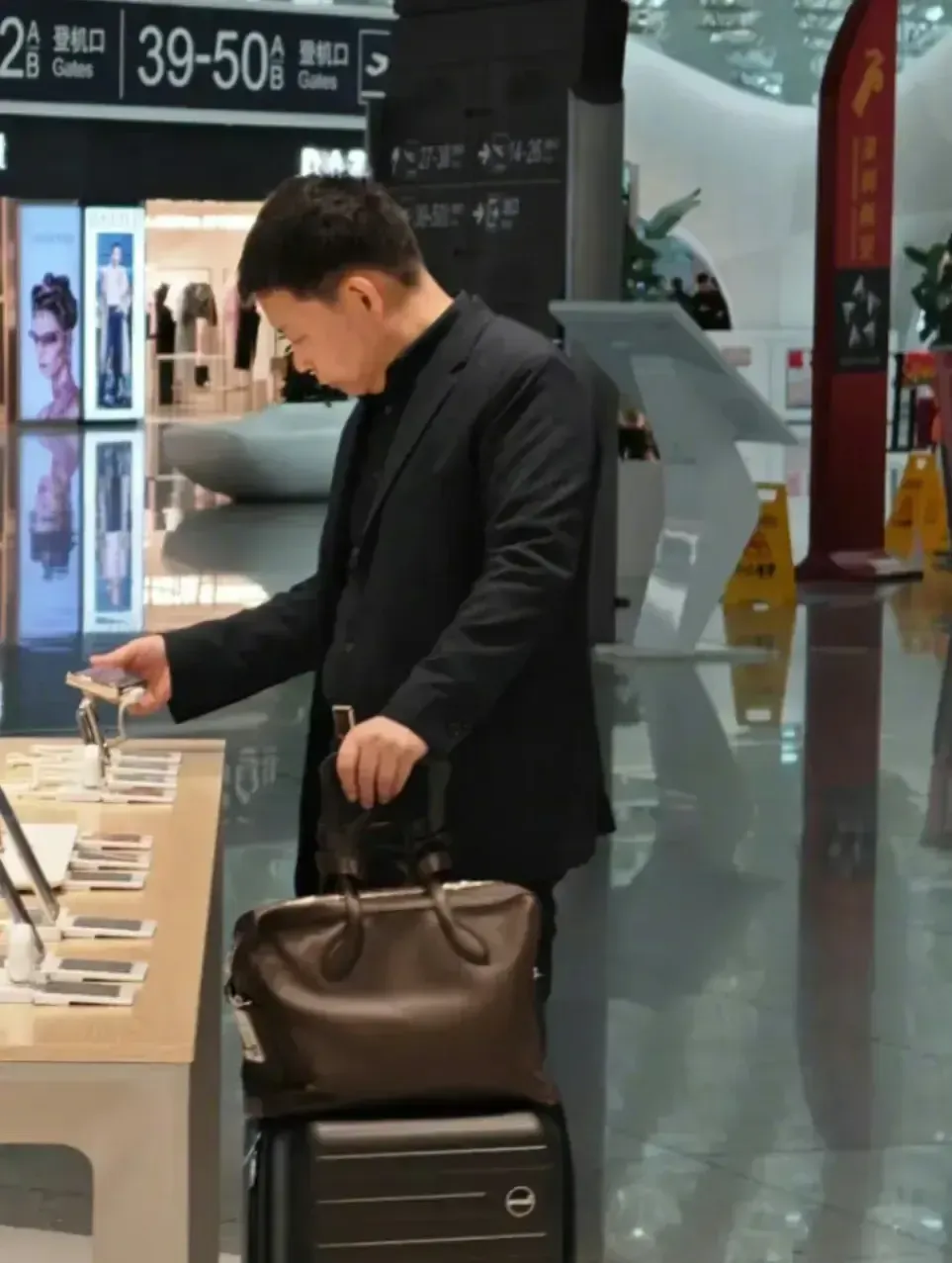 Image Source: Weibo
In 2024, a scene went viral online: Yu Chengdong, on a business trip, lingered in a Honor Experience Store, gazing at the new Magic V Flip for a long time.
4. 2024: Selling the AITO Trademark for 2.5 Billion Yuan—Dignity Masks Loss
In July 2024, Seres paid 2.5 billion yuan to acquire 919 AITO series trademarks and 44 design patents. The assessed value of these intangible assets reached 10.233 billion yuan, and Yu Chengdong himself had admitted that this brand asset was worth at least tens of billions of yuan.
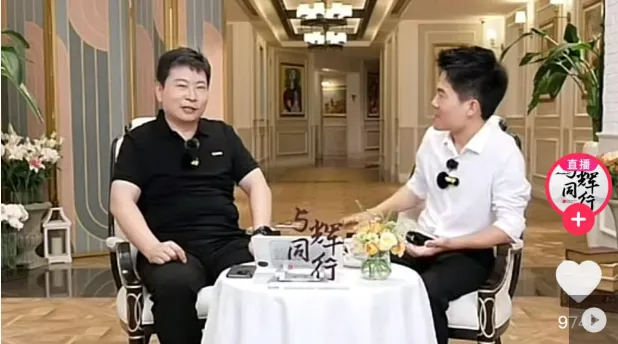 Yu Chengdong discusses the 2.5 billion yuan transfer of the AITO trademark and related patents to Seres. Image Source: 'With Hui Tongxing' livestream.
The official reason given was compliance: the brand owner and manufacturer should be unified, and brand assets should be held by the automaker.
However, from Yu Chengdong's perspective, this development was bittersweet. The AITO brand was built from scratch under his leadership; the smart selection model was refined through the team's hard work; and multiple hit models like the M5, M7, and M9 succeeded by leveraging Huawei's channels and full-stack intelligent driving resources. The brand he nurtured ultimately belonged to Seres in terms of property rights.
While Huawei's technical support remained and Yu Chengdong continued to serve as a spokesperson, the most valuable user perception asset—'AITO equals Huawei'—was officially stripped away.
5. 2025–2026: Five Brands in Parallel—AITO Transitions from Flagship to One of Many
HarmonyOS Intelligent Driving subsequently expanded to form a matrix of five parallel brands: AITO, Luxeed, Maextro, STELATO, and SHIELD. Resources were diverted, and AITO, once the sole flagship, became one of five brands, no longer enjoying exclusive resource allocation.
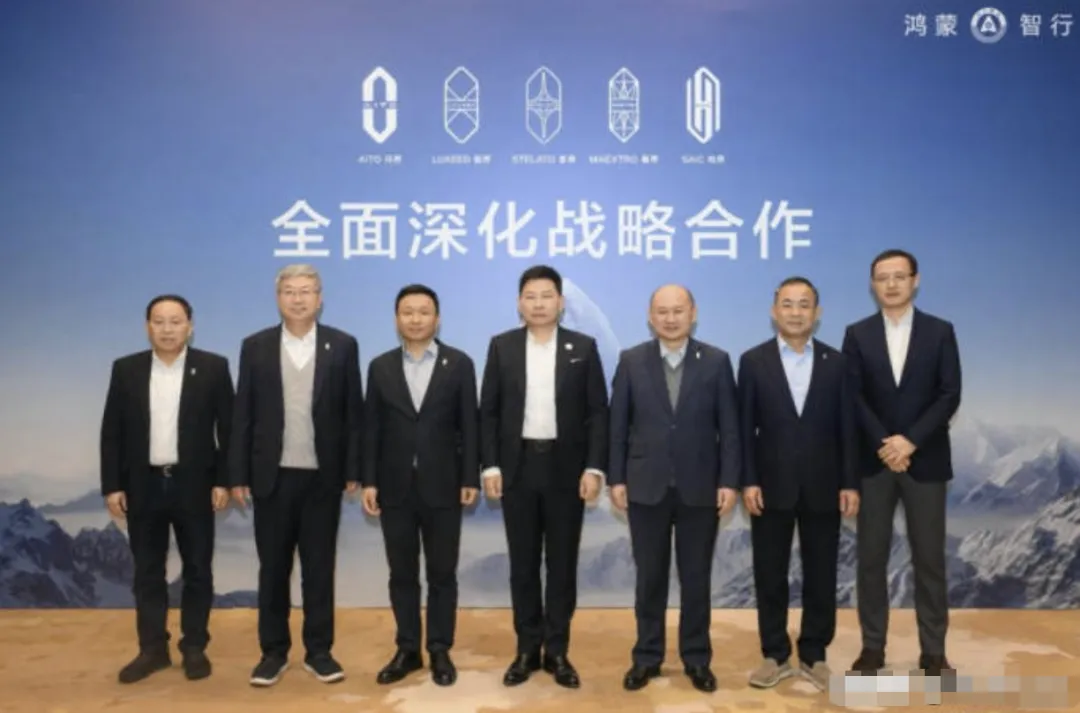 Image Source: Weibo
Yinwang completed its equity restructuring, with Seres and Avatr each investing 11.5 billion yuan to acquire stakes in Yinwang. Huawei's automotive business transformed into a technology platform plus ecosystem alliance model, abandoning the heavy-asset path of single-automaker binding.
By September 2026, Huawei's partnership with Seres had shifted to an asset-light model, with product development, marketing, sales, and services gradually led by Seres, while Huawei focused solely on technological empowerment. The product definition rights, channel rights, and user operation rights that Yu Chengdong had fought to retain were gradually handed back to the automaker.
6. Dual-Track Parallelism: 'JIE' and 'JING' Split—Two Routes Fully Diverge
Many overlook that Huawei's automotive business has diversified into two independent routes.
At the Huawei Qiankun Ecosystem Conference in November 2025, a new 'JING' series was introduced: Qijing (Huawei Qiankun + GAC Group) and Yijing (Huawei Qiankun + Dongfeng Motor).
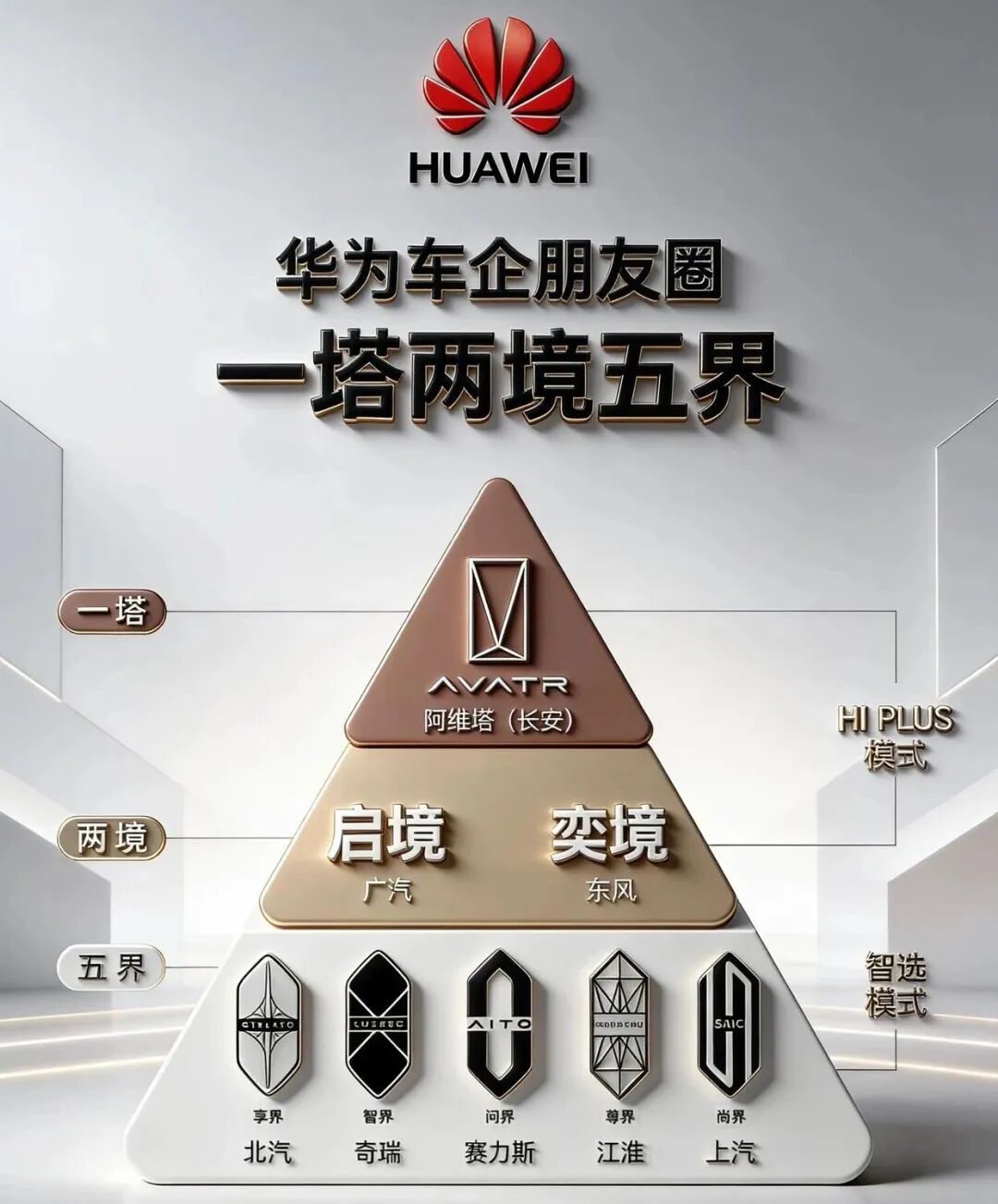 Image Source: Weibo
The 'JING' series falls under the Yinwang line led by Xu Zhijun and Jin Yuzhi, operating independently from the 'JIE' series (AITO, Luxeed, etc.) under Yu Chengdong's HarmonyOS Intelligent Driving. Qiankun Intelligent Driving, HarmonyOS Cockpit, and the IPD system are fully open to the 'JING' series. Unlike the 'JIE' series, which faced restrictions on using the Huawei Qiankun logo, the 'JING' series can legally use it, and their models can be priced tens of thousands of yuan cheaper, adopting entirely different market strategies.
These two internal and external tracks represent Huawei's strategic choice: to no longer engage in in-depth operation of complete vehicles but to insist on asset-light technological empowerment and avoid heavy-asset risks. The old smart selection model with heavy operations, led by Yu Chengdong, is gradually fading away.
7. Is This a Failure for Yu Chengdong? Yes and No
From a personal perspective, many believe he lost.
His goal was to become a Steve Jobs-like figure in the automotive industry, building a car brand for Huawei. Instead, he ended up as a spokesperson for HarmonyOS Intelligent Driving. The 'HUAWEI AITO' brand was short-lived; the AITO trademark he nurtured was sold to Seres; after the Automotive BU succeeded, Yinwang's top leader was replaced by Xu Zhijun; after the expansion of the five brands, AITO no longer enjoyed exclusive resources; and this year, the operational leadership of AITO will be returned to Seres.
To put it vividly: He lit a raging fire, but the company, fearing it might grow too large, cut off the fuel, split the business, and removed the brand signage—yet still invited him to stand front and center, telling the market how wonderful the fire was.
However, from Huawei's overall strategic perspective, the outcome is entirely different.
Huawei did not build factories to manufacture cars but secured its position in the first tier of domestic advanced intelligent driving; Yinwang's revenue reached 26.353 billion yuan in 2024, a 474.4% year-over-year increase, achieving profitability for the first time; HarmonyOS Intelligent Driving delivered over 430,000 vehicles in 2024, leading the industry in high-end average transaction prices.
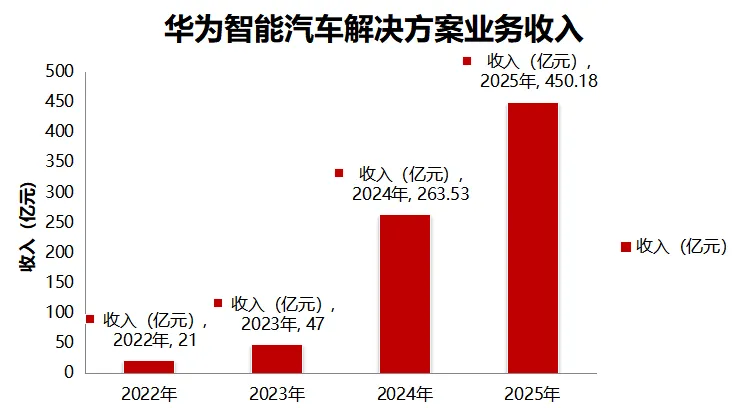 Image Source: Zhichejie
While he did not become a car-building boss, he genuinely reshaped the domestic high-end new energy vehicle landscape, forcibly reducing the premium of BBA (BMW, Mercedes-Benz, Audi) and enabling domestic smart cars to establish a foothold in the high-end sector.
8. Epilogue: Three Business Breakthroughs to Understand Yu Chengdong
Looking back at Yu Chengdong's career, he is one of the few in Huawei who has led three core business transformations in succession: telecommunications base stations, smartphones, and smart electric vehicles—each a tough battle.
Many
At the time, many people dismissed his statements as mere bluster. However, in hindsight, all his assertions have proven to be true. The Mate 60 series made a triumphant return, the Kirin chip continued to evolve through successive iterations, and the HarmonyOS ecosystem expanded in a steady and robust manner. Although there remains a gap in chip manufacturing processes, Huawei has successfully navigated through the most challenging period of blockades, truly embodying the proverb, "a light boat has sailed past a thousand mountains."
 Image source: Weibo
AITO has never been a wholly Huawei-owned vehicle, and Yu Chengdong has never been permitted to fully rebrand it as a Huawei car.
He once remarked that he was not engaging in boastful talk, merely refraining from excessive modesty. For Yu Chengdong, his dream of venturing into car manufacturing did not unfold exactly as he had scripted it. Nevertheless, his mission has been accomplished. The spark has been lit, and the path has been cleared. The remaining narrative will be penned by the automakers within the ecosystem. Let time be the judge of the rights and wrongs, successes and failures.
Interactive Topic: Do you believe Huawei's shift towards an asset-light empowerment strategy is beneficial or detrimental to the future sales of AITO? Feel free to share your insights in the comments section.
Disclaimer: This article serves solely as a commentary on significant corporate finance matters and does not constitute any form of investment advice. The corporate data and regulatory events mentioned herein are sourced from publicly available information and are intended for reference purposes only. The specifics should be based on official releases. The image is sourced from the internet. Should there be any copyright concerns, please contact us for prompt removal.
-
![]()
Silicon Valley Sparks the AI Office War
-
![]()
Weekly Stock Review | Trump’s Concern Over AI Rivalry: The Auto Industry’s ‘Biggest Competitor’
-
![]()
FAW and GAC's Strategic Move: More Than Corporate Collaboration, a Pioneering Case of National Industrial Anti-Involution
-
![]()
Can the Long-Wheelbase Mercedes-Benz GLE SUV Tread in the Footsteps of the BMW X5?
-
![]()
From Netizens' Perspective, the XPENG G9L Still Seems Pricey
-
![]()
10 Questions I Care Most About Regarding Doubao Mobile Phone II
-
![]()
Quality Performance of China’s New Energy Vehicle Tri-Electric Systems in 2026: Experience-Centric Issues Take Center Stage, Range Remains Top Challenge
-
![]()
AIDrive’s Cooperation Model Undergoes Change: Is Xiaomi Pengcheng the Unexpected Winner?