Zhu Huarong, 61, Embarks on the 'Final Battle' as Reappointed Chairman of Changan | MINGJINGpro
 09/20 2026
 489
489
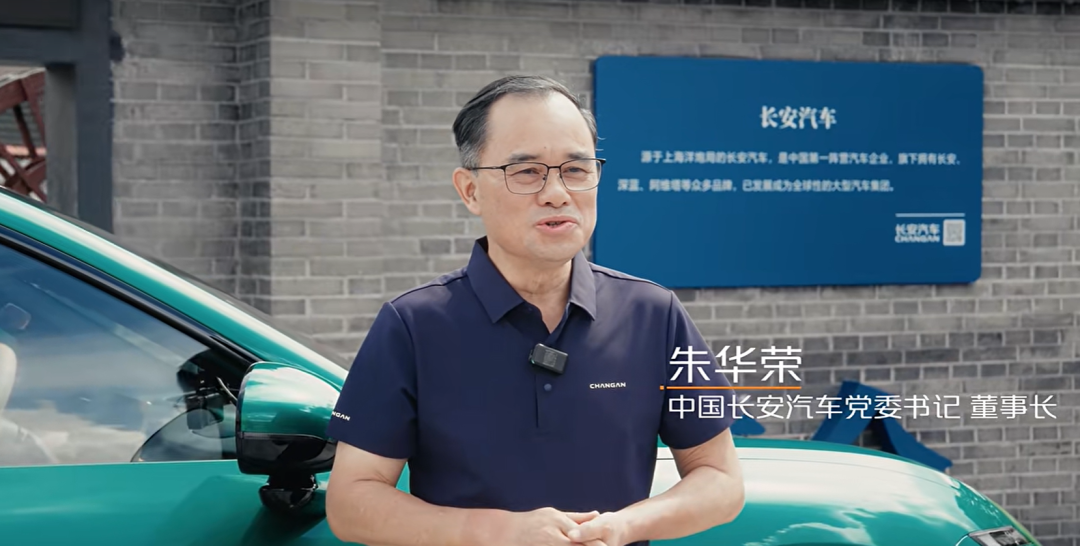
Changan’s new management team has officially taken the helm.
On the afternoon of September 17, 2026, Changan Automobile convened its third extraordinary general meeting of shareholders, electing Mr. Zhu Huarong, Mr. Zhao Fei, and Mr. Ni Erke as non-independent directors, and Mr. Yang Xinmin, Mr. Tang Guliang, Mr. Li Zhenyu, Mr. Li Wei, and Mr. Gu Yanmin as independent directors. Together with Ms. Wang Yaohua, the employee director elected by the previous employee representative assembly, they constitute the company’s new board of directors. At the subsequent inaugural meeting of Changan’s tenth board of directors, Zhu Huarong was re-elected as chairman, a move that came as no surprise.
The term 'no surprise' is apt because Zhu Huarong’s appointment was widely anticipated.
Within the Changan system, Zhu Huarong assumed the roles of President and Party Secretary of Changan Automobile in December 2014, and subsequently took charge of Changan Automobile in 2020. In 2025, Changan Automobile underwent restructuring and elevation to become China’s third automotive central enterprise, with Zhu Huarong entrusted with the leadership mantle. Initially, there were speculations that an external candidate might be appointed as chairman. However, Zhu Huarong, an insider with deep roots in Changan, garnered full trust and endorsement. This not only validated his past achievements but also underscored expectations for him to propel the new Changan to greater heights.
During Zhu Huarong’s previous five-year tenure at Changan, the automotive industry witnessed profound transformations. Firstly, domestic brands surged while joint ventures experienced a significant downturn. Secondly, the market share of new energy vehicles (NEVs) expanded rapidly, while gasoline vehicle sales contracted. Thirdly, technological advancements accelerated, with intelligent driving emerging as a pivotal competitive factor. Fourthly, the industry entered a phase of consolidation, with emerging new forces swiftly rising to prominence. Fifthly, automotive exports soared, while imports dwindled in scale. These transformative trends underscored the industry’s dynamic evolution in recent years.
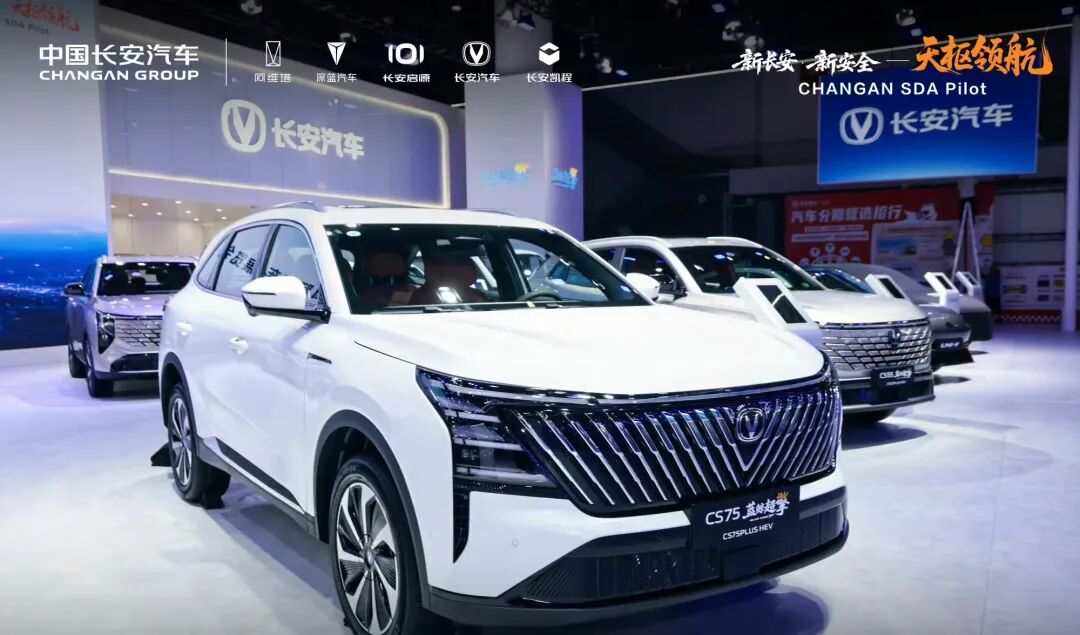
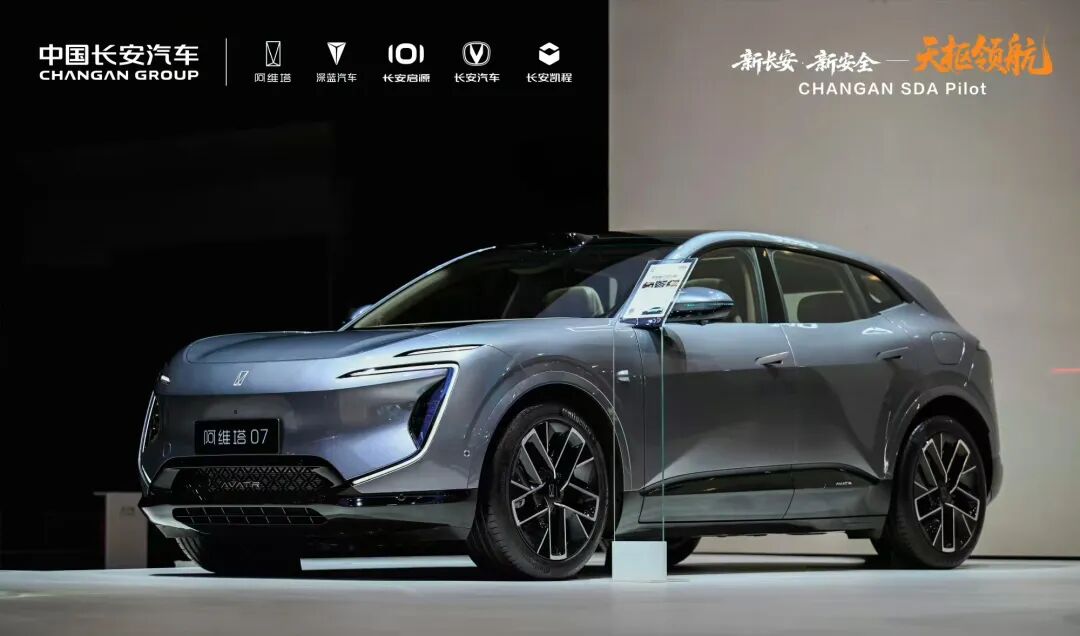
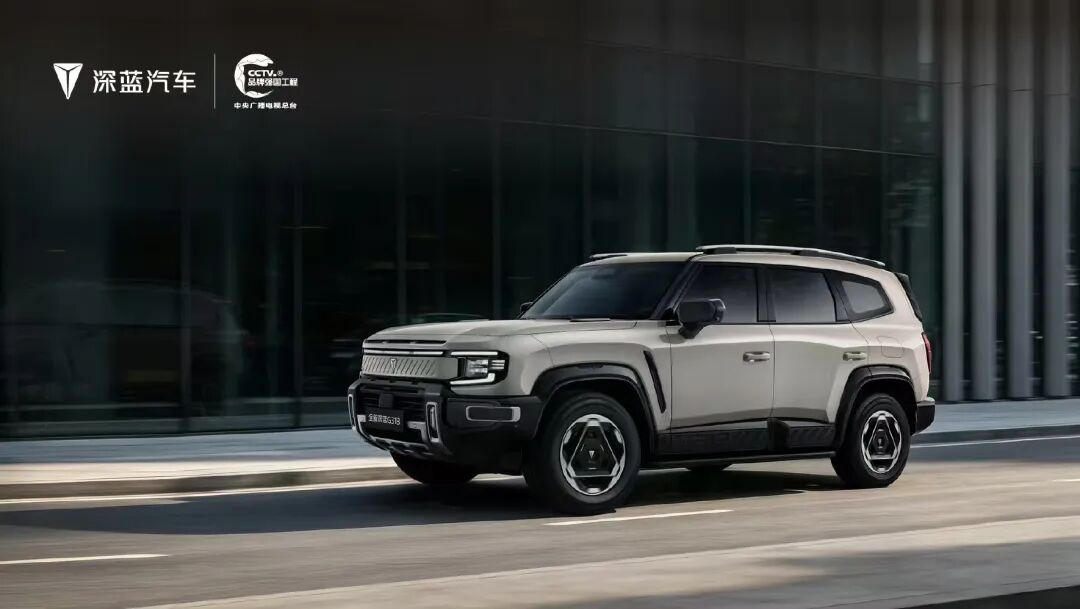
Against this backdrop of significant industry shifts, Changan achieved stable development and successfully navigated its transformation. In terms of sales, from 2020 to 2025, Changan experienced sustained growth, with volumes increasing from 2.004 million units in 2020 to 2.913 million units in 2025, marking six consecutive years of positive growth; 2025 sales also reached a nine-year peak. In the realm of new energy transformation, Changan decisively revamped its brand strategy, launching three major brands: Avatar, Shenlan, and Qiyuan. Under a dual strategy of advancing both gasoline and electric vehicles, new energy sales steadily climbed, surpassing 1.109 million units in 2025. Additionally, overseas sales reached 637,000 units in the same year.
Consequently, Changan has forged a comprehensive brand portfolio spanning high-end, mid-range, and entry-level segments, effectively covering the market. Moreover, in response to industry changes, Changan has not only kept pace with major trends over the past five years but has also made steady progress at every turn. In intelligent driving, Changan adopted a dual approach: on one hand, it strengthened collaboration with Huawei, seizing market opportunities and becoming the first state-owned enterprise to invest in Huawei’s AITO company, setting an industry precedent; on the other hand, it persisted in self-research, developing Tianshu Intelligent Driving to ensure core competitiveness amidst external cooperation. This laid a solid foundation for further breakthroughs in Changan’s self-owned new energy vehicles.
This open yet self-reliant strategy is also evident in core components such as batteries. On one hand, Changan broke institutional barriers by collaborating with CATL and Huawei to create Avatar, with CATL as a key partner. On the other hand, Changan’s self-developed ‘Golden Bell’ battery, designed with safety goals of ‘no fire, no explosion, no smoke,’ has passed rigorous tests including nail penetration, fire, and drop tests. While the industry is currently embroiled in debates over ‘de-CATL-ization’ and beginning to deploy self-developed batteries, Changan had already completed its deployment well in advance. This strategic foresight is evident in multiple aspects.
For instance, this year, Changan pioneered the promotion of HEV technology in the industry. Its new-generation Blue Whale Super Hybrid achieved a combined fuel consumption as low as 2.3L/100km in real-world tests, reflecting Changan’s innovative thinking in the gasoline vehicle market. As new energy subsidies decline and the industry enters a new round of major adjustments, Changan, with its technological preparedness and reserves, undoubtedly possesses sufficient capabilities to cope with these uncertainties and risks. This is the result of Changan’s consistent heavy investment in technology under Zhu Huarong’s leadership. Since 2020, Changan has continuously promoted internal reforms with an ‘entrepreneurial’ mindset, enabling it to maintain vitality and strategic acumen.
Among self-owned groups, Changan is also the first automotive group during this period to completely phase out its joint venture segment and rely solely on self-owned brands to achieve comprehensive profitability. Particularly during the five years from 2020 to 2025, as joint venture automakers rapidly declined in the Chinese market, Changan stabilized its joint venture segment through internal adjustments while creating new growth segments, ensuring corporate stability. From an industry perspective, other automakers subsequently faced similar challenges, but in terms of reform speed and quality, Changan can be considered a model.
Through five years of efforts, Changan’s revenue has grown from an initial 80 billion yuan to a critical juncture of surpassing 200 billion yuan. More importantly, over these five years, Changan has established future-oriented R&D capabilities, brand architecture, and a new institutional mechanism, laying the foundation for its subsequent competition. After the complete formation of the new Changan in 2025, Changan has ushered in a rare and golden opportunity.
In 2025, following the establishment of the new Changan, Zhu Huarong outlined an ambitious vision: by 2030, China’s Changan Automobile aims to achieve whole-vehicle production and sales of 5 million units, with new energy sales accounting for over 60% and overseas sales accounting for over 30%, striving to become a global Top 10 automaker. Facing this goal, Changan has entered a period of accelerated progress. At this critical juncture, the leadership to guide Changan forward becomes even more crucial.
According to the plan, over the next five years, Changan will launch over 50 new energy products, including global blockbusters with annual sales of 300,000 units; in terms of core technology breakthroughs, the new Changan will focus on building the ‘Tianshu’ intelligent technology platform, deploying new scenarios such as intelligent driving chassis, intelligent cockpits, AI large models, Robotaxi, and intelligent logistics, and exploring differentiated competitive edges through cutting-edge technologies like photonic quantum computing. To this end, Changan will invest 200 billion yuan in the new automotive field over the next decade and expand its engineering and technical team by tens of thousands.
Any of these initiatives represents a formidable challenge. From an industry perspective, from the previous merger plans between Dongfeng and Changan to this year’s FAW investing in GAC, it is evident that the entire industry is entering a new round of consolidation. Particularly by 2027, with the elimination of new energy subsidies, the industry landscape will undergo a complete transformation. Born in 1965, Zhu Huarong is now 61 years old. According to principles, the retirement age is 60, with a maximum extension to 63. At this critical moment, Zhu Huarong will lead Changan in this crucial battle. However, there are also exceptional cases in the industry, and subsequent developments may vary.
From an observational standpoint, for Zhu Huarong, Changan will need to address several key tasks going forward: first, promote the strategic integration of Shenlan and Avatar to create new competitiveness for these two major brands; second, complete the listing of Avatar, creating the first IPO-listed high-end automaker among central and state-owned enterprises; third, rebuild the competitiveness of the new energy segment and achieve overall profitability. Currently, its Qiyuan segment is already profitable, with the subsequent focus on Shenlan and Avatar; fourth, build a complete technological foundation and competitive system for the future competition of the new central enterprise, Changan; fifth, continue to cultivate subsequent talent.
In Changan’s development, Zhu Huarong has been the key leader who bridges the past and future, driving Changan’s transformation. How high Changan can soar in the future will depend on the layout and strategic choices made in the coming years.
-
![]()
ZTE’s New Doubao Phone: Playing It Safe in the AI Race
-
ZTE’s New Doubao Phone: A More Cautious Approach
-
![]()
Samsung, Spurred by Apple, Steps Up Its Game, with LY Technology Reaping the Greatest Benefits
-
Blue Heart Xiaov Set to Introduce Paid Pro Version, Revealing vivo’s Large Model Strategy
-
Three-Way Struggle for Market Share: BYD, Chery, and Geely Challenge Great Wall, Posing Immediate Risks to Wei Jianjun
-
![]()
The Reason Behind Valve's Headset Price Surge of 2400 Yuan: The End of an Era of Selling at a Loss
-
![]()
Decoding the '4S' Architecture | Report on Enterprise-Level AI Services in China
-
![]()
Li Auto Aims to Sell Three Technologies, First Buyers Unlikely to Be Major Automakers