Liu Zongcheng Declares Haste Makes Waste in Car Manufacturing, Yet Seres Seems to Be Rushing Headlong!
 09/20 2026
 502
502
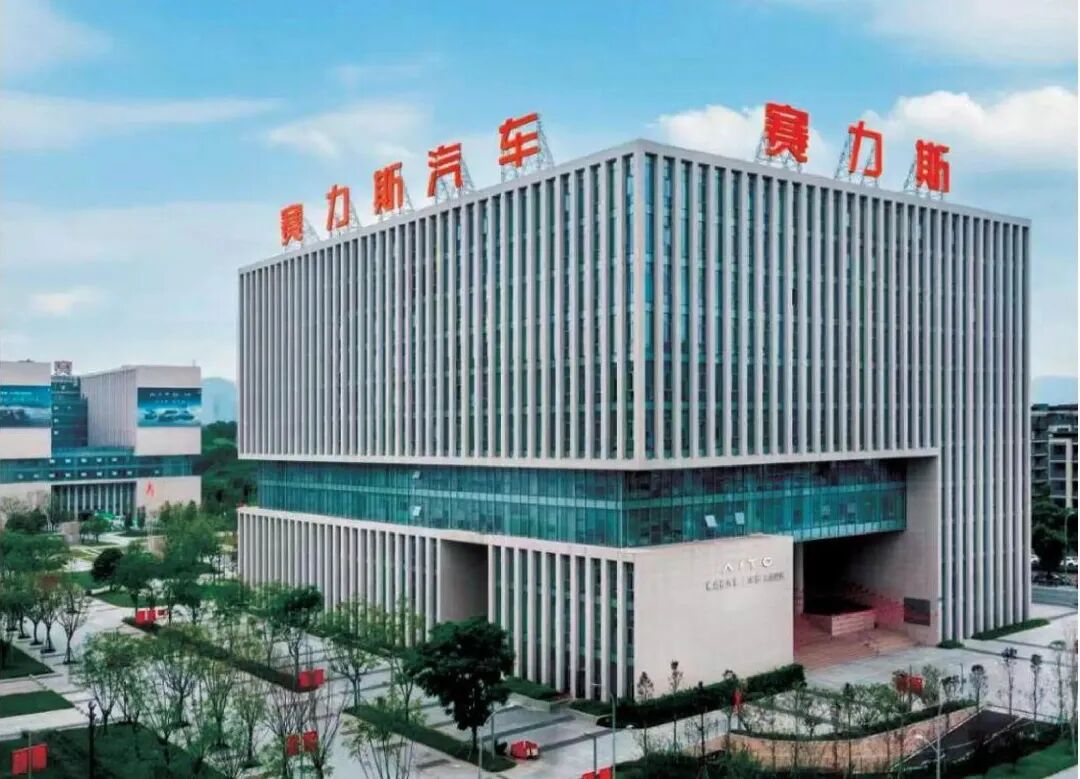
At the TEDA Forum, Liu Zongcheng, the president of Seres, made one of the most insightful remarks: 
“The greatest risk in the automotive sector is not moving too slowly, but rushing production.” This sentiment would resonate at any automotive industry gathering. Yet, on the same day, Seres' sales figures took a nosedive, with a 43.96% drop in August sales, and AITO witnessing a 49.68% decline. 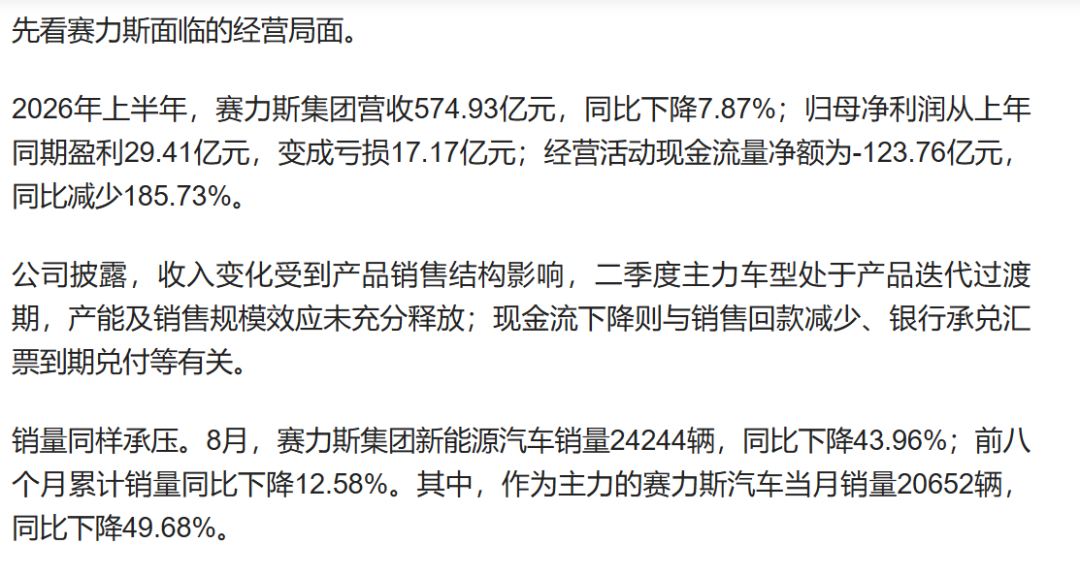 (Screenshot from Shangguan News report) Isn't it ironic that a brand experiencing such a sales slump is advising the entire industry against rushing production?
01 Liu Zongcheng's Key Perspectives 
On September 19, 2026, at the International Forum on the Development of China's Automotive Industry, Liu Zongcheng took the podium to share three core viewpoints: rejecting “inflated” growth, enforcing self-restraint against “malicious PR,” and addressing the issue of “rushed car production” to eliminate industry chaos and restore consumer trust. His words were on point, and his direction was sound. However, this was not a product unveiling but a public address during a sensitive period following the “split” with Huawei. Any misstep could spark media speculation that he was indirectly criticizing Huawei. Seres' new energy vehicle sales in August stood at 24,244 units, a 43.96% year-on-year decrease, with the AITO series dropping by 49.68%. Cumulative sales for the first eight months also fell by 12.58%. The net profit attributable to shareholders for the first half of the year was a loss of 1.717 billion yuan, compared to a profit of 2.941 billion yuan in the same period last year. This scenario doesn't reflect “rejecting rushed production” but rather “already losing steam.”
02 Who Is to Blame for “Rushed Car Production”? 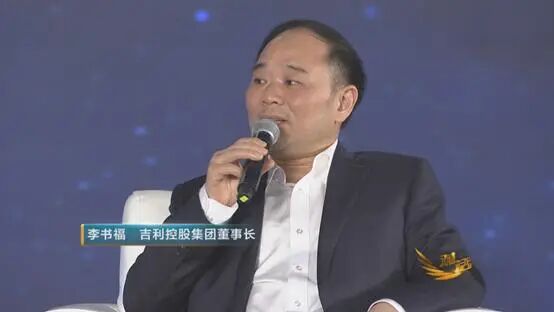
The term “rushed car production” was first used as a warning by Geely's Li Shufu in June of this year. In July, Beijing Hyundai's Li Fenggang publicly condemned the practice of turning “consumers into test drivers.” In August, SAIC Volkswagen showcased “No Rushed Car Production” on PPTs at the Chengdu Auto Show. Mercedes-Benz and BMW also released short films mocking this trend. Seres joined the conversation at an opportune time, as the AITO series could easily be perceived by the media as a product of “Huawei speed.” In 2021, the SF5 was launched, followed by the M5 and M7 in 2022, the M9 in 2023, monthly sales of the M9 exceeding 10,000 units in 2024, and cumulative deliveries of the AITO series surpassing one million in 2025. 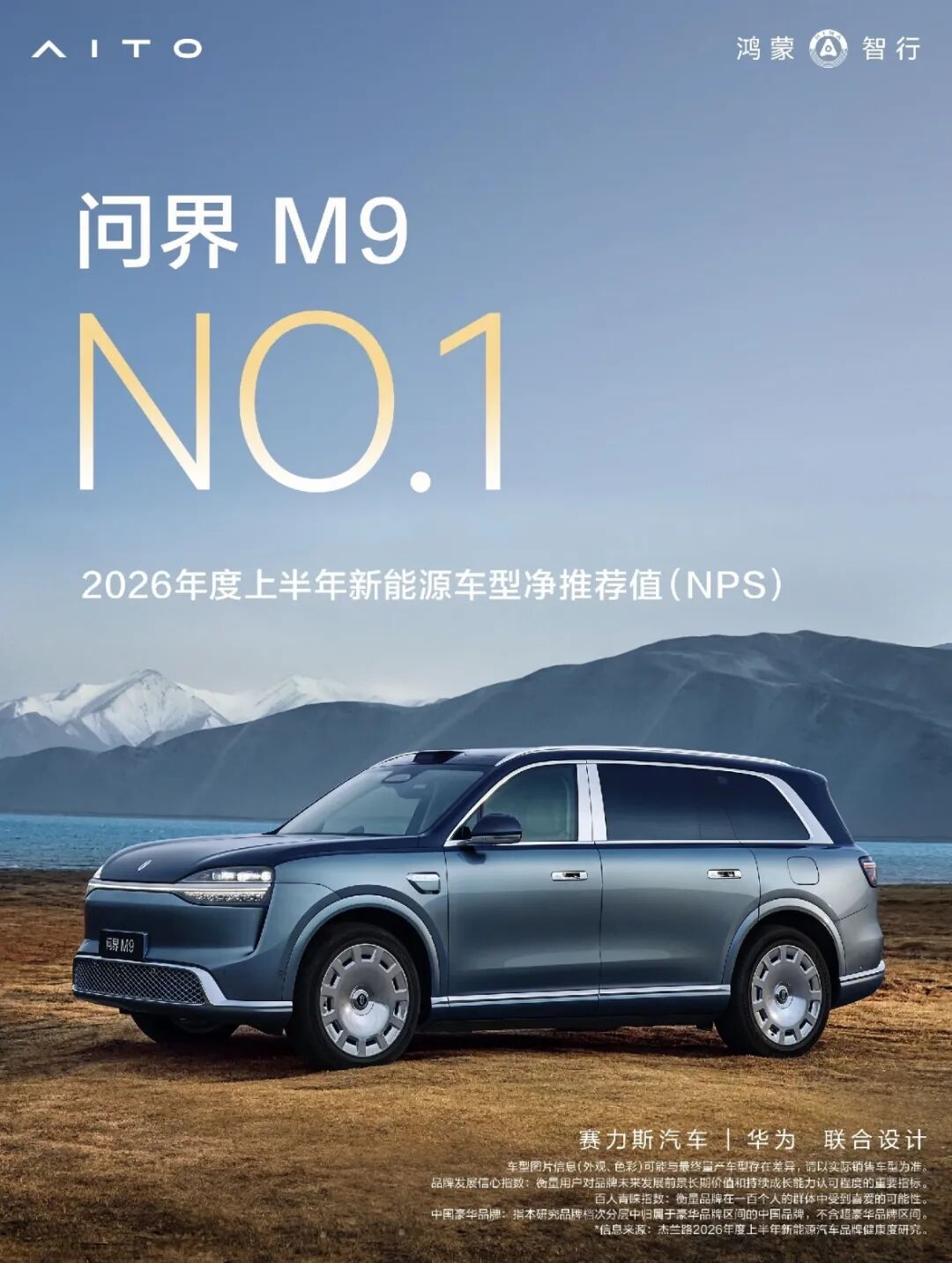
Four models in four years, going from zero to one million. This pace would be unthinkable for traditional automakers. Now, Seres claims “rushed production won't last,” which seems like a denial of its own rapid pace over the past four years. 
03 Did Seres Only Start to Slow Down After Huawei's Departure?
The timing couldn't be more delicate. On September 15, Huawei announced a shift in its cooperation model with Seres, with product definition, brand marketing, and channel retail now under Seres' leadership, while Huawei provides technical support. Starting September 16, the entity for channel contracts changed from Huawei to a Seres-affiliated company. 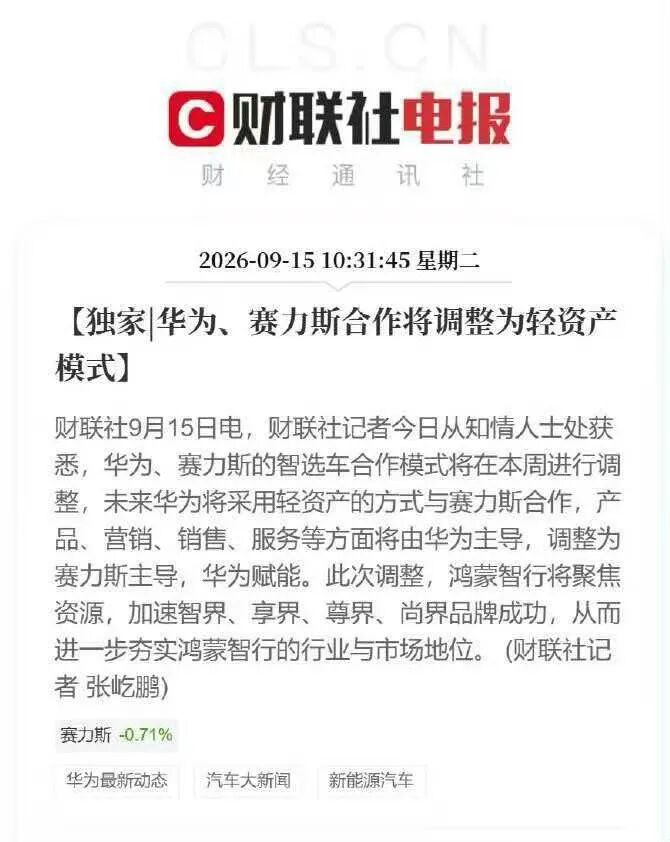
In essence, Seres has just transitioned from “Huawei's Seres” to “Seres's Seres.” Although some media reports suggest it's a move towards a lighter asset model, physical changes have occurred in the offline channels. The traffic benefits from Huawei stores are noticeably diminishing. It can be argued that the AITO M9's two-month reign as the best-selling luxury SUV in the 500,000-yuan price range was largely due to Huawei's influence. Now, as that influence wanes, Seres must learn to craft its own narrative. The topic of “rushed car production” aligns with the tightening regulatory environment. The Ministry of Industry and Information Technology has mandated reliability verification of no less than 30,000 kilometers for traditional vehicles, and four departments have launched a year-long quality campaign. Seres' discussion of “rejecting rushed production” at this juncture is a commitment to regulators and consumers alike.
04 A Harsher Reality
Seres' gross profit margin in the first half of the year declined by 5.6 percentage points year-on-year, with Q2's single-quarter margin dropping to just 20.9%. Zeng Qinghong, chairman of GAC Group, has stated that automakers cannot afford to sell cars at a loss, as “such competition is suicidal.” Seres isn't unwilling to accelerate; it simply can't afford to anymore. Huawei stores are no longer a cost-free source of traffic. With channel contract changes and store divisions, AITO must now shoulder the full costs of marketing and sales.
This is the true anxiety behind Seres' “rejection of rushed production.” Seres' dilemma isn't about choosing between “rushed production” and “slow production” but about surviving after Huawei's withdrawal. Liu Zongcheng said, “Winning the future with low prices is impossible.” That's accurate. However, Seres has relied on “Huawei's premium” over the past four years, not low prices. Now, its premium capability is waning, sales are plummeting, and losses are mounting. A brand in such dire straits should not be discussing “not rushing production” but “how to survive.” Seres' real competitor isn't other automakers but Huawei, which once elevated it to god-like status and is now shifting its support to Luxeed, Xiangjie, Zensect, and Shangjie. 
Do you think Seres can stand on its own without Huawei's influence? Share your thoughts in the comments.
-
![]()
ZTE’s New Doubao Phone: Playing It Safe in the AI Race
-
ZTE’s New Doubao Phone: A More Cautious Approach
-
![]()
Samsung, Spurred by Apple, Steps Up Its Game, with LY Technology Reaping the Greatest Benefits
-
Blue Heart Xiaov Set to Introduce Paid Pro Version, Revealing vivo’s Large Model Strategy
-
Three-Way Struggle for Market Share: BYD, Chery, and Geely Challenge Great Wall, Posing Immediate Risks to Wei Jianjun
-
![]()
The Reason Behind Valve's Headset Price Surge of 2400 Yuan: The End of an Era of Selling at a Loss
-
![]()
Decoding the '4S' Architecture | Report on Enterprise-Level AI Services in China
-
![]()
Li Auto Aims to Sell Three Technologies, First Buyers Unlikely to Be Major Automakers