Sports Sedans Flood the Market: How Can Young Buyers Tell the Real from the Fake?
 09/23 2026
 471
471
"How many are truly sporty?"
Mr. Wang, a prospective car buyer, had mixed feelings when he test-drove the Geely Galaxy TT in Chengdu.
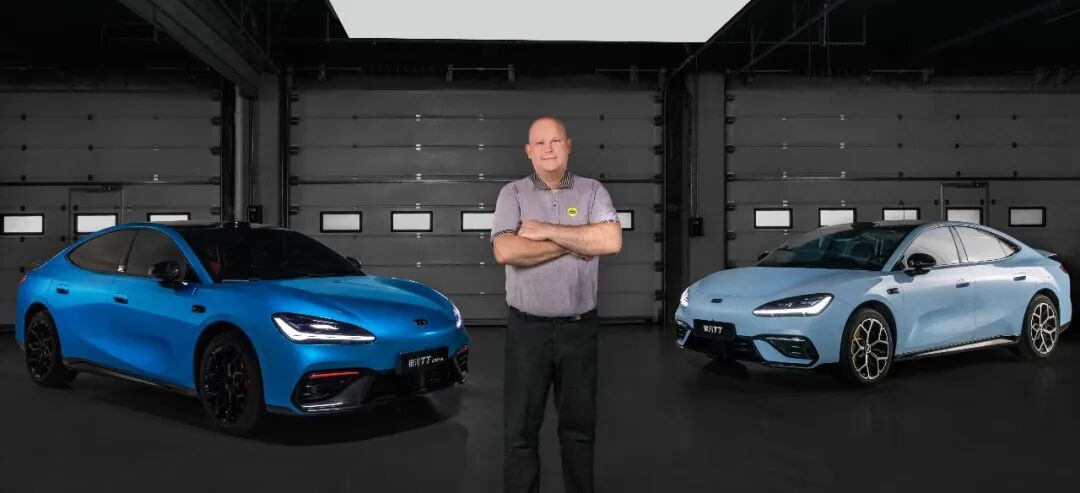
This C-class all-electric coupe, starting at RMB 139,900, actually (surprisingly) had its chassis tuned by the Lotus engineering team. Just a few years ago, Lotus tuning was exclusive to million-yuan supercars.
Mr. Wang said that in the past, when he passed by the Lotus (formerly known as Lianhua) store in a shopping mall, he would stare through the glass for a long time, feeling that the brand was far out of reach. He never imagined that one day he would drive a sedan tuned by the same team.
Such unimaginable things are happening frequently nowadays.
From late July to mid-September this year, in less than two months, at least eight sedans claiming to have sporty attributes have entered the market, such as the MG 07, Geely Galaxy TT, Fangchengbao Fangcheng S, Fangcheng S GT, All-new ZEEKR L6, Chery Fengyun A9, Lynk & Co 07 GT, and Aion Ray 7...
All these cars are marketed under the same banner—designed for young consumers.
For example, the MG 07 is officially positioned as the "first coupe for young consumers," while the Aion Ray 7 is described as a "super electric car loved by young consumers." Even Fangchengbao, which previously focused on off-road vehicles, targeted young users in the RMB 200,000 price range when launching its first sedan.
Behind the excitement lies a sedan market that is continuously losing ground. Data from the China Passenger Car Association shows that in the first eight months of this year, sedan sales totaled 7.6137 million units, down 23.2% year-on-year, while SUV sales reached 9.6539 million units, up 10.5% year-on-year.
In terms of market share, sedans accounted for 47.5% in 2023 but have fallen below 40% this year, standing at 39.8% in the first eight months and dropping to 39% in August. Some even lament that without a technological edge, making sedans is a dead end.
In contrast, SUVs have seen their share rise from 47.5% in 2023 to 55.2% in the first eight months of this year, exceeding 56% in August.
Space, comfort, off-road capability, versatility—one by one, SUVs have taken away the advantages. What advantages do sedans have left? What way out (path forward) do they have? The answer increasingly focuses on one word—sportiness.
▍01 Targeting Young Consumers
In just over a decade, SUVs have squeezed sedans to such an extent, relying on technological Popularize (popularization) and democratization.
Twenty years ago, four-wheel drive, body rigidity, and chassis tuning were patents of a few high-end SUV brands. Today, with the maturity of new energy, new materials, and electronic control technologies, SUVs have become standard products that every automaker can produce. When automakers scale up production, costs can even fall below those of sedans.
Consumers prefer SUVs with more space and greater cargo capacity because Chinese families typically rely on one vehicle for both commuting and long-distance travel. SUVs with high ground clearance, ample space, and a prestigious look are naturally more popular. Automakers are also happy to oblige, creating SUVs, hiring celebrities for endorsements, and shooting advertisements featuring mountainous landscapes to establish new consumer scenarios and boost sales.
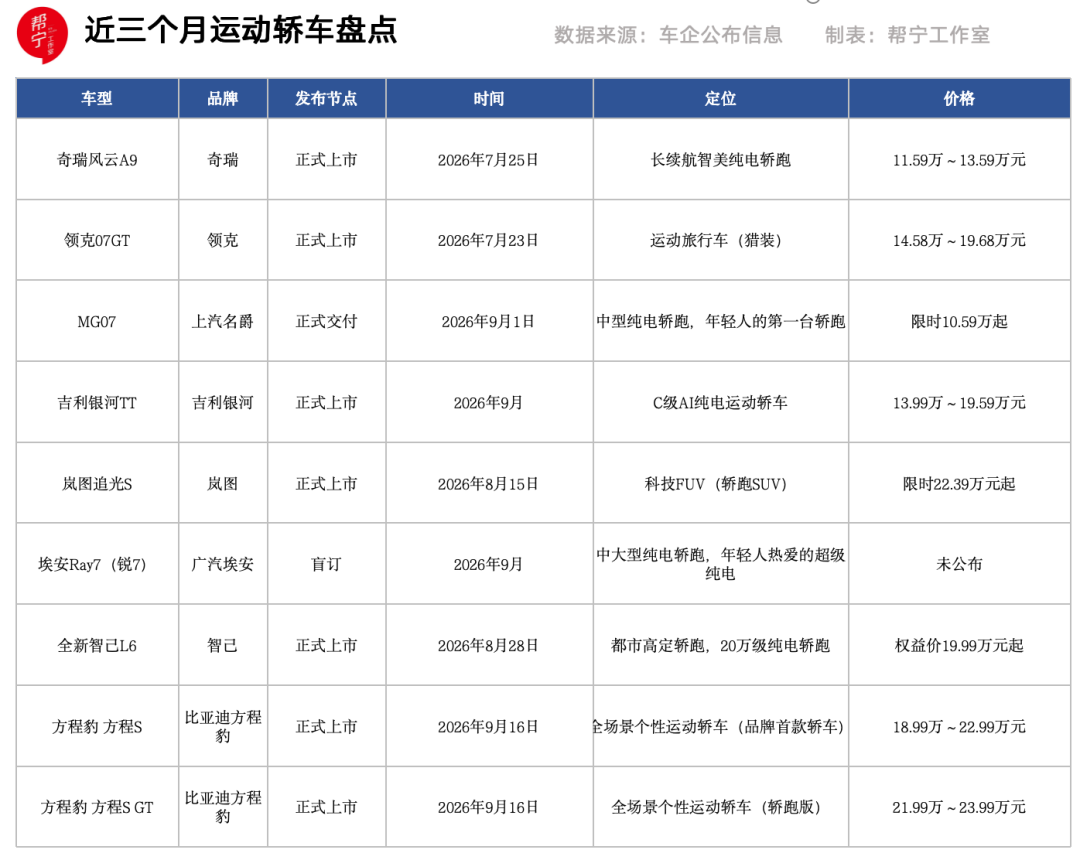
However, sedans are not without a way out. Low chassis, low center of gravity, sleek body lines—these characteristics of sedans are unmatched by SUVs. When enhanced further, they become sports sedans. This year, as new models flood the market amid intense competition, prices have dropped to unimaginable levels.
Sports sedans launched in the past three months share three common features:
First, they are concentrated in the RMB 100,000 to RMB 250,000 price range. For example, the MG 07 has a limited-time subsidized starting price of RMB 105,900, the Chery Fengyun A9 has a pre-sale price starting at RMB 115,900, and the Geely Galaxy TT has an entry price of RMB 139,900 (limited-time starting at RMB 129,900).
Moreover, configurations like solid-state batteries, 800V high-voltage platforms, mCDC electromagnetic suspensions, LiDAR, and advanced intelligent driving systems—which were mainly found in RMB 300,000-class products two years ago—have now become entry tickets for sports sedans.
The primary buyers of sports sedans are young consumers, and this price range aligns with the budget of first-time young car buyers. When prices drop, sports sedans transform from toys for the wealthy to accessible options for young consumers.
Second, the narratives targeting young consumers are highly similar. Almost every model speaks to young consumers but rarely clarifies which specific group of young consumers they are targeting.
Third, the approaches to sportiness vary. Some sports sedans are endorsed by professional teams, such as the Galaxy TT tuned by the Lotus engineering team, the MG with its century-old sporting heritage, and Fangchengbao with its self-built track and racing data support.
Others rely on "spec-stacking" to attract consumers. For example, the new ZEEKR L6 brings full-line control chassis under RMB 200,000, while the MG 07 makes mCDC electromagnetic suspension standard across all trims.
Some models leverage Huawei's endorsement. For instance, the coupe SUV VOYAH Zhui Guang S is equipped with Huawei's ADS 5, and the Aion Ray 7 is the first globally to feature Huawei's EMB full-wire control braking system.
The flood of sports sedans is no coincidence. With mature chassis technologies, reduced manufacturing costs, and young consumers willing to pay for driving experience, sports sedans have seen such a concentrated outbreak (boom). Three years ago, few would have believed a sedan priced just over RMB 100,000 could talk about racing genes and sporty handling.
Genuine sports sedans have their strategies, while "spec-stacked" models have their own approaches. Among the recently launched sports sedans, some have already stood out.
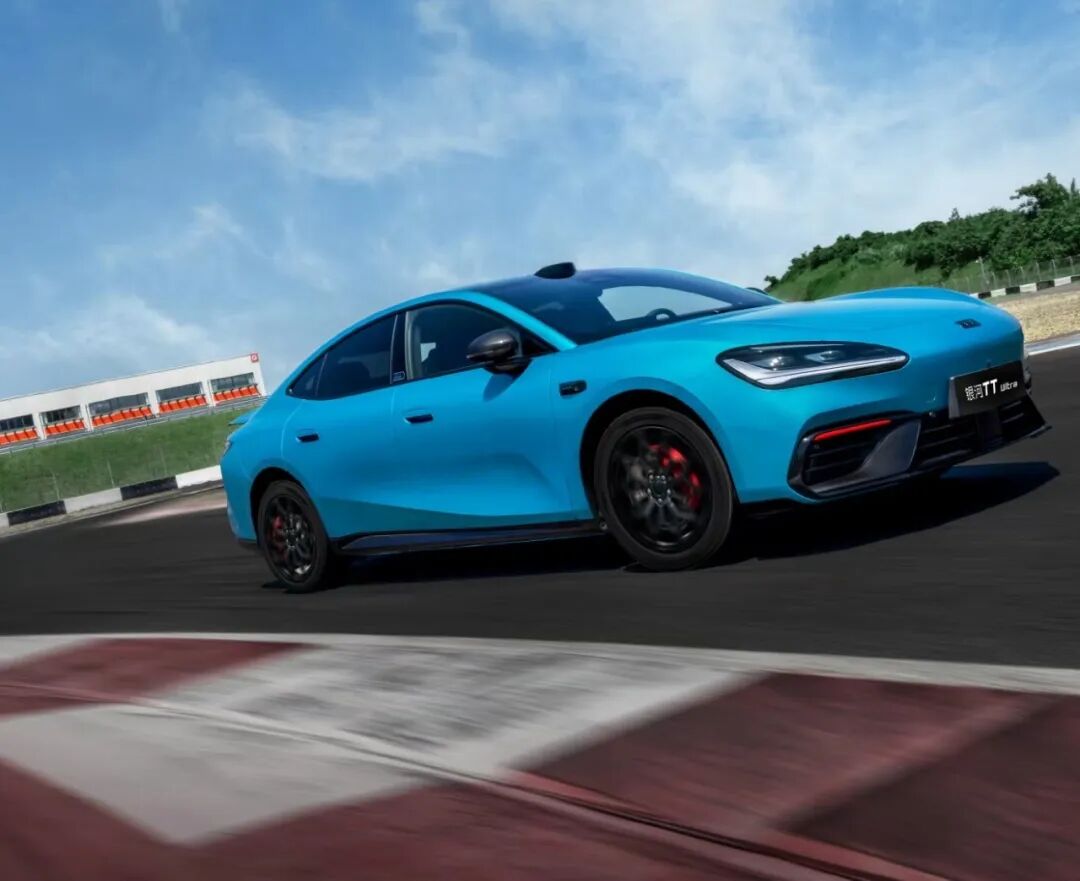
Take the Galaxy TT, for example, Geely Galaxy's first C-class AI all-electric sports sedan, priced between RMB 129,900 and RMB 185,900. It received over 10,000 orders within 15 minutes of launch.
On September 22, Xiong Tianbo, general manager of Fangchengbao Automobile, posted on social media that deliveries of the Fangcheng S had begun that day. "The Leopard Friend (Fangchengbao enthusiasts) picking up their cars include recent graduates and friends who came together. Their life trajectories are different, but their consensus on car choice is clear—they don’t want to sacrifice good looks for practicality or compromise handling for space," she wrote.
She mentioned that data shows the first batch of Fangcheng S and Fangcheng S GT owners are young, with many choosing it as their first car. "These owners are adventurous, value appearance, prioritize driving control, love sports, and enjoy exploring technology. They have diverse interests and hope their car can accommodate them."
▍02 The Difference Between Real and Fake
While a wave of sports sedans is hitting the market, not all can establish a foothold.
Zhang Xiang, a visiting professor at Huanghe Science and Technology College, told Bangning Studio, "Sports sedans are a small niche market and won’t be as large as SUVs. They have limited space, mainly targeting single young consumers, can’t carry much luggage, and aren’t suitable for long trips. Their popularity won’t be as strong as that of off-road SUVs."
How many sports sedans are truly sporty?
"A genuine sports sedan must perform well on the track. But ordinary car owners don’t have access to tracks, and cities are full of cameras, making it impossible to drive fast," Zhang said. "Many affordable sports sedans today look sporty with low wind resistance, but their chassis rigidity and body stability don’t meet requirements. They only give the feeling of a sports sedan, which I call a fake coupe."
What burns the most money in a genuine sports sedan? Zhang believes there are two main areas: First, the powertrain must have sufficient power and torque to deliver strong acceleration and climbing performance. Second, the chassis, including the suspension and braking systems, must be professional-grade to ensure stability when cornering or braking at high speeds, without drifting due to inertia.
However, power and chassis cannot be developed overnight and extremely test an automaker’s heritage and accumulation. How far an automaker can go on this path depends on whether it has a sports car brand, self-built tracks, and a racing system. This cannot be compensated by simply hiring one or two engineers or throwing money at it.
Some industry insiders argue that while the Xiaomi SU7 also emphasizes handling and claims its chassis tuning involved the Lotus engineering team, it’s not on the same level as Geely acquiring Lotus and using it to continuously enhance its entire product lineup.
The gap is evident when comparing configurations. Many sports sedans offer ample exterior kits, sporty seats, and paddle shifters, but their chassis still follows the tuning logic of family cars. To truly enhance handling, costs would skyrocket beyond what ordinary consumers can afford.
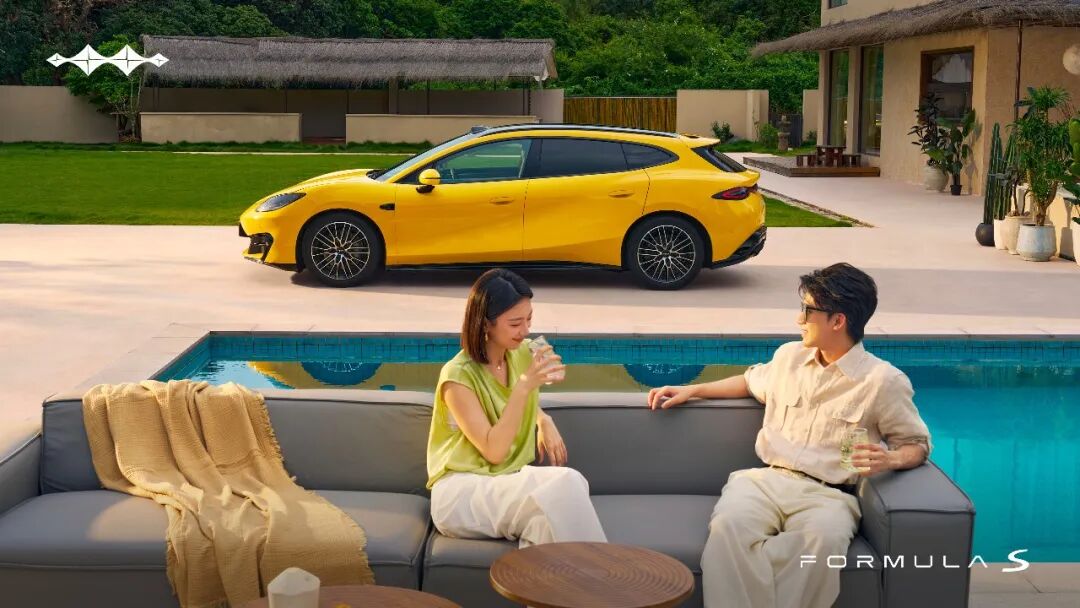
What does it take to make a good sports sedan?
In an interview with Bangning Studio, Zhang Liang, deputy general manager of SAIC Motor Passenger Vehicle Division and general manager of SAIC Motor Sales, listed five keywords:
"Brand is the biggest differentiator. Sticking to your brand’s strengths will double its momentum. That’s the first point," he said. "Second, in a red ocean market, adjust product positioning. Third, push product definitions to the extreme. Fourth, ensure long-term technical support. Fifth, achieve cost and efficiency competitiveness through scale, commonality, globalization, and integrated supplier collaboration."
Among these five points, the first three guide the direction, while the last two form the foundation.
Lu Xiao, general manager of SAIC Motor Passenger Vehicle Division, mentioned that SAIC can deliver RMB 250,000-class product strength at RMB 150,000-class prices by relying on in-house supply chains like Huayu, Yanfeng, and Qingtao, combined with million-unit scale and global platforms to dilute costs. He summarized this methodology in one sentence: "Make every model a success."
Sedan breakthroughs are not limited to sportiness. In Zhang Xiang’s view, there are also shooting brake, fastback, large three-box, and wagon versions. He noted that sedans are inherently designed for urban roads, and for long trips, luggage, or self-drive tours, consumers’ first choice is still SUVs.
This means the breakthrough space for sedans is not as large as imagined, and sportiness is currently the smoothest path. However, this path also has a ceiling—sports sedans cater to young consumers, driving pleasure, and emotional value, but cannot support family needs.
Moreover, the sports sedan segment is already crowded. In the end, everyone will have to revert to the well-worn key points of chassis, brand, and long-term investment.
"We believe sedans are a very important and unique market. When we made domestic fuel vehicles, Chinese sedans didn’t have any outstanding products, but in the new energy vehicle era, sedans have more opportunities to shine," Lu Fang, chairman and secretary of the Party committee of VOYAH Automobile, told Bangning Studio on September 22.
(Featured image created with AI)
-
![]()
Doubao Enters Smartphone Market, Alibaba Unveils Tablets: The AI Hardware Race Heats Up
-
![]()
Doubao Enters Smartphone Market, Alibaba Unveils Tablets: The Battle for AI Hardware Dominance Begins
-
![]()
Sports Sedans Flood the Market: How Can Young Buyers Tell the Real from the Fake?
-
![]()
AI Firms Offer Seven-Figure Salaries to Lure Talent: Headhunters Reap Big Rewards with a Single Placement
-
![]()
Why Has CATL Reached This Point?
-
![]()
Tuopu Group Sees 10% Revenue Growth, But Profits Decline by 21%: Robot Business Contributes Just 14.0477 Million Yuan
-
![]()
Shenzhen Announces Procurement Results for 2,036 Buses: BYD, Nanjing Golden Dragon, and ZTE Secure Contracts
-
![]()
Behind 'Audi Sues Audi': Profiteers Flock to Germany, Rumors Stay in China