From a $200,000 Premium to a $300,000 Discount: The Porsche Cayenne's Price Drop Signals More Than Just a Sale
 09/24 2026
 377
377
Edited by | Hu Tongtong
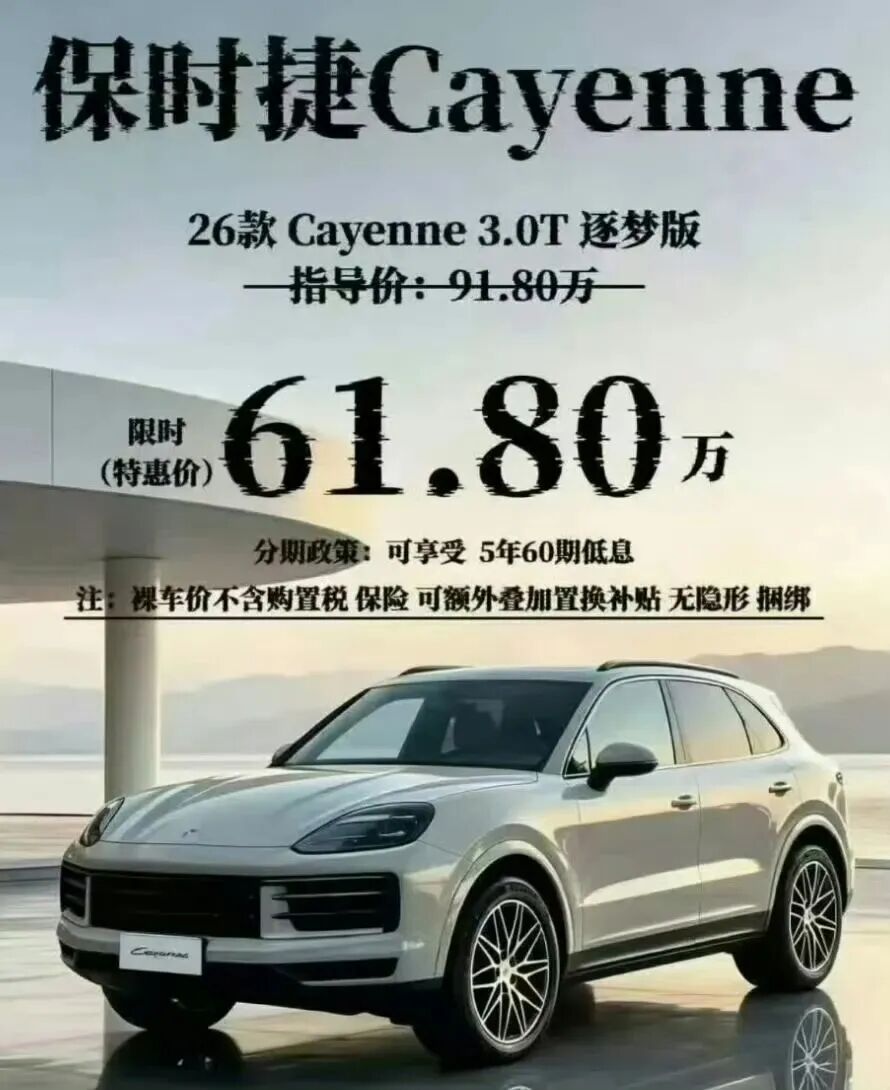
In recent days, the topic "Porsche Cayenne drops by $300,000, still priced at $610,000" has surged to the top of trending searches. A widely circulated social media poster advertises a "limited-time special offer of $618,000 for the 2026 Cayenne 3.0T Dream Edition," down from the Manufacturer's Suggested Retail Price (MSRP) of $918,000—a reduction of nearly one-third. However, when media outlets reached out to dealers for confirmation, they received a different story.


The Hidden Agenda Behind the Trending Topic
Media outlets visited multiple Porsche dealerships in Beijing, all of which reported that no Cayenne models were available at the $618,000 price point. One dealer bluntly stated, "You can't get a Cayenne for just over $600,000 now. Prices have increased; it'll cost over $800,000 with all fees, and we're out of stock." Another 4S store salesperson admitted frankly that the price on the poster was "just for attracting attention," though there are indeed terminal discounts available. The Cayenne can be purchased with a discount of over $200,000, and if combined with a same-brand trade-in, the total discount can reach $300,000, bringing the base price to around $700,000.
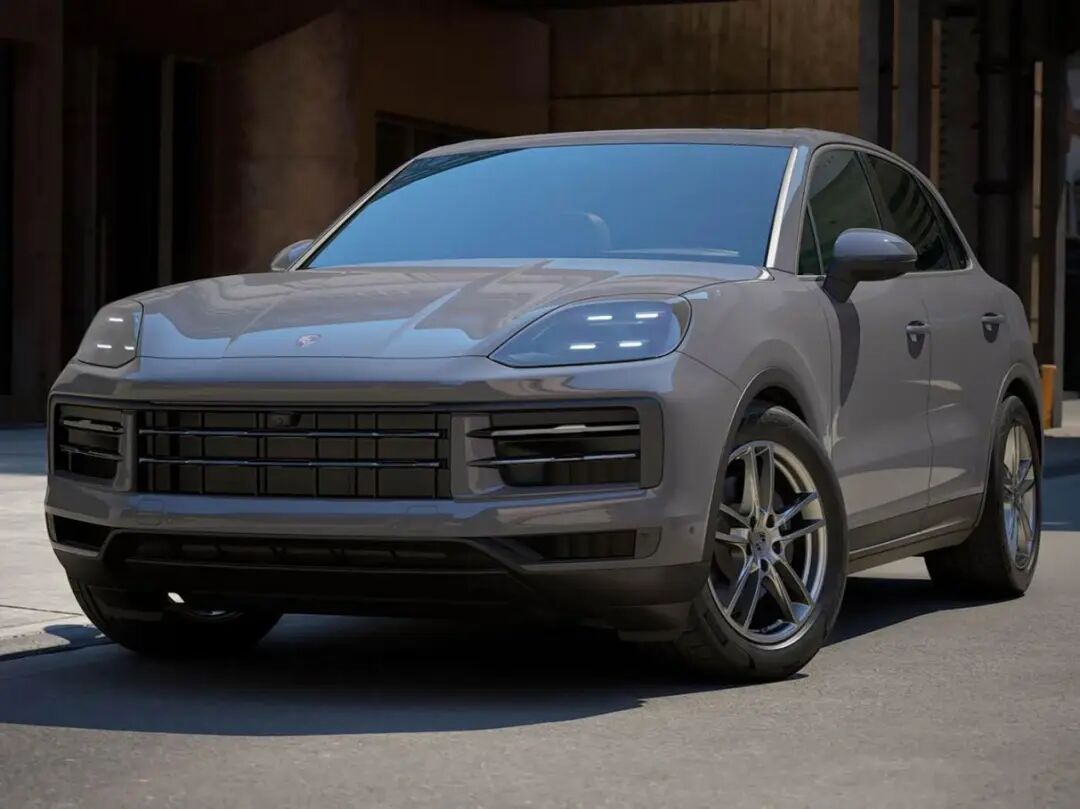
However, even at the $618,000 base price, the purchase tax alone would amount to approximately $55,000. Adding insurance and other fees, the total cost would approach $700,000. The so-called "$300,000 price drop" seems more like a carefully crafted marketing strategy to generate attention rather than a genuine terminal pricing move. The reason the topic exploded in popularity is precisely because it resonated with the public's perception of Porsche's brand situation: the Porsche that once commanded a premium and required waiting in line to purchase is no longer the same.

From a $300,000 Premium to a $300,000 Discount
Rewind to 2011, when the Porsche Cayenne was the benchmark for premium pricing trends in imported vehicles. Back then, the official price of the Porsche Cayenne was $893,000, but to take immediate delivery, a premium of $350,000 was required. Adding options like a panoramic sunroof would cost an additional $100,000. One salesperson recalled a customer who "didn't even hesitate to swipe his card" when faced with a $200,000 premium, even asking, "Can I take delivery immediately if I add $300,000?" In that era, the Cayenne was not just a mode of transportation but a symbol of status.
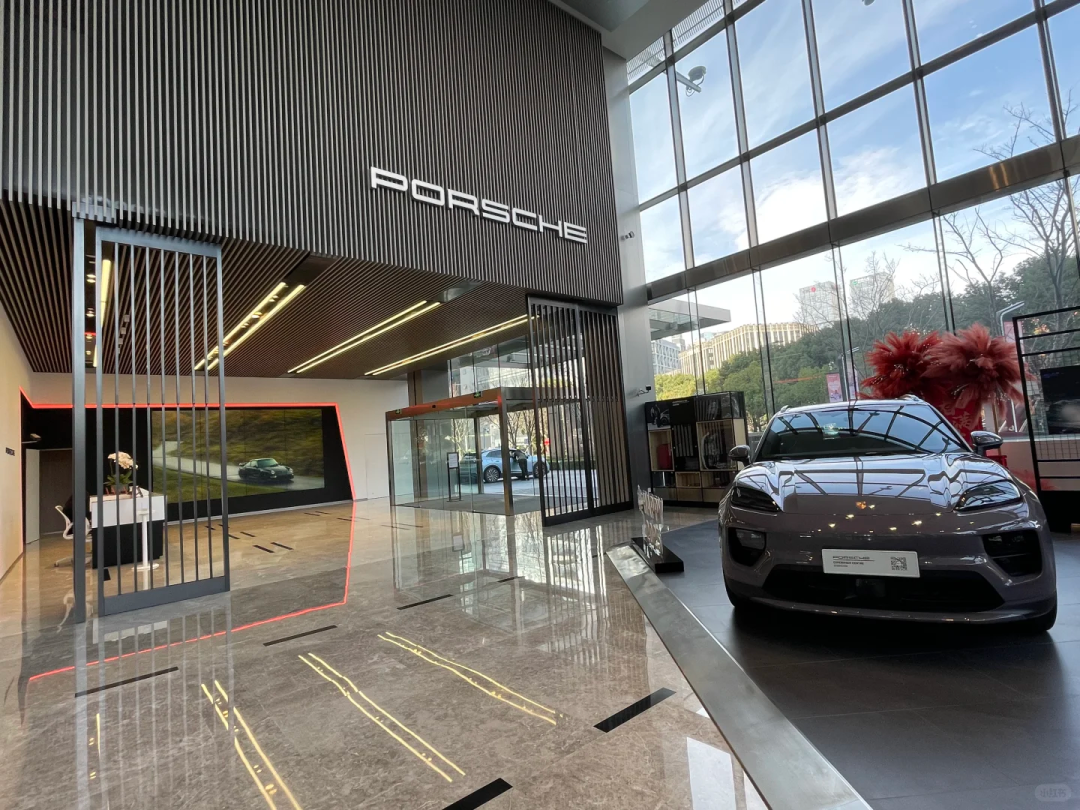
By 2026, a "$300,000 discount" had become the keyword associated with the Cayenne. The $300,000 price difference, from premium to discount, reflects a complete reversal of Porsche's narrative logic in the Chinese market. In 2025, Cayenne sales in China had dropped to 17,200 units, further shrinking to 6,000 units in the first half of 2026. Once a profit pillar with vehicles in high demand, it now relies on significant dealer discounts to maintain sales volume.

Four Consecutive Years of Declining Sales and Plummeting Profits
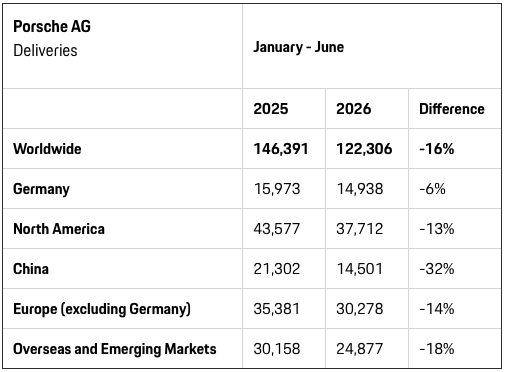
The Cayenne's plight is just a microcosm of Porsche's overall retreat in the Chinese market. In 2021, Porsche's sales in China reached a historic peak of 95,700 units, followed by four consecutive years of decline: 93,300 units in 2022, 79,300 units in 2023, 56,900 units in 2024, and only 41,900 units in 2025—a nearly 60% drop from the peak. In the first half of 2026, deliveries in the Chinese market stood at approximately 14,500 units, down 32% year-on-year, making it Porsche's region with the largest global decline.
The financial data is equally alarming. In fiscal year 2025, Porsche's total revenue was €36.27 billion, down 9.5% year-on-year; operating profit was just €413 million, a staggering 92.7% drop; and the return on sales fell from 14.1% in 2024 to 1.1%. According to 21st Century Business Herald, Volkswagen Group took approximately €10 billion in special project impairments, with about €6 billion coming from goodwill impairments related to the Porsche brand. The full-year operating profit margin expectation was significantly revised downward.
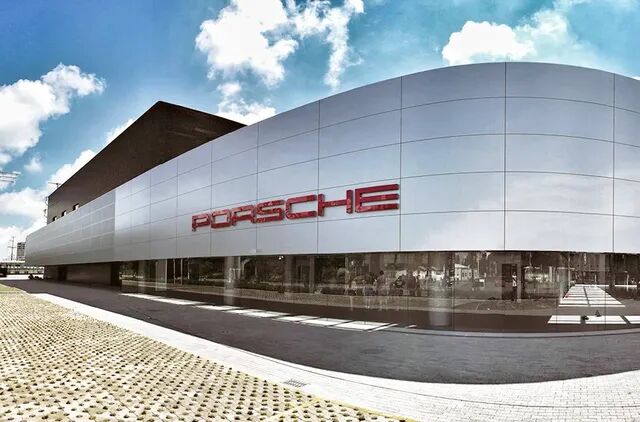
Meanwhile, Porsche's dealership network is rapidly shrinking. From about 150 sales outlets in 2024, the number decreased to 114 by the end of 2025, with a target of further reducing it to around 80 by 2026. Some stores in Zhengzhou, Beijing, and elsewhere have temporarily suspended operations, and even the first Porsche dealership in mainland China, which had operated for 24 years, has closed.

Who Is "Stealing" Cayenne Customers?
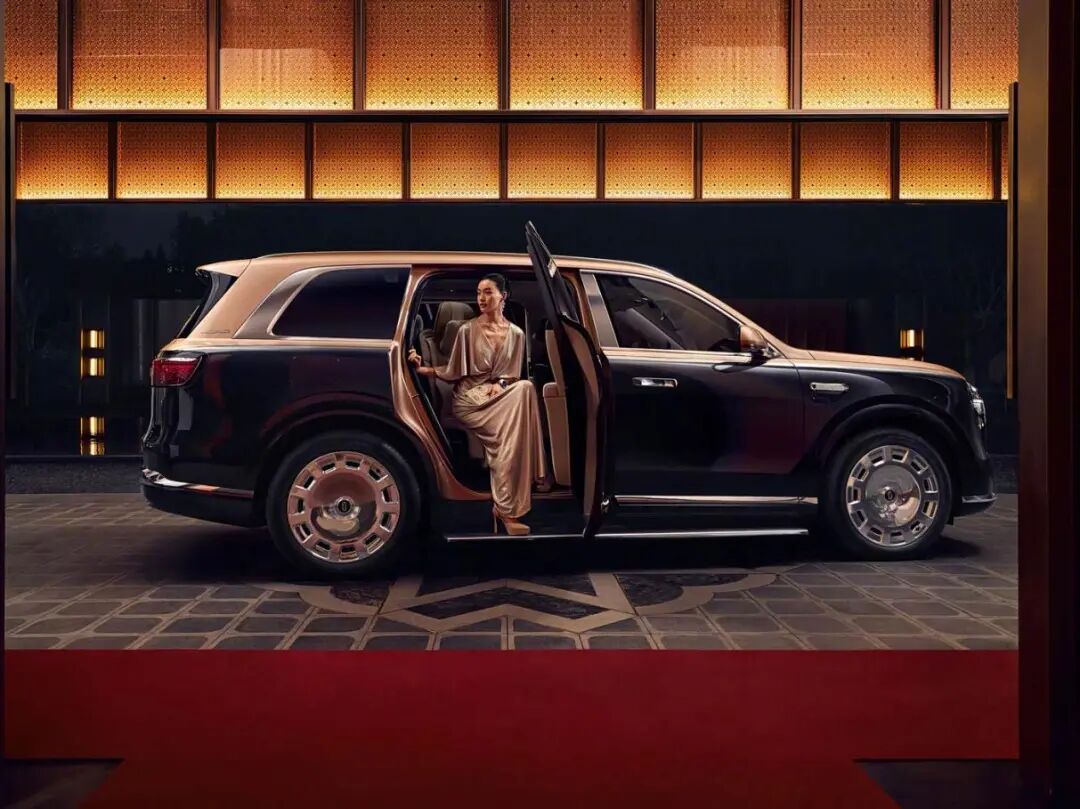
In the $500,000–$600,000 price range, domestic high-end new energy SUVs like the Li Auto L9 and Seres M9 are rapidly capturing the core customer base that once belonged to the Cayenne. These models have established differentiated advantages in areas such as smart cockpits, advanced intelligent driving, and lower usage costs, directly diverting potential buyers from traditional luxury fuel-powered SUVs. More critically, Porsche's proud narrative of "driving pleasure" is being reevaluated in the face of intelligent experiences. As one analysis pointed out, "technological democratization" is breaking through the brand premium on which Porsche relies for survival.
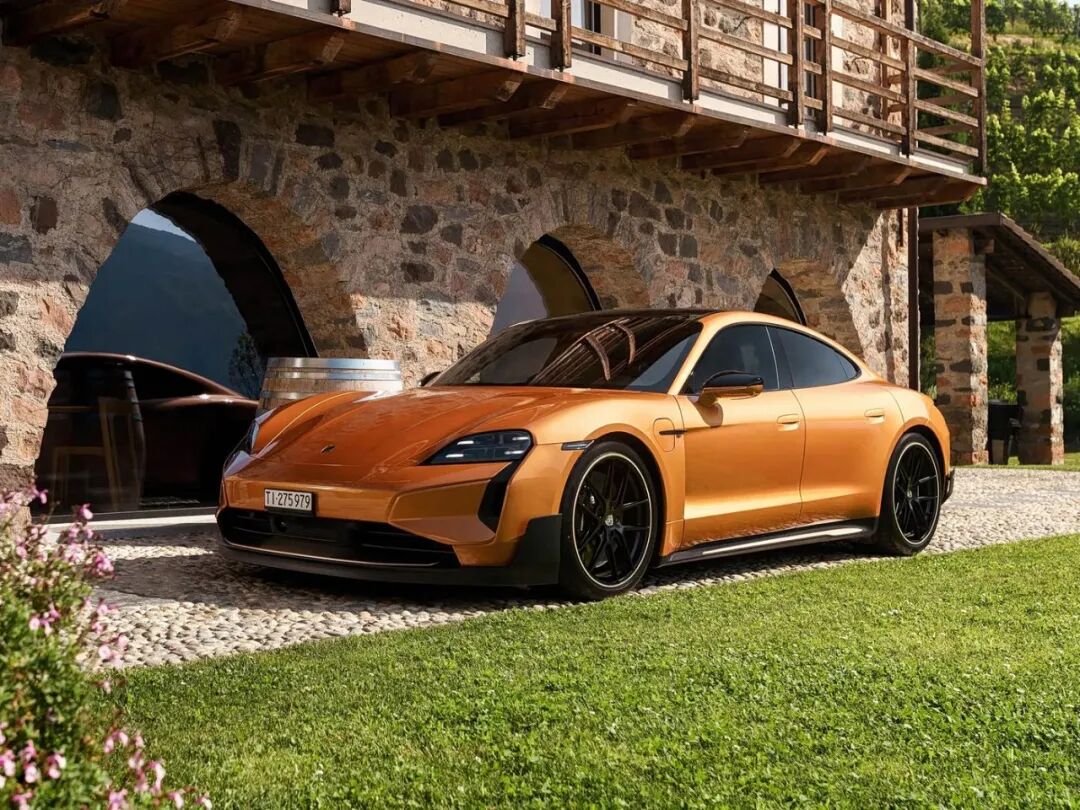
Porsche's own electrification transition is also far from satisfactory. Global deliveries of its first all-electric model, the Taycan, have continuously declined from a peak of about 41,000 units in 2023 to just about 16,000 units in 2025 and approximately 6,000 units in the first half of 2026. In the first five months of 2026, Taycan sales in China stood at only 110 units, averaging about 22 units per month, accounting for less than 2% of its global share. Porsche's previously stated goal of "over 80% all-electric sales by 2030" has been significantly revised, with the company instead extending the lifecycle of fuel and plug-in hybrid models and delaying the development of some all-electric platforms.
Porsche's Problem Isn't Just About Price
Faced with this dilemma, Porsche's choice is to "compete on value, not price." Global CEO Michael Leiters has explicitly stated that Porsche will not engage in a price war, as significant discounts would erode residual values and weaken brand premium capabilities. Meanwhile, Porsche plans to introduce two new internal combustion engine and plug-in hybrid models (B-segment and D-segment SUVs) in the Chinese market and has temporarily shelved localization plans. However, the contradiction lies in the fact that when dealers are already offering terminal discounts of $200,000–$300,000, the brand's "no-price-cut" stance only further erodes consumer trust due to the disconnect between brand-level rhetoric and actual consumer perceptions.
Porsche's predicament in China essentially stems from a structural misalignment between its brand narrative and market demand. When consumers in a market no longer pay solely for the "brand logo" but instead evaluate a vehicle's value based on intelligence levels, cockpit experience, and full-lifecycle costs, the question Porsche needs to answer is no longer "whether to cut prices" but "why it is worth the price." This question is far more difficult to answer than a $300,000 price reduction.

Welcome to Share, Like, and Leave Comments
The copyright of this work belongs to Xin Zuojia or the relevant copyright holders. Any unauthorized reproduction by third parties is strictly prohibited and constitutes infringement.
"Respect Originality, Respect Attitude"
-
Yunbao Intelligence Charges Towards IPO: Over 5,000-Fold Revenue Surge in 2.5 Years, Tencent Contributes Nearly 98% of Revenue
-
Field Test of Doubao at Work: Can a Company That Helps Users Kill Time Build a Product That Saves Them Time?", "Doubao, AI, Office Agent, User Growth, Commercialization
-
Ofilm Wins Consecutive Orders for Xiaomi’s Flagship Periscope Telephoto Modules Across Two Generations!
-
![]()
Net Profit Soars by 578% in First Half of the Year! How Promising Is Hycreate Optoelectronics’ IPO on the Beijing Stock Exchange?
-
Reshaping the Supply Chain Landscape: CATL Faces a New Industry Cycle
-
![]()
US$1.2 Million for 'Digital Territory': Global Tech Giants Scramble for '.ai' Domain Names
-
![]()
Apple’s Dependence on Scalpers Hits an All-Time High
-
![]()
Lei Jun’s 200 Billion Yuan Gamble: Why Does He Wait for Trends to Solidify Before Making Big Moves?