Two Days, 15 Product Launches: What Is the Auto Industry Really Vying For?
 09/24 2026
 420
420
Editor|Hu Tongtong
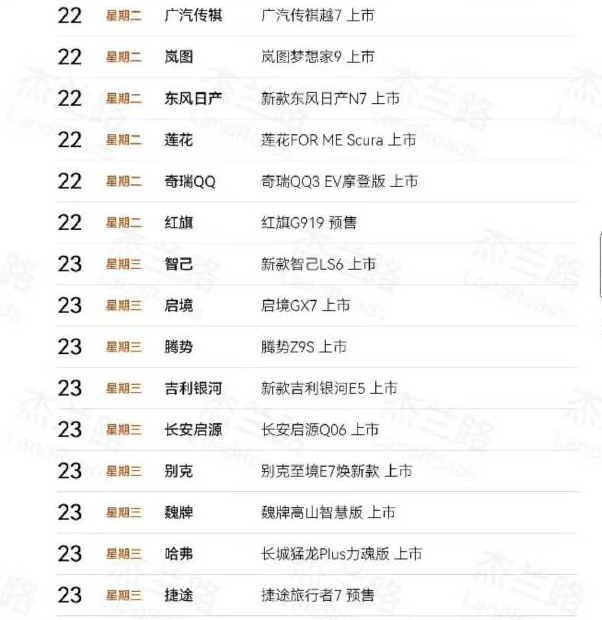
In a mere two days, the automotive sector has lined up 15 product launches, effectively diluting the peak attention span. Some perceive this as a sign of industry vitality; others, as an indication of exhaustion. Yet, the more pertinent query is: When product launches shift from being annual spectacles to weekly, monthly, or even daily occurrences, what exactly is this industry competing for? And what should it be competing for?

Industry Insider Perspectives: A Diversity of Opinions
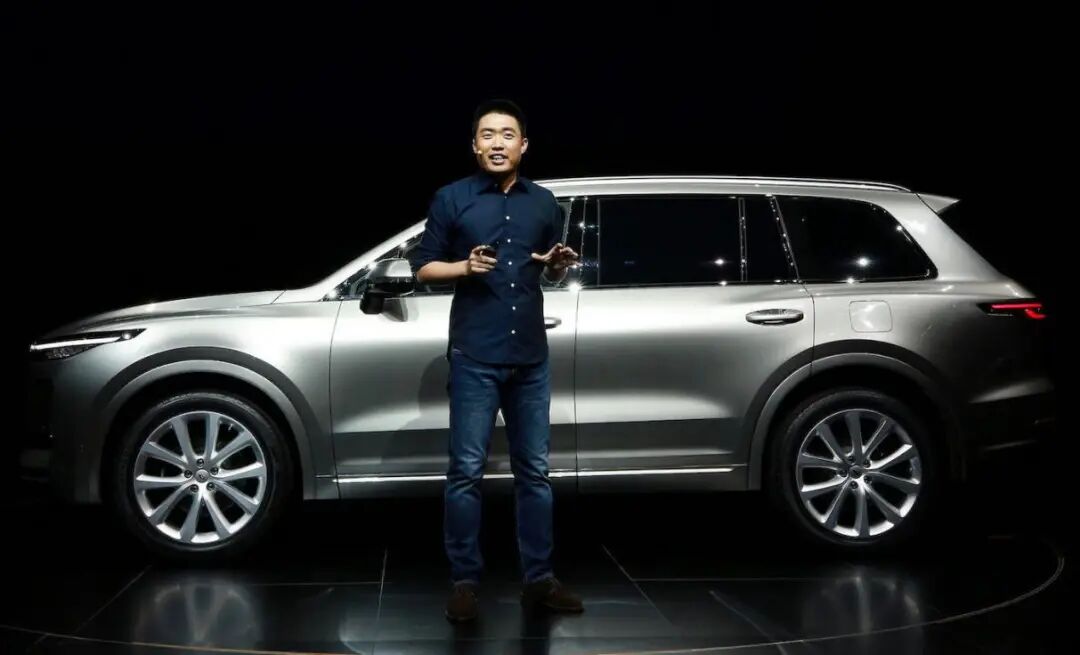
Wei Jianjun, Chairman of Great Wall Motors, publicly stated that in the first half of the year, China's auto market witnessed an average of two to three product launches per day, a situation he described as "severely homogenized and resource-intensive." He even half-jokingly admitted to feeling "a bit of a tremor" at the mere mention of product launches. Li Xiang, Chairman of Li Auto, criticized the practice of repeatedly hosting events for a single model—ranging from teasers and reveals to pre-sales, official launches, and facelifts—as "launch inflation." He set a clear benchmark: If skipping a launch would deprive users of crucial information, then it's necessary. If it merely repeats existing content, then it has no reason to exist.
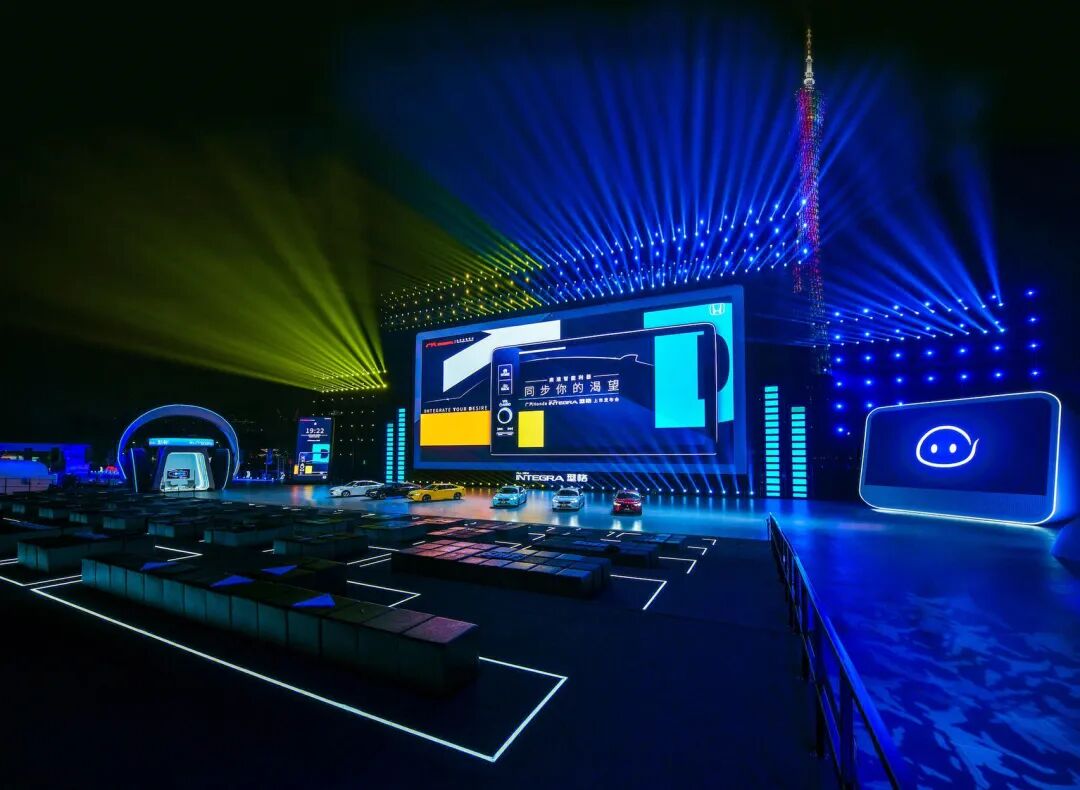
However, there exists another viewpoint. Amidst market pressures, companies are tightening their marketing budgets, with automakers voluntarily reducing the number of launches—a rational shift driven by survival instincts. After all, the cost of a single offline launch now exceeds 10 million yuan, while the marginal returns on marketing investments are declining.
In my opinion, these two perspectives are not mutually exclusive. The surge in launch frequency is undeniable, as is the industry's growing introspection. The real issue is not the "quantity" of launches per se, but whether the additional launches deliver meaningful value.

A Reality Check: The Costs Are Mounting
Have you noticed? As the number of launches climbs, industry profits continue to slide. Public data reveals that from January to February 2026, China's automotive industry profit margin fell to 2.9%, well below the national average of 4.92% for industrial enterprises above a designated size—a historic low. Analysts point out that models requiring hundreds of millions in investment often fail to generate profits for manufacturers, yield thin margins for suppliers, and fail to deliver truly differentiated value to users, creating a "lose-lose-lose" scenario.
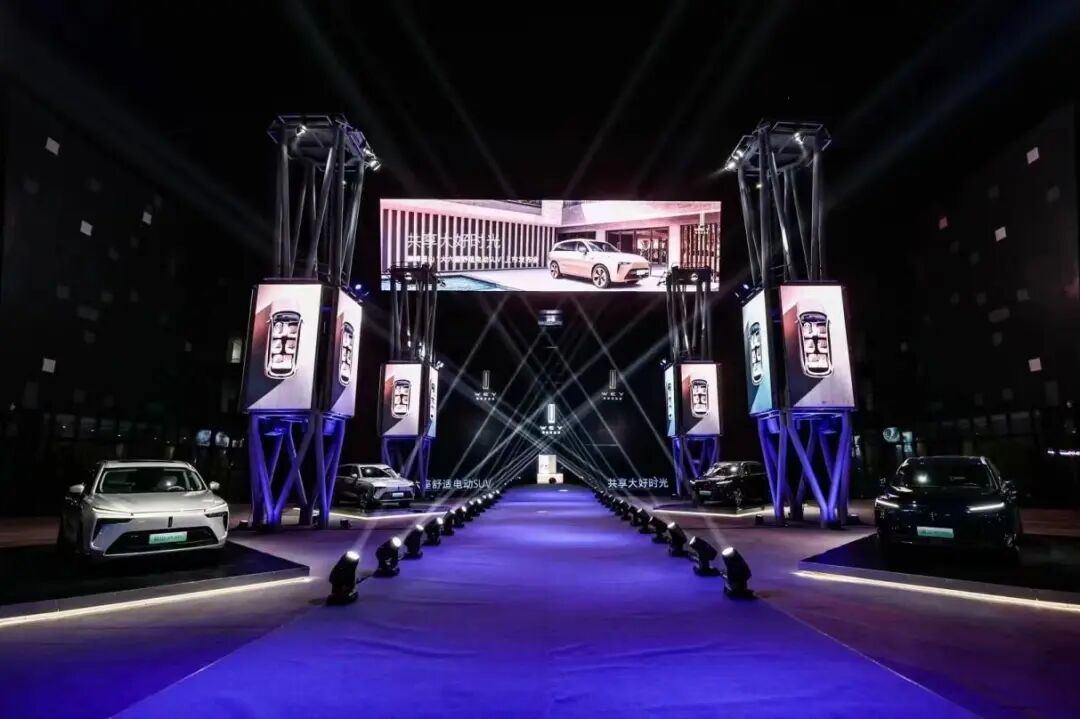
Another frequently cited concept is the "new car effect death valley": Initial orders surge post-launch, but demand plummets after production ramps up, with hot sales rarely lasting beyond a year. More new models mean shorter lifecycles and rapidly diminishing returns on innovation. Meanwhile, media observations reveal a simultaneous decline in social media engagement and dwell time for automotive topics in the first half of 2026, as what once served as brand-building windows now drown in information overload.
These trends converge on a single conclusion: High-frequency launches have not proportionally translated into deeper user cognition or purchase intent. The excitement is real, but so is the post-event silence.

A Post-Hype Shift: The Industry Is Already Pivoting
Change is underway. In late July 2026, Zeekr announced the launch of the 9X five-seater via a single poster, skipped pre-sales events, and opened reservations directly before an August official release. Early August saw Li Auto's i8 update via a single infographic, eschewing countdowns and fanfare. Several high-profile models completed their critical market entries without traditional launch spectacles. BYD also bypassed offline ceremonies for multiple annual facelifts, opting for direct online sales.
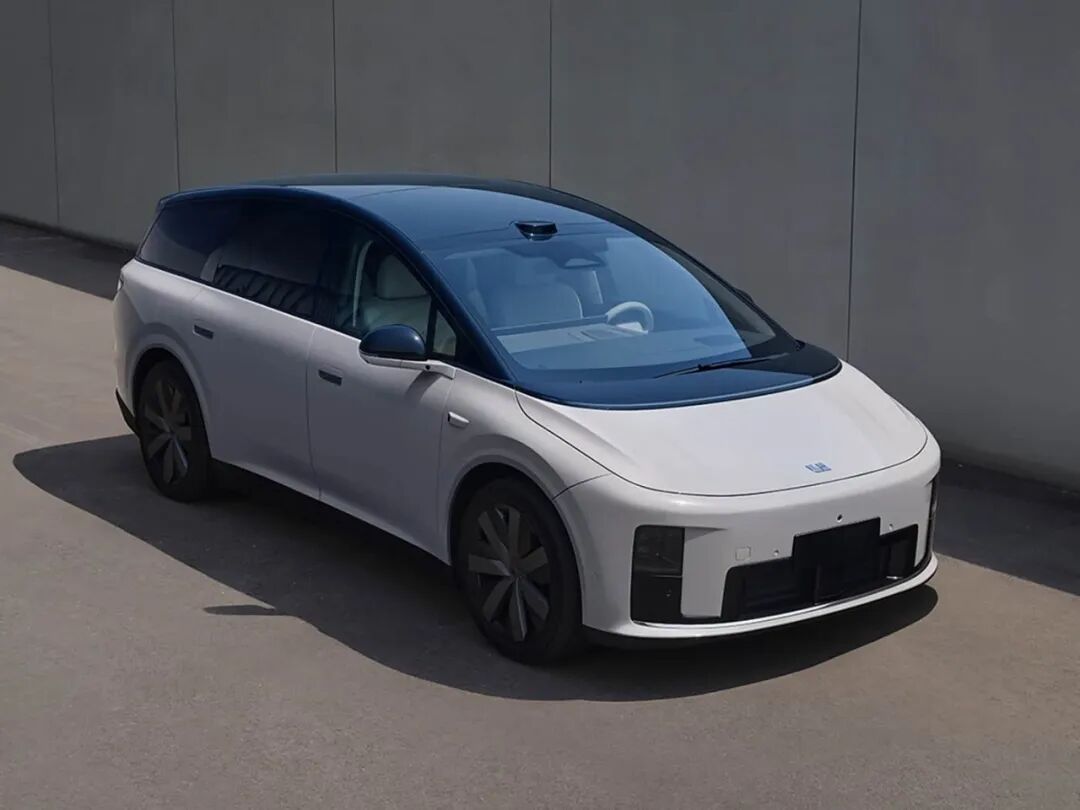
Industry insiders note a shift from "competing on launches" to "competing on product strength," and from traffic acquisition to user advocacy. China's new energy vehicle sector is entering a more rational phase, reinforced by the State Administration for Market Regulation's "Guidelines on Compliant Pricing Behavior in the Automotive Industry," which signals a move toward standardized competition, redirecting resources toward technological innovation and value creation rather than endless marketing noise.
The core logic is simple: A car model may last a decade, but a product launch fades faster than a trending hashtag. Automakers must focus on sustaining demand long after the novelty wears off—only then does a model truly succeed.

The Real Competition: Post-Delivery Performance
Returning to the two-day, 15-launch phenomenon: Vitality does exist. Rapid R&D implementation showcases industrial capability, offering consumers more choices in less time. But vitality does not equate to effectiveness, nor does density equate to value.
When launch schedules rival cinema lineups, and a single model warrants five or six separate events, the industry must confront a fundamental question: How many of these launches convey genuinely user-centric information, versus merely manufacturing a "presence" to avoid obscurity?
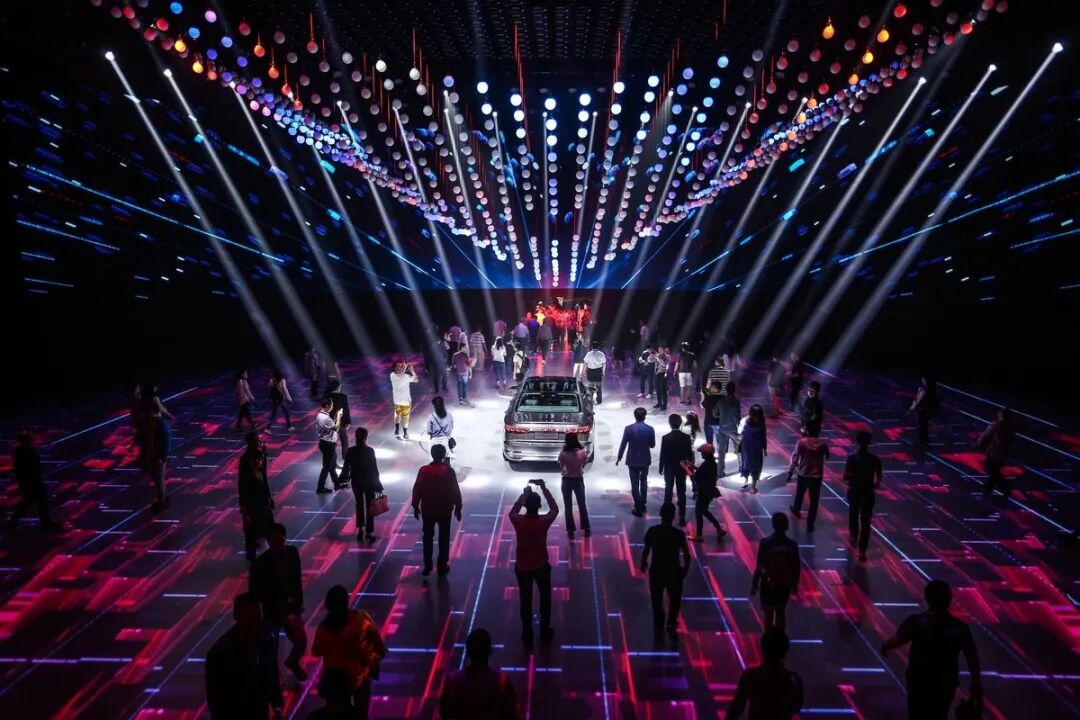
Chang'an Automobile executive Yang Dayong's approach offers a reference: Avoid chasing attention peaks while ensuring participation, prioritizing "delivering what's promised, fulfilling every user commitment." This stance matters not because of its origin but because it aligns with an emerging industry consensus: Competition must shift from launch frequency and hype to delivery quality, functional reliability, and service credibility.
The hype will fade; specifications will update. After two days and 15 launches, the market won't remember which brand shouted loudest—but which delivered vehicles and kept promises in daily use.

Share, Like, and Comment Welcome
This work's copyright is owned by Xin Zuojia or related copyright holders. Unauthorized reproduction by any third party is prohibited and constitutes infringement.
"Respect Originality, Respect Integrity"
-
Yunbao Intelligence Charges Towards IPO: Over 5,000-Fold Revenue Surge in 2.5 Years, Tencent Contributes Nearly 98% of Revenue
-
Field Test of Doubao at Work: Can a Company That Helps Users Kill Time Build a Product That Saves Them Time?", "Doubao, AI, Office Agent, User Growth, Commercialization
-
Ofilm Wins Consecutive Orders for Xiaomi’s Flagship Periscope Telephoto Modules Across Two Generations!
-
![]()
Net Profit Soars by 578% in First Half of the Year! How Promising Is Hycreate Optoelectronics’ IPO on the Beijing Stock Exchange?
-
Reshaping the Supply Chain Landscape: CATL Faces a New Industry Cycle
-
![]()
US$1.2 Million for 'Digital Territory': Global Tech Giants Scramble for '.ai' Domain Names
-
![]()
Apple’s Dependence on Scalpers Hits an All-Time High
-
![]()
Lei Jun’s 200 Billion Yuan Gamble: Why Does He Wait for Trends to Solidify Before Making Big Moves?