Wan Gang and Zhu Huarong: How to Transform, Upgrade, and Achieve Resilient Growth Amid Declining Sales
 09/24 2026
 399
399
"The front wave loses momentum, the back wave is not yet stable"
The front wave's sales lose momentum, altering the multi-year growth pattern; the back wave's penetration rises but falls into a profitability dilemma—under multi-line pressures, the Chinese automotive industry once again stands at a crossroads.
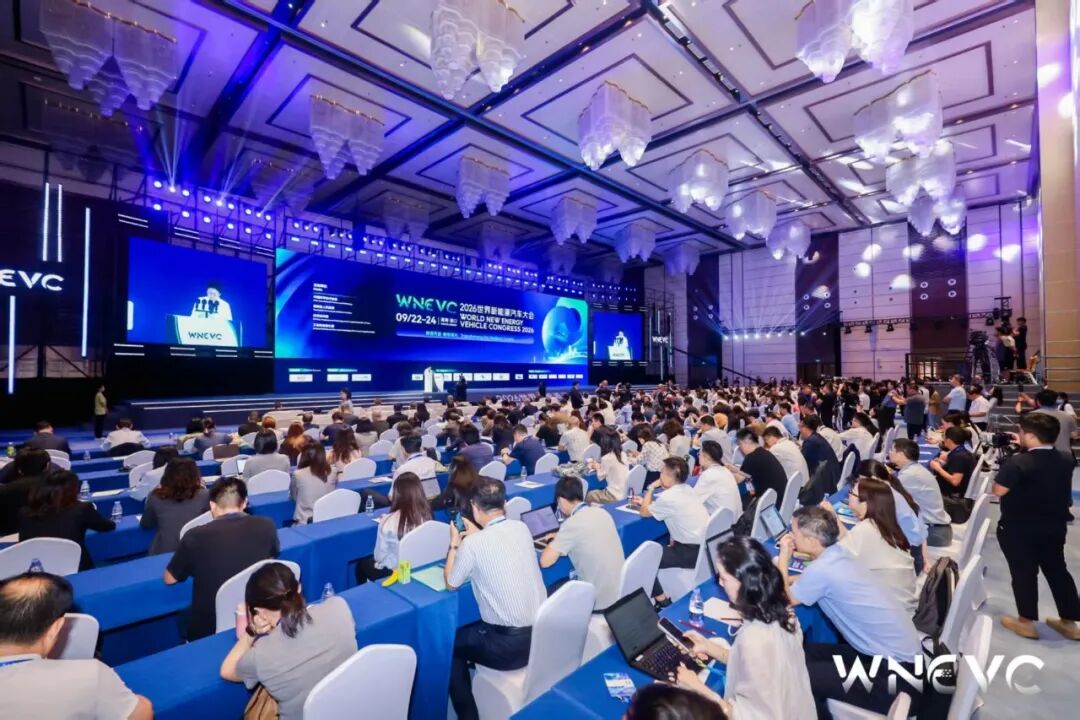
On September 22, the 2026 World New Energy Vehicle Congress opened in Haikou, Hainan. With the theme of "Transformation and Upgrade, Resilient Growth," these eight words carry significant weight amid industry fluctuations.
The forum gathered representatives from government, enterprises, and academia, with packed audiences. Between each speech, whispers of discussion and the bustle of photo-taking could be heard.
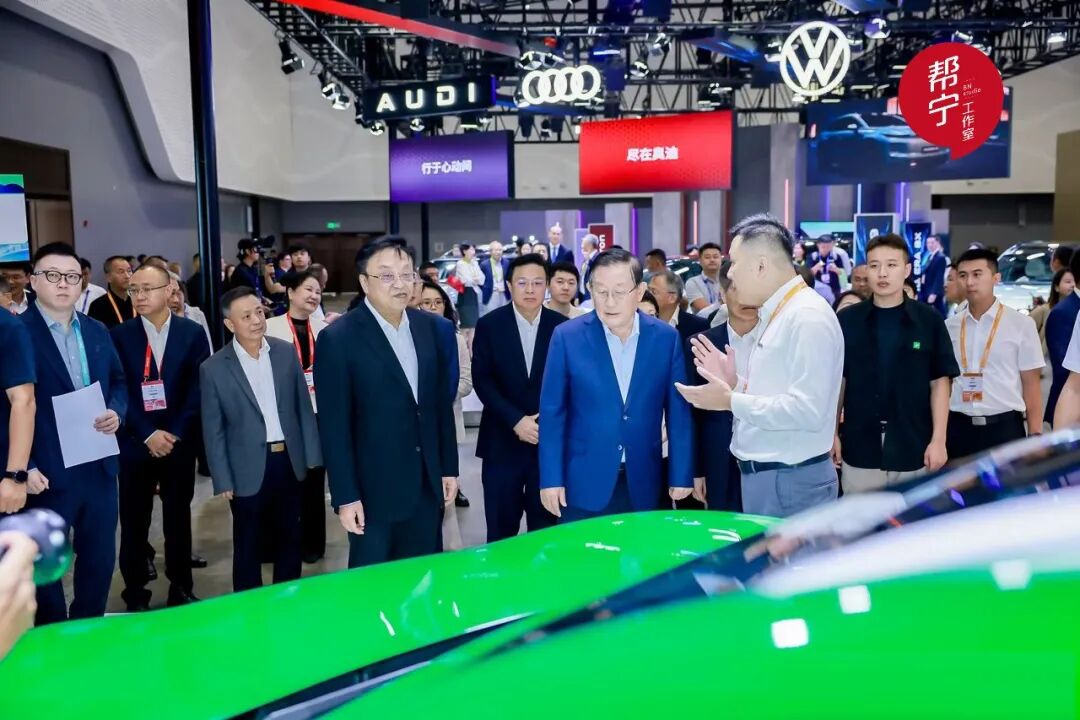
Attendees included Wan Gang, Honorary President of the China Association for Science and Technology and Chairman of the World New Energy Vehicle Congress; relevant leaders from the Ministry of Industry and Information Technology's Equipment Industry Department; and Zhu Huarong, Chairman of China Changan Automobile Group. High-level executives from multinational brands such as Ralf Brandstätter, Chairman and CEO of Volkswagen Group China; Eiichi Akaishi, Chief Operating Officer of Nissan; Manoel Mello, President and CEO of Mercedes-Benz China; and Jochen Goller, President and CEO of BMW Group Greater China, also attended, bringing their global industry experience to assess short-term adjustments and long-term changes in the Chinese auto market.
The speeches of participating guests all pointed to a common keyword—transformation. How to better maintain the long-term consistency and stability of policies? How to balance long-term development with short-term high investments? How to respond to the increasingly diversified competitive landscape among market participants?
Multiple questions about transformation lingered in the atmosphere of the venue and in the minds of industry practitioners outside.
▍01 The Front Wave Loses Momentum, the Back Wave Is Not Yet Stable
"The automotive industry faces significant challenges this year," Wan Gang stated bluntly in his keynote speech.
The data he provided underscores the severity of the situation. For example, while the Chinese auto market had maintained continuous growth for years, total sales decreased by 4.1% in the first half of this year.
This is no small figure. It signifies the breaking of the growth momentum that has supported the industry for years. Previously, even during the worst years of the pandemic, domestic auto production and sales always managed to maintain positive growth in various ways.
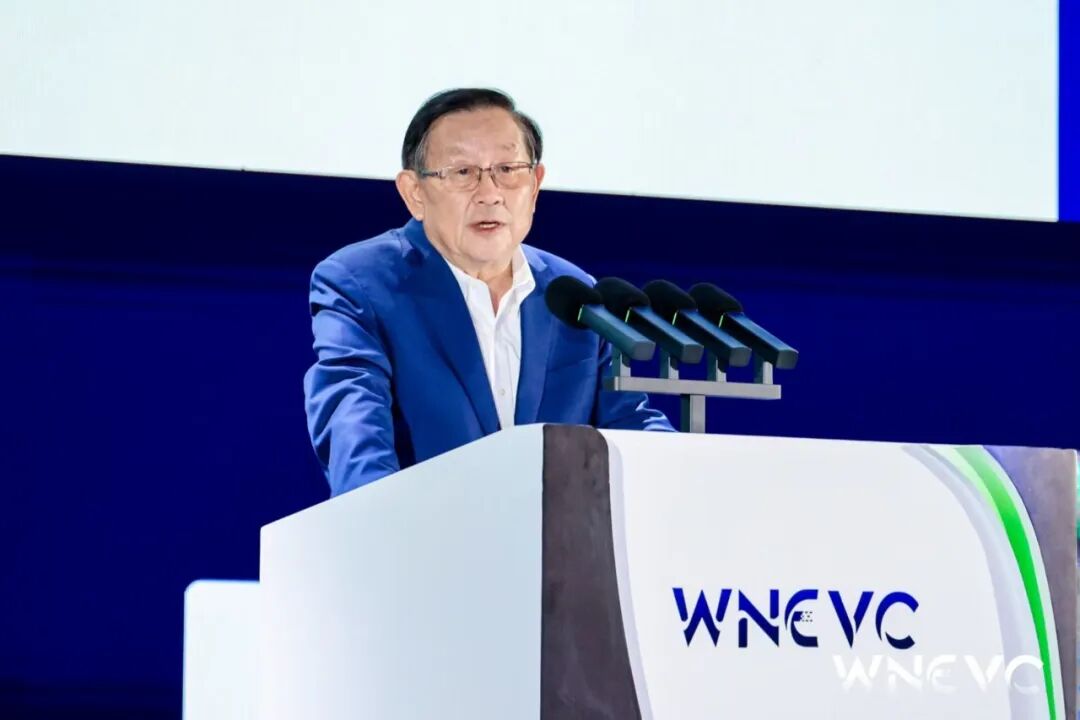 ● Wan Gang, Honorary President of the China Association for Science and Technology and Chairman of the World New Energy Vehicle Congress
Now, the downturn has truly arrived.
Amid the overall decline, new energy vehicles have grown against the trend, with sales increasing by 7.3% in the first half of the year, reaching 7.446 million units, and market penetration rising to 49.6%.
Behind the decline and rise, the industrial structure is being dramatically reshaped. The production capacity systems, distribution networks, and brand moats built during the era of fuel vehicles are being eroded by the wave of electrification.
Traditional automakers must defend their fuel vehicle base while fully pursuing new energy and intelligent tracks. Under multi-line operations, resources are stretched thin, profits remain elusive, and investments inevitably fall short.
Will there be competitive stamina in the future? This question hangs like a sword of Damocles over the industry.
"In 2026, China's passenger vehicle market is expected to see a significant year-on-year decline of about 20%, with total sales falling to around 20 million units, equivalent to a reduction of 4.5 million units from 2025," predicted Ralf Brandstätter in his speech, sending shockwaves through the audience.
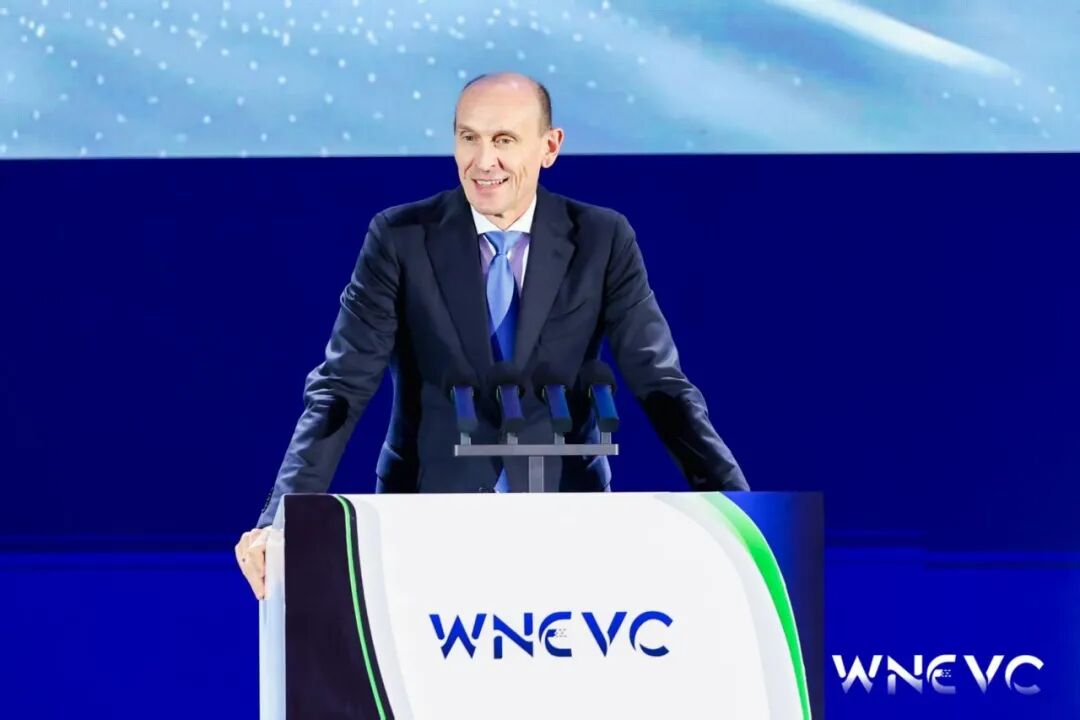 ● Ralf Brandstätter, Member of the Board of Management of Volkswagen AG and Chairman and CEO of Volkswagen Group China
As the China head of a global automotive giant, Brandstätter's judgment is not made lightly. It is backed by Volkswagen's decades of accumulation in the Chinese market and in-depth observations of industrial cycles.
If a 20% decline truly materializes, it will represent a more dramatic adjustment than the current 4.1% drop. At that point, overcapacity will become more pronounced, price wars may intensify further, and a considerable number of companies will be eliminated.
Of course, this is just the prediction of a foreign automaker and may not equate to reality. But regardless of its accuracy, this judgment reflects a consensus: the golden growth period of the automotive industry has ended, and the whistle for a new round of eliminations has sounded.
The front wave loses momentum, and the back wave surges, but it is not without worries.
Electrification penetration nears 50%, while intelligent configurations extend from mid-to-high-end models to vehicles priced around 100,000 yuan. On the surface, new forces and transforming domestic brands are charging ahead, but beneath the sales figures, profitability remains elusive.
Price wars, R&D investments, distribution network expansions, intelligent driving computing power—each is a money-burning abyss. Many companies have seen sales rise but per-unit gross margins decline; penetration rates have increased, but losses have widened. Being popular but unprofitable is becoming a common dilemma in the NEV sector.
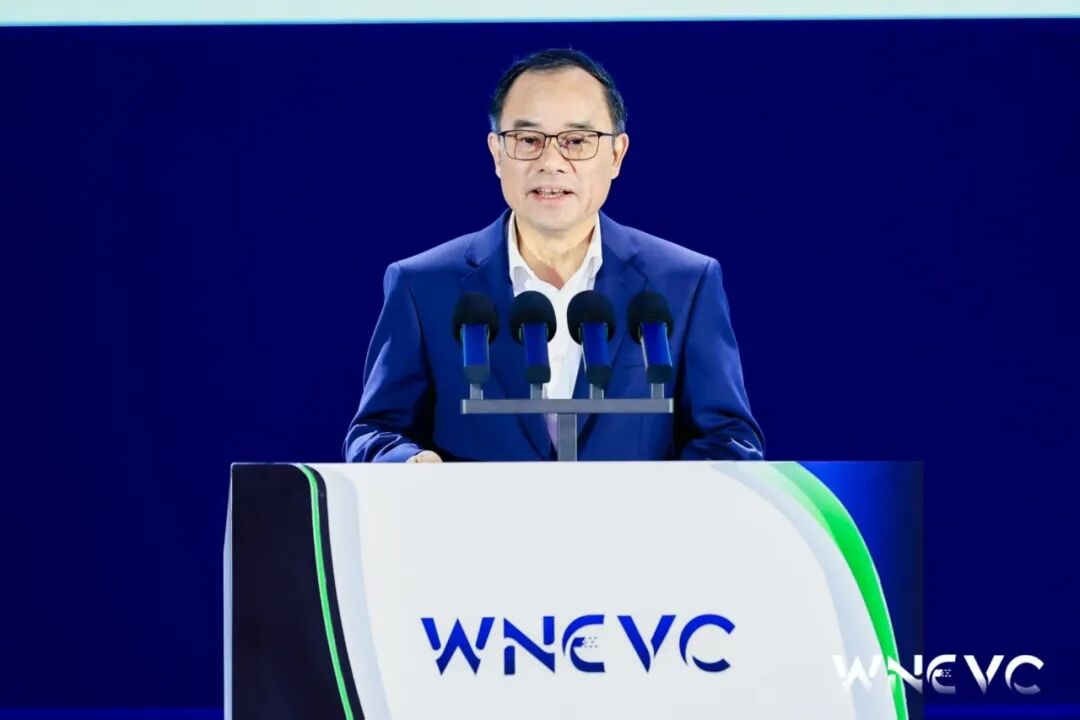 ● Zhu Huarong, Chairman of China Changan Automobile Group
"The automotive industry has entered a new development paradigm where failure to advance means falling behind," Zhu Huarong judged at the forum.
He believes that, from the perspective of global automotive industry evolution, the sales threshold for automakers continues to rise. In the next 3 to 5 years, 3 million units may only be the baseline for survival, 5 to 7 million units will be needed to fare well, and true success will require scale support of 8 to 10 million units.
Meanwhile, the Matthew effect is intensifying, with the automotive industry's ecological effects expected to surpass those of the smartphone industry. By 2030, the top 10 global players are projected to account for 80% of the market, making industrial integration and restructuring inevitable and accelerating industry transformation.
"Our investments are growing larger, cycles are shortening, and the remaining time window is limited," Zhu Huarong said.
This is a ruthless selection formula. Whether front wave or back wave, no one can sit idly by in future competition.
Traditional automakers face pressure on three fronts—fuel vehicles, new energy, and intelligence—with increasingly scarce resources and diminishing marginal returns on investments. New forces are surging amid high penetration growth but struggle to cross the profitability threshold.
The front wave is unstable, and the back wave is not yet stable—amid complex tensions, the automotive industry once again stands at a crossroads.
▍02 Localization Is the Only Answer
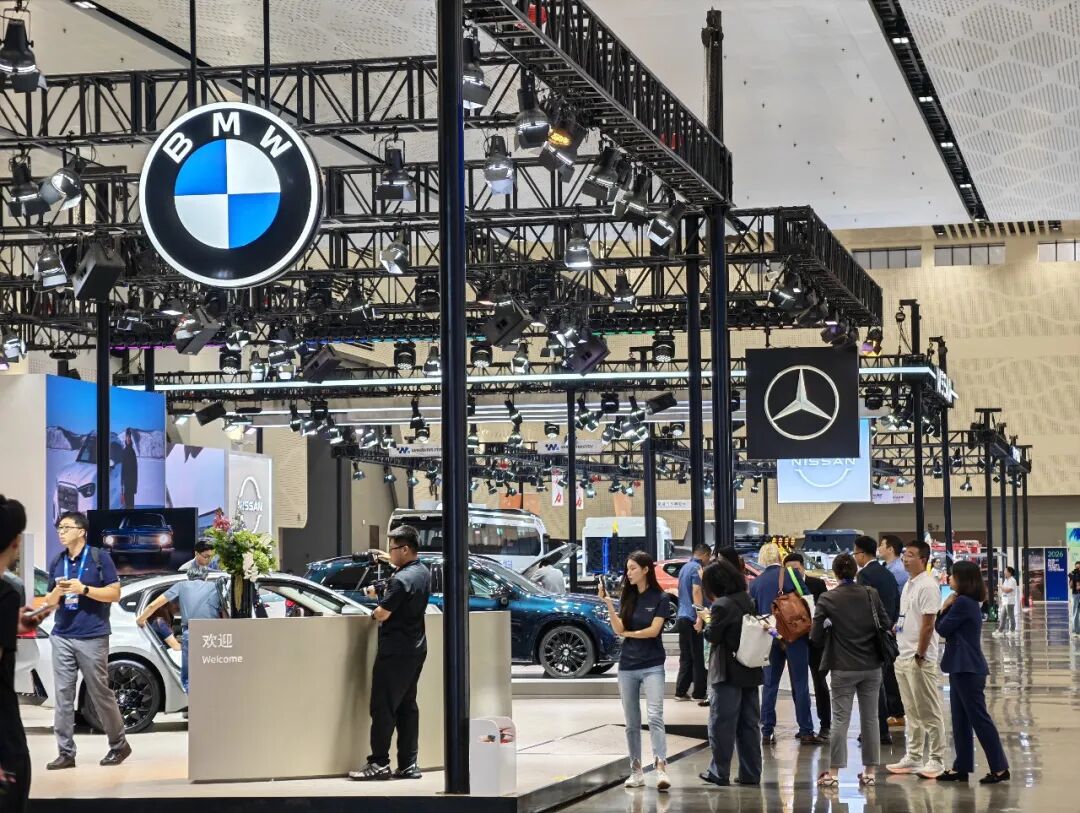
Changan, Volkswagen, Nissan, Mercedes-Benz, BMW... At this year's congress forum, each company unveiled its strategies and approaches.
While paths and focuses differ, they all point in one direction—localization is becoming the only answer to navigate through cycles.
Localization of electrification platforms, intelligent driving, R&D decision-making, and supply chains... Deep transformation is not just a slogan but a systemic project that automakers have already begun implementing at the operational level.
"With ongoing changes in hardware costs such as sensors... we must explore leveraging AI technologies like large models to accelerate empowerment of the automotive industry," Wan Gang explained in his speech, providing a technological annotation for transformation.
In his view, intelligent popularization has passed its first stage, and the next challenge is integrated innovation to shape a new engine for transformation and upgrading.
Data supports this judgment: In the first half of 2026, the penetration rate of passenger vehicles with L2 auxiliary driving in China exceeded 70%. Based on current trends, L2 penetration is expected to reach 95% by 2030, with higher-level autonomous driving gradually transitioning from demonstration operations to large-scale commercial deployment.
More foundational infrastructure is also rapidly rolling out. By the first half of 2026, 57,000 kilometers of test roads had been opened nationwide, 20,000 test demonstration licenses issued, and cumulative test mileage exceeded 220 million kilometers. Penetration rates for L3 and even higher-level autonomous driving are expected to surpass 35% in the coming years.
This represents a massive incremental market and a battleground that all automakers must capture.
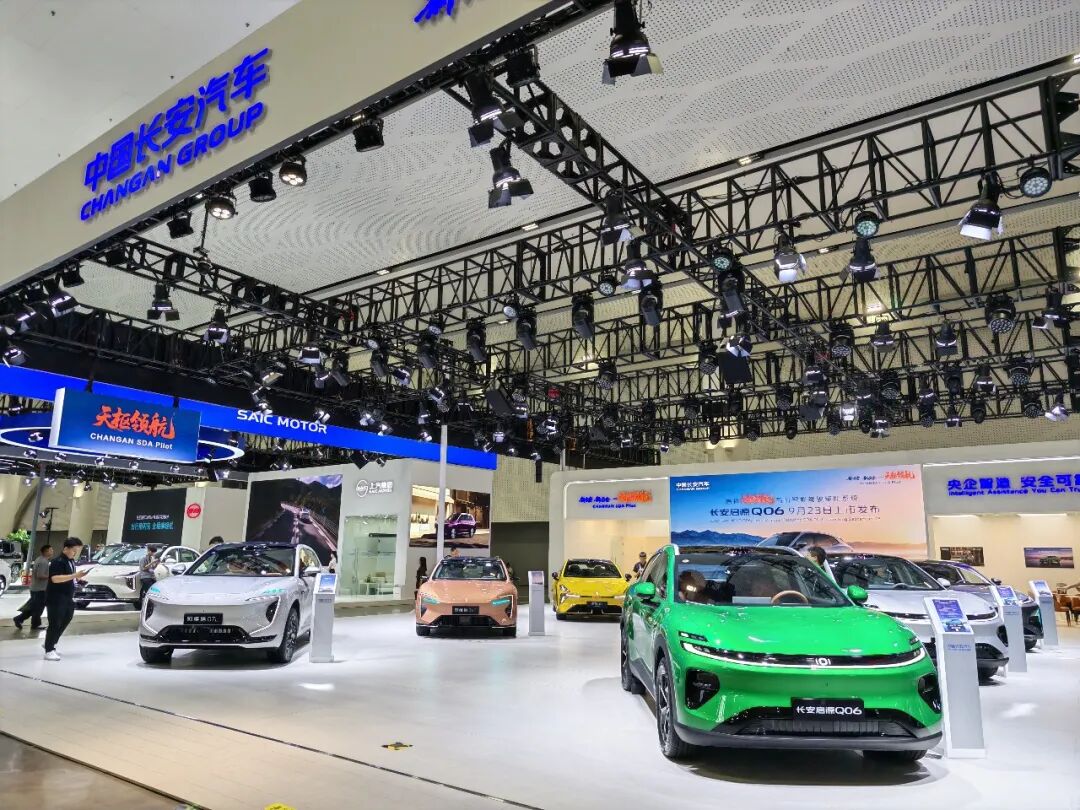
As a representative of domestic automakers, Zhu Huarong presented Changan's answer: "Firmly advance the New Energy Shangri-La Plan and the Intelligent Beidou Tianshu Plan, with sustained investments in new energy and intelligent fields."
He provided a set of impressive data: In the past three years, Changan has filed over 15,000 patents, averaging about 19 per day, with 70% being invention patents. Changan has deeply participated in formulating domestic and international standards, and its Golden Bell Battery technology won the 2025 National Science and Technology Progress Award.
Among foreign automakers, Volkswagen's transformation efforts have drawn significant attention.
"Three years ago, we launched the largest transformation plan in the group's history—shifting our China business model from 'from Europe, for China' to 'in China, for China,'" Brandstätter said. "We are not simply localizing production but have gained product development capabilities in China."
He emphasized that speed alone is insufficient. To create sustainable long-term value, speed must be combined with technological autonomy and scalability, balancing high quality with cost competitiveness.
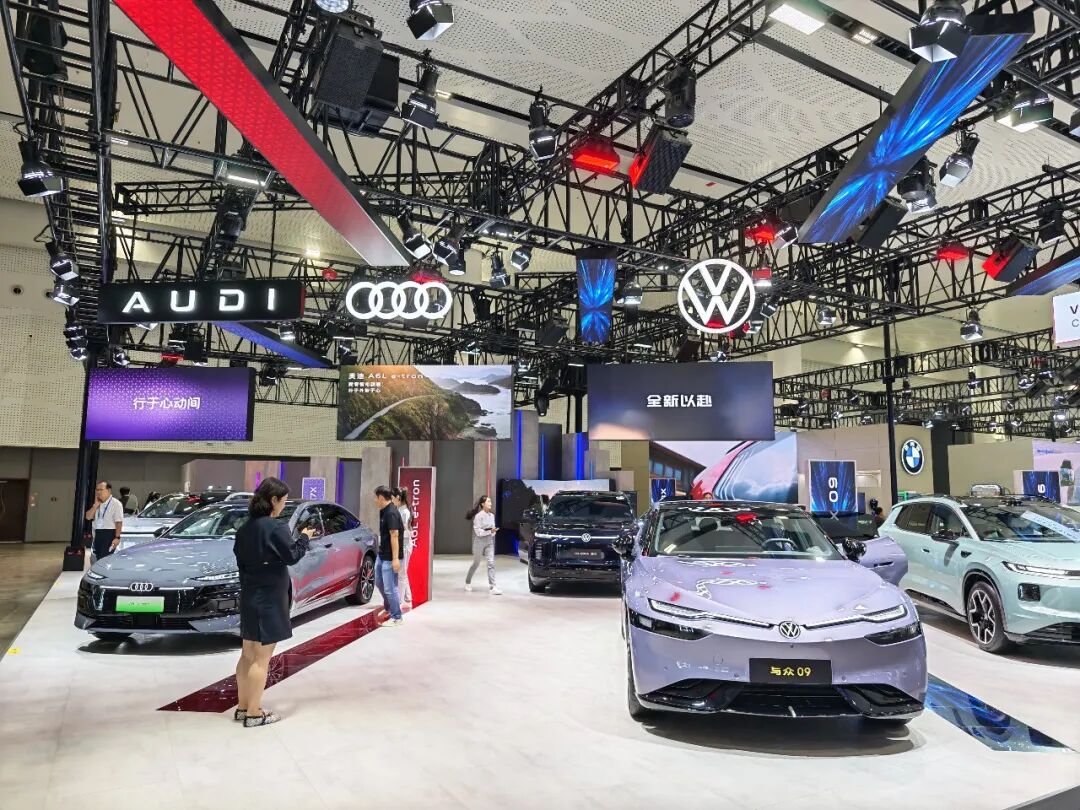
To this end, Volkswagen has built a complete local technology matrix around three core elements:
First, a new-generation locally developed vehicle platform. Covering all segments of the new energy market, including battery electric, plug-in hybrid, and extended-range electric vehicles—the three mainstream powertrain routes.
Second, software and vehicle electronic architecture. Independently developed in just 18 months, it serves as a powerful digital foundation for next-generation models—supporting continuous OTA upgrades, deeply integrating AI capabilities, designed for scalability, and compatible with both electric and fuel vehicles.
Third, intelligent driving. Through a joint venture with Horizon Robotics, Volkswagen is developing a full-stack intelligent solution called "Hypersense 8." Volkswagen is also independently developed ing (independently developing) vehicle-grade system chips with L4 capabilities to support its entire product matrix in the Chinese market.
"These three technologies are not isolated but a fully integrated system, all developed in China and capable of scalable implementation in products," Brandstätter said.
The product offensive has already begun. In 2026 alone, Volkswagen Group brands and joint ventures will launch over 20 new energy models, representing Volkswagen's largest-ever new energy product offensive in China.
Volkswagen is not alone in proclaiming "in China, for China."
Nissan has adopted a new approach in the Chinese market.
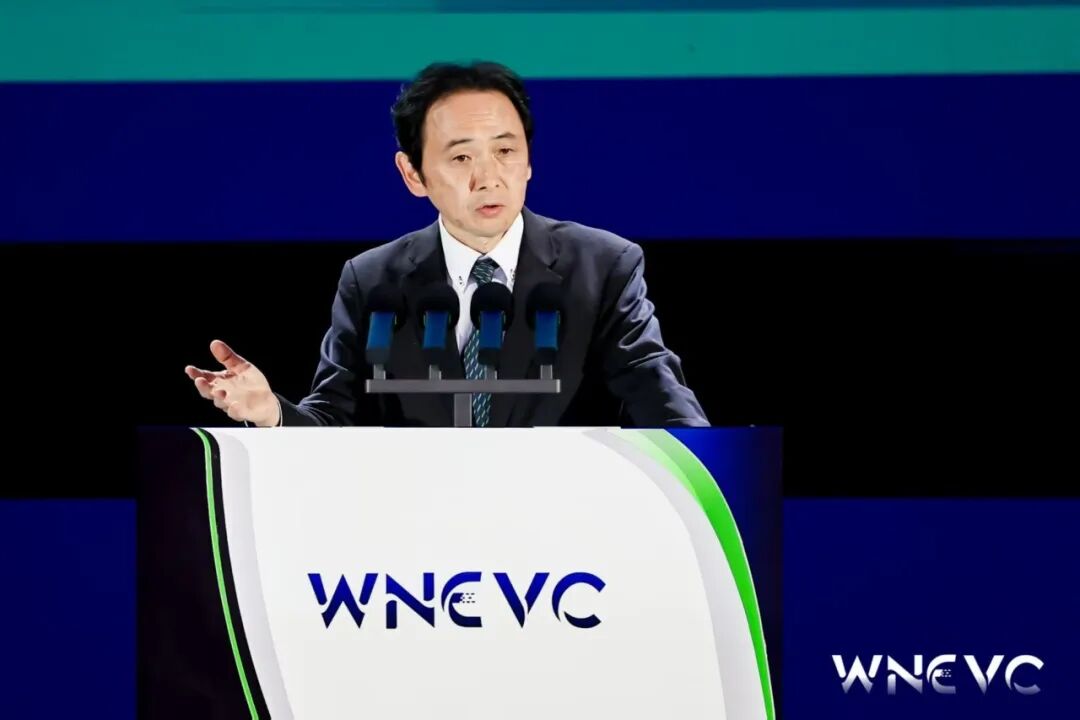 ● Eiichi Akaishi, Chief Operating Officer of Nissan
"Here, we once again advocate 'in China, for China,' but now our strategy has evolved—from 'in China, for China' to 'from China to the globe,'" Akaishi stated. The Chinese market leads the global market, and Nissan will export various electrification technologies developed in China to the world, serving global customers with Chinese technologies.
Brand elevation, product strategy, and globalization strategy are Nissan China's three development pillars.
"This year marks Mercedes-Benz's third decade of R&D in China, with local R&D capabilities elevated to new heights," Mello said. R&D centers in Beijing and Shanghai form a dual innovation engine, constituting the most complete R&D network outside Germany.
"In China, for China, and also for the globe" is Mercedes-Benz's new credo.
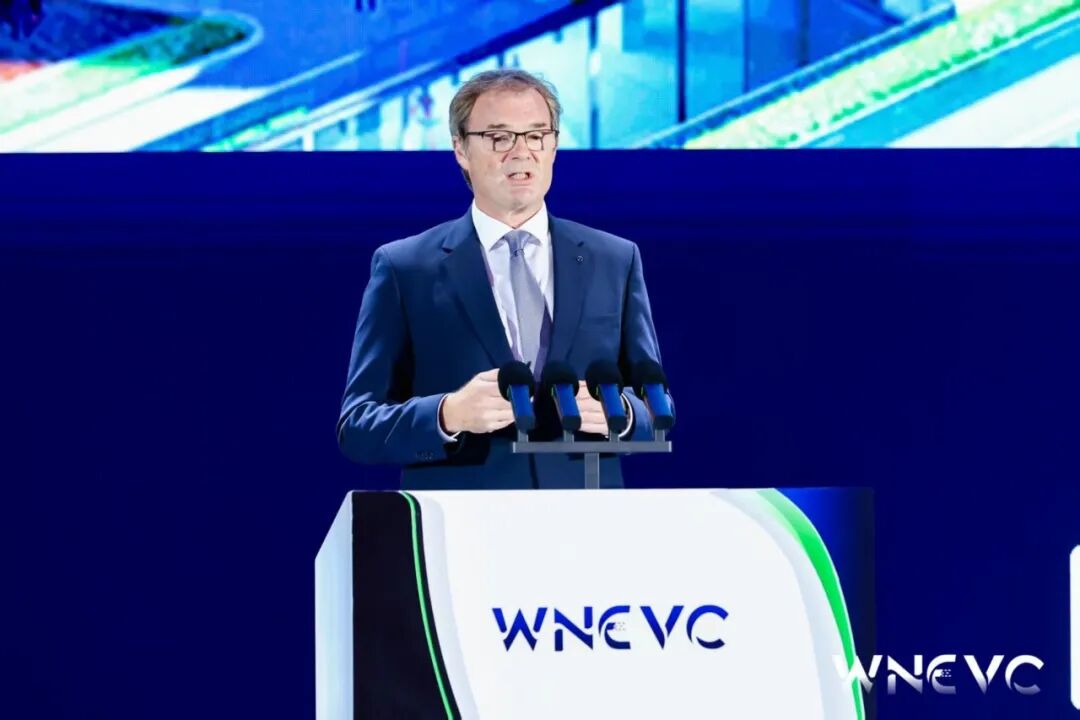 ● Manoel Mello, Senior Executive Vice President of Mercedes-Benz (China) Investment Co., Ltd. and Head of R&D and Procurement for Mercedes-Benz China
Jochen Goller, President and CEO of BMW Group Greater China, outlined three dimensions for judging future competitiveness:
First, speed must match substance. Future mobility development depends not only on innovation speed but also on the quality, safety, trust, and long-term value created. "BMW never compromises on quality and safety," he said.
Second, long-term competitiveness requires a resilient and collaborative value chain. Strong partners, an open and cooperative industrial environment, and a shared commitment to rules-based, high-quality growth are essential. This means not just "in China, for China" cooperation but also collaborating with global partners to drive industry development.
Third, jointly promoting high-quality development through technological development and lifecycle carbon footprint management.
Five automakers, five paths, one judgment: Localization is not a multiple-choice question but a survival question.
The deep waters of industrial transformation lie not just with automakers but also with the underlying supply chains.
"The entire electronic and electrical architecture is evolving from a distributed domain processing architecture to a centralized one," said Chen Liming, Vice Chairman of Horizon Robotics, during his speech at the forum.
Buffett once said that the automobile business is not an easy one.
Today, the difficulty has only increased. From Changan's dual-wheel drive to Volkswagen's product offensive; from Nissan's 'from China to the world' strategy to Mercedes-Benz and BMW's deep R&D efforts; from the strategies of automakers to breakthroughs in the supply chain—at this crossroads, the entire industry is undergoing profound transformation and upgrading, seeking resilient growth.
-
Yunbao Intelligence Charges Towards IPO: Over 5,000-Fold Revenue Surge in 2.5 Years, Tencent Contributes Nearly 98% of Revenue
-
Field Test of Doubao at Work: Can a Company That Helps Users Kill Time Build a Product That Saves Them Time?", "Doubao, AI, Office Agent, User Growth, Commercialization
-
Ofilm Wins Consecutive Orders for Xiaomi’s Flagship Periscope Telephoto Modules Across Two Generations!
-
![]()
Net Profit Soars by 578% in First Half of the Year! How Promising Is Hycreate Optoelectronics’ IPO on the Beijing Stock Exchange?
-
Reshaping the Supply Chain Landscape: CATL Faces a New Industry Cycle
-
![]()
US$1.2 Million for 'Digital Territory': Global Tech Giants Scramble for '.ai' Domain Names
-
![]()
Apple’s Dependence on Scalpers Hits an All-Time High
-
![]()
Lei Jun’s 200 Billion Yuan Gamble: Why Does He Wait for Trends to Solidify Before Making Big Moves?