Porsche’s 2035 Vision: Amid Layoffs and Model Streamlining, a Steadfast Commitment to Fuel-Powered Vehicle R&D
 10/08 2026
 423
423
It’s quite surprising that Porsche, the ‘cash cow’ under the Volkswagen Group and independently listed on September 29, 2022, has encountered challenges in recent years. Porsche recently unveiled its 2035 strategy, which centers around two pivotal moves: workforce reductions and model rationalization. What’s the underlying scenario? Let’s take a closer look.
First, let's examine Porsche's sales performance in recent years. The zenith was reached in 2021, with domestic sales soaring by 8% year-on-year to a record 96,000 units. Globally, Porsche sold 302,000 units that year, marking an 11% increase. It was this stellar performance in both domestic and global markets that paved the way for Porsche's independent listing in 2022.
As the adage goes, ‘After great joy comes sorrow.’ In 2022, the year of Porsche's independent listing, despite its domestic market still commanding the largest share globally, sales witnessed a notable downturn. Annual sales dipped to 93,000 units, a nearly 2.5% decrease year-on-year. Nevertheless, Porsche managed to sustain growth in the global arena, with sales nearing 310,000 units, a 2.6% rise year-on-year.
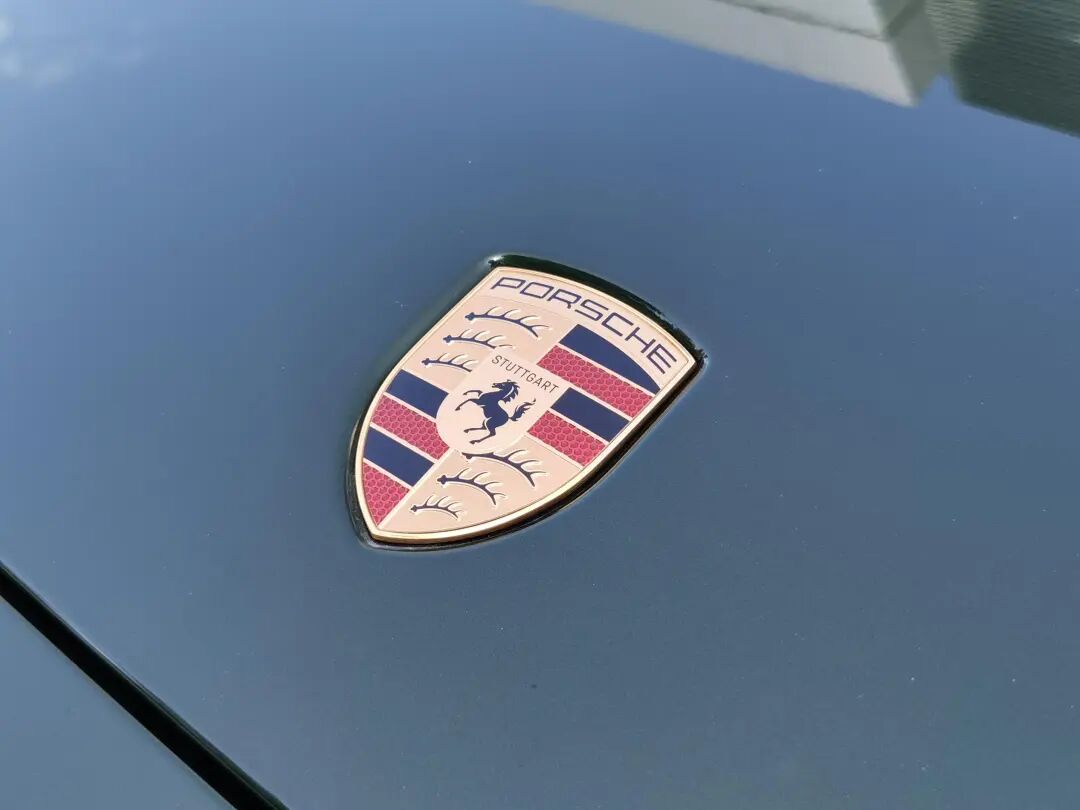
By 2023, Porsche's cumulative global sales peaked, surpassing 320,000 units, a 3.3% increase year-on-year. However, that same year, Porsche's domestic sales took a sharp nosedive from the slight decline seen in 2022, plummeting by 15% year-on-year to 79,000 units. Finally, in 2024, both global and domestic sales declined, with global sales dropping by 3% and domestic sales plummeting by a staggering 28.3% year-on-year.
The situation worsened in 2025, with Porsche's cumulative global sales falling below 280,000 units, a more than 10% decrease year-on-year. The domestic market fared even worse, with cumulative annual sales of 42,000 units, a 26.3% decline year-on-year. This marked the second consecutive year of over 25% year-on-year sales decline in the domestic market.
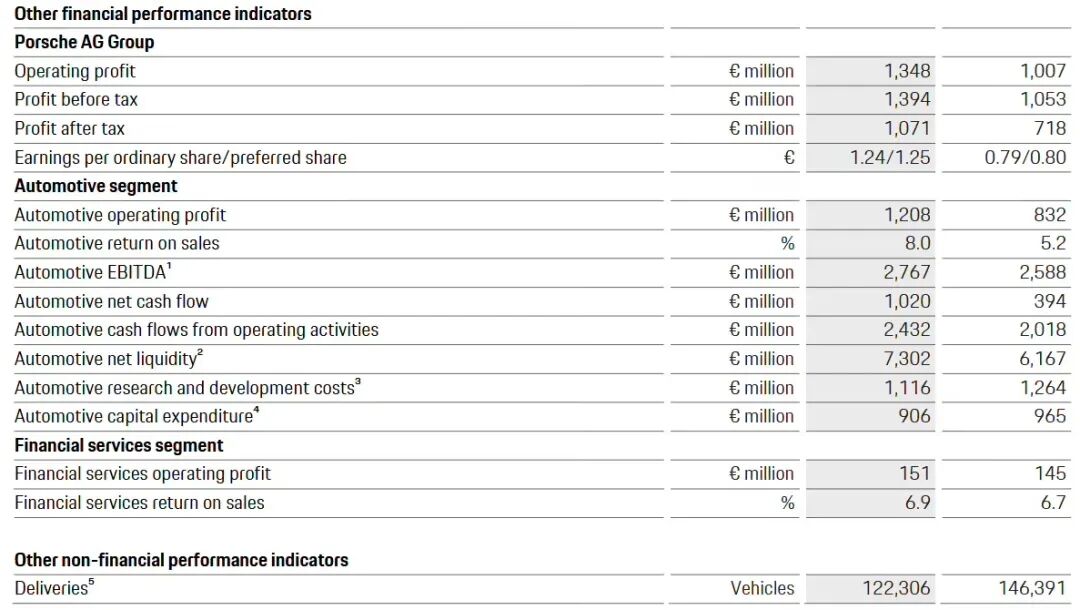
The latest figures reveal that in the first half of this year, Porsche's cumulative global sales reached 122,000 units, a 16% decrease year-on-year. Domestic market sales stood at 14,500 units, a 32% decline year-on-year. Barring any unforeseen circumstances, Porsche's sales declines in both global and domestic markets are expected to widen further this year.
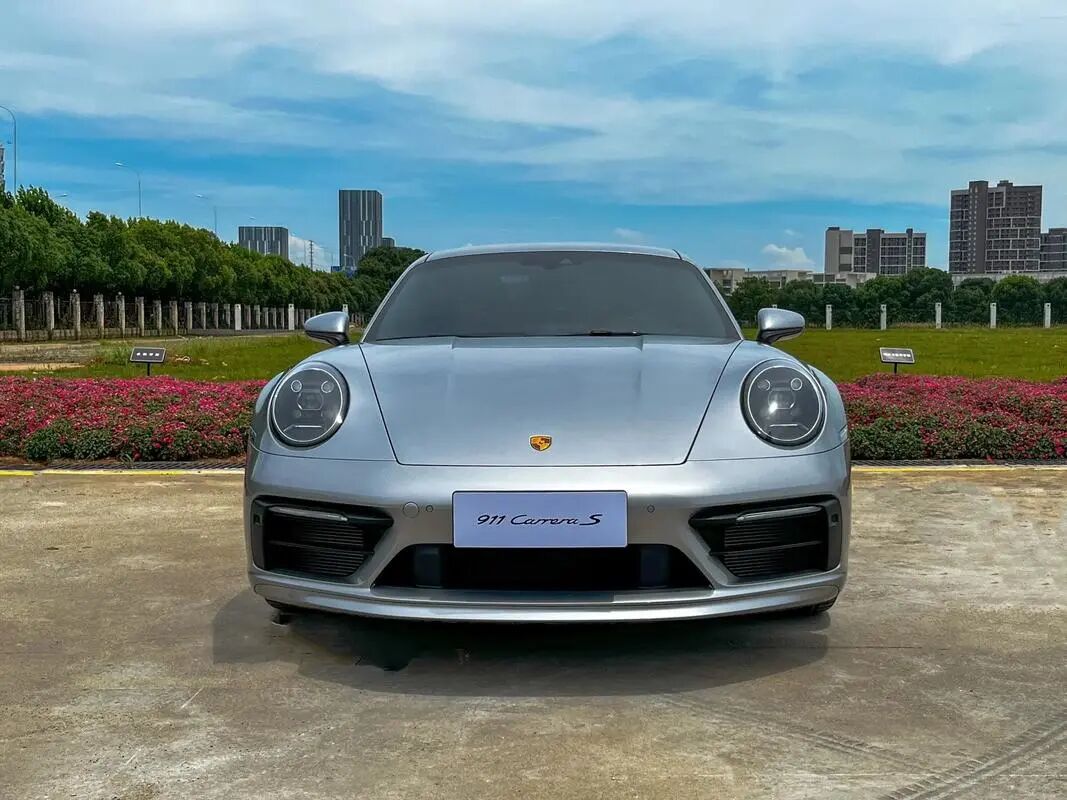
Regarding the reasons behind Porsche's sharp sales decline in the past two years, while there are multiple factors, CheKuaiping believes the most significant is the meteoric rise of Chinese new energy vehicles in the luxury car segment. As a well-established ultra-luxury car brand, Porsche has found itself lagging in product competitiveness compared to Chinese new energy vehicles in the same price range, leading to its recent sales slump.
In response to this predicament, Porsche announced its Sportwagenschmiede ‘35 strategy on October 7, planning to reduce its workforce by up to 30% to streamline its organizational structure. At the product level, Porsche intends to cut the number of model derivatives by around 20% to simplify its portfolio. Simultaneously, to underscore the brand's exclusivity, Porsche plans to hike prices for high-end models by 20%. By 2030, it aims to launch at least one new model annually that ‘sets the benchmark for the brand.’ Strategically, Porsche still views China as its core market but will no longer offer discounts to drive sales volume.
Moreover, while transitioning towards pure electric and plug-in hybrid models, Porsche has also made it clear that it will continue to invest in fuel-powered vehicles. Perhaps Porsche recognizes that it cannot go toe-to-toe with Chinese automakers in the new energy vehicle sector and must instead capitalize on its strengths in the fuel-powered vehicle segment. In 2028, it plans to unveil a new fuel-powered SUV.
Copyright Notice: This article is an original piece by CheKuaiping. Reproduction requires explicit authorization. Unauthorized reproduction is strictly prohibited, and any form of plagiarism or misappropriation of images and text will be met with legal action. Some images in the article are sourced from the internet, with copyright belonging to the original authors. If your work is featured, please contact us for royalties or removal.
-
![]()
Diversifying Production Capacity Amid Pressure and Hedging Against Price Wars: Chinese Automakers Seize Overseas Growth Opportunities
-
From Selling Server Racks to Selling Tokens: Where Has AIDC's Valuation Anchor Shifted?
-
![]()
Porsche’s 2035 Vision: Amid Layoffs and Model Streamlining, a Steadfast Commitment to Fuel-Powered Vehicle R&D
-
![]()
Global Market: Fuel Vehicle Sales Share Dips Below 50%. Is BYD Poised to Overtake Toyota Soon?
-
![]()
During Long Holidays, EV Charging Stations at Highway Service Areas Are in High Demand. Should Range-Extended and Plug-In Hybrid Vehicles Give Way?
-
![]()
September Auto Sales: Traditional Powerhouses BYD, Chery, Geely Maintain Lead; Leapmotor Holds onto New Energy Crown
-
![]()
Should Chinese Automakers Establish Factories in the U.S.: A Boon or a Bane?
-
![]()
Navigating the Complexities: A Closer Look at Global Market Access Rules for Chinese Automakers