The Rise of AI Travel in a New Era | WeTides
 10/10 2026
 561
561
Editor | Yang Xuran
Simply say, 'I want to go somewhere' into your phone or other intelligent terminal, and AI will automatically understand your travel intent, plan your itinerary and route, and directly book a ride-hailing service. As you step outside, a Robotaxi is already waiting by the roadside, ready to take you to your destination without requiring any app interaction—the vehicle handles everything automatically.
This AI-powered travel experience, once confined to science fiction movies, is now taking shape on the streets of Chinese cities.
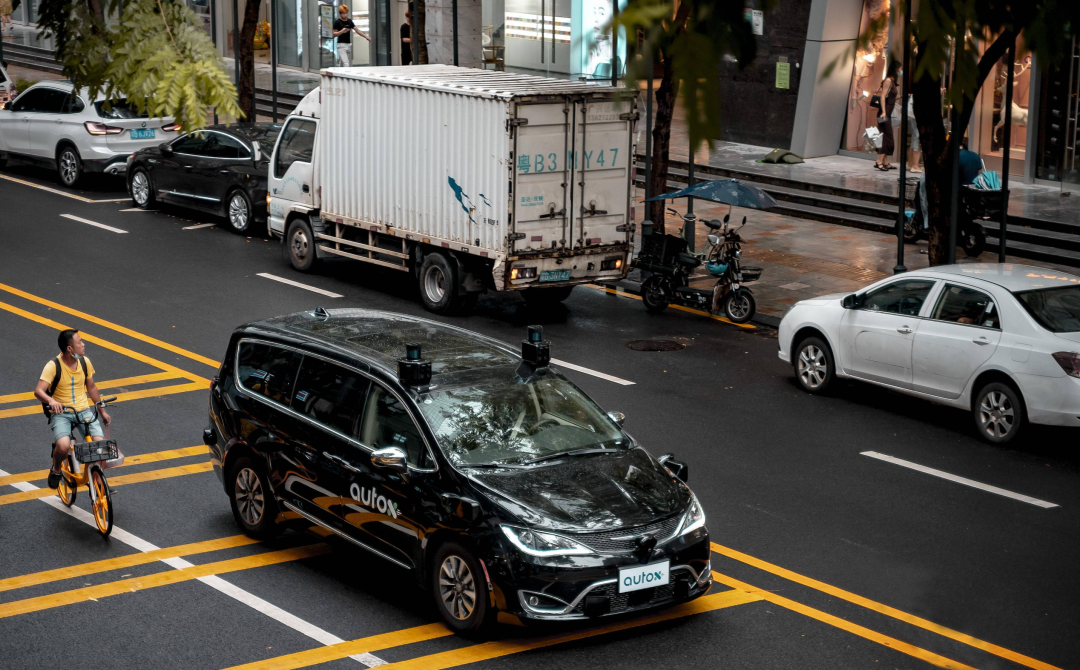
According to the 2025 China Mobile Travel Market Data Report by the E-Business Research Center of NetEase, China's ride-hailing market is expected to reach RMB 411.9 billion in 2025, representing a 6.07% year-on-year increase, though growth continues to slow from 8.19% in 2024. The number of ride-hailing users in China remains steady at 539 million, showing no growth from the previous year, indicating that traditional traffic dividends have largely been exhausted.
As the industry bids farewell to its golden age of rapid growth, ride-hailing platforms must find new growth stories—and AI Agent-driven intelligent travel is at the heart of this new narrative.
Over the past three years, the AI wave driven by large models has transformed the travel sector. The industry has moved from technical experimentation in closed campuses to full-scale commercial deployment.
On a deeper level, this transformation is reshaping the entire travel industry chain, rewriting the power dynamics among its players, and quietly nurturing new decisive forces.
This in-depth value article comes from the WeTides content team. Follow us across multiple platforms.

Closed Loop
In September 2026, Caocao Travel completed multiple rounds of collaborations with intelligent terminal providers, positioning itself as one of the most aggressive players in the AI travel space:
On September 14, the consumer version of the Doubao mobile assistant was officially launched on the Nubia NaviX Ultra smartphone, with Caocao Travel becoming one of the first ride-hailing providers to integrate with the system.
On September 15, Caocao Travel's AI ride-hailing service was integrated with Honor's YOYO AI Agent, allowing users to simply tell YOYO their travel needs. The AI Agent automatically identifies the starting point and destination, matches available vehicles, plans the route, and completes the booking.
At the OPPO Developer Conference on September 17, Caocao Travel announced the integration of its AI ride-hailing service with OPPO's Xiao Bu Next, demonstrating the entire process live.
On September 22, at Alibaba's Cloud Town Conference, Caocao Travel announced a collaboration with Qianwen AI Glasses, jointly launching an AI ride-hailing service that enables hands-free, near-eye interaction.
Prior to these announcements, Caocao Travel had already integrated its ride-hailing capabilities with Huawei smartwatches and Xiaomi Miclaw mobile assistants.
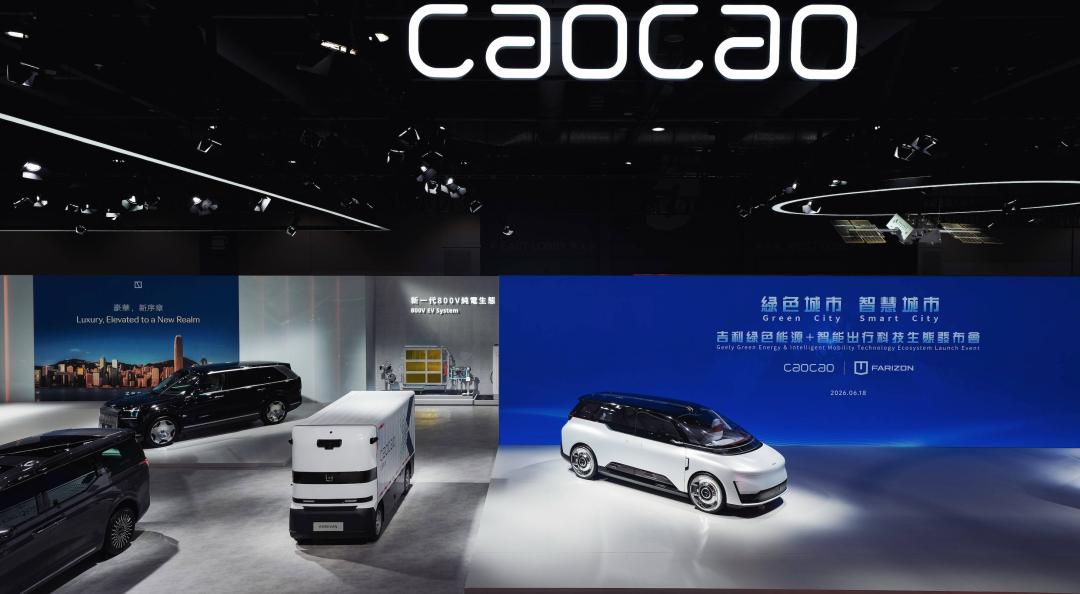
While these collaborations may seem like minor voice-based booking features to ordinary users, their significance becomes clearer when viewed through the lens of China's entire ride-hailing industry: these commercially viable partnerships mark the initial formation of a complete closed-loop AI travel ecosystem.
Previous attempts to AI-ify the travel sector mostly stalled at semi-AI stages.
Take Robotaxi pilot programs in various cities as an example. While the vehicles themselves achieve L4 autonomous driving, with the driving task handled by AI, users still need to open an app, manually enter the address, and confirm the order to book a ride.
Subsequent integrations, such as Qianwen with Gaode Maps and WeChat AI Agent with Didi, enabled voice-based booking, but users still needed to trigger the operation within the app or WeChat ecosystem, unable to escape the application carrier (carrier).
In contrast, Caocao Travel's deep integration with system-level AI Agents on smartphone platforms has effectively peel off travel services from standalone apps and embedded them into natural conversations between users and AI Agents. Users no longer need to open any travel app—simply talking to the AI on their phone completes the entire booking process.
This shift in interaction paradigm provides the foundation for a complete closed-loop AI travel experience:
At the front end, smartphone AI assistants, AI glasses, and other terminal-based AI Agents serve as entry points, ready to receive user travel requests at any time.
AI large models have become the key enabler. In the smartphone sector, manufacturers like Huawei, Xiaomi, OPPO, Vivo, and Honor have all developed their own large models, while Nubia and Apple have opted for external partnerships. Doubao, Alibaba's Qianwen, and Baidu's Wenxin have emerged as popular collaboration choices, bringing large models closer to users' command interfaces.
In the middle, operational platforms like Didi, Caocao Travel, and Ruqi Travel handle order distribution, fleet dispatch, and order management. According to the Ministry of Transport's ride-hailing regulatory information system, the monthly order volume for ride-hailing services nationwide reached around 1 billion in 2026, with platforms accumulating extensive operational experience.
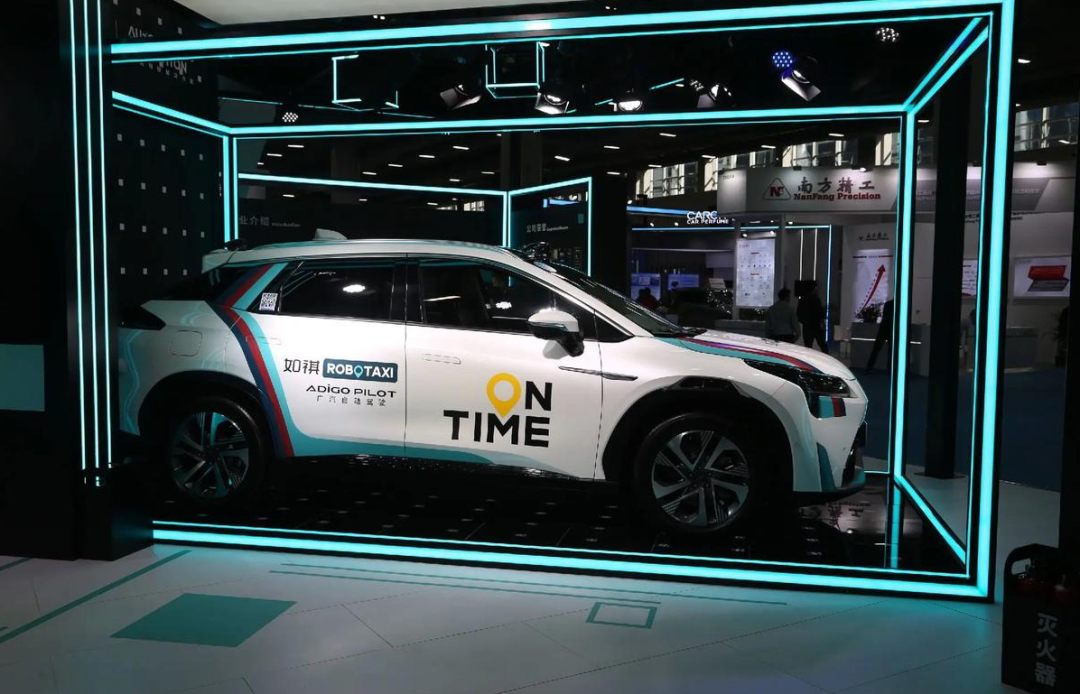
At the back end, Robotaxis and autonomous shuttles in various regions handle passenger transportation in the physical world, delivering the travel results.
In this segment, domestic manufacturers are clearly ready for commercialization:
As of August this year, Baidu's Apollo Go had deployed services in 28 cities globally, completing over 23 million orders and surpassing 350 million kilometers in autonomous driving mileage.
Pony.ai's seventh-generation Robotaxi has launched fully driverless commercial operations in Guangzhou, Shenzhen, and Beijing, with some fleets in Guangzhou and Shenzhen achieving single-vehicle revenue balance.
WeRide's L4 fleet has deployed in 13 countries and over 40 cities worldwide, holding autonomous driving licenses in eight countries. With a global fleet exceeding 3,000 vehicles, covering Robotaxis, autonomous shuttles, and other travel options.
Ninebot Robotics continues to expand in low-speed autonomous vehicles and automatic shuttle equipment, accumulating significant commercial operational experience in short-distance autonomous travel within campuses, commercial districts, and other scenarios.
Once this entire chain is connected, AI travel is no longer just a laboratory concept but a fully operational industrial system.

Transformation
The formation of this new industrial closed loop inevitably brings multiple transformations to the travel industry's business logic.
The first change is the shift in traffic entry points.
In the mobile internet era, aggregation platforms like Didi and Gaode Maps served as the core entry points for travel demands—users had to open specific apps to book a ride. In the future, when users can simply say, 'Book me a ride' to their phones, watches, or AR glasses, the large models behind AI assistants will become the primary receivers of travel requests.
Naturally, traffic entry points will shift from aggregation platform apps to various AI Agents.
The second change is the complete restructuring of core industry competitiveness.
In the past, the ride-hailing industry competed based on who could offer more subsidies to attract users and recruit/manage more drivers to capture larger market share. In the AI travel era, competition shifts from price and driver availability to vehicle capabilities and technology.
The new competitive edge lies in which platform can better understand users' complex travel needs, deploy larger Robotaxi fleets, and maintain more stable autonomous driving systems in complex urban environments—factors that make them more likely to be prioritized by terminal AI Agents and receive more orders.
The third change is the reshuffling of positions among upstream and downstream players in the industry chain.
System-level AI Agents on smartphones and intelligent terminals are emerging as new traffic entry points, with the potential to replace traditional aggregation platforms in receiving user travel requests and even participating in setting new service standards for the ride-hailing industry.
This trend extends beyond travel—AI Agents represent the output of an entire ecosystem of life services, with travel being just one infrastructure module.
In this new industrial structure, traditional ride-hailing platforms and Robotaxi operators become fleet providers—or fleet modules—behind AI Agents.
This shift in industrial logic means the boundaries between platforms and autonomous driving companies are blurring.
In the past, these two sectors operated largely independently. Ride-hailing platforms managed traditional ride orders and drivers, rarely engaging with autonomous driving, while autonomous driving companies focused on vehicle manufacturing and algorithm development, using their own apps to operate limited Robotaxi fleets without handling large-scale fleet dispatch or order management.
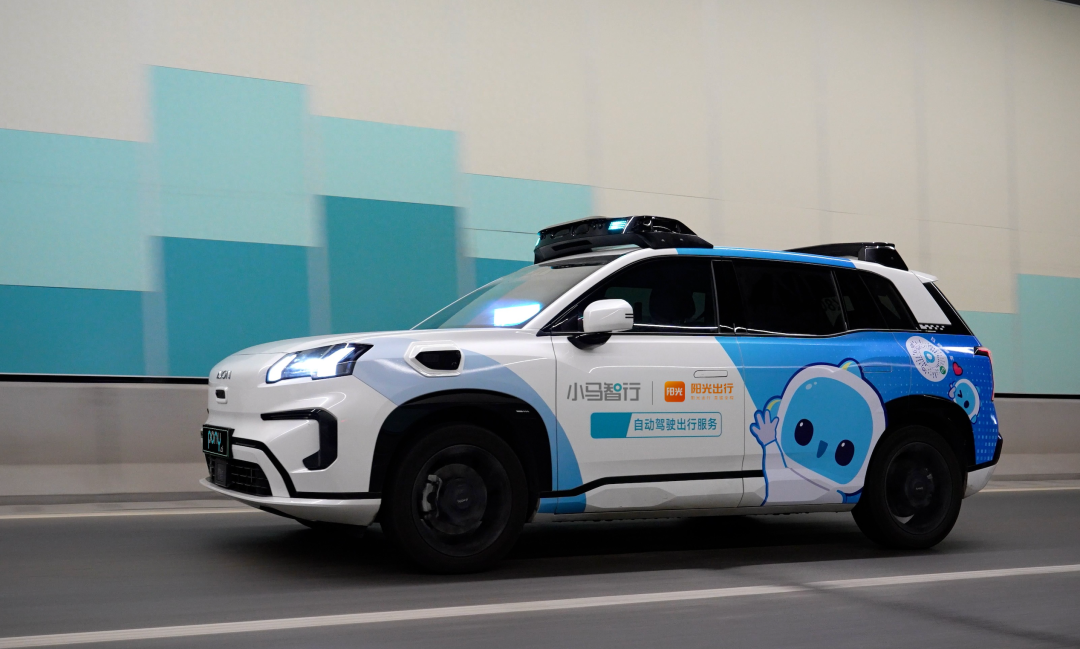
In the AI era, order entry points are controlled by intelligent agents on front-end hardware. Unless fleet operators also manufacture phones or watches, they are unlikely to infiltrate this space. However, ride-hailing platforms and Robotaxi operators can replicate each other's capabilities.
From an industrial competition perspective, companies that only manage order dispatch without autonomous fleet capabilities will become dependent on autonomous vehicle suppliers. Conversely, those with autonomous vehicle technology but no mature travel dispatch platforms or compliant operational systems will struggle to independently handle large-scale user travel orders.
Mastering both demand dispatch and autonomous fleet fulfillment capabilities is extremely challenging but will determine long-term industry influence.
Therefore, in the long run, ride-hailing platforms and Robotaxi operators are likely to merge.

Convergence
Whether one side acquires the other, a showdown is inevitable. Short-term signs of this long-term trend are already emerging—leading ride-hailing platforms have already entered the Robotaxi business.
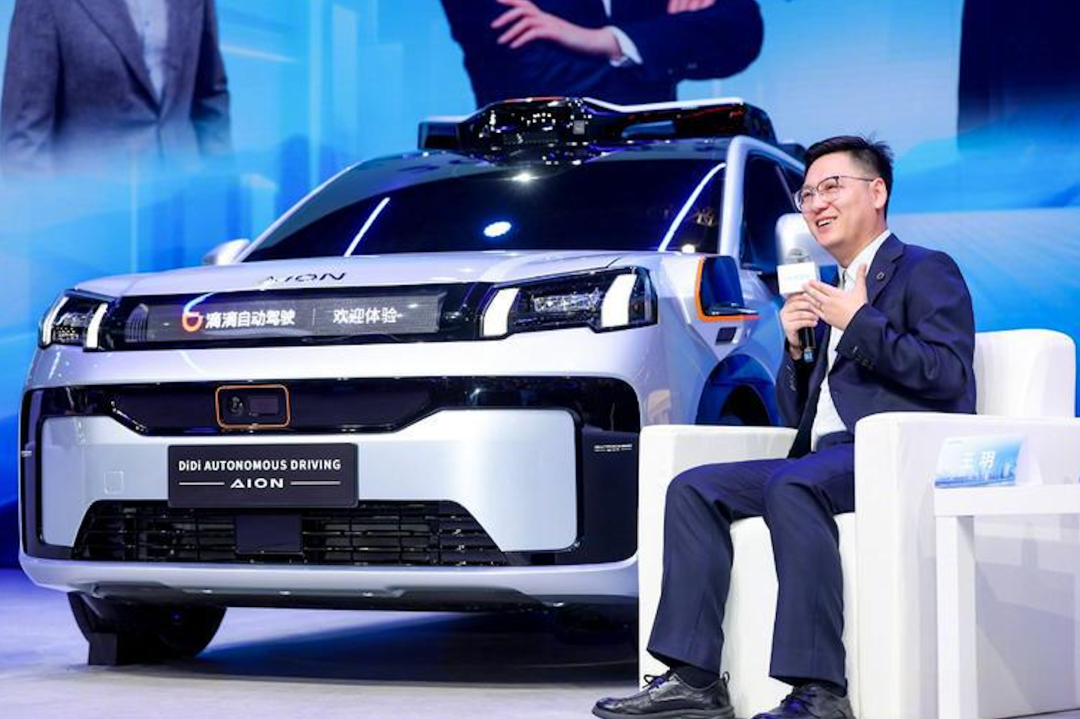
Didi Autonomous Driving partnered with GAC Aion to develop the next-generation Robotaxi model R2, which began mass production and delivery in January 2026. The first batch of vehicles received road test licenses for intelligent connected vehicles in Guangzhou and launched regular passenger test operations in demonstration zones in Beijing and Guangzhou.
Caocao Travel is also accelerating its autonomous driving layout (deployment). In February 2025, it launched the Caocao Zhixing autonomous driving platform in Suzhou and Hangzhou. In December 2025, it released the Robotaxi 2.0 full-stack solution and announced a long-term strategic goal of '10 years, 100 cities, 100 billion,' aiming to continuously expand Robotaxi deployment.
Clearly, these ride-hailing platforms are maintaining their vast ride dispatch networks while developing autonomous driving systems and deploying exclusive Robotaxi models, attempting to connect order dispatch with autonomous fleet fulfillment for an integrated layout (layout).
On the other side, Robotaxi manufacturers are either building or partnering with travel platforms to address operational shortcomings.
Apollo Go has long relied on its own app for operations, rarely integrating with external aggregation platforms in China, handling all order dispatch, fulfillment, and customer service through its proprietary system.
Pony.ai's collaboration with Ruqi Travel exemplifies upstream integration.
In March 2026, Pony.ai delivered its first batch of over 100 seventh-generation GAC Aion Tyrannosaurus rex (King Kong) Robotaxis to Ruqi Travel. Equipped with Pony.ai's self-developed autonomous driving system, these vehicles were integrated into Ruqi Travel's platform for operations. This partnership clearly divides roles: Pony.ai focuses on developing the 'virtual driver' autonomous driving technology, while Ruqi Travel handles fleet assets, safety, vehicle dispatch, and platform operations, jointly building a large-scale Robotaxi fleet.
Before full integration arrives, hybrid operational models have become an industry consensus during the transitional phase.
For example, after WeRide launched its paid Robotaxi service, early orders came exclusively from its own app but later integrated with third-party aggregation platforms.
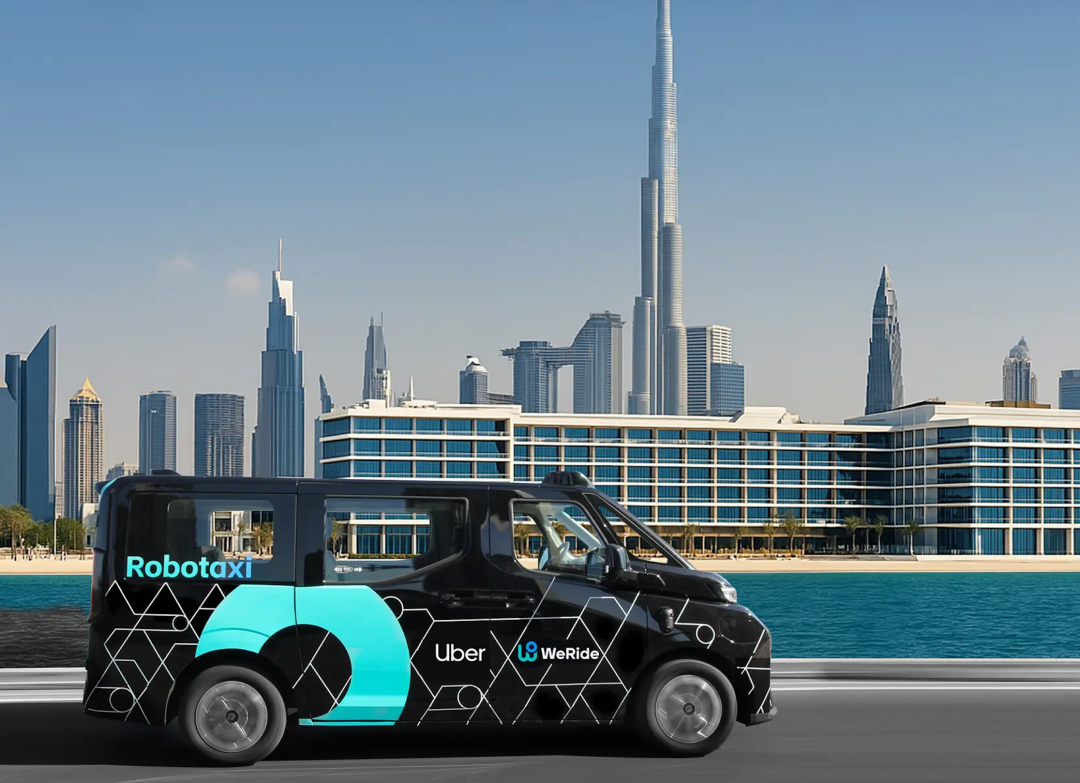
In March 2026, WeRide's Robotaxi officially integrated with WeChat's 'Me - Services - Travel Services' booking entry, launching in Guangzhou. Passengers booking through Tencent's travel services and selecting 'Autonomous Driving - WeRide' have their orders automatically routed to WeRide's backend dispatch system for vehicle assignment, fulfillment, and settlement. Overseas, WeRide integrates with platforms like Uber, which distribute orders—the core source of WeRide's international Robotaxi orders.
After the cooperation between OnTime and Pony.ai, it will intelligently match manned online taxi or Robotaxi based on factors such as user location, destination, real-time vehicle location, and waiting time, with unified order dispatching and fulfillment;
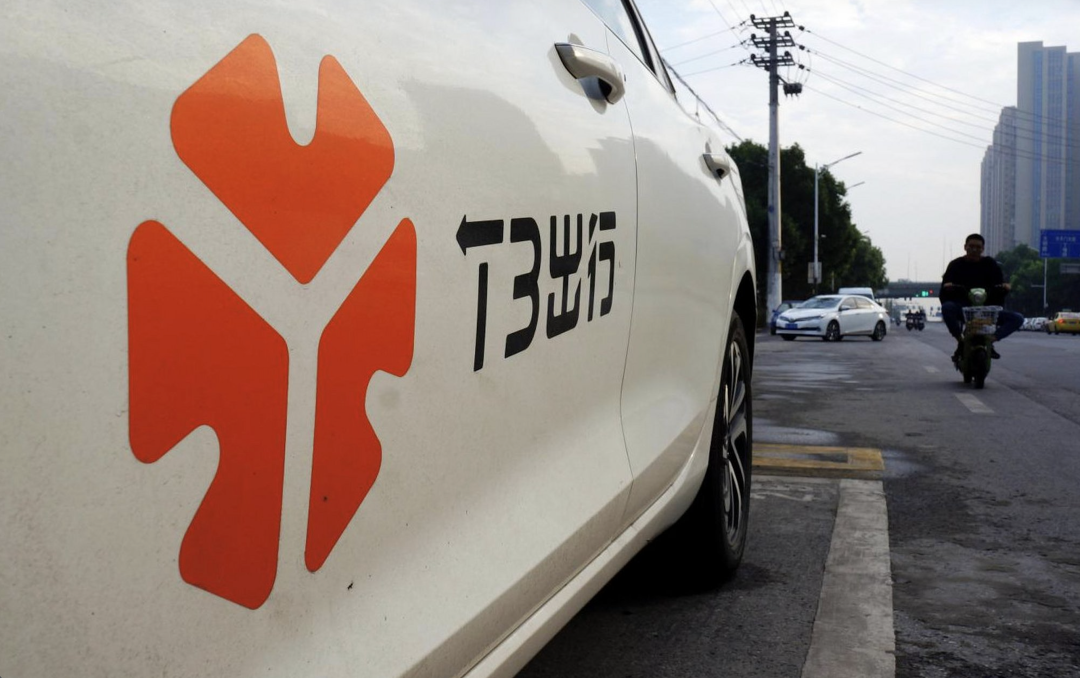
T3 Chuxing will also have access to over 300 Robotaxis by the end of 2025, conducting L4 autonomous driving road tests in Nanjing and Suzhou, and achieving mixed operations of manned and unmanned online taxis.
During the mixed operation phase, online taxi platforms continuously refine their dispatching algorithms, autonomous driving companies continuously accumulate urban road data, and hardware manufacturers continuously reduce the costs of sensors, chips, and entire vehicles.
The travel landscape in the AI era has begun to take shape, and all players within the industry chain will ultimately face an ultimate choice. But before that, all companies participating in this transformation of travel patterns will enjoy a relatively long period of growth.
-
![]()
Keynote Speaker Announcement | Wang Peng, Alibaba's QianWen Office Business Development Expert, Confirmed for WAIE (10th) 2026 AI Industry Conference & AI Agent Industry Application Summit
-
![]()
A Chaotic Battle in the Smartphone Market: Who is Redefining the Imaging War?
-
![]()
Chaotic Competition in the Smartphone Market: Who is Redefining the Imaging War?
-
![]()
AI Is Not a Get-Out-of-Jail-Free Card: Why Only Microsoft Is Being Rewarded for Its AI Investments
-
![]()
Li Auto’s 2026 i6: The Brand’s Debut Global All-Electric Model Headed to Europe
-
![]()
Kimi K3 Goes Viral and Suspends Service in 48 Hours: Model Wins Benchmarks, Compute Falls Short Against Big Players
-
![]()
Zhixiang Future Secures 2.1 Billion Yuan in Three Months of Financing, Yet Founder Maintains: 'We Haven't Achieved World-Model Status'
-
11 Days, Five Launch Events: The Battle Behind the 2026 Domestic Flagship Smartphones