50-Language Robots Deployed at Airports: Unveiling the Unspoken Truth in the Civil Aviation Industry
 04/07 2026
 536
536
Embodied AI | Humanoid Robots | Financing of Embodied AI | Robots
When the San Jose International Airport in the United States introduced the AI humanoid robot José at its boarding gates, most onlookers dismissed it as a mere technological stunt. Yet, industry insiders recognize this move as far more than a service enhancement—it represents a subtle yet significant cost revolution and a strategic maneuver to capture traffic within the civil aviation sector.
Developed by Silicon Valley startup IntBot, José is stationed at Gate 24 in Terminal B, where it handles greetings, answers questions, and provides real-time information. Capable of supporting over 50 languages, its seemingly convenience-driven function actually tackles the most formidable challenge faced by international airports: cross-language service losses. The costs that airports are truly eager to reduce stem from missed flights, customer complaints, on-site chaos, and human resource inefficiencies caused by language barriers.
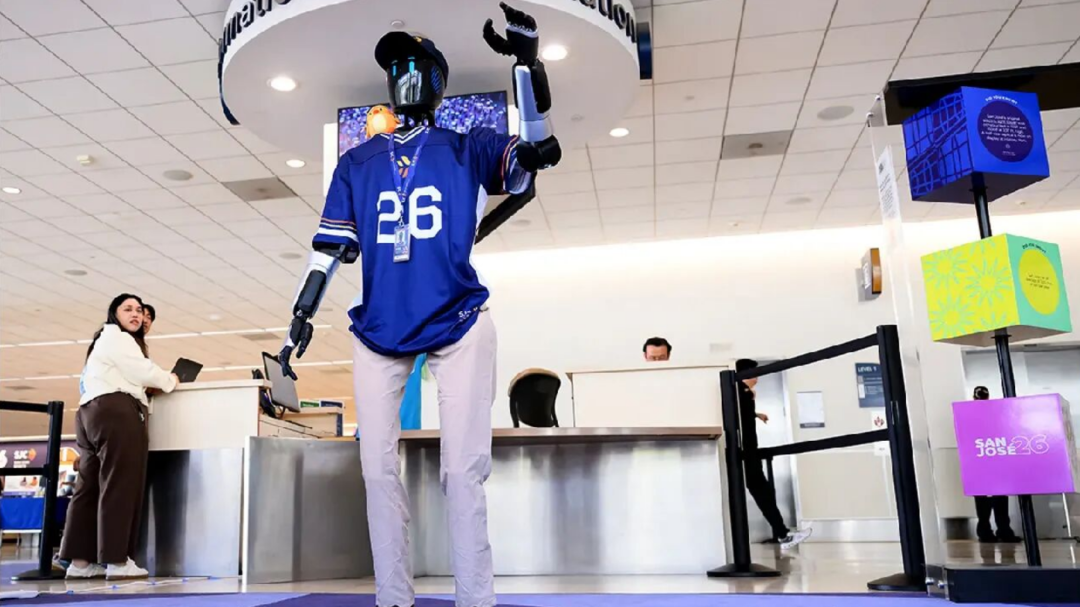
Unlike traditional self-service kiosks, José boasts physical AI and situational awareness capabilities, enabling stable operation in bustling and noisy environments. Elderly travelers and foreign tourists can simply speak to obtain answers, eliminating the need to learn how to operate the system and reducing communication inefficiencies to near zero.
Why are airports willing to experiment with this technology rather than continue relying on human staff? The industry's response is pragmatic: human labor is costly, volatile, and challenging to standardize.
During peak hours, handling inquiries demands a substantial workforce; recruiting multilingual customer service representatives is difficult and expensive; staff fatigue, emotions, and errors directly impact the passenger experience. In contrast, robots are available 24/7, emotionless, error-free, and easily replicable, offering long-term benefits from a single deployment.
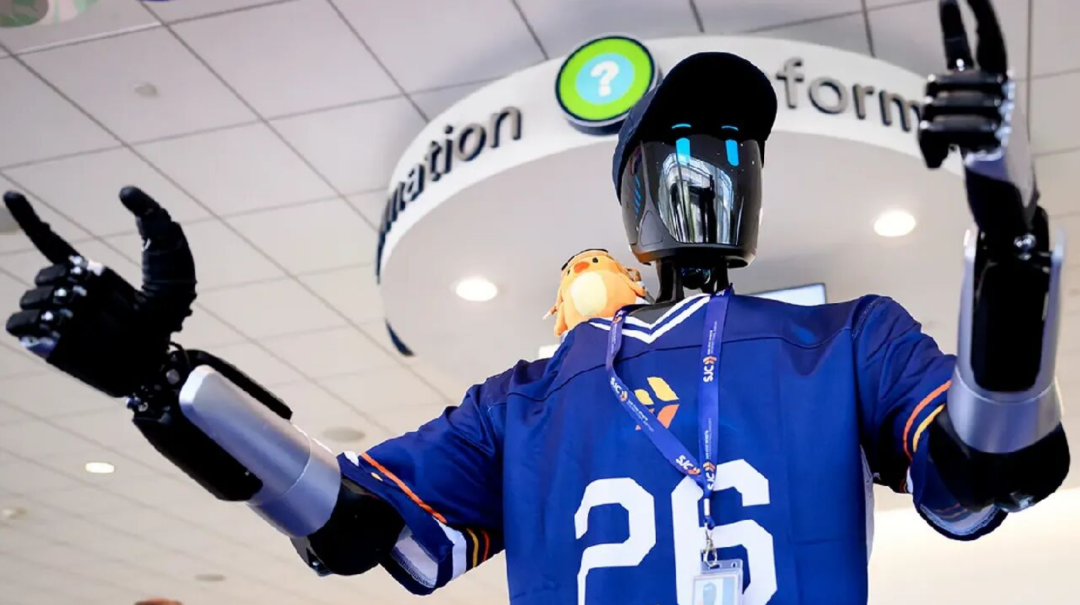
This deployment is not a technological showcase but a survival test of placing AI in real, high-traffic scenarios: Can it handle the passenger flow? Will it make mistakes? Will passengers embrace it? Successful validation paves the way for large-scale rollout, representing the true path to global airport intelligence.
José's presence will not extensively replace jobs but will redefine work boundaries: robots will handle repetitive, high-frequency, standardized inquiries; humans will manage unexpected situations, special requests, and complex disputes. This model promises higher efficiency, lower costs, and more stable experiences.
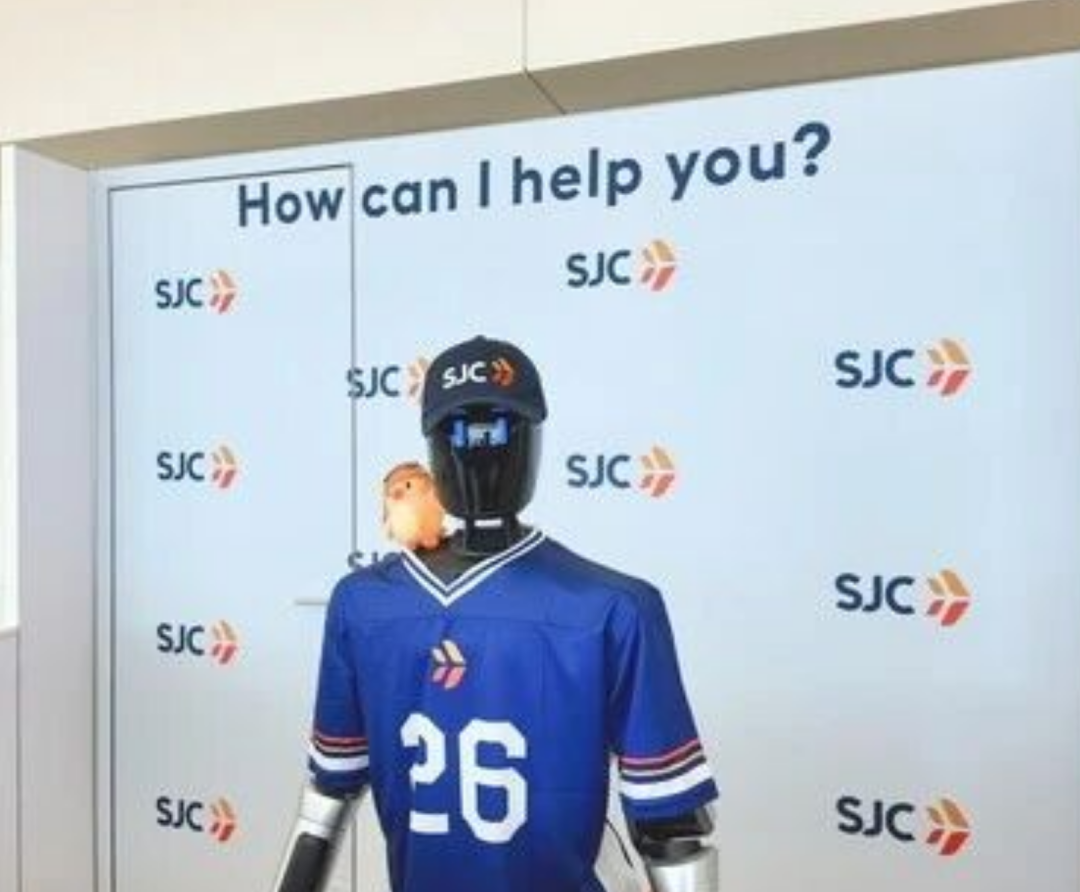
What we see is a talking robot; what we don't see is the fundamental reshaping of civil aviation service logic.
This time, technology is not generating hype but quietly calculating an entire ledger of efficiency gains.
-
![]()
Model Giant Jieyue Xingchen Steps into Smartphone Arena: A Strategic Alliance with Huaqin Technology
-
![]()
Big Model Firm Dives into Phone Market: StepFun and Wingtech Forge a ‘Dynamic Duo’
-
![]()
Zhongrun Optics Makes a Bold Move with 1 Billion Yuan Investment: Is a Turning Point on the Horizon for the Precision Optics Industry?
-
![]()
Deploy CLBO Crystals and YIG Single Crystals! Erythritol Leader Invests 30 Million in Youwei Optoelectronics
-
CXMT’s July 16 Subscription: Leading Domestic Memory Manufacturer—What’s the Earning Potential per Lot?
-
![]()
Rhythm Discrepancy and Premium Value Erosion: Foreign Luxury Brands Must Re-evaluate Their China Strategy
-
![]()
Half-Year, 1 Billion Yuan Financing, 7 Billion Yuan Valuation: A New Dark Horse Emerges in the Embodied AI Sector
-
![]()
Strong Rebound for Tech Stocks in Hong Kong Stock Market: Is It Time to Bottom-Fish?