Breaking News! BMW Executives Visit Wei Jianjun—Are They Planning Something Big?
 04/07 2026
 457
457
Introduction
Introduction
BMW executives' trip to Baoding reveals the anxieties and breakthrough strategies of a luxury automotive giant.
In the automotive world, beyond the usual financial reports from major automakers, a visit by BMW executives to Baoding to meet with Wei Jianjun has stirred waves.
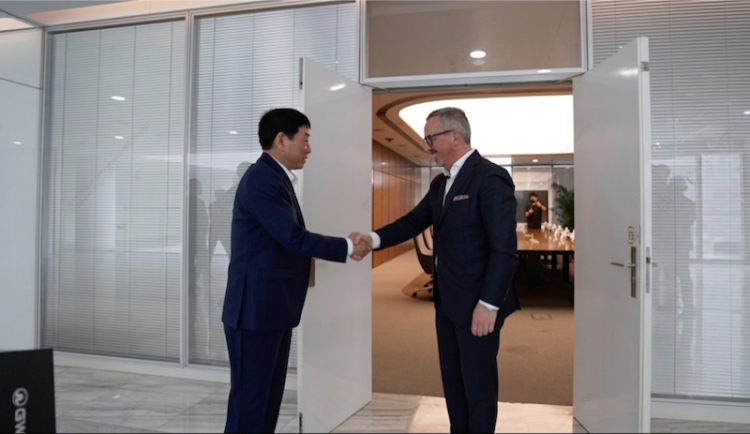
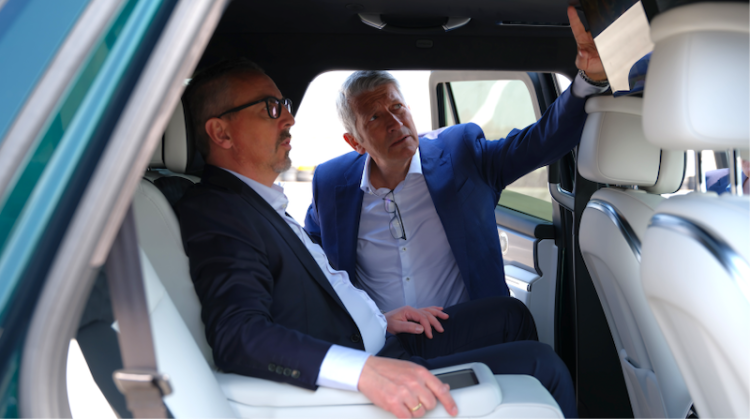
On March 31, reports revealed that Dr. Puster, BMW Group's Board Member for Research and Development, personally led a delegation of at least five Group-level vice presidents and core technical executives from BMW China and Spotlight Automotive (BMW and Great Wall Motor's JV) to Baoding for in-depth discussions with Great Wall Motor Chairman Wei Jianjun.
This visit, hailed as BMW's highest-level, most comprehensive technical delegation to a Chinese partner in history, underscores its significance.
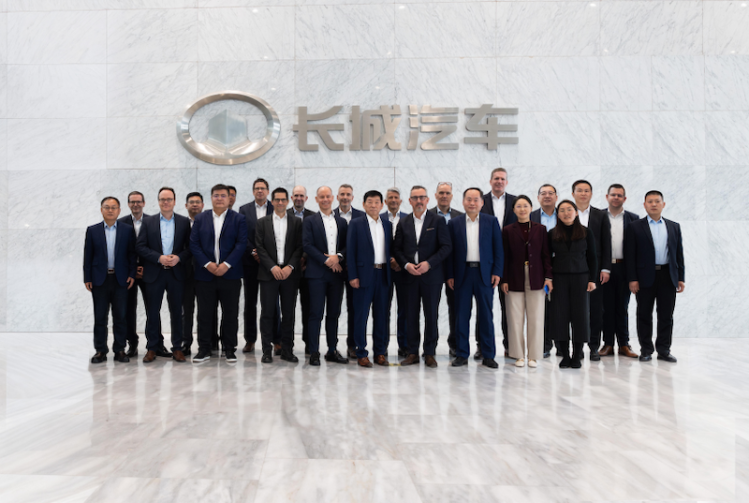
The day's agenda was tightly packed, with every minute accounted for. The BMW team toured Great Wall Motor's Xushui Plant and Group Technology Center, test-drove multiple models including WEY V9X, Tank 700, Tank 500, and ORA 5, with Dr. Puster personally experiencing the WEY V9X's urban NOA (Navigate on Autopilot) functionality. Notably, Dr. Puster's one-hour closed-door meeting with Wei Jianjun, though undisclosed, left ample room for speculation.
As eight-year collaborators, the two companies have built a strong foundation of trust through Spotlight Automotive (the electric MINI localization project). This visit by BMW's R&D elite was far from a mere courtesy call—it resembled a "technical inspection."
Against the backdrop of global automotive electrification and intelligence trends, as well as the competitive BBA landscape, industry insiders speculate: BMW and Great Wall Motor's cooperation may expand beyond Spotlight Automotive, potentially evolving from manufacturing collaboration to deep technical integration. They might even follow Volkswagen and XPENG's model, initiating joint development across vehicle platforms, intelligent driving systems, and other dimensions to address BMW's gaps in localized electrification.
01 Intensifying BBA Competition Leaves BMW Urgently Seeking Breakthroughs
The BBA rivalry in the luxury market has always been fierce, but the competitive arena has shifted from internal combustion engines to electrification and intelligence. As Audi and Mercedes-Benz deepen ties with Chinese automakers to accelerate localization, BMW's slower pace risks widening the gap.
Audi, the earliest luxury brand to enter China, has moved beyond traditional joint ventures to form a comprehensive cooperation matrix.
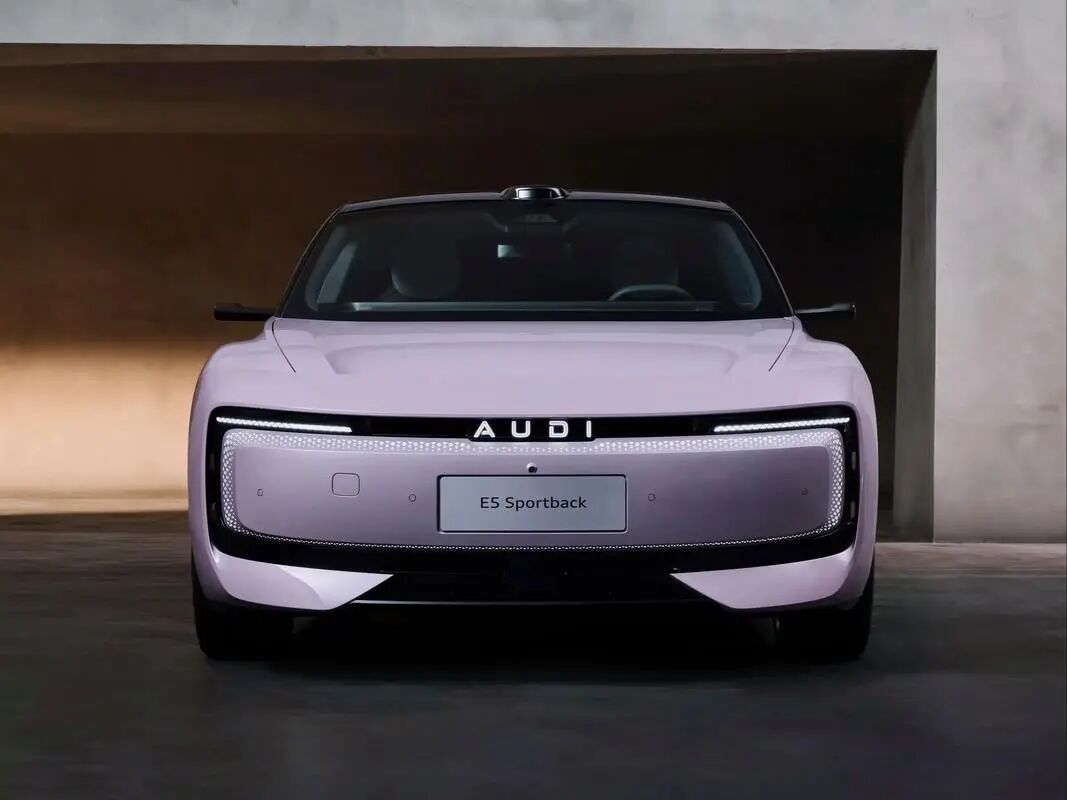
Building on its existing JVs with FAW and SAIC, Audi co-developed an intelligent digital platform with SAIC for B/C-segment luxury electric vehicles, launching the AUDI E5 in 2025. Leveraging SAIC's localized intelligent electric technology, Audi quickly gained traction in the premium EV market.
More notably, Audi will introduce multiple China-exclusive EVs by 2026 under a new luxury electric brand (without the four-ring logo, using "AUDI" lettering) to better appeal to young Chinese consumers. Meanwhile, FAW-Audi's Q5L ICE model became the first to adopt Huawei's ADS 2.0 intelligent driving system, positioning it ahead in the smart driving race with an "EV + intelligent driving" strategy.
Mercedes-Benz has taken an even more aggressive approach, collaborating with Chinese firms across powertrains, intelligent driving, and branding—a "multi-pronged" strategy.
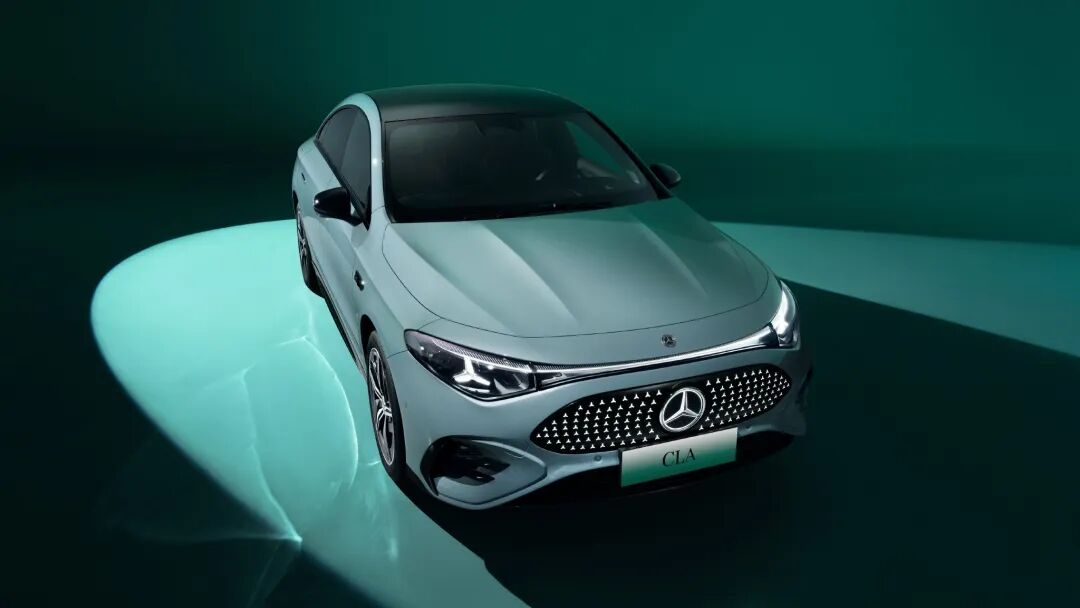
The 2026 Mercedes-Benz CLA PHEV will directly use Geely's 1.5T engine, leveraging Geely's supply chain to cut costs and boost efficiency. In branding, their JV smart brand combines "Geely engineering + Mercedes design." For intelligent driving, Mercedes invested in Momenta in 2017 and will launch multiple models with full-scenario intelligent driving in 2026, while also acquiring a stake in Geely's Qianli Technology to strengthen its intelligentization (intelligentization) capabilities.
In contrast, BMW's Chinese partnerships remain at a superficial level of "technical empowerment + supply chain binding."
BMW co-developed a China-exclusive intelligent cockpit ecosystem with Huawei HarmonyOS, partnered with Momenta for urban pilot-assist based on its Flywheel large model, optimized cockpit voice interaction with Alibaba, and deepened battery supply ties with CATL. While these collaborations span intelligent driving, cockpits, and batteries, they avoid deep integration in vehicle platforms or core powertrains. Compared to Audi's joint platform development and Mercedes' dual binding in powertrains and intelligent driving, BMW's cooperation lacks depth.
Alarmingly, BMW has nearly no presence in China's mainstream luxury NEV market (RMB 200,000–400,000).
Audi and Mercedes, leveraging Chinese partners' technologies, have launched multiple PHEVs to capture market share. In the premium EV segment, BMW's Neue Klasse models face shortages in Europe but struggle in China against Audi's ADP platform models and Mercedes' electric GLC due to inadequate localized smart features, leading to eroding market share.
Mercedes' CEO once reflected during earnings calls that EVs in China should not be "European cars" but "Chinese cars" tailored to local needs. This hits BMW's pain point—if BMW clings to its "European R&D, Chinese production" model without deepening ties with Chinese automakers, it risks falling further behind Audi and Mercedes, or even being overtaken by Chinese NEV startups.
This likely explains why BMW's R&D elite descended on Baoding in full force, desperate for breakthroughs. In China's rapidly evolving NEV market, BMW has ample reason to panic.
02 Why Great Wall Motor?
BMW's choice to grant its highest-level visit to Great Wall Motor among Chinese automakers is no coincidence.
In 2018, witnessed by Chinese and German leaders, BMW and Great Wall Motor established Spotlight Automotive with a 50:50 stake—BMW's first global pure electric vehicle JV and a pivotal step in Great Wall Motor's global NEV layout (strategy). Over eight years, Great Wall Motor provided technical and supply chain support for engineering and manufacturing, while BMW contributed brand design and global quality standards, jointly advancing the localization and globalization of the electric MINI.
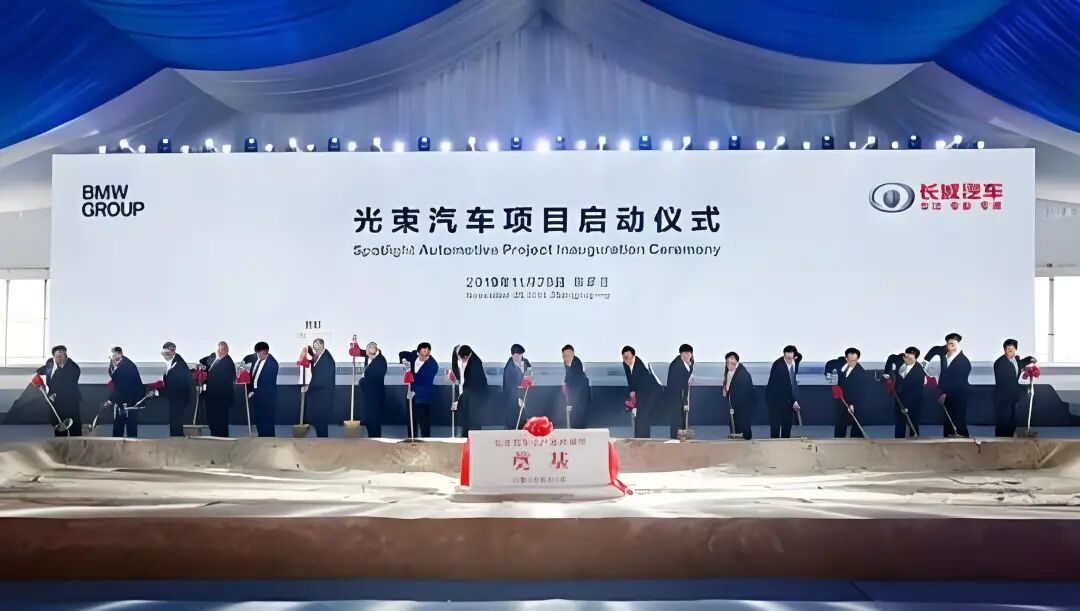
By June 2025, the 100,000th domestically produced electric MINI rolled off the line, with 80% exported to Europe, serving as a vital link between Chinese and European markets. Spotlight Automotive's Xushui Plant achieves a BMW global-top efficiency of one new car every 83 seconds, solidifying BMW's trust in Great Wall Motor's technical and manufacturing prowess.
The eight-year partnership's trust forms the bedrock for deeper collaboration.
BMW's visit to Baoding reflects two factors: the trust built over eight years of JV cooperation, and Great Wall Motor's technological breakthroughs in electrification and intelligence, which precisely address BMW's weaknesses, making it an ideal partner for BMW's localization transformation. This is evident from the models BMW executives test-drove and their technical focus.
The WEY V9X, a flagship model from Great Wall Motor's new Guiyuan S platform ( Key Test Drive , key test-drive model), impressed BMW with its capabilities.
According to official data, the Guiyuan platform is a modular technology architecture supporting five powertrain types (PHEV, HEV, BEV, FCEV, ICE), offering high component reuse, low R&D costs, and high efficiency. It supports 900V ultra-fast charging, AI-driven vehicle intelligence, and integrated active/passive safety—a "multi-powertrain" design aligning with BMW's shift toward PHEV development.
Beyond the Guiyuan platform, Great Wall Motor's Hi4 hybrid system is another asset for BMW. The Hi4 system achieves 45.5% thermal efficiency via dual-motor series-parallel and intelligent AWD design, with a Loss of electricity and fuel consumption (battery depletion fuel consumption) of just 3.8L/100km, a combined range exceeding 1,500km, and costs 20–30% lower than BMW's existing hybrid solutions. It suits all scenarios from urban driving to off-roading, perfectly filling BMW's gap in the mainstream luxury hybrid market (RMB 200,000–400,000).
Additionally, Great Wall Motor's SiC electric drives, 9HDCT hybrid transmissions, wire-controlled chassis, and battery technologies offer BMW cost-effective, high-performance solutions to reduce electrification transformation costs and enhance competitiveness.
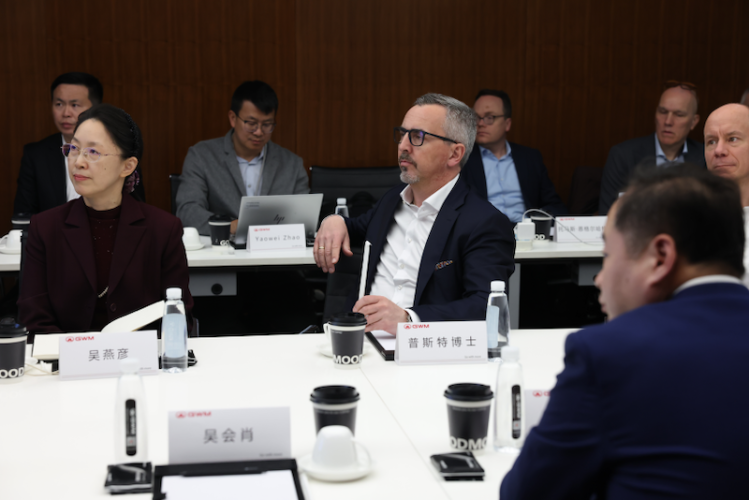
From the itinerary, BMW's visiting team covered high-voltage batteries, vehicle R&D, driving experience, and China R&D—key areas aligning with Great Wall Motor's displayed technologies in batteries, off-roading, and intelligent driving, highlighting BMW's intent to "learn."
Following Volkswagen and XPENG's benchmark collaboration—where XPENG provides EE architecture, intelligent driving, and cockpit tech, while Volkswagen handles vehicle engineering, manufacturing, quality control, and channels for full-stack joint development—BMW could replicate this model with Great Wall Motor: leveraging Great Wall Motor's Guiyuan platform, Hi4 hybrid system, and urban NOA intelligent driving solutions to address localized tech gaps, while sharing its premium chassis tech, luxury cockpit design, and global quality certification systems for mutual technological empowerment.
Whether and how deeply the two sides will collaborate remains to be seen.
Editor-in-Charge: Shi Jie Editor: Chen Xinnan
THE END
-
![]()
The Allure of 'Acquisition Spree': Li Shufu's Left Turn, Xu Jiayin's Right
-
![]()
Strategic Transformation Yields Results: Phoenix Optics Reports 10.9% YoY Rise in Core Net Profit for H1 2026
-
![]()
Three Key Growth Trajectories Synergize! Crystal-Optech Reports 3.478 Billion Yuan in Revenue for H1 2026
-
![]()
Semi-Annual Report Sparks XPENG Motors Buzz
-
![]()
1.6 Billion Big Order Secured! SeeYA Technology's Revenue Soars by 287.87% in the First Half of the Year
-
![]()
Baidu's Profits Plunge by 68%: Unraveling the Mystery Behind the Numbers
-
![]()
Baidu’s Profits Tumble by 68%! Where Has All the Money Gone?
-
![]()
Hynix’s Taobao Store Shuts Down Abruptly: What Should Customers Do About Warranty Services for Memory Modules?