Why Are Young People’s Old Phones Seemingly No Longer Slow After a Wave of Price Increases?
 04/10 2026
 554
554
In recent years, the trend among consumers has been to replace their mobile phones as soon as they start to lag. However, with the anticipated wave of price hikes for mobile phones, media outlets have observed that young people’s old phones are suddenly not experiencing the same level of sluggishness. What is the reason behind this?
I. Changes Following the Wave of Mobile Phone Price Hikes
According to a report by New Weekly, an article titled "After They All Hike Prices, Young People's Old Phones Suddenly Stop Lagging" went viral. The article mentioned that in late February, topics such as "mobile phones are about to see across-the-board price hikes" and "budget phones will disappear" were trending among netizens. At that time, the general reaction was skepticism, with many believing it to be a marketing ploy by manufacturers to boost spring sales.
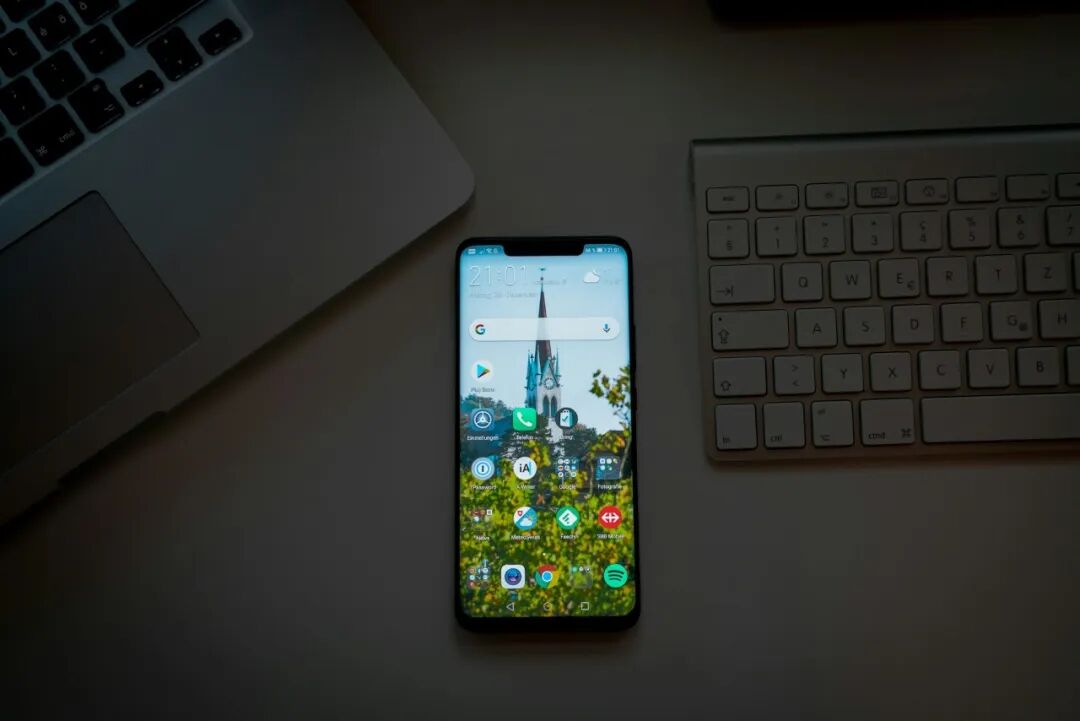
This sentiment of skepticism now seems to indicate a lack of true understanding of the situation. As March arrived, the rumors of impending price hikes became a reality. At this point, consumers actually remained calm. After all, the replacement cycle for phones had already extended to three and a half years. Rather than chasing price increases, it seemed wiser to consider how to extend the life of their current devices for a few more years.
The reason this round of mobile phone price hikes has become a focal point is due to its unprecedented scale. Unlike in the past, this time it's not just a slight price increase for high-end flagship models. From budget phones to high-end foldable screens, whether new or old models, phones across different price ranges were almost all affected.
The models hit hardest were the mid-to-low-end Android "budget phones" priced between 1,000 and 2,000 yuan, which focused on cost-effectiveness. According to analyses from multiple authoritative research reports, the gross profit margins of these phones are generally below 20% and highly sensitive to component costs. Once storage costs rise significantly, these phones can fall into negative gross profit margins, easily leading to a situation where "selling one means losing money on one."
After news of the price hikes spread, September, a migrant worker in Guangzhou, opened an online shopping app and glanced at the price of the phone he had been eyeing in his shopping cart. Even with national subsidies and trade-in discounts, it was still nearly 800 yuan more expensive than the original price.
After some thought, he cleared his shopping cart and instead ordered a battery replacement service for less than 200 yuan. "With a new battery, it can last another two or three years. Right now, the storage is at 40%, and after some cleanup, it'll do just fine."

II. Why Are Young People’s Old Phones Suddenly No Longer Slow?
After the wave of price hikes, many young people have noticed that their old phones seem to have suddenly stopped lagging. What is the underlying logic behind this phenomenon?
Firstly, the wave of price hikes has reshaped consumer expectations. The trend of mobile phone price hikes has directly led to the prevalence of a "wait-and-see" consumer mentality, with many people starting to hold onto their money and delay purchases. In this context, the mindset of using old phones for a few more years has gradually taken shape. Price is the most sensitive lever for regulating supply and demand. When the cost of core components like memory chips is passively pushed up due to the boom in the AI industry, mobile phone manufacturers have to pass on these cost pressures to consumers. This sharp fluctuation in price signals has disrupted the rigid replacement cycle of "every two years" that consumers have long been accustomed to.
Against the backdrop of high prices, consumers' awareness of opportunity costs has significantly increased. The substantial rise in the cost of purchasing a new phone means that the value of forgone alternatives or savings has also increased. Therefore, rational consumers choose to delay their purchase decisions and enter a "wait-and-see" state. This collective behavior forces consumers to re-evaluate the value of their existing devices. Old phones, once deemed "outdated" and "slow," have their usage value rediscovered in the absence of high-cost-performance new phone alternatives. This is not a physical improvement in the performance of old phones but rather a shift in consumers' psychological thresholds. Pushed by the wave of price hikes, consumers have become more tolerant of their old devices and less urgent about "upgrading," thus forming a consensus that "old phones can still hold up." This retreat of the psychological defense line is the first layer of logic behind why old phones are no longer perceived as slow.
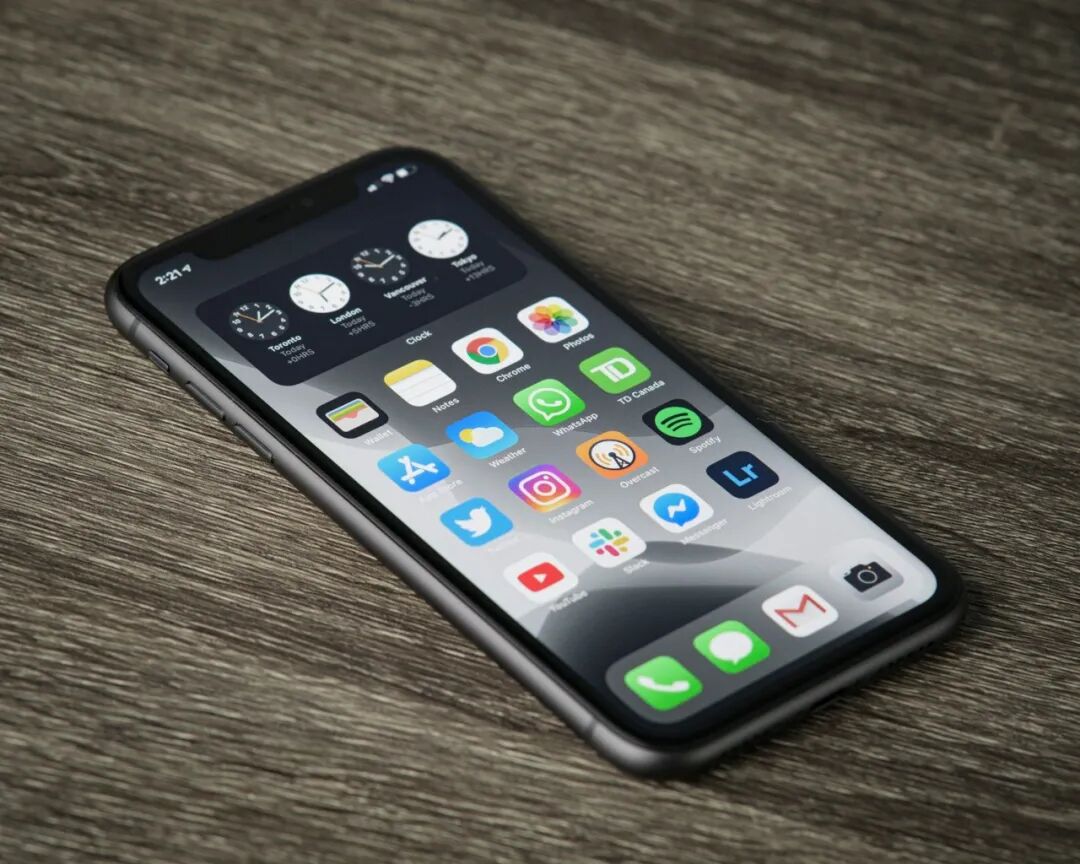
Secondly, the improvement of the repair market extends the lifecycle of phones. With the growing maturity of the mobile phone repair market, options like battery replacements and even memory upgrades have become relatively more convenient. Simply updating a few phone components can effectively extend the phone's usage time. In the evolution of the industrial ecosystem, after-sales service and the secondary market are important benchmarks for measuring an industry's maturity. In the past, mobile phone repairs often faced pain points such as expensive parts, high technical barriers, and information asymmetry, leading "replacement over repair" to become the mainstream. However, with changes in the economic logic of recycling electronic waste and the maturity of third-party repair supply chains, mobile phone repairs have moved from a niche industry into the public eye.
In particular, the soaring prices of memory chips have unexpectedly activated the market for "salvaged parts." Due to the high cost of brand-new chips, core components salvaged from old devices, such as memory, flash storage, and motherboards, have become hot commodities in the repair market due to their relatively low cost and stable performance. This market mechanism adjustment allows consumers to significantly enhance their phone's core experience at a very low marginal cost. For most people, mobile phone repairs, especially on-site repairs, have also become very convenient nowadays. For the majority of phone users, this is undoubtedly a highly anticipated development. Spending a little money to achieve a qualitative improvement in phone performance is undoubtedly very appealing.
For consumers, this is a highly cost-effective and rational choice. Instead of paying a hefty premium for a new phone, they can address the two major pain points of battery drain and insufficient storage through "minimally invasive" repairs. The improvement of the repair market essentially provides a low-cost "life-extending" solution for old phones, physically breaking the "sluggishness" curse and substantially extending the usage cycle of old devices.
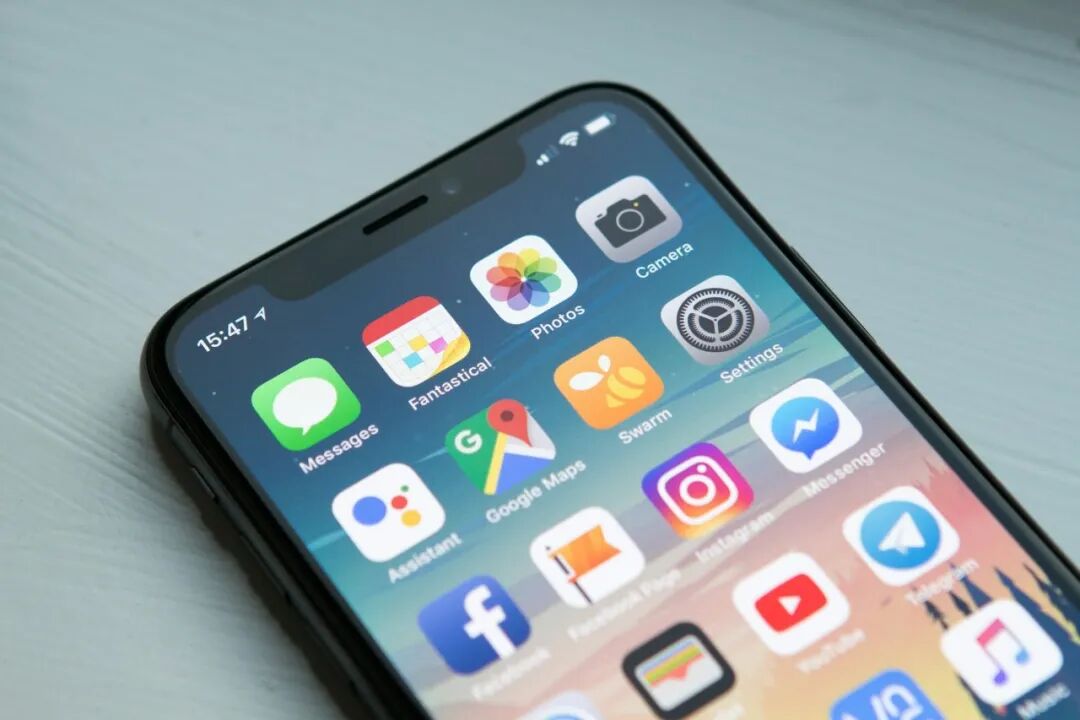
Thirdly, the reconstruction of mental accounts alleviates anxiety about phone sluggishness. Often, the perception of phone sluggishness is psychologically driven. Now, with mobile phone price hikes and increased replacement costs, many people choose to optimize their phones rather than directly replace them. From a consumer psychology perspective, consumers' perceptions of products are often influenced by various factors. During phone usage, when minor lags or sluggish performance occur, if consumers do not have a strong desire to replace their phones, they often alleviate this discomfort through self-suggestion or simple optimization operations.
For example, clearing the phone's cache, closing unnecessary background programs, etc. Although these operations cannot fundamentally solve the phone's performance issues, they can improve the user experience to a certain extent, making consumers feel that their phones have "sped up." Against the backdrop of mobile phone price hikes, the increased replacement cost makes consumers cherish their existing phones more. They are more willing to spend some time and effort optimizing their phones rather than easily choosing to replace them.
This psychological shift makes them subjectively feel that the sluggishness issue of their old phones has been alleviated, as if the old phones have suddenly stopped lagging. While this may contain an element of self-deception, understanding the underlying logic reveals that it is actually a consensus among most electronics users. Before the smartphone era, most traditional feature phones running on the Symbian system were also very laggy, but consumers at the time were content with them. This is the psychological logic at play.
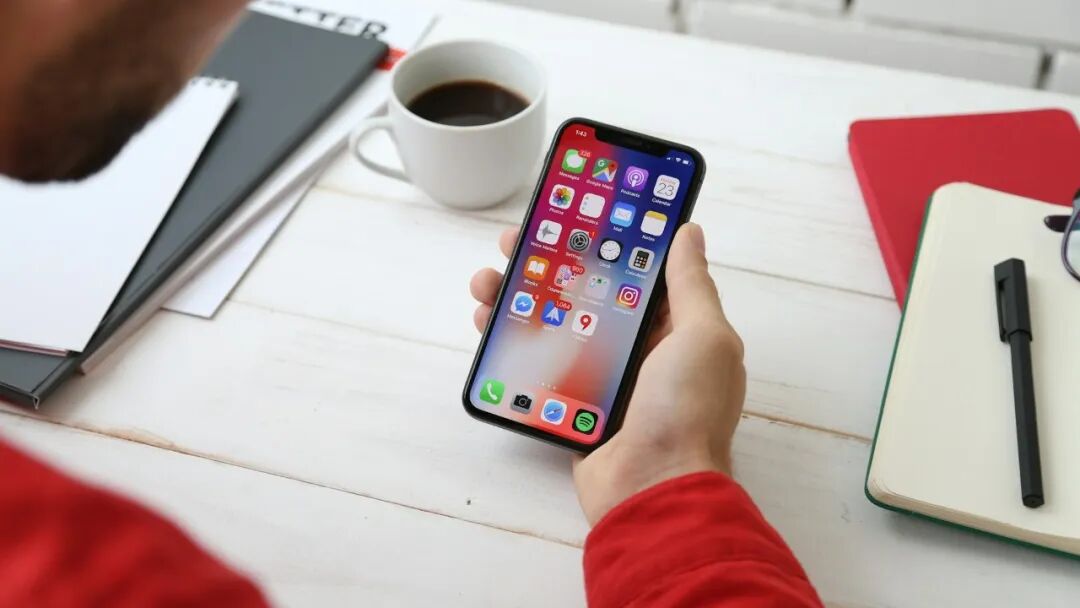
Fourthly, the ebb of pseudo-demands triggers consumer awakening. Consumer behavior in any industry tends to evolve from "blindly chasing the new" to "rational maturity," and the mobile phone industry is no exception. This round of price hikes has precisely acted as a catalyst for this cognitive awakening. In the past, manufacturers constantly created pseudo-demands through promotions like "AI revolution," "pixel upgrades," and "foldable screen innovations," leading young people to pay for unnecessary features. Many young people fell into "performance anxiety," believing that only the latest phones could meet their needs and thus frequently replacing their devices. However, with the arrival of the price hikes, young people have started to do the math. Spending six or seven thousand yuan on a new phone, with most of the new features going unused, versus spending a few hundred yuan on repairing their old phone to meet daily needs—the cost-effectiveness gap is clear.
This cognitive awakening has allowed young people to gradually see through manufacturers' marketing tactics and realize, "I don't actually need that much performance. Replacing the battery can extend its life. The manufacturer's 'AI revolution' is just making me spend more money." This awakening is not about downgrading consumption but about becoming more mature consumers. It's not about being unable to afford it but about refusing to pay for pseudo-demands. It represents a shift in young people's consumption philosophy from "conspicuous consumption" to "practical consumption."
This maturity in consumer cognition will, in turn, force mobile phone manufacturers to change their development strategies, shifting from "stacking parameters and hyping concepts" to "focusing on practicality and improving quality." For young people, this awakening makes them cherish their old phones more, actively exploring their usage value, and keeping them running smoothly through optimizations and repairs. This dual effect of "cognitive awakening + cost constraints" has ultimately formed a counterintuitive phenomenon where the more prices rise, the less inclined people are to replace their phones, making it inevitable that old phones suddenly stop lagging.
In fact, it's not that phones have stopped lagging but that the logic behind phone sluggishness has undergone a fundamental change, along with shifts in consumer mindset. This may be the most noteworthy aspect of the situation.
-
![]()
Registered Capital Slashed to 372 Million Yuan! Yutong Optical Finalizes Industrial and Commercial Change Registration
-
![]()
Zhuque-3 Successfully Lands, and 'Time Traveler' Secures Another ¥100 Million in Funding: China's Commercial Space Industry Experiences a 'Dynamic August'
-
![]()
Autohome Faces a Shrinking Window of Opportunity
-
![]()
Even a Titan Like Musk Has Faced Setbacks in Fulfilling Promises
-
![]()
AI Office: The End of the Racing Era, Context Becomes the Key to Success
-
![]()
Domestic Vehicle Chassis Revolution ②: The Steering Wheel Remains, But Mechanical Connections in the Steering System Are Decreasing
-
![]()
Exploring MiniMax Design: Can Video Editing Be as Simple as Speaking?
-
![]()
Why Can SenseTime Achieve Profitability While CloudWalk Still Faces Challenges, Despite Both Adopting Large Models?