Domestic New Energy Vehicles Embrace Extended-Range Tech En Masse, Geely Unveils Its AI Masterstroke
 12/15 2025
 717
717
Lead | Lead
Recently, the domestic new energy vehicle (NEV) sector has made a collective pivot towards the extended-range technology track. Changan has rolled out its AI extended-range system, while industry heavyweights BYD and Huawei are also deeply entrenched in this strategic layout. Amidst this backdrop, Geely has made a splash with its 'Super AI Extended-Range' technology. This innovation boasts a globally leading range extender, achieving a thermal efficiency of up to 3.0L. Moreover, it leverages AI to optimize real-time energy consumption and recharging strategies, promising a combined driving range exceeding 1,600 kilometers. As major players shift their focus from the technical route debate between pure electric and hybrid to collectively embracing the practical solution of 'extended-range' driven by market demand, and engaging in a fierce competition to enhance user experiences with AI, does this herald a new paradigm shift in the market?
Published by | Heyan Yueche Studio
Written by | Cai Yan
Edited by | He Zi
Full text: 1,790 characters
Reading time: 3 minutes
Currently, the extended-range segment within the domestic NEV market is buzzing with activity. The success stories of Li Auto and Seres in this domain have spurred a wave of exploration into extended-range technology among various automakers. Even XPeng, which had previously distanced itself from extended-range solutions, has recently shown a keen interest, as mainstream automakers are reluctant to miss out on this burgeoning market. What narrative does Geely's recent unveiling of its super AI extended-range technology bring to the table?
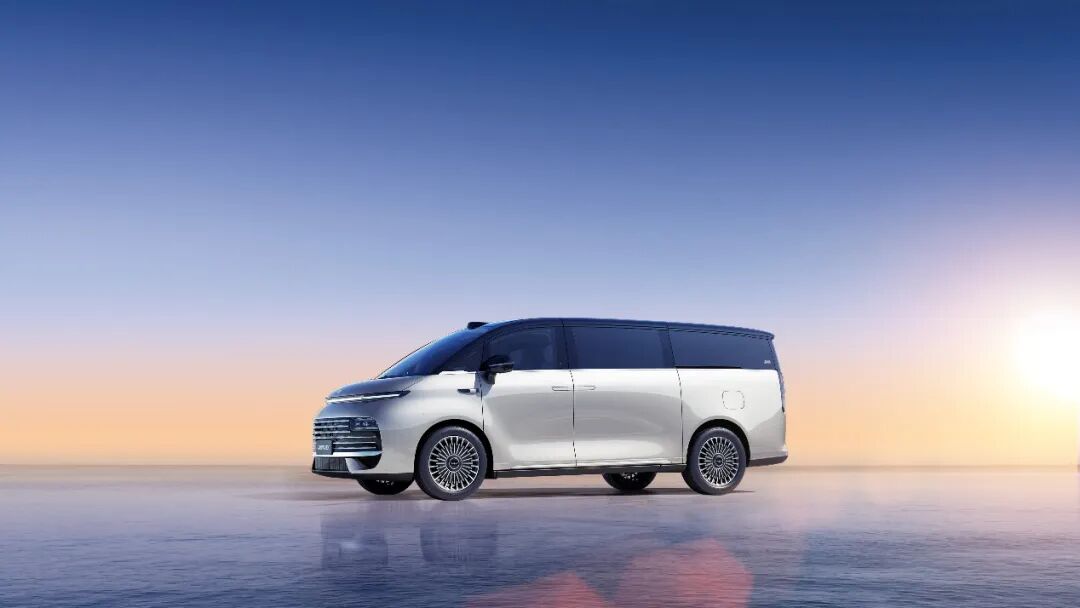
△ Geely's new-generation super AI extended-range technology makes its debut on its flagship MPV, the Galaxy V900.
What Are the Pros and Cons of AI Extended-Range?
The introduction of Geely's new-generation super AI extended-range technology marks a significant evolution in the extended-range technical route, pushing it towards greater sophistication and intelligence. At its core, this technology aims to systematically address the pain points of extended-range models, such as feed-in energy consumption, NVH (Noise, Vibration, and Harshness) performance, and space encroachment. With a claimed 47.26% range extender thermal efficiency and a '3.77 kWh of electricity generated per liter of oil' conversion rate, if consistently achievable in real-world driving conditions, it would undoubtedly represent a substantial leap in feed-in fuel economy, nearing the 'parity between oil and electricity' threshold.
However, there exists a gap between laboratory peak efficiency and long-term average efficiency under the complex driving conditions encountered by users daily. Thus, its actual fuel-saving effect still necessitates large-scale market validation. The 'extended-range electric drive stacked vertical layout' maximizes front cabin space, freeing up 150 millimeters of longitudinal space and achieving a 'space utilization rate' of 91.8% on the Galaxy V900, a boon particularly for MPV models. Yet, the highly integrated design inevitably imposes higher manufacturing precision requirements and potential maintenance complexities, with its long-term reliability subject to the test of time.
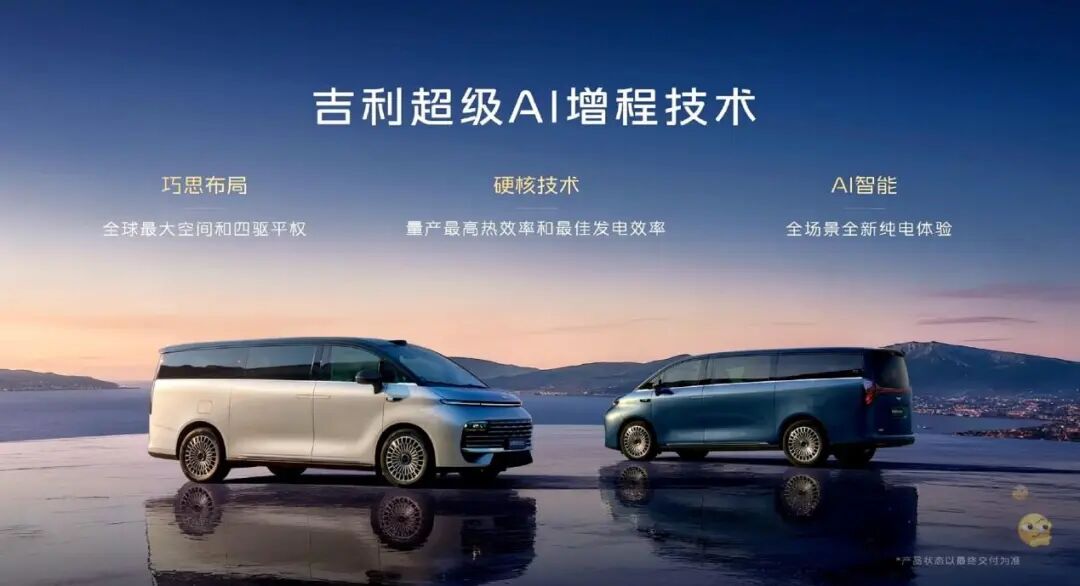
△ Geely's super AI extended-range technology is designed to tackle the current pain points of extended-range vehicles.
Geely's super AI extended-range technology is underpinned by the 'Xingrui AI Cloud Power 2.5' system, which transitions energy management from preset logic to real-time planning based on multi-dimensional data. Nevertheless, its claimed 'seamless start-stop,' 'global optimum,' and other experiences are highly contingent on the maturity of algorithms and the completeness of data. Whether it can consistently deliver stable and precise decision-making in the ever-evolving real-world traffic environment and cater to diverse user habits remains to be seen.
From a strategic vantage point, the super AI extended-range technology completes Geely's comprehensive powertrain matrix, showcasing the breadth of its technological reserves and its agility in responding to diverse market demands. However, this also underscores the dilemma it faces: amidst fierce competition in pure electric platforms and continuous advancements in plug-in hybrid technology, Geely's foray into the extended-range sector with a high-cost, high-technology-density solution represents a high-risk premium breakthrough. Geely's success hinges on its ability to translate laboratory-proven cutting-edge parameters into stable experience advantages that users can tangibly perceive and are willing to pay a premium for, while effectively managing costs. Otherwise, in the fiercely competitive extended-range sector, if user experience falls short of parameter expectations, it risks being labeled as a 'PPT model' (a model that looks good on paper but fails to deliver in reality).
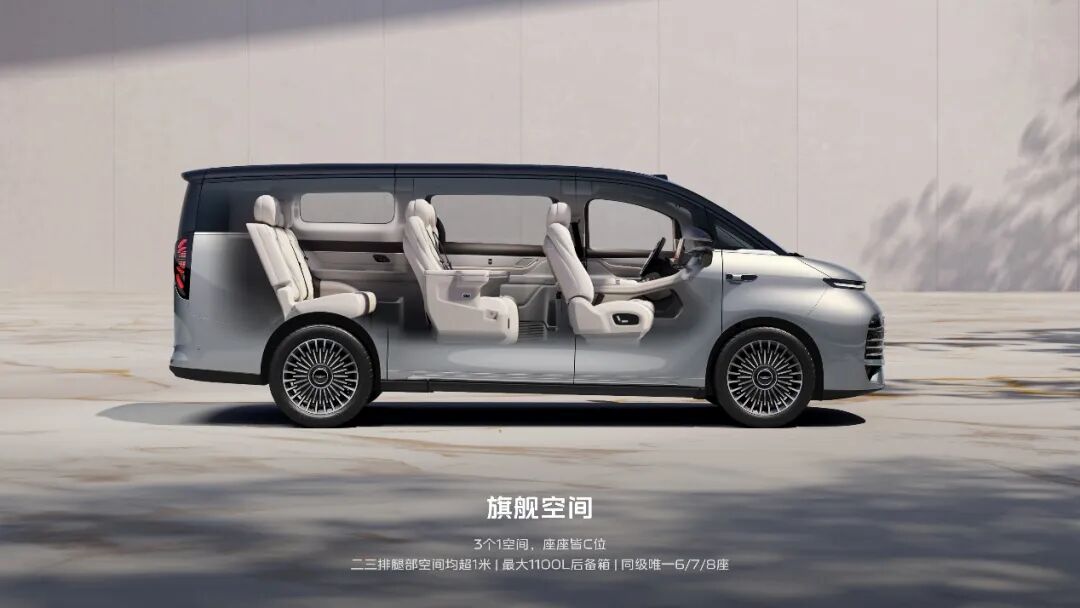
△ Can the super AI extended-range technology live up to user expectations?
Is Geely Ready for the Challenge?
As Geely ventures into the extended-range sector with a high-tech stance, the market presents a complex landscape of 'manufacturer enthusiasm' juxtaposed with 'market coolness.' On one hand, automaker layouts are unprecedentedly enthusiastic, with over 20 new extended-range models from new entrants to traditional international brands either released or slated for launch within 2025. On the other hand, market growth has significantly slowed down, with sales in the first 10 months of 2025 increasing by only 5.7% year-on-year, far lower than pure electric models, and experiencing a decline for several consecutive months. This contrast signals that the extended-range market has transitioned from an explosive incremental sharing phase to a fierce stock game stage. The collective shift of automakers is closely tied to the success of brands like Li Auto and Seres, which have validated the immense profitability of extended-range vehicles in the premium market.
Meanwhile, for traditional automakers with accumulated fuel vehicle technology, extended-range technology presents an ideal pathway for the adaptive development of existing supply chains and engine technologies, enabling them to launch competitive NEV products at a relatively low cost and swift pace. However, when nearly all mainstream players flood into the same sector, market dividends are quickly diluted, and merely 'having extended-range' no longer constitutes a differentiated advantage. Geely's breakthrough will not be a walk in the park. The super AI extended-range technology cannot single-handedly transform the market; the crux lies in its ability to precisely target scenarios where pure electric vehicles still fall short (such as long-distance travel, households without charging piles) and create a unique experience of 'being more anxiety-free than pure electric, more economical and intelligent than traditional hybrids' through AI intelligent scheduling. Recently, three ministries, including the Ministry of Industry and Information Technology, issued an announcement stating that from January 1, 2026, the technical threshold for plug-in (including extended-range) hybrid passenger vehicles eligible for vehicle purchase tax reduction and exemption policies will be significantly raised. Geely's new technology this time seems to have been well-prepared for this regulatory shift.
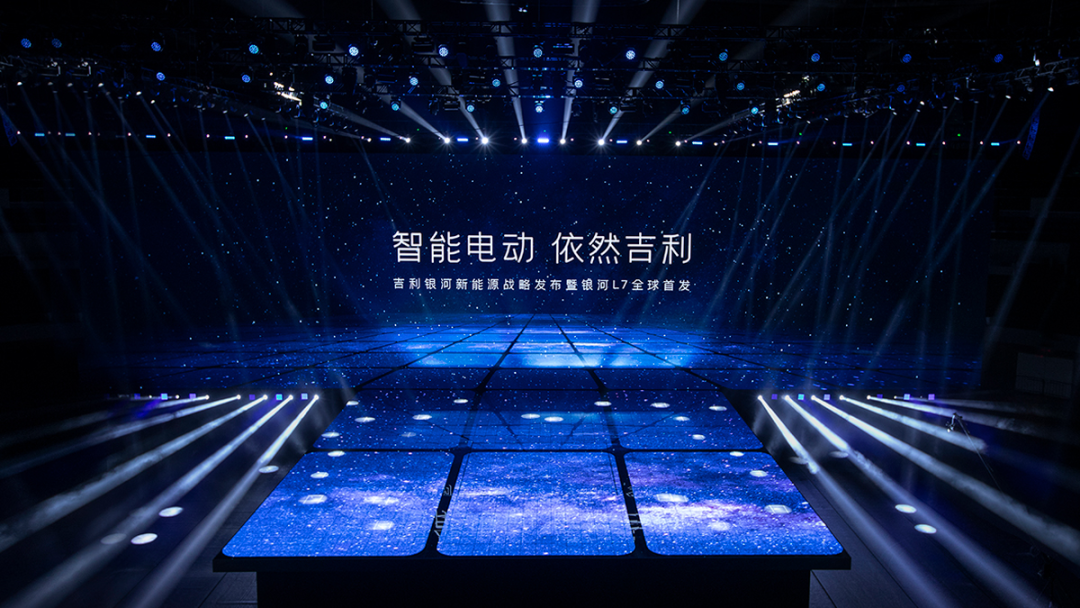
△ Geely continues to forge ahead in its transition to new energy.
Commentary
The collective bet on the extended-range route is a testament to the market's preference for the practicalism of 'zero range anxiety.' However, mere following and imitation will not secure a foothold in the future. The value of Geely's super AI extended-range technology lies in its ambition to not just solve the 'existence' problem but to directly address the efficiency and space pain points of extended-range technology. Its success will not only propel Geely towards its goal of achieving 3 million units this year but also provide an observational sample for the entire industry. When hardware tends to become homogeneous, can software definition and global optimization based on artificial intelligence emerge as the decisive force in shaping the product competitiveness of the next generation of automobiles?
(This article is original to 'Heyan Yueche' and may not be reproduced without authorization.)
-
![]()
Model Giant Jieyue Xingchen Steps into Smartphone Arena: A Strategic Alliance with Huaqin Technology
-
![]()
Big Model Firm Dives into Phone Market: StepFun and Wingtech Forge a ‘Dynamic Duo’
-
![]()
Zhongrun Optics Makes a Bold Move with 1 Billion Yuan Investment: Is a Turning Point on the Horizon for the Precision Optics Industry?
-
![]()
Deploy CLBO Crystals and YIG Single Crystals! Erythritol Leader Invests 30 Million in Youwei Optoelectronics
-
CXMT’s July 16 Subscription: Leading Domestic Memory Manufacturer—What’s the Earning Potential per Lot?
-
![]()
Rhythm Discrepancy and Premium Value Erosion: Foreign Luxury Brands Must Re-evaluate Their China Strategy
-
![]()
Half-Year, 1 Billion Yuan Financing, 7 Billion Yuan Valuation: A New Dark Horse Emerges in the Embodied AI Sector
-
![]()
Strong Rebound for Tech Stocks in Hong Kong Stock Market: Is It Time to Bottom-Fish?