How Far Has the Chinese Auto Market Gone in Intense Competition?
 12/16 2025
 546
546
Introduction
"The battle will only become fiercer."
"All automotive professionals have breathed a sigh of relief."
Last week, the Central Economic Work Conference was held in Beijing to deploy economic work for the entire next year. Notably, when discussing "adhering to domestic demand-led growth and building a strong domestic market," it was stated that the implementation of policies for "two renewals" should be optimized.

The so-called "two renewals" policy refers to large-scale equipment updates and consumer goods trade-in policies.
Among them, the consumer goods trade-in policy, which is closely related to the interests of the general public, has always attracted significant attention and is affectionately known as the "government subsidies." The official announcement clearly conveys a definite signal: the overall direction of full-scale promotion next year will not change.
Against this backdrop, with the arrival of favorable news, the sentiment expressed at the beginning of the article undoubtedly reflects the common mindset of all Chinese automotive professionals. Everyone clearly understands that maintaining steady growth in the Chinese auto market next year absolutely relies on the assistance of this "crutch."
As evidence, take the first week of December that just ended as an example. Due to the sudden early withdrawal of this year's "government subsidies," retail sales of passenger cars nationwide rapidly experienced a 32% year-on-year decline, with anxiety instantly spreading throughout the market. In a previous interview, William Li, the founder, chairman, and CEO of NIO, similarly issued a similar warning: "The year-end spike effect in the fourth quarter is gone."
Fortunately, and to everyone's relief, the continuation of "government subsidies" is like taking a "reassurance pill."
Of course, from my personal perspective, the timely introduction of policies only provides automakers standing on a new starting line with a "driving force" to move forward. Ultimately, who will successfully complete the race and who will fall in this grueling marathon depends on their determination, endurance, and tactics.
Recently, I heard a viewpoint that argues, "The Chinese auto market has reached its limit in intense competition." In response, I attempt to refute it by saying, "The Chinese auto market has just begun its intense competition."
Next year's Fight and kill (fierce competition) will become even more brutal.
01 No Weaknesses Allowed in Any Dimension
"I am someone who habitually looks for problems from internal factors because external factors are beyond anyone's control, and there are always various changes. Blaming external factors for how much you sell, whether you succeed or not, is of little value. The withdrawal of government subsidies has a real impact on the market. However, for our brand, if your organizational and competitive capabilities are stronger than others, you should sell more. I still prefer to use this opportunity to examine whether there are areas for improvement in terms of products, management, and operations from all aspects."
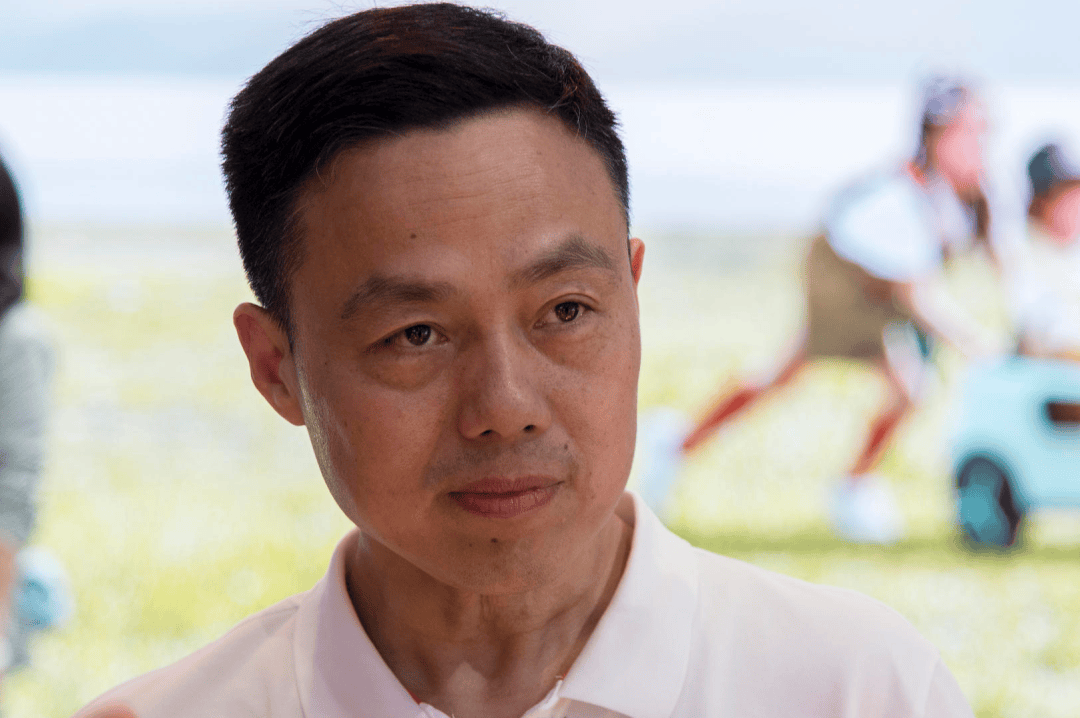
Last week, in Caohejing, Shanghai, I met Shen Fei, who has been the president of Ledao for eight months. When asked about the reason for the month-on-month decline in November deliveries, he provided the above response.
At that time, besides feeling the clarity and pragmatism of the leader, I also sensed the intensity of terminal competition. Even for a pure electric SUV like the L90, which was initially launched as a "phenomenal large six-seater," maintaining steady sales of over 10,000 units lasted only three months before ending its initial sales period and transitioning from selling production slots to selling available vehicles.
At this moment, revisiting Shen Fei's statement, I read another layer of meaning: "To gain a firm footing in today's Chinese auto market, no weaknesses are allowed in any dimension."
It is foreseeable that next year, every segment (niche) segment will inevitably see an influx of more new players, meaning that every existing blue ocean will turn blood-red.
Consequently, it requires everyone to cultivate their internal strengths. By further focusing our attention, the qualities that any automaker should possess to stand out next year directly point to the following aspects.
Firstly, they must have one or two flagship models capable of driving significant sales volume. The era of "having more children to fight" is over; now, it's all about single-point breakthroughs and striking at the right moment.
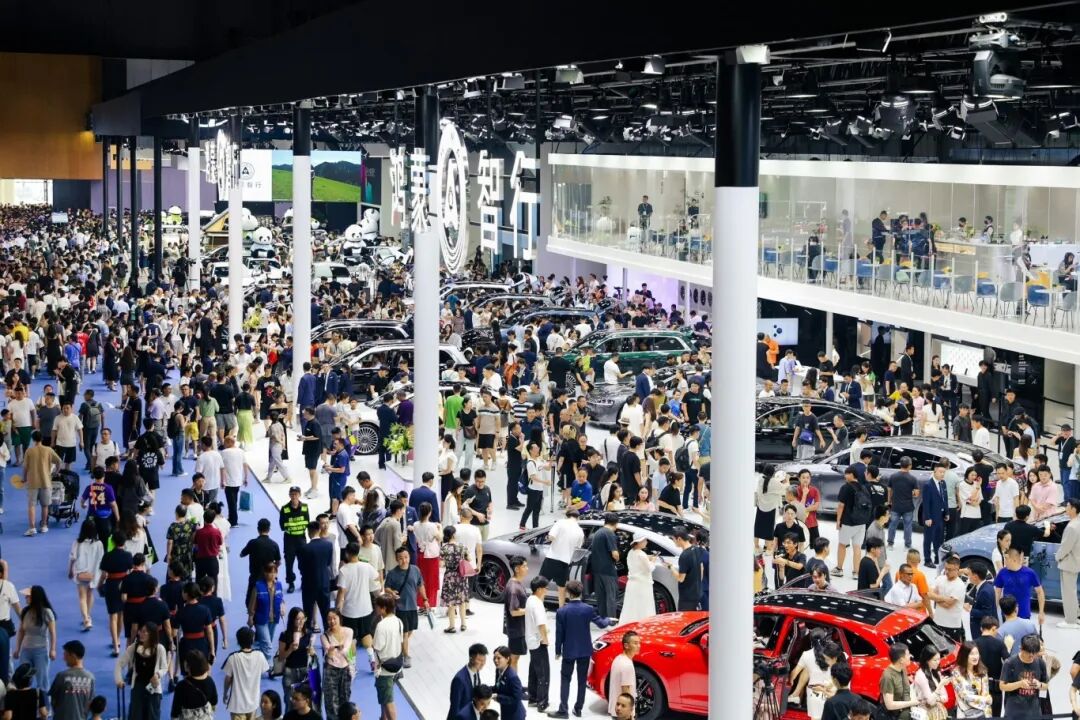
More bluntly, how to find fleeting ecological niches in the blood-red melee and accurately seize them to convert into orders is particularly crucial.
Secondly, intelligent experience must keep pace. In fact, regarding the development of this dimension alone this year, due to various "black swan" events, there has indeed been a sense of stagnation.
However, next year, with the deep cultivation of leaders, it is believed that the gloom will be dispelled. Taking intelligent driving as an example, if you cannot catch up with the mainstream echelon 's (echelon's) rollout progress during the "technological explosion," you are destined to be spurned and even eliminated by consumers who increasingly value feature richness.
Furthermore, pricing must be done right in one step. This year, although voices resisting the "price war" have been loud, everyone deeply understands that the essence of electrification transformation is to completely overturn the pricing system of traditional fuel vehicles. The rules are being reshaped, the pattern (landscape) is not yet clear, and the artillery fire (artillery fire) shows no sign of stopping.
Next year, the battle will undoubtedly become even more intense. Especially when the comprehensive experience of products at various levels becomes increasingly homogeneous, pricing becomes the "sharp sword" that can most stir (stir) consumers' hearts. Therefore, to achieve significant sales, there must be no room for hesitation; directly engage in fierce competition while ensuring reasonable profits.

Finally, it is essential to learn how to discover the right talents. One might ask, why did Ledao rebound from its low point this year? Boldly appointing Shen Fei undoubtedly played a significant role.
And I have always believed in a principle: "If a new force stands out, timing, location, and people are indispensable, with the latter accounting for up to 90%."
In other words, having a good captain is the key to a large ship continuously moving forward.
Similarly, this principle applies to every automaker. Next year, to savor the taste of victory, products, intelligence, and pricing must all be flawless, with the more fundamental fulcrum being "people."
It is no exaggeration to say that now, too many automotive teams resemble a "haphazard troupe." Amidst a mix of talents and incompetence, those who know how to recognize and utilize talents will reap abundant rewards. Of course, when problems arise, please first reflect on yourself instead of constantly complaining about the unfairness and deterioration of the environment.
02 The Next Battle Lies in Systematic Capabilities
"The current Chinese auto market has made it extremely difficult to achieve a decisive victory with a single move. Many core technologies lead for only a year at most. Take our fully active suspension, for example; it leads for at most a year and a half. Returning to the fundamental laws of this industry, it's a long-term marathon. If you can be just one or two percentage points more efficient than others in every aspect, ultimately, you can outperform them by three to five percentage points. This is the difference between an excellent company and an ordinary one. Ultimately, you still need to build strong fortifications, engage in protracted warfare, and make steady progress day by day."
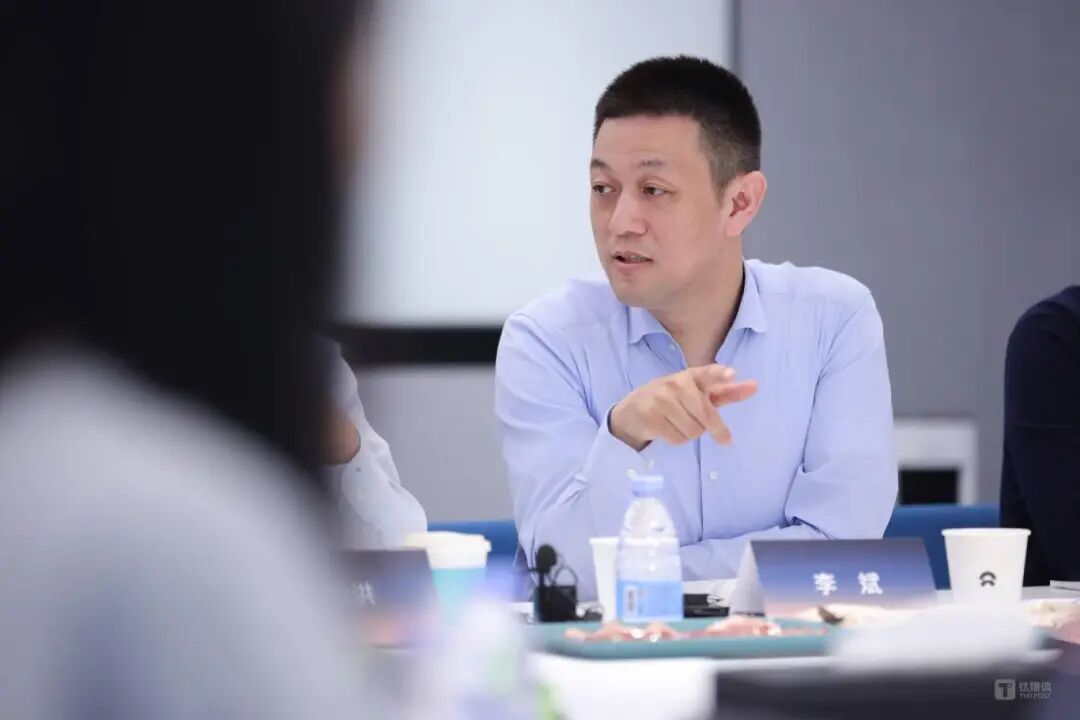
At the beginning of this section, I continue to present a viewpoint gained from a recent interview. The person who expressed it is, once again, William Li. It cannot be denied that NIO, after undergoing multiple rounds of profound self-reflection and radical changes, has finally begun to climb out of the mud with the contributions of the Ledao L90 and the all-new ES8, even glimpsing the dawn of profitability in the fourth quarter.
From these extensive hundreds of words, it is already possible to clearly discern the change in William Li's mindset. "Next year's Chinese auto market will see no blitzkrieg, only a war of attrition, where systematic capabilities will be the deciding factor."
So, how should one understand systematic capabilities? The answer is actually quite simple. On the one hand, it requires automakers' various departments to know what the right things to do are and to persistently carry them out.
For instance, in vehicle planning, please stop creating resource-consuming, self-indulgent "cannon fodder" behind closed doors. Instead, open your eyes, lower your stance, and truly stand in the users' shoes to launch vehicles they recognize.
For example, in brand marketing, please stop insisting that "any publicity is good publicity" and blindly pursuing various forms of traffic without learning from backlash. Instead, calmly think about what positive means should be used to enhance the company's presence.
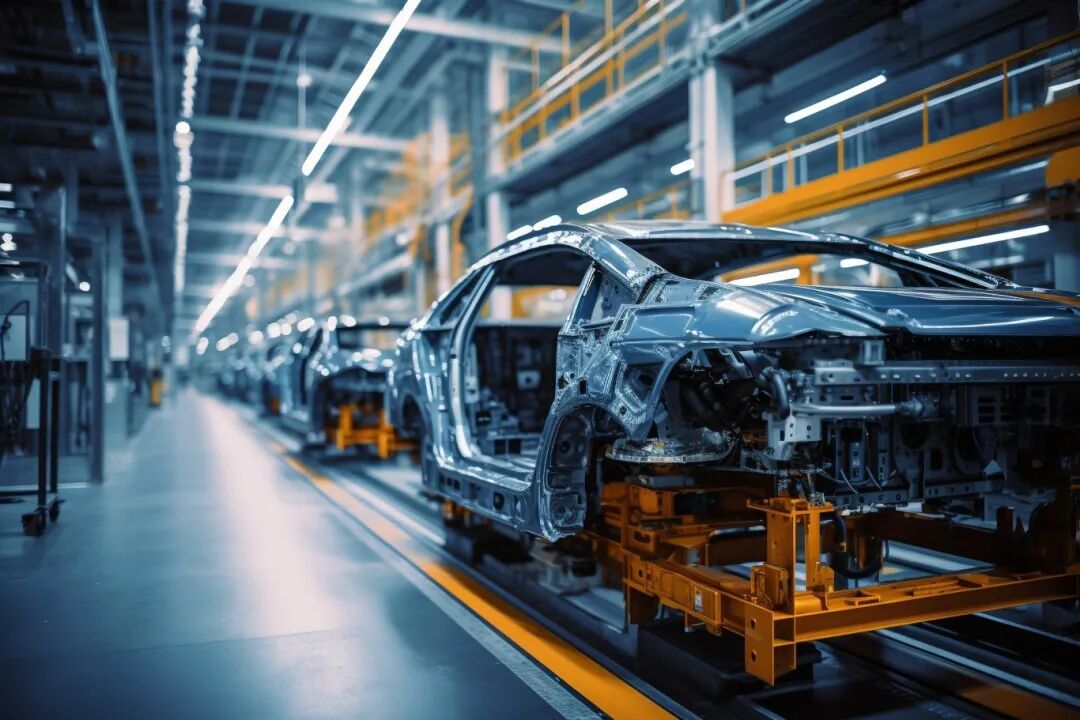
For instance, in technology research and development, please stop being trapped in information silos and treating features with extremely low consumer perception as treasures. Instead, always prioritize "ease of use and love for use" as prerequisites for focusing and refining.
Furthermore, in sales channels, please stop merely putting on a facade while secretly deceiving and harming your own car owners. Instead, truly treat every relationship with care and provide them with the services they deserve...
On the other hand, systematic capabilities require various departments within automakers to genuinely let go of prejudices and barriers, striving for maximum alignment and collaboration to jointly resist risks.
To this end, I continue to present two viewpoints seen on "Ying Ge's" Weibo a long time ago: "Marketing is the core of a company's business activities and the most crucial and difficult aspect to grasp among all its links. It determines whether a company's products can be sold and is key to realizing the value of producers' labor. If a company cannot even do marketing well, all its other efforts will go to waste."

"Being unskilled in marketing and only focusing on technology, burying the meat in the rice, only indicates marketing incompetence and does not prove that the product is good or that consumers are unwise. Huawei and Xiaomi both have very strong marketing capabilities. Huawei's IPD and IPMS processes incorporate marketing into the product research and development stage in advance, considering how to market before and after product launch. Certain product features are even prepared specifically for marketing purposes."
I suspect that most people's reflections after reading will focus on the necessity of marketing for selling cars. However, I believe it more vividly demonstrates the importance of having systematic capabilities. Whether it's Huawei or Xiaomi, they have integrated marketing, research and development, and products from the beginning, ultimately achieving a "1+1+1>3" effect when the model is launched.
Nevertheless, many brands remaining on the table still adhere to the traditional model where the product development and marketing departments do not communicate at all. The former is only responsible for blindly building cars and then dumping them on the latter for sale. Once performance falls short of expectations, they blame each other without any reflection or accountability. Ultimately, after going through rounds of vicious cycles, the gap with the leading echelon (echelon) widens.
As for next year, those automakers still unable to master systematic capabilities will likely quickly find themselves in a quagmire. It should be noted that, based on current signs, the era of rapid growth in the entire market has ended, giving way to an era of semi-stock competition.
In such a turbulent environment, how can intense competition end? To reiterate, "The Chinese auto market has just begun its intense competition."
Editor-in-Chief: Cui Liwen Editor: Wang Yue
THE END
-
![]()
Model Giant Jieyue Xingchen Steps into Smartphone Arena: A Strategic Alliance with Huaqin Technology
-
![]()
Big Model Firm Dives into Phone Market: StepFun and Wingtech Forge a ‘Dynamic Duo’
-
![]()
Zhongrun Optics Makes a Bold Move with 1 Billion Yuan Investment: Is a Turning Point on the Horizon for the Precision Optics Industry?
-
![]()
Deploy CLBO Crystals and YIG Single Crystals! Erythritol Leader Invests 30 Million in Youwei Optoelectronics
-
CXMT’s July 16 Subscription: Leading Domestic Memory Manufacturer—What’s the Earning Potential per Lot?
-
![]()
Rhythm Discrepancy and Premium Value Erosion: Foreign Luxury Brands Must Re-evaluate Their China Strategy
-
![]()
Half-Year, 1 Billion Yuan Financing, 7 Billion Yuan Valuation: A New Dark Horse Emerges in the Embodied AI Sector
-
![]()
Strong Rebound for Tech Stocks in Hong Kong Stock Market: Is It Time to Bottom-Fish?