Have All the Bold Claims Made in the Past Been Fulfilled? A Review of NIO, XPeng, and Li Auto's Ten-Year Ambitions: Surprises and Regrets
 04/09 2026
 704
704
Survival is victory.
Around 2015, NIO, XPeng, and Li Auto entered the new energy vehicle (NEV) sector one after another, embarking on a journey that has now spanned over a decade.
Over the past ten years, China's NEV market has grown from a nascent stage to explosive expansion, shifting from policy-driven to market-led growth. Many new-force automakers have risen and fallen in this wave, but NIO, XPeng, and Li Auto have stood out as rare survivors and leaders, thanks to their differentiated strategies, steadfast technological investments, and tenacious resilience.
Looking back on the past decade, all three companies set ambitious goals at the outset. Some of these goals have already taken root and become industry benchmarks; others are still progressing despite setbacks; while some have yet to materialize due to market changes, technological bottlenecks, or strategic adjustments.
NIO: Breaking High-End Biases, but the Battery Swapping Journey Remains Arduous
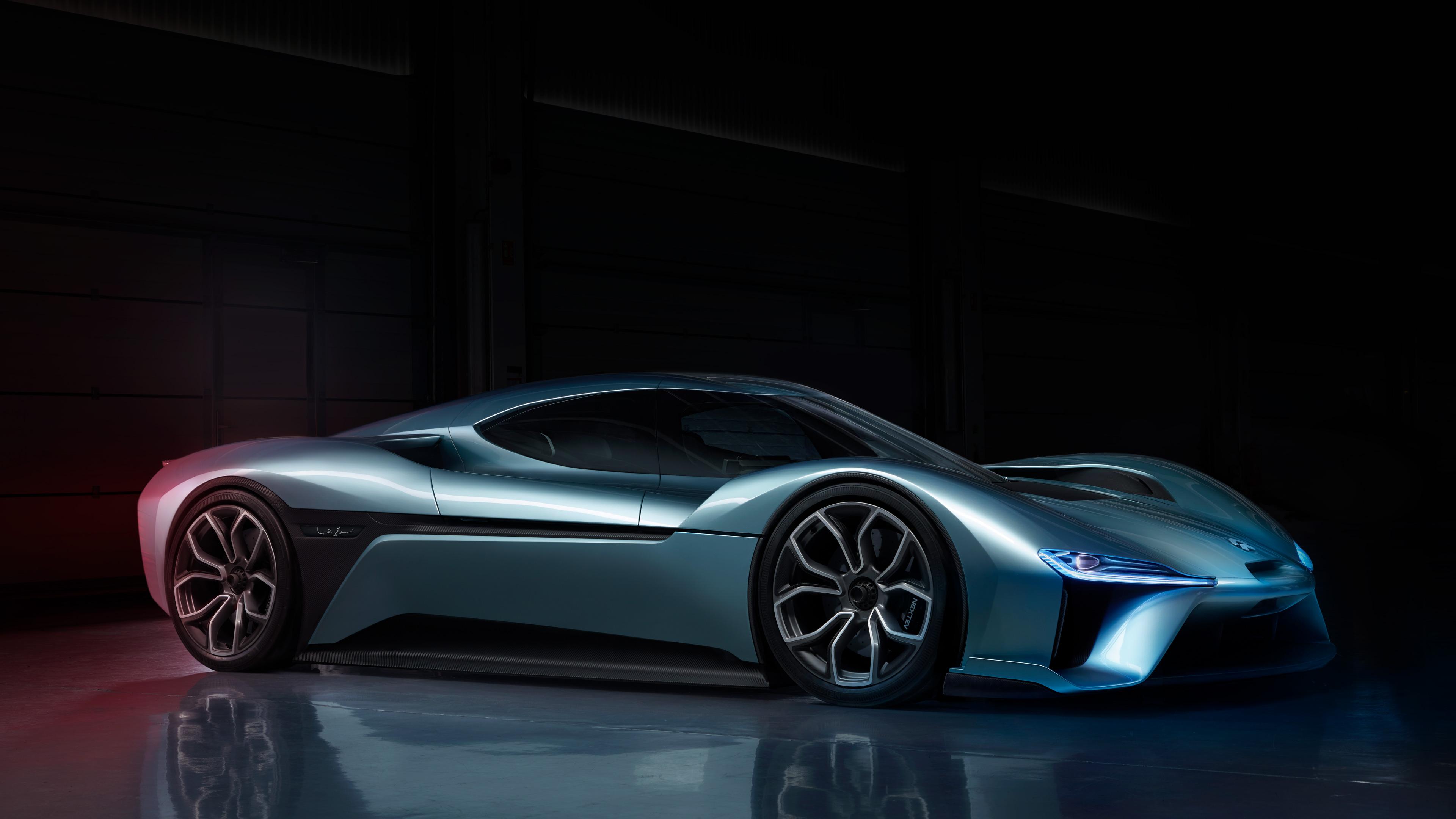
On November 21, 2016, NIO unveiled its first electric supercar, the NIO EP9, in London. With 1,360 horsepower, a 0-200 km/h acceleration time of 7.1 seconds, and a record-breaking 6:45.9 lap time at the Nürburgring Nordschleife, the EP9 signaled NIO's transition from "PPT car-making" to actual vehicle production.
(Source: NIO)
Since its inception in 2014, NIO has pursued two core objectives: dismantling the bias that domestic cars are unfit for the high-end market and establishing battery swapping as the ultimate solution for NEV energy replenishment.
Breaking High-End Market Biases: A Success, But Not Alone
Before NIO's establishment, China's high-end automotive market was long dominated by joint ventures and luxury brands, with domestic automakers struggling to break through the price ceiling. A prevailing bias held that "domestic cars don't deserve premium pricing."
NIO aimed to shatter this bias by focusing on electrification and intelligence, benchmarking against international brands like Tesla and Ferrari to build a high-end smart electric vehicle brand for China.
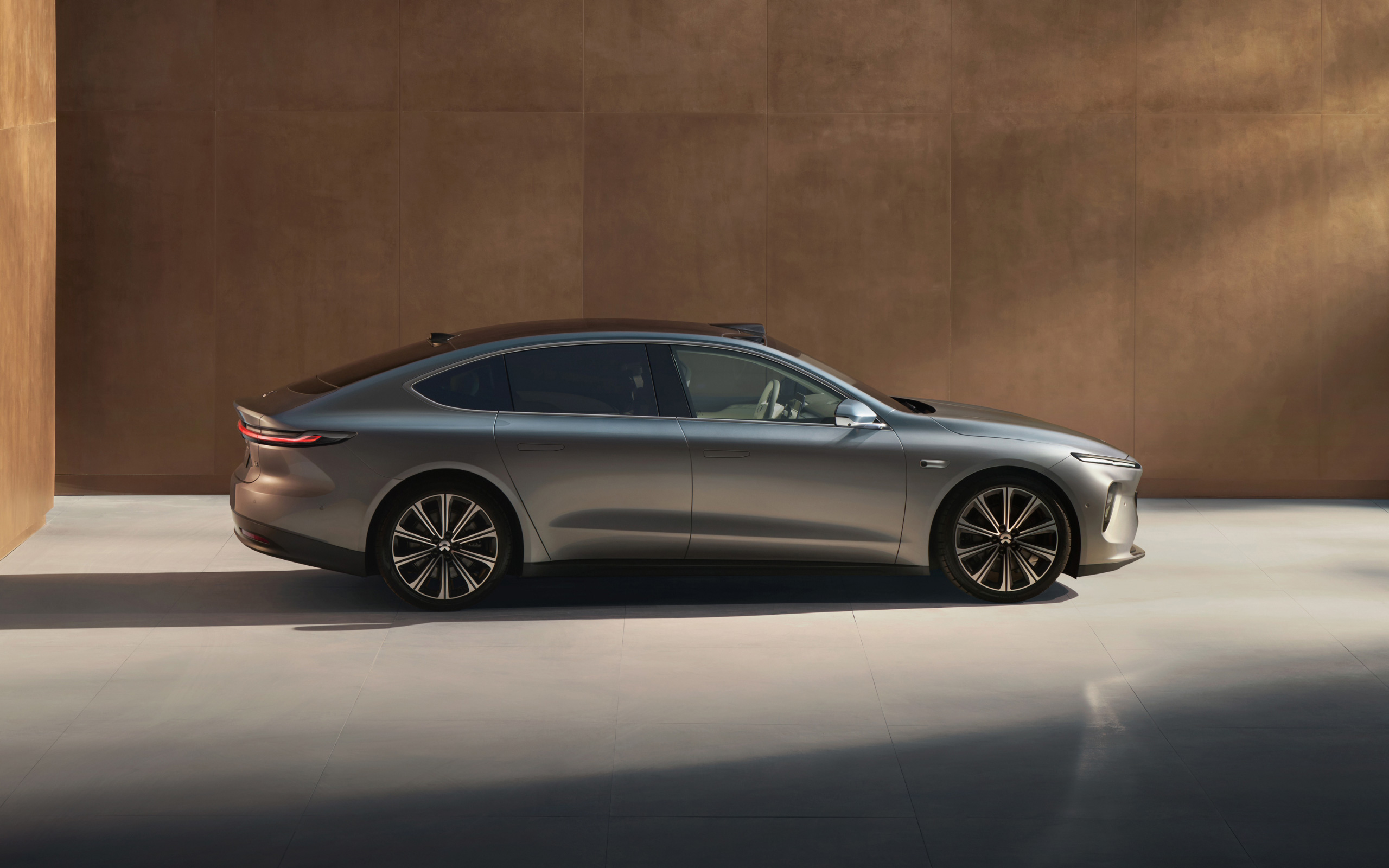
After a decade of deep cultivation (deep cultivation), NIO has proven its success through sales and average pricing. Data from market research firm JLRC shows that in 2025, NIO's average vehicle price (excluding LEC and Firefly) reached RMB 346,000, surpassing traditional luxury brands like BMW, Audi, and Lexus, with annual sales hitting 176,000 units. Its sub-brand, LEC, averaged RMB 236,000, securing a foothold in the mid-to-high-end market.
(Source: NIO)
However, it's important to note that breaking domestic high-end market biases was not NIO's sole achievement.
In recent years, brands like BYD's Fangchengbao, HiMo, and Li Auto have also entered the high-end market, successfully penetrating the RMB 300,000+ segment with technological prowess, product strength, and brand operations, collectively driving Chinese brands upward.
NIO pioneered the high-end path, and subsequent brands have formed a cluster effect of Chinese high-end brands, jointly reshaping market perceptions of domestic automobiles.
Battery Swapping as the Ultimate Solution: Efficiency Leads, but Challenges Remain
"Battery swapping is the ultimate solution for NEV energy replenishment"—this has been Li Bin and NIO's core belief for a decade. From its first model's launch, NIO abandoned reliance solely on fast charging and fully invested in building a battery swap network, creating a "vehicle-battery separation, swap-first" replenishment system that promises users "battery swapping more convenient than refueling."
Over ten years, NIO has invested over RMB 10 billion in battery swapping, establishing the world's largest swap network. As of March 27, 2026, NIO had built over 3,769 swap stations, with an average of one station every 100 kilometers on highways and "3-kilometer replenishment circles" in core urban areas. The fifth-generation swap station reduces replenishment time to 1 minute and 48 seconds, far outpacing traditional fast charging.
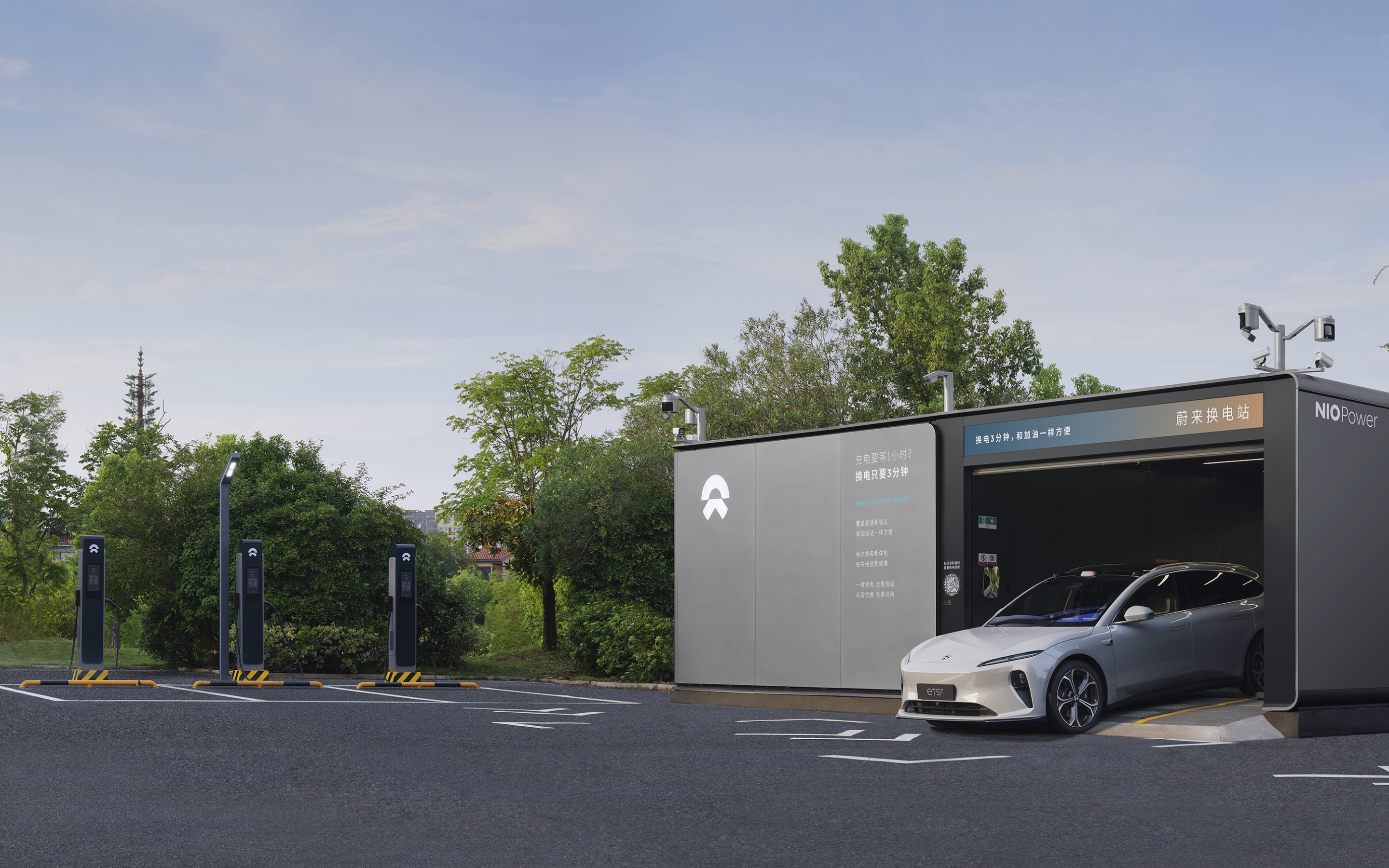
(Source: NIO)
In a decade, NIO has transformed battery swapping from a question (questioned) "heavy-asset, unprofitable" model into its core competitive edge, offering a fresh approach to industry replenishment solutions.
However, the battery swap model is not without flaws and now faces multiple challenges. First is battery pack incompatibility: NIO, LEC, and Firefly use different battery pack specifications, limiting resource sharing and utilization. Second is the strong impact of fast-charging technology: BYD's 1,500 kW flash-charging technology achieves "5 minutes for a quick charge, 9 minutes for a full charge, and just three extra minutes at -20°C," significantly narrowing the time gap with battery swapping. Meanwhile, the widespread adoption of 800V high-voltage platforms has made fast charging an industry mainstream, further diverting user demand from battery swapping. Additionally, issues like heavy asset investment in swap stations, high operation and maintenance costs, and tight site resources continue to restrict large-scale promotion of the battery swap model.
After a decade of commitment to battery swapping, NIO has achieved its small goal of "more efficient swapping," but the grand vision of "battery swapping as the ultimate replenishment solution" remains distant. Dianchetong (ID: dianchetong233) believes that while the battery swap model offers unique advantages in specific scenarios and for high-end user groups, it is unlikely to become the sole choice across the entire industry and all scenarios. Instead, it will complement fast and slow charging rather than replace other replenishment methods.
XPeng: Leading in Intelligent Driving, but L3 Mass Production Missed the Mark
Unlike NIO's focus on high-end services, XPeng has concentrated on intelligence since its inception, setting two core goals: building highly intelligent internet-connected vehicles with six-dimensional perception capabilities and achieving mass production of L3 autonomous driving by 2020.
Founded in 2014, XPeng has become a domestic leader in automotive intelligence through relentless investment in intelligent driving technology, though its overconfidence in industry development led to missed targets.
Six-Dimensional Perception Internet-Connected Vehicles: Among Top Three in Domestic Intelligence
In 2018, Gu Junli, then VP of Autonomous Driving at XPeng, explicitly stated that XPeng's goal was to "mass-produce highly intelligent internet-connected vehicles (AI Cars) with six-dimensional perception capabilities, enabling self-perception, object perception, high-precision positioning, future prediction, interaction, and event and decision-making reasoning."
This goal was ahead of its time when the industry was still in the early stages of L2-level assisted driving adoption, yet XPeng aimed for higher-order intelligent perception and decision-making capabilities, determined to build a true "AI Car."

(Source: XPeng)
On the R&D front, XPeng has insisted on full-stack in-house development, creating the XNGP intelligent driving system free from high-definition map constraints. Its recently released second-generation VLA large model integrates "vision + language + action," achieving an average 150-kilometer hands-off mileage in complex scenarios, significantly reducing harsh braking and sudden acceleration for a driving experience closer to human drivers. At the hardware level, XPeng equips its vehicles with in-house Turin AI chips, delivering a total computing power of 2,250 TOPS across three chips to support high-level intelligent driving and smart cockpits.
In terms of product launches, XPeng's P-series and G-series models have gained a large following among young users for their leading intelligent driving capabilities, cost-effectiveness, and smart cockpit experiences, becoming synonymous with the "intelligent connected" label. The MONA M03 has further penetrated the market, making high-level intelligent driving accessible to more budget-conscious consumers.
Over a decade, XPeng has translated its "six-dimensional perception" technological vision into actual capabilities in mass-produced vehicles. While not fully reaching the initial extreme vision, it has achieved its core intelligence goals, becoming one of China's leaders in intelligent driving technology.
2020 L3 Autonomous Driving Mass Production: Target Missed, Strategy Adjusted
In June 2018, XPeng announced a strategic partnership with Desay SV to jointly develop an L3 autonomous driving system, explicitly stating the goal of "achieving mass production of L3 autonomous driving by 2020." This target sparked industry debate at the time, as L3 autonomous driving—"conditional autonomy"—represents a critical leap from assisted to fully autonomous driving, with global automakers racing to develop it but few daring to set a clear mass production timeline.
Of course, XPeng has yet to achieve true mass production of L3 autonomous driving, and its bold claim remains unfulfilled.
The reasons are twofold: First, the technical challenges far exceeded expectations. L3 autonomous driving requires vehicles to fully take over driving tasks in specific scenarios, demanding extremely high reliability from perception, decision-making, and execution systems. Technical hurdles like extreme scenario handling and system redundancy design have proven difficult to overcome quickly. Second, regulatory policies lagged behind. China had yet to issue complete regulations for L3 autonomous driving on public roads, with unclear liability definitions and safety standards preventing automakers from large-scale mass production.
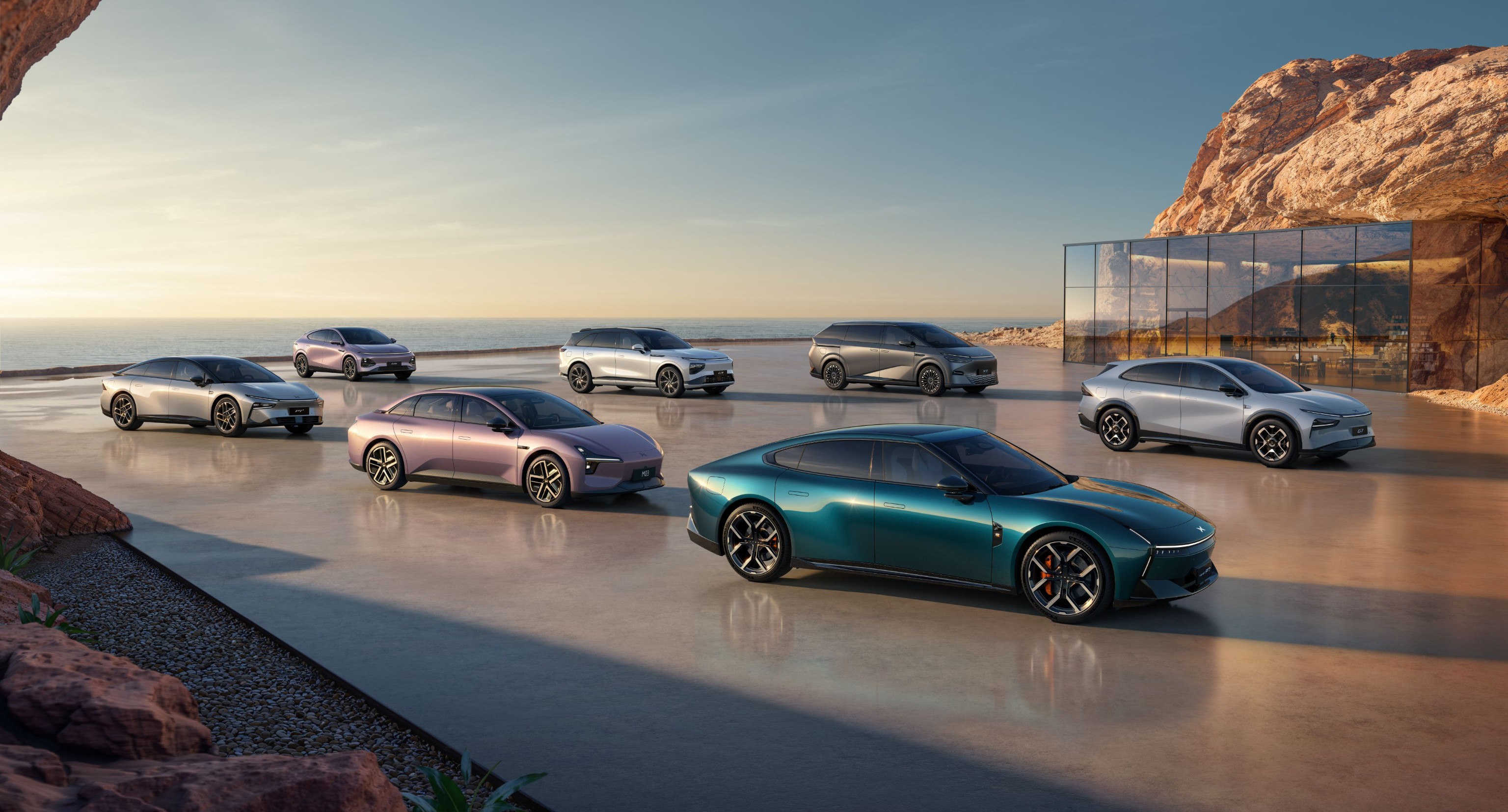
(Source: XPeng)
Facing these realities, XPeng promptly adjusted its strategy. He Xiaopeng publicly stated that "L3 is a false proposition," but this did not mean abandoning autonomous driving. Instead, XPeng redefined its technical route, skipping L3 and aiming directly for L4. Its 2026 Ultra models already feature quasi-L4 capabilities, while XPeng is also accelerating the launch of Robotaxi services based on its autonomous driving technology.
Although the L3 mass production target remains unmet, XPeng has not wavered from its intelligence-first vision. By aligning with technological and industry realities, it continues to deep cultivation (deepen) its efforts.
XPeng's decade has been one of "idealism colliding with reality." Its over-optimism about intelligent driving development led to ahead-of-schedule goal-setting, but this very persistence has enabled it to become one of the few domestic automakers mastering full-stack in-house intelligent driving technology, completing a transformation from an "internet-based new carmaker" to a "technical school of intelligent driving."
Li Auto: The "Mobile Home" Delivered, but Share Targets Remain Daunting
Founded in July 2015, Li Auto's mission is to "create a mobile home, create a happy home," focusing on family users to build intelligent electric vehicles free from range anxiety.
Unlike NIO and XPeng, Li Auto chose an extended-range technical route from the outset, avoiding pure electric range anxiety while setting clear goals: creating a "mobile home" that meets family needs, achieving a 20% share of the electric vehicle market by 2025 (domestic leader), and becoming the global leader by 2030.
Today, Li Auto has become a "profit benchmark" among new forces through precise user positioning, but its aggressive share targets remain unfulfilled.
Building a Mobile Home: Precise Positioning Leads Industry Trends
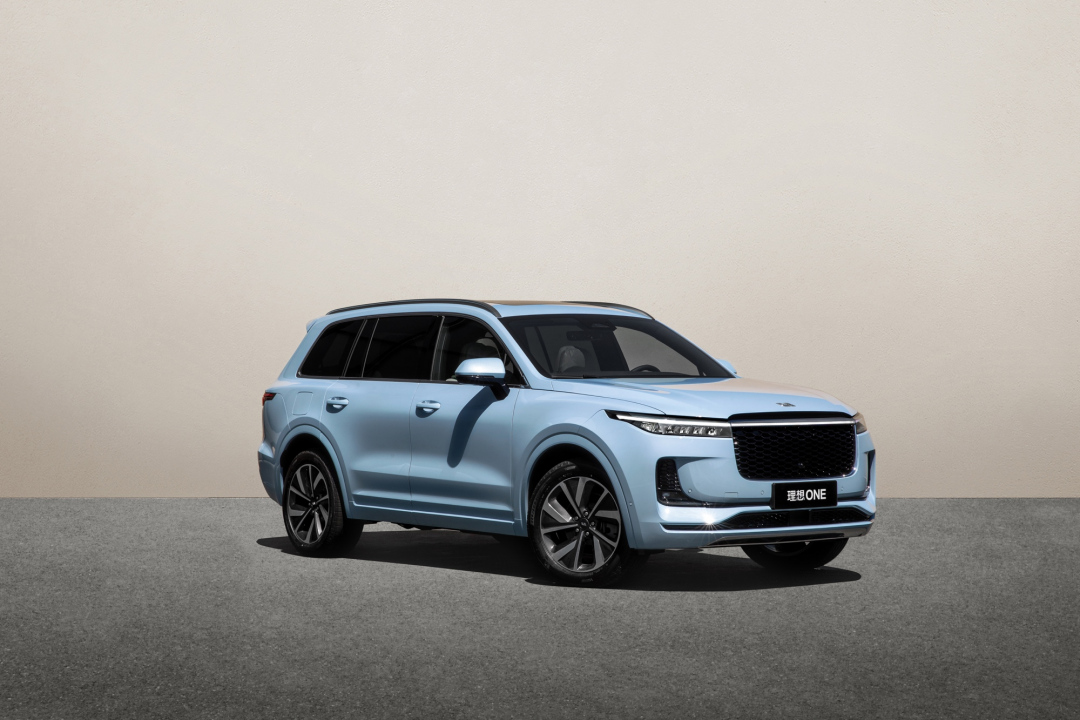
Li Xiang understood the core needs of Chinese family users: spaciousness, comfort, no range anxiety, and multifunctionality. Based on this, Li Auto pioneered extended-range technology and added comfort features like in-car refrigerators, large TVs, and recliners, maximizing the comfort and practicality of family SUVs.
(Source: Li Auto)
Models like the Li ONE, L9, L8, and L7 have precisely targeted the family user market, with second-row seats, in-car refrigerators, large central screens, and quiet cabins setting industry benchmarks and sparking a home-comfort trend across the NEV sector. The term "dad car" has become synonymous with Li Auto.
Li Auto's success lies in its focus on real user needs rather than flashy technology, delivering "comfort, practicality, and no anxiety" to the extreme. The "mobile home" is not just a product label but a core development direction for Chinese family electric vehicles. By achieving this goal, Li Auto has secured its foothold in fierce competition, becoming the earliest new force to turn a profit and maintain stable cash flow.
Market Share Targets: Gap Remains, Breakthroughs Needed
After achieving its "mobile home" product goal, Li Auto CEO Li Xiang set more aggressive share targets in a 2021 internal letter: 20% market share by 2025 (domestic leader) and global leadership by 2030.
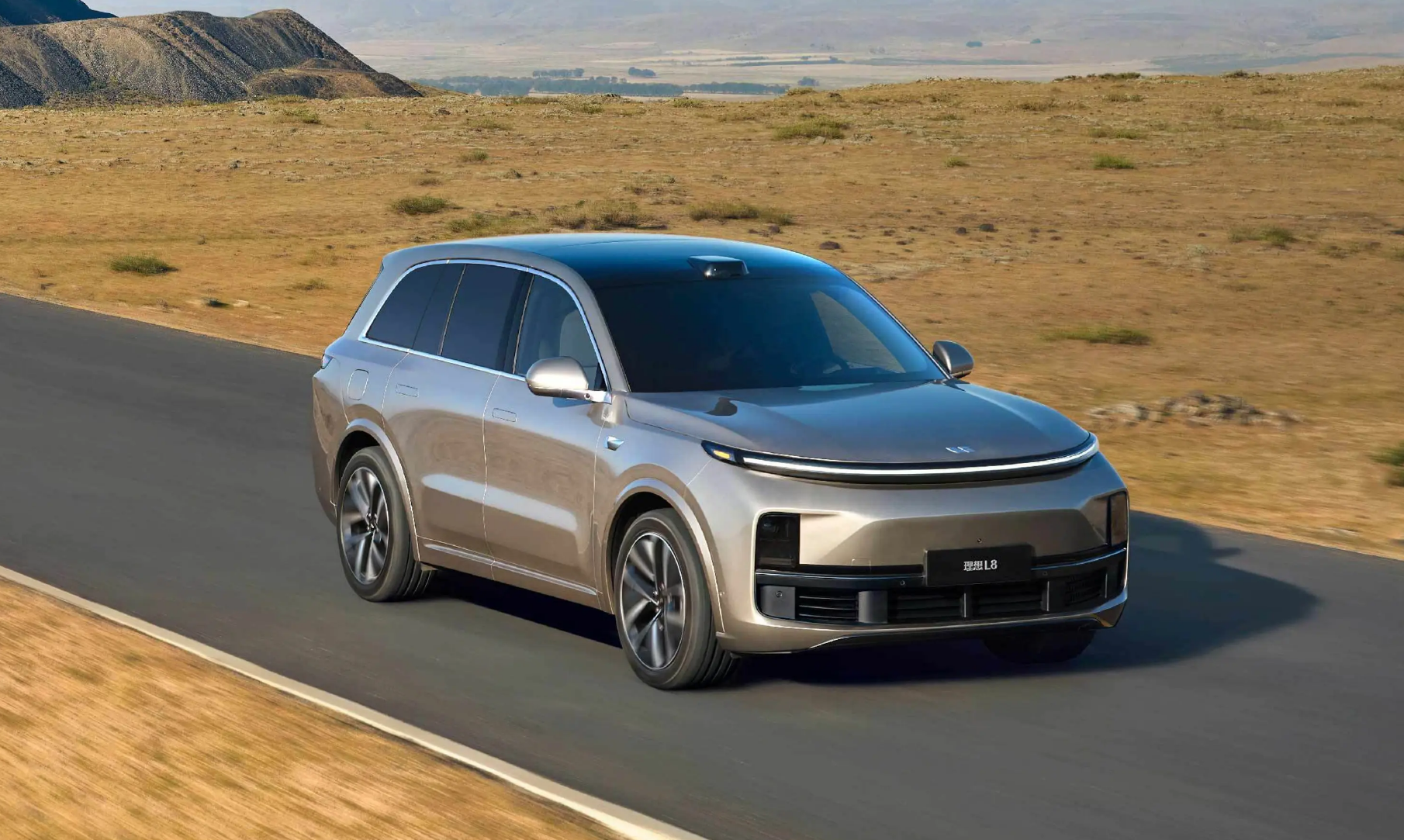
In October 2024, Li Auto reached the one-million-vehicle delivery milestone in 58 months, setting a record for the fastest million deliveries among Chinese luxury brands. However, in 2025, Li Auto delivered only 406,300 vehicles, down 18.8% year-on-year, with a domestic NEV market share of just ~2.5%, far from the 20% target.
The core reasons are twofold: First, Li Auto initially focused on the RMB 300,000–500,000 high-end family market, which, while profitable, has limited capacity and cannot support the overall 20% share target. Second, the rise of brands like HiMo, BYD's Fangchengbao, and Xiaomi Motors has diverted high-end family users, causing sales declines for mainstay models like the L9 and L8 and squeezing Li Auto's market share.
(Source: Li Auto)
To achieve its goals, Li Auto began adjusting its strategy in 2024, launching the more affordable Li L6 and pure electric MPV MEGA, followed by the i-series pure electric models to target the RMB 250,000–300,000 mainstream market, boosting sales through price cuts. Li Auto is also restructuring its sales system, closing underperforming stores, and improving channel efficiency, setting a 2026 sales target of 550,000 vehicles to regain momentum.
However, Li Auto faces stagnating growth in the high-end market and fierce competition in the mid-to-low-end segment. To achieve a 20% market share and domestic leadership, it must break through multiple bottlenecks in products, channels, and branding, with widening its price range becoming a critical path to success.
Li Auto's decade has been one of "small goals fulfilled, big goals daunting." It has precisely captured family user needs and perfectly realized the "mobile home" product mission, becoming a pragmatic leader among new forces. However, its overly aggressive share targets have diverged from market realities and its positioning, leaving a substantial gap. Whether Li Auto can fulfill its original vision hinges on its ability to maintain its high-end foothold while successfully penetrating the lower-end market.
Decade Review: Grand Promises Partially Fulfilled, With Regrets, Survival is Victory
The decade for NIO, XPeng, and Li Auto has been one of partial fulfillment and adjustment, with none of the companies fully achieving all their goals, yet all finding their own paths to survival through perseverance.
NIO has shattered high-end biases, with battery swapping as its core competitive edge, though it faces challenges; XPeng leads in intelligent driving, falling short of its L3 goal but establishing deep technological roots; Li Auto has brought its concept of a 'mobile home' to life, though it still needs to work on market share goals.
In stark contrast to NIO, XPeng, and Li Auto, countless new energy vehicle startups have collapsed over the past decade. Dozens of brands, including WM Motor, Byton, Neta, Youxia, and Seres, entered the market alongside NIO, XPeng, and Li Auto, making bold claims—some vowing to 'surpass Tesla in three years,' others aiming to 'create the world's first intelligent electric supercar.' However, they ultimately exited the historical stage due to factors such as capital chain ruptures, technological deficiencies, poor product sales, and management chaos.
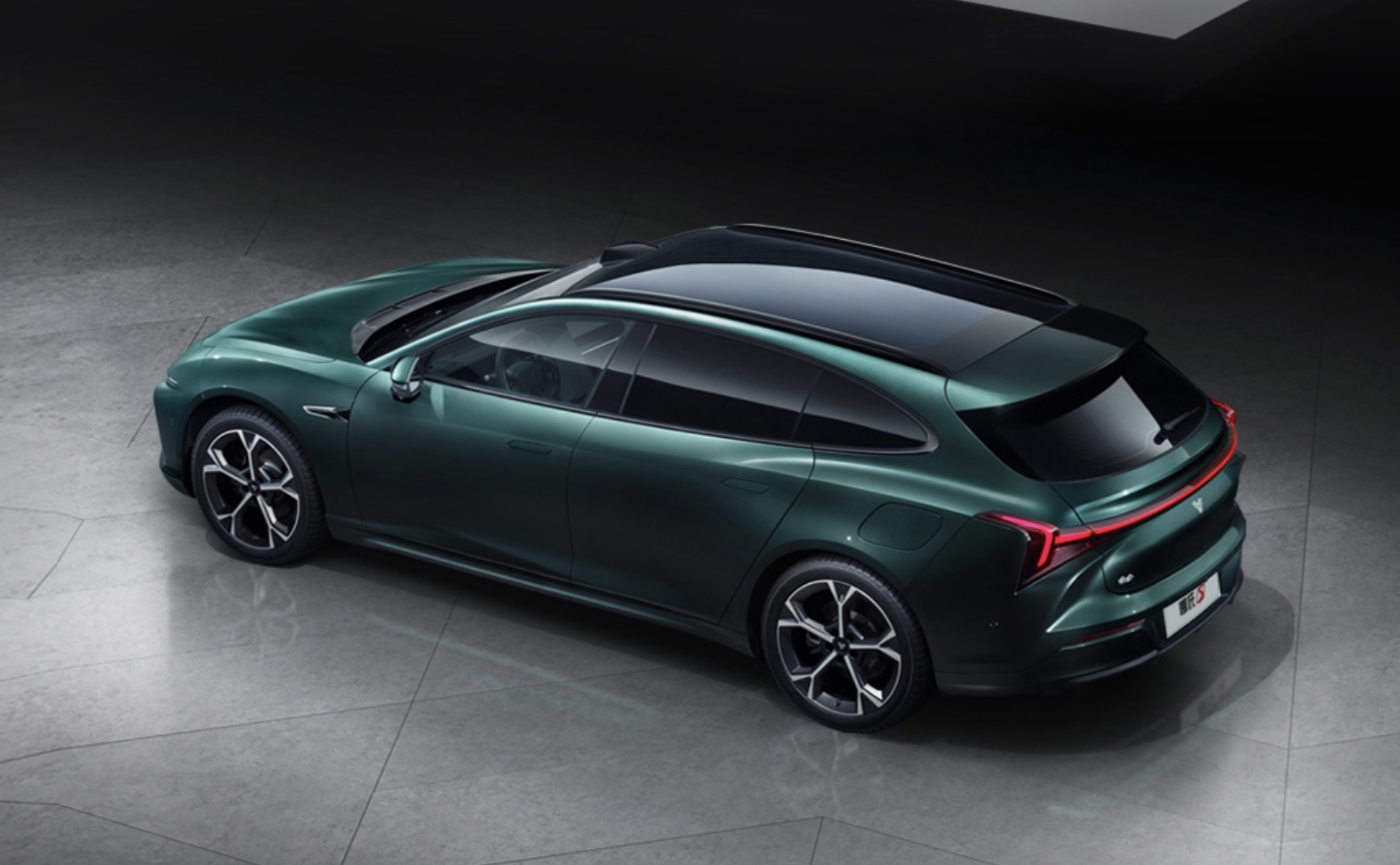
(Image Source: Neta Auto)
In the battle for new energy dominance, the rule has always been 'the last one standing wins.' Automobile manufacturing is a capital-intensive, long-cycle, and highly challenging industry that requires continuous investment in funding, technological research and development, product iteration, and user operations. A mistake in any one of these areas can lead to complete failure. The fact that NIO, XPeng, and Li Auto have survived the decade-long wave, with Li Auto achieving full-year profitability and NIO and XPeng reaching interim profitability in the fourth quarter of 2025, is itself a major victory.
Standing at the dawn of a new decade, NIO, XPeng, and Li Auto have long bid farewell to their early naivety and aggressiveness, moving toward maturity and stability.
NIO remains committed to battery swapping and high-end positioning, deploying a multi-brand strategy to cover the entire market; XPeng focuses on all-scenario intelligence, striving for Level 4 autonomous driving; Li Auto deepens its engagement with family users, advancing a dual-drive strategy of pure electric and extended-range vehicles.
The competition in the new energy vehicle sector is far from over, with the second half set to feature even more intense battles in intelligence, globalization, and branding. In the next decade, we look forward to seeing them fulfill more of their unfulfilled promises and lead Chinese auto brands to global leadership.
(Cover Image Source: XPeng Motors)
NIO Li Auto XPeng New Energy Vehicles Autonomous Driving
Source: Leikeji
Images in this article are from: 123RF Licensed Image Library
-
![]()
The Allure of 'Acquisition Spree': Li Shufu's Left Turn, Xu Jiayin's Right
-
![]()
Strategic Transformation Yields Results: Phoenix Optics Reports 10.9% YoY Rise in Core Net Profit for H1 2026
-
![]()
Three Key Growth Trajectories Synergize! Crystal-Optech Reports 3.478 Billion Yuan in Revenue for H1 2026
-
![]()
Semi-Annual Report Sparks XPENG Motors Buzz
-
![]()
1.6 Billion Big Order Secured! SeeYA Technology's Revenue Soars by 287.87% in the First Half of the Year
-
![]()
Baidu's Profits Plunge by 68%: Unraveling the Mystery Behind the Numbers
-
![]()
Baidu’s Profits Tumble by 68%! Where Has All the Money Gone?
-
![]()
Hynix’s Taobao Store Shuts Down Abruptly: What Should Customers Do About Warranty Services for Memory Modules?