Don't Just Look at the Price! The Real Strength of Leapmotor's C-Series Lies Beyond the Spec Sheet
 06/17 2026
 678
678
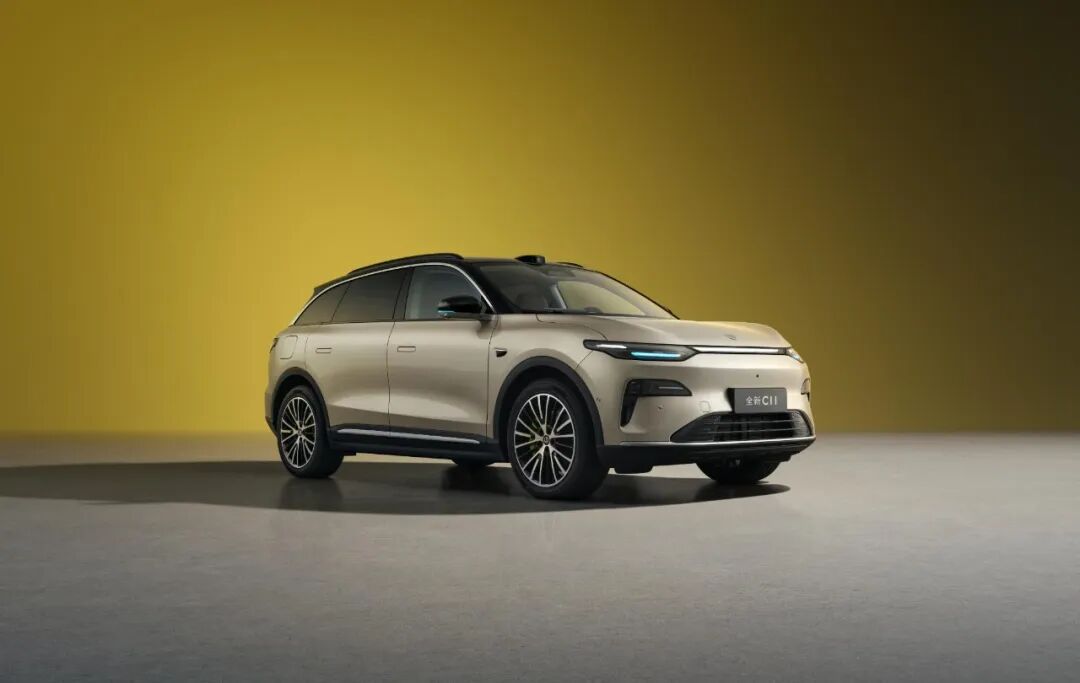
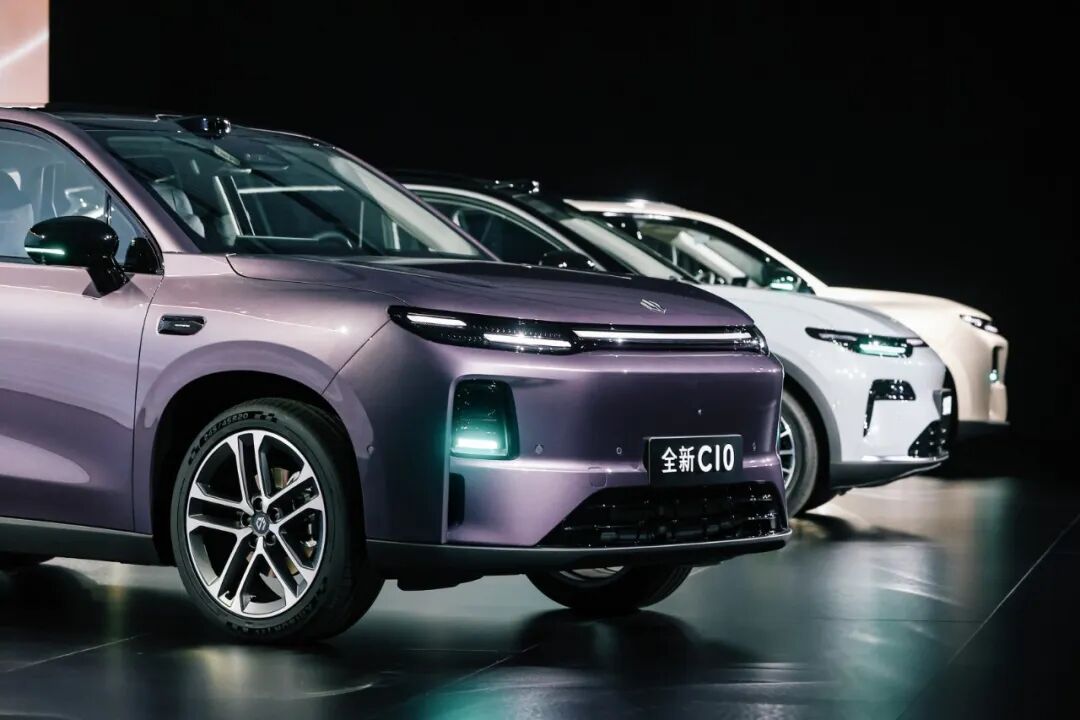
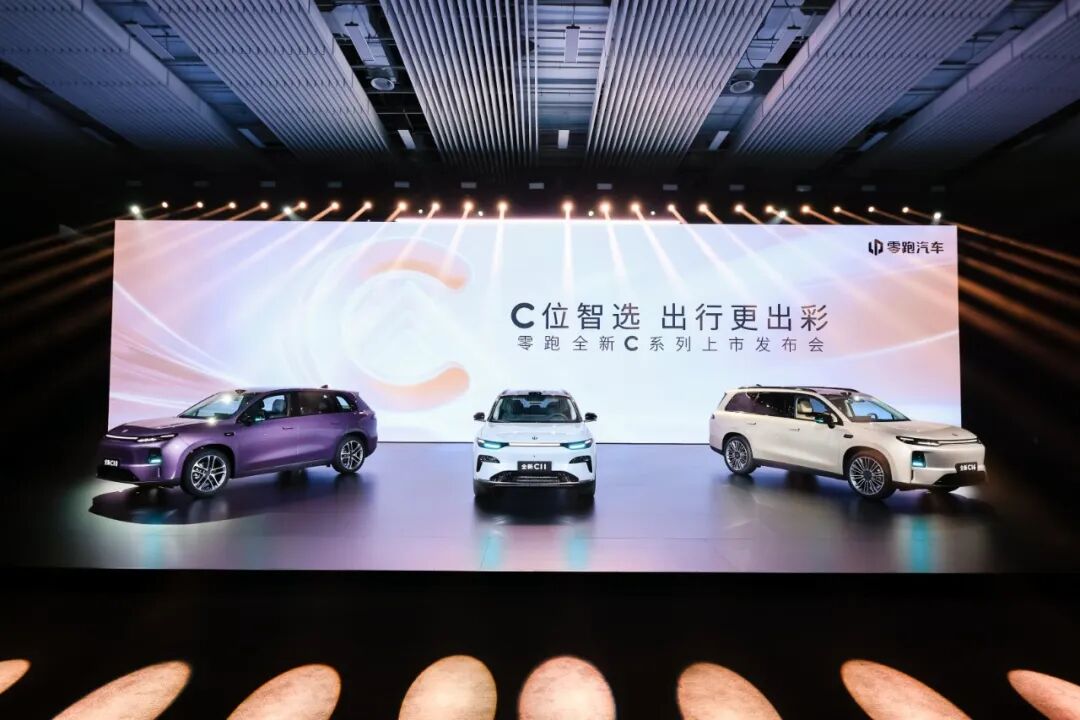
On June 16, Leapmotor unveiled the refreshed versions of the all-new C-Series models—the C10, C11, and C16—with guide prices ranging from RMB 125,800 to RMB 169,800. In the fiercely competitive 120,000-200,000 RMB family SUV segment, this launch may not seem groundbreaking, but it marks a crucial step for Leapmotor to solidify its position among the leading new energy vehicle brands.

From the debut of the first C11 in 2021 to the simultaneous launch of the C10, C11, and C16 today, Leapmotor has been navigating the highly competitive 120,000-200,000 RMB family SUV market for five years. Unlike the industry norm of relying on a single blockbuster model for years and struggling with subsequent generations, Leapmotor has never bet solely on individual models. Instead, it has leveraged its in-house developed technology platform to integrate the three models into a cohesive lineup. This annual refresh is essentially a showcase of Leapmotor's systematic capabilities.
The Confidence Behind Launching Three Models at Once Doesn't Come from Stacking Specs
Firstly, there is now greater certainty in stabilizing the sales base. Looking at the sales structure in 2025, the three C-Series models contributed nearly 60% of Leapmotor's deliveries, with the C10 consistently ranking among the top sellers in the 120,000-200,000 RMB pure electric SUV segment, and the C16 topping the sales charts for mid-to-large SUVs under 200,000 RMB for 14 consecutive months.
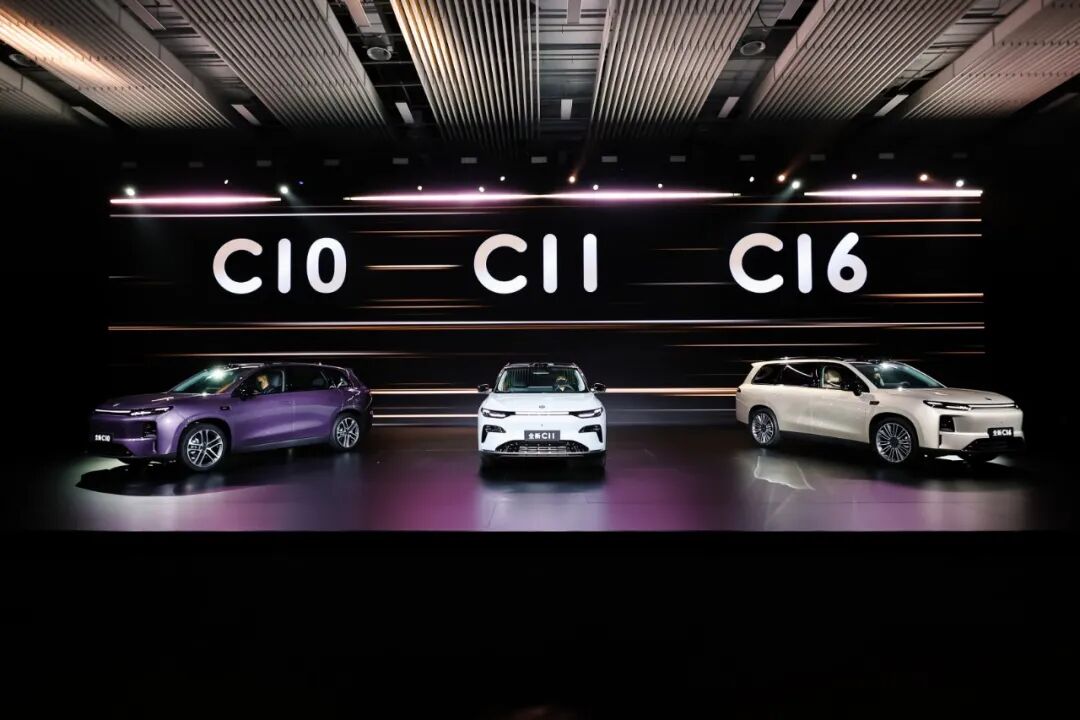
This refresh avoids flashy concepts and instead addresses real user feedback from 800,000 customers: the C10 now features steering-responsive auxiliary lights and an expanded glovebox, the C11 has added rear seat ventilation and a foldable tray table, and the C16 has optimized the width of the six-seat central aisle—all addressing high-frequency pain points in family use scenarios. This precise approach to addressing shortcomings is more effective in retaining existing customer loyalty and appealing to pragmatic family buyers than stacking obscure gimmicks.
More noteworthy than the sales figures is the underlying platform modularity and component reusability. According to Leapmotor's official data, the commonality rate of components across its models reaches 88%, with 65% of core components developed in-house. From the electronic and electrical architecture to the intelligent driving algorithm framework, and from the three-electric system to the chassis structure, all three models share the same technological foundation, with annual synchronized architecture upgrades across the entire lineup. This eliminates the risk of technological fragmentation in older models or starting from scratch with new models.

The advantages of this approach are straightforward: R&D costs are spread across multiple models, supply chain bargaining power is stronger, and production capacity allocation is more flexible. This ultimately translates into the confidence to "add features without raising prices." While other brands must make cost trade-offs during model refreshes, Leapmotor can leverage high component commonality to offer 800V high-voltage platforms, LiDAR, and Qualcomm 8295 chips in the 150,000 RMB price range while maintaining profit margins.
More critically, this capability is replicable. If Leapmotor can simultaneously iterate the three C-Series models today, it can quickly extend this approach to its A, B, and D series in the future, achieving significantly faster and more cost-effective new product development than competitors. Of course, high component commonality is not without drawbacks. The three models feature highly similar design languages and interior layouts, which may create a "copy-paste" impression for users seeking distinct model identities and exclusivity, resulting in insufficient differentiation.
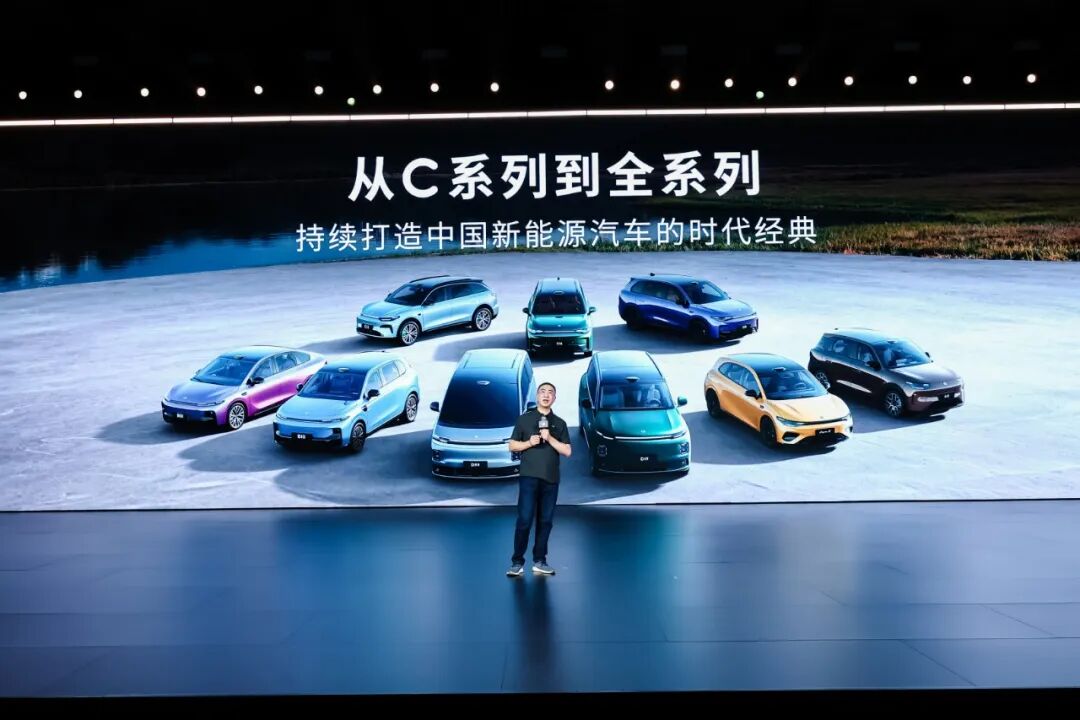
Additionally, this matrix provides a foundation for globalization and profitability. In 2025, Leapmotor exported 67,000 units, ranking first among domestic new energy brands, with the C-Series being the main contributors. The upgraded 800V platform and chassis jointly tuned by China and Europe are inherently compatible with global market regulations and driving preferences. Meanwhile, the cost control enabled by in-house development allows Leapmotor to add features without raising price thresholds, with a 14.5% gross margin in 2025 validating the feasibility of this model.
Product Strengths and Weaknesses Are Clearly Visible
Starting with the core strengths, the most obvious is the extent of configuration democratization, which is a direct result of systematic capabilities. In the 150,000 RMB price range, Leapmotor has already incorporated features previously found only in 300,000 RMB models, such as the 800V high-voltage SiC platform, 300-meter LiDAR, Qualcomm SA8295 cockpit chip, and front-row zero-gravity seats, into mid-tier variants.
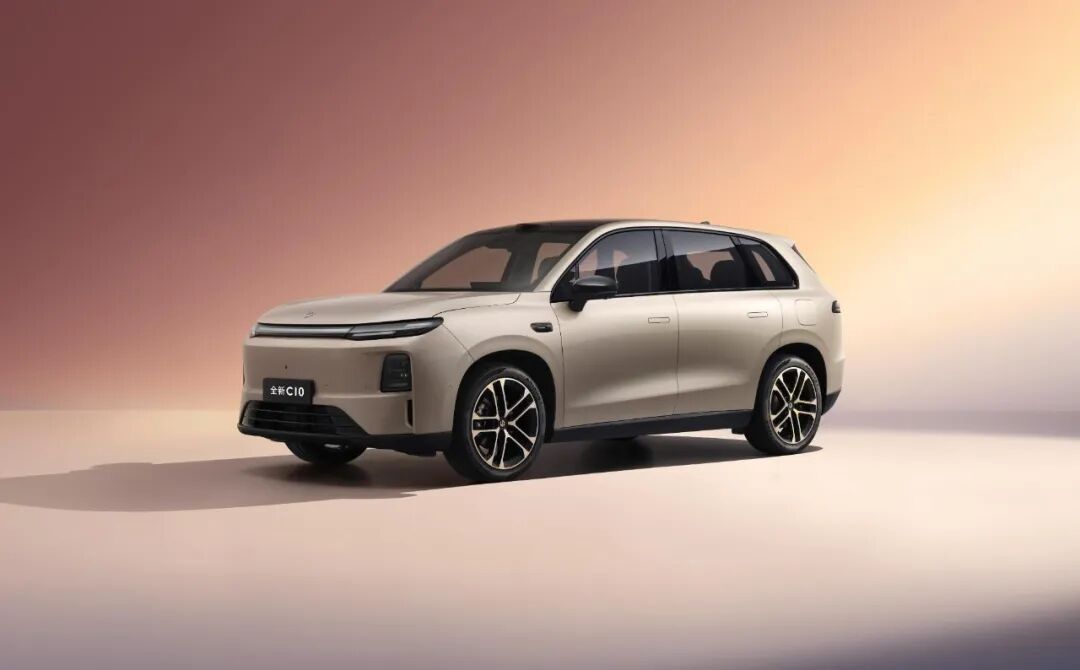
Compared to mainstream competitors like the BYD Song PLUS, Geely Galaxy E5, and Seres S7 in the same price range—which either require additional payments for advanced intelligent driving features, reserve the 800V platform for top-tier variants, or still use the previous-generation 8155 chip in high-volume models—Leapmotor has few rivals in terms of hardware specifications at this price point.
Secondly, the focus on space and practicality is highly targeted. For example, the C16 offers a six-seat layout, an in-car refrigerator, and sliding independent second-row seats under 200,000 RMB, while most mid-to-large SUVs in the same price range only offer five seats, with few six-seat options. The C10 achieves an 88% space utilization rate with a length of 4,749mm, delivering rear-seat space comparable to higher-tier models. For budget-conscious family buyers, these tangible and usable space and practical features are more persuasive than the 0-100 km/h acceleration times listed on spec sheets.
However, the weaknesses of the all-new C-Series are equally prominent, and in fact, Leapmotor's strengths and weaknesses are two sides of the same coin. The first issue is the gap in brand recognition and channel coverage. Compared to traditional automakers like BYD and Geely, Leapmotor's brand awareness is more concentrated in first- and second-tier cities, with significant gaps in the number of stores and after-sales response times in lower-tier markets. Many users in third- and fourth-tier cities have purchase intent but cannot find nearby service outlets. High component commonality can reduce costs but not the expenses associated with channel expansion and brand building.
The second weakness is the room for improvement in the range-extender system's maturity. Leapmotor's range extender still lags behind established hybrid systems like BYD's DM-i and Geely's Thunder Hybrid in terms of fuel consumption when the battery is depleted and NVH performance during operation, which is a key concern for many family users before making a purchase.

The third issue is the insufficient maturity of intelligent driving software. While the hardware specifications are impressive, the coverage of urban navigation-assisted driving, the sophistication of handling complex road conditions, and the overall software experience still lag behind leading intelligent driving solutions. The "hardware first, software updates later" approach may lead to psychological gaps among early adopters.
What Is the Ceiling for Reaching One Million in Annual Sales?
Leapmotor has set a target of one million annual sales for 2026, a goal that many outside observers consider overly ambitious. However, judging by the systematic capabilities revealed in this launch, the target is not out of reach. In the short term, the refreshed three models are likely to drive steady growth in C-Series monthly sales due to their misaligned advantages in configuration and pricing. Combined with growth in the A-Series and B-Series, achieving one million annual sales may not be overly challenging.
However, while systematic capabilities can support sales volume, they do not determine brand potential. Leapmotor's main market has long been confined to the under-200,000 RMB segment, with virtually no market presence for models priced above 200,000 RMB. The lack of brand premium means it is difficult to capture profits from higher-priced segments and relies solely on volume to dilute costs. If industry price wars intensify, gross margins will come under pressure. Leapmotor's temporary loss in the first quarter of 2026 already reflects the operational pressures brought by price competition.
Many say Leapmotor has overcome "blockbuster dependency," but this is only partially true. While it has avoided the trap of a single model defining the brand, it has not escaped "cost-effectiveness dependency." Users choose Leapmotor primarily for its "highest configuration in the same price range" rather than for the brand itself. When competitors start offering 800V and LiDAR in the 150,000 RMB price range, Leapmotor's hardware advantages will quickly diminish, raising the question of what will retain users in the future.
Additionally, the uncertainties of globalization cannot be ignored. While Leapmotor has rapidly expanded its overseas presence through Stellantis' channels, it still relies primarily on vehicle exports, incurring high tariff costs, with localized production yet to be established. Any changes in overseas trade policies could slow export growth.
Overall, the all-new C-Series represents a crucial step for Leapmotor to defend its market base, maximizing its strengths in "configuration democratization" and "systematic cost reduction" while precisely addressing the core needs of family users. The logic of "not relying on blockbusters is the true path to becoming a blockbuster" holds true during the volume-driven phase, but to truly become a long-term industry leader, systematic capabilities alone are insufficient.
The ultimate competition in the automotive market has never been about who achieves higher component commonality but about who leaves an irreplaceable mark in users' minds. Leapmotor has secured its current sales volume through hardware, but to go further, it must complement its systematic capabilities with brand building, user experience, and differentiation—areas that require sustained effort.
-
![]()
Who’s Sounding the Alarm on ‘Rushed Vehicles’?
-
![]()
Over 5.3 Billion Yuan in Losses Over Three and a Half Years! Can Yonyou Reverse Its Fortunes Through Streamlining and AI Transformation?
-
![]()
Baidu AI Adopts Free Model: A Strategic Maneuver in Traffic and Monetization
-
![]()
Silicon-Based OLED Pioneer Unveils Financial Results: H1 Shipments Outpace Entire 2025 Volume
-
![]()
AI's First "Lost Summer"
-
![]()
Zeiss Makes Another €2.2 Million Bet: Will Eye Tracking Be the Next Big Thing in the Smart Glasses Industry?
-
![]()
RUNTO Ranking | Global Top TV ODM Factories' Shipment Figures for July 2026
-
![]()
Dealer Service Operational Prowess | How After-Sales Managers Can Harness Efficiency and Expertise to Secure Trust in the New Energy Era