Final Decision: Vehicle and Vessel Tax Changes Speed Up the End of Tax Breaks for New Energy Vehicles
 07/08 2026
 581
581
Recently, the Ministry of Finance, the State Taxation Administration, and the Ministry of Industry and Information Technology jointly announced that, effective January 1, 2027, tax incentives for vehicle and vessel taxes on fuel-efficient vehicles and certain new energy vehicles will be adjusted. The tax exemptions and reductions that have been in effect for 15 years will be fully eliminated starting next year.
This represents another policy shift regarding tax incentives for new energy vehicles, following the earlier adjustment on January 1 of this year, when the purchase tax exemption for new energy vehicles was reduced to a 50% discount. This clearly signals that the state is expediting the phase-out of tax incentives for new energy vehicles.
The current tax exemption and reduction policy for new energy vehicle purchases is set to expire on December 31, 2027. By 2028, new energy vehicles will no longer benefit from purchase tax exemptions or reductions, truly realizing the "equal rights for fuel and electric vehicles" that the industry has long advocated for. This means that fuel vehicles and new energy vehicles will be subject to the same tax treatment. 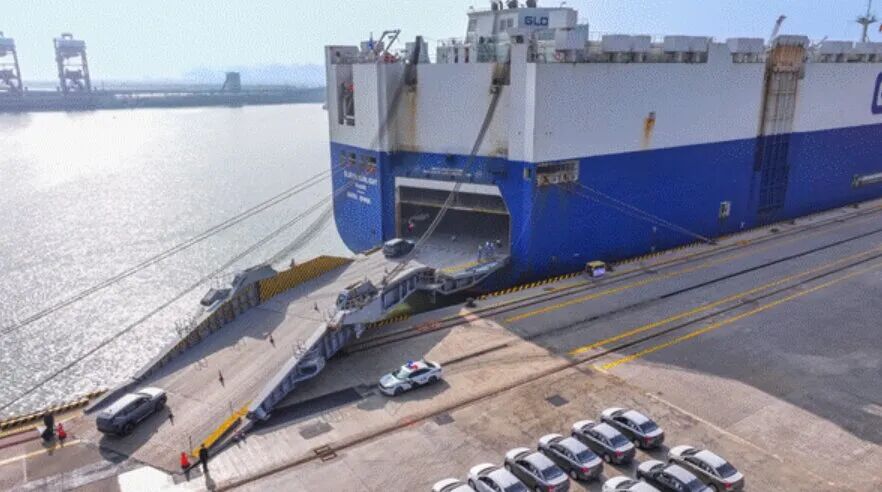
Some analysts view the accelerated phase-out of tax incentives for new energy vehicles as China's transition of the new energy vehicle sector from a policy-driven phase to a mature, market-oriented phase. The adjustment of incentives reflects a proactive and precise strategic optimization by the state, based on industrial development. By orderly withdrawing incentives, the state aims to encourage new energy vehicles to achieve high-quality development through technological and product innovation.
Why is the state adjusting vehicle and vessel tax incentives?
According to the announcement by the three departments, starting from January 1 next year, the exemption from vehicle and vessel taxes for pure electric commercial vehicles, plug-in hybrids (including extended-range vehicles), and fuel cell commercial vehicles will be eliminated. Additionally, the 50% reduction policy for fuel-efficient vehicles will also be withdrawn. This adjustment applies uniformly to all vehicles, regardless of whether they are newly purchased or already in use, with no tax exemptions or reductions for any models.
Pure electric passenger vehicles and fuel cell passenger vehicles are exempt from vehicle and vessel taxes, so this adjustment does not affect them, and no vehicle and vessel taxes will be levied. The policy adjustment does not involve fuel vehicles, and the scope of vehicle and vessel taxes for fuel vehicles remains unchanged.
To support the development of the new energy vehicle industry and promote energy conservation and emission reduction, the state has implemented a 50% reduction in vehicle and vessel taxes for eligible fuel-efficient vehicles and exempted eligible pure electric commercial vehicles, plug-in (including extended-range) hybrids, and fuel cell commercial vehicles from vehicle and vessel taxes. Since its implementation in 2012, this preferential policy has played a positive role in encouraging consumers to purchase new energy and fuel-efficient vehicles and promoting the development of the automotive industry. 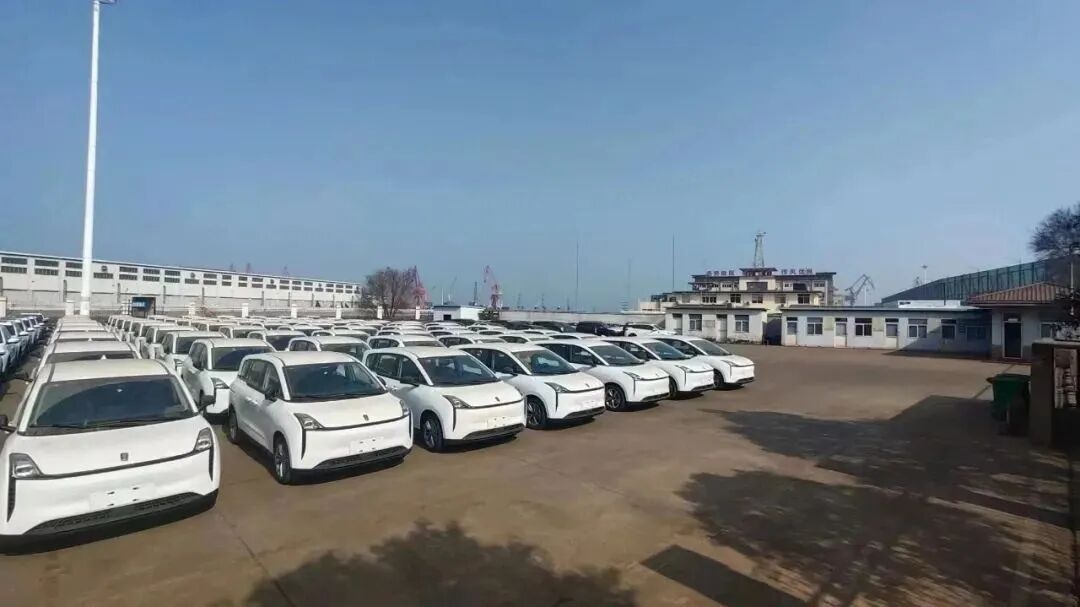
Relevant officials from the three departments pointed out that in recent years, China's automotive industry, especially the new energy vehicle sector, has experienced rapid development. By 2025, new energy vehicle sales reached 16.49 million units (including exports), with domestic new car sales accounting for over 50% of the market. Pure electric commercial vehicles, plug-in (including extended-range) hybrids, fuel cell commercial vehicles, and fuel-efficient vehicles, like other fuel vehicles, represent significant assets. According to relevant data, the average selling price of plug-in (including extended-range) hybrid passenger vehicles in 2025 was 218,000 yuan, with some models exceeding one million yuan. The reinstatement of vehicle and vessel taxes for these vehicle types promotes tax fairness and enhances the role of taxation in regulating income distribution.
The Significant Contributions of Tax Incentives for New Energy Vehicles
For automotive consumers, the annual vehicle and vessel tax amounts to only a few hundred yuan, so adjustments to this tax have a minimal impact on their financial burden. The primary focus is on the reduction or exemption of vehicle purchase taxes. For a car priced at 100,000 yuan, the purchase tax amounts to nearly 10,000 yuan; even with a 50% reduction, the tax would still be nearly 5,000 yuan.
Over the past decade, to stimulate automotive consumption, the state has repeatedly introduced tax incentive measures, particularly for new energy vehicles, including exemptions and reductions in vehicle purchase taxes.
Encouraging consumers to purchase new energy vehicles through fiscal and tax support is a common practice globally. To support the development of new energy vehicles, the state has implemented a series of tax incentive measures since 2014, including vehicle purchase tax exemptions and reductions, which have resulted in savings amounting to hundreds of billions of yuan.
During the early stages of new energy vehicles, challenges such as limited range, difficult charging, high prices, and low market recognition persisted. The exemption from vehicle purchase taxes directly reduced vehicle purchase costs. This preferential policy, extended multiple times, worked in tandem with measures like purchase subsidies and free license plates to drive consumer adoption of new energy vehicles, laying a market foundation for industrial development. 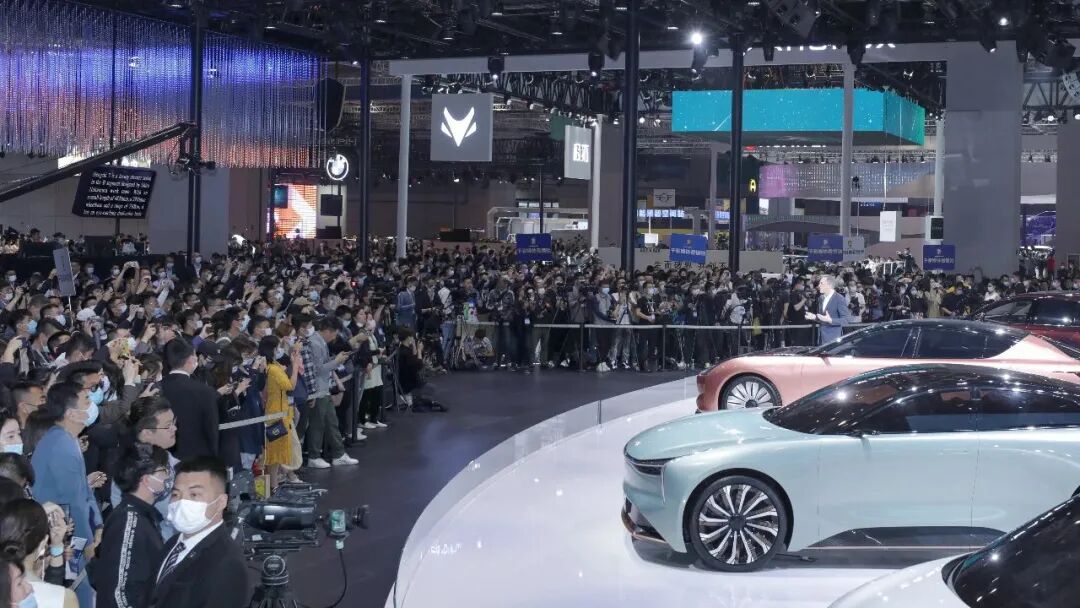
With state policy support and promotion, China's new energy vehicle market has experienced explosive growth. In 2014, new energy vehicle sales were merely 75,000 units; by 2025, they soared to 16.49 million units (including exports), securing the top global position for 11 consecutive years. Market penetration also surged from less than 1% to over 50%. Without precise policy support, it would have been difficult for China's new energy vehicles to rapidly form a vast domestic market and a complete industrial chain, achieving global leadership in the sector.
Why Are Tax Incentive Policies Being Adjusted?
One of the primary functions of taxation is to guide resource allocation, regulate market structure, and influence economic operations through tax system design. With the mature development of new energy vehicles today, continuing to maintain special incentives would undermine tax fairness and weaken the regulatory role of taxation. Thus, the phase-out of these policies is inevitable.
The state's adjustment of tax incentive policies for new energy vehicles marks the orderly withdrawal of the 15-year-long preferential tax policies for new energy vehicles, sending a clear signal that the industry is transitioning from "policy-driven cultivation" to "market-driven growth."
After more than a decade of cultivation, China's new energy vehicle industry has matured, and support policies have largely fulfilled their historical mission. By 2025, domestic new car sales of new energy vehicles accounted for over 50% of the market, entering a mature phase of marketization, reducing the necessity for continued broad-based support.
Adjusting tax incentive policies for new energy vehicles aims to restore tax fairness and strengthen regulatory effects. Vehicle and vessel taxes are property taxes with a function to regulate wealth distribution. Some beneficiary vehicle models, which are significant assets like fuel vehicles, enjoyed tax exemptions, undermining fairness. The reinstatement of taxes aims to restore fairness and enhance income regulation. The gradual withdrawal of vehicle purchase tax exemptions for new energy vehicles follows the same rationale. 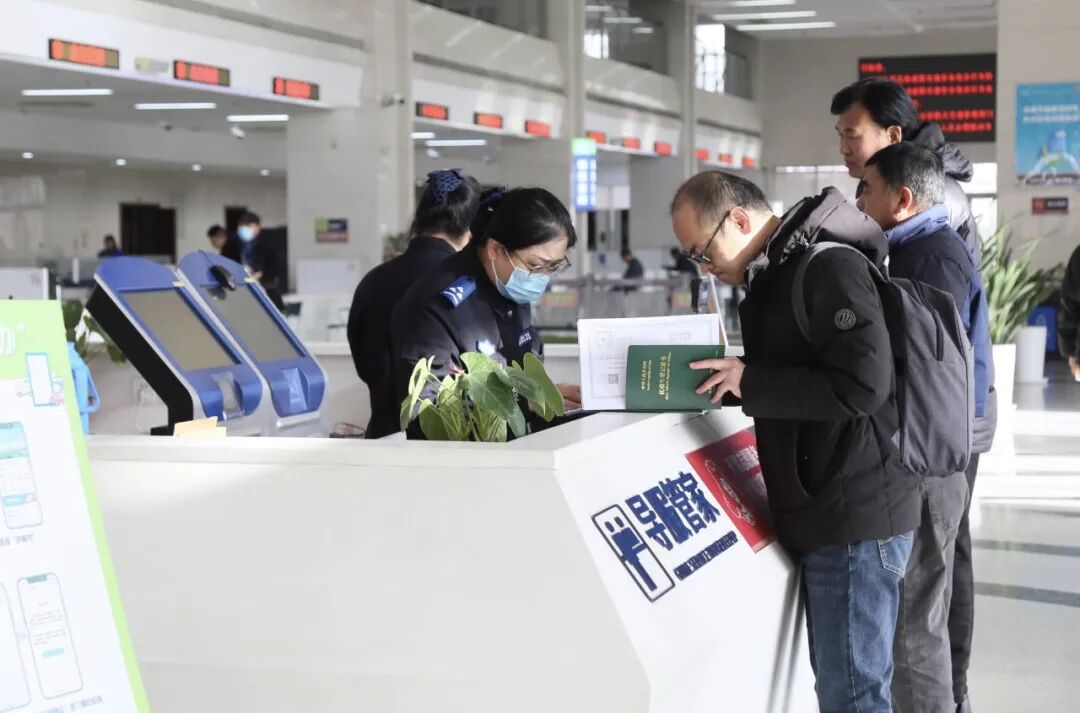
This vehicle and vessel tax adjustment primarily affects plug-in hybrids and extended-range vehicles equipped with fuel engines, as well as new energy commercial vehicles, while pure electric passenger vehicles and fuel cell passenger vehicles remain unaffected since they do not use fuel. This reflects a shift in fiscal and tax support from "broad-based" to "precise," guiding resources toward pure electric vehicles, aligning with the national strategy of pure electric drive for new energy vehicles.
As early as July 21, 2014, the General Office of the State Council issued the "Guidelines on Accelerating the Promotion and Application of New Energy Vehicles," emphasizing the implementation of the national strategy for developing new energy vehicles, with pure electric drive as the primary strategic orientation. In 2020, the General Office of the State Council issued the "New Energy Vehicle Industry Development Plan (2021-2035)," which explicitly states: "Over the next 15 years of sustained efforts, China aims to achieve internationally advanced core technologies for new energy vehicles, with strong international competitiveness in quality and branding. Pure electric vehicles will become the mainstream of new vehicle sales, with full electrification of public sector vehicles and commercial application of fuel cell vehicles." (End)
-
![]()
Registered Capital Slashed to 372 Million Yuan! Yutong Optical Finalizes Industrial and Commercial Change Registration
-
![]()
Zhuque-3 Successfully Lands, and 'Time Traveler' Secures Another ¥100 Million in Funding: China's Commercial Space Industry Experiences a 'Dynamic August'
-
![]()
Autohome Faces a Shrinking Window of Opportunity
-
![]()
Even a Titan Like Musk Has Faced Setbacks in Fulfilling Promises
-
![]()
AI Office: The End of the Racing Era, Context Becomes the Key to Success
-
![]()
Domestic Vehicle Chassis Revolution ②: The Steering Wheel Remains, But Mechanical Connections in the Steering System Are Decreasing
-
![]()
Exploring MiniMax Design: Can Video Editing Be as Simple as Speaking?
-
![]()
Why Can SenseTime Achieve Profitability While CloudWalk Still Faces Challenges, Despite Both Adopting Large Models?