Rhythm Discrepancy and Premium Value Erosion: Foreign Luxury Brands Must Re-evaluate Their China Strategy
 07/09 2026
 574
574
In July, two significant events in China's automotive sector captured widespread attention. Firstly, Chery Jaguar Land Rover officially suspended dealer orders for all locally manufactured models, effectively ending a 14-year joint venture's domestic production and sales history. Secondly, Porsche paused personalized customization orders for two key electric models, signaling a strategic retreat from China's pure electric vehicle (EV) market.
For over a decade, foreign luxury brands leveraged their brand heritage and technological edge in internal combustion engine (ICE) vehicles to dominate China's premium automotive landscape. However, the rapid evolution of China's new energy vehicle (NEV) sector and shifting market dynamics have undermined the traditional foundations of luxury brand premiums.
▍Comprehensive Business Retrenchment: From Product Lines to Distribution Channels
Jaguar Land Rover's exit from local production epitomizes the broader contraction of foreign luxury brands in China. In 2012, Chery and Jaguar Land Rover formed a joint venture, with the Changshu plant launching its first locally produced model in 2015. The partnership aimed to reduce costs through localization and capitalize on China's burgeoning luxury vehicle market.
By 2017, Jaguar Land Rover's China sales peaked at 146,000 units (a 23% YoY increase), solidifying its position among second-tier luxury brands. However, market performance steadily declined thereafter, with retail sales plummeting to approximately 26,500 units by 2025—an over 80% drop from the peak.
Product line contractions became apparent earlier. Four locally produced models—Discovery Sport, Jaguar XEL, XFL, and E-PACE—ceased production in 2025. On March 31, 2026, the last Range Rover Evoque L rolled off the Changshu assembly line, marking the end of domestic production for Jaguar Land Rover's ICE vehicles. By July 2026, dealers nationwide halted orders for locally produced models, triggering aggressive price cuts during inventory clearance. The Evoque L, initially priced near 450,000 RMB, saw its base model prices fall below 180,000 RMB.
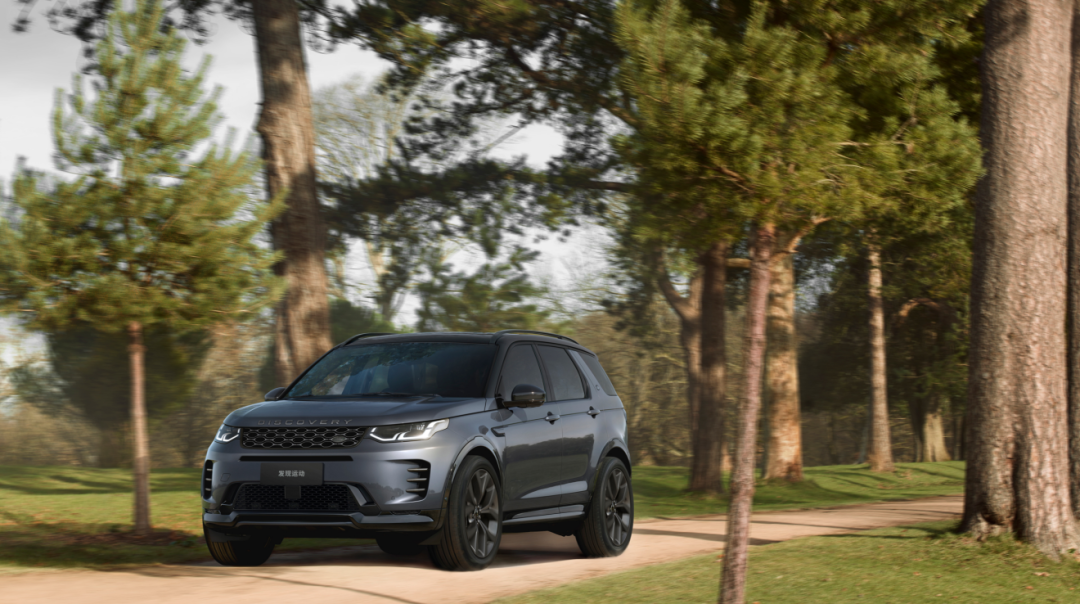
Amid declining sales, dealer networks faced prolonged profitability challenges. Multiple dealers reported weak profitability since the 2015 launch of locally produced models. During periods when imported models like Range Rover and Defender commanded price premiums, manufacturers bundled import and domestic quotas, allowing import profits to offset losses. However, as overall brand sales contracted, the buffer from import models diminished, pushing dealer operations to a breaking point.
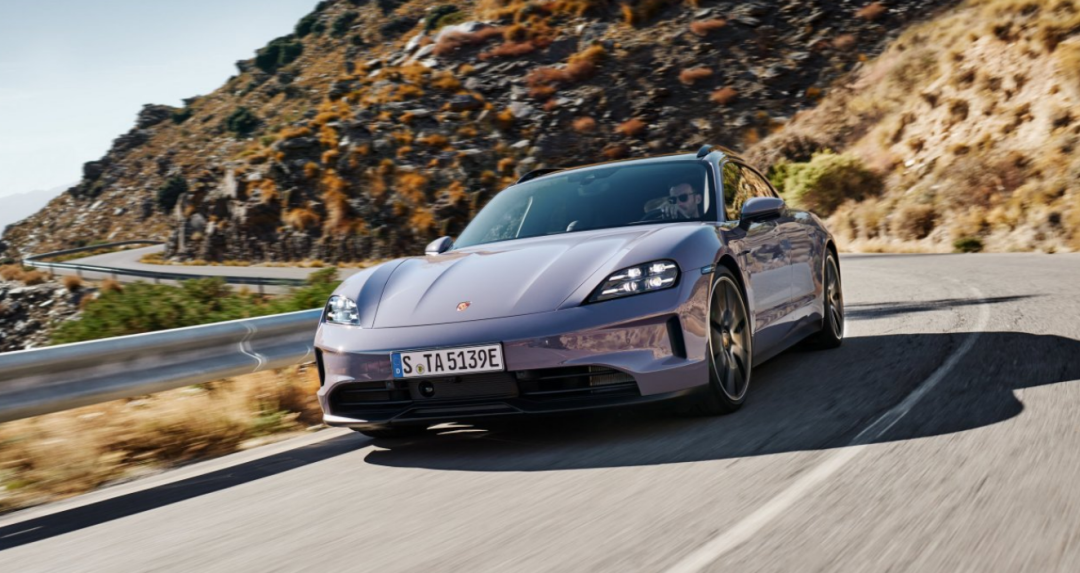
Simultaneously, Porsche announced a strategic retreat from its pure electric business. On July 6, Porsche halted new custom orders for the electric Macan and Taycan, redirecting resources to the all-new electric Cayenne. Existing orders remained unaffected, and in-stock models were still available. Despite high expectations as Porsche's first pure electric model, Taycan sales have weakened in recent years.
In Q1 2026, global Taycan deliveries totaled just 3,420 units, with China contributing a mere 372 units (an average of fewer than 4 units per day). The newer electric Macan also underperformed, requiring discounts of approximately 24% to stimulate sales.
Porsche's channel contraction mirrored its sales decline. Between June and July 2026, three Porsche centers—in Jining (Shandong), Huai'an (Jiangsu), and Nanning Xingning (Guangxi)—terminated dealership operations, while Wuhu (Anhui) ceased sales but retained after-sales services. From July to year-end, with two key electric models discontinuing orders and the new electric Cayenne yet to launch, Porsche faces a nearly six-month delivery gap for electric vehicles in China.
In Q1 2026, Porsche delivered 60,991 vehicles globally (a 15% YoY decrease), with China accounting for 7,519 units (a 21% YoY decrease)—a steeper decline than the global average. Electric models' share of deliveries dropped from 25.9% to 19.8% YoY.
Jaguar Land Rover and Porsche's strategic adjustments reflect broader pressures on foreign luxury brands. Even premium BBA (BMW, Mercedes-Benz, Audi) brands face sustained sales declines. In Q1 2026, BMW delivered 144,000 units in China (a 10% YoY decrease), Audi 127,100 (a 12% YoY decrease), and Mercedes-Benz 111,600 (a 27% YoY decrease)—its worst performance in a decade.
▍Eroding Competitiveness Amid Market Pressures
The primary driver behind foreign luxury brands' contraction is their misalignment with China's electrification timeline. China's NEV adoption rate surged to 62.9% in May 2026, leaving ICE vehicles with less than 40% market share. Most foreign luxury brands lag in electrification, struggling to match local brands' product iteration speed and technological sophistication. Jaguar Land Rover's NEV sales account for less than 5% of its China portfolio, lacking high-volume pure electric models and remaining heavily dependent on ICE vehicles.
Porsche's electric models suffer from mismatched pricing and product strength. Without the technological advantages of ICE vehicles, Porsche lacks a competitive edge in electrification. The Taycan and electric Macan retain traditional luxury pricing but lag in battery performance, smart features, and charging experience compared to domestic rivals, creating a disconnect between brand premium and product appeal.
In the electric era, traditional luxury strengths—engines, transmissions, and chassis tuning—lose relevance, while smart cockpits, advanced driver-assistance systems, and battery technology become critical. Consumers increasingly prioritize intelligent experiences and three-electric (battery, motor, control) performance in luxury EVs, diminishing traditional brand halos.
Domestic NEV brands are ascending into the premium segment, further squeezing foreign players. Li Auto, NIO, AITO, and Fangcheng Bao leverage product configurations, smart features, and service ecosystems to capture the 300,000–500,000 RMB luxury mainstream. In Q1 2026, domestic NEVs dominated the mid-to-large SUV sales charts, monopolizing the segment.
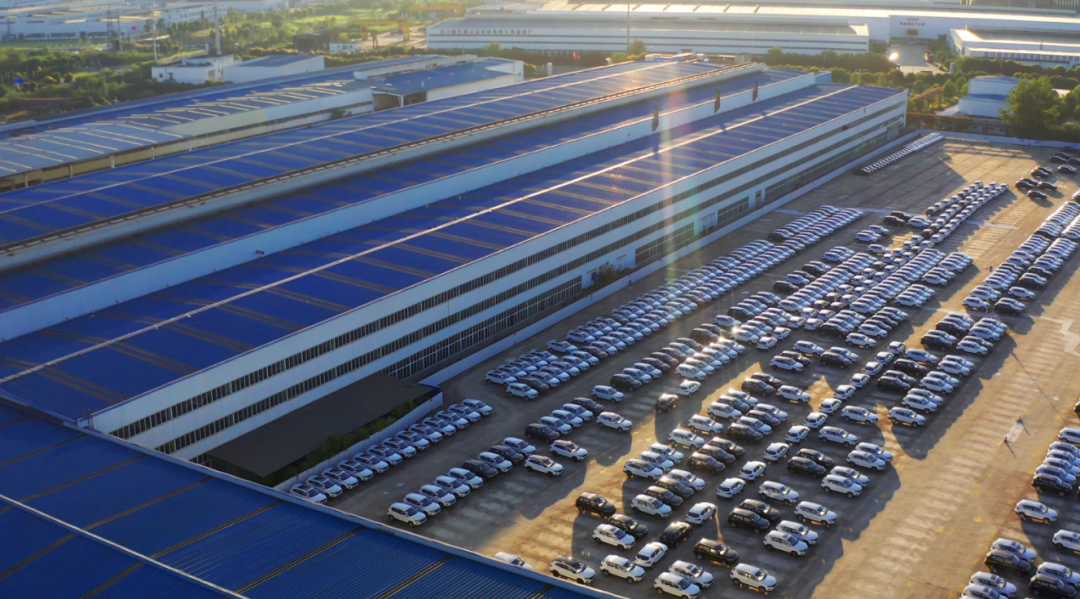
These domestic models overlap with traditional second-tier luxury brands' core markets and encroach on BBA's mid-range price bands. Some consumers now opt for higher-spec, smarter domestic NEVs over joint-venture luxury brands.
Meanwhile, BBA's price cuts pressure second-tier foreign brands. To counter NEV competition, BMW, Audi, and Mercedes-Benz have slashed prices on key models. The BMW 5 Series entry price dropped from 439,900 RMB to approximately 260,000 RMB, Mercedes-Benz E-Class discounts exceeded 150,000 RMB, and Audi A6L offers reached 140,000 RMB. As luxury price thresholds fall, second-tier foreign brands struggle against BBA's brand power and domestic rivals' product strength, trapped in a vice grip. Jaguar Land Rover's collapse exemplifies this dual pressure.
Prolonged price wars and forced bundling further erode foreign luxury brands' premium appeal. Aggressive clearance discounts destabilize pricing systems, undermining brand positioning. Consumers anticipate further price cuts, delaying purchases and forcing deeper discounts—a vicious cycle. Porsche, once reliant on customization and price stability for brand equity, now faces disrupted pricing with electric model discounts. When luxury brands can no longer maintain pricing consistency, their premium foundations crumble.
In summary, foreign luxury brands' contraction in China reflects systemic challenges rather than short-term fluctuations. Leading luxury brands may retain market share through high-end portfolios and brand legacy, but mid-range mass-market models will face sustained pressure from domestic NEVs. Second-tier and lower foreign brands will likely abandon local mass production, pivoting to niche markets for imported premium models. Future competition in China's luxury vehicle market will shift from brand premium to holistic battles over product strength, intelligence, and ecosystem services. Foreign brands' market shares will continue adjusting until they align with their core competencies.
Layout | Yang Shuo Image Sources: Jaguar Land Rover, Porsche, Qianku Network
-
![]()
Registered Capital Slashed to 372 Million Yuan! Yutong Optical Finalizes Industrial and Commercial Change Registration
-
![]()
Zhuque-3 Successfully Lands, and 'Time Traveler' Secures Another ¥100 Million in Funding: China's Commercial Space Industry Experiences a 'Dynamic August'
-
![]()
Autohome Faces a Shrinking Window of Opportunity
-
![]()
Even a Titan Like Musk Has Faced Setbacks in Fulfilling Promises
-
![]()
AI Office: The End of the Racing Era, Context Becomes the Key to Success
-
![]()
Domestic Vehicle Chassis Revolution ②: The Steering Wheel Remains, But Mechanical Connections in the Steering System Are Decreasing
-
![]()
Exploring MiniMax Design: Can Video Editing Be as Simple as Speaking?
-
![]()
Why Can SenseTime Achieve Profitability While CloudWalk Still Faces Challenges, Despite Both Adopting Large Models?