Final Verdict: Why Are Extended-Range Electric Vehicles Losing Their Allure?
 07/10 2026
 407
407
On February 6th this year, Final Verdict published an article titled: "Why Are Automakers Still Promoting Extended-Range Vehicles Despite Claims That the Technology Is Obsolete?" The article raised a pertinent question: despite assertions that extended-range technology is outdated and unnecessary, why are domestic automakers embracing it, with a growing number of ERV models being introduced and sales continuing to rise?
According to statistics from the China Association of Automobile Manufacturers, by 2025, China's sales of New Energy Vehicles (NEVs), including exports, reached 16.49 million units. Among these, 10.622 million were pure electric vehicles (PEVs), constituting 64.4% of the total; plug-in hybrid vehicles (including ERVs) accounted for 5.861 million units, or 35.5%; and fuel cell vehicles made up 8,000 units. Sales of extended-range electric vehicles stood at approximately 1.235 million units, representing 7.5% of total NEV sales.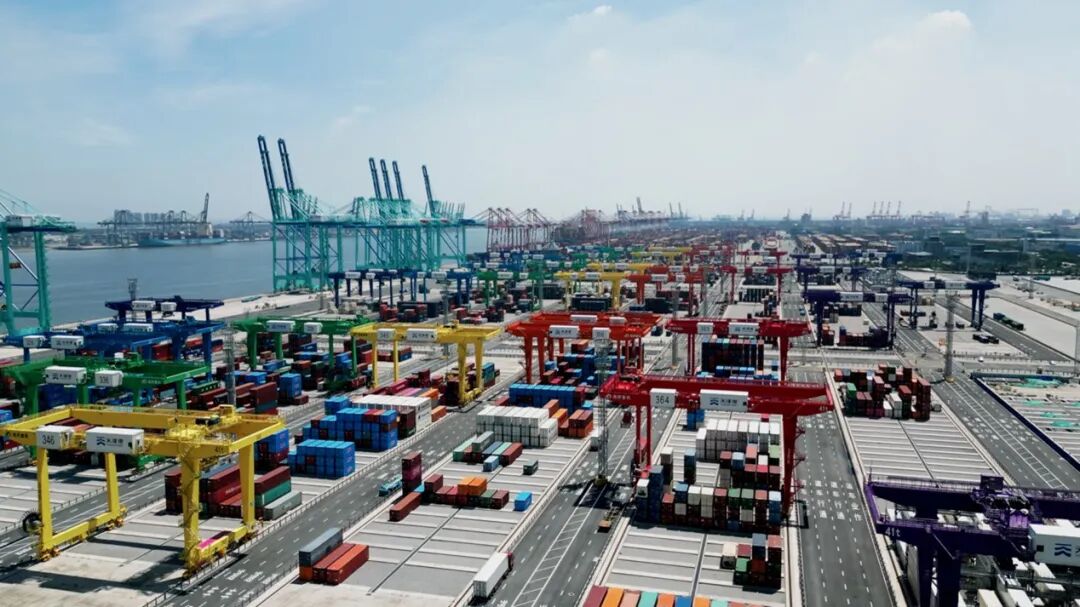
Final Verdict identifies three primary reasons for the popularity of ERVs. Firstly, cost advantages. Compared to plug-in hybrid models, extended-range electric vehicles offer significantly lower costs, even lower than pure electric vehicles. Profit margins for ERV models are also considerably higher. Secondly, the technical barriers and development costs for ERVs are relatively low. Thirdly, they address consumers' concerns about range and charging anxiety in scenarios where charging facilities are inconvenient.
Significant Decline in ERV Sales in Recent Months
Just as domestic automakers were rushing to launch ERVs, both sales and market share have declined since the second quarter of this year, dampening the ERV enthusiasm.
In May, wholesale sales of ERVs plummeted by 24.9% year-on-year, marking the largest decline in nearly five years. Market share also saw a downturn. Only three ERV models managed to sell more than 5,000 units per month.
In June, sales of extended-range electric vehicles continued to slide, exhibiting a trend of "double decline in wholesale and retail," with the decline widening further. Relevant statistics reveal that wholesale sales of ERV models in June were 94,000 units, down 25.2% year-on-year and slightly down 0.2% month-on-month. Retail sales of ERV models in the first half of the year reached 439,000 units, showing a significant year-on-year decline. Retail sales in June alone fell by 19.4% year-on-year, matching the decline in May (-19.4%) but indicating a worsening trend.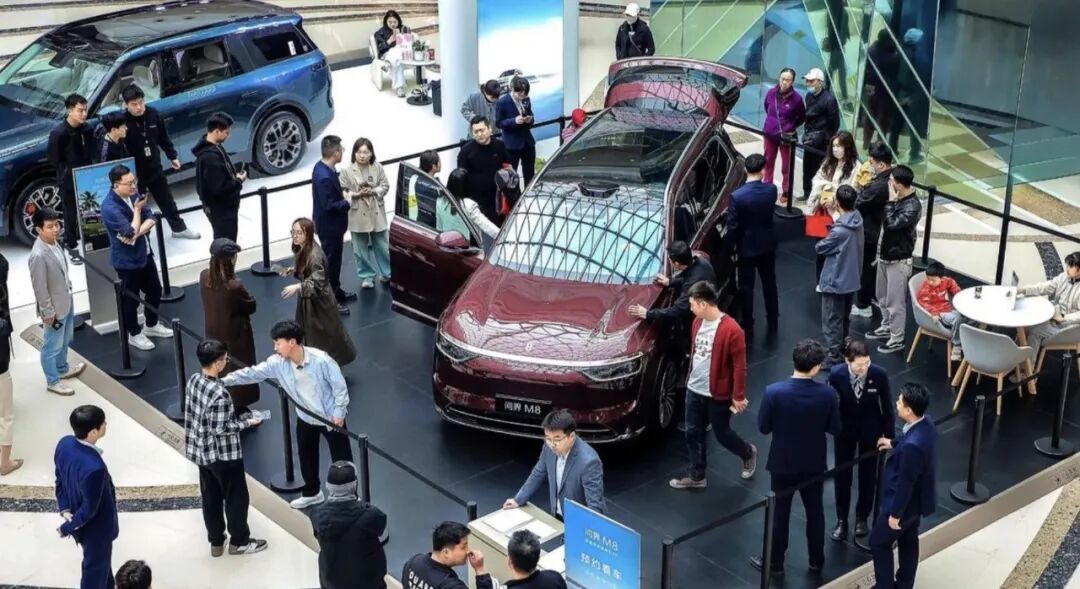
Due to the sales slump, the proportion of ERV models in wholesale NEV volumes dropped to 6.4%.
Four Main Reasons for the Decline in ERV Sales
Analysts attribute the decline in ERV sales to the following key factors:
Firstly, intensified competition in technological routes, with pure electric models gaining the upper hand. With declining battery prices, the widespread adoption of 800V high-voltage fast charging, and improved charging infrastructure, range anxiety for pure electric vehicles has been significantly alleviated, leading to a clear shift in consumer preference towards pure electric models.
Secondly, the cost advantage of ERVs has "reversed." Due to falling battery prices, the price gap between pure electric models and ERVs has narrowed. With high domestic fuel prices, the fuel consumption of ERVs when running on the engine is relatively high, resulting in higher energy costs compared to pure electric models. Additionally, ERVs have two sets of systems, making maintenance more expensive and residual values lower.
Thirdly, the reduction of preferential policies for new energy vehicles is unfavorable for ERV models. Starting in 2026, the purchase tax for new energy vehicles will be halved. However, ERVs must have a pure electric range exceeding 100km and demonstrate fuel consumption when running on the engine that is 30% better than comparable fuel vehicles to qualify for preferential treatment, leading to the exclusion of some ERV models.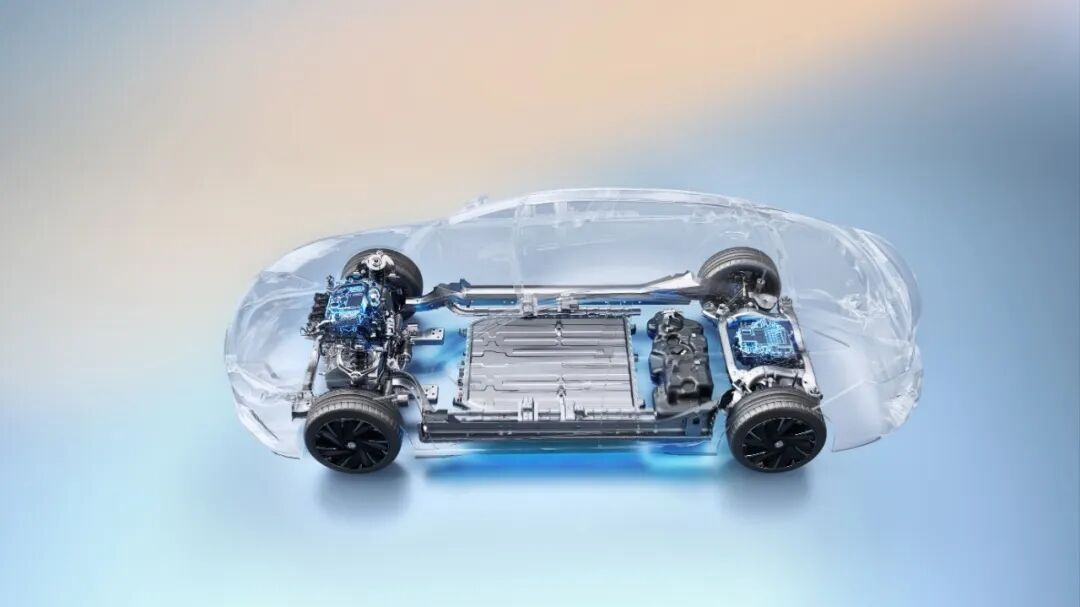
Fourthly, national policy orientation favors pure electric vehicles. Regarding the technological routes for new energy vehicles, the state supports a pure electric drive strategy. On July 21, 2014, the General Office of the State Council issued the "Guidelines on Accelerating the Promotion and Application of New Energy Vehicles," which emphasized the implementation of the national strategy for developing new energy vehicles, with pure electric drive as the main strategic orientation for NEV development. The "New Energy Vehicle Industry Development Plan (2021–2035)" issued by the General Office of the State Council in 2020 clearly states that pure electric vehicles will become the mainstream of new vehicle sales, and vehicles in public sectors will be fully electrified.
Recently, the state adjusted the tax preferences for vehicle and vessel tax on new energy vehicles. Starting next year, plug-in hybrid and extended-range vehicles equipped with fuel engines will no longer enjoy tax reductions, while pure electric vehicles will continue to receive reductions, reflecting the state's pure electric drive strategy for new energy vehicles through fiscal and taxation policies.
Extended-Range Technology Faces Severe Market Challenges
Currently, China's domestic NEV market is exhibiting a divided pattern of "pure electric vehicles strengthening and extended-range vehicles under pressure," with extended-range technology facing severe market challenges.
Relevant statistics show that in June, pure electric models accounted for as high as 82.2% of retail sales among new automotive forces, while ERV models remained popular only in a few high-end models, with most ERV models selling less than 5,000 units per month.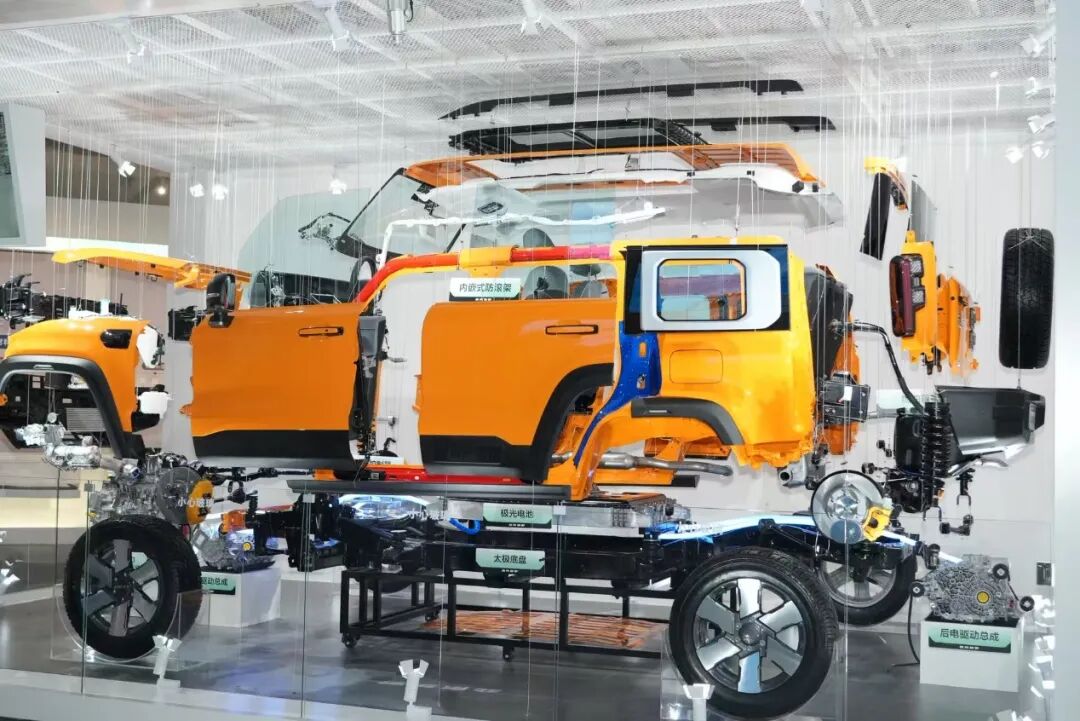
Although a substantial number of new extended-range models are still planned for launch on the supply side, given the continuous decline in sales, the question arises: how much room for survival does the extended-range technological route have?
William Li, founder and chairman of NIO, believes that by 2030, the penetration rate of China's NEV market will exceed 90%, with pure electric models accounting for more than 90%. Ultimately, pure electric models will dominate the NEV market at 98%, a proportion similar to the current market situation in Norway.
Some analysts view extended-range technology as a "transitional technology." As the shortcomings of pure electric vehicles are gradually addressed, the advantage of ERVs being "able to use both fuel and electricity" has become a burden of "carrying an engine." However, ERVs will not disappear and may retreat to specific market segments in the future, such as winter driving in northern regions or areas with inconvenient charging. (End)
-
![]()
Strategic Shift in Photoelectric Sensing: Maxvision Secures Controlling Stake in CAS Optotech
-
![]()
Optical Communication and Robot Vision: OFILM’s Bold Transformation Amid a 460 Million Yuan Loss
-
![]()
From 100,000-GPU Computing Might to Industrial Efficiency: The Logic Behind AI4S-Driven Intelligence
-
![]()
OpenAI, Grok, and Meta Release Three Major Models: Who is the King of Cost-Effectiveness?
-
![]()
Momenta’s Backers in the Auto Industry Crave Blockbusters More Than Stock Dividends
-
![]()
China’s AI Computing Power: Embracing a New Organizational Paradigm
-
Same Bloodline, Two Fates: How Two AI Giants Took Divergent Paths?
-
![]()
Combined Market Value Plummets by Nearly One Trillion Yuan: What’s Behind the Decline of Two AI Powerhouses?