What Lies at the Heart of the "Rushed Car" Predicament?
 07/10 2026
 393
393

Have you observed this trend? On the apps of numerous emerging automotive brands, there's a feature dubbed the "co-creation community," officially described as a platform for "collaboratively building superior products with users." Yet, beneath this veneer, thousands of posts reveal car owners exchanging tips: How to reboot the car's infotainment system? How to sidestep certain glitches? How to navigate disputes with after-sales service? Car owners have inadvertently become self-funded road testers, transforming the community into an "open after-sales work order system."
The most poignant comment at the bottom reads: "I'm spending money, acting as a lab rat, fretting like a product manager, and driving a car that's perpetually in repair."
It's evident to the discerning eye that the automotive industry is ailing once more, with the entire supply chain plagued by a rush mentality, to the extent that the world is now besieged by "rushed cars"!
Historically, the blame has often been directed at the research and development phase. However, the indiscriminate hazards of rushed cars frequently stem from whether the mass production verification phase can truly withstand scrutiny.
Generally speaking, after vehicle research and development is finalized, from the filing with the Ministry of Industry and Information Technology to the official market launch, there exists an industry-recognized "golden window period." This is a crucial verification stage for the vehicle's transition from trial production to mass production. The conventionally acknowledged duration in the industry is typically four months. During this phase, production line tooling, component matching, and vehicle tuning are all in the debugging stage, with an inherent time gap that cannot be bridged by human or financial resources before stable, large-scale mass production can commence.
However, many automakers now treat these four months as malleable, compressing the window period to meet deadlines and generate hype.
If the compression in the research and development phase can be somewhat justified by the reuse of qualifications for the same model and the concept of platformization, then the omission of mass production processes post-filing directly compromises the assembly precision, long-term stability, and component lifespan of a vehicle post-delivery. This is also the crux of the current surge in complaints about new vehicles.
Editor | Li Jiaqi
Image Source | Internet
1. The "Three Must-Sacrifice" Steps to Rush the 4-Month Window!
The so-called four-month golden window period is not an arbitrary timeframe set by the industry but a fixed cycle resulting from the superposition of a complete set of standardized pre-mass production verification processes. To achieve an early market launch within this fixed cycle, automakers must inevitably start by cutting back or even completely eliminating three key processes.
The first process that must be sacrificed is the small-batch trial production and rectification of multiple rounds of PT tooling prototype vehicles. This is the initial quality control checkpoint before vehicle mass production. According to the standardized development process of mature automakers, for models with a completely new platform and body structure, 150 to 200 tooling prototype vehicles need to be produced before filing for approval. These are used to verify production line rhythm, process stability, and component matching. Some complex models also require road tests and a significant amount of destructive verification and spare parts retention. Generally, a complete closed-loop process of trial production, verification, and retesting takes thirty days to implement.
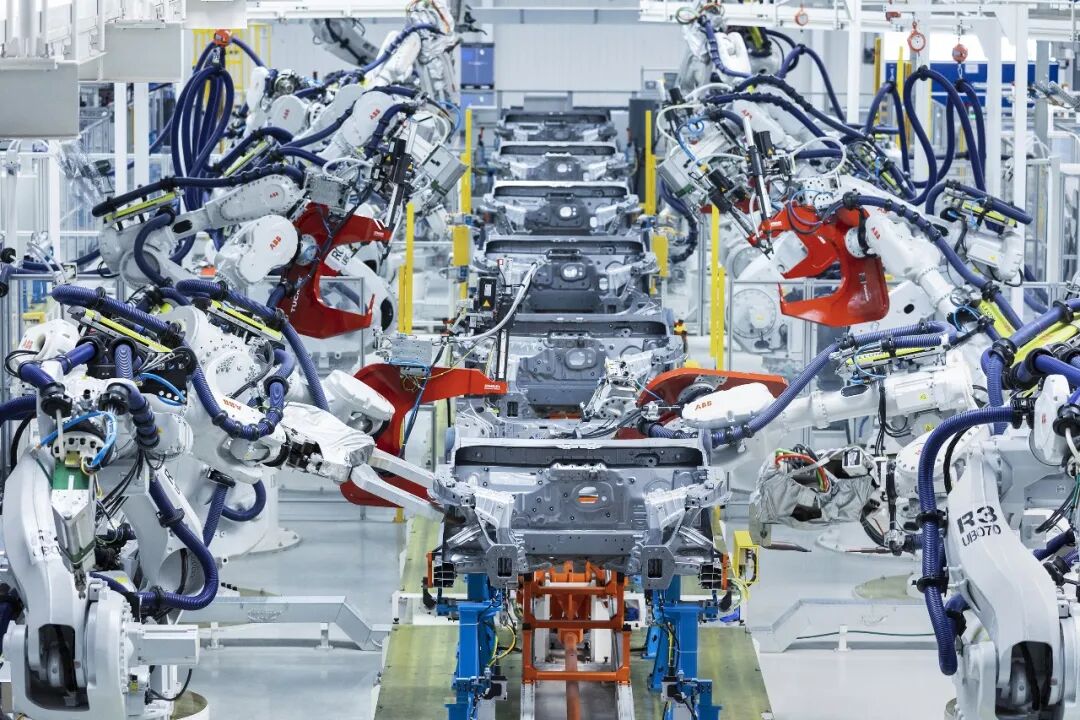
However, some automakers eager to rush to market often compress the number of trial production vehicles to thirty or fifty, just enough to meet the MIIT announcement requirements for photography and basic crash tests. Subtle issues such as body assembly deviations, interior trim clip looseness, and door seal matching defects have no space for batch trial assembly and rectification. The production line simply debugs the basic tooling and commences delivery. This way, nearly half of the time can be saved.
The second process that must be sacrificed is the supplementary verification of long-tail operating conditions for the entire vehicle. In addition to the conventional "two winters and two summers" three-high tests, a mature model often needs to undergo a significant amount of supplementary long-tail operating condition verification and reliability generalization testing before entering the market. For example, long-term stability in specific altitudes, humidity levels, and dusty environments, generalization testing of charging compatibility, and joint testing simulating extreme user usage scenarios.
The entire set of full-domain long-tail verification processes takes about two months to implement within the window period, addressing product logic loopholes under different regions and usage habits. If an automaker's goal is to complete the market launch and delivery within three months after filing, long-tail operating condition verification will inevitably be the first segment to be sacrificed. In this process, they are betting that most consumers will not encounter these extreme usage scenarios and that the vehicle will have no issues.
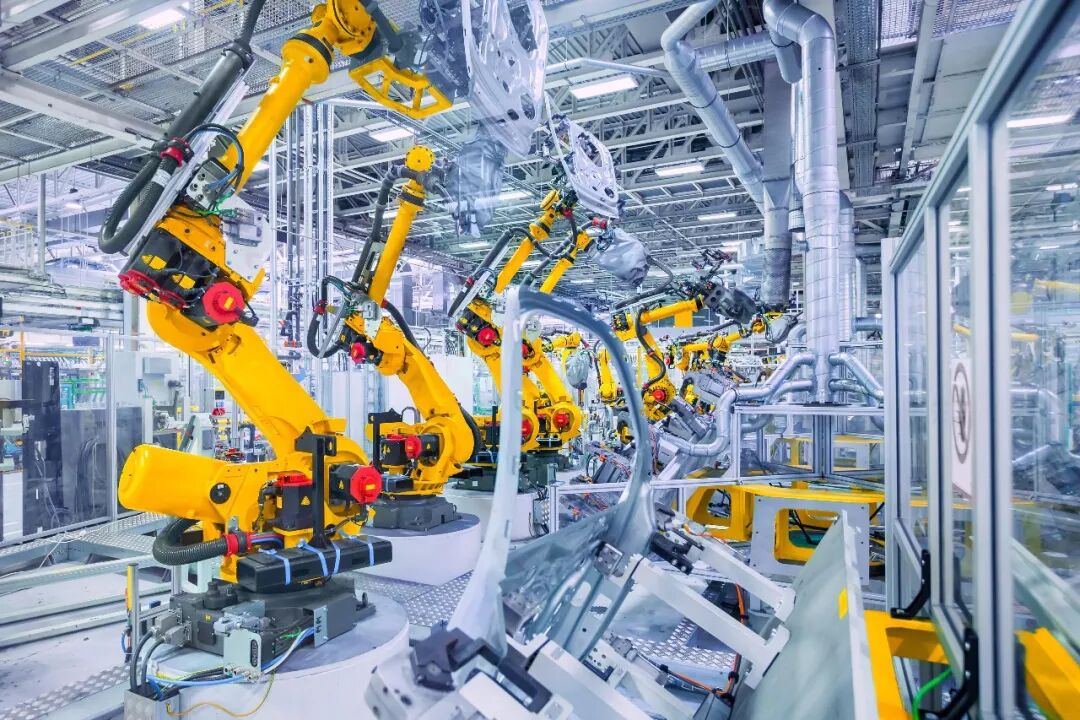
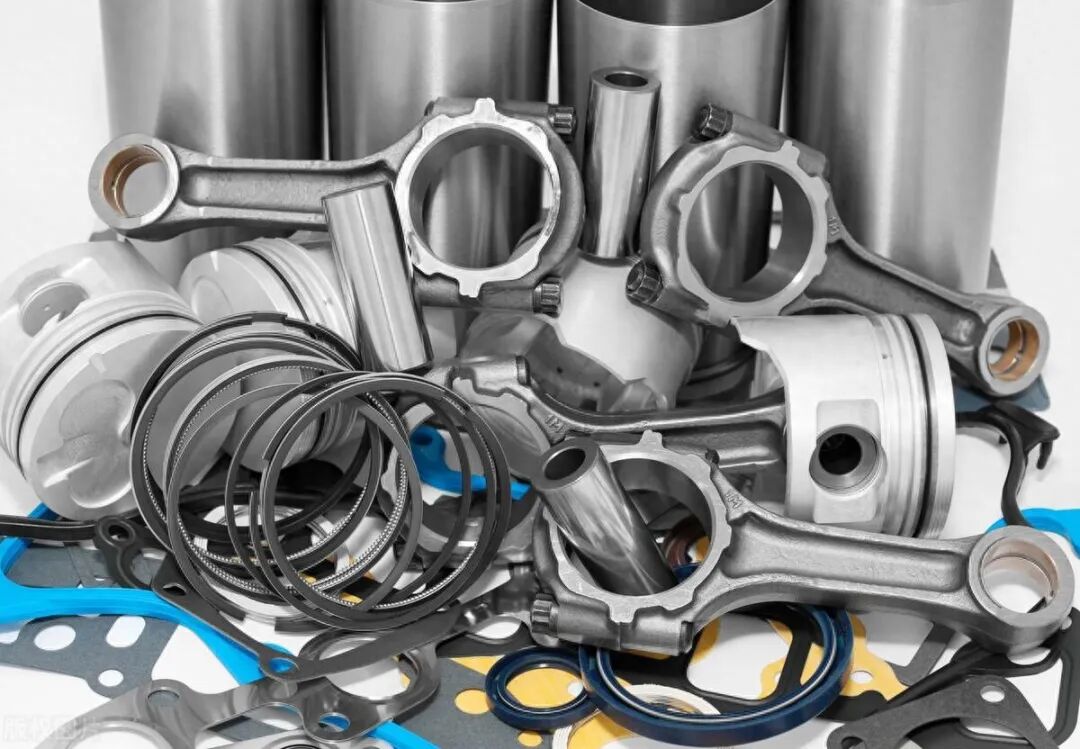
The last process that is extremely likely to be overlooked is the reliability sampling inspection of components. Currently, an open secret in the industry is that before the filing deadline, many engineering prototype vehicles still have interior and exterior trim parts, and even some electronic modules, that are temporarily hand-filled or in a non-mass production state as "prototypes." After the true mass production molded parts are produced, strict reliability sampling inspections should be conducted to verify their quality consistency under large-scale production conditions. However, to a large extent, this process is also cut. Because once components such as plastics and electronic components face the risk of batch failure, new molds must be opened, suppliers must be replaced, and sufficient time must be reserved for the entire sampling inspection process.
After these three processes are compressed or even deleted, what users receive is no longer a product that has undergone a complete engineering closed-loop verification but a semi-finished product with countless engineering open risks. Essentially, automakers are shifting the verification costs and time costs that should have been absorbed internally to the earliest batch of consumers.
2. Curing the Impatience of Rushed Cars: Patience is Key!
Reviewing the domestic passenger vehicle launch data for the first half of this year, about 630 new models were launched domestically from January to June, equivalent to more than three new models being launched every day. Even if we exclude derivative models with annual facelifts, minor color adjustments, and small configuration upgrades from these 630 new models and strictly screen for truly original new models with a completely new native chassis and a reconstructed entire set of three-electric architectures, the number still exceeds 100. To put it into perspective, at the peak of the German automotive industry, about 100 new models were launched in a year; during the peak of Japan's bubble economy, there were only about 40 new models launched in a year.
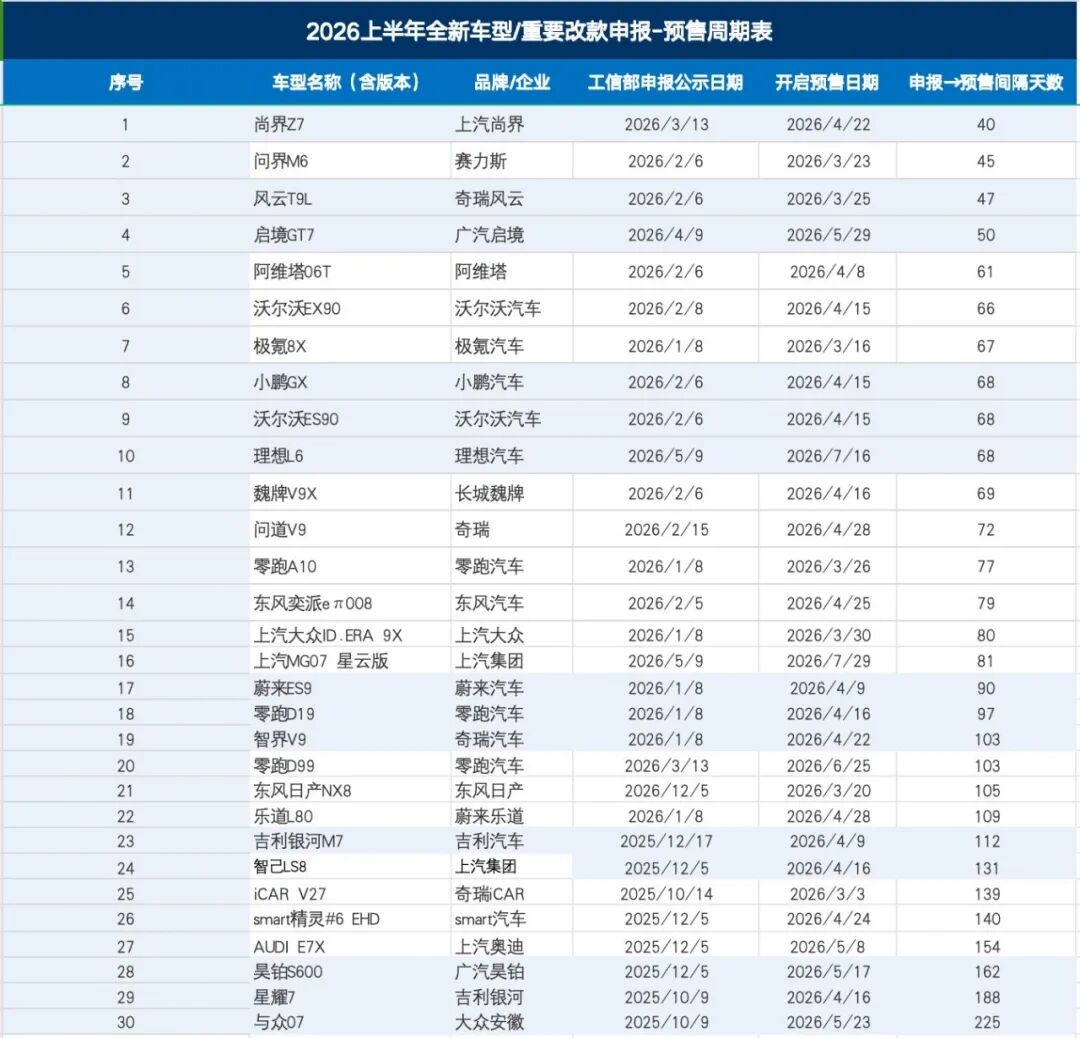
We summarized 30 important models and found that about two-thirds of them had their entire cycle from the MIIT announcement to pre-sale compressed to less than three months, with more concentration among new automotive force brands. The shortest, the Shangjie Z7 series, had only a 40-day window period. Faced with these "new faces" in the market, consumers seem to have a vast array of choices, but in reality, they are extremely likely to step on rushed cars that have not undergone complete refinement.
Today's consumers, when buying a car, are eager to compare configurations, data, and parameters, aiming to find a more suitable and reliable product faster and better. However, the best way for ordinary people to avoid rushed cars is actually to wait.
Because various defects surrounding a rushed car will not be exposed in a single use but over the long-term usage, time is always the most objective yardstick for testing vehicle maturity. Generally speaking, the exposure of new vehicle reliability often follows the "bathtub curve" rule, divided into three stages: early failure period, random failure period, and wear-out failure period:
The early failure period usually corresponds to the first 0-5,000 kilometers or the first three months of a new vehicle, during which assembly-related obvious defects concentrate. Some design flaws, such as inconsistent body gaps, abnormal noises from the dashboard and door panels, and loose chassis over speed bumps, will become apparent before the first maintenance. Domestic new vehicle quality survey data shows that more than 70% of user complaints within 5,000 kilometers are related to assembly process defects, which stem from the increasing reduction of engineering prototype vehicle verification processes today.
The random failure period corresponds to the vehicle traveling around 10,000 kilometers. As usage deepens, "internal injuries" such as various infotainment system crashes, electronic control logic confusion, loose chassis, and abnormal brake noises begin to surface. Early component fatigue and wear issues also start to break through the lower limits of the design thresholds one by one. The wear-out failure period corresponds to the long-term durability verification of the entire vehicle. After three, five, or even longer years of use, hidden risks such as component aging and failure and residual value decline become apparent.
The usage risks of a rushed car often become apparent in the first stage. Especially since inherent process defects have not undergone any closed-loop rectification, and the vehicle is delivered immediately after leaving the production line, assembly problems and process flaws in the early stages of vehicle pickup will inevitably concentrate and break out, with no possibility of long-term concealment.
Therefore, in today's market flooded with rushed cars, instead of blindly following the trend to be the first to launch, compete on parameters, and snatch discounts, the most effective means of discernment for ordinary consumers is precisely to "wait." Wait for three to six months, let the real reputation of the first batch of users settle, and allow those deliberately concealed engineering problems to be fully exposed.
3. Lifan's Bitter Lesson in Car Manufacturing: Rushed Cars Will Eventually Face Consequences!
History never repeats itself, but it often rhymes. The path of rushed cars taken by today's new automotive forces to rush to meet deadlines and gain attention has already been fully traversed by Lifan Automobile in its early car manufacturing days.
As one of the earliest automakers to take the shortcut of converting gasoline vehicles to electric ones, to quickly seize the early new energy subsidies and ride-hailing market dividends, Lifan extremely compressed the entire set of vehicle verification processes. It did not make new optimizations for battery pack placement, vehicle weight distribution, or high-voltage wiring layout. Its early 620EV and 650EV models were all based on the modification of existing gasoline sedan chassis. Skipping the full set of adaptation verifications, it only completed the minimum legally mandatory inspections, with the sole goal of quickly launching and reaping orders.
As a result, the extreme pursuit of speed led to a large-scale quality crisis. The main model, the 650EV, produced a total of 5,000 units, with a single recall covering 3,651 units. The core faults included battery circuit short circuits, charging spontaneous combustion hazards, and batch failures of the transmission. From 2015 to 2018, nearly 10,000 problematic vehicles were delivered solely to Pand Auto, involving funds exceeding 1 billion yuan, and combined with new energy subsidy losses, the total reached 330 million yuan.
The successive large-scale recalls became the final straw that broke Lifan's entire vehicle business. In 2019, Lifan Automobile's annual sales were only 20,000 units, with annual losses in the passenger vehicle segment reaching a staggering 6.3 billion yuan. Combined with 783 million yuan in bad debt compensation to ride-hailing platforms, the company's capital chain completely broke. To this day, although Lifan's traditional gasoline passenger vehicles have been taken over by Geely after bankruptcy restructuring, the main entity has substantially withdrawn from the market.
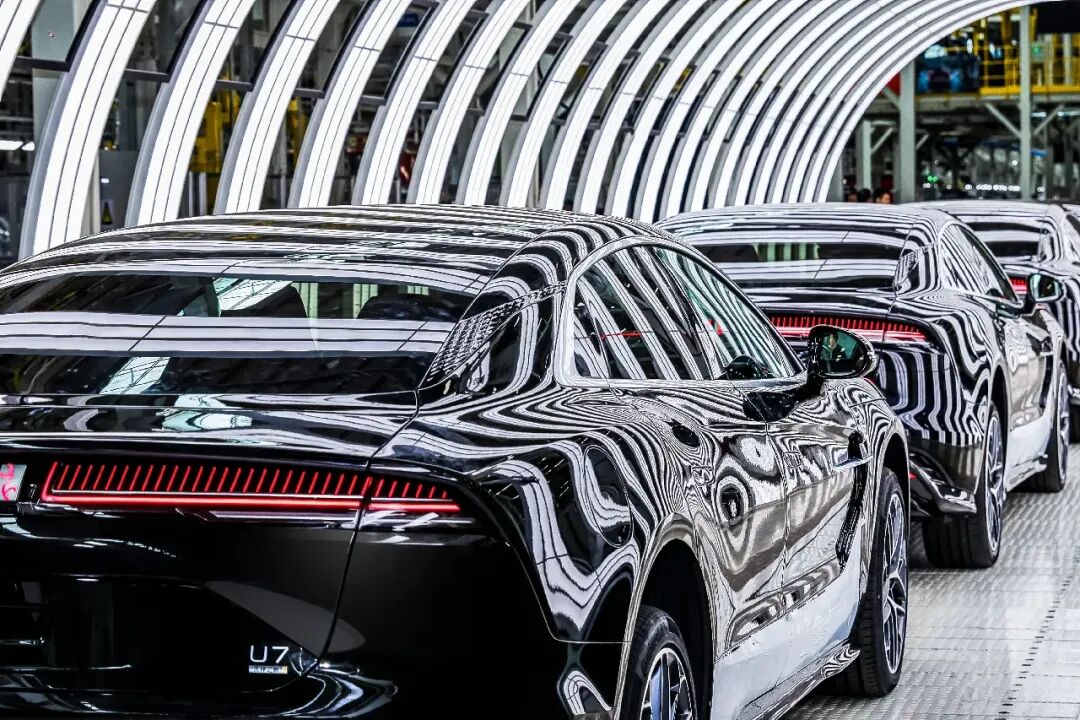
Looking back at the current industry, Lifan compressed the verification cycle for the sake of transformation dividends in the past, and now various automakers are continuously simplifying the entire set of engineering verifications for the sake of the home-use market share and annual performance targets, following a highly similar pattern: reducing small-batch trial production, cutting long-tail operating condition road tests, canceling component aging sampling inspections, and using the first batch of car buyers as free road test samples. Last year alone, the total number of new energy vehicle recalls in China exceeded 2.6 million, with more than half of the faults traceable to the lack of pre-mass production verification processes.
Rapid short-term product launches may inflate quarterly sales figures and create a misleading impression of a new product's popularity, but the underlying risks associated with the product won't simply vanish. The automobile manufacturing sector is a capital-intensive and rigorously regulated industry with long development cycles. The short-term market gains achieved by cutting corners on verification processes will ultimately be shouldered jointly by automakers and consumers. Lifan's downfall is by no means an isolated incident within the industry; rather, it represents the inevitable outcome for all automakers that disregard industry standards and blindly prioritize speed over quality.
End
-
![]()
Strategic Shift in Photoelectric Sensing: Maxvision Secures Controlling Stake in CAS Optotech
-
![]()
Optical Communication and Robot Vision: OFILM’s Bold Transformation Amid a 460 Million Yuan Loss
-
![]()
From 100,000-GPU Computing Might to Industrial Efficiency: The Logic Behind AI4S-Driven Intelligence
-
![]()
OpenAI, Grok, and Meta Release Three Major Models: Who is the King of Cost-Effectiveness?
-
![]()
Momenta’s Backers in the Auto Industry Crave Blockbusters More Than Stock Dividends
-
![]()
China’s AI Computing Power: Embracing a New Organizational Paradigm
-
Same Bloodline, Two Fates: How Two AI Giants Took Divergent Paths?
-
![]()
Combined Market Value Plummets by Nearly One Trillion Yuan: What’s Behind the Decline of Two AI Powerhouses?