Phasing Out Subsidies for Vehicle and Vessel Tax: A Major Step Towards 'Equal Rights for Fuel and Electric Vehicles'
 07/10 2026
 445
445
Lead | Introduction
The preferential policies regarding vehicle and vessel tax for new energy vehicles are set for a significant overhaul. Amid the rapid adoption of new energy vehicles and the consequent decline in traditional road maintenance tax revenues, optimizing the vehicle tax burden-sharing mechanism has become the crux of this policy adjustment.
Published by | This article is produced by | Heyan Yueche Studio
Written by | Article by | Zhang Dachuan
Edited by | Edited | He Zi
Full text: 2,539 characters
Reading time: 4 minutes
The automotive industry welcomes new policies, marking the beginning of 'equal rights for fuel and electric vehicles.'
Recently, the Ministry of Finance, the State Taxation Administration, and the Ministry of Industry and Information Technology jointly issued the 'Announcement on Adjusting Preferential Policies for Vehicle and Vessel Tax on Energy-Efficient and New Energy Vehicles.' The announcement clearly states that starting from January 1, 2027, two vehicle and vessel tax incentives will be abolished: first, the policy of halving the vehicle and vessel tax for energy-efficient vehicles; and second, the policy of exempting vehicle and vessel tax for pure electric commercial vehicles, plug-in (including extended-range) hybrid vehicles, and fuel cell commercial vehicles. Notably, pure electric passenger vehicles and fuel cell passenger vehicles are already exempt from vehicle and vessel tax, so this policy adjustment does not affect these two categories, and they will continue to enjoy tax exemption in the future.
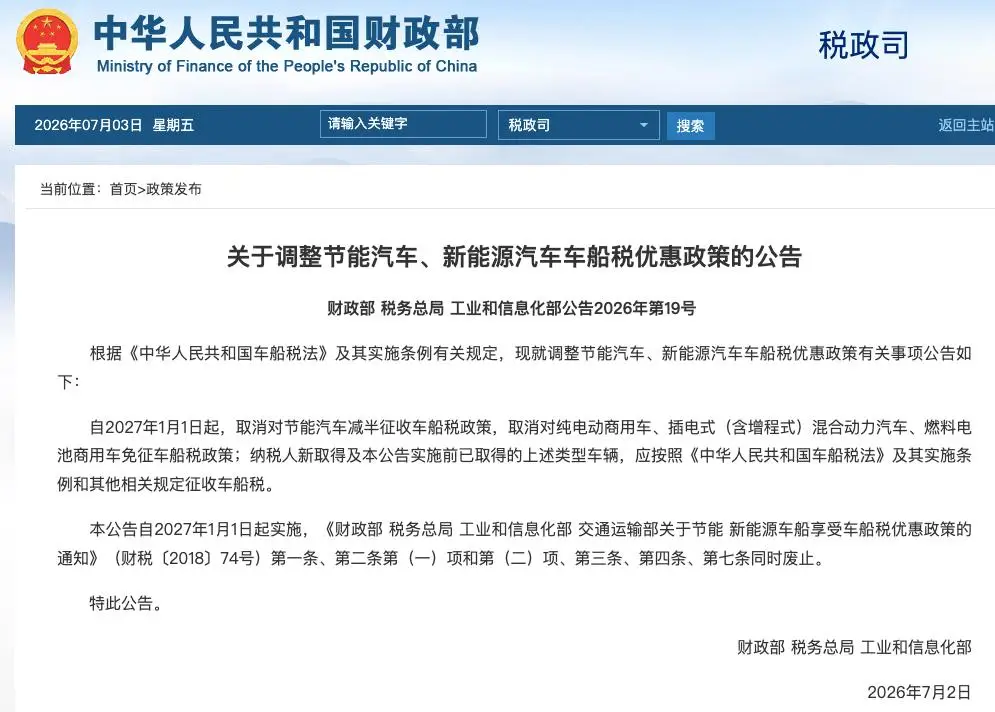
△ Significant adjustments are on the horizon for preferential policies on vehicle and vessel tax.
Impact of vehicle and vessel tax policy adjustments on users
China's preferential policies related to vehicle and vessel tax have been in effect since 2012. That year, to support the development of the energy-efficient and new energy vehicle industry and promote green consumption, multiple departments introduced tax incentive programs: halving the vehicle and vessel tax for energy-efficient vehicles and exempting eligible new energy vehicles from vehicle and vessel tax. Leveraging these supportive policies, the domestic new energy vehicle industry has achieved remarkable growth, with sales surging from approximately 13,000 units that year to 16.49 million units in 2025, and market penetration exceeding half. Now that the industry has matured, abolishing relevant tax incentives and reinstating vehicle and vessel tax collection for corresponding vehicle models can better uphold tax fairness and fully utilize the role of taxes in regulating income distribution.
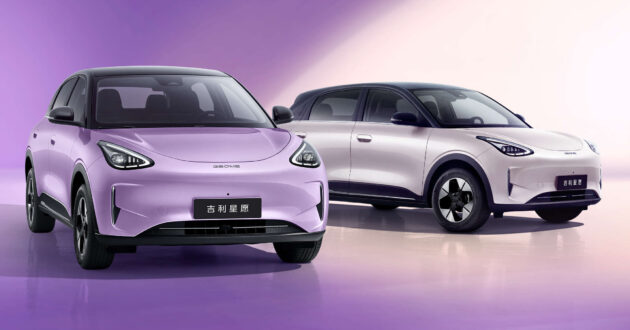
△ Leveraging supportive policies, the domestic new energy vehicle industry has achieved remarkable growth.
How much additional tax will car buyers face after the new regulations take effect?
Vehicle and vessel tax amounts are categorized based on vehicle displacement, with clear differences in the additional tax burdens: 1.5L displacement models will incur an additional 300 to 420 yuan per year, while 2.0L displacement models will see an increase of 360 to 660 yuan in annual taxes. Taking mainstream 1.5L plug-in hybrid passenger vehicles on the market as an example, the annual vehicle and vessel tax standard in Beijing is 420 yuan, while in Shanghai and Guangdong, only 300 yuan needs to be paid annually, with some regional variations in implementation standards.
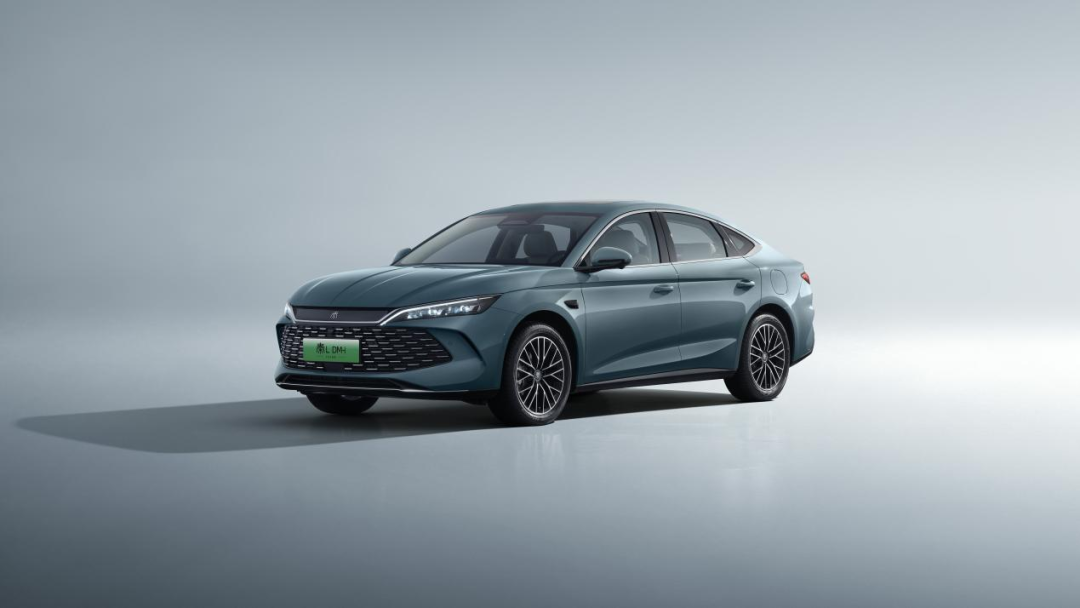
△ Depending on the city, 1.5L displacement models will incur an additional 300 to 420 yuan per year.
It is worth noting that the scope of this policy adjustment covers both new and used vehicles. This new tax regulation applies not only to vehicles purchased from 2027 onwards; previously purchased plug-in hybrid and extended-range hybrid models will also be required to pay the full vehicle and vessel tax according to the new standards starting from January 1, 2027, with no exemptions. However, ordinary consumers need not worry excessively about a significant increase in car purchase costs. Compared to the total annual expenses of vehicle purchase, maintenance, charging, and fuel, the annual increase of several hundred yuan in vehicle and vessel tax has a limited impact. At the same time, the policy clearly states that pure electric and fuel cell passenger vehicles are not subject to taxation, so consumers who choose pure electric models will not incur any additional vehicle and vessel tax expenses.
Impact of vehicle and vessel tax adjustments on different vehicle models
"Discouraging" some low-priced plug-in hybrids. The vehicle and vessel tax calculation standard is based solely on engine displacement and is unrelated to the vehicle's selling price. This rule eliminates tax differences between high- and low-priced hybrid models: the AITO M9 extended-range version, priced at nearly 500,000 yuan, and the BYD Qin PLUS DM-i, priced at less than 80,000 yuan, will be required to pay the same amount of vehicle and vessel tax annually as long as their displacements are the same. Entry-level plug-in hybrid models, which originally relied on low costs and low vehicle tax to establish an advantage, will see their cost benefits directly diluted. Combined with the constraints of new purchase tax regulations, the living space for low-priced plug-in hybrids is further compressed. Currently, plug-in hybrid models enjoying a 50% reduction in purchase tax must meet a mandatory threshold of an equivalent all-electric range of no less than 100 kilometers. To meet this standard, automakers must equip vehicles with larger-capacity batteries, significantly increasing manufacturing costs. The restoration of vehicle and vessel tax collection, coupled with rising battery costs, will erode the cost-effectiveness advantage of low-end plug-in hybrid models, making their market survival environment increasingly severe.
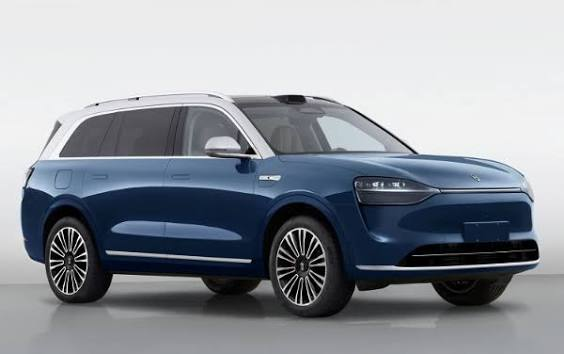
△ Low-priced plug-in hybrid models will bear the brunt.
HEV models, on the other hand, are expected to usher in a new round of development. Although the preferential policy of halving the vehicle and vessel tax for energy-efficient vehicles will also be abolished, compared to plug-in hybrids and extended-range hybrids, this vehicle and vessel tax adjustment has a relatively smaller impact on HEV models and may even divert some market share from plug-in hybrids and other models. Automakers such as Geely, Changan, and GAC have recently concentrated their efforts on the HEV technology track, driven by dual market forces: internally, there is a demand for replacing fuel vehicles among a large number of households without fixed charging conditions; externally, HEV models are suitable for markets with weak overseas infrastructure and can avoid new energy import tariffs in multiple countries, giving them a prominent export advantage. Taking Geely's new-generation i-HEV intelligent dual-engine system as an example, the vehicle's fuel consumption is as low as 3L/100km under WLTC conditions, and its terminal selling price is basically the same as that of gasoline vehicles with the same configuration. For consumers with a budget of around 100,000 yuan and no charging conditions, HEVs do not require external charging, are less affected by the new vehicle and vessel tax policy than plug-in/extended-range hybrid models, and have low daily fuel costs, making them more practical overall.
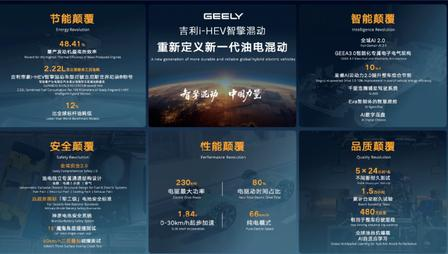
△ HEV models are entering a golden period of development.
Pure electric passenger vehicles are not affected by the policy. This policy adjustment only targets energy-efficient fuel vehicles, plug-in (extended-range) hybrids, and new energy commercial vehicles. Pure electric passenger vehicles and fuel cell passenger vehicles are not legally subject to vehicle and vessel tax, and their tax-exempt arrangements will remain unchanged for the long term, unaffected by the 2027 new regulations. For consumers who have home charging piles and prioritize low vehicle usage costs, pure electric models remain the optimal choice, with no additional annual vehicle and vessel tax expenses of several hundred yuan. Against the backdrop of comprehensive cost increases for plug-in hybrid models, the long-term cost-effectiveness gap of pure electric models will further widen, consolidating their market share in the segmented market.
Clarifying different tax categories
The core focus of promoting 'equal rights for fuel and electric vehicles' in the vehicle sector lies in maintaining the long-term sustainability of the fiscal and taxation system. Wang Qing, Deputy Director of the Institute of Market Economy at the Development Research Center of the State Council, analyzed that current highway maintenance funds mainly rely on refined oil consumption tax support, while plug-in hybrid models consume very little fuel and pure electric vehicles do not require refueling, meaning that these two types of new energy vehicles basically do not contribute to this tax revenue. He estimated that if the market share of new energy vehicles rises to 80% in the future, the existing road maintenance funding system will face a shortfall of about 300 billion yuan and will not be able to operate normally. Therefore, it is necessary to establish a supporting mechanism for new energy vehicles to reasonably share road usage costs. Li Bin, founder and chairman of NIO, even suggested from the perspective of tax reform that for every 20% increase in vehicle weight, the damage to the road surface increases to 2.07 times the original, and policies for vehicle weight control should be introduced accordingly.
△ Vehicle and vessel tax adjustments may provide more funds for road maintenance.
It needs to be clarified that the positioning of vehicle and vessel tax in the fiscal system is fundamentally different from that of special funds for road maintenance. Vehicle and vessel tax is included in the local general public budget for overall management, and current laws do not stipulate that this tax revenue must be used exclusively for road maintenance; the additional vehicle and vessel tax revenue generated by this policy adjustment will also not be allocated specifically to transportation operation and maintenance projects, and local governments can use it for various public welfare expenditures such as transportation infrastructure, education, and healthcare according to their needs. The original intention of establishing vehicle and vessel tax is to regulate the property tax burden on motor vehicles, guide society to choose low-energy-consumption models, and it belongs to a different functional tax category from the vehicle purchase tax and refined oil consumption tax, which are specifically used to ensure road operation and maintenance.
Road construction and daily maintenance have dedicated and stable sources of tax revenue. Among them, the vehicle purchase tax is earmarked for specific purposes and is mainly used for the construction and upgrading of highways; the consumption tax contained in refined oil is the core source of funding for the daily maintenance of existing roads. Even if some local governments allocate a portion of vehicle and vessel tax revenue to supplement transportation construction during budget allocation, it is only part of the local autonomous overall arrangement and is not the legal use of vehicle and vessel tax, and the two cannot be conflated.
Commentary
This adjustment to vehicle and vessel tax is a timely optimization to adapt to the mature development of the new energy industry and address fiscal and taxation imbalances. With the significant increase in the popularity of new energy vehicles and the continuous reduction of traditional fuel maintenance tax revenues, ending inclusive tax incentives and achieving a fair sharing of public costs between fuel and electric vehicles have become an inevitable trend. It is worth noting that subsequent tax reforms will further move towards refinement, improving rules in conjunction with dimensions such as vehicle weight and energy consumption, while balancing vehicle owner tax burdens, ensuring infrastructure funding, and continuously guiding green and low-carbon automobile consumption.
(This article is original to 'Heyan Yueche' and may not be reproduced without authorization.)
-
![]()
Optical Communication and Robot Vision: OFILM’s Bold Transformation Amid a 460 Million Yuan Loss
-
![]()
OpenAI, Grok, and Meta Release Three Major Models: Who is the King of Cost-Effectiveness?
-
![]()
Momenta’s Backers in the Auto Industry Crave Blockbusters More Than Stock Dividends
-
![]()
China’s AI Computing Power: Embracing a New Organizational Paradigm
-
Same Bloodline, Two Fates: How Two AI Giants Took Divergent Paths?
-
![]()
Combined Market Value Plummets by Nearly One Trillion Yuan: What’s Behind the Decline of Two AI Powerhouses?
-
![]()
Detailed Explanation of the Impact of Hikvision Guanlan Coding on Video Quality and Key Frame Quality
-
![]()
The Key Distinctions Between AI-Driven Smart Coding and Traditional Coding