Which Brands Will Be the First to Skip the Next Chengdu Motor Show?
 08/24 2026
 392
392
Over 20 brands are absent from this year's event, opting out of costly exhibitions and product launches... The 2026 Chengdu Motor Show seems to mark the beginning of the motor show's decline.
Meanwhile, price wars and new product battles are intensifying like never before. While the motor show's own heat (popularity) and attention appear to be waning, the real competition is becoming fiercer and more ruthless than ever.
The most notable change at this year's Chengdu Motor Show isn't about which brands are missing, but rather that automakers are finally coming to terms with reality: Spending tens of millions on a motor show is less effective than slashing new car prices by another 10,000 yuan.
What's in Store for Sedans at the Chengdu Motor Show?
If the buzzword for the new energy market in the past two years was 'large five/six-seater SUVs,' this year's Chengdu Motor Show sends a clear message: Sedans are making a comeback.
The reason is straightforward: SUV profit margins have hit rock bottom, while sedans now offer new opportunities for value-for-money.
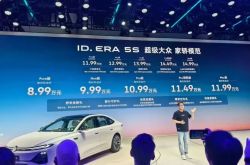
Several popular new models at this Chengdu Motor Show exemplify this trend. For instance, the SAIC Volkswagen ID.ERA 5S, MG07, and BYD Qin MAX are all vying to be 'blockbuster new energy family sedans.' But what's more intriguing isn't the products themselves—it's the complete transformation of the pricing system.
For mid-size new energy sedans, the ID.ERA 5S starts at under 90,000 yuan, even lower than the Qin MAX. In the past, joint-venture brands' biggest challenge in the new energy market was their inability to lower prices. But now, SAIC Volkswagen is competing head-on with domestic brands using the same strategies.
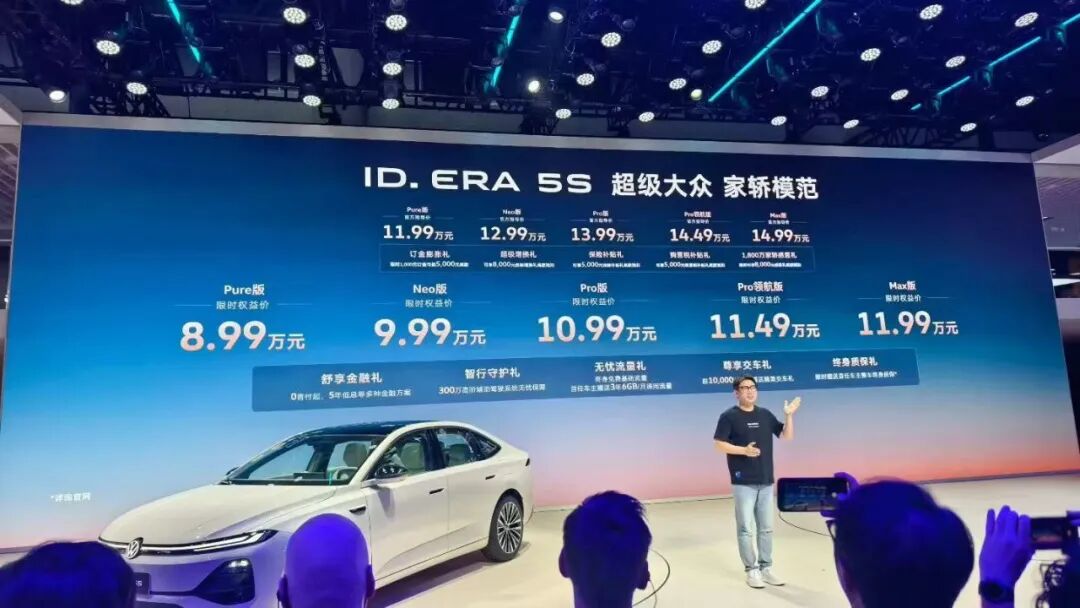
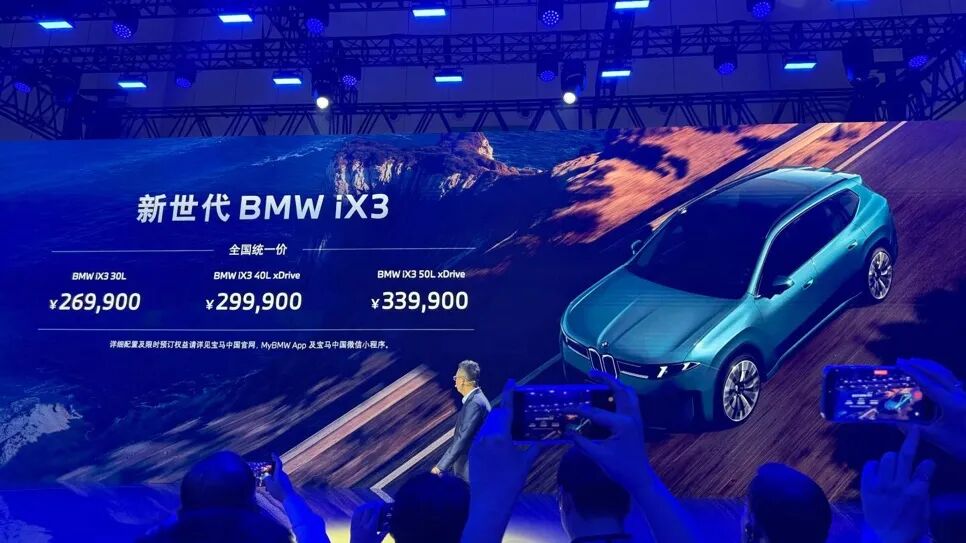
Meanwhile, BYD's flagship sedan in the Dynasty series, the 'Da Han,' starts at 249,900 yuan, just 20,000 yuan less than the BMW iX3's pre-sale price. The harshest reality of the new energy market is that when domestic brands move upmarket, joint-venture and luxury brands must move down.
So at this year's Chengdu Motor Show, the fiercest competition isn't about 'having a fridge, TV, and sofa'—it's about who can offer more features at lower prices. The ID.ERA 5S, MG07, and Qin MAX all share one trait: They're affordable yet well-equipped.
High-end features like advanced driver-assistance systems, large cockpit screens, 800V platforms, and LiDAR—once exclusive to A-class cars—are now rapidly becoming standard. Automakers have realized that the real competitive logic for new energy sedans isn't about leading in specs, but making users feel like they've gotten a great deal.
At the same time, another group of popular sedans is directly challenging the Model 3 and Xiaomi SU7.
Models like the Geely Galaxy TT, IM L6, BYD Da Han, and Buick Zhijing L7 are essentially all following the same playbook: Replicating Xiaomi's success formula.
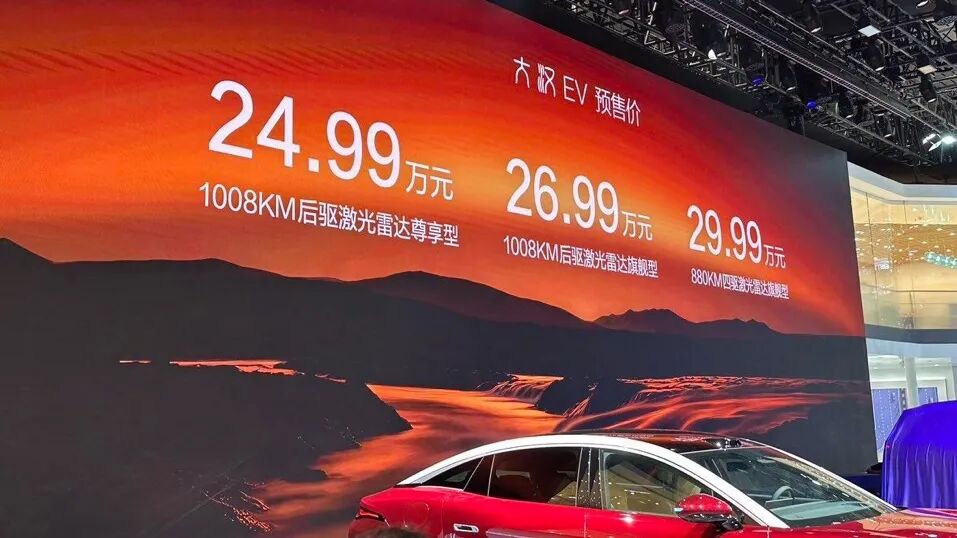
The core formula is clear: Competitive pricing and features + emotional value. Lower profiles, bolder colors, more refined interiors, smarter cockpits emphasizing interactivity—even launch event scripts are becoming more youthful. Because automakers finally realize that many new energy sedan buyers aren't just looking for practicality. They care about aesthetics, community, and brand identity. And that's precisely why sedans are making a resurgence.
So at this year's Chengdu Motor Show, the most worth-watching models are actually sedans.

Traditional SUV Strategies Are No Longer Effective
While sedans regain momentum, the SUV market is shifting towards 'boxy' designs.
This trend is particularly evident at this year's Chengdu Motor Show. Heavyweight new models like the Titan 7, Xiangjie G9, Shenxing 8, and Mengshi X700 all carry clear 'premium new energy boxy' labels.
More critically, these products aren't just generating buzz—they're actually selling.
According to current data, the Xiangjie G9 received over 3,100 orders within an hour of its launch. The Shenxing 8 surpassed 10,000 pre-orders in just 48 hours.
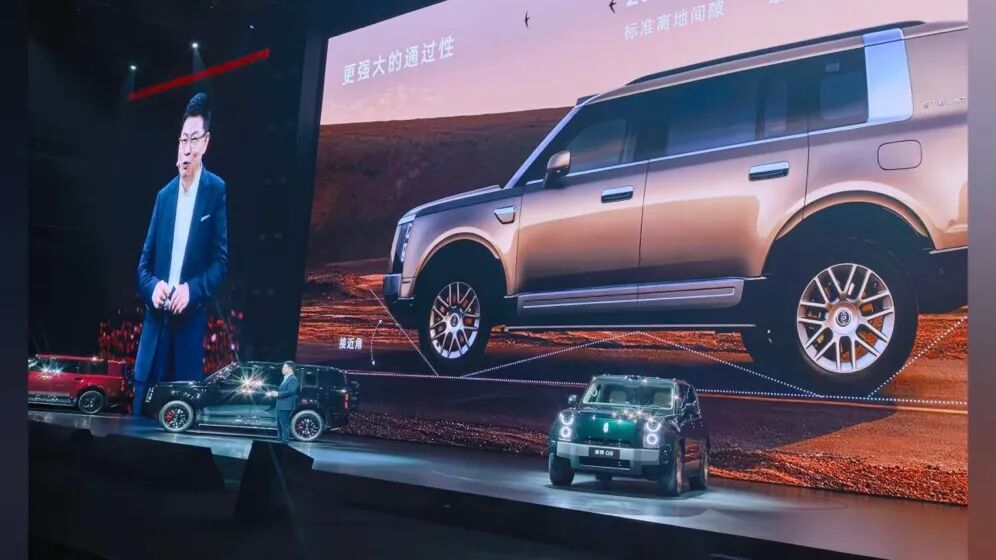
Notably, some Xiangjie G9 orders even came from potential Aito M9 buyers. This reflects a shift in high-end SUV consumer logic.
In recent years, the surge in large six-seater SUVs was driven by family users' upgrade demands. Spaciousness, high specs, and comfort became industry standards.
But the problem is that when every brand offers 'big sofas + fridges and TVs,' products quickly become homogeneous. Consumers realize that the gap between a 400,000 yuan car and a 300,000 yuan car isn't as significant as expected.
So new demands emerge. Users now want their cars to be not just 'well-rounded' but also 'personalized.'
And boxy designs hit that sweet spot.
Today's new energy boxy models aren't just 'niche toys' for off-road enthusiasts. They're becoming fully urbanized.
Comfortable suspensions, air springs, advanced driver-assistance, smart cockpits, zero-gravity seats, and rear entertainment screens—features once exclusive to urban SUVs—are now standard in premium boxy models.
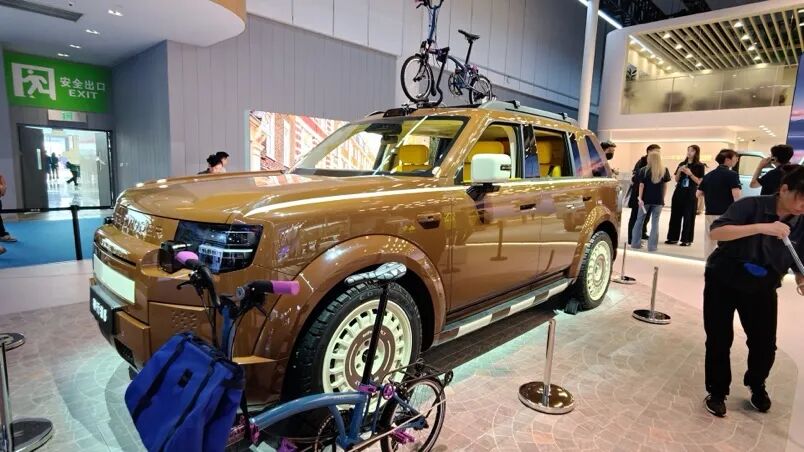
In a way, they're urban SUVs with extras. They retain SUVs' spaciousness and comfort while adding emotional value, outdoor appeal, and personality. That's why premium new energy boxy models are growing so rapidly this year.
More critically, the new energy era has lowered the barrier to entry for boxy models. Traditional off-road vehicles suffered from high fuel consumption, fatigue, and poor comfort. But electric drivetrains are quieter and smoother, making boxy models more suitable for daily commuting. Many users now buy boxy models not for off-roading, but for the option to off-road when needed. This means boxy models are shifting from niche to mainstream—a direct threat to traditional urban SUVs.
Especially for brands still building SUVs with traditional logic, times are getting tougher. Consumers now demand distinct personalities, not just 'no weaknesses.'
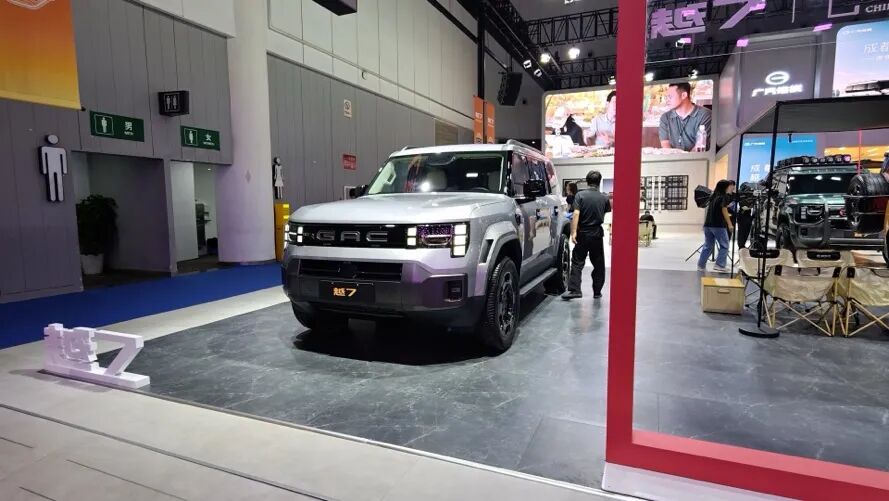
That's why the Shenxing 8 could become a potential rival to the Xiangjie G9. Though positioned differently, they're competing for the same group of mid-to-high-end family users.
More realistically, boxy models offer higher profit margins than regular family SUVs. So expect more automakers to enter this segment.
Meanwhile, traditional large five-seater and six-seater SUVs are entering their twilight years. Their core advantages—space, comfort, family appeal—are being rapidly absorbed by new energy boxy models. But boxy models' personalization, emotional value, and outdoor appeal are hard for traditional SUVs to replicate.
As more users think, 'Why not just buy a more personalized boxy model?' traditional SUVs' market base will continue to shrink.
Final Thoughts
Besides luxury brands like Porsche, Bentley, and Rolls-Royce continuing to skip the Chengdu Motor Show, some mainstream joint-venture brands are also exiting. Brands like Dongfeng Honda and Nissan didn't participate this year. For Nissan, this marks its first absence in recent years. The issue isn't just budget constraints.
Skipping launches, shrinking booths, and reduced marketing efforts are all consequences of sales pressure. As the industry enters a knockout phase, automakers focus more on ROI. Selling cars matters more than showing face.
Given market trends, new brands will likely skip next year's Chengdu Motor Show. Those still betting on extended-range and plug-in hybrids while lagging in pure electric transitions; those lacking technical advantages in three-electric systems and struggling to reduce energy consumption. Especially after products like the BMW iX3 slash prices, brands relying on brand premiums will face immense pressure. Finally, those unable to lower prices will become disconnected from the market.
By next year, their problem won't be 'whether to attend the Chengdu Motor Show'—but whether they'll still be in the game.
-
AI's Moment of Truth: When 'Burning Cash' Starts to 'Pay Back'
-
![]()
Harmony Intelligent Mobility Alliance Advances Further in the Automotive Realm
-
Lianbo Shares: Core Product Quantities Up, Prices Down; Capacity Utilization Dips Yearly, R&D Investment Lags Behind Peers
-
![]()
The Vala Pro, Based on the Pure Electric Ruisheng Ace M7 and Priced at 268,000 Yuan—Is It a Worthwhile Purchase?
-
![]()
Which Brands Will Be the First to Skip the Next Chengdu Motor Show?
-
![]()
Walmart: Steady Performance Marred by Overvaluation Concerns
-
![]()
Can Domestic Autos Still Hold Their Own Against Joint Venture Brands?
-
![]()
Domestic Cars Priced Above 300,000 Yuan Are Gaining Ground in Chengdu