500 Yuan Cheaper, Triple the Sales? OSTA Xingmang's Debut—What Is Huawei Really Aiming For?
 11/23 2026
 571
"Different," not "cheaper."
On November 20, 2026, the long-teased OSTA Xingmang finally unveiled its first phone—the OSTA O1 Pro. Notably, the OSTA Xingmang brand itself marks Huawei's first "secondary brand" since Honor became independent in 2020. With an all-new brand logo, hardware sharing the same DNA as the Pura X View, and excellent build quality, these details make it clear that Huawei attaches great importance to the OSTA O1 Pro.
The catch, however, is that the "heavyweight" nature of this launch extends beyond the OSTA Xingmang's hardware specs and software experience to the price tag of the OSTA O1 Pro: it comes in four storage configurations, with the 12+256GB version carrying a launch price of 5,499 yuan (original price 5,699 yuan).
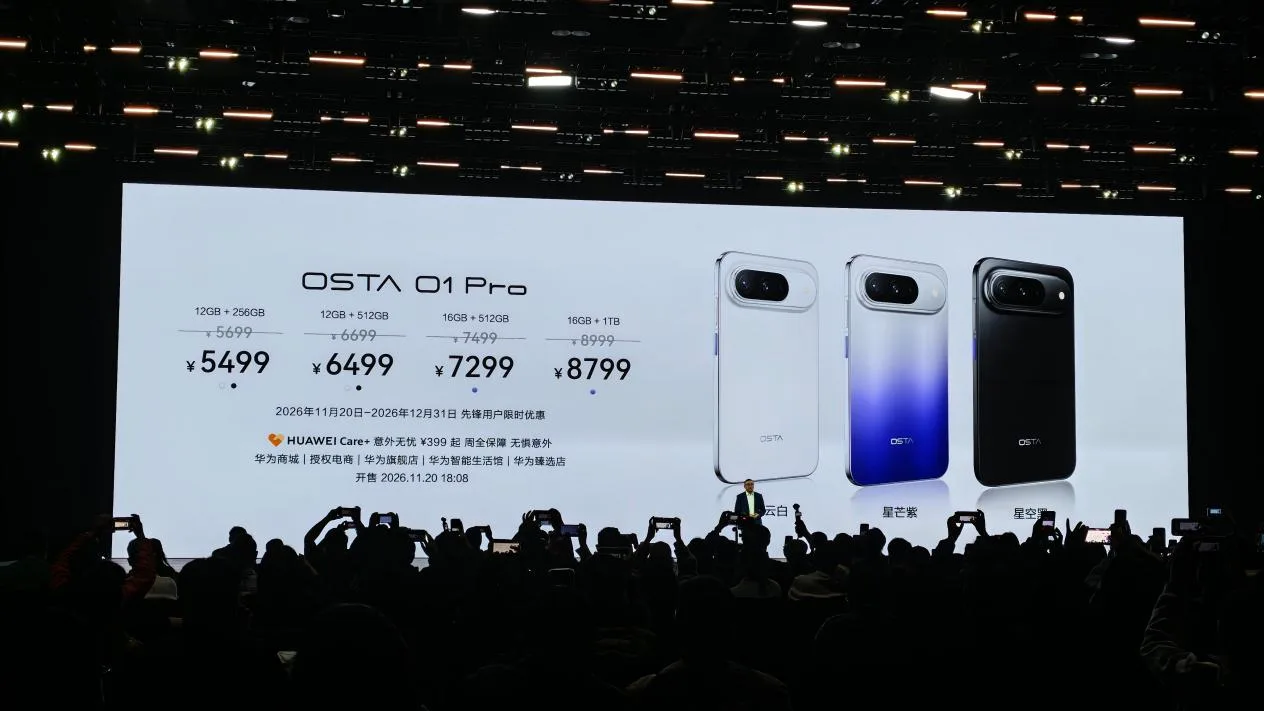
Image source: Leikeji
Of course, Leikeji (ID: Leikeji) is not suggesting that the OSTA Xingmang doesn't deserve a premium price. It's just that before the OSTA O1 Pro launched, everyone assumed OSTA Xingmang would be positioned "above Nova and below Pura," targeting the 3,000–4,000 yuan segment to fill the gap between Huawei's Nova series and the Pura numbered series, thereby strengthening Huawei's foothold in the "internet market." Almost no one expected OSTA Xingmang's first product to go head-to-head with the Huawei Pura X View.
Unsurprisingly, the OSTA O1 Pro's positioning and pricing sparked considerable discussion online, with one Weibo user even remarking that "500 yuan cheaper, sales would triple." Eventually, in response to netizens' questions, Xingmang brand general manager Liu He addressed the issue from the brand's perspective:
Ultimately, it comes down to whether Xingmang should be cheaper or whether Xingmang should innovate. We choose innovation first, and that's how it is...
A "different" new brand, not a "cheaper" one
In Leikeji's view, Liu He's answer actually addresses more than just the OSTA Xingmang's pricing. After all, judging from the phone industry's development over the past decades, "cheap" and "innovative" are not strictly mutually exclusive, and many products combining both qualities have appeared on the market. Leikeji believes the gap between OSTA Xingmang's pricing and netizens' expectations essentially reflects a gap in both sides' understanding of the Xingmang brand's positioning.
First, from a hardware standpoint, the OSTA O1 Pro and the Huawei Pura X View share nearly identical core "three major components": both use the Kirin 9030S platform, feature a 6.39-inch 16:9.5 1.5K wide flat display, and share the same technology base.
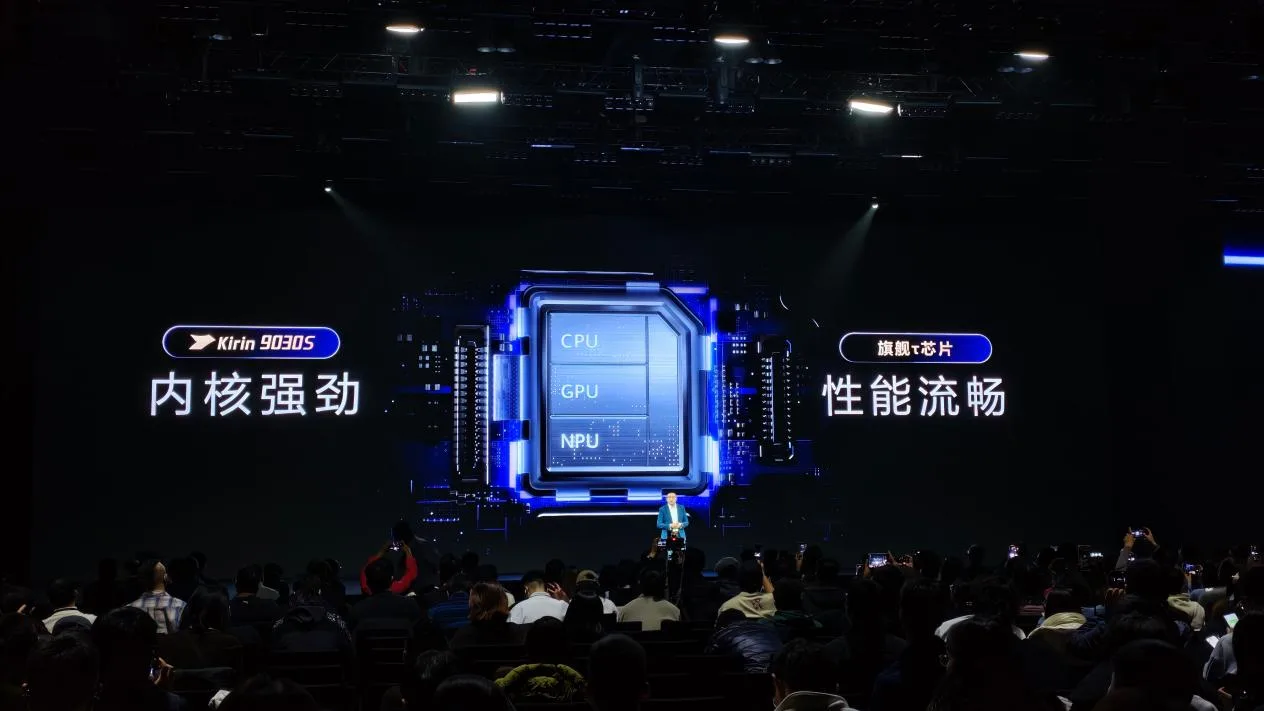
Image source: Leikeji
The biggest difference between the two is that the O1 Pro dropped the ultra-wide-angle camera in exchange for a 16GB memory version that the Pura X View doesn't offer. Precisely because the two share highly similar hardware configurations, Leikeji believes there is no strict hierarchical high-low relationship between the OSTA O1 Pro and the Huawei Pura X View—unlike the dynamic between the iPhone Pro series and the numbered series.
Now let's look at the software experience. Compared with the highly "similar" hardware, the software experiences of the OSTA O1 Pro and the Pura X View could be described as "worlds apart": although the latter has added many interesting and practical AI features under HarmonyOS, it remains essentially a smartphone; the OSTA O1 Pro, by contrast—like the Step Intelligence that Leikeji reported on some time ago—places AI interaction on equal footing with the phone's own system interaction, embodying a strong sense of "one set of hardware, two approaches."
From this "one set of hardware, two approaches" model, we can easily draw a new conclusion: for OSTA Xingmang, Huawei does not want to make it a "cheaper" Pura, but rather a "different" Huawei. Or, more directly, Huawei wants to use OSTA Xingmang to pursue explorations that are inconvenient for the Pura and Mate series to undertake—such as an "all-AI phone."
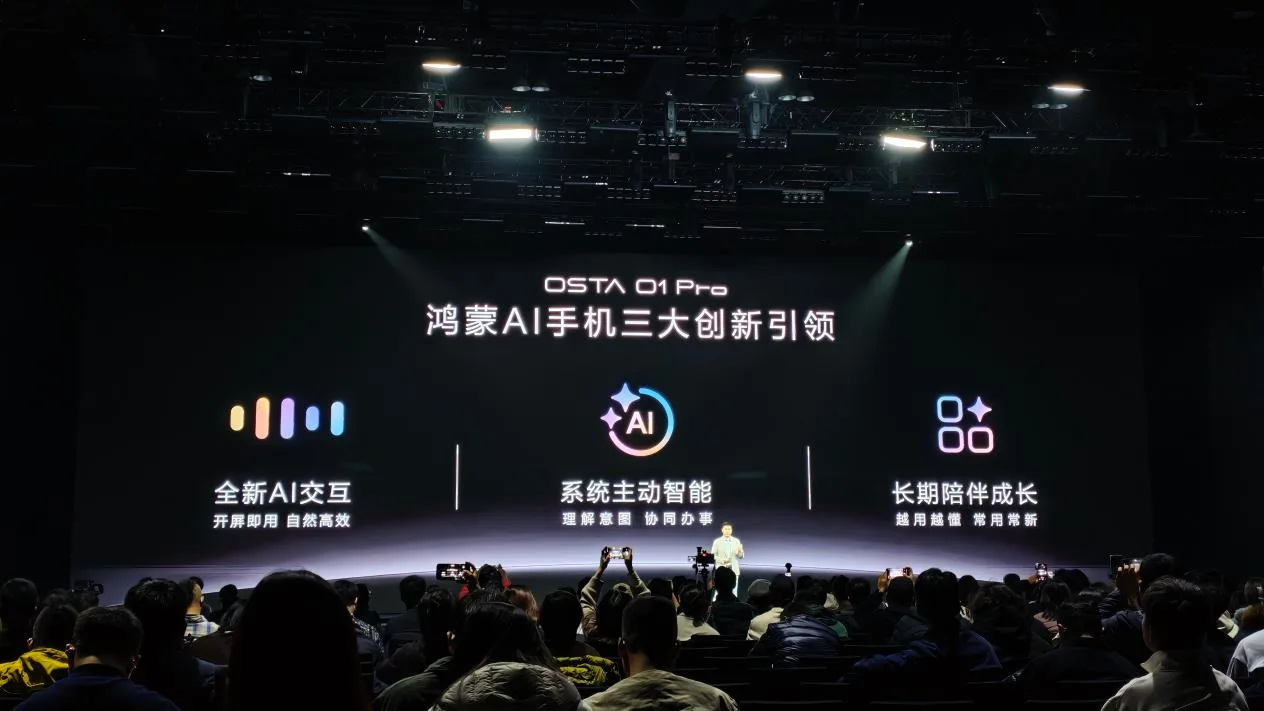
Image source: Leikeji
After all, after years of brand building, Huawei has inevitably become associated with keywords such as "steady" and "business." Even though in recent years Huawei has collaborated with celebrities such as Jackson Yee, Yao Anna, and Wang Anyu on the Pura series, while actively adjusting the phone's design language and using bolder colors and younger marketing strategies to attract younger audiences, it remains difficult to break the stereotype of Huawei as a high-end, business-oriented, mature brand.
In this situation, rather than using the Mate and Pura series to explore AI interaction and "dilute" the positioning of Mate and Pura as "high-end business flagships" in the global phone market, it makes more sense to "open a new secondary brand" and leverage hardware sharing the same DNA as the Pura to expand horizontally beyond "Nova/Pura/Mate": shared hardware can lower OSTA Xingmang's early hardware costs, allowing Xingmang to focus its efforts on AI interaction, while flagship configurations can also provide a stable and reliable "performance foundation" for OSTA Xingmang's AI capabilities.
For this reason, in Leikeji's view, Huawei's horizontal expansion of the OSTA Xingmang brand based on the Pura series' hardware foundation transforms the vertical hardware system of "Nova/Pura/Mate" into a "cross-shaped" hardware system of "Nova/Pura–OSTA/Mate." Compared with adding another tier between Nova and Pura, this approach is actually more meaningful for Huawei's strategic positioning in the AI era.
Can OSTA Xingmang replicate the FreeClip playbook?
That said, although the Pura X View's hardware foundation gives the OSTA O1 Pro a good start, Leikeji believes that the "new venture" approach cannot solve the problems currently facing the OSTA O1 Pro.
When responding to Weibo netizens' comments, Liu He mentioned a product that was likewise heavily questioned over its price when it first appeared—the Huawei FreeClip open-ear clip-on earphones.
Anyone familiar with the open-ear clip-on earphone market should know this product well: similar to how AirPods redefined TWS, although the FreeClip was not the pioneer of the clip-on or open-ear earphone category, its exceptionally outstanding product experience enabled it to successfully occupy the high-end clip-on earphone segment despite lacking a price advantage, while also elevating the clip-on earphone category to an entirely new level.
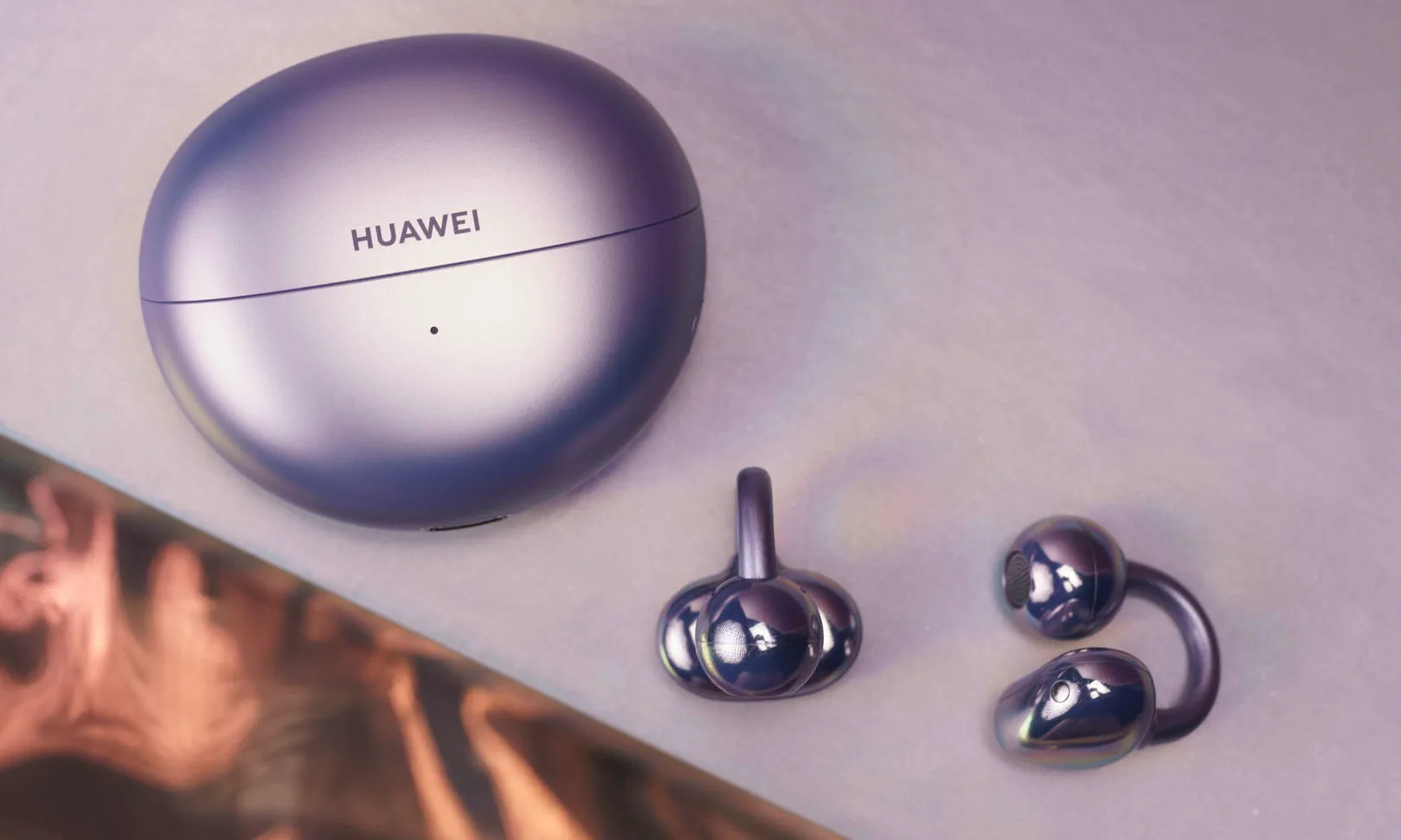
Image source: Leikeji
But can OSTA Xingmang really follow the FreeClip playbook and carve out its own space in a price segment that almost overlaps with the Pura? Leikeji thinks not necessarily.
Looking back at how the FreeClip broke out, Leikeji believes the earphone's success cannot be separated from the market conditions for clip-on earphones at the time. In December 2023, the clip-on earphone market was still underdeveloped: it was flooded with "makeweight" products that borrowed hardware ideas from ordinary TWS earphones or even directly reused components, and the high-end clip-on earphone market itself was vacant.
At the product level, whether in sound perception, wearing comfort, design, build quality, or connection stability, the FreeClip left the mainstream products of the time far behind. From a certain perspective, it wasn't that Huawei "created" the high-end clip-on earphone market, but that Huawei discovered this demand and responded to it with a product.
But in the AI phone segment, the market already offers very rich choices: mainstream phone brands have already completed underlying adaptation of AI Agent capabilities, and even Apple took its first step toward "mainland China AI" in November 2026. Even for so-called AI Agent phones, there are already many "pioneers" on the market.
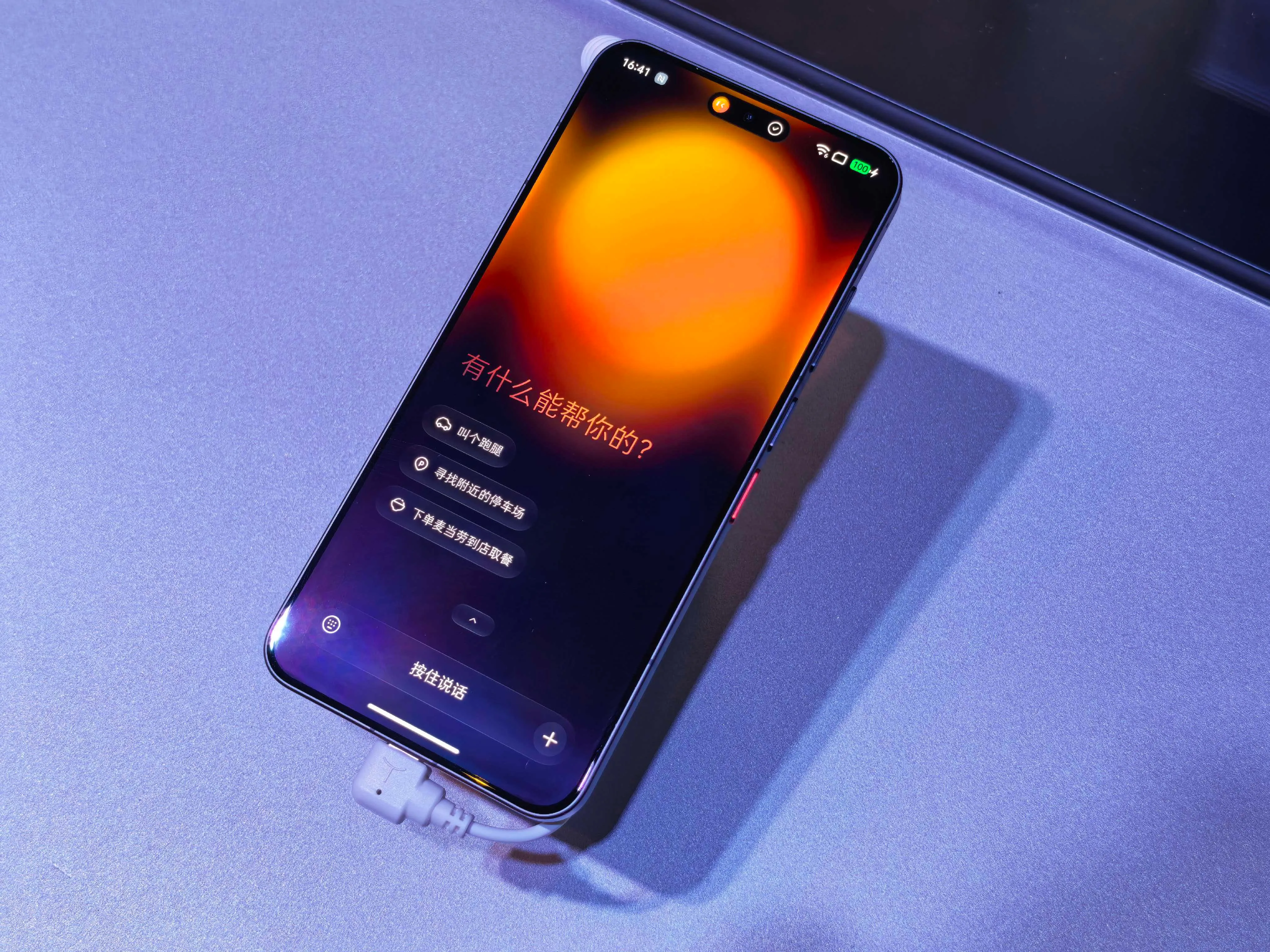
Image source: Leikeji
In this "next-generation" battle over AI phones, although OSTA Xingmang is not "lagging behind," it definitely does not have the absolute advantage of standing out the way the FreeClip did. With everyone at the same starting line, OSTA Xingmang's choice of "innovative" over "cheap" indeed requires a certain amount of courage.
Is OSTA Xingmang the key player in popularizing the wide flat-screen category?
Looking back at the wide flat-screen phone market, after the Pura X View achieved great success, many phone brands at home and abroad began exploring the wide flat-screen form factor, and some brands' products will even launch in 2027. For the OSTA O1 Pro and OSTA Xingmang, this is indeed a good opportunity to exploit a time gap.
However, to take a step back, Leikeji just discussed the predicament of the wide flat-screen "niche product" a few days ago as a "wide flat-screen user": compared with regular phones, the value of wide flat-screen phones is fully reflected in the larger display area and better input experience brought by "horizontal expansion."
On the positive side, as long as people still need to type on phones and watch 16:9 videos, the survival space for wide flat-screens will continue to exist. But the bad news is that under the impact of AI interaction and short videos, these two "survival factors" for wide flat-screens are not truly "iron rice bowls."
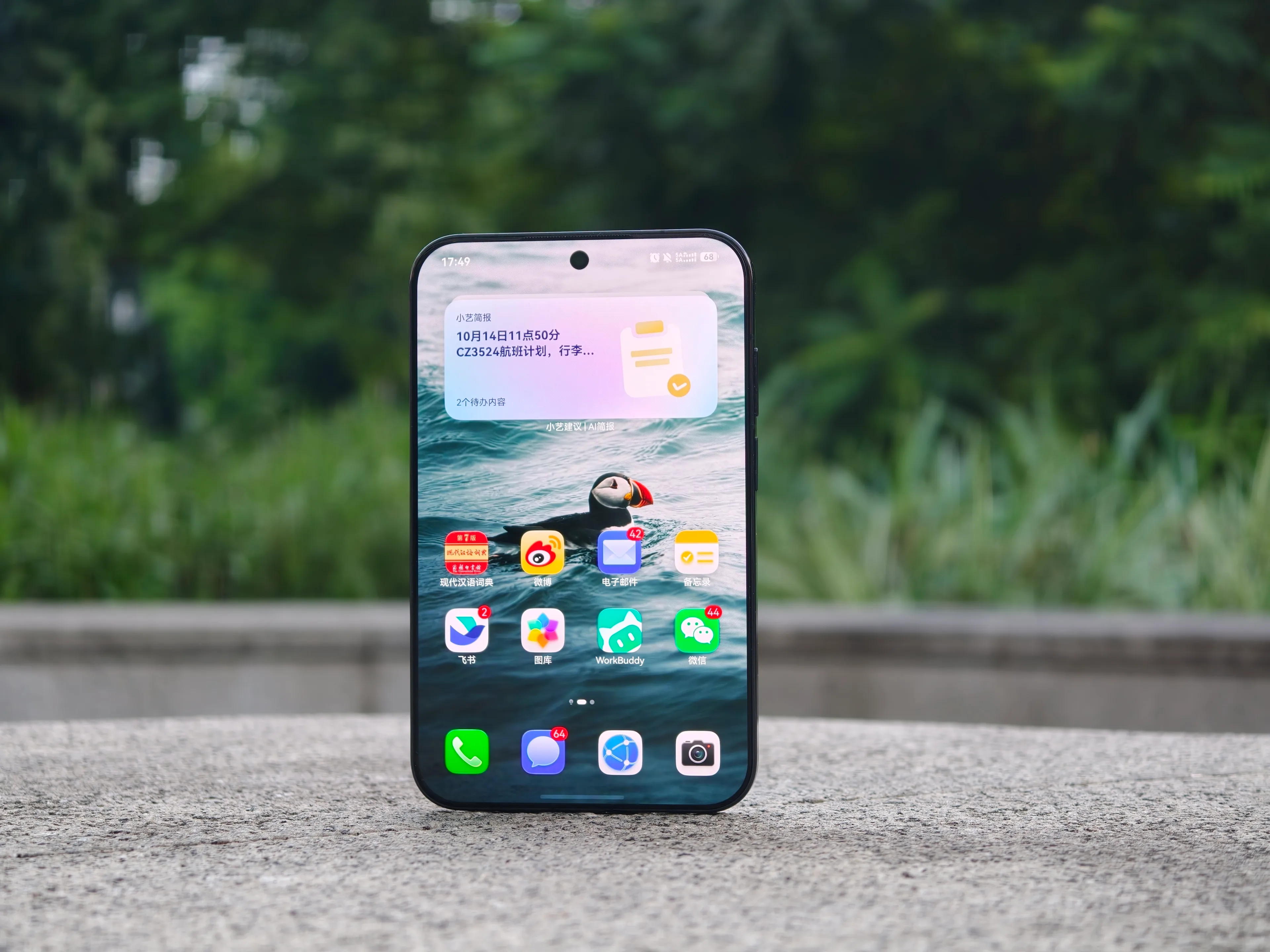
Image source: Leikeji
In Leikeji's view, rather than saying that OSTA Xingmang is using the "scarcity" of wide flat-screen hardware to accelerate its own brand development, it would be better to say that wide flat-screens need OSTA Xingmang's AI capabilities as a springboard to explore the future of wide flat-screens in the AI era.
What is certain is that, as a "different" Huawei, OSTA Xingmang cannot focus solely on the wide flat-screen segment. In the future, it will inevitably expand its product forms based on other Huawei phones, thereby covering a larger user group. As long as the AI phone market still exists, there is no need to worry about OSTA Xingmang's development prospects.
But the time left for wide flat-screens is not much: the follow-up by Android brands on the wide flat-screen form factor in 2027 will inevitably quickly "overcrowd" this niche segment. And after the "carnival," whether it can seize the transformation opportunity of AI phones will directly determine the "life or death" of this niche wide flat-screen segment.
As Huawei's new "secondary brand," OSTA Xingmang's future will not stop at the OSTA O1 Pro. But in the rapidly changing AI era, can OSTA Xingmang—which chose "innovative" over "cheap"—carry Huawei's banner in the AI phone era the way Pura and Mate have? I believe that after wide flat-screens "emerge" in 2027, we will be able to see the answer.
Source: Leikeji
Images in this article are from: 123RF licensed image library Source: Leikeji
-
Overseas Revenue Tops 60%: What Is Driving TCL's Global Growth?
-
![]()
500 Yuan Cheaper, Triple the Sales? OSTA Xingmang's Debut—What Is Huawei Really Aiming For?
-
Are Wait-and-See Buyers Missing Out Big? Apple to Launch iPhone 18, 18e, and Air 2 Next Spring
-
![]()
"Cost Killer" Battles Rising Parts Prices: Leapmotor Q3 Revenue Hits 31.7 Billion Yuan, Profit at 40 Million Yuan
-
![]()
Guangdong Leads by a Wide Margin, Shanghai Dominates Finance, Beijing Giants Take the Lead
-
Industry | Space Cloud Industrialization Milestones Unveiled in Quick Succession as China's Space Computing Power Ecosystem Extends Across the Entire Value Chain
-
Alibaba.com's Next Stop: More Than Just Selling Goods
-
China's Smart Driving Crosses Germany's Threshold