Can Zotye Make a Comeback with Its New Car?
 09/14 2026
 537
537
Lead
Zotye Automobile, silent for years, is attempting a return to the automotive market. However, today's Chinese automotive market is vastly different from the one in which Zotye rose to prominence. Faced with industry overcapacity, price wars, and a shakeout, can Zotye make a comeback? Can the industry still accommodate Zotye?
This article is produced by Heyan Yueche Studio
Written by Zhang Dachuan
Edited by He Zi
Full text: 2,754 characters
Reading time: 4 minutes
Recently, Zotye Automobile announced that its new A0-class model, the Wink Y01, has completed its styling freeze and officially entered the batch trial production stage. According to the plan, Zotye hopes to achieve mass production and launch of this model by 2026.
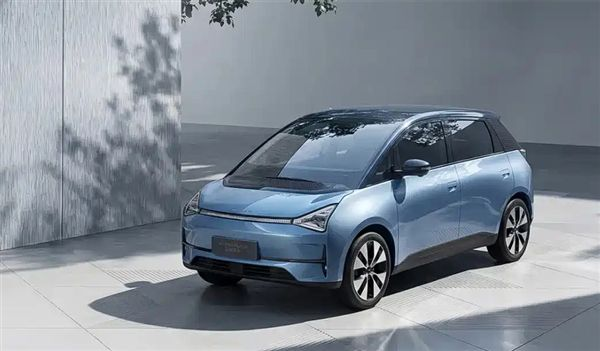
△ Zotye Automobile announces that its new A0-class model, the Wink Y01, has completed its styling freeze
Notably, to shed its past market image as the "measuring tape department," Zotye has repeatedly emphasized in its promotions that the Wink Y01 is a "completely self-developed" model, attempting to re-establish market recognition of its independent R&D capabilities. Zotye Automobile, once a prominent player in the Chinese automotive market, is now signaling its return. However, for the Chinese automotive market, which has undergone profound changes, launching a new model is just the beginning. Whether Zotye can truly achieve a revival still faces significant challenges.
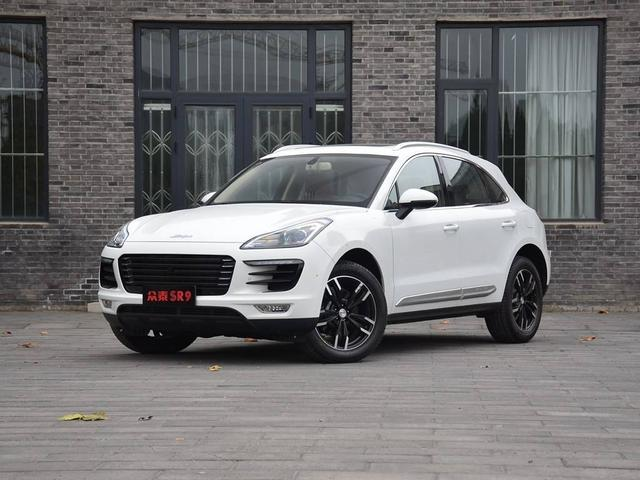
△ To shed its past market image as the "measuring tape department," Zotye repeatedly emphasizes that the Wink Y01 is a "completely self-developed" model
Can Zotye Turn Things Around with a New Model?
The Wink Y01 has a body size of 3912×1745×1545mm and a wheelbase of 2520mm, with overall dimensions falling between those of the BYD Seagull and Dolphin. As an A0-class BEV, while the barriers to entry for new energy vehicle manufacturing have significantly decreased compared to the traditional fuel vehicle era, it will not be easy for Zotye to achieve significant sales with this model.
A0-class BEVs are becoming one of the fastest-growing and most fiercely competitive segments in China's new energy vehicle market. As consumer demands for space, range, safety, and intelligent configurations continue to rise, A0-class models are gradually replacing some traditional A00-class products, becoming important choices for urban commuting and as a second family vehicle. Currently, models such as the Seagull, Stellar, and Wuling Binguo, backed by large automakers like BYD, Geely, and SAIC, have already secured dominant positions in this market. Mainstream product prices generally fall within the 60,000–100,000 yuan range, with some models even dipping below 60,000 yuan. More importantly, competition in this market is no longer simply about "low price + range" but has gradually shifted toward a comprehensive competition involving space, intelligent cockpits, advanced driving assistance, configurations, design, and overall product strength.
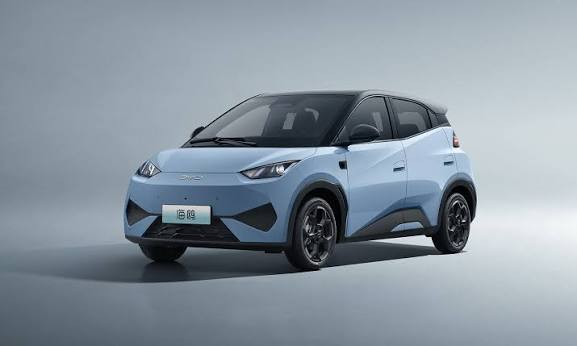
△ The A0-class BEV market is one of the most fiercely competitive segments
For Zotye's Wink Y01 to break through in such a market environment, it must first offer a sufficiently competitive price while also identifying its unique selling points in terms of product configuration and user experience.
Compared to leading automakers like BYD and Geely, Zotye has virtually no scale advantages. In particular, BYD has established a highly vertically integrated industrial chain, with strong cost control capabilities in batteries, motors, electronic control systems, and numerous core components. In this context, it will not be easy for Zotye to keep the price of the Wink Y01 attractive while ensuring product quality.
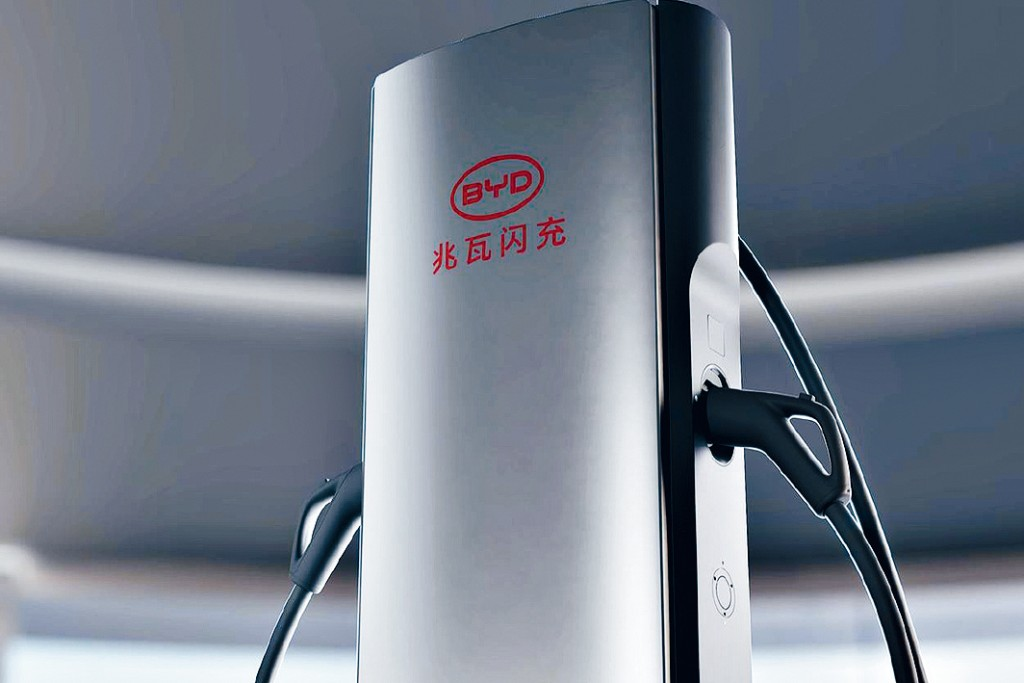
△ Currently, Zotye's technological reserves lag significantly behind those of mainstream automakers like BYD
In terms of technological reserves, the gap between Zotye and current market leaders may be even more pronounced. Especially in the fields of intelligent cockpits and intelligent driving, large automakers like Geely and BYD can quickly deploy mature technological solutions from their mid-to-high-end models to their entry-level models. For these companies, the software, algorithms, and electronic and electrical architectures developed and validated for a single model can be quickly amortized across a large sales volume. This is precisely the most challenging gap for Zotye to fill.
Therefore, the real challenge for the Wink Y01 is not whether it can be manufactured but whether, after production, it can be offered at a sufficiently low price while providing competitive product strength and convincing consumers to choose it. For Zotye today, this is likely far more difficult than simply restarting production lines.
Overseas Markets Are Not a Safe Haven
Among the information disclosed by Zotye, its overseas market Layout (layout) has garnered significant attention.
In June this year, Zotye reached a preliminary consensus with Indonesia's BPKN on a strategic cooperation agreement for the entire new energy vehicle industrial chain, planning to advance SKD assembly, an annual production capacity of 150,000 intelligent vehicles and integrated power battery factories in stages, and to establish a presence in Southeast Asian exports. In July, it officially signed a master KD cooperation agreement with India's Kaly Emotors, planning to establish an SKD project with an annual production capacity of 30,000 units, introduce A0-class models, and gradually expand to A-class and B-class models.
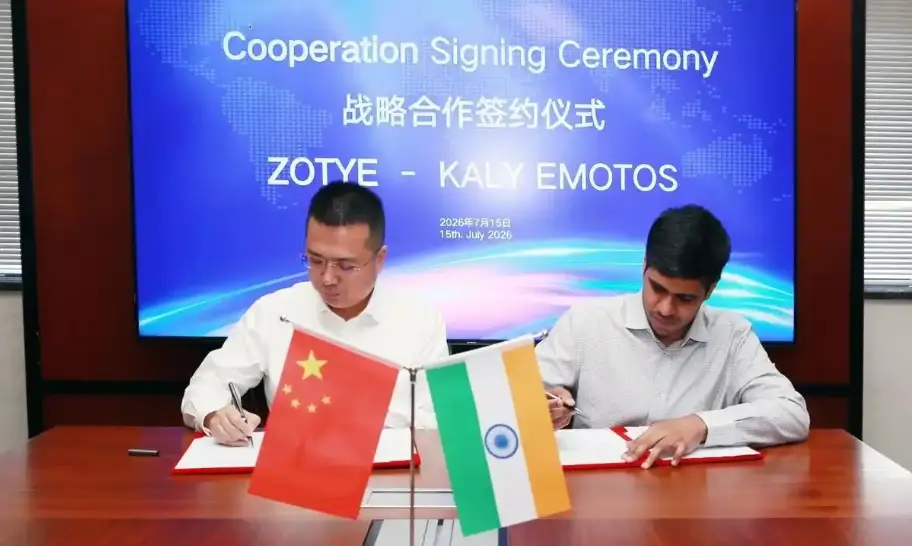
△ Zotye's overseas market Layout (layout)
However, Zotye's overseas business is still in a very early stage. There is a long road ahead from cooperation agreements to actual mass production and scalable sales. In addition to meeting local regulatory certification requirements, it is necessary to establish sales, after-sales, and supply chain systems and rebuild brand recognition in the fiercely competitive Southeast Asian market. It is particularly important to note that Southeast Asia is not a "blank market." Chinese brands such as BYD, MG, Great Wall, and Geely have already entered and established a market presence.
At the same time, major ASEAN markets are gradually shifting from simply encouraging new energy vehicle imports to placing greater emphasis on localized production and industrial investment. In the future, if Chinese automakers hope to achieve long-term development, relying solely on vehicle exports will not be easy. Continuous investment in KD/SKD, local production, distribution, and after-sales systems will be required.
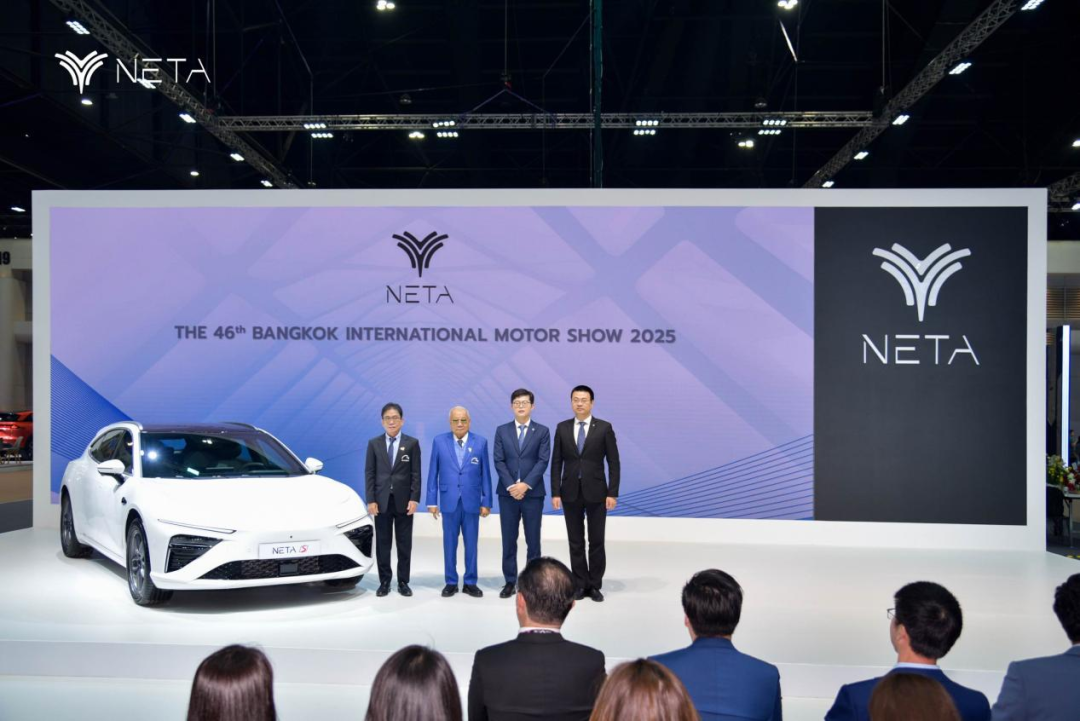
△ Chinese automakers' expansion into overseas markets has not been smooth sailing
More importantly, overseas markets are not an easy path to success. Neta Auto serves as a typical example. Neta's deliveries once reached approximately 150,000 units in 2022 but quickly fell into operational difficulties. Despite significant investments in overseas markets such as Thailand, its overall operating conditions did not improve, and its market share in Thailand dropped from about 12% in 2023 to about 4% in early 2025. This demonstrates that having an overseas market and factories does not guarantee sales, let alone sustained profitability. For Zotye, overseas markets can serve as a breakthrough for a fresh start, but at least for now, they cannot be considered a "safe haven" for the company.
What Is the Significance of Zotye's Revival?
For Zotye's shareholders and local governments hoping to preserve employment, tax revenue, and the local automotive industrial chain, Zotye's resumption of production is certainly significant. However, from the perspective of the entire Chinese automotive industry, Zotye's return is difficult to view as having much positive significance.
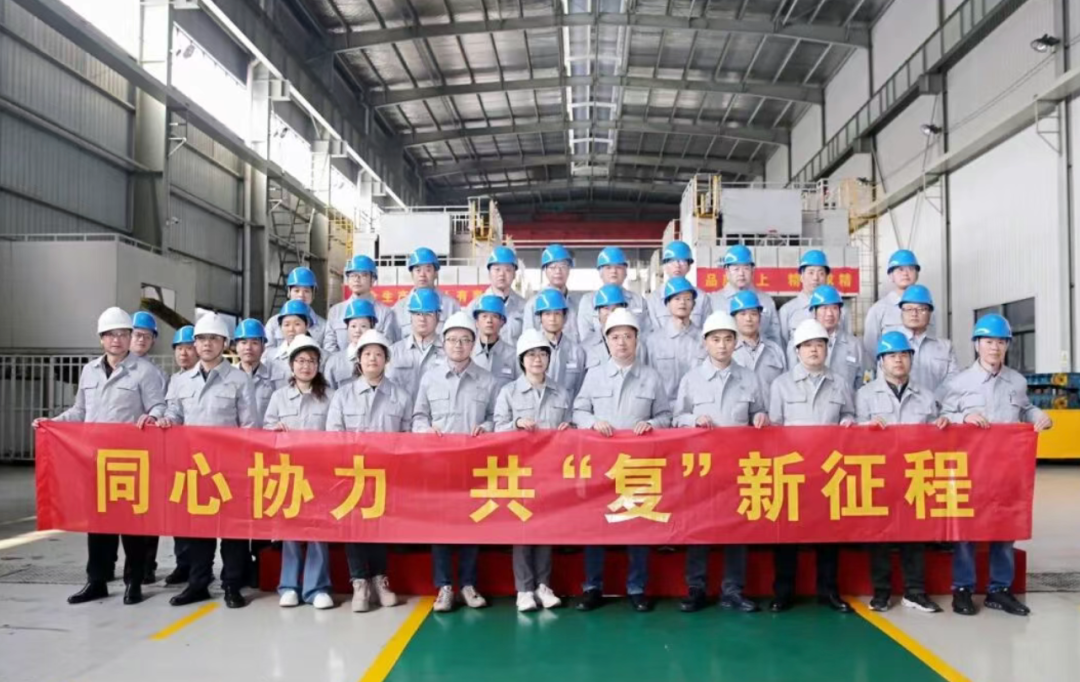
△ Zotye's resumption of production is highly significant for shareholders and local governments
Because today's Chinese automotive industry is not lacking in production capacity; what it lacks are products and companies that can truly create value. In 2025, China's automotive production and sales reached 34.531 million and 34.40 million units, respectively, surpassing 30 million units for the third consecutive year, with new energy vehicles entering a stage of rapid popularization. However, at the same time, price wars, overcapacity, and corporate shakeouts remain the most prominent keywords in the industry.
Zotye's own situation illustrates this point. In 2025, the company's operating revenue was only 521 million yuan, with a net loss attributable to the parent company of 367 million yuan, and its vehicle manufacturing business was essentially stagnant. More importantly, today's automotive competitive environment is vastly different from the era of Zotye's rapid development. Brands such as BYD, Geely, Chery, Changan, and numerous new energy vehicle companies have established clear advantages in new energy, intelligence, and supply chains. For Zotye, returning to the market, the real question is not whether it has factories but what it will produce and sell, and why consumers should choose Zotye.
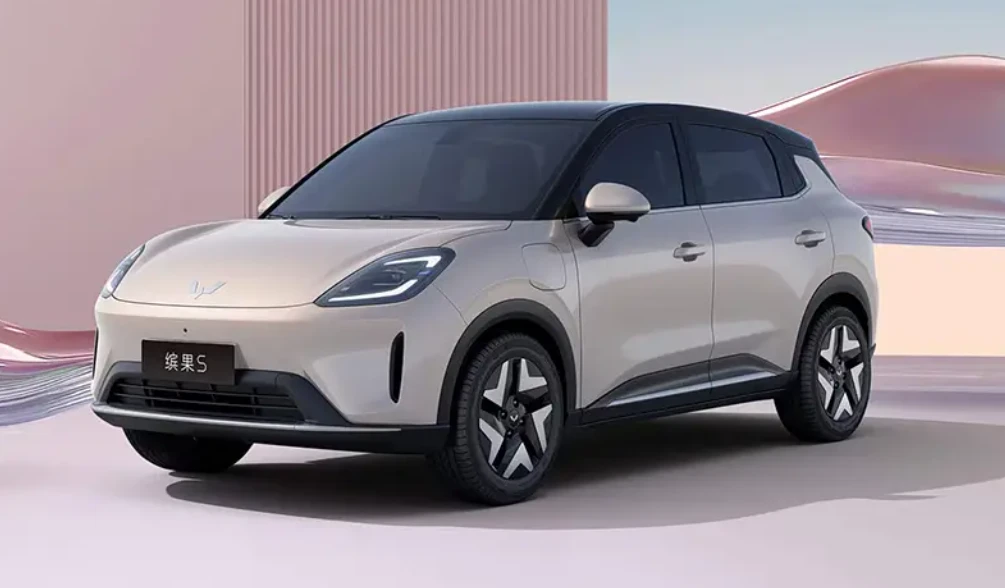
△ Domestic mainstream automakers already hold significant advantages in the intelligent electric vehicle track (track)
Therefore, for Zotye, resuming production is just the first step. The real challenge is to rebuild its R&D, product, supply chain, distribution, and brand capabilities. If it simply restarts its factories and then re-enters price competition in domestic and overseas markets, it is likely to bring only more production capacity rather than the incremental value the industry truly needs. Therefore, from the perspective of the entire Chinese automotive industry, what truly deserves attention is not "another automaker resuming production" but whether Zotye can truly create new products, technologies, and commercial value. After all, the automotive industry needs more competitive companies, not just more factories capable of producing vehicles.
Commentary",
-
![]()
Rescuing Neta Auto: Even Taiyi Zhenren Steps In, and Associated Company’s Value Soars by 2.5 Billion Yuan
-
Why Does 'Taiyi Shenglian' Step In to Save Neta?
-
![]()
Registered Capital Sees Slight Reduction to 110.7291 Million Yuan! Yongxin Optics Finalizes Industrial and Commercial Registration Amendments
-
![]()
Renaming Marks the Start: Conant Optics’ Smart Glasses Business Gets a Full-Throttle Boost
-
Amazon’s Shift to Passkey Compels Home Furnishing Brands to Overhaul Backend Access Controls
-
![]()
Doubao Mobile Phones: Opting for the Path of Maximum Public Discourse
-
![]()
OpenAI Hits Pause on the AI Race: The Hype Around Large Models Cools Down, and Enterprise AI Enters the Era of Results-Based Adoption
-
![]()
Li Feifei's Atlas Opens the Door to a New World for Embodied AI