Has the Market for A00-Class Pure Electric Vehicles Dried Up, Leaving Them in the Dust of Progress?
 09/14 2026
 489
489
Lead | Introduction
Data from the China Passenger Car Association (CPCA) reveals a stark downturn: in the first half of this year, retail sales of A00-class new energy vehicles (NEVs) plummeted to approximately 240,000 units, marking a staggering 63% year-on-year decline that far outpaces the overall market slowdown. By 2025, A00-class NEVs began fading from the mainstream market spotlight. The Wuling Hongguang MINIEV, once a monthly sales sensation with 50,000 units sold and surpassing even the Tesla Model Y, now finds itself past its prime. Has the sharp sales drop signaled the end of an era for A00-class NEVs, or is there more beneath the surface?
Produced by | Heyan Yueche Studio
Written by | Cai Yan
Edited by | He Zi
Full text: 1,915 characters
Reading time: 3 minutes
The A00-class market is quietly retreating. While no automaker has officially bowed out, new model introductions have ground to a halt, and sales of existing models have dwindled to below a thousand units per month. The 240,000 units sold in the first half of the year would have barely sustained the Hongguang MINIEV for two months just five years ago. This segment, once propelled to dominance by its "ultimate cost-effectiveness" over fuel-powered rivals, is now being undone by its own success.
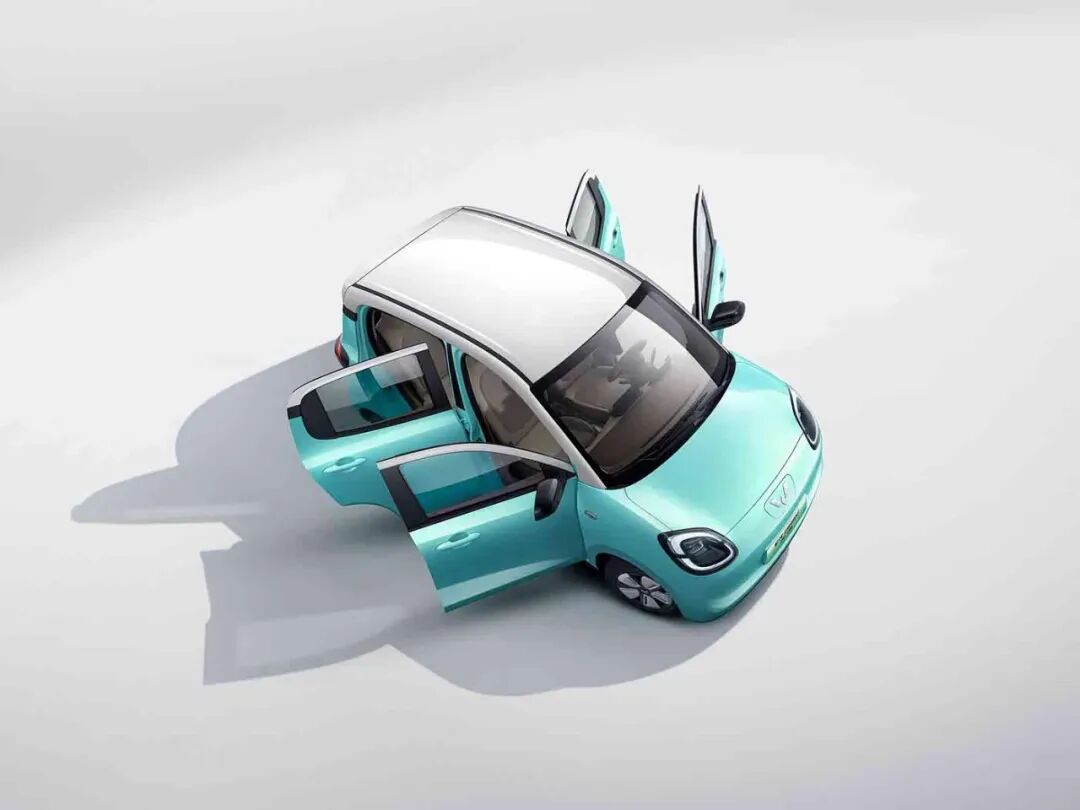
△A00-class new energy vehicles gradually fading from the frontline market
A00-class vs. High-End Electric Vehicles: A Tale of Two Fortunes
In the first half of 2026, domestic passenger vehicle retail sales reached 8.701 million units. A00-class NEVs accounted for 240,000 units, a staggering 63% year-on-year decline that severely dragged down the overall market. During the same period, cumulative sales of passenger vehicles priced below 50,000 yuan fell by 55% year-on-year to just 130,000 units, with their market share shrinking from 2.8% last year to 1.4%. Former bestsellers have all seen their market positions erode: the Wuling Hongguang MINIEV sold only 72,800 units in the first half of the year, nearly 100,000 units less than the 171,100 units sold during the same period last year; the Geely Panda sold 19,900 units, down 78.2%; and the Wuling Binguo sold 16,200 units, down 79.3%. Some models now sell fewer than a thousand units per month.
In stark contrast, the high-end NEV market has defied the downturn, with sales of models priced above 400,000 yuan surging by 46% year-on-year in the first half of 2026. Domestic brands now command a 59% share of this segment, highlighting a "two-tiered" structural divergence in the automotive market.
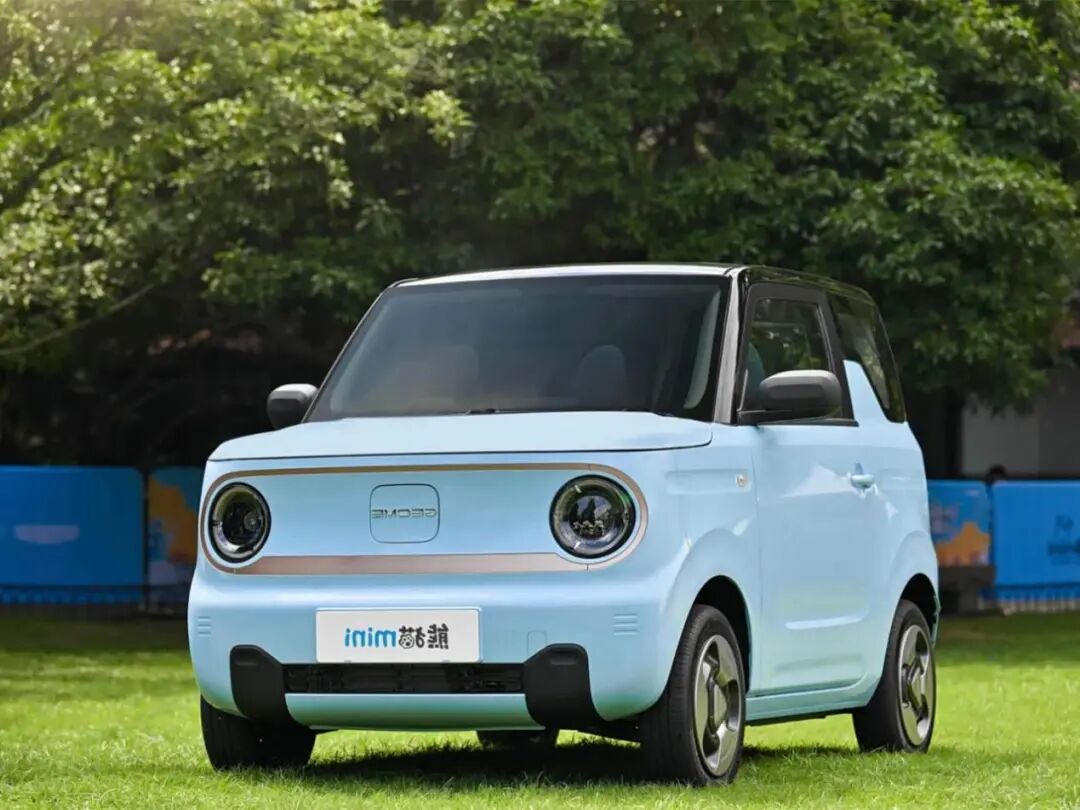
△Sales of A00-class new energy vehicles plummet
Why Have A00-Class Pure Electric Vehicles Gone from "National Darlings" to "Hard-to-Sell Small Cars"?
The core reasons for this retreat lie in the confluence of three pressures:
1. Fading Policy Dividends: Starting January 1, 2026, the purchase tax exemption for NEVs was halved from full exemption. For a micro electric vehicle with a tax-inclusive price of 50,000 yuan, consumers now face an additional 2,200 yuan in taxes—a significant deterrent for budget-conscious buyers in the 30,000–50,000 yuan range.
2. Rising Comprehensive Costs: New national safety standards for electric vehicles mandate enhanced body structures, airbags, and battery protection, coupled with soaring raw material costs. Industry estimates suggest per-vehicle costs may rise by over 5,000 yuan. Cui Dongshu, Secretary-General of the CPCA, notes that profit margins for low-end A00-class pure electric models are less than 1,000 yuan per unit. Automakers are caught in a dilemma: failing to update models risks non-compliance, while updating them leads to unsustainable sales volumes.
3. Evolving Consumer Demand: Chinese consumers are shifting from price sensitivity to value sensitivity, with the traditional logic of "buying a 50,000-yuan car just to get around" losing its appeal. Meanwhile, A0-class models have seen continuous price reductions, narrowing the price gap with A00-class models to just a few thousand to 10,000 yuan. Consumers now prefer slightly higher budgets for larger spaces, longer ranges, and better configurations. Among new models launched in the first half of the year, the proportion of large vehicles over 5 meters in length has increased significantly, while new small cars under 4.5 meters have become rare. Most automakers have reduced production capacity and R&D investment in low-end micro vehicles, shifting resources toward mid-to-high-end segments.
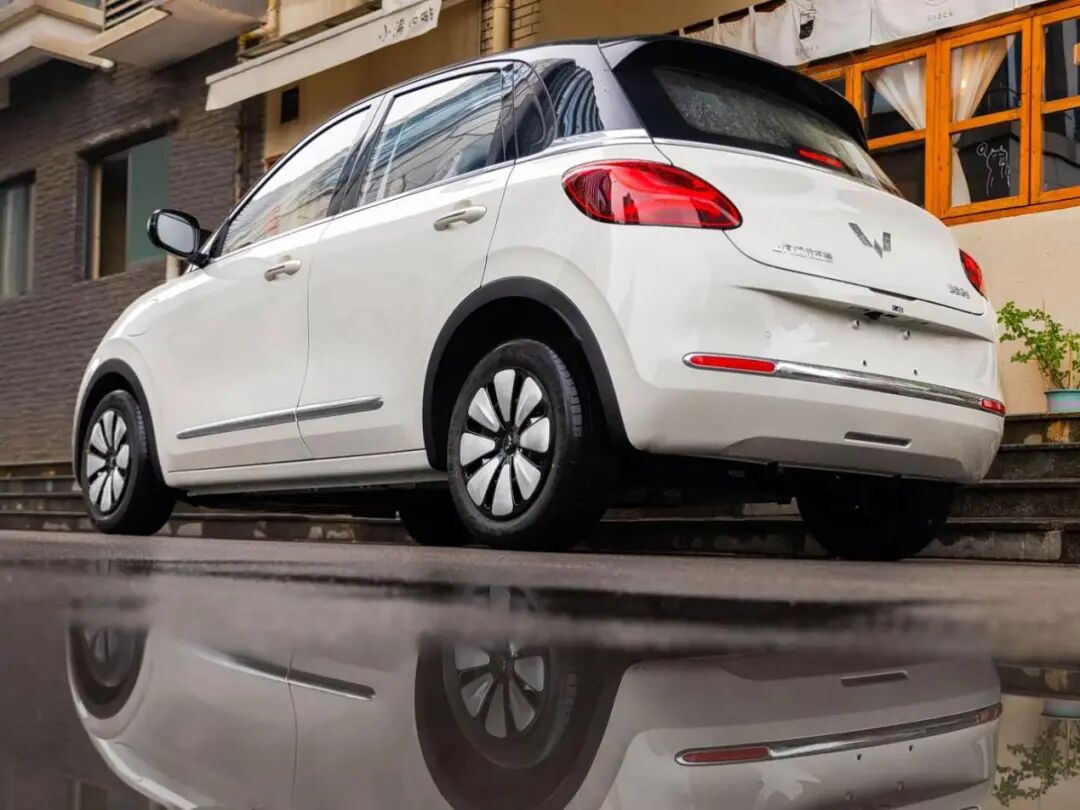
△Among newly launched models, new small cars are extremely rare
Has the A00-Class NEV Completed Its Era-Defining Mission, or Is There Another Path Forward?
From a historical perspective, the answer is almost certainly yes. In July 2020, the Wuling Hongguang MINIEV, priced at just 28,800 yuan, made pure electric vehicles accessible to ordinary households. It didn’t require long range, fast charging, or complex smart features—it simply served as a vehicle for grocery shopping, child transportation, and short commutes. This opened up a vast market for affordable urban mobility. At one point, nearly 50 micro models were available domestically, with A00-class pure electric vehicle sales reaching approximately 1.036 million units in 2025. The A00-class market achieved 100% penetration of new energy vehicles, effectively completing the transition from fuel-powered to electric urban mobility vehicles. Over five years, A00-class pure electric vehicles accomplished the "historical mission" of popularizing NEVs, introducing millions of consumers to electric mobility at an extremely low threshold.
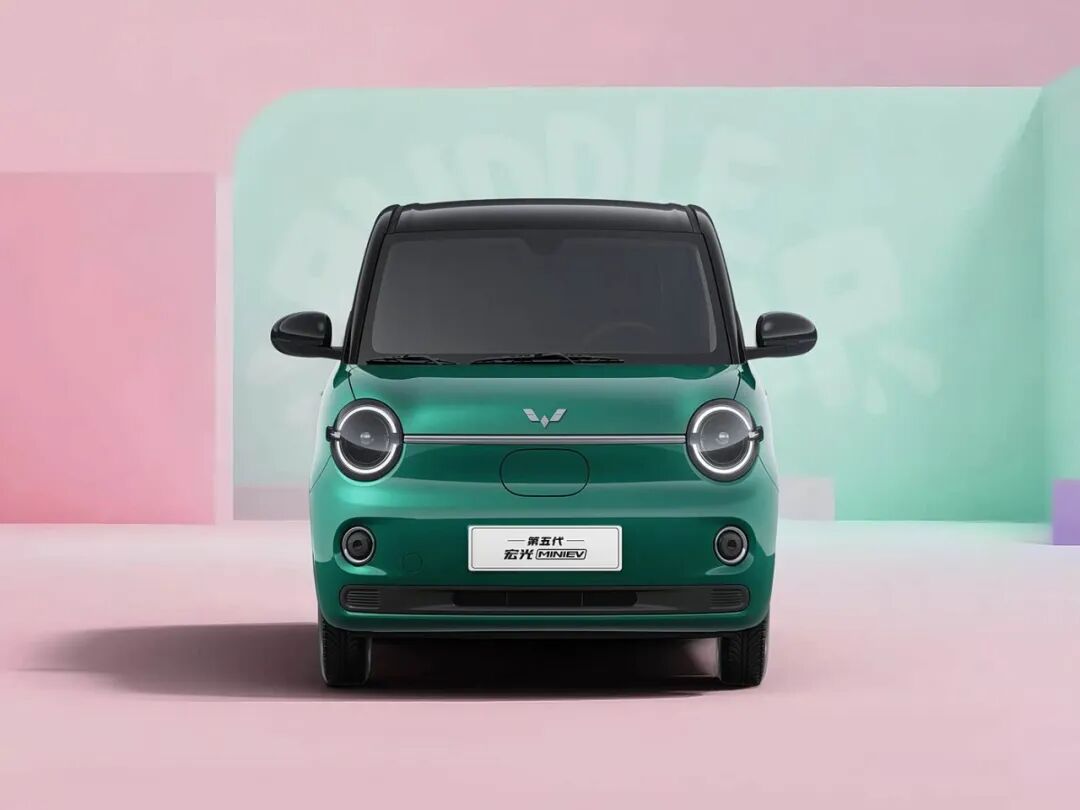
△The A00-class market has achieved 100% penetration of new energy vehicles
Will A00-Class NEVs Follow the Fate of Fuel-Powered Micro Vehicles?
Fuel-powered micro vehicles also experienced a golden era—models like the Chery QQ and BYD F0 were popular in the early 2000s. However, with consumption upgrades and a shift toward larger vehicles, fuel-powered micro vehicles were marginalized and have largely exited the mainstream market. A00-class pure electric vehicles seem to be repeating this trajectory. Early buyers of micro urban mobility vehicles, after a 3–4 year ownership cycle, generally seek larger spaces, longer ranges, and higher safety standards when purchasing their next vehicle.
The consumption upgrade among existing users has left the A00-class market lacking repeat purchase support. From this perspective, A00-class pure electric vehicles are following the same path as fuel-powered micro vehicles: gradually fading away after completing their historical mission. However, A00-class pure electric vehicles are not entirely without a future; the script is simply being rewritten. While the domestic market has cooled, overseas markets are emerging as a new outlet for micro vehicle production capacity. In the first quarter of 2026, SAIC-GM-Wuling exported 77,576 units overseas, a 45.3% year-on-year increase, with NEV exports surging by 98.1%. Jiangling Group New Energy’s ELIGHT has obtained WVTA EU whole-vehicle type approval and is accelerating its market expansion in Europe. In Cui Dongshu’s view, "A00-class vehicles have enormous potential in overseas markets, and domestic policies urgently need to support the popularization of micro vehicles." Meanwhile, the 2026 New Energy Vehicles for Rural Areas campaign has officially launched, with five departments jointly announcing the first batch of 155 eligible models, of which A00-class pure electric microcars account for at least 20%. Some automakers are also exploring a "premium" route to avoid cutthroat low-price competition and carve out a new niche.
Commentary
A00-class pure electric vehicles have completed their "historical mission" of popularizing NEVs, and their golden age in the domestic market has ended. However, they are not entirely out of the game. The future A00-class market will shift away from extensive low-price competition toward refinement, quality, and differentiation.
(This article is original to 'Heyan Yueche' and may not be reproduced without authorization.)
-
![]()
Rescuing Neta Auto: Even Taiyi Zhenren Steps In, and Associated Company’s Value Soars by 2.5 Billion Yuan
-
Why Does 'Taiyi Shenglian' Step In to Save Neta?
-
![]()
Registered Capital Sees Slight Reduction to 110.7291 Million Yuan! Yongxin Optics Finalizes Industrial and Commercial Registration Amendments
-
![]()
Renaming Marks the Start: Conant Optics’ Smart Glasses Business Gets a Full-Throttle Boost
-
Amazon’s Shift to Passkey Compels Home Furnishing Brands to Overhaul Backend Access Controls
-
![]()
Doubao Mobile Phones: Opting for the Path of Maximum Public Discourse
-
![]()
OpenAI Hits Pause on the AI Race: The Hype Around Large Models Cools Down, and Enterprise AI Enters the Era of Results-Based Adoption
-
![]()
Li Feifei's Atlas Opens the Door to a New World for Embodied AI