GAC Acquires Stake in FAW Toyota: The Merger of North and South Toyota Unveils the Complex Landscape of China’s Auto Market
 09/18 2026
 380
380
Editor|Zhu Honghao

A Long-Awaited 'Strategic Alliance'
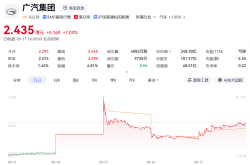
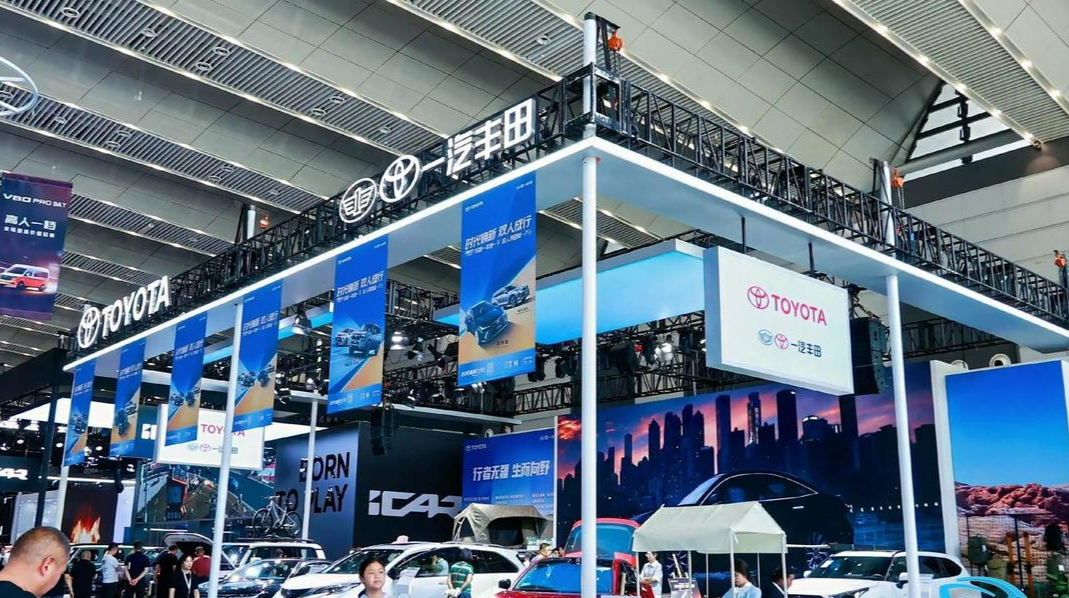
On September 14, 2026, a trading halt announcement sent shockwaves through the automotive industry. GAC Group announced the suspension of trading in its A-shares, citing 'planning for significant asset restructuring.' Almost simultaneously, pivotal industry news emerged: GAC is in negotiations with FAW Group to acquire a portion of FAW Toyota's equity held by FAW, through the issuance of new shares. Following the transaction, FAW is set to become the second-largest shareholder of GAC Group, with both entities maintaining their respective controlling stakeholders.
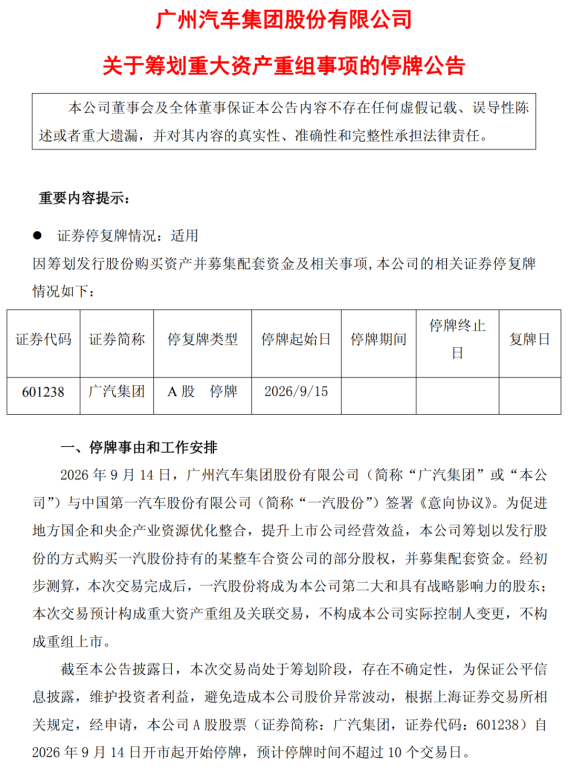
Once the deal is finalized, it will mark the historic integration of 'North and South Toyota,' which have been operating independently in the Chinese market for two decades. The news has sparked widespread debate. Some have dubbed it a 'snake swallowing an elephant,' while others view it as 'the final curtain call for Japanese automakers in China.' Some even draw parallels to decade-old rumors of a 'North-South Volkswagen merger,' lamenting, 'It’s finally happening.'
However, viewing this merely as automotive industry gossip would be missing the bigger picture. The significance of this equity transaction extends far beyond a simple change in joint venture ownership. It represents a symbolic turning point as China's auto industry transitions from the 'market-for-technology swap' era to the 'technology reverse export' era. Only by understanding this broader context can one fully grasp the transformations unfolding in China's auto market.

North and South Toyota: A Fragmented Landscape
To comprehend this integration, one must first understand the origins of 'North and South Toyota.'
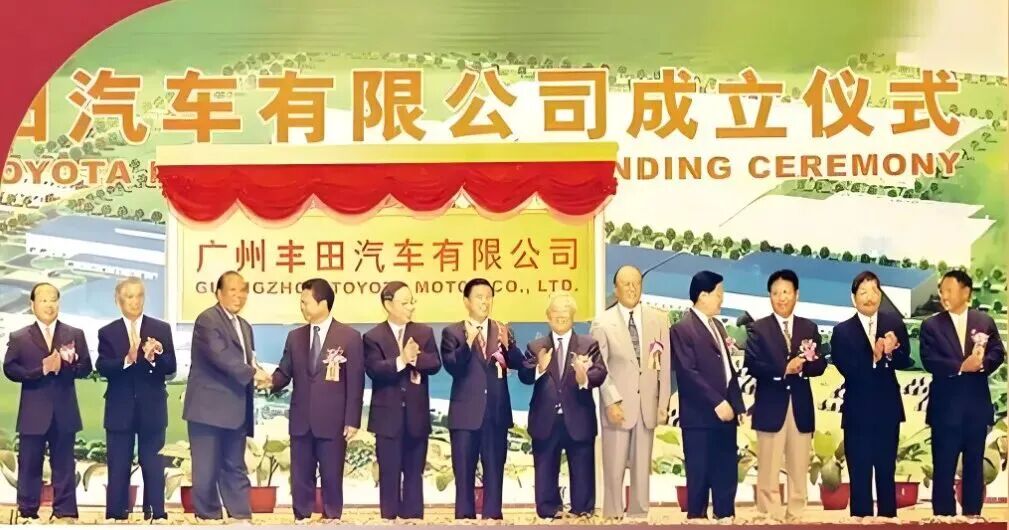
In the late 1990s, China implemented a 'market-for-technology swap' strategy to protect its nascent domestic auto industry, leveraging its vast market to secure technology transfers from foreign automakers. Against this backdrop, Toyota adopted a 'dual-bet' strategy in China: FAW Toyota, established in 2000 with shareholders FAW Group and Toyota Motor, primarily operates in Changchun and Tianjin, producing models such as the Corolla, RAV4, and Crown. GAC Toyota, founded in 2004 with shareholders GAC Group and Toyota Motor, is based in Guangzhou, manufacturing models like the Camry, Highlander, and Levin. On the surface, this appeared to be Toyota's 'double insurance' strategy—betting on both sides to ensure at least one would succeed. However, this 'one car, two marriages' approach sowed the seeds of conflict from the outset. Product lines overlapped significantly. In the compact sedan segment, the Corolla and Levin were sister models; in the SUV market, the RAV4 and Wildlander competed head-to-head. The same brand, same platform, and two separate sales networks led to severe internal competition.
Brand image confusion ensued. For consumers, the distinction between 'FAW Toyota' and 'GAC Toyota' remained unclear. This brand perception chaos caused two popular models to cannibalize each other's sales, severely weakening the brand's premium capabilities.
Channel resources were wasted. Two dealer networks, two after-sales systems, and two marketing teams doubled operational costs while delivering near-zero synergies.
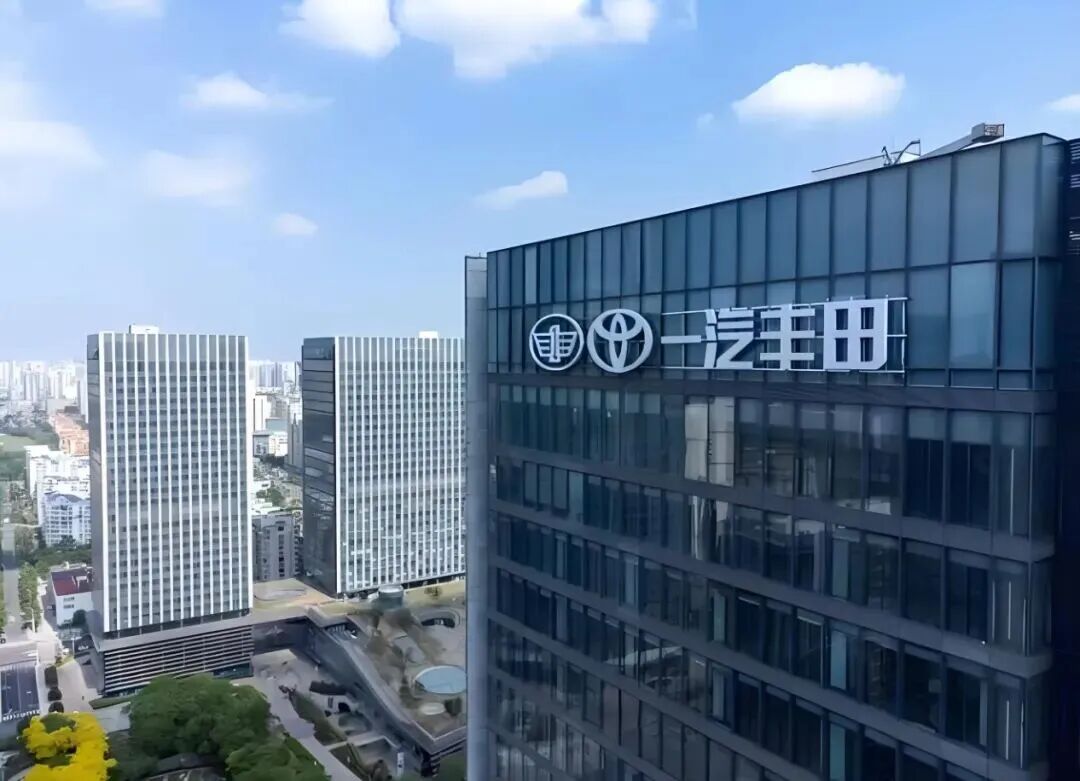
Toyota was not unaware of these issues. However, the 'North-South divide' was a product of historical negotiations, and any change risked destabilizing the entire structure. No one dared act first—until the Chinese market underwent a transformation.

The Three Mountains Crushing Joint Ventures
Since 2024, China's new energy vehicle (NEV) penetration rate has surpassed 50%, rewriting the rules of the game.
The First Mountain: Sluggish New Energy Transition. Toyota's THS hybrid technology is indeed robust, but it relies on a 'light hybrid' route with insufficient electrification. In China, pure electric (BEV) and plug-in hybrid (PHEV) models dominate. When BYD, Geely, and Changan launched PHEV models priced below RMB 100,000, Toyota's comparable internal combustion engine vehicles (ICEVs) and light hybrids lost their cost-performance edge overnight.
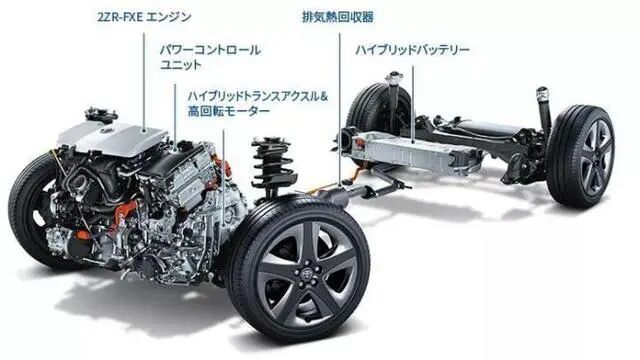
In 2024, Toyota's China sales declined 6.9% year-on-year, ending years of growth. In 2025, sales reached 1.78 million units, up just 0.22% year-on-year, barely halting the decline. While the numbers appeared stable, the structure revealed weakness: nearly all growth came from legacy ICEVs and hybrids, with BEVs remaining a glaring weakness. In other words, Toyota stabilized sales by 'relying on old assets,' but its new energy transition remains incomplete. By 2026, the situation worsened. In the first half of the year, Toyota's China sales fell 17.1% year-on-year to 694,700 units. The 'last bastion of Japanese automakers' was crumbling visibly.
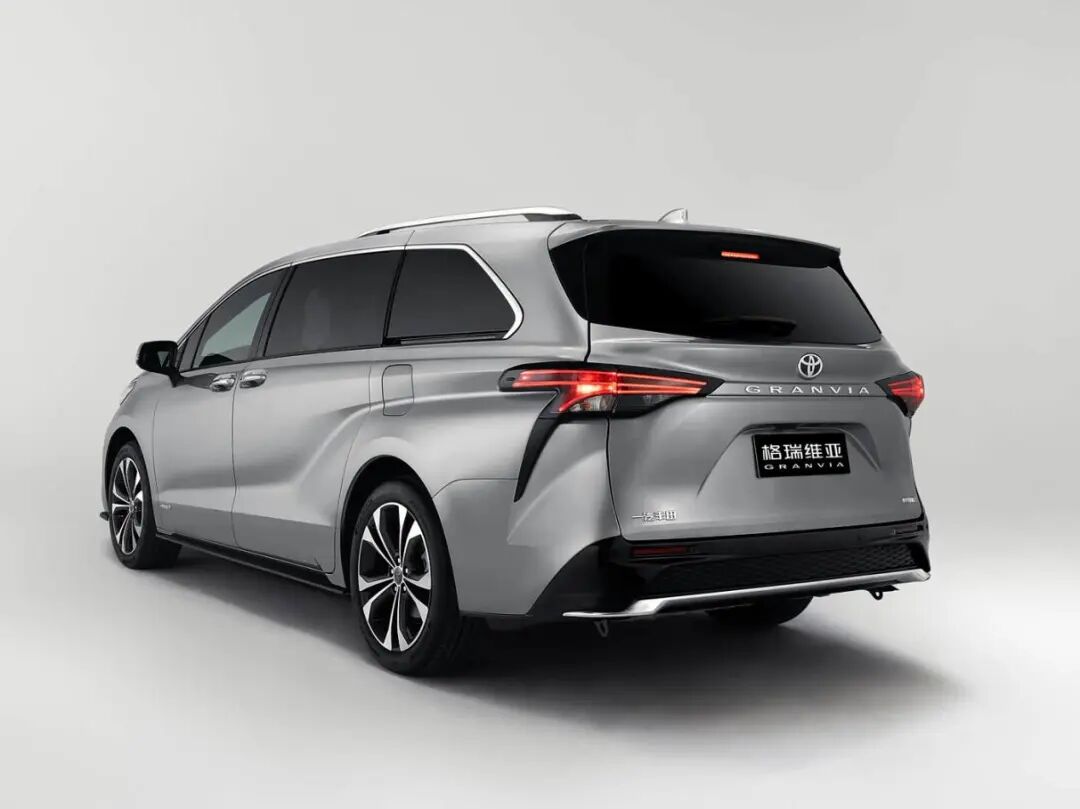
The Second Mountain: Price Wars Erode Profits. BYD fired the first shot in the 'price war,' forcing other automakers to follow suit. ICEVs slashed prices, and joint-venture brands offered unprecedented discounts, leaving dealers selling at a loss. Financial reports showed that in the first half of 2026, GAC Group's revenue rose 9.38% year-on-year to RMB 46.121 billion, but net profit plunged 75.98% to a RMB 4.467 billion loss. This exemplified 'growth without profitability'—the more vehicles sold, the greater the losses.
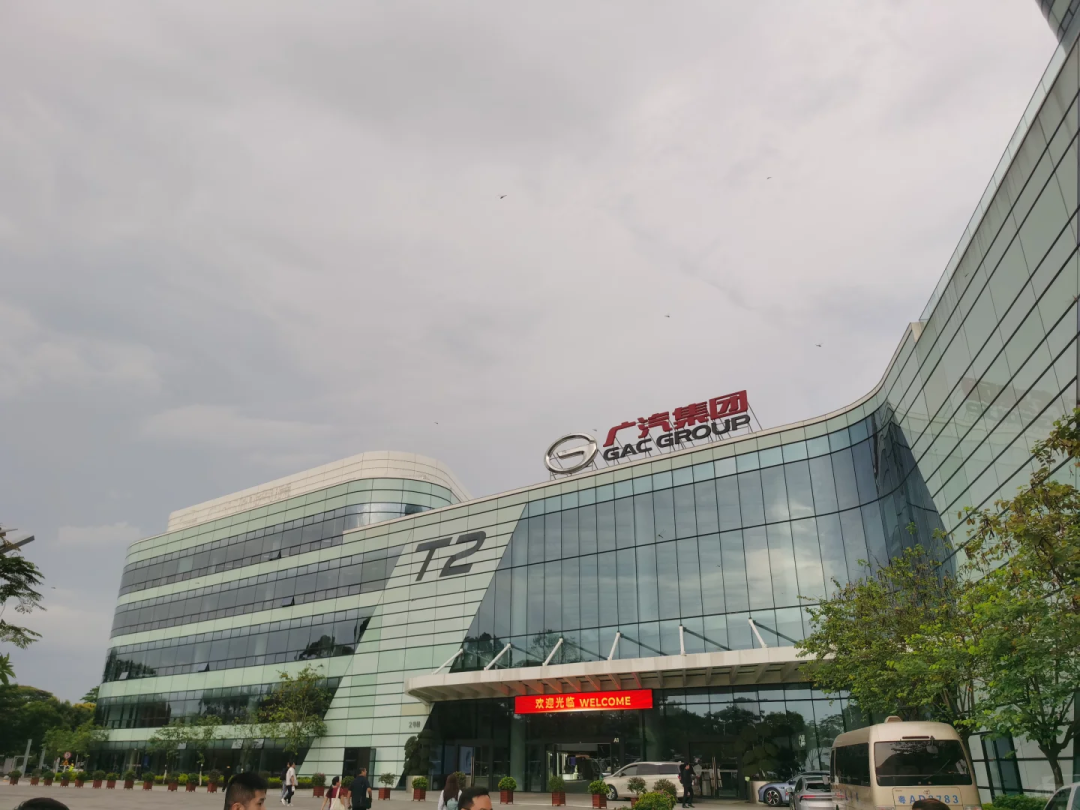
The Third Mountain: Collapsing Brand Premiums. A decade ago, 'driving a Toyota' symbolized prestige—fuel efficiency, durability, and resale value made it a top choice for ordinary families. Today, a RMB 150,000 ICEV offers inferior smart features compared to same-priced EVs; a RMB 200,000 ICEV lags in advanced driver-assistance systems versus new-force brands. When 'joint-venture brand' shifted from a selling point to an 'outdated' label, brand premiums evaporated.
These three mountains signal the end of the golden era for joint-venture automakers.

Why Is GAC 'Taking Over'?
The question arises: Why is GAC pushing this deal amid pressure on its joint-venture business? The answer lies in GAC's strategic calculations.
First Layer: Resource Integration to Reduce Internal Competition. By acquiring part of FAW Toyota's equity, GAC and FAW can first unify their two sales networks, product pricing strategies, and dealer management.
What does this mean? It ends the scenario of 'two teams doing the same job.' Operational costs plummet, and channel efficiency soars. Transitioning from 'two monks fetching water' to 'one monk carrying it,' management complexity drops significantly.
Second Layer: Deepening Technological Collaboration with Toyota. Toyota's THS hybrid system remains one of the world's most efficient hybrid solutions. While slow in BEV transition, hybrid technology holds value—especially in China's vast lower-tier cities and rural areas where charging infrastructure remains incomplete.
Industry analysts believe that by binding equity with Toyota, GAC can gain deeper access to Toyota's hybrid technology and even engage in joint R&D. This directly enhances GAC's product lineup and market coverage.
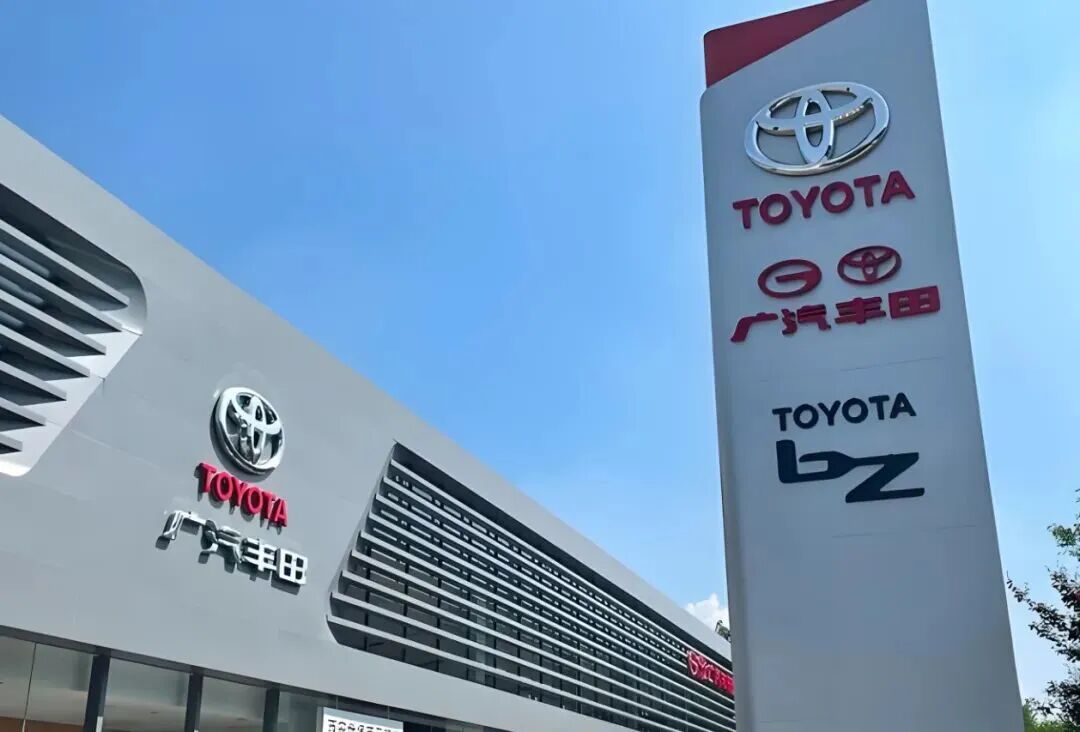
Third Layer: Securing Supply Chain and International Resources. Toyota is not just an automaker but the world's most powerful automotive supply chain group. Through capital ties, GAC can deepen its partnership with Toyota, gaining access not just to models but to Toyota's global supply chain and overseas distribution networks.
'Going global' is a top strategic priority for Chinese automakers. Toyota, with decades of global market penetration and dealer networks spanning 200+ countries, could open a pathway for GAC's internationalization.
Thus, GAC's 'takeover' is not a reckless move but a strategically calculated transaction.

Why Is FAW Selling? What Does Toyota Think?
After examining the buyer, let's look at the seller.
Why is FAW relinquishing control now? First, FAW's core brand is FAW Hongqi, the 'face' of China's automotive industry. With limited resources and focus, FAW must concentrate on Hongqi during the critical window of new energy transition rather than dissipate energy on a 'non-controlling' joint venture. Second, FAW Toyota's decline accelerated in 2026. Maintaining such a large operation now yields diminishing returns and rising marginal costs. Selling while assets still hold value is a rational business decision. Third, FAW Group is advancing mixed-ownership reforms, and selling non-core assets like FAW Toyota equity is part of this process. For Toyota, the situation is more nuanced. Toyota President Akio Toyoda has repeatedly stated in public that 'China's market competition is too fierce; Toyota needs to reassess its China strategy.' This is no mere pleasantry. Toyota lagged in BEV deployment, and China's competitive landscape allows no 'slow and steady' approach.
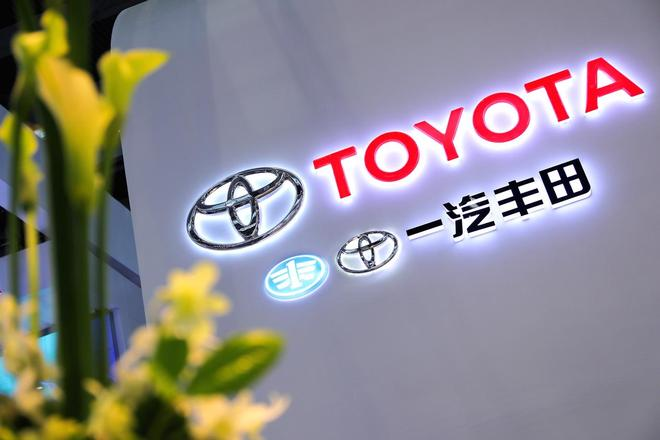
But Toyota will not abandon China. The industry widely believes Toyota is shifting from a 'joint-venture-dominated' model to a 'technology licensing + asset-light operations' approach—no longer seeking control or operating all segments in person but profiting through technology licensing and profit-sharing. This is Toyota's 'graceful adjustment': maintaining market presence without excessive risk while sustaining revenue.

Who Is Worried? Who Is Hopeful?
After news of the merger broke, social media discussions varied widely.
Car owners' top concern: Will maintenance and repairs be affected? This is a valid worry. Will Toyota 4S stores close? Will original parts supply dry up? Will service networks shrink? While these fears are understandable, they need not be exaggerated. Regardless of equity changes, Toyota, as the brand owner, remains obligated to serve existing customers. As long as products are sold, parts must be supplied—this is both commercial common sense and legal compliance. However, one uncertainty remains: post-merger, dealer networks may undergo significant consolidation. Marginal 4S stores with poor performance could be eliminated, leaving some owners without a nearby service center.
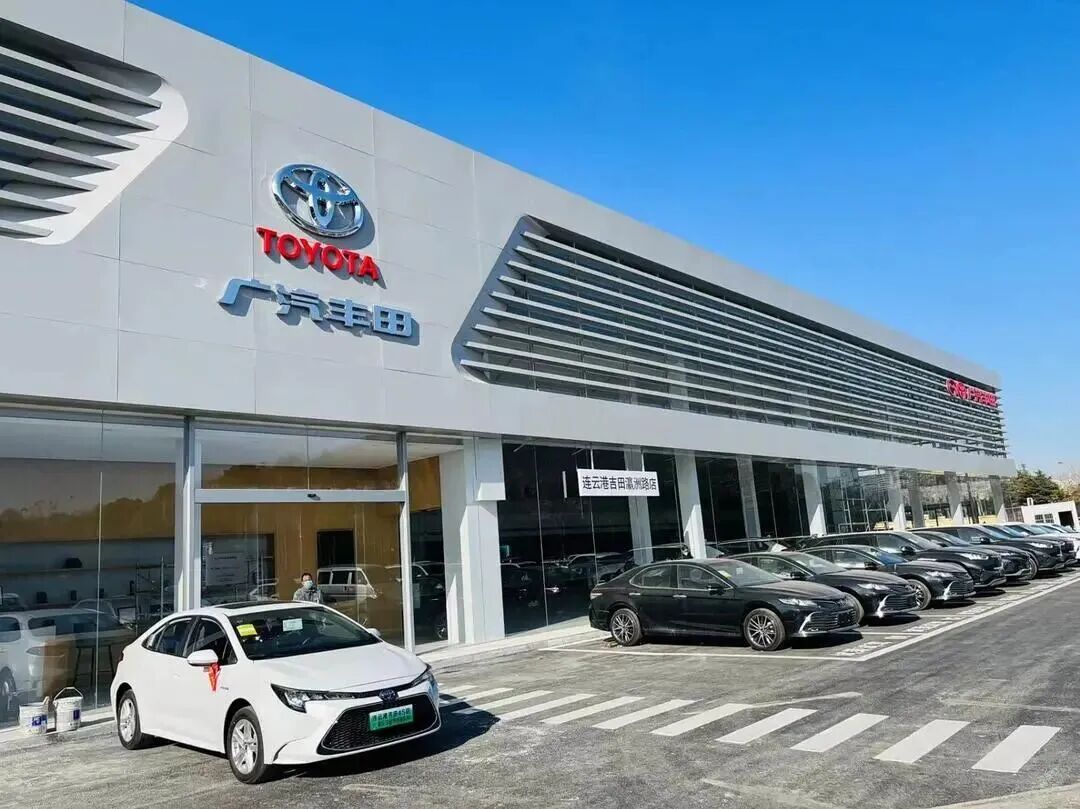
Practitioners are Most Anxious: What Lies Ahead for Dealers and Suppliers? In recent years, it has become commonplace for joint-venture brand 4S stores to close down and withdraw from networks, with marginal dealers bearing the brunt. After the merger of Toyota's northern and southern branches, channel integration is the general trend. It is foreseeable that a number of inefficient 4S stores will be closed, and related employees will face the pressure of re-employment. Toyota's parts supplier system is also at risk of shrinking orders—with a streamlined lineup of models, the number of supporting orders will naturally decrease. This is a shakeout with no winners. But such is the law of the market: declining industries will not halt their consolidation due to the concerns of those working within them.
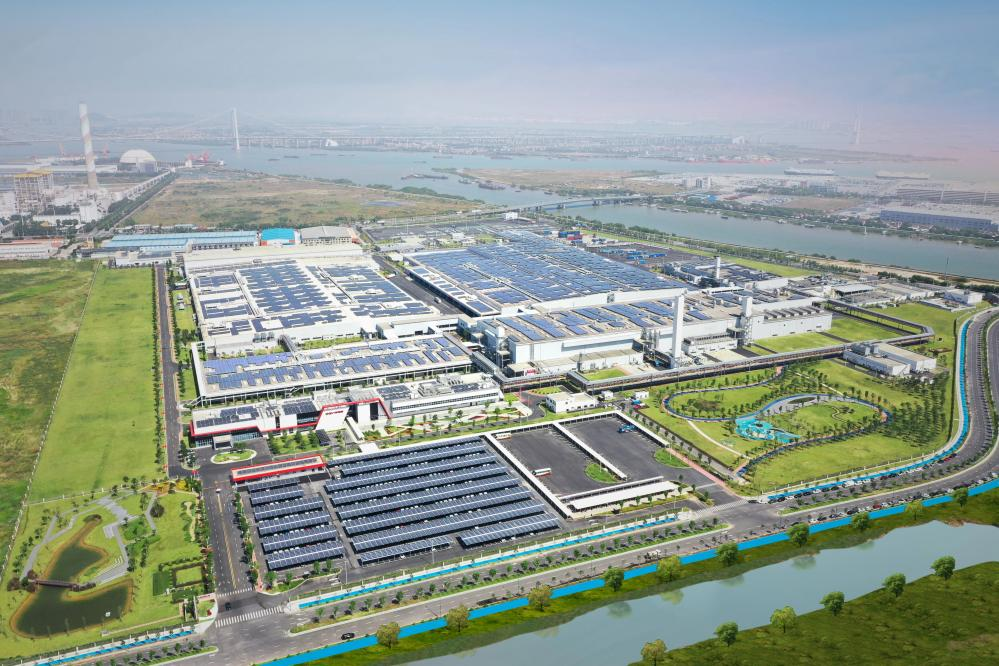
Consumers are Most Confused: Will 'Genuine Toyota' Still Be Available? Yes, but in fewer numbers. After the merger, Toyota's model lineup in China is likely to be significantly streamlined—marginal models with poor sales will be cut, leaving only truly competitive core products. For consumers who truly love Toyota, this may not be a bad thing. With fewer products, each one will be more refined; with fewer dealers, each may offer stronger service capabilities. The ones who truly need to worry are those car buyers who still cling to the idea of 'joint-venture brands' but have limited budgets. As the prices of Volkswagen, Toyota, and Honda continue to drop, the quality of the models they can afford with their budgets is quietly declining.

A Rehearsal: The Collective Fate of Joint-Venture Brands
GAC’s acquisition of FAW Toyota’s equity is far from an isolated event; rather, it epitomizes the broader transformation underway among joint-venture automotive brands. Volkswagen now holds sway in its joint venture with JAC, while integration rumors swirl around Ford and Changan’s partnership. Meanwhile, Stellantis and Dongfeng are continuously refining their collaborative frameworks. Across the board, joint-venture automakers are experiencing varying degrees of strategic "retreat" or "reorganization." This shift is not the result of a single automaker’s misstep but an inevitable outcome of evolving industry dynamics. As the era of exchanging market access for technological know-how draws to a close, and Chinese domestic automakers transition from "students" to "competitors," the traditional joint-venture business model is poised for fundamental restructuring. The days of effortless profitability are gone; each player must now demonstrate its true value.
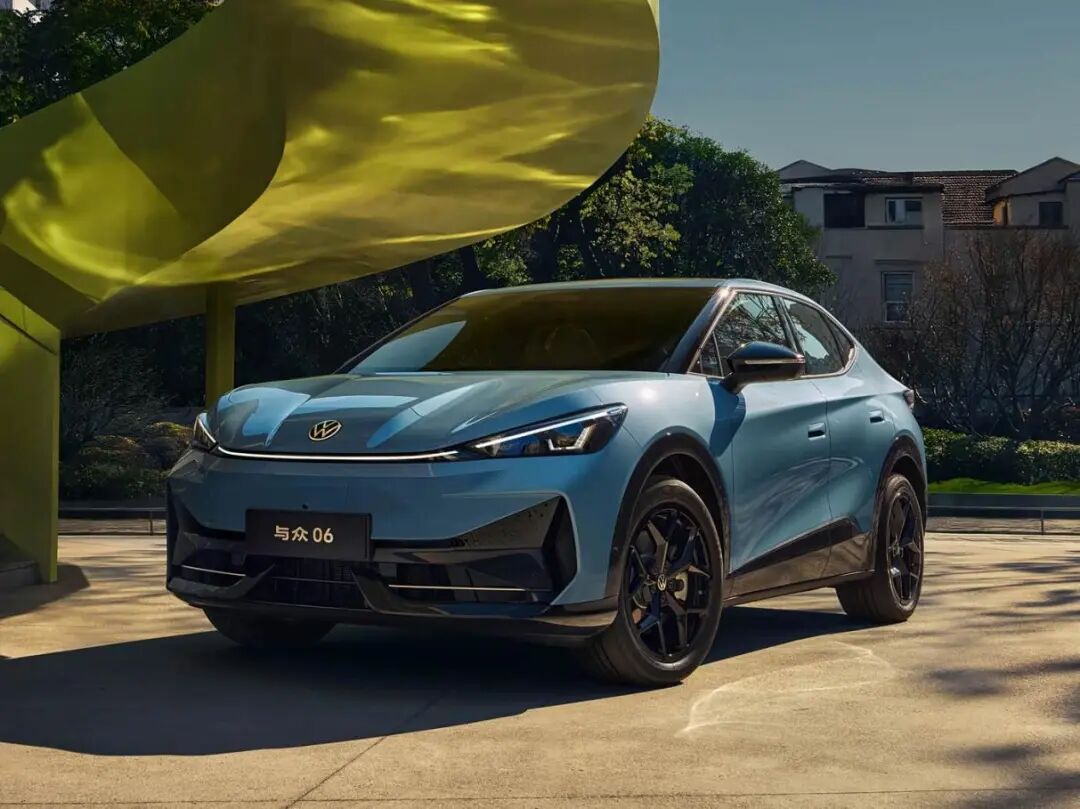
For consumers, this transformation heralds fiercer competition and accelerated technological innovation. For industry professionals, it necessitates skill enhancement and a paradigm shift in mindset. For the Chinese automotive sector as a whole, it marks a pivotal transition from "following global trends" to "setting them."

The End of One Era, the Dawn of Another
Returning to the original question: What does the equity transaction between GAC and FAW truly signify?
It marks the definitive conclusion of the "market-for-technology" exchange era. Three decades ago, China leveraged its market potential to acquire foundational automotive technologies, laying the groundwork for a modern industry. Today, Chinese automakers have reversed the flow, exporting technology and transforming former "mentors" into collaborative "partners."
It signals the official commencement of China’s automotive industry consolidation. Beyond Toyota, all multinational automakers operating in China now face a critical juncture: either deepen localization efforts or execute a strategic withdrawal. This consolidation phase, spanning several years, will entail disruption and growing pains but will ultimately culminate in a more resilient and competitive Chinese automotive landscape.
For consumers, this means a more streamlined, competitive, and innovative market. As redundant channels merge, inefficient models phase out, and resources shift toward genuinely competitive offerings, consumer choices will simplify—eliminating the need to navigate confusing arrays of "sibling models" or pay premiums due to information gaps.
In closing, I assert: From an industry perspective, China’s automotive market is undergoing an unprecedented shakeout, and the September 2026 equity transaction will likely be remembered as a defining milestone in this process.
This shakeout will be unforgiving; some will falter, and others will face setbacks. Yet, the survivors will emerge as truly competitive automakers, genuinely innovative products, and authentically consumer-centric brands.
Post-shakeout, China’s automotive industry will stand stronger, having undergone its rite of passage into global prominence.

Share, Like, and Engage
This work’s copyright resides with Xin Zuojia or its respective copyright holders. Unauthorized reproduction by third parties is strictly prohibited and constitutes infringement.
"Respect Originality, Respect Integrity."
-
![]()
The 'AI Apocalypse' Drama Staged by Five Individuals
-
![]()
Doubao Mobile Phone II: Can Its 'Knock' Feature Secure 380 Million Monthly Active Users Amidst Ecosystem Openness and Scheduling Rights Challenges?
-
![]()
Can Doubao Mobile Phone II, Which Has Learned to 'Knock,' Exchange 380 Million Monthly Active Users for Ecosystem Openness and Scheduling Rights?
-
Congratulations! In iPhone Duo, China’s Supply Chain Secures a Leading 40% Value Share
-
![]()
GAC Acquires Stake in FAW Toyota: The Merger of North and South Toyota Unveils the Complex Landscape of China’s Auto Market
-
![]()
[Electrical Equipment] 45 BRT Pure Electric Mining Trucks Supplied to Chaonaoliang Coal Mine
-
![]()
FAW Acquires Stake in Leapmotor
-
![]()
From Booming Stocks to Trading Halt: Why is the Market So Optimistic About FAW's Investment in GAC?