Why Are China's Leading New Energy Vehicle Players Shifting to In-House Battery Development?
 09/21 2026
 482
482
Most of those who criticized Li Xiang a few days ago now seem to have fallen silent.
Unnoticed, China's top new energy vehicle manufacturers have once again reached a complete consensus in a short period. The most expensive component of new energy vehicles is now seeing a comprehensive shift toward in-house development, and even in-house production.
This list includes Xiaomi Pengcheng and Li Auto, which made official announcements a few days ago, as well as the latest additions, Leapmotor and XPeng. It also includes NIO, which had previously released some information, and Hongmeng Zhixing (Harmony Intelligent Mobility), which, except for Zunjie, will begin introducing more battery suppliers.
In business, there is no right or wrong, only good or bad, only gains or losses. Thus, everything is a corporate decision. With this shift, we are likely to witness a fission reaction in the market share and structure of new energy vehicle power batteries in both the Chinese and global automotive markets. Even consumer perceptions may change as a result.
Those who are a bit older will be familiar with a popular Chinese saying: 'Don't judge by advertisements, judge by results.' Whether the power battery sector will move in this direction is well worth studying and discussing.
Why Are Leading New Energy Vehicle Players Collectively Shifting to In-House Development?
Some might think, what's the big deal? It's just a few new energy vehicle players adjusting their supply chains.
However, anyone with a basic understanding of China's automotive industry knows that these new players, with their distinct thinking and structures compared to traditional automotive manufacturing, have repeatedly driven innovation across the entire automotive sector.
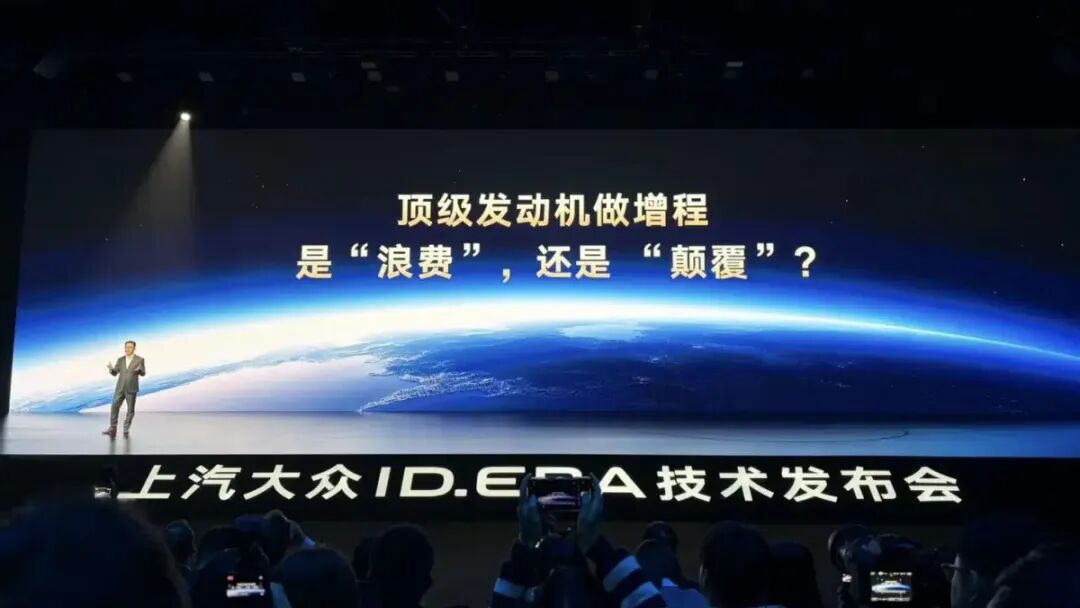
As a result, extended-range vehicles have been revived, intelligent driving assistance systems have achieved current levels of leadership, and vehicle pricing structures have been Refactoring (restructured). The benefits are clear: new energy vehicle players and traditional automakers learn from each other's strengths in their competition, ultimately growing rapidly. Regardless of the outcome, they always manage to set new trends—this is an objective fact.
Now, considering the collective shift toward in-house development and even production, based on various official announcements, the situation can be summarized as follows:
NIO: As early as 2023, there were numerous reports about NIO's plans to produce 4680 and 4695 batteries, though these were not confirmed. However, during an interview in August this year, it was confirmed that in-house large cylindrical batteries would enter mass production within two years. If this comes to fruition, the first-generation NIO ES8, launched eight years ago, could become a representative model in the Chinese automotive market with increasing range over time.
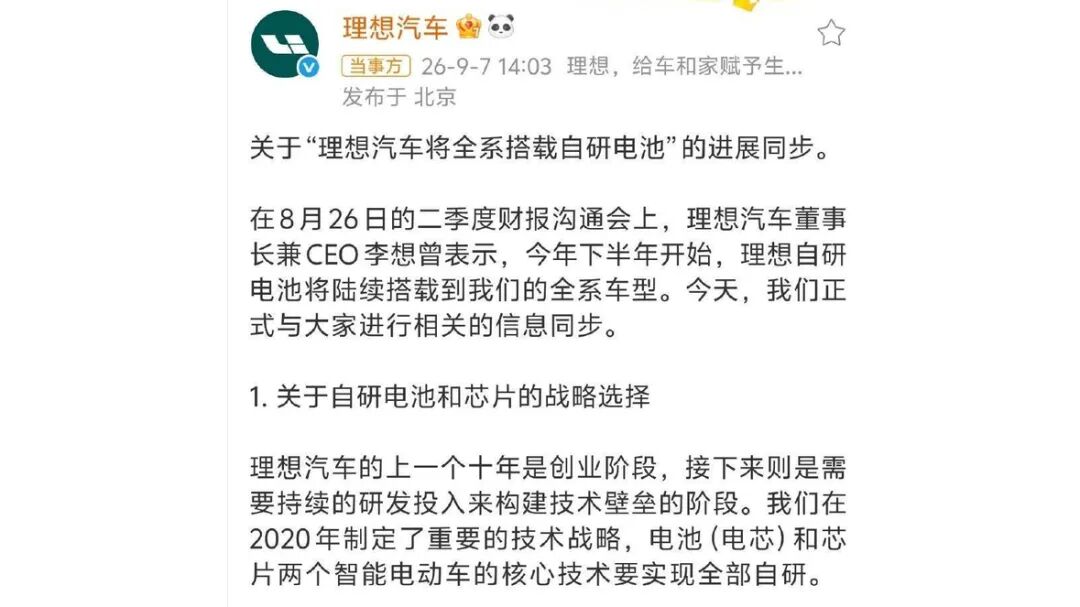
Li Auto: From its product launches to subsequent official announcements, Li Auto will gradually switch from CATL battery cells to its in-house 5C batteries. In the fourth quarter of 2026, the Li Auto i6 will fully transition to in-house batteries, with all subsequent Li Auto models adopting in-house technology.
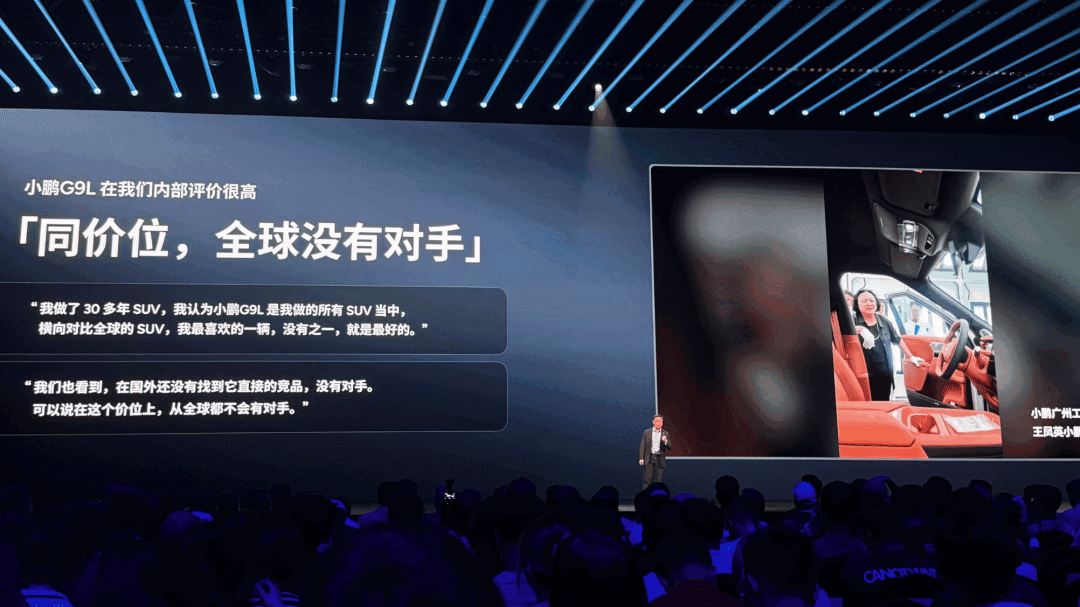
XPeng: He Xiaopeng stated during a group interview following the launch of the XPeng G9L that starting this year, the company would even produce its own batteries, not just cells.
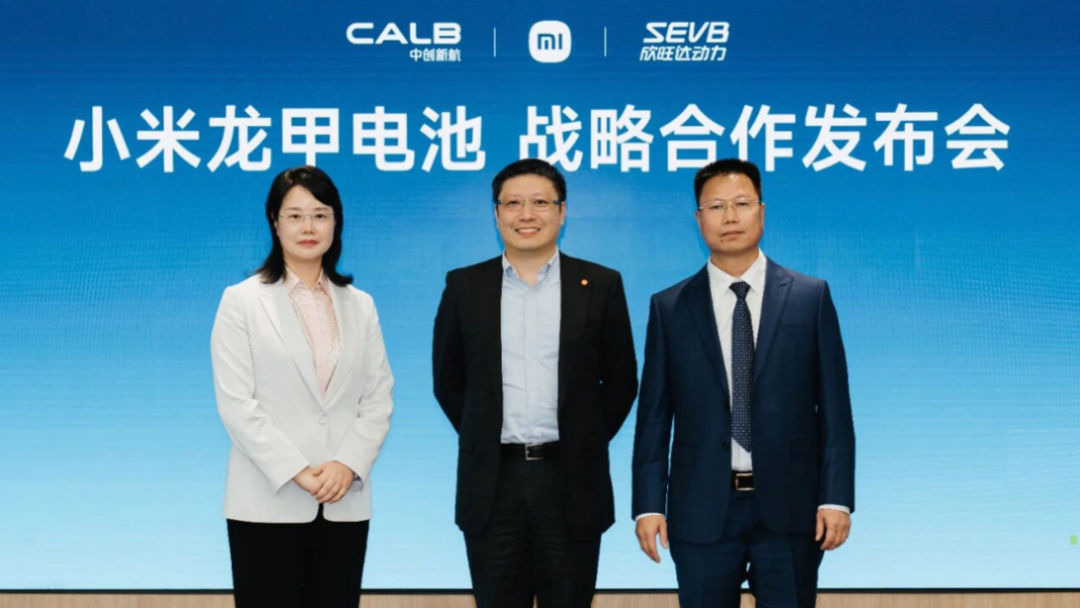
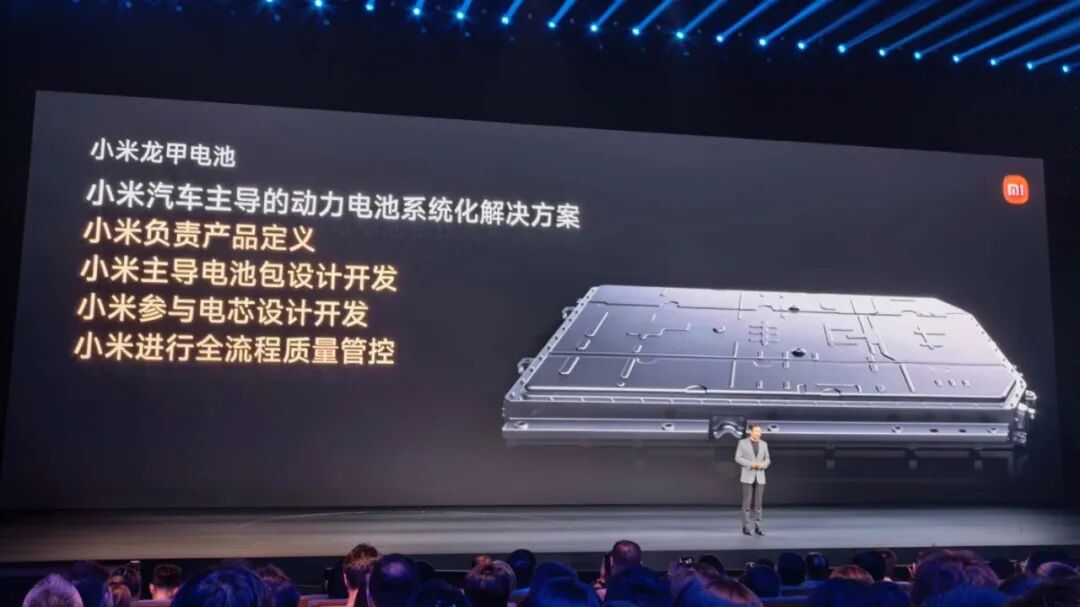
Xiaomi Pengcheng: Before its official launch, information about the Longjia battery was already released, though it does not currently apply to the Xiaomi SU7 and YU7 models.
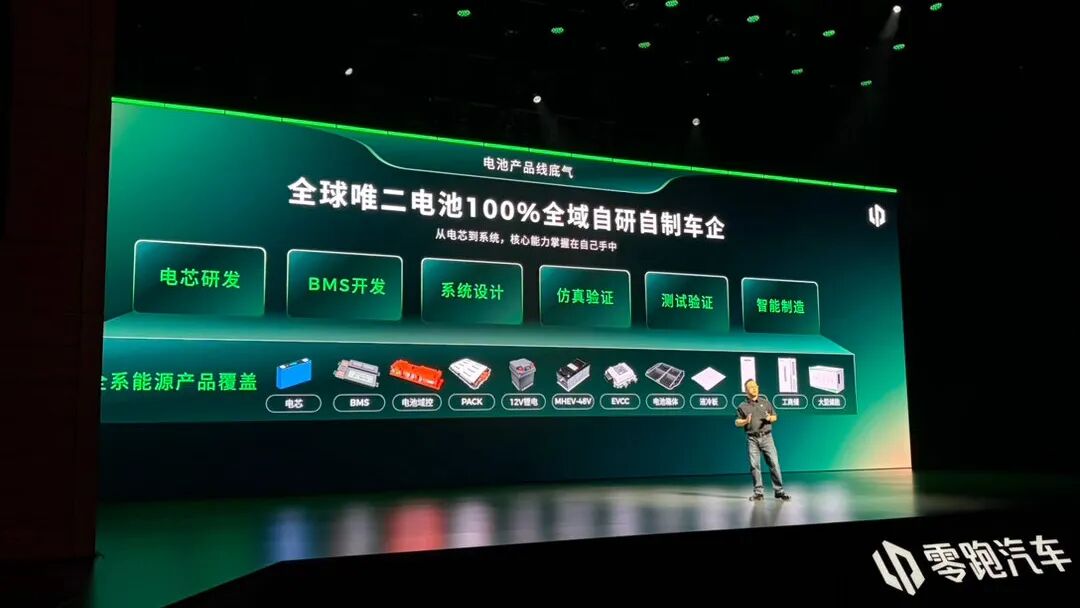
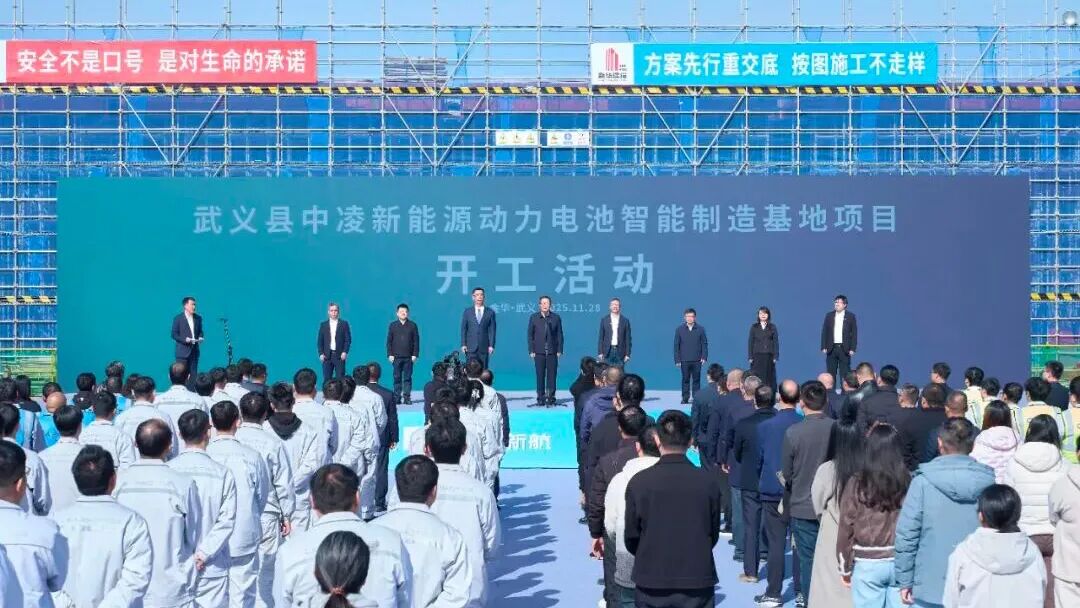
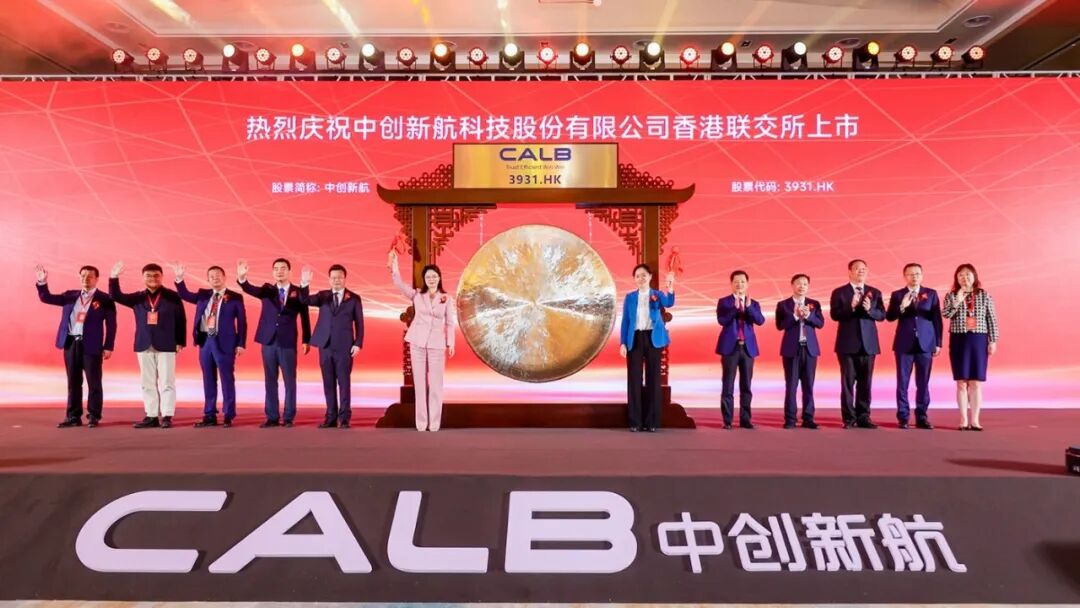
Leapmotor: At its latest Tech Day, Leapmotor announced its next steps for power batteries. In addition to upgrading its CTC technology to version 3.0, it also revealed the latest progress of its joint venture with EVE Energy—Zhongling. The integrated super battery factory has achieved full in-house production, covering everything from cells to modules, PACKs, enclosures, and liquid cooling plates.
These automakers hold significant influence in China's new energy vehicle sector. They have successively introduced battery brands like EVE Energy and Sunwoda or invested in and deeply collaborated with other power battery manufacturers. The core logic behind this is very similar to the engine + transmission strategy of the fuel-powered vehicle (internal combustion engine vehicle) era.
Specifically, this can be explained by the following seemingly simple yet complex structures in practice.
At the most superficial level is production capacity. To date, many models have faced production and delivery pressures due to orders exceeding initial expectations. In the early stages of industrial development, a fixed-point procurement and supply model was used, where the supply speed of power batteries directly determined sales figures and subsequent market growth. This has led to many stories—and accidents. For example, in September 2022, XPeng announced that it had established a more diversified battery supply chain.
Deeper still is cost control. After new energy vehicles became mainstream, power batteries have long accounted for the largest portion of vehicle costs, typically 30%-40%. The pricing system for power batteries has largely been controlled by the supply chain. Now, with more in-house batteries being developed, this traditional logic is being disrupted.
Even deeper is homogenization. This is often an overlooked key issue. Over the past two years, several well-known automakers have switched power battery brands, each time causing fluctuations in sales. However, it has ultimately been proven that these were often short-term business decisions or within acceptable limits.
From the perspective of early adopters, this has been a positive exploration for the automotive industry. For a time, power battery brands were highlighted in product launches as core selling points. As vehicle sales grew, this approach was adopted by other automakers. The ultimate result, however, is visible: when everyone uses the same selling point, explaining to consumers why 'mine is better than others' becomes costly.
Moreover, once deep binding is achieved, it cannot be the sole supply source, offering only a certain lead time. After being tested by time and the market, it has been proven that excessive investment by automakers does not always yield high returns.
At the deepest level is, naturally, long-term development space. 'Don't put all your eggs in one basket' is a globally recognized principle. The current collective rush toward in-house battery development is also an inevitable result of China's rapidly growing power battery industry. As technological differences between batteries narrow to the point of being negligible, automakers have more choices.
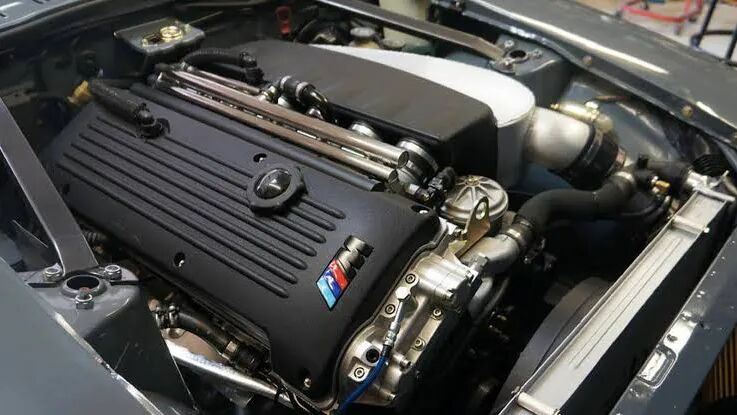
After all, the automotive industry is a long-term game. Why were successful companies in the internal combustion engine era those that mastered core components like engines and transmissions, rather than relying on suppliers? This question hardly requires elaboration.
Are More Appealing New Car Prices Coming Soon?
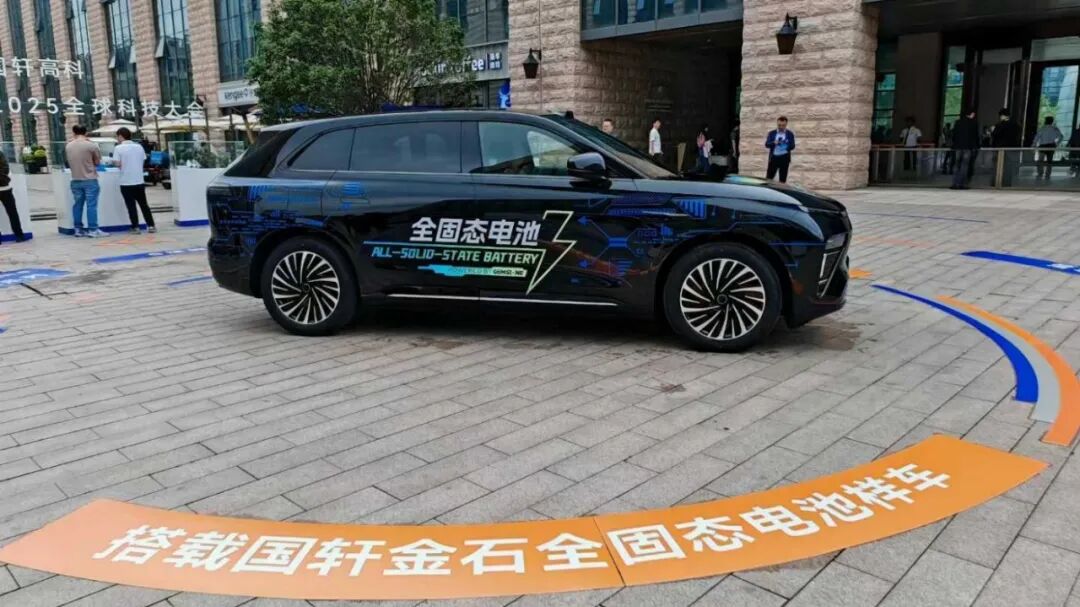
Based on current development trends, the procurement and selection of power batteries will continue to feature a diversification (diversified) selection pattern in the short term without core technological breakthroughs (such as the large-scale commercialization of all-solid-state batteries).
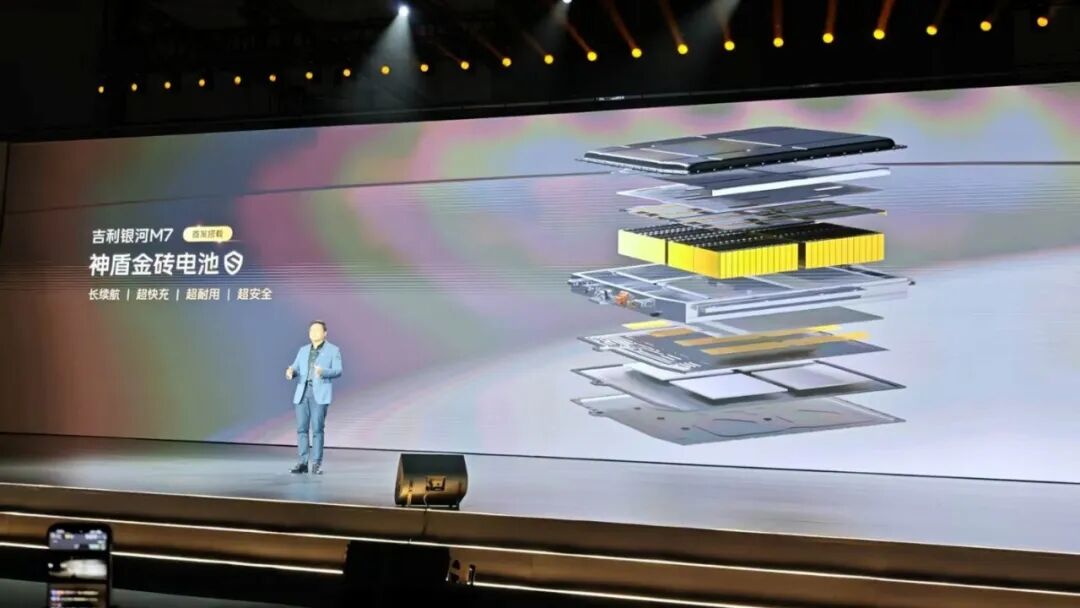
Li Auto has invested 2.65 billion yuan to become the second-largest shareholder of Sunwoda Automotive Energy and introduced EVE Energy as a third supplier. Xiaomi Automobile has officially announced EVE Energy and Sunwoda Automotive Energy as its two major strategic battery partners. Leapmotor has established Zhongling, a joint venture with EVE Energy. Additionally, in June 2026, multiple brands under Hongmeng Zhixing (Harmony Intelligent Mobility) officially announced the introduction of three battery suppliers: EVE Energy, Gotion High-Tech, and Sunwoda.
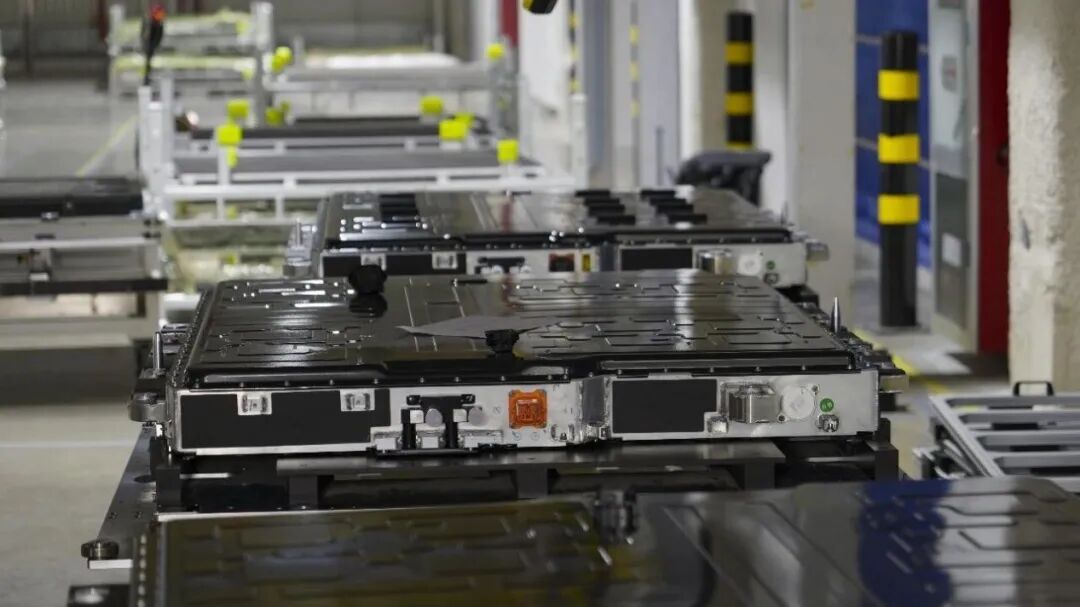
As the saying goes, markets in various fields globally have repeatedly proven one rule: the more intense the competition, the more transparent the prices become.
The cost structure of power batteries consists of battery manufacturers' scaling (scaled) production profits + PACK costs + supply chain markups.
The largest adjustable portion is scaled in-house production of cells. This is currently a common action among automakers. PACK costs, however, involve a particularly complex system of procuring lithium carbonate, cathodes, anodes, electrolytes, copper foil, etc., while ensuring long-term profits for battery partners. Thus, PACK costs are not the primary focus of cost control.
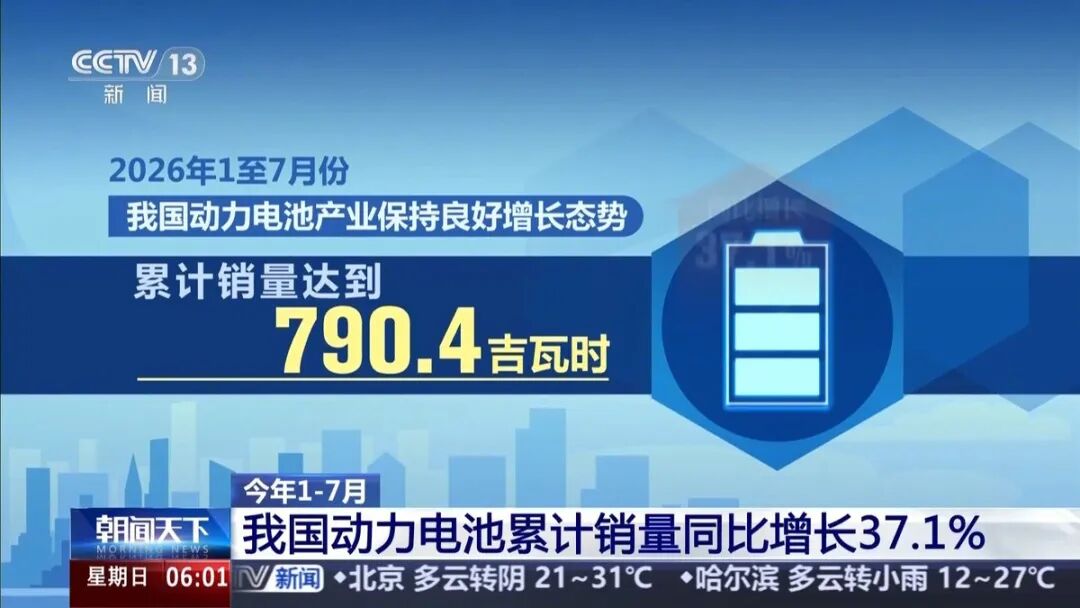
It is foreseeable that automakers' financial reports for 2027 will likely show significant improvement due to current in-house development and production efforts. However, another key question remains: with the emergence of more new models, will vehicle prices undergo another round of adjustments, as they have during previous transformations?
For example, vehicle prices in 2027 may be even more appealing than in 2026.
The potential change in battery costs alone cannot answer this question because of the classic industrial principle of 'economies of scale.' Whether through in-house development or procurement, if a certain scale is not achieved, the marginal benefits will be very limited. Initially, costs may even be higher than outsourcing, with effects only becoming visible in the mid to long term.
However, another structural change is already providing an answer to the question of 2027 vehicle prices.
From the latest round of new vehicle launches, it is evident that more automakers are adopting rational pricing strategies. This reflects a shift from the 'premium push' models of the past five years toward a more pragmatic focus on sales volume, gross margin, return on investment, and cash flow for long-term development.
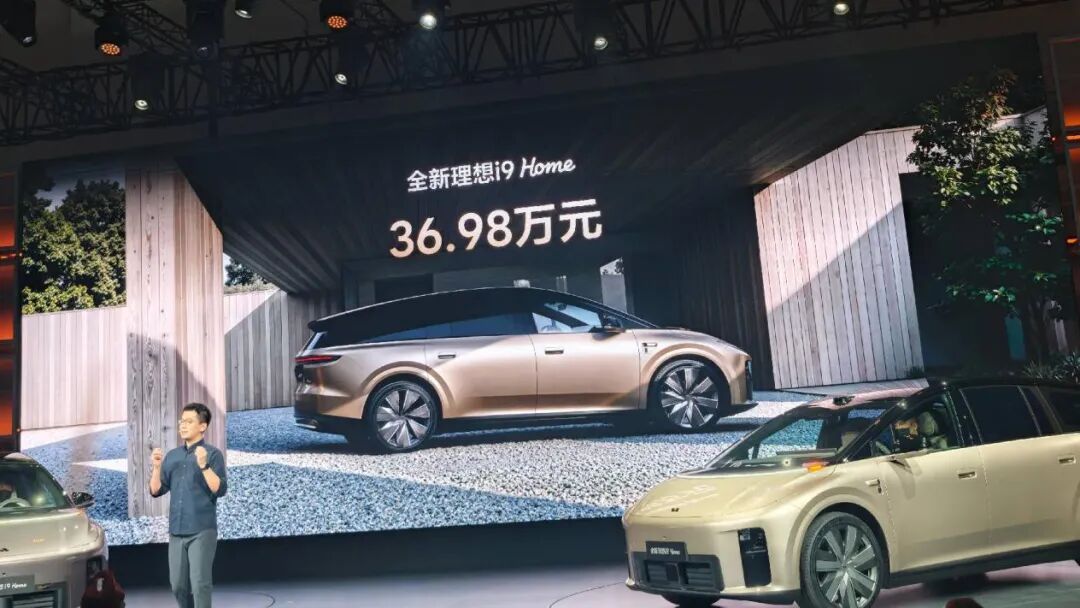
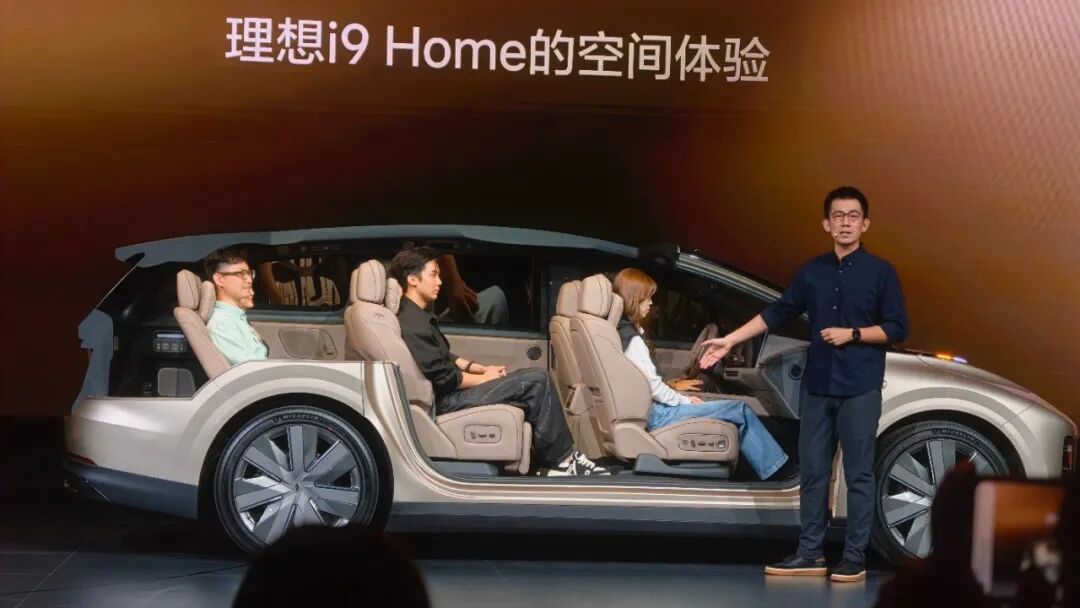
For example, the recently launched Li Auto i9 is priced at 369,800 yuan. As the flagship model in its pure electric SUV lineup, its pricing is significantly lower than that of the extended-range flagship Li Auto L9 Livis, which has a starting price of 509,800 yuan.
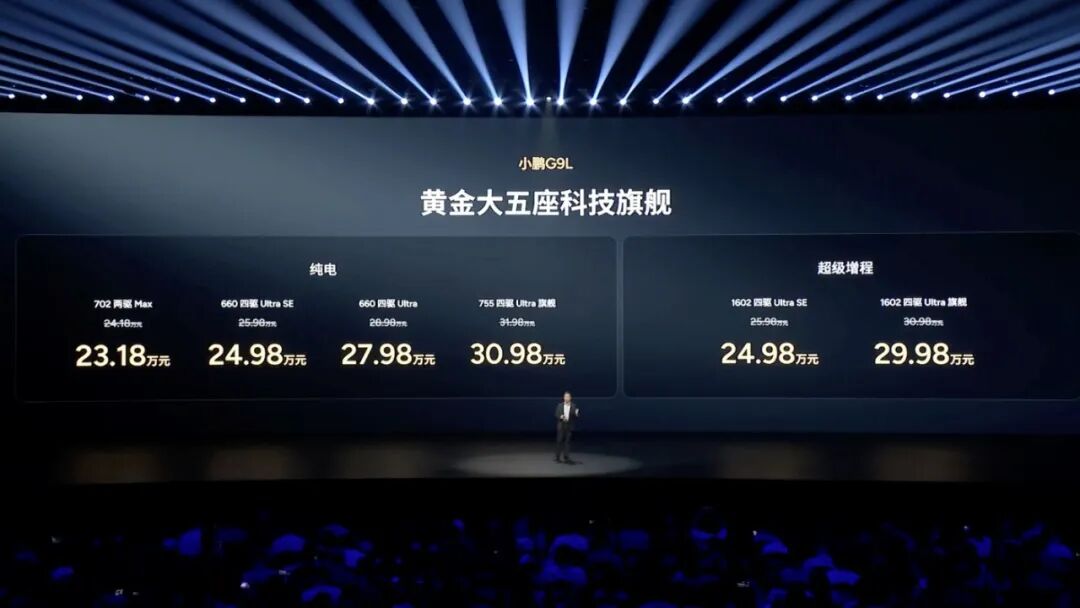
Another example is the newly launched XPeng G9L. As the brand's flagship large five-seat SUV, its pricing is even lower than that of the previous XPeng G9. With a limited-time price range of 231,800-309,800 yuan, compared to the 2026 XPeng G9's starting price of 248,800 yuan, its global launch on October 12 may offer even more surprises. As a new model equipped with upgraded chips, additional features, and more space, this pricing approach reflects the company's operational logic.
In Conclusion
Ultimately, this situation is very similar to the landscape when China's major automotive brands were promoting domestically developed models.
In the early days, engines and transmissions were highly reliant on external procurement, with companies like Toyota and Mitsubishi being the initial beneficiaries. After undergoing a sufficient period of accumulation, when more and more people began to recognize domestic car brands and were willing to pay for them, there emerged more profits and room for self-research and independent development in related sectors.
Whether power batteries will follow a similar path remains unknown for now. After all, their technological complexity and research and development difficulties are significantly higher than those of engines and transmissions, and the subsequent technological iterations, as seen now, are only just beginning.
However, the current market and profit performance do shed light on many issues. Looking at the companies that have released their financial reports and demonstrated good or outstanding performance, such as Geely, Leapmotor, BYD, and NIO, they are all advancing along an industrial logic more akin to Toyota's.
-
![]()
RoboX’s Breakthrough Year: From Hype to Reality
-
![]()
Nitto Denko Pours $160 Million into New Factory to Bolster Global Polarizer Strategy
-
![]()
Collaborating with XIOPM: Unveiling Huawei's Ambitious Optics Strategy
-
![]()
Monthly Report | Online Market Analysis of Dash Cams in July: Hikvision Maintains Leadership, DDPai Stands Out Against the Trend, and Panoramic Security Features Reshape the Market
-
![]()
Six Dishes and One Soup: The Launch of AITO Grand Hotel, How Seres Takes Over AITO Starting from a Meal
-
![]()
"China Speed" from an Overseas Perspective: The Coordination Revolution of Manufacturers and Suppliers
-
![]()
Founders Fund Allocates SpaceX Shares to Investors: Commercial Space Industry Hits Trillion-Dollar Valuation, Unlocks Liquidity Avenue
-
![]()
Revealed: Tesla’s Robot Team Conducts Factory Inspections, with Top Group, Sanhua Intelligent Controls, and Others Securing Major Orders!