"China Speed" from an Overseas Perspective: The Coordination Revolution of Manufacturers and Suppliers
 09/21 2026
 506
506
In discussions on the competitiveness of the global automotive industry, "China speed" has become an unavoidable core topic. It refers to an industrial capability that most Western automakers have yet to master: developing and launching a new vehicle from scratch in just over two years. Currently, the complete vehicle development cycle for Chinese automakers generally ranges from 18 to 24 months, while the equivalent cycle for traditional European and American automakers is typically twice as long, with some projects taking even longer.
In the domestic market, "fast-tracked vehicles" have recently become a focal point of industry controversy. From Li Shufu, Chairman of Geely Holding Group, warning that "pretending to understand when you don't leads to endless trouble," to Li Fenggang, Deputy General Manager of Beijing Hyundai, criticizing some automakers for "making consumers de facto test drivers," to Lu Fang, CEO of VOYAH, arguing that "fast-tracked vehicles cannot be judged solely by time," discussions within the industry about development speed versus product quality continue to intensify. While domestic public opinion generally focuses on whether "verification phases have been compressed," global automotive data and consulting firm MobilityGlobal offers a fresh perspective: dissecting the underlying logic of "China speed" from a supply chain viewpoint.
Most previous analyses of "China speed" have focused on the complete vehicle companies themselves, viewing the optimization of product development systems as the core source of competitive advantage. However, supply chain companies occupy a unique vantage point: they serve different projects, clients, and regional markets simultaneously, enabling them to clearly perceive the real nodes of decision-making processes, information transmission efficiency, and timing. Experiences from the frontlines of the supply chain reveal that the defining feature of "China speed" is not hasty rushing but efficient organizational collaboration.
The traditional automotive development system places a high premium on process predictability, following a strict phased progression logic: suppliers only deeply engage after design plans mature, verification only begins after engineering development is complete, and manufacturing only starts preparing after designs are fully frozen. Each phase has clear boundaries, with the goal of eliminating all uncertainties before the next phase begins.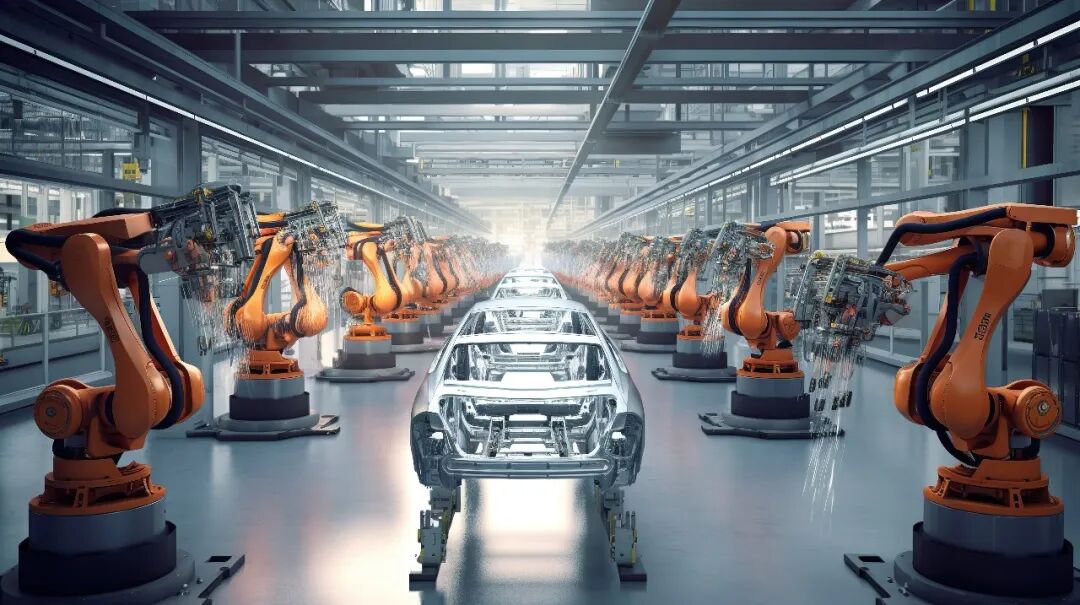
However, the cost of this model is the accumulation of significant waiting times throughout the development process. While the execution efficiency of each individual step is not low—single decisions often take just days—months of time are quietly consumed in the transitions between phases and the intervals between decisions. Hanno Focken, Managing Director of Catena-X, an automotive industry data ecosystem organization, has noted that the root cause of differences in development efficiency lies in how organizations collaborate, not how fast they execute internally.
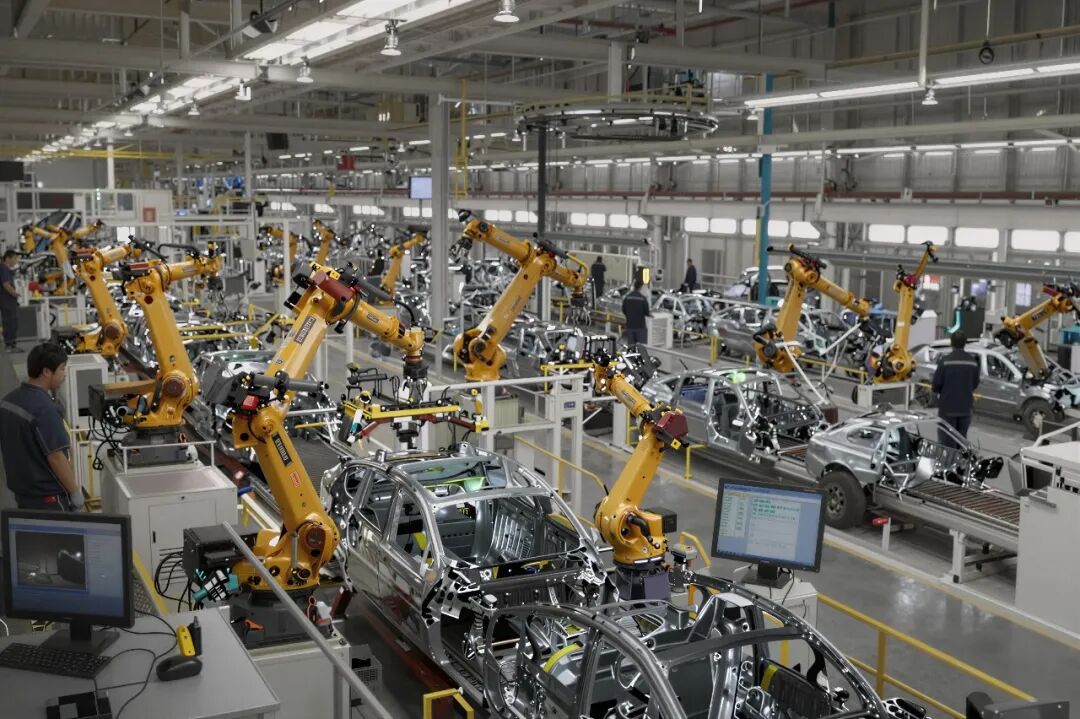
In contrast, Chinese automakers have reorganized the collaborative relationships across all phases. Engineering, procurement, manufacturing, and supply chain teams advance their work in parallel, with less rigid boundaries between functions: mold development begins even as designs are still iterating; manufacturing engineers get involved in assessments before final drawings are completed; suppliers are not just passive executors of decisions but deeply participate throughout the entire development process.
For suppliers observing both models, the differences are immediately apparent: requirements arrive earlier, designs are modified more frequently, prototypes are smaller but produced more often, and engineering change notices have shifted from exceptions to the norm. While this model does not produce parts faster, it allows for more composed (composed) handling of uncertainties.
These changes in collaborative models rely heavily on organizational transformations. The value of cross-functional project teams is fully amplified, as they can significantly shorten the feedback loop between problem identification and solution implementation. Meanwhile, digital technologies further reinforce these gains: simulation replaces some physical testing, digital twins reduce reliance on physical prototypes, and artificial intelligence accelerates the exploration and validation of design solutions.
The impact extends beyond the engineering level. Earlier supplier involvement in development means automakers must increase transparency. Cost discussions begin before design decisions are finalized, and the distribution of risks across the supply chain changes accordingly. As a result, trust becomes an operational asset. After all, collaboration cannot proceed without trust when it begins before all uncertainties are resolved.
Western manufacturers are also beginning to move toward China speed. Renault's compressed development project for the next-generation Twingo and Volkswagen's restructuring of its engineering operations in mainland China are notable examples. They are introducing verification partners into projects earlier and shortening the feedback loop between testing and engineering. Mike Gardner, Executive Director of the eSync Alliance, an automotive software update standards organization, states that Chinese manufacturers' development models are based on the assumption that "a vehicle is never truly finished," treating software as a living product rather than a one-time deliverable.
Of course, replicating China speed means more than just adopting shorter timelines; it tests whether companies are willing to be bolder: investing earlier, granting core teams genuine autonomy, and so on. European and American automakers sell products globally, facing more fragmented regulatory environments and higher product complexity, making it correspondingly more difficult to compress development without compromising verification.
Typesetting 丨 Zheng Li
Source 丨 MobilityGlobal
Image Source 丨 Qianku.com
-
![]()
RoboX’s Breakthrough Year: From Hype to Reality
-
![]()
Nitto Denko Pours $160 Million into New Factory to Bolster Global Polarizer Strategy
-
![]()
Collaborating with XIOPM: Unveiling Huawei's Ambitious Optics Strategy
-
![]()
Monthly Report | Online Market Analysis of Dash Cams in July: Hikvision Maintains Leadership, DDPai Stands Out Against the Trend, and Panoramic Security Features Reshape the Market
-
![]()
Six Dishes and One Soup: The Launch of AITO Grand Hotel, How Seres Takes Over AITO Starting from a Meal
-
![]()
"China Speed" from an Overseas Perspective: The Coordination Revolution of Manufacturers and Suppliers
-
![]()
Founders Fund Allocates SpaceX Shares to Investors: Commercial Space Industry Hits Trillion-Dollar Valuation, Unlocks Liquidity Avenue
-
![]()
Revealed: Tesla’s Robot Team Conducts Factory Inspections, with Top Group, Sanhua Intelligent Controls, and Others Securing Major Orders!