GAC Secures a 'Powerful Partner' | Auto Circle
 09/21 2026
 460
460
 As new energy, autonomous driving, artificial intelligence, and chip technology rapidly evolve, the automotive industry is undergoing a transformation of unprecedented scale.
To stay abreast of the latest developments in the automotive sector and provide insightful analysis of market trends, LingTai LT has introduced the 'Auto Circle' column. From a professional standpoint, this column delves into the latest global automotive industry trends, major automakers' new product launches, technological innovations, and market performance. Through in-depth analysis, it uncovers the underlying business logic and market patterns, as well as how these factors are reshaping the industry and influencing human mobility.
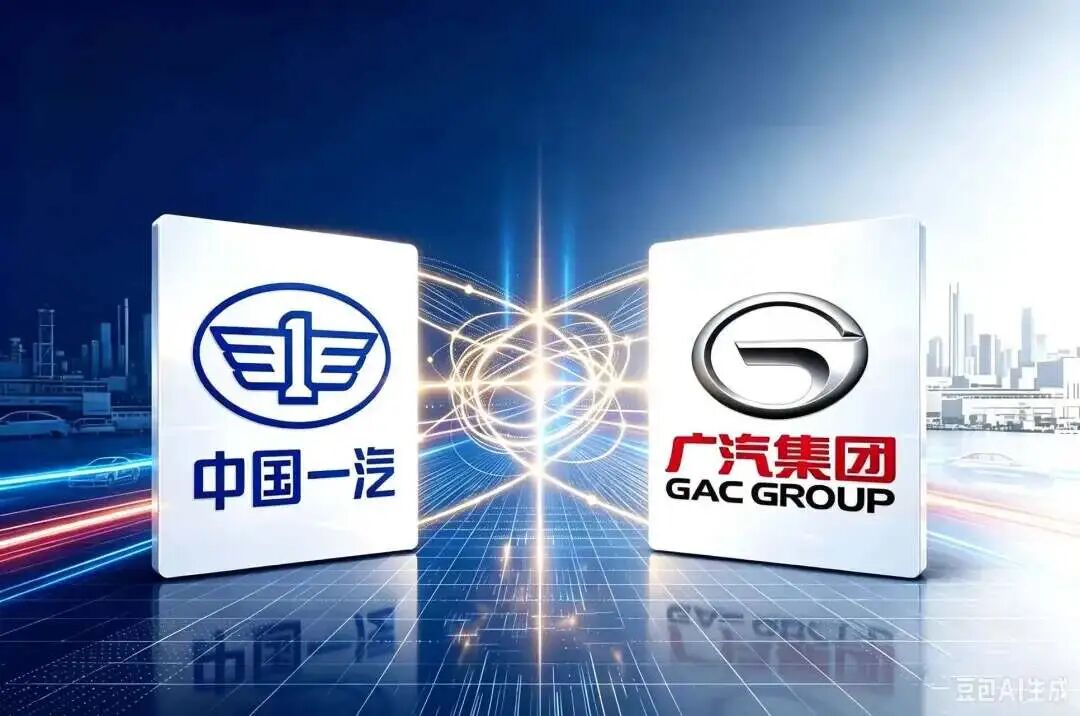
This article, the 35th installment of the column, focuses on the merger of GAC and FAW's Toyota operations in the northern and southern regions.
Author | Zhang Qian
Editor | Hu Zhanjia
Operations | Chen Jiahui
Produced by | LingTai LT
Header Image | Generated by Doubao AI
Major announcements often come on Sunday evenings.
On September 14, GAC Group unveiled plans to acquire a portion of the equity in a joint-venture automotive company held by FAW Group through the issuance of new shares.
However, focusing solely on the unification of the two Toyota entities would overlook the broader significance of this deal. For GAC, it is a lifeline; for FAW, it is a ticket they have been waiting for over a decade; for Toyota and the SASAC, it is an experiment that meets their respective needs.

GAC Desperately Needs a Turnaround
According to comprehensive media reports from Tianyancha, in 2023, GAC's net profit attributable to shareholders was still 4.429 billion yuan; by 2024, it had plummeted to 824 million yuan, with a first-time loss after non-recurring items; in 2025, the loss widened to 8.784 billion yuan—GAC's first annual loss since going public. In the first half of this year, it incurred another loss of 4.467 billion yuan, a 76% year-on-year increase. In just three years, this former profit benchmark has transformed into the biggest loser among 23 listed automakers.
Behind this decline, on one hand, Aion has slipped from being a champion in new energy sales into a price war morass, with independent brand sales dropping by 23% in the first half of the year. On the other hand, investment income from joint ventures GAC Honda and GAC Toyota shrank from 8.349 billion yuan in 2023 to just 1.326 billion yuan in the first half of this year, a drop of over 80%.
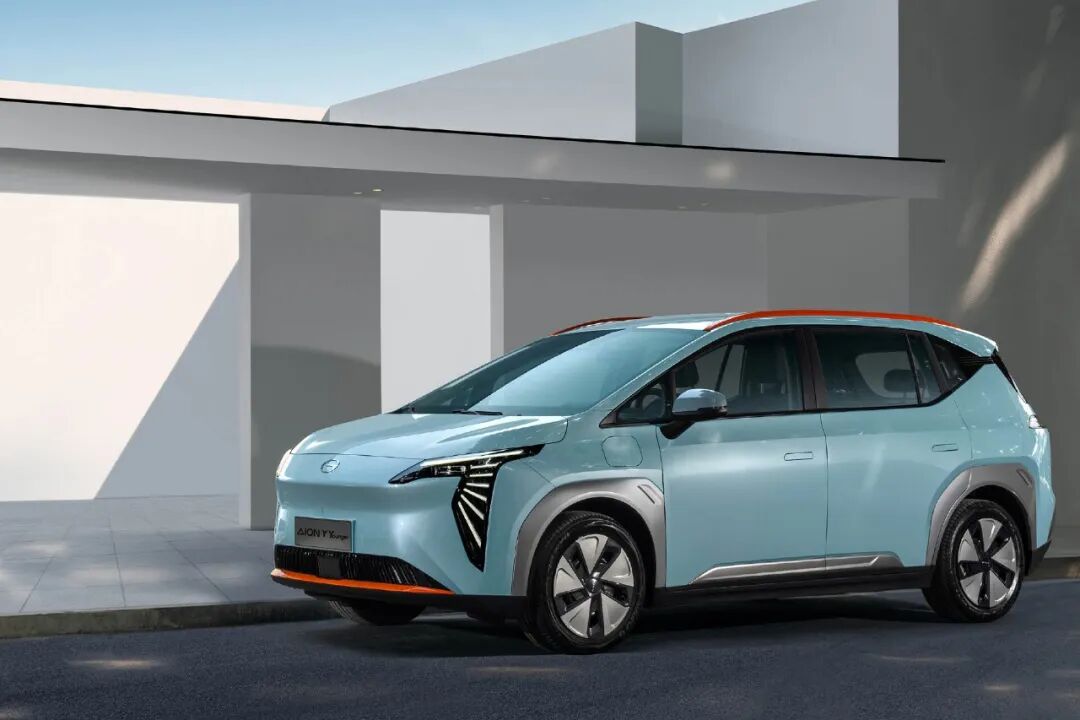
Over the past decade, joint venture profits have been the backbone supporting GAC's independent brands, but now that source is dwindling. The only relatively resilient part is GAC Toyota, which sold 356,000 vehicles in the first half of the year, ranking first among joint ventures, with the Platinum Wisdom 3X (BZ3X) leading in joint venture pure electric vehicle sales—but one 'cash cow' is no longer sufficient to sustain the entire group.
Examining the transaction design, acquiring approximately 25% of FAW Toyota's equity for around 20 billion yuan, all paid through the issuance of new shares, would result in the issuance of approximately 4 billion new shares based on the pre-suspension price of 5.09 yuan. FAW Toyota's net profit in 2025 exceeded 7.3 billion yuan, meaning the 25% stake corresponds to an annual profit share of approximately 1.16 billion yuan—a much-needed boost for GAC, which is incurring annual losses of 4.4 billion yuan. Meanwhile, Guangzhou State-Owned Assets' stake will dilute from 54% to around 38%, but control will remain firmly in its hands.
No trading suspension, no loss of control, and a lifeline extended—this is the best deal GAC could have secured.

FAW's Decade-Long Quest for a Breakthrough
FAW is in a much stronger position.
According to comprehensive media reports from Tianyancha, in 2025, FAW reported revenue of 541.5 billion yuan and sold 3.302 million vehicles. However, for every 10 vehicles sold, 7 bore Volkswagen or Toyota logos. FAW Toyota, the most profitable 'cash cow,' sold 805,500 vehicles and earned over 7.3 billion yuan in net profit in 2025, but it was also the fastest-declining segment within FAW's system in the first half of this year, with a 27.4% year-on-year drop—the 'cash cow' is producing less milk.
There is also pressure from the capital markets. Among FAW Group's subsidiaries, FAW Jiefang is a listed commercial vehicle company, but the passenger vehicle segment has never had its own listed platform. According to comprehensive media reports from Tianyancha, as early as 2011, FAW Group promised to resolve competition between peers (horizontal competition) through restructuring and integrate its sedan assets for listing, but this promise remained unfulfilled for over a decade.
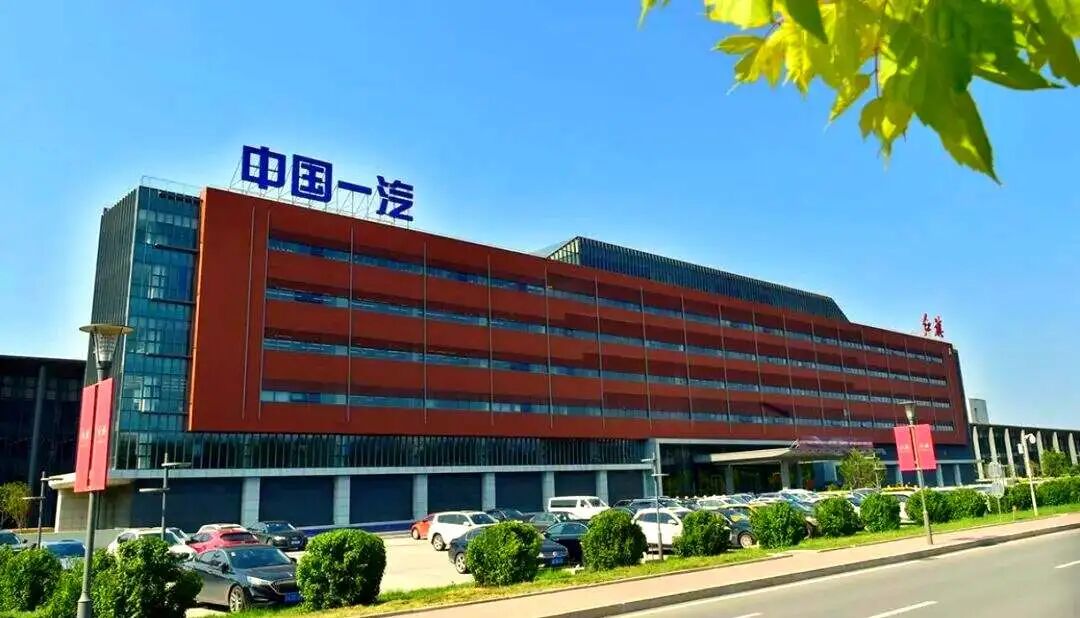
This time, FAW is exchanging a quarter of its stake in FAW Toyota for nearly 28% of GAC's shares and a strategic shareholder position on GAC's A+H dual-listing platform—circumventing the asset securitization roadblock it has faced for over a decade through a share swap.
There is also a regional strategy in this calculation.
The '15th Five-Year Plan' draft for soliciting comments (consultation draft) from the Changchun Municipal Industry and Information Technology Bureau explicitly states support for automotive OEMs (vehicle manufacturers) to acquire stakes in high-quality enterprises through equity investments. Beyond platforms, what FAW also wants is GAC's expertise in three electric vehicle components: the Magazine battery (Magazine Battery) has been installed in 1.3 million vehicles, and the In Pai Battery factory's 36 GWh production capacity is already operational—these are precisely the missing pieces in FAW's electric vehicle transformation. By exchanging a quarter of its 7.3 billion yuan profit for a platform, technology, and time to break out of the Northeast, FAW is planning for the next decade.

A Win-Win Deal for All Parties
There is another party in this transaction that is easily overlooked: Toyota.
The biggest competitors for Toyota operations in the north and south in recent years have been each other—the Sienna and Granvia share the same platform, powertrain, and target the same family user segment, with the two joint ventures undercutting each other on pricing, eroding per-vehicle profitability. In the first eight months of this year, Toyota's sales in China dropped by 19% year-on-year. For the foreign side, this merger is also a relief: rather than watching two companies undermine each other, it is better to repair the pricing system through integration.
Looking at the bigger picture, this transaction also aligns with the critical point of state-owned asset reform. In March last year, the SASAC announced a strategic restructuring of the three major automotive central SOEs, leading to initial expectations of a merger between Dongfeng and Changan. However, the plan was halted in June, and Changan was upgraded to an independent central SOE—the old path of 'group mergers' was no longer viable. The GAC-FAW model offers an alternative: no merger, but a share swap and mutual embedding. A central SOE becomes the second-largest shareholder of a local SOE, with control remaining in Guangzhou. FAW Toyota enters the listed company's financial statements, Guangzhou retains control, and the SASAC secures a low-friction reform model—all three parties obtain what they need most at present.
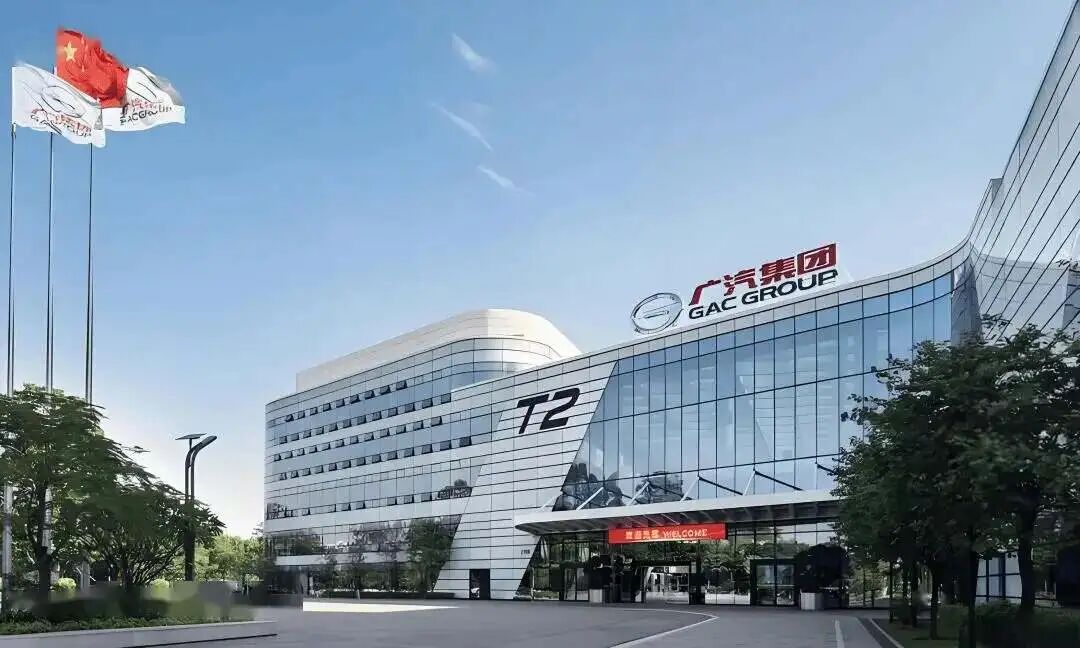
Of course, challenges are also evident. How to value profitable assets and determine the number of new shares to be issued affects the interests of both sides' state-owned assets; whether Toyota will simply cede its stake or use the share issuance to solidify its position as a major shareholder remains unclear; more fundamentally, integration—shareholders may change, but reporting lines, production plans, and channel interests for those inside the buildings will not automatically shift.
Thus, this transaction is less about the unification of Toyota operations in the north and south and more about a precise exchange of three sets of accounts: GAC exchanges equity for profit to sustain itself, FAW exchanges profit for a platform to break through, Toyota exchanges integration to end internal strife, and the SASAC secures a model that does not relinquish control. Each side concedes a little but also obtains what it needs most at present.
The entire automotive industry will be watching the outcome of this experiment: if 'share swaps without mergers' succeed, it could become the template for the next round of state-owned automotive consolidation—the answer will not be found in announcements but in the first performance report at the operational level.
Please contact us if you have any objections to the article.
-
![]()
RoboX’s Breakthrough Year: From Hype to Reality
-
![]()
Nitto Denko Pours $160 Million into New Factory to Bolster Global Polarizer Strategy
-
![]()
Collaborating with XIOPM: Unveiling Huawei's Ambitious Optics Strategy
-
![]()
Monthly Report | Online Market Analysis of Dash Cams in July: Hikvision Maintains Leadership, DDPai Stands Out Against the Trend, and Panoramic Security Features Reshape the Market
-
![]()
Six Dishes and One Soup: The Launch of AITO Grand Hotel, How Seres Takes Over AITO Starting from a Meal
-
![]()
"China Speed" from an Overseas Perspective: The Coordination Revolution of Manufacturers and Suppliers
-
![]()
Founders Fund Allocates SpaceX Shares to Investors: Commercial Space Industry Hits Trillion-Dollar Valuation, Unlocks Liquidity Avenue
-
![]()
Revealed: Tesla’s Robot Team Conducts Factory Inspections, with Top Group, Sanhua Intelligent Controls, and Others Securing Major Orders!